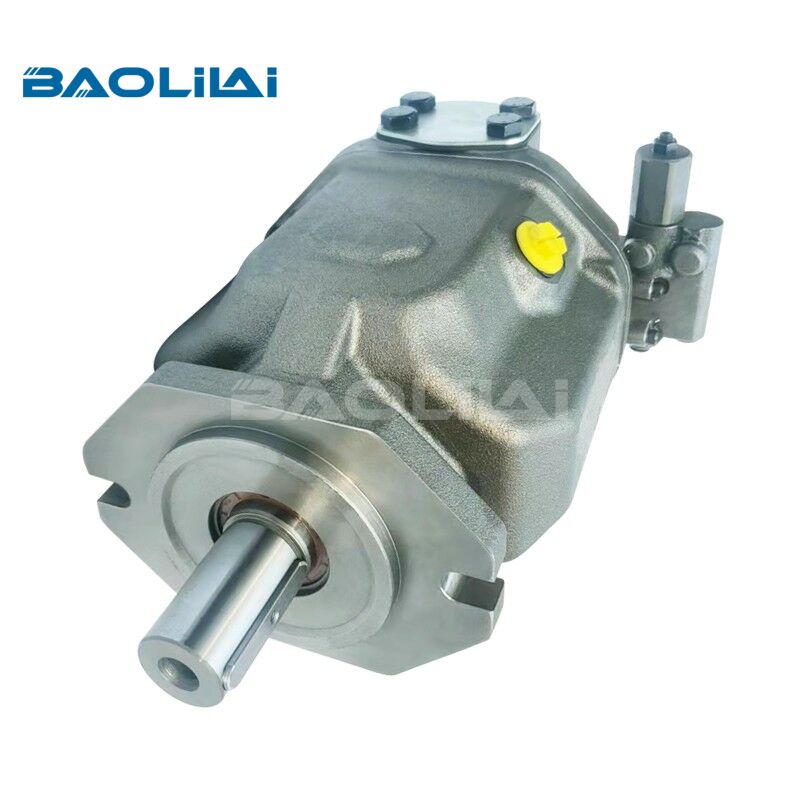
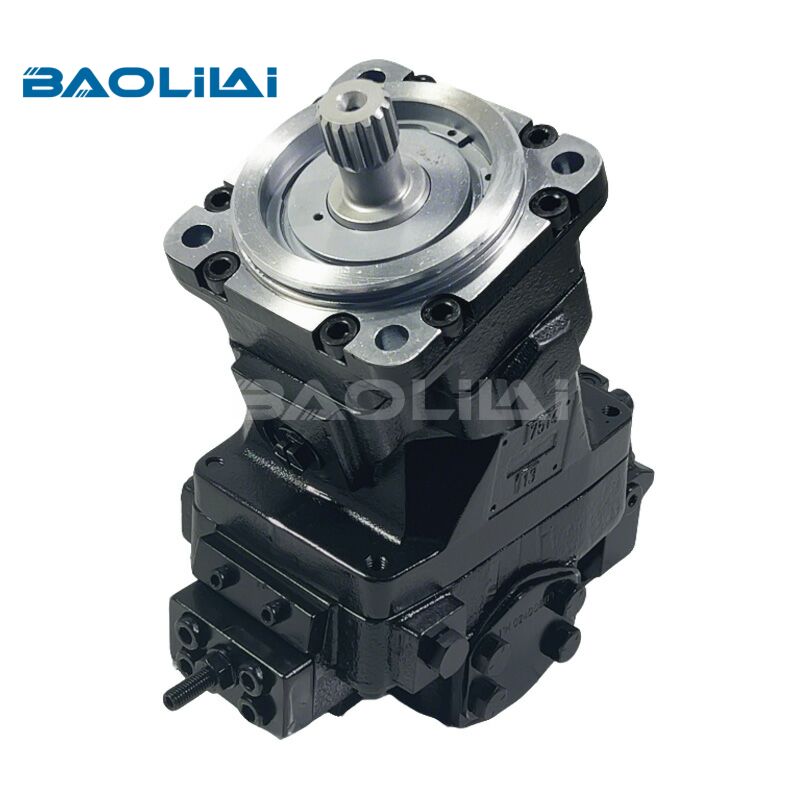
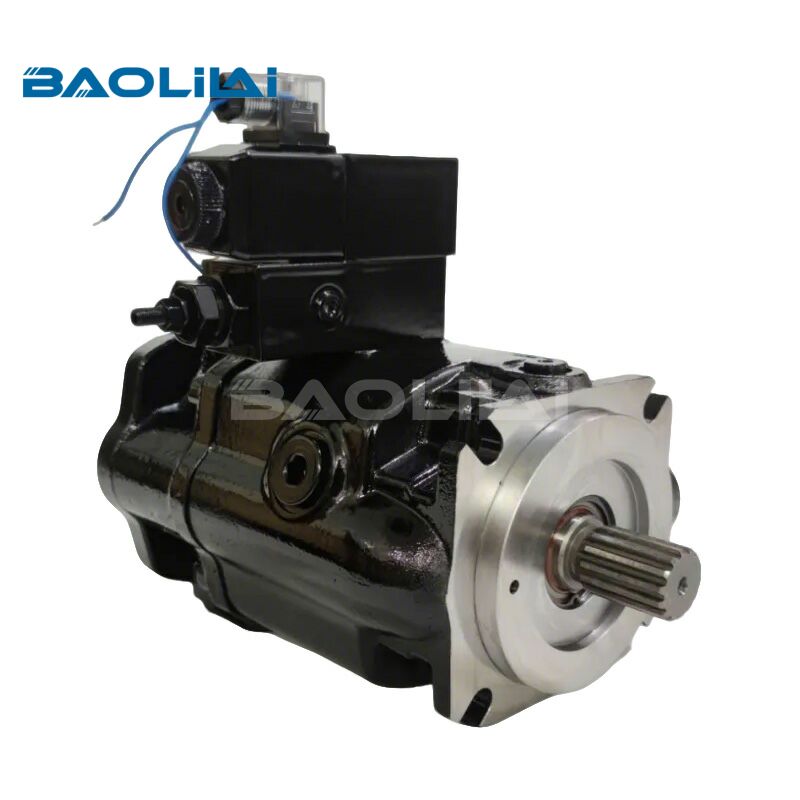
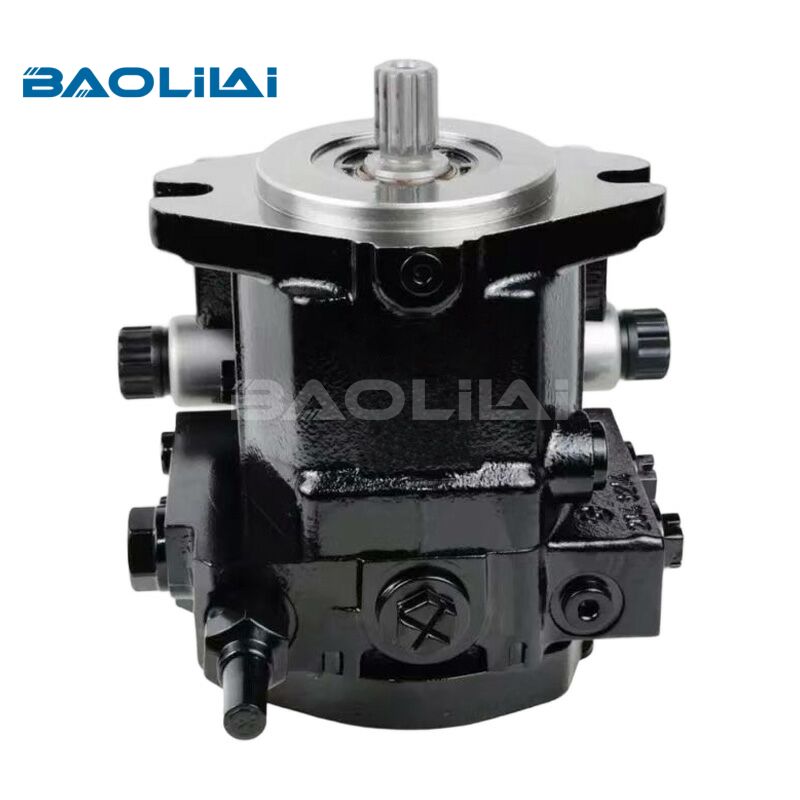
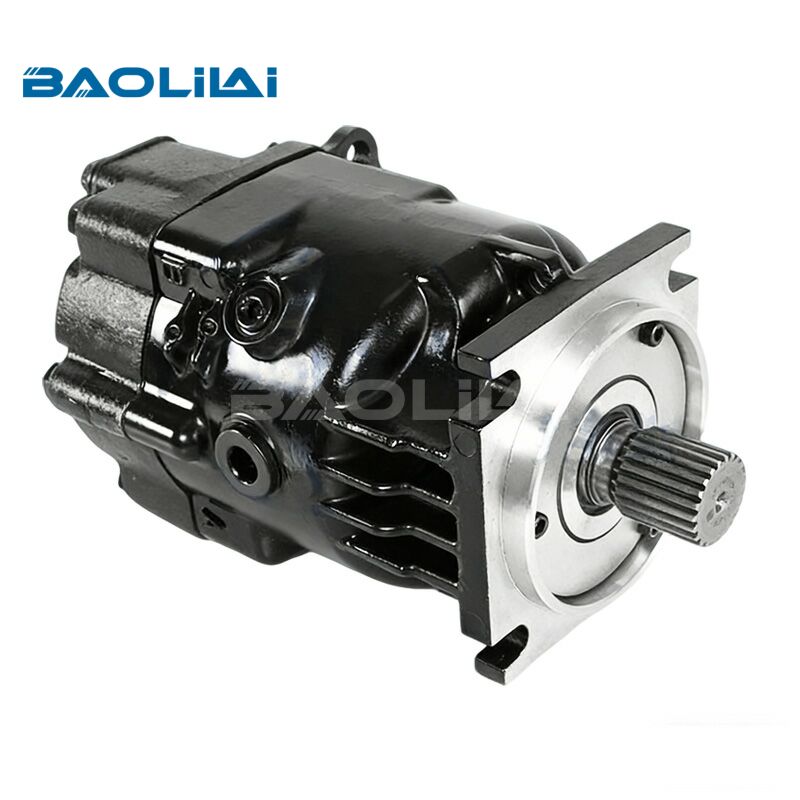
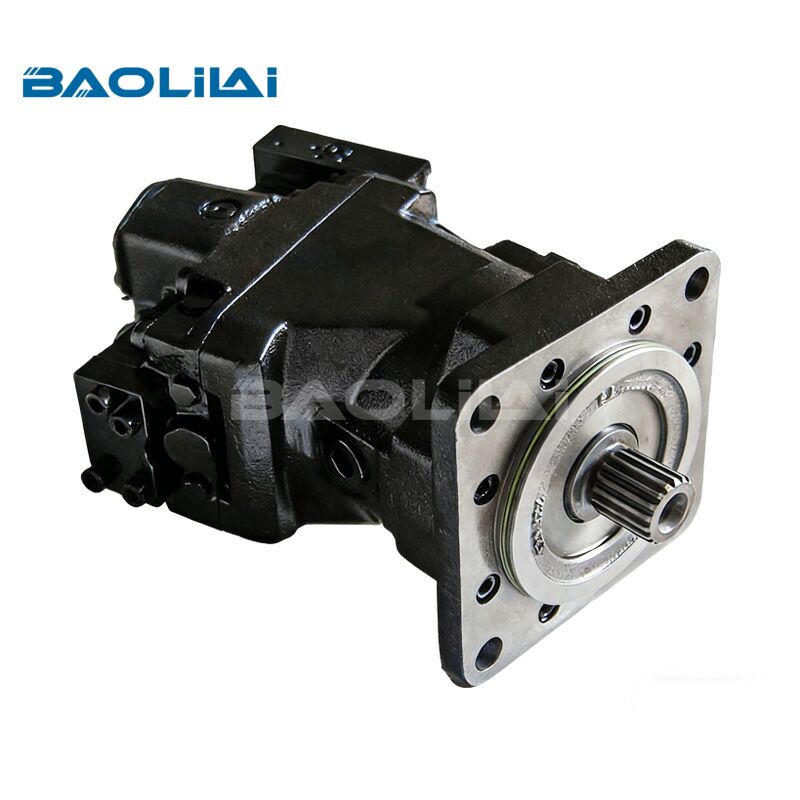
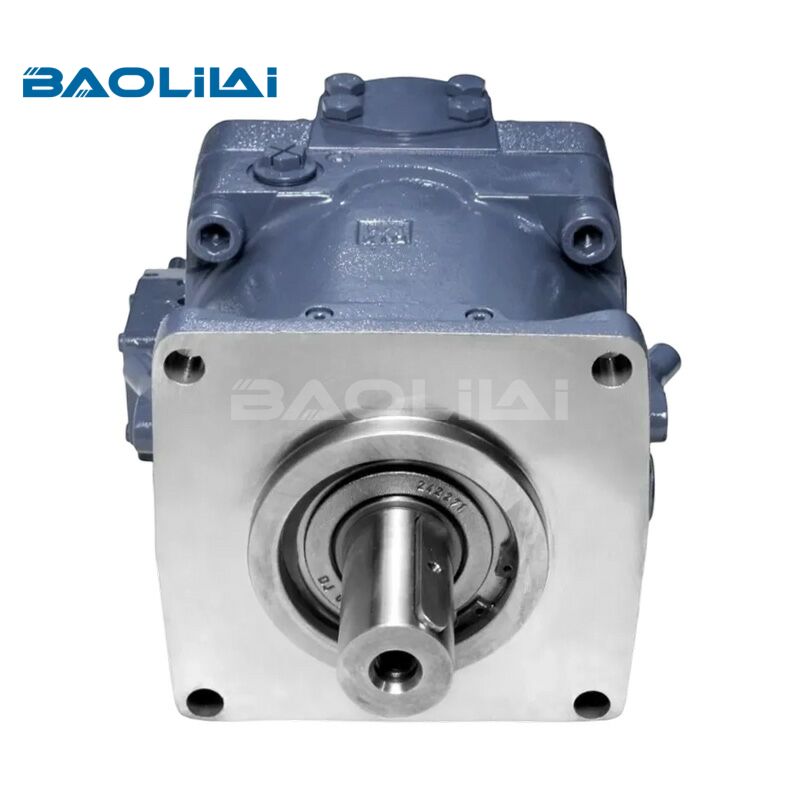
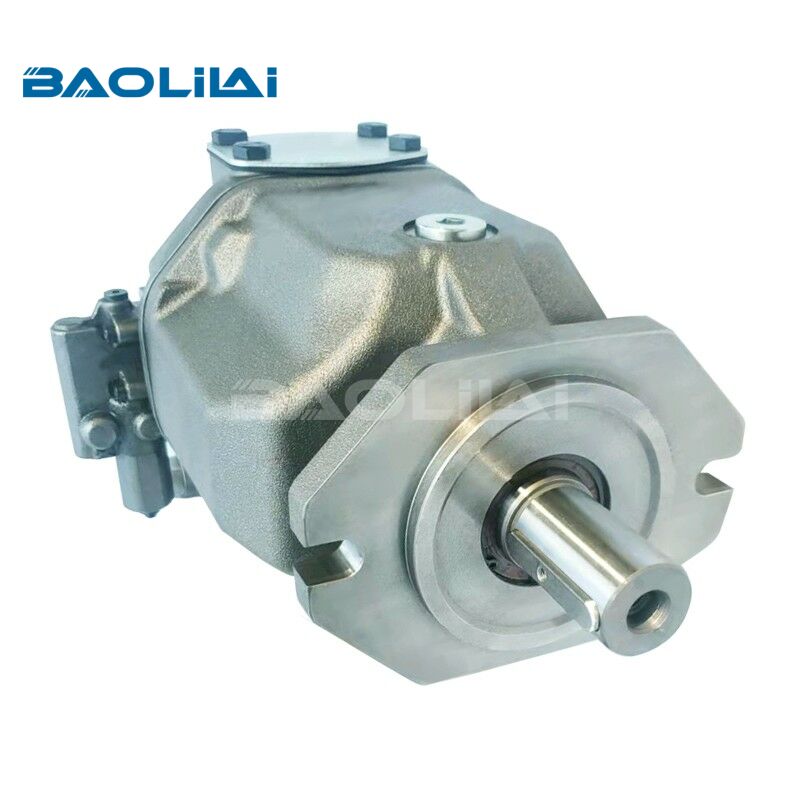
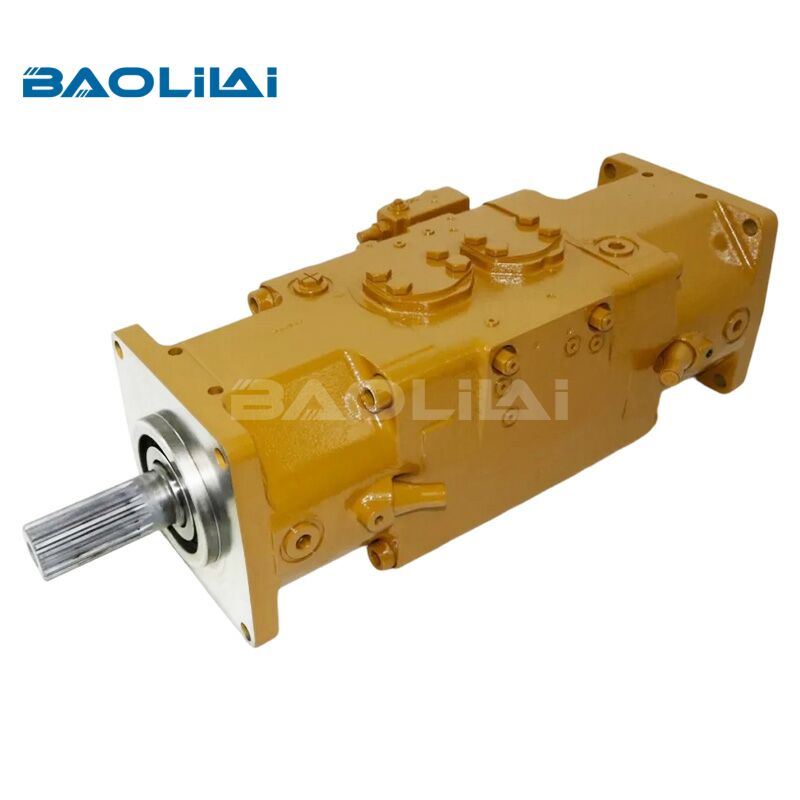
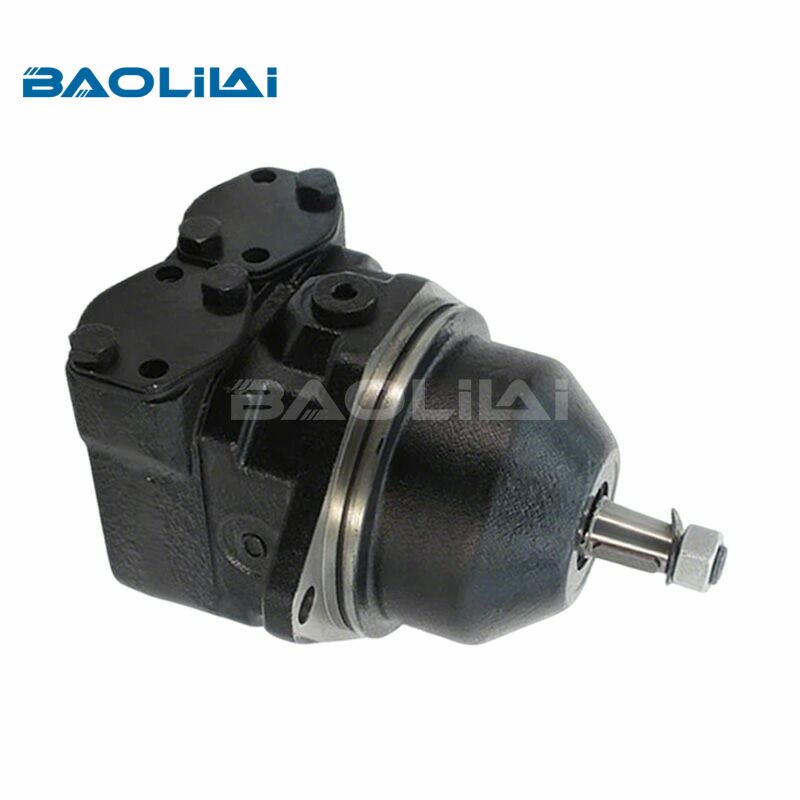
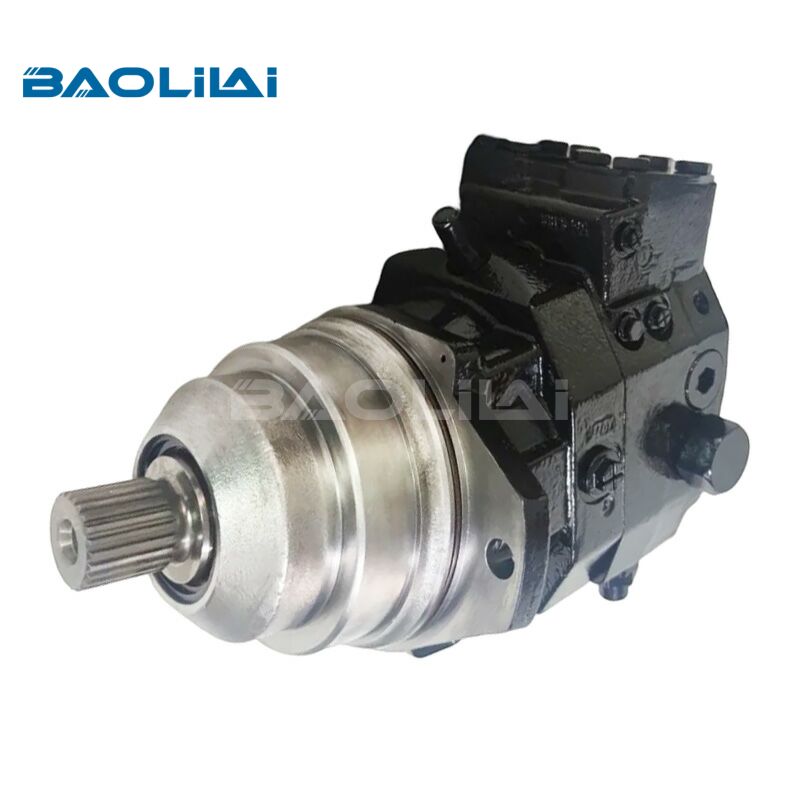
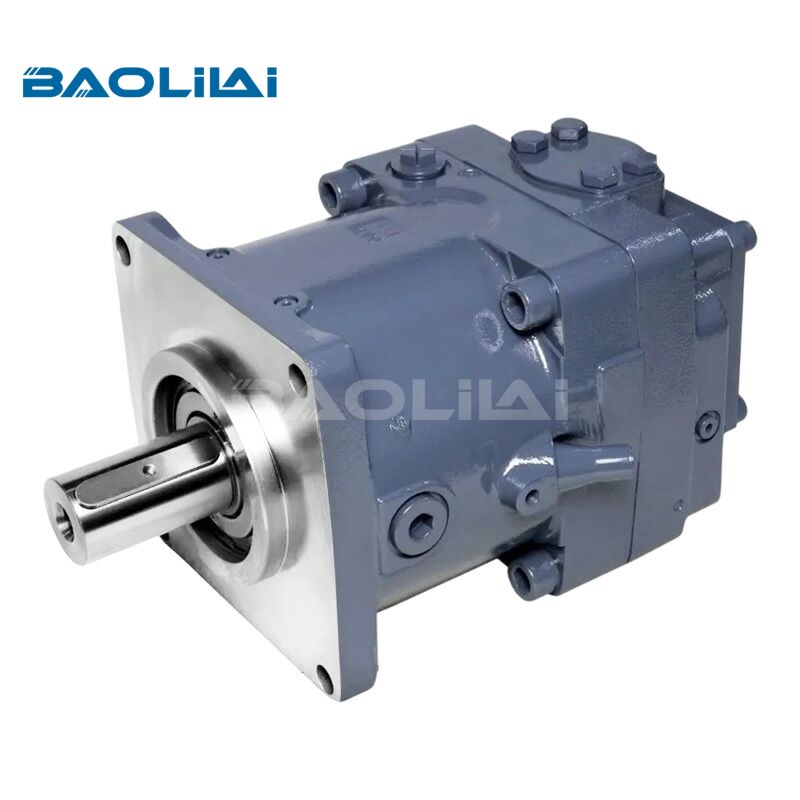
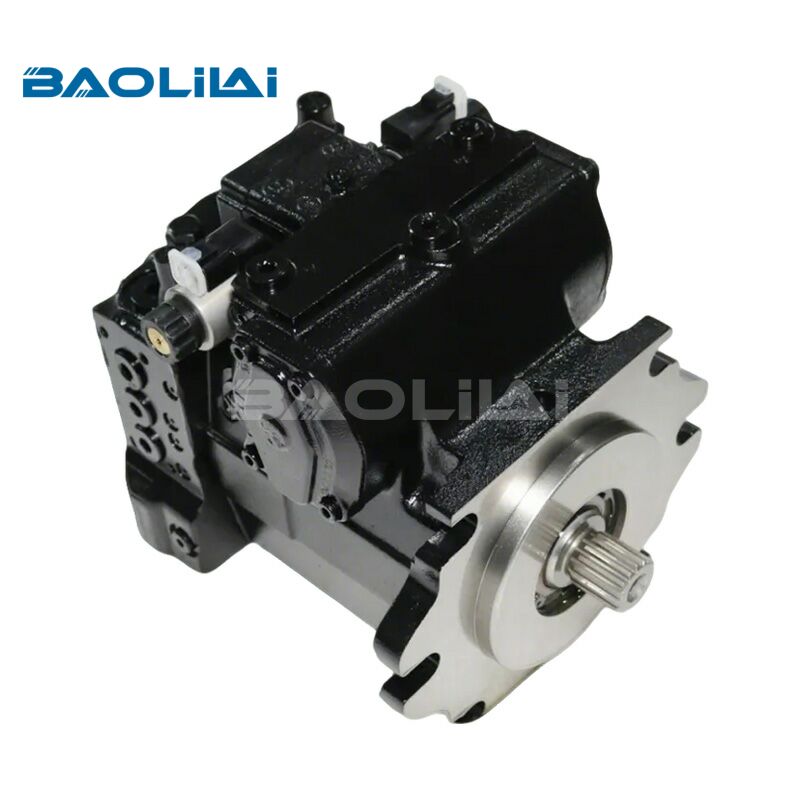
Rexroth A4VG A11VO hydraulic pumps for Sandvik Mining equipment 77013189 77794227 77794226 501810

- Product Details
- Product Model
- FAQ
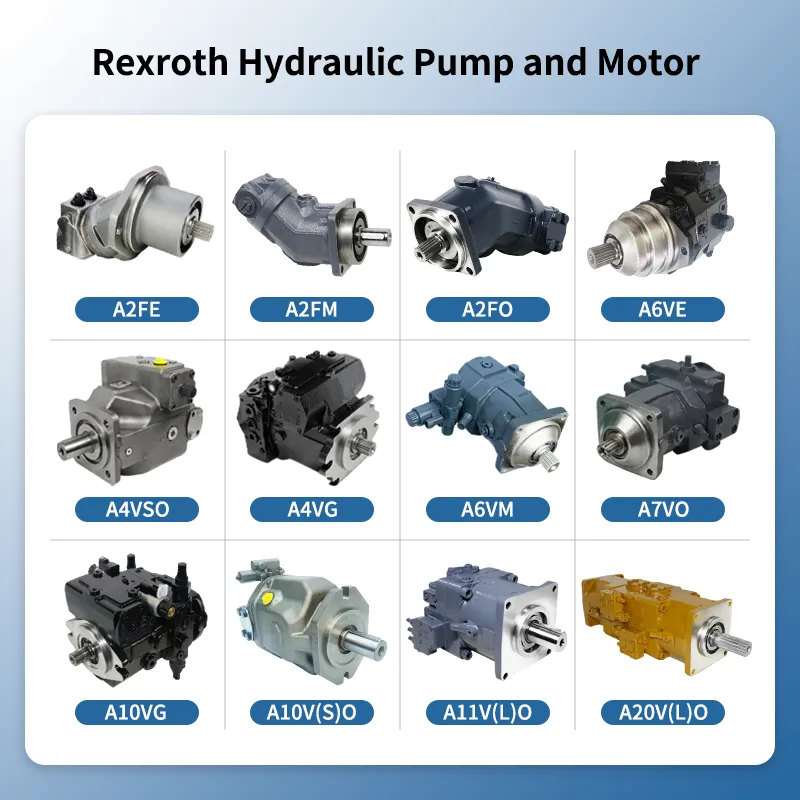
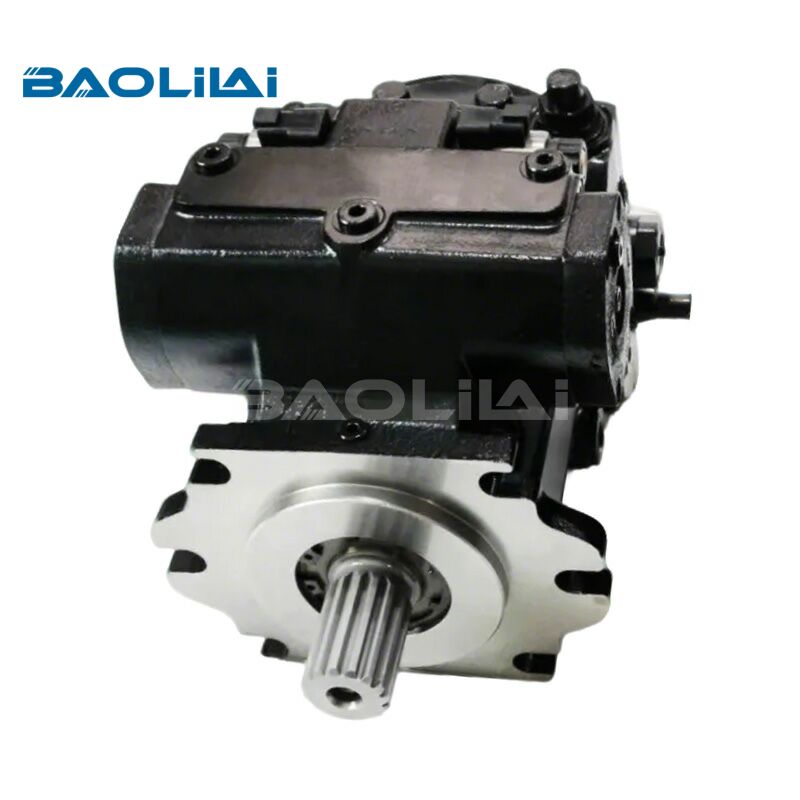
The A4VG: Closed-Loop Hydrostatic Drive Pump
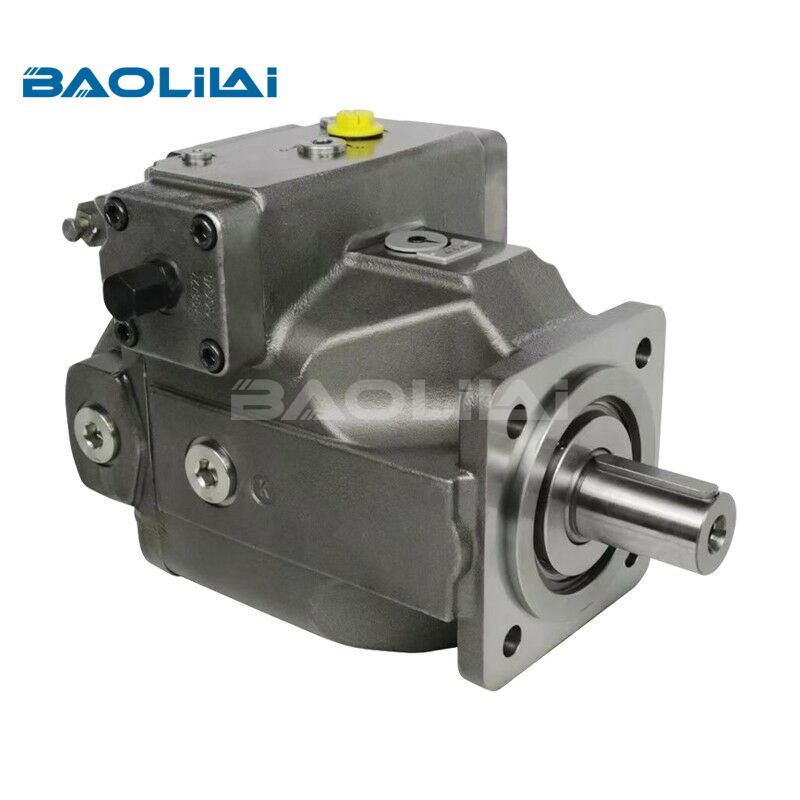
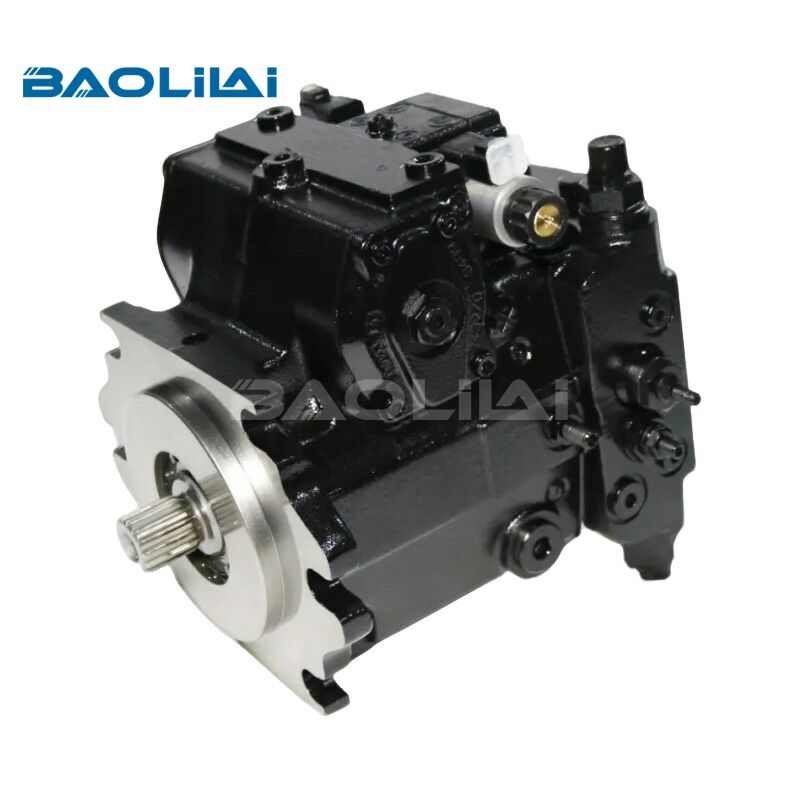
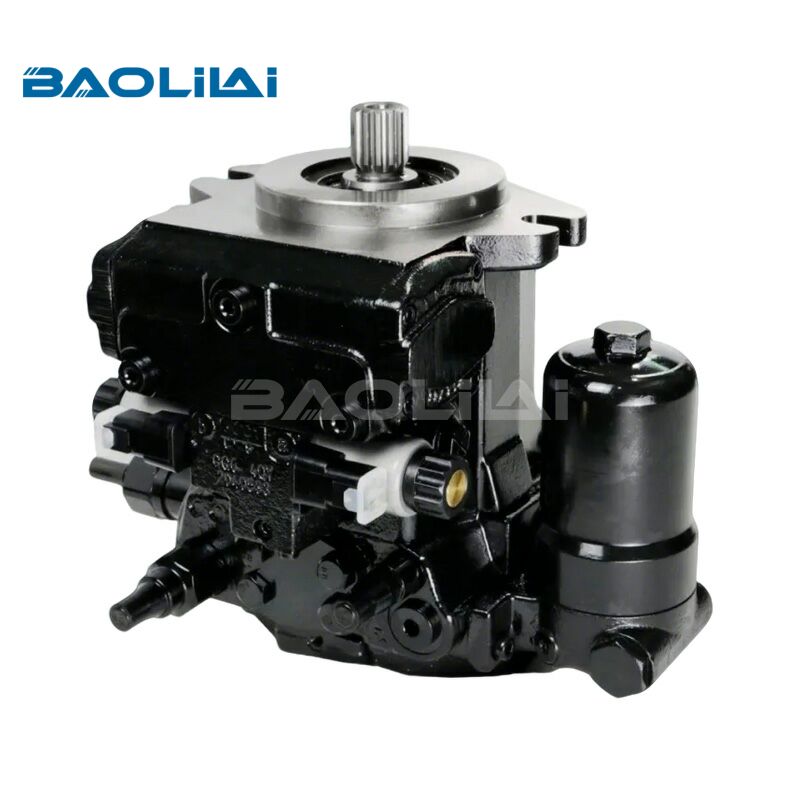
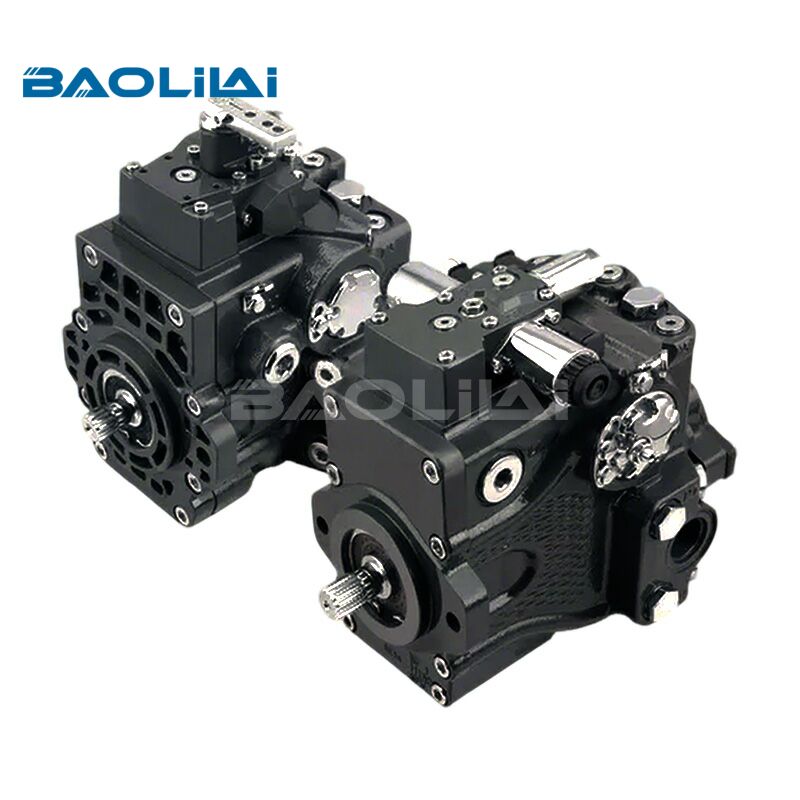
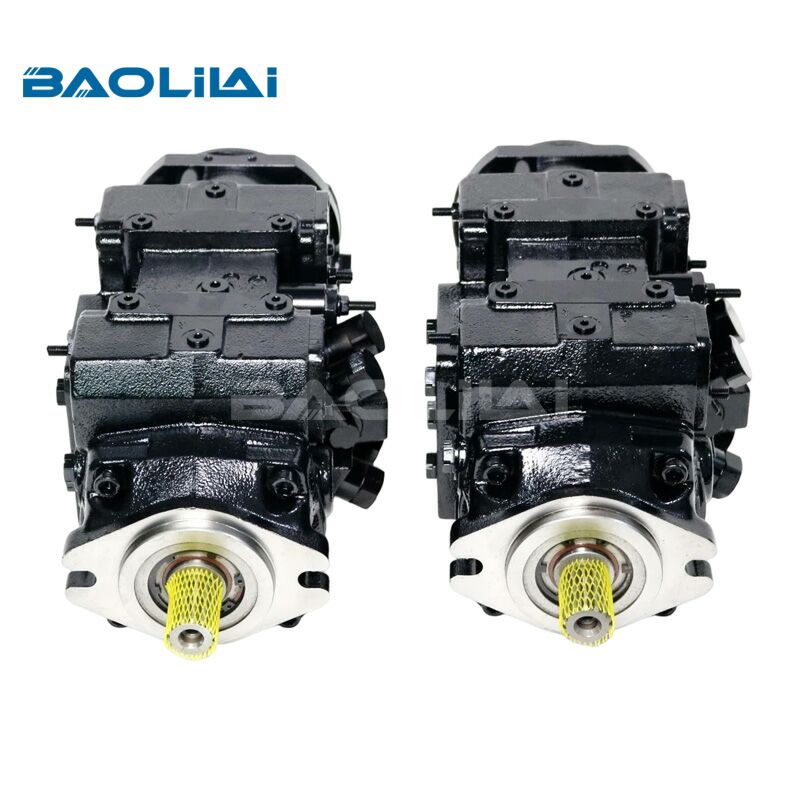
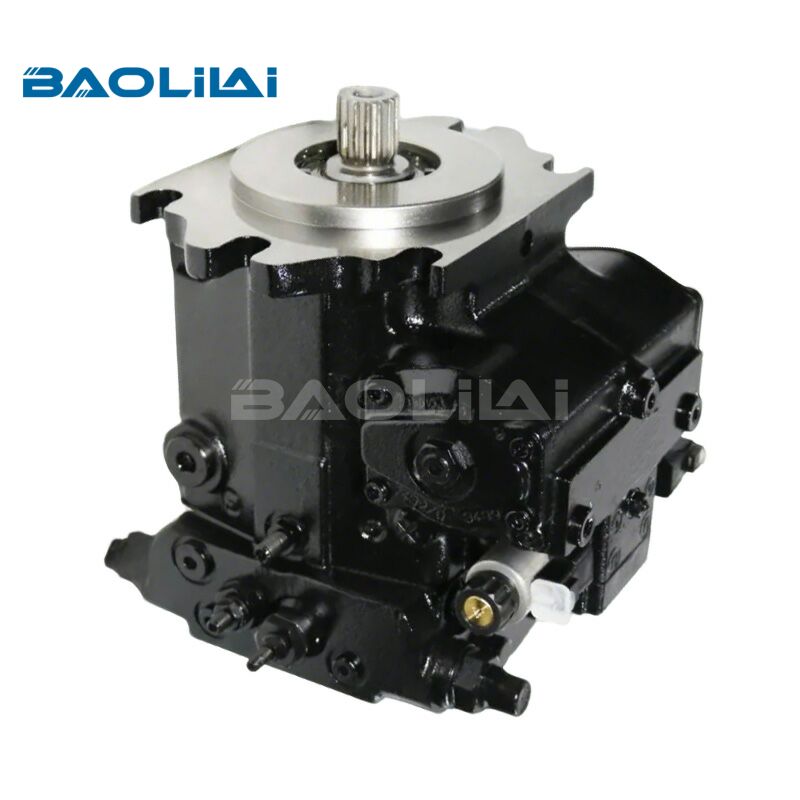
The Rexroth A4VG (Variable displacement axial piston pump, closed circuit) is the pump you'll find powering propulsion and tramming systems in Sandvik underground LHD loaders and drill carriages. It operates in a hydrostatic closed-loop circuit, meaning hydraulic fluid cycles directly between the pump and a fixed or variable displacement motor without returning to the tank between strokes.
Key A4VG specifications relevant to Sandvik applications:
Displacement range: 28 cm³/rev to 250 cm³/rev (A4VG28 through A4VG250)
Operating pressure: Continuous rated pressure up to 400 bar, peak to 450 bar
Drive speed: Up to 2,500 rpm, depending on displacement size
Control options: Hydraulic servo (HD), electrohydraulic proportional (EP), and pressure/power limiter combinations
Charge pump: Integrated gear pump for loop replenishment and servo supply
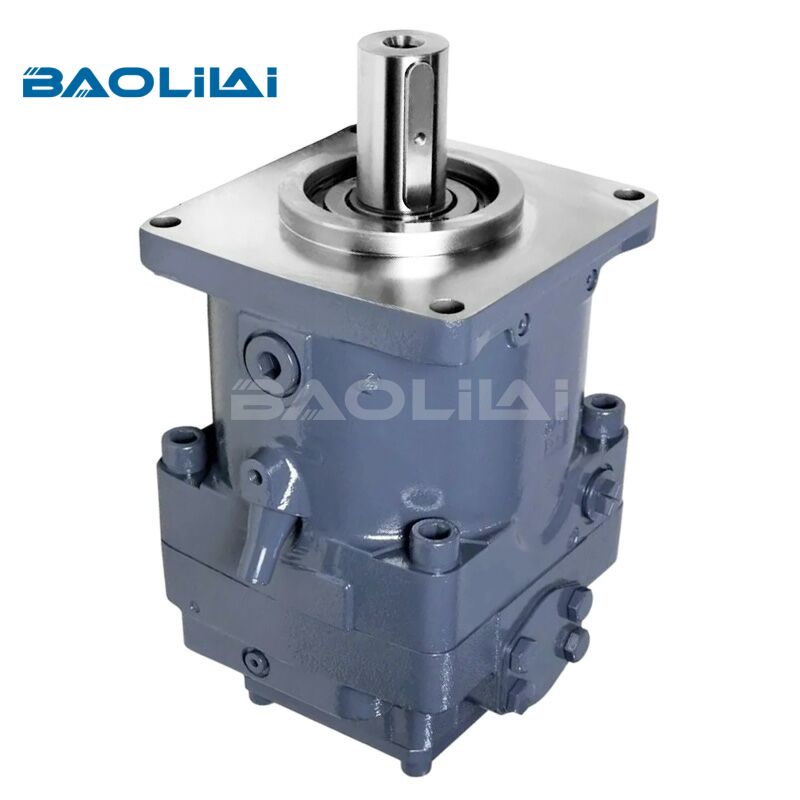
The A11VO: Open-Circuit Pump for Work Functions
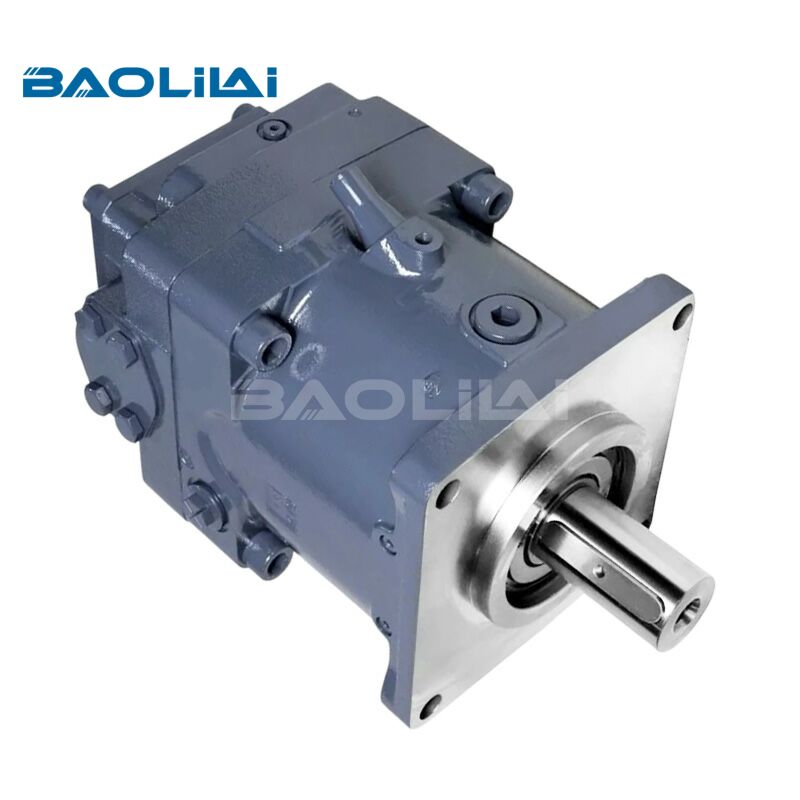
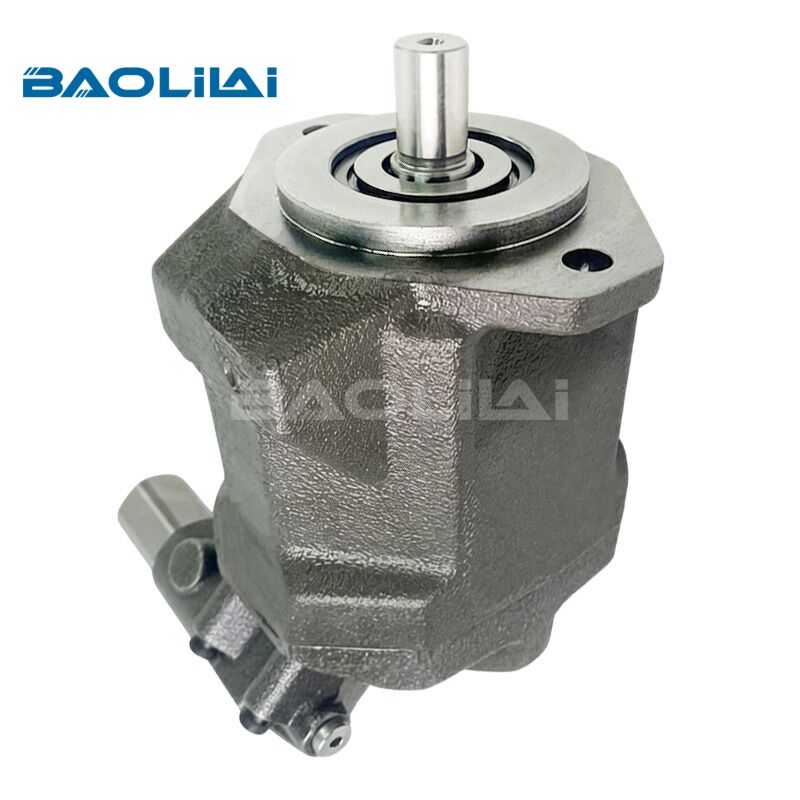
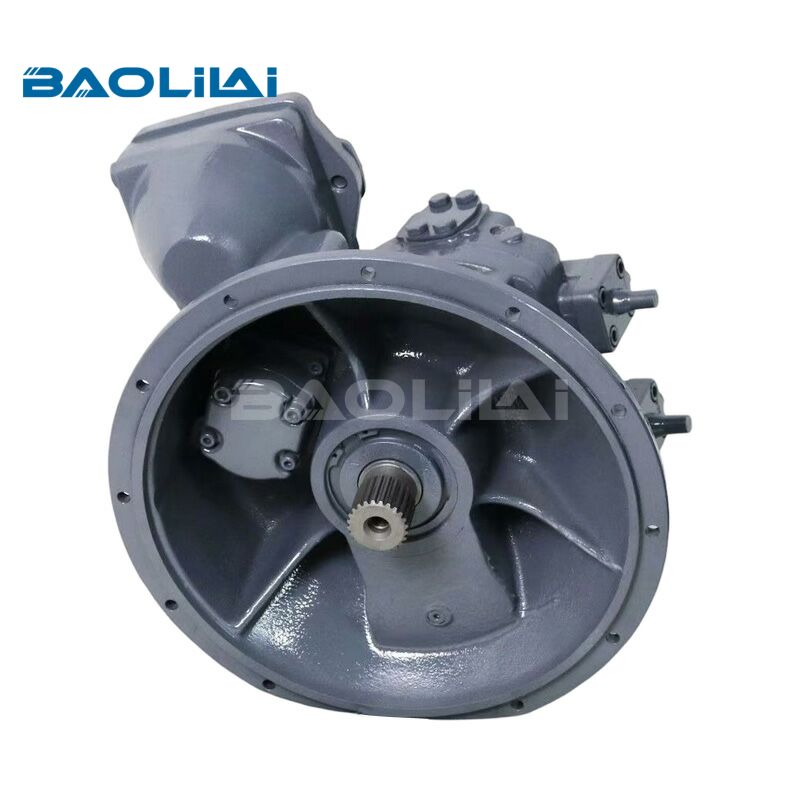
The Rexroth A11VO (Variable displacement axial piston pump, open circuit) handles the work hydraulics: boom and feed extension, rotation circuits, rock drill percussion in some configurations, stabilizer jacks, and auxiliary functions. Unlike the A4VG, the A11VO returns fluid to the tank and is used in standard open-circuit load-sensing or pressure-compensated architectures.
Key A11VO specifications in Sandvik applications:
Displacement range: 40 cm³/rev to 260 cm³/rev (A11VO40 through A11VO260)
Maximum operating pressure: 350–400 bar continuous, with momentary spikes handled by system relief valves
Control types: Load-sensing with pressure and flow control (LR/DR), power control, and combined variants
Through-drive: Available in A and B variants, allowing tandem or gang-pump configurations
Common Sandvik Machine Applications and Pump Configurations
Understanding the specific pump-machine pairing in Sandvik equipment helps technicians diagnose faults more accurately and enables procurement teams to pre-position the right spare units.
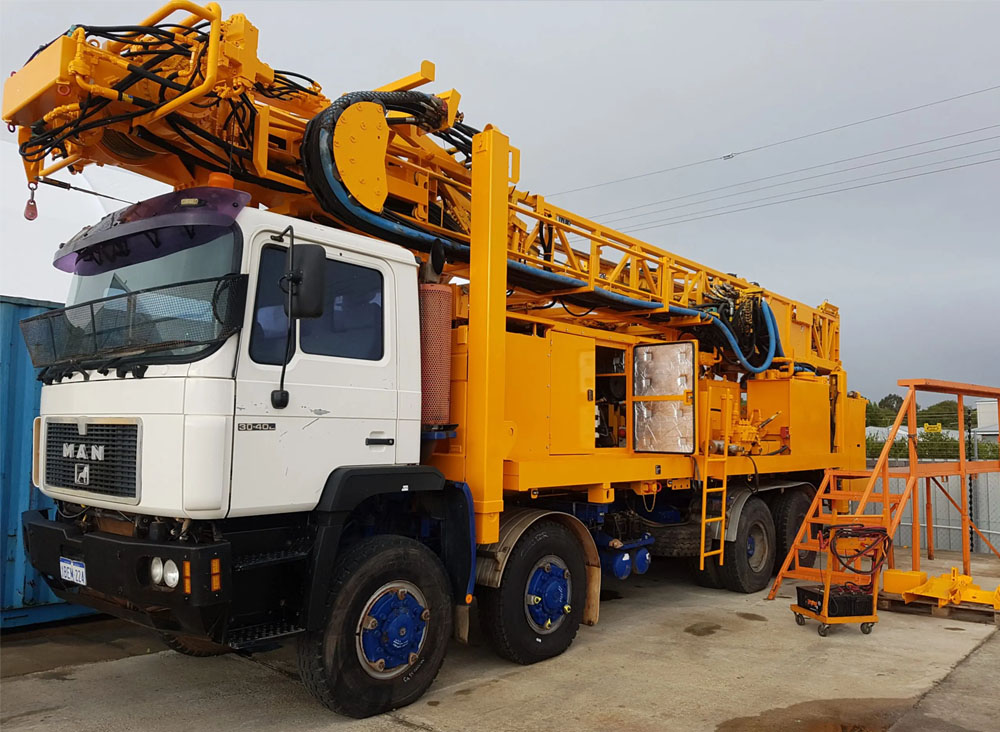
Underground Drill Rigs (DD and DT Series)
Sandvik's DD-series single-boom and DT-series twin-boom jumbos are among the most hydraulically complex underground machines in common use. A typical DT1131i configuration might include:
Two A11VO130 or A11VO145 pumps in tandem for work hydraulics (load-sensing, Lntrolled)
One A4VG71 or A4VG90 pump for tramming (closed-loop, EP-controlled)
A gear pump stage for pilot and fan circuits
The A11VO pumps operate continuously during drilling cycles, cycling between low-pressure standby (LS regulation at minimum displacement) and full-flow demand during boom positioning and percussion. Mean time between rebuilds in this application typically runs 8,000–12,000 operating hours in well-maintained machines, though contamination events can drastically shorten that window.
LHD Loaders (LH Series)
In Sandvik LH series loaders-from the compact LH203 to the large-format LH621i-the A4VG is the heart of the drivetrain. These are high-cycle machines, often running 20-hour shifts in production stopes, and the closed-loop hydrostatic drive takes continuous abuse from load-and-carry repetition.
A common failure mode specific to LHD tramming pumps is charge pressure decay due to worn charge pump gears or charge check valve seat erosion. If the charge pressure drops below approximately 22–25 bar (Rexroth's minimum threshold for loop replenishment), cavitation begins in the main pump elements-and internal damage follows rapidly. Any A4VG running in an LH machine should have charge pressure monitored as a primary health indicator.
Surface Drill Rigs (Ranger and Pantera Series)
Sandvik's Ranger DX and Pantera DP surface drill rigs use A11VO pumps almost exclusively for work functions, typically in a load-sensing configuration matched to a Rexroth LUDV (Load Pressure Independent Flow Distribution) valve block. The advantage here is that the pump only generates pressure and flow proportional to actual demand-critical for fuel efficiency on diesel-electric hybrid rigs like the Ranger DXi series.
Diagnosing Common Failures in Rexroth Pumps on Sandvik Equipment
Loss of Drive Power or Tramming Speed (A4VG)
Start with charge pressure. Attach a gauge to the pump's charge port (typically marked "G" or "MA/MB" in Rexroth documentation) and read at idle and at operating speed. Values below 24 bar at operating RPM indicate charge circuit issues. Possibilities include:
- Worn charge pump (internal gear or gerotor type, depending on A4VG variant)
- Blocked charge filter
- Faulty high-pressure relief valves on the charge circuit
- Case drain back-pressure exceeding 3 bar (restriction in drain line)
If charge pressure is normal and drive response is still sluggish, check displacement feedback. On EP-controlled pumps, verify that the proportional solenoid is receiving correct current from the machine's controller (typically 200–600 mA in the Sandvik iSURE/OptiMine control architecture). An EP solenoid reading correct current but producing no displacement change usually indicates internal servo valve contamination.
Erratic Work Function Response (A11VO)
Erratic boom or feed response on a drill rig most commonly traces back to the LS (load-sensing) signal circuit. The A11VO's LS regulator compares pump outlet pressure to the load-sensing signal from the valve block. If the LS shuttle valve in the directional control block is sticking, the pump sees false load signals and hunts between minimum and maximum displacement.
Check the LS signal pressure at the pump's "X" port. It should track smoothly below system pressure by approximately 20–25 bar (Δp setting). If it's oscillating, the LS line has a communication issue-inspect shuttle valves in the main control valve block before condemning the pump.
Overheating
Elevated hydraulic oil temperature in Sandvik equipment almost always traces to one of three sources: cooler fouling, excessive internal leakage (pump case drain flow above manufacturer limits), or operation in an incorrect low-viscosity oil during high-ambient-temperature conditions. Measure case drain flow against the Rexroth service manual spec for your specific pump size. On an A11VO130, for example, allowable case drain at rated pressure and speed is typically 10–18 L/min. Values significantly above this indicate internal wear requiring pump removal and rebuild or exchange.
For more brand and equipment models, please visit https://www.baolilaihydraulic.com/brand/
| Application equipment brands | Application equipment No. |
| Sandvik | 501810 |
| Sandvik | DE-880(MA) |
| Sandvik | 77013189 Mining |
| Sandvik | 77013189->R902197933 Mining |
| Sandvik | 77794227 |
| Sandvik | 77794226 |
Q1: My Sandvik drill rig A11VO pump is making a high-pitched whine during operation. What should I check first?
A1: Pump whine, particularly in the high-frequency range (above 800 Hz), is a classic cavitation indicator. Check the pump inlet: suction line restrictions, partially closed shut-off valves, or a collapsed suction hose can restrict inlet flow below the pump's demand. Also verify hydraulic oil level and viscosity. Cold starts with VG 46 oil below 10°C can produce transient cavitation noise until the fluid warms — not immediately damaging, but accelerated over repeated cold-start cycles.
Q2: Are A4VG and A11VO pumps interchangeable if they have the same displacement rating?
A2: No, they are fundamentally different circuit architectures. The A4VG is designed exclusively for closed-loop circuits and includes integrated charge pump, flushing valve, and high-pressure relief functionality that the A11VO does not have. Attempting to use an A11VO in a closed-loop tramming circuit will result in rapid internal damage from cavitation. Always replace like-for-like.
Q3:What is the price and delivery time of the A4VG/A11VO hydraulic pump for Sandvik Mining equipment?
A3: The specific price and delivery time will depend on the equipment model or specific product model you provide.
Q4:How to purchase an A4VG/A11VO hydraulic pump for Sandvik Mining equipment?
A4:You can visit https://www.baolilaihydraulic.com/contact/ to contact us and purchase our products through various methods.