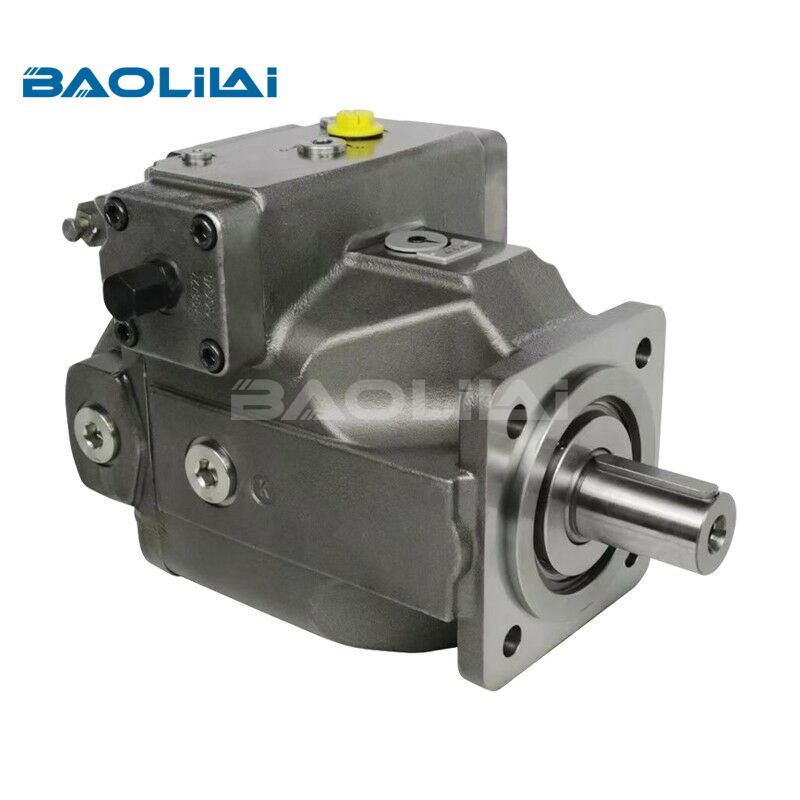
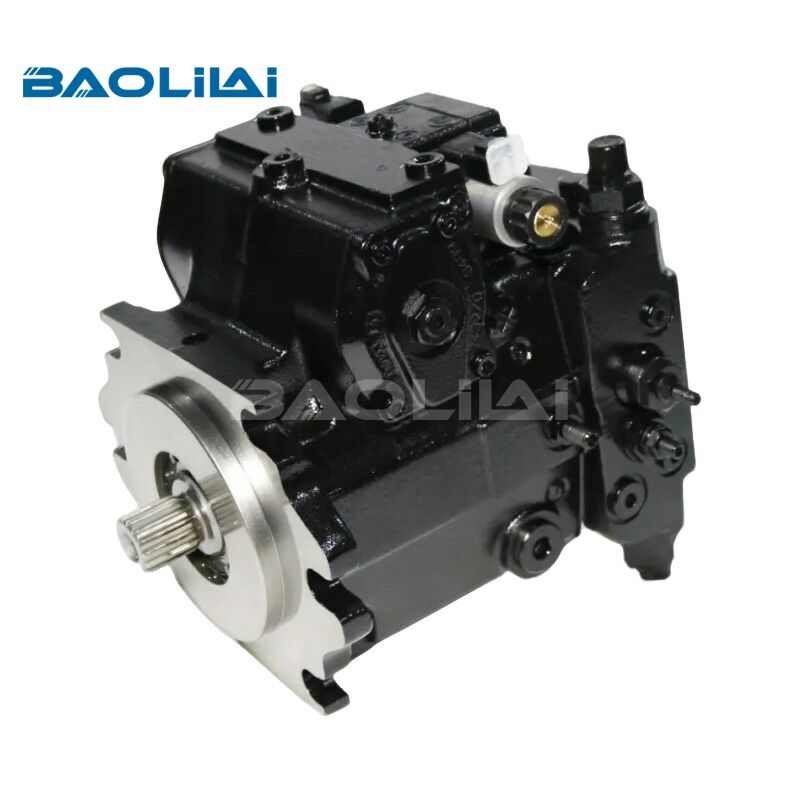
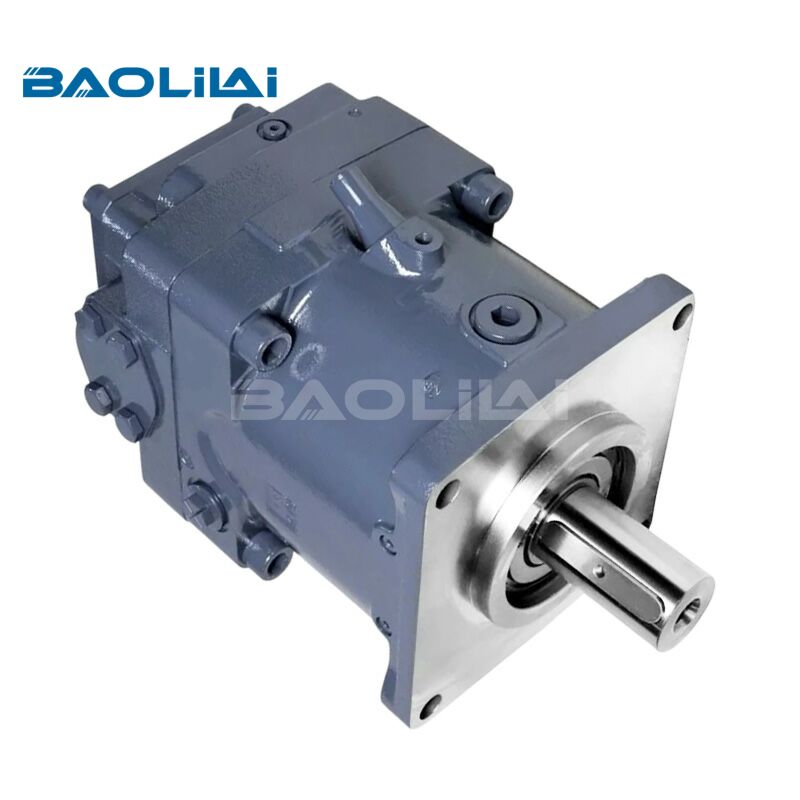
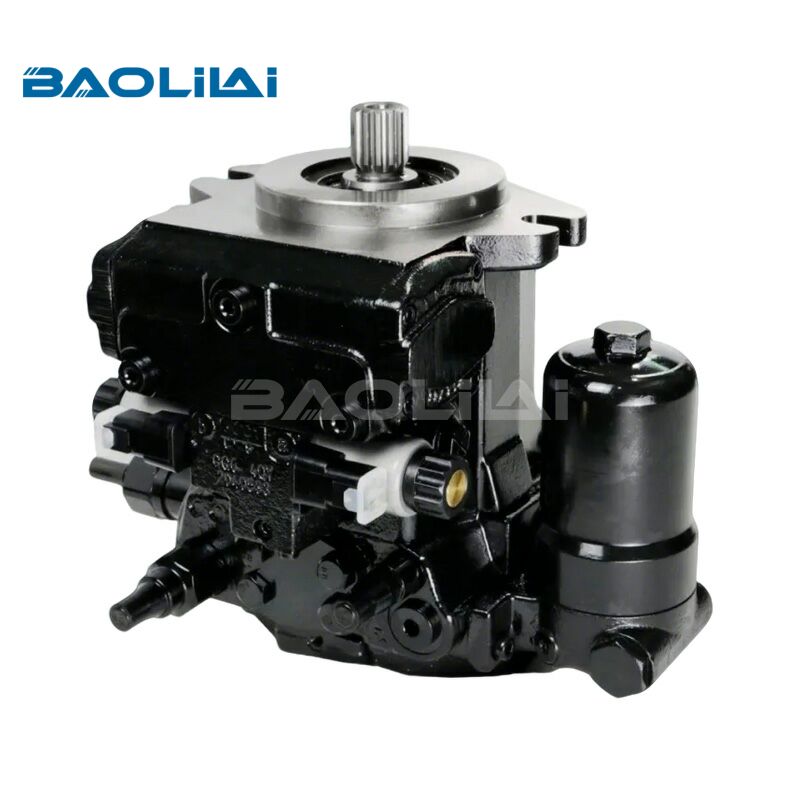
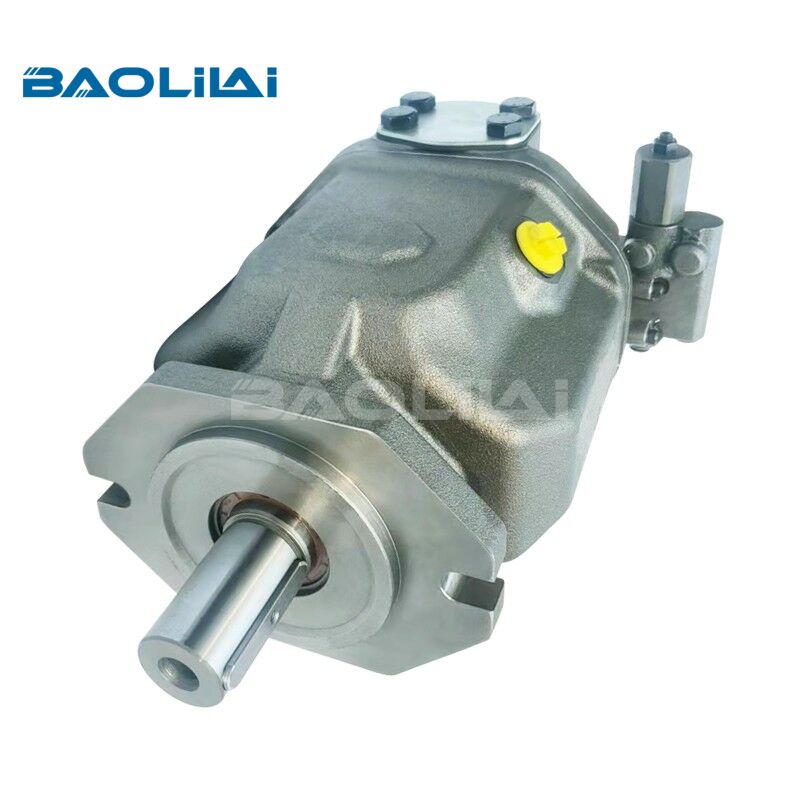
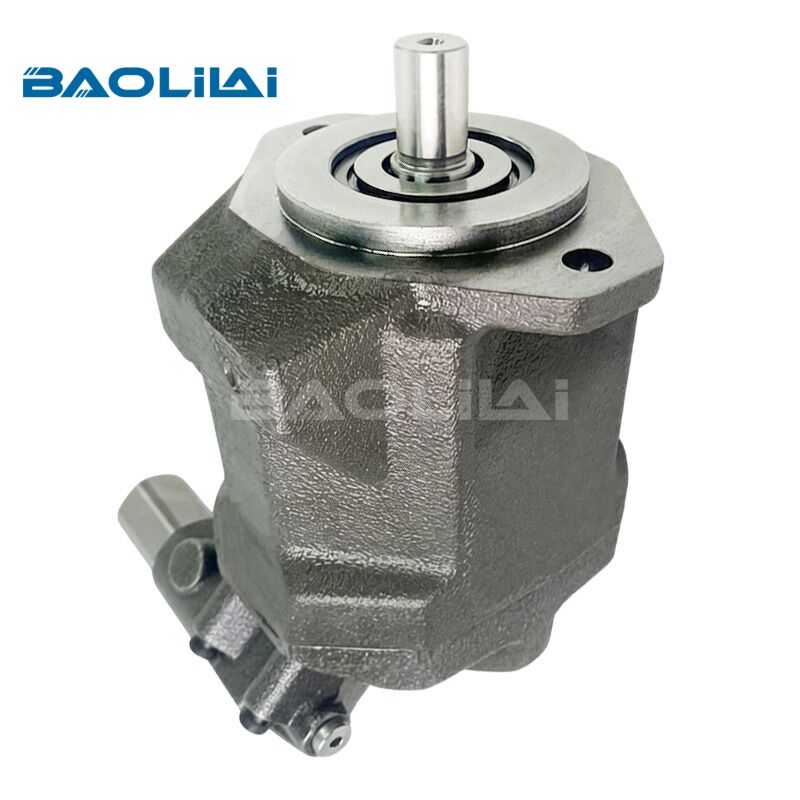
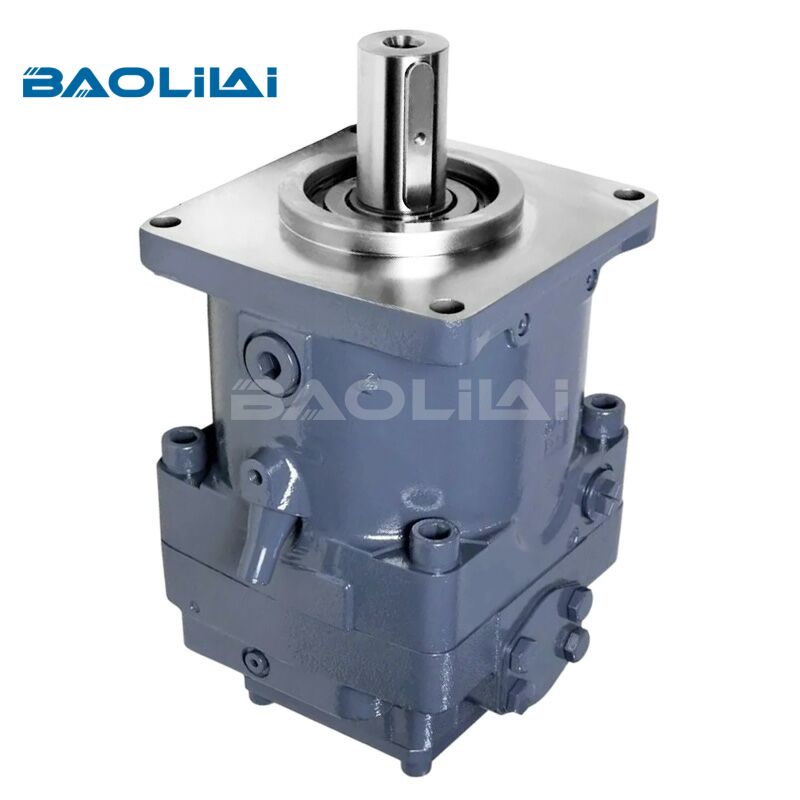
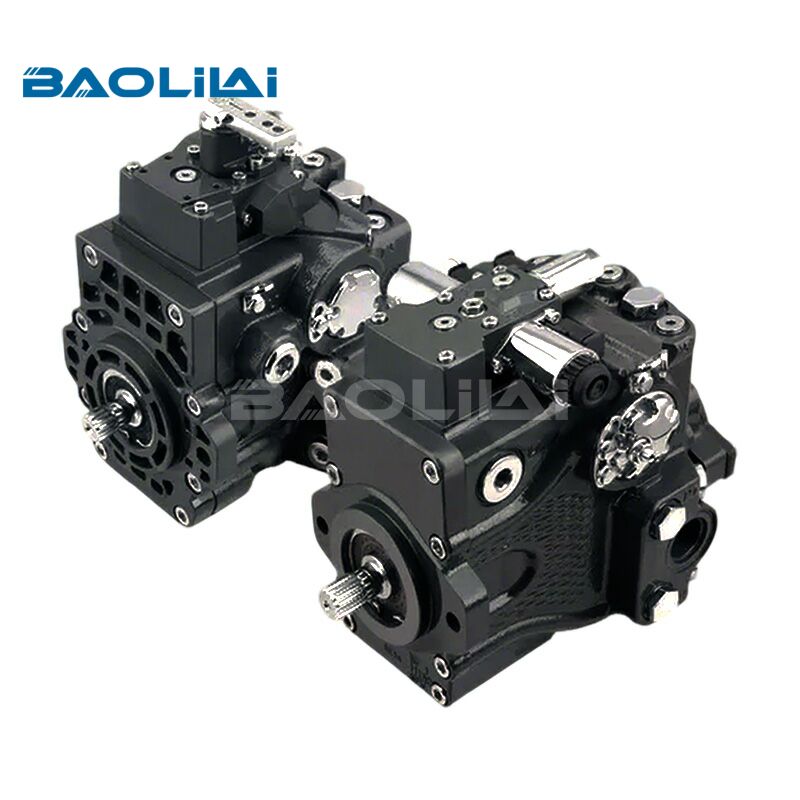
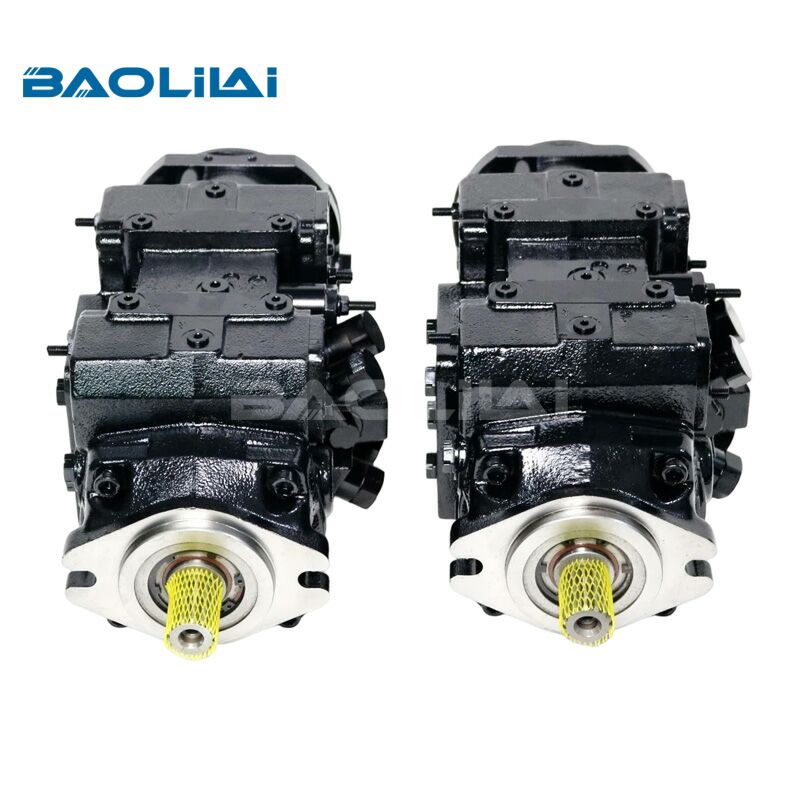
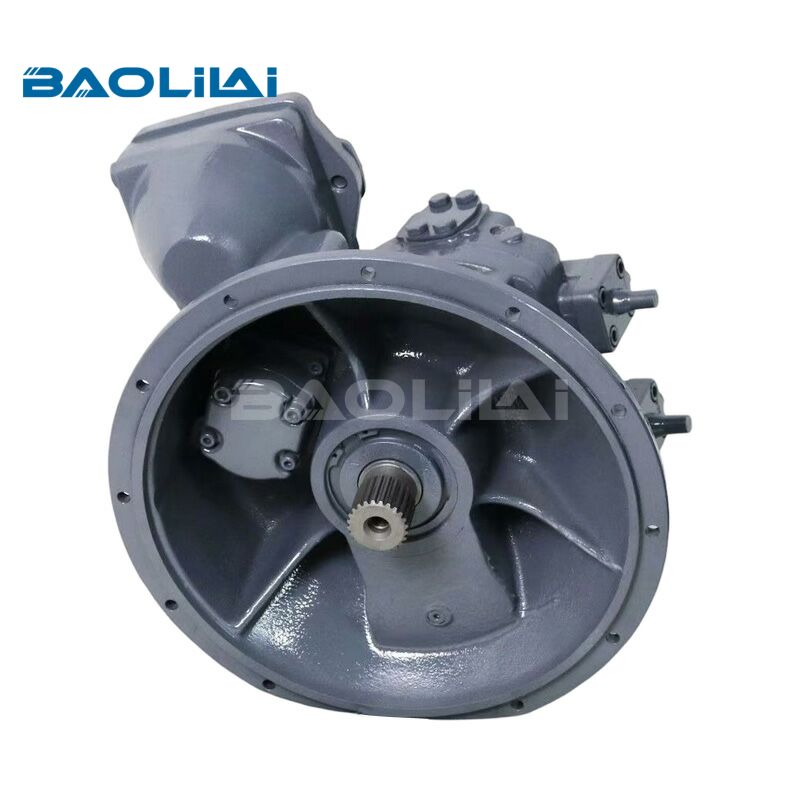
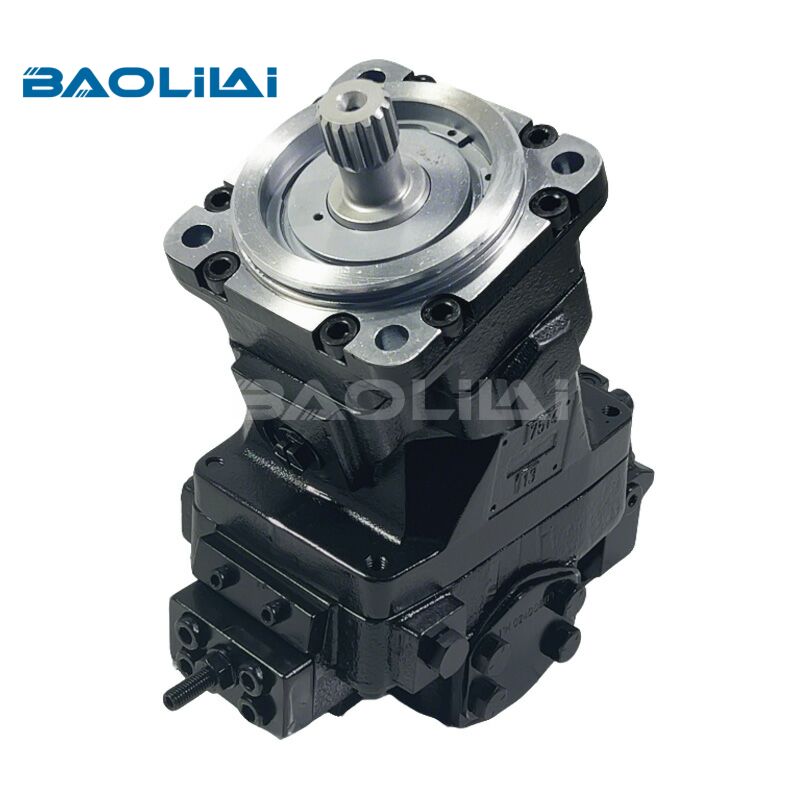
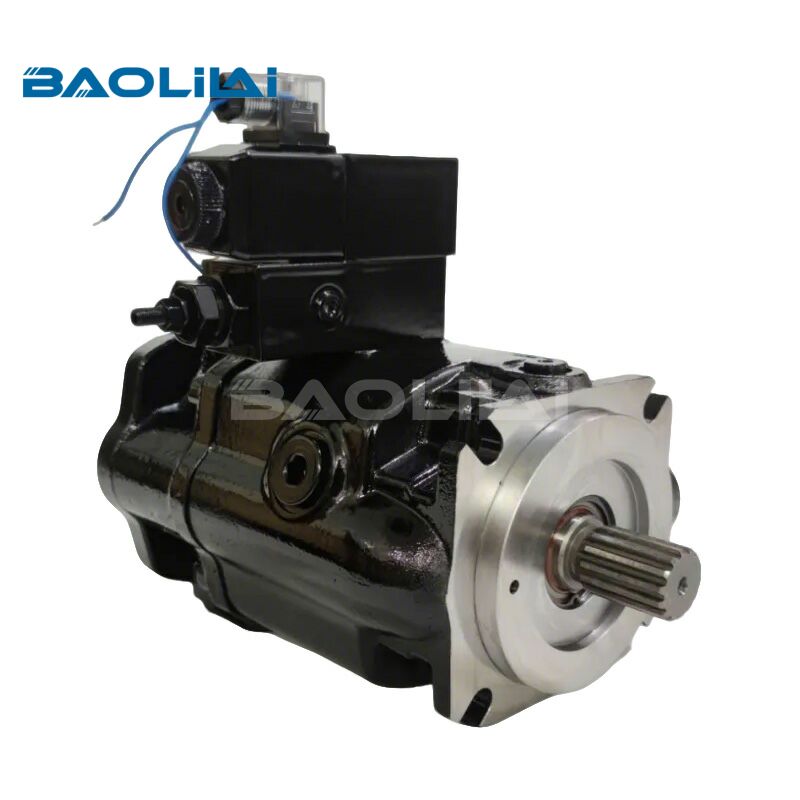
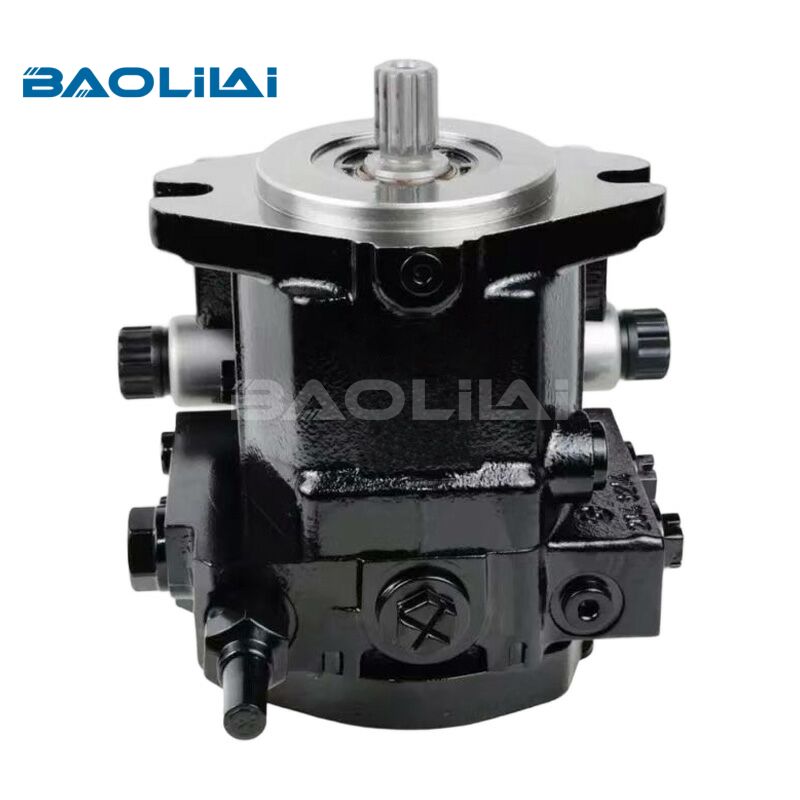
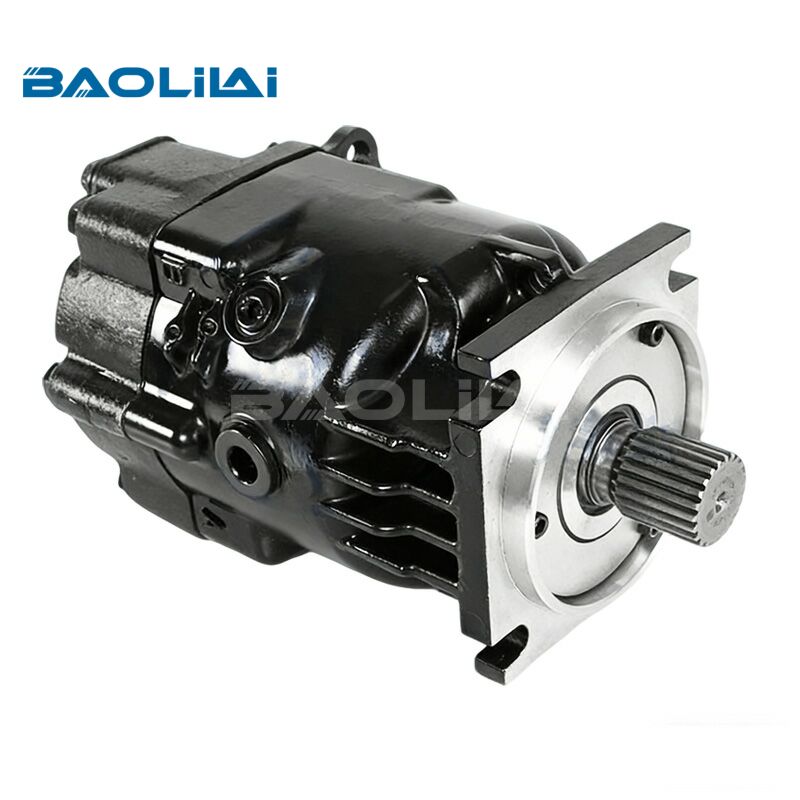
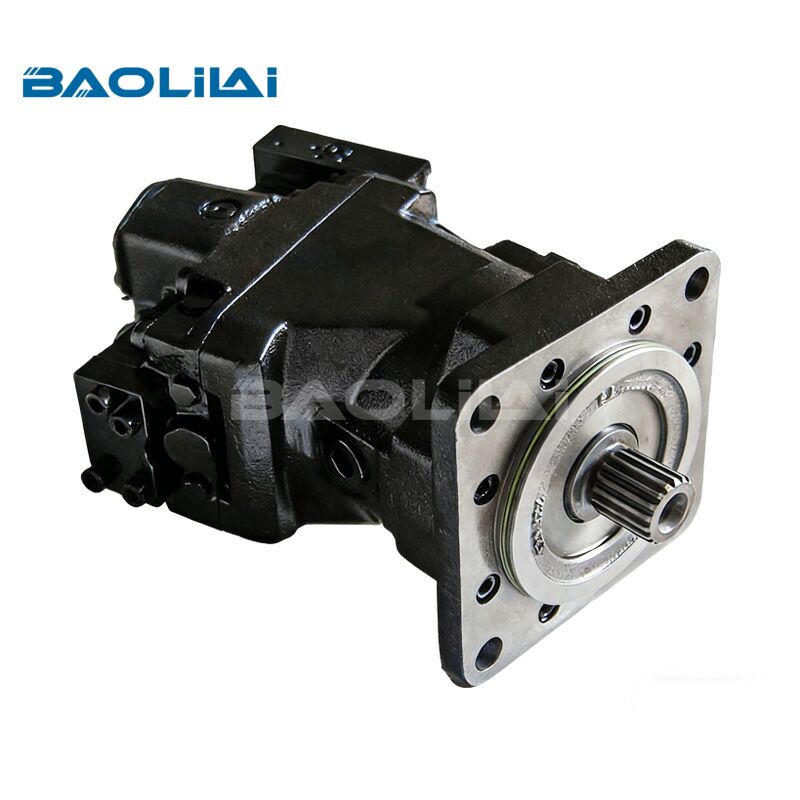
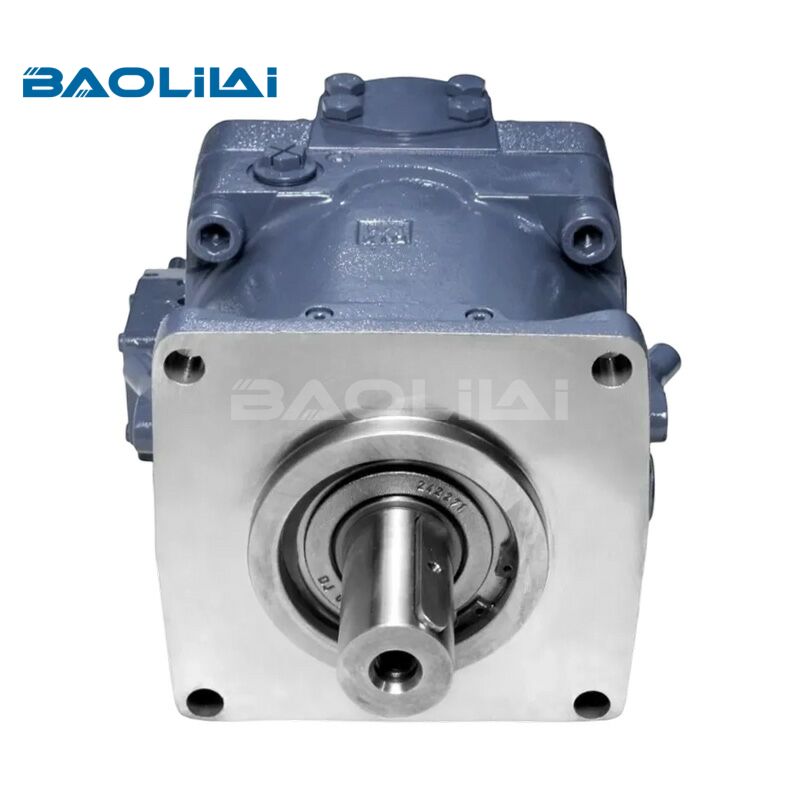
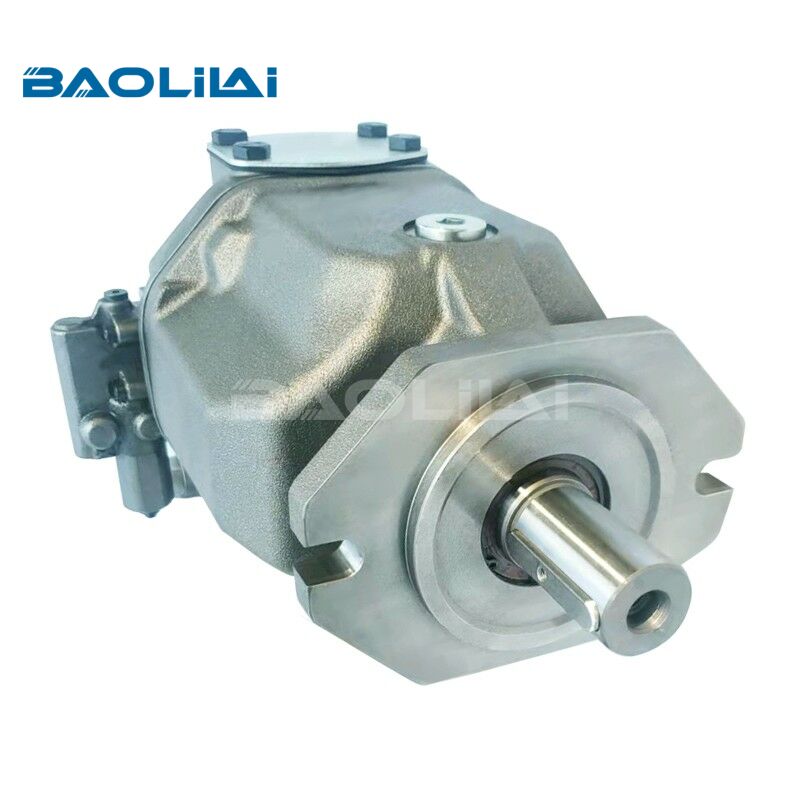
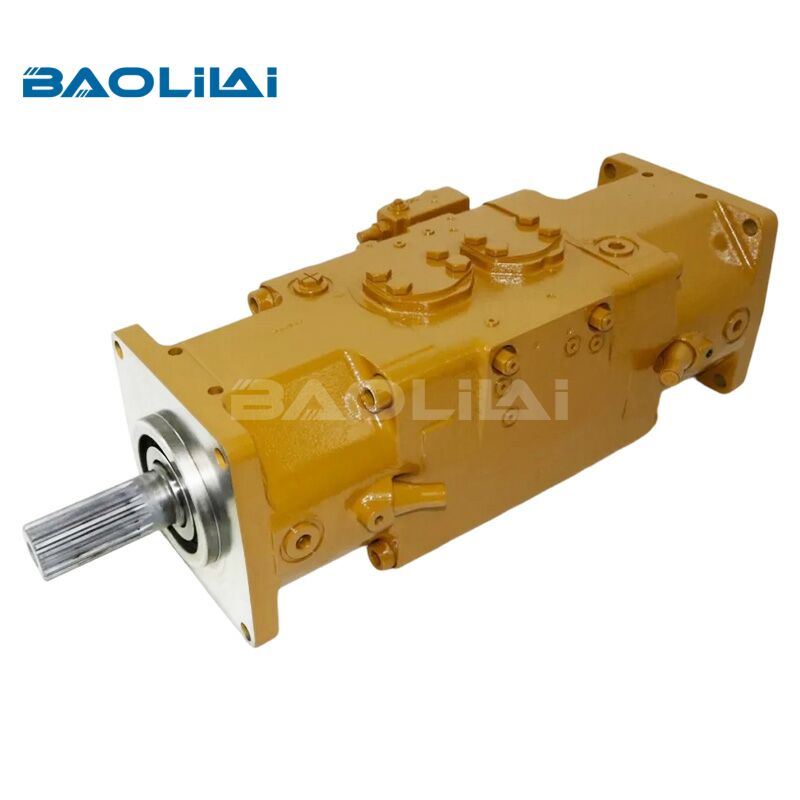
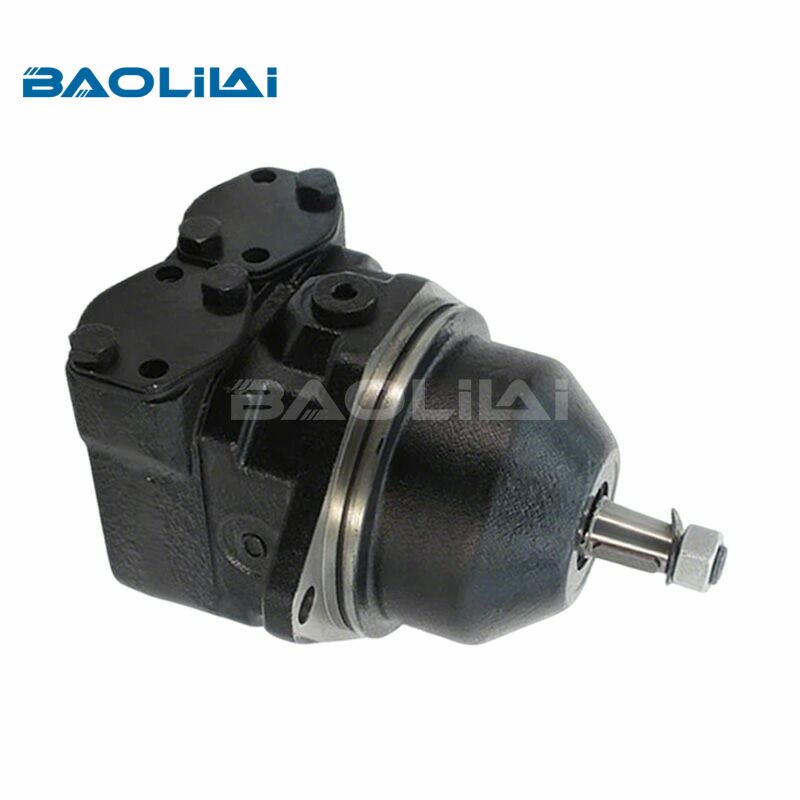
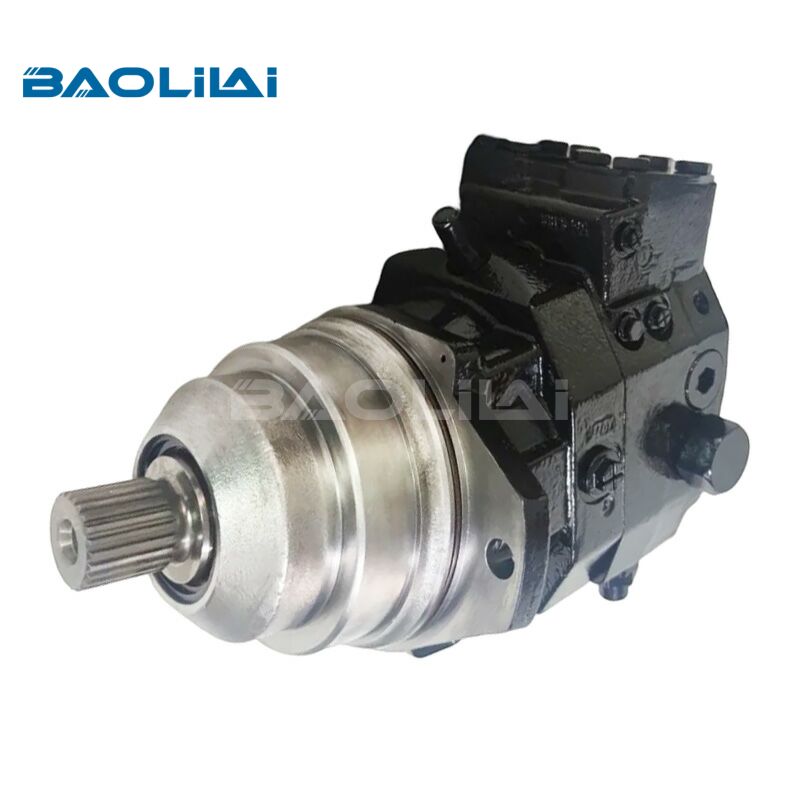
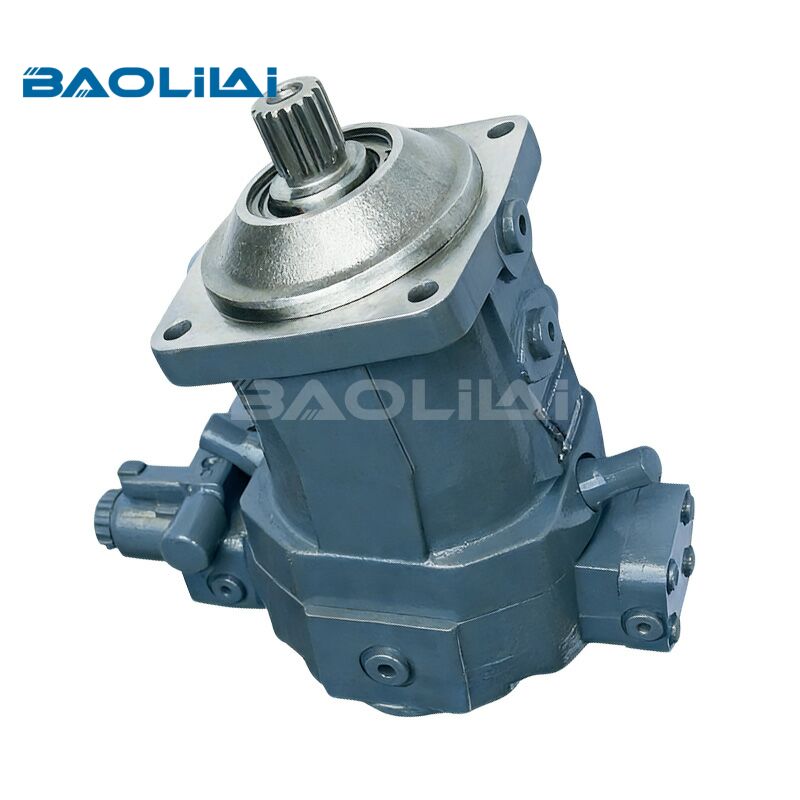
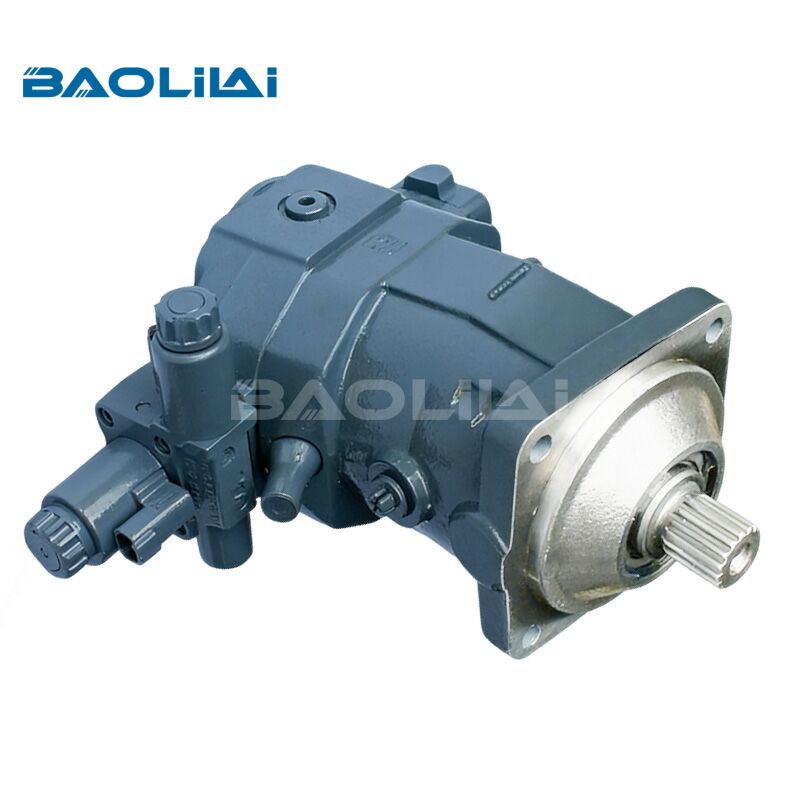
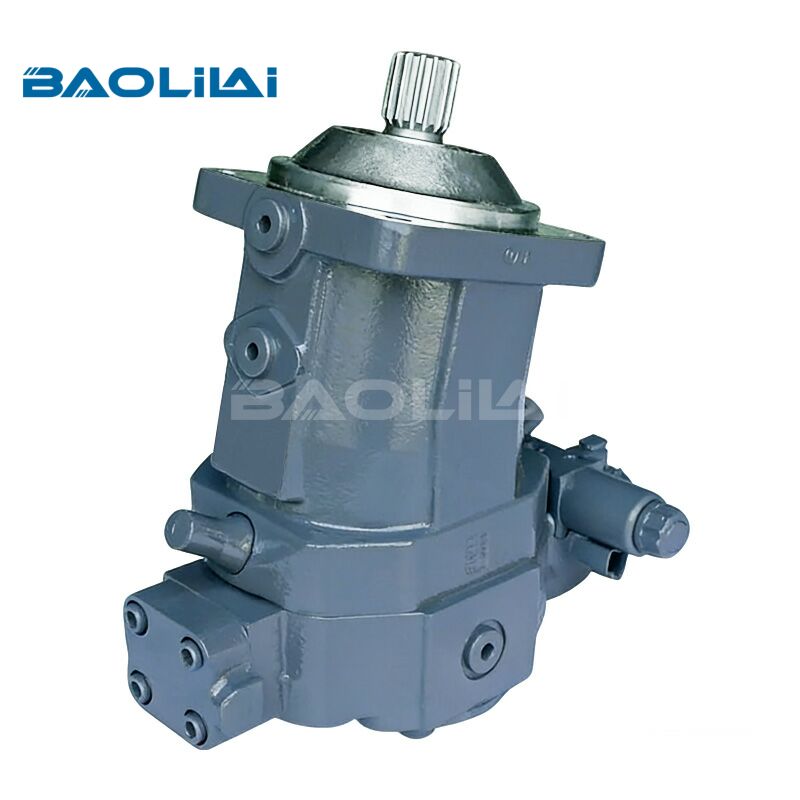
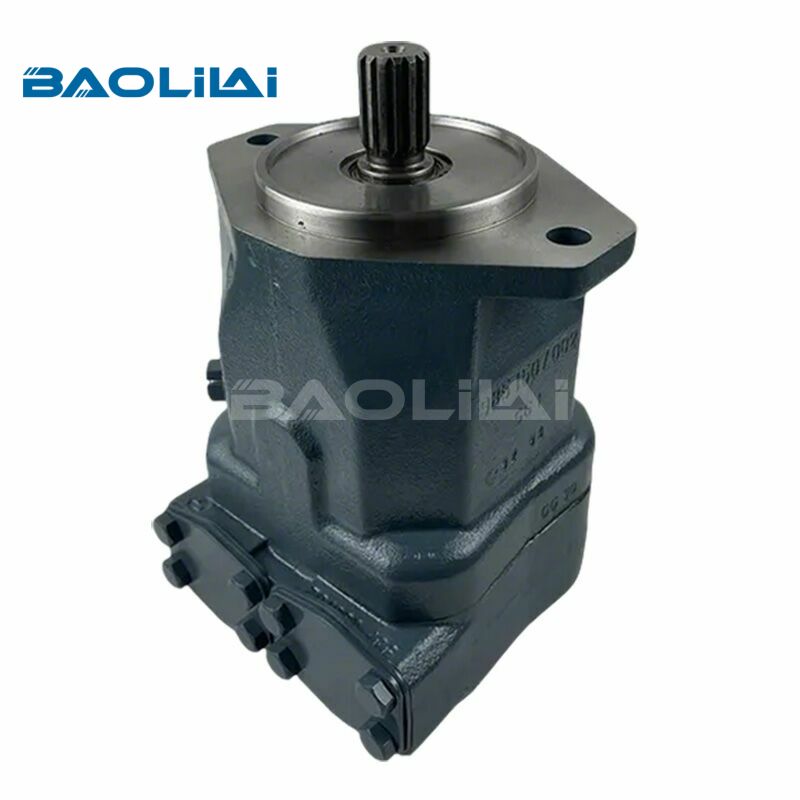
Rexroth A6VM A10FM hydraulic motor for the Bucher Road sweeper 15055894-0 15051665-1 15052042-0 15052042-1 15060294-0
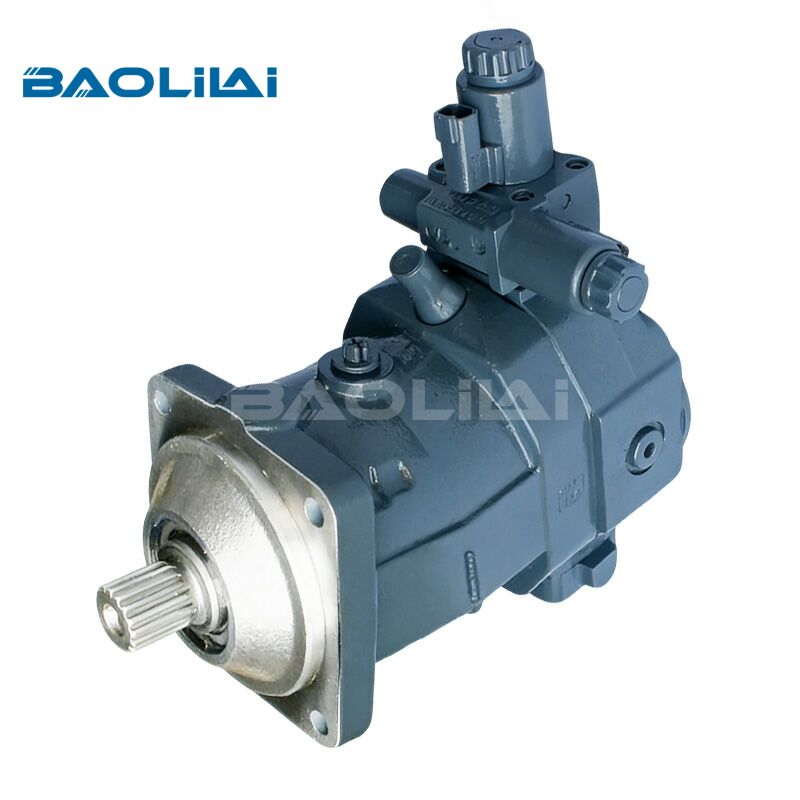

- Product Details
- Product Model
- FAQ
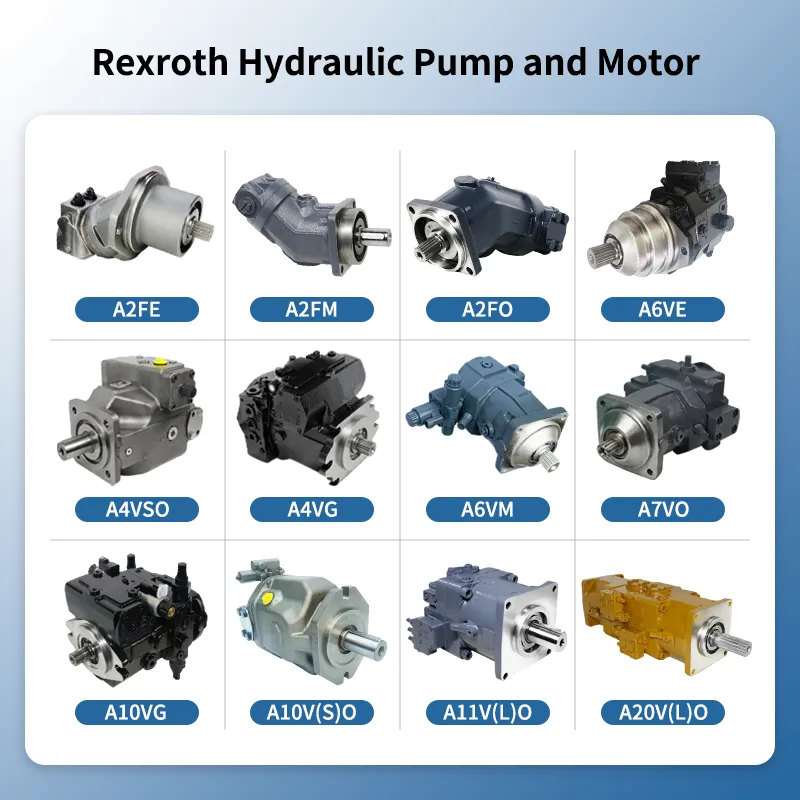
The A6VM is a variable-displacement, bent-axis axial piston motor. In plain terms: the angle of its cylinder block can change while it's running, which lets the motor automatically adjust output speed and torque without the operator touching a separate control. Rexroth builds it in several series (28, 55, 71, among others), and continuous pressure ratings commonly reach into the 400–450 bar range depending on frame size.
Because displacement is adjustable, the A6VM is the motor of choice anywhere a sweeper needs a wide, self-adjusting torque band from a single hydraulic circuit — most notably the hydrostatic travel drive. As the machine climbs a ramp, crawls at sweeping speed, or accelerates between sites, the A6VM's swash-plate control shifts the torque-to-speed ratio on the fly, which is exactly the behavior a wheel or track drive needs.
The A10FM is a fixed-displacement, bent-axis axial piston motor. There's no internal control to vary its geometry — flow in, speed out, in a fixed ratio. That simplicity is the point. Fixed-displacement motors are cheaper, lighter, and mechanically simpler than their variable cousins, and they're extremely reliable when the job doesn't require a changing torque curve.
On a road sweeper, that describes most of the auxiliary functions: spinning a brush at a set speed, driving a suction fan at a set speed, or turning a conveyor. The A10FM (and its close relatives in the A2FM/A6FM family) is a workhorse for exactly this kind of constant-ratio, high-cycle duty.
Where These Motors Actually Live on a Bucher Sweeper
Bucher Municipal builds sweepers across several ranges — the compact CityCat line, the larger MaxPro and truck-mounted units — and while exact hydraulic layouts vary by model and build year, the division of labor between motor types is consistent across the industry.
Broom and Gutter Brush Drive
Each cylindrical main broom and the angled gutter brush typically runs off its own small, fixed-displacement motor. Speed doesn't need to change much — the operator wants consistent sweeping RPM regardless of load — so an A10FM-class motor (or its metric-frame equivalents) is a natural fit. It's compact enough to mount directly at the brush hub, and its simplicity means fewer things to go wrong on a component that eats curb strikes and road debris all day.
Suction Fan Drive
The vacuum fan that pulls debris into the hopper needs steady, high-RPM operation under a fairly constant load profile. Again, this favors a fixed-displacement motor sized for the fan's rated speed and torque — reliability and simplicity beat adjustability here, since the fan doesn't need to "shift."
Hydrostatic Travel Drive
This is the A6VM's territory. Ground speed on a sweeper needs to vary constantly — creeping along a gutter line, then transiting at higher speed between jobs — and the operator expects smooth, proportional control without gear changes. The variable-displacement design lets torque climb automatically as speed drops (think of it like an infinitely variable transmission), which is exactly why bent-axis variable motors dominate hydrostatic drivetrains in sweepers, wheel loaders, and similar mobile equipment.
Common Failure Modes and Maintenance Tips
Municipal sweepers are hard on hydraulics — dust ingestion, curb impacts, and long duty cycles all take a toll. A few patterns show up again and again in the field:
Contamination-driven wear. Sweeper hydraulic tanks pick up fine grit from filter breaches or seal weeping. Both motor types are sensitive to particulate contamination in the piston-and-bore assembly; a tightened filtration schedule pays for itself many times over.
Case drain overheating. A rising case drain temperature on either motor usually signals internal leakage past worn pistons or a scored cylinder block — catch it before it turns into a full seizure.
Swash-plate control lag on the A6VM. If the travel drive feels sluggish to respond or "hunts" at low speed, suspect the displacement control (often a DA or DR-type control) before condemning the whole motor.
Shaft seal weeping on the A10FM. Brush and fan motors mounted low and exposed to wash-down and road spray are prone to shaft seal failure; it's usually a cheap fix if caught early.
For more brand and equipment models, please visit https://www.baolilaihydraulic.com/brand/
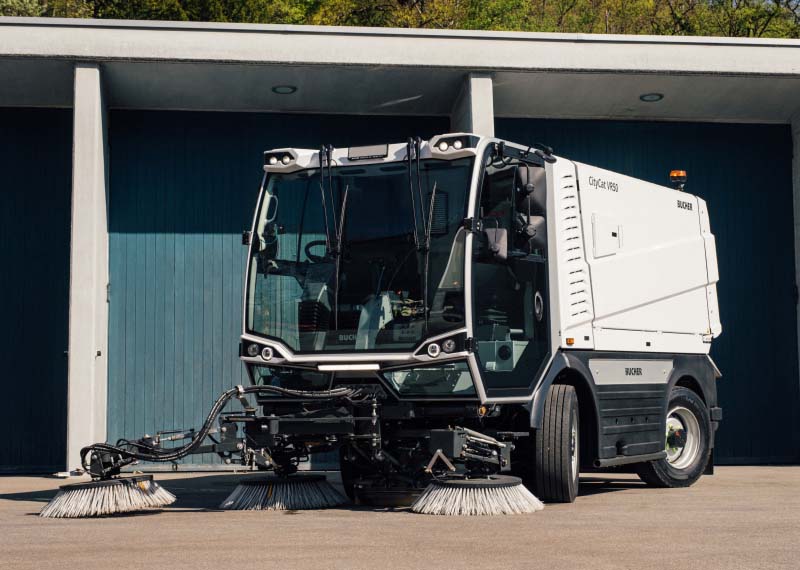
| Application equipment brands | Application equipment No. |
| Bucher | 15055894-0 Citicat5000 |
| Bucher | 15051665-1 |
| Bucher | 15052042-0 |
| Bucher | 15052042-1 |
| Bucher | 15060294-0 |
Q1: How do I identify which motor is on my machine?
A1: Check the nameplate ordering code stamped on the motor housing and cross-reference it against Bosch Rexroth's data sheets or Bucher's parts catalog for your specific model and build year. Don't guess from appearance alone — frame sizes look similar across series.
Q2: What's the typical service life of these motors in sweeper duty?
A2: It varies enormously with contamination control and duty cycle, but with clean fluid, correct filtration, and routine case-drain monitoring, several thousand hours between rebuilds is realistic for both motor types.
Q3:What is the price and delivery time of the Rexroth A6VM/A10FM motor for the Bucher Road sweeper?
A3: The specific price and delivery time will depend on the equipment model or specific product model you provide.
Q4: How to purchase a Rexroth A6VM/A10FM motor for the Bucher Road sweeper?
A4:You can visit https://www.baolilaihydraulic.com/contact/ to contact us and purchase our products through various methods.