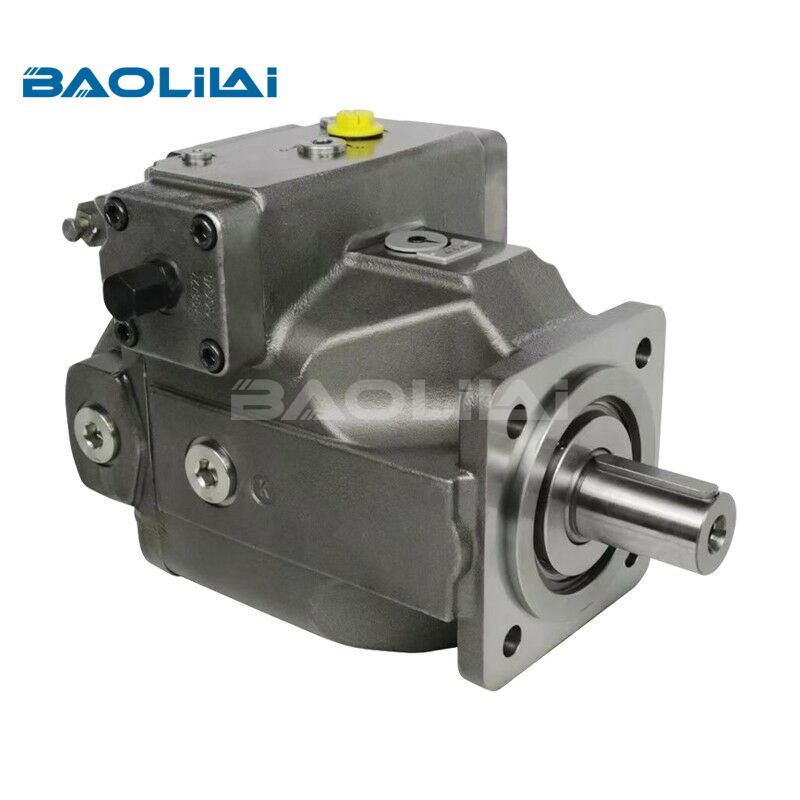
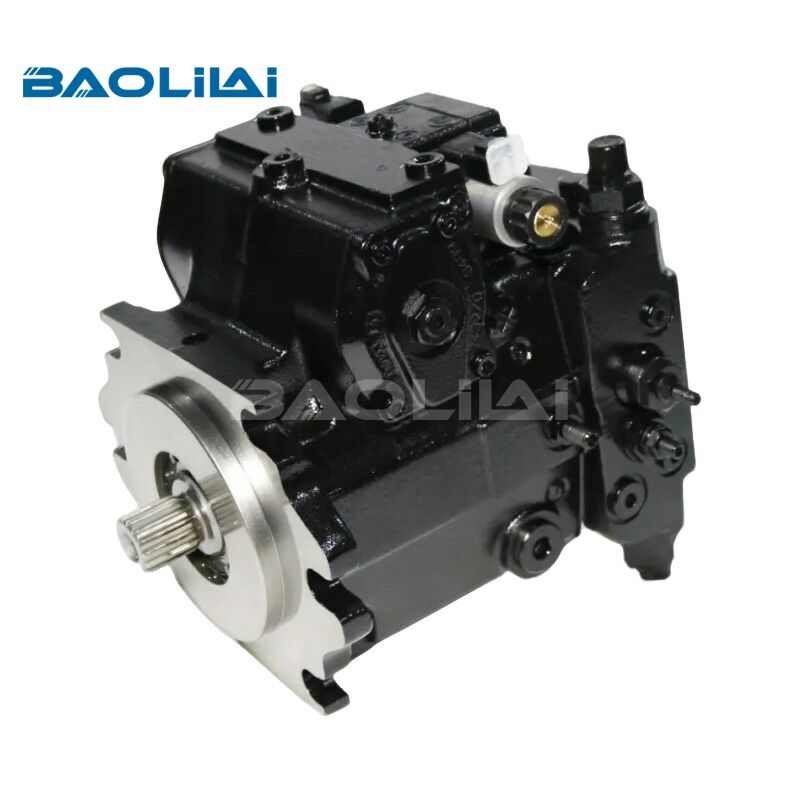
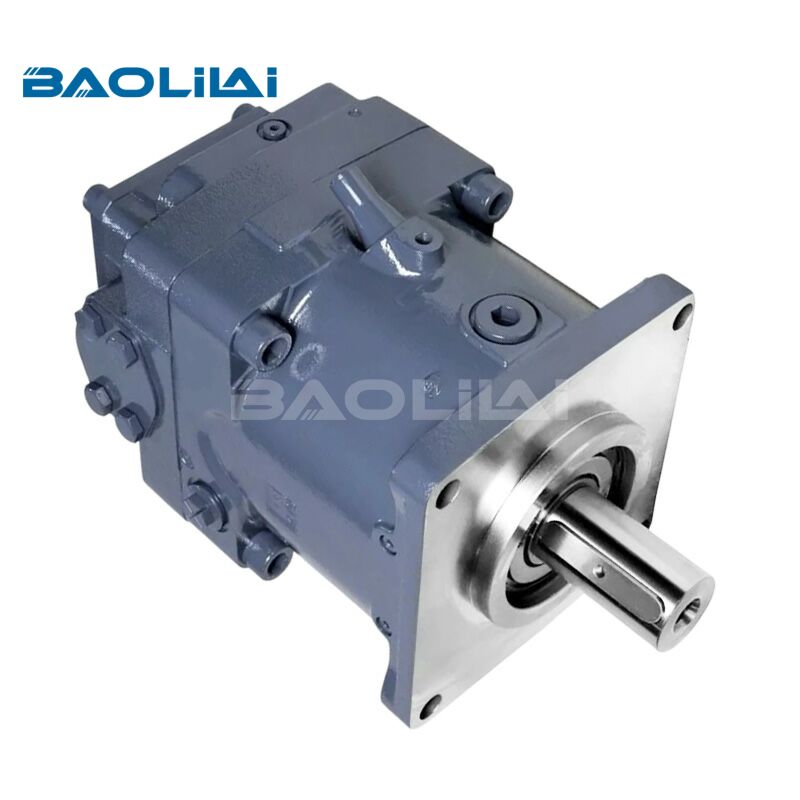
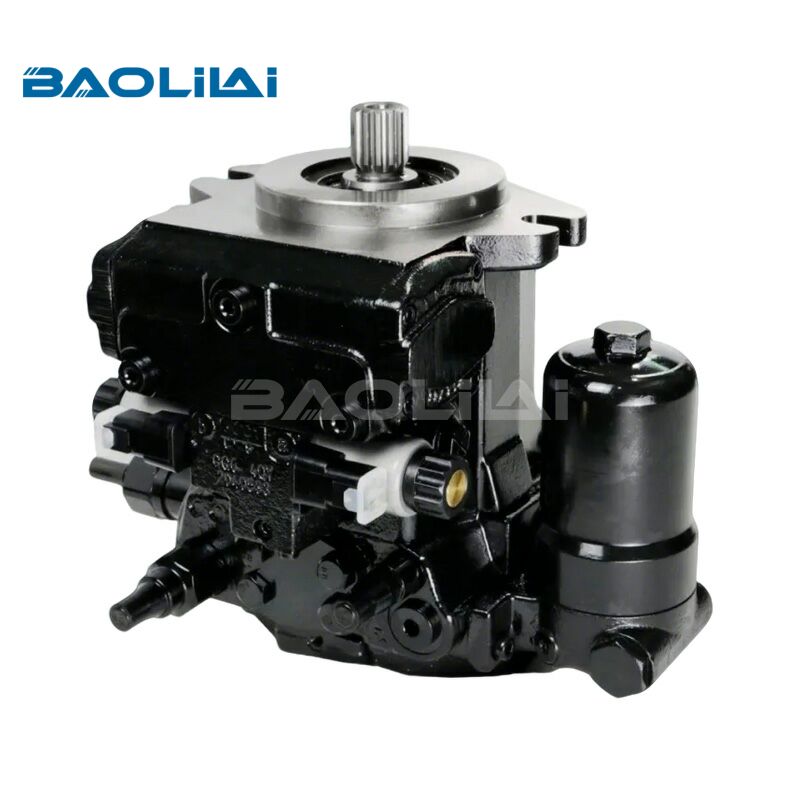
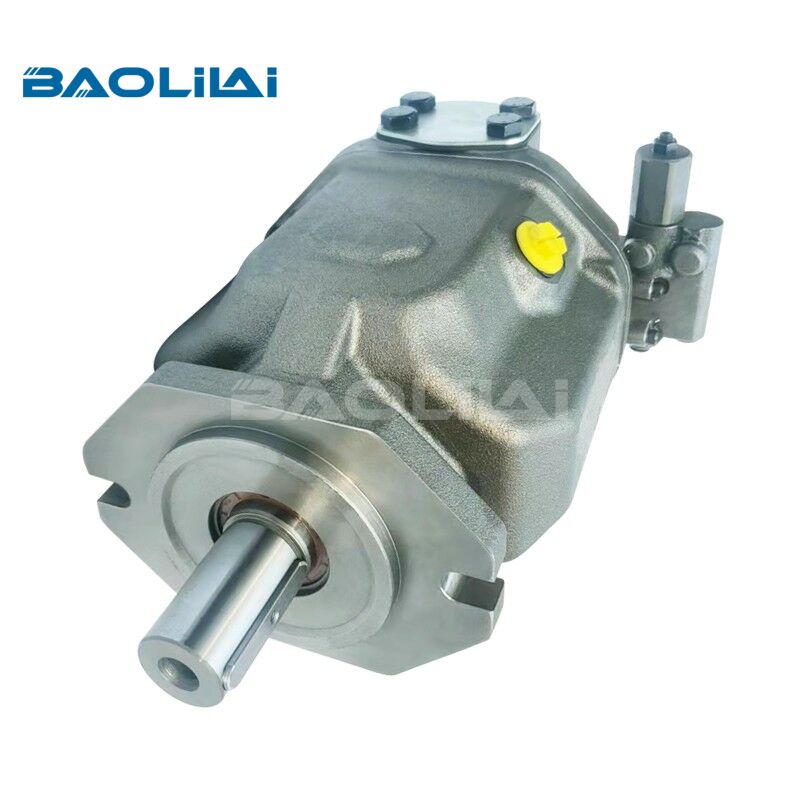
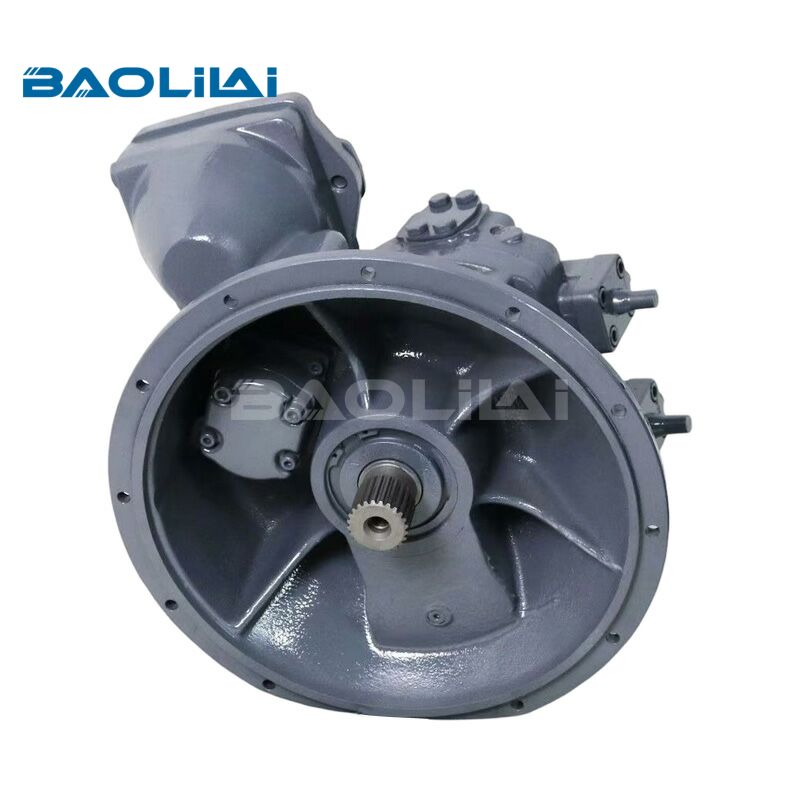
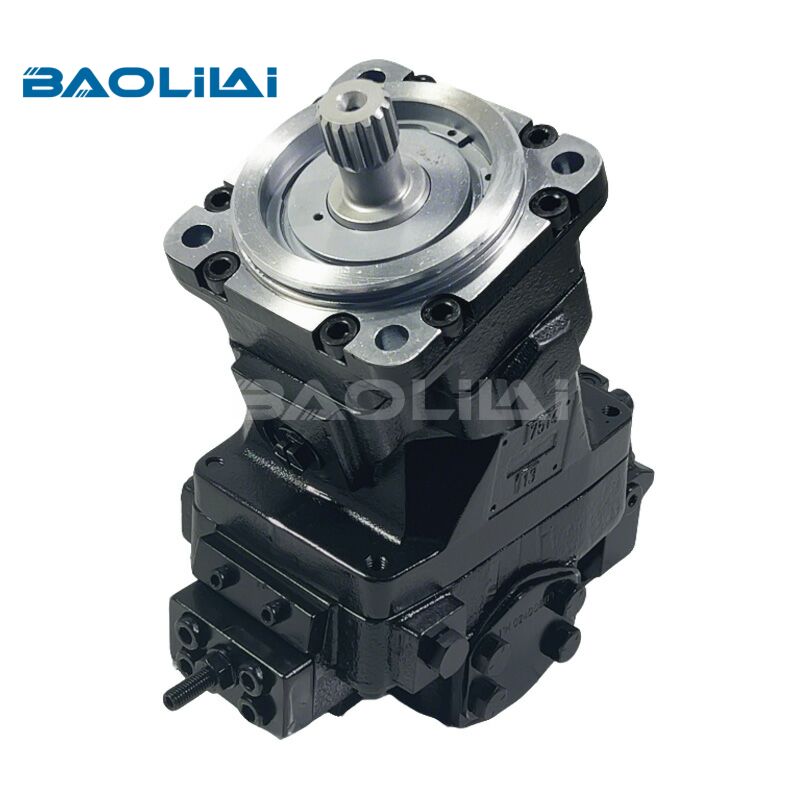
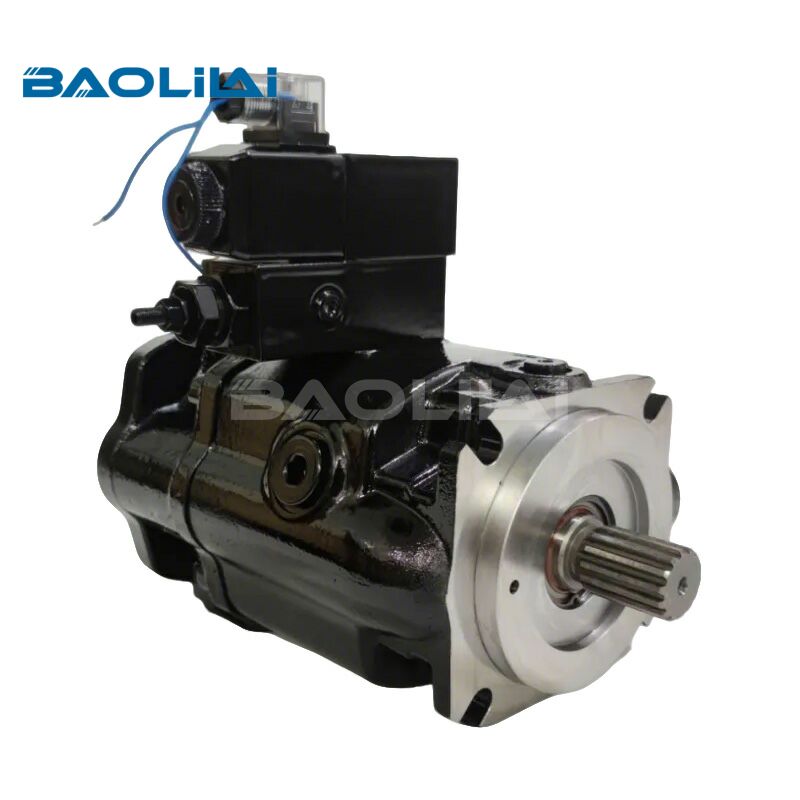
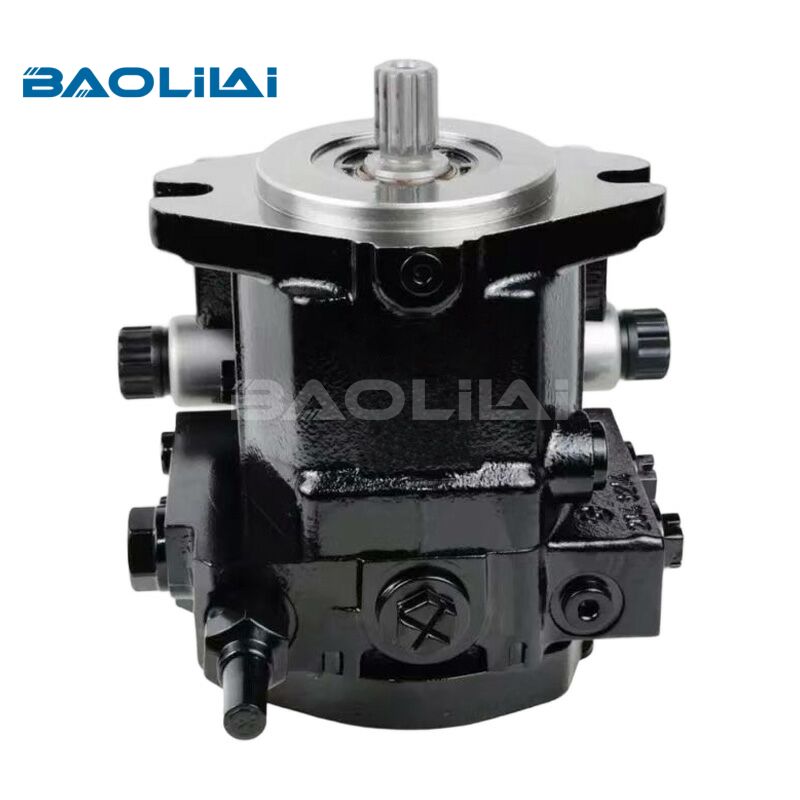
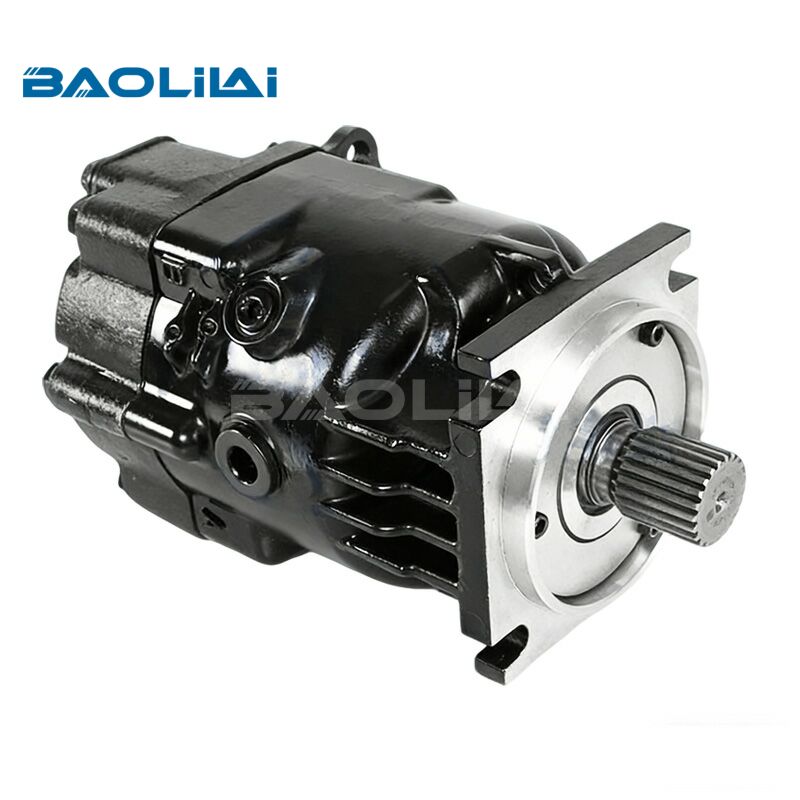
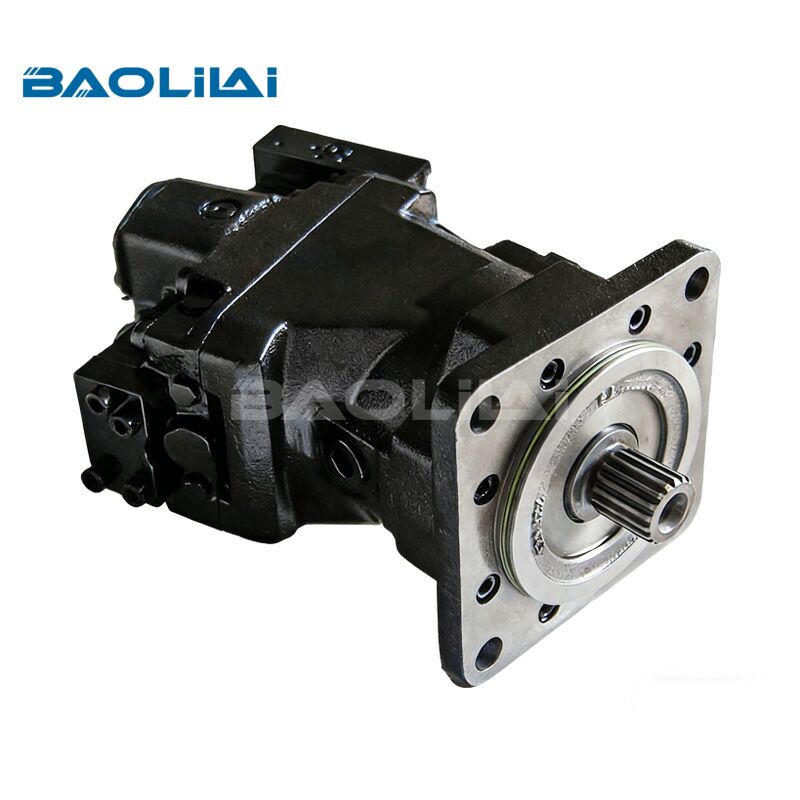
Rexroth A17FO open circuit fixed displacement hydraulic pump
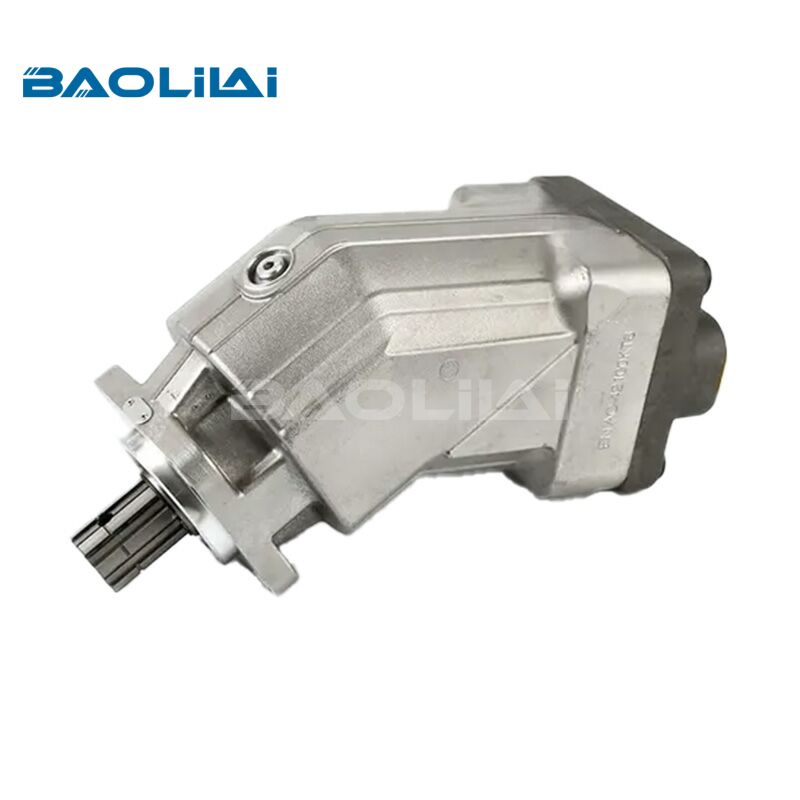
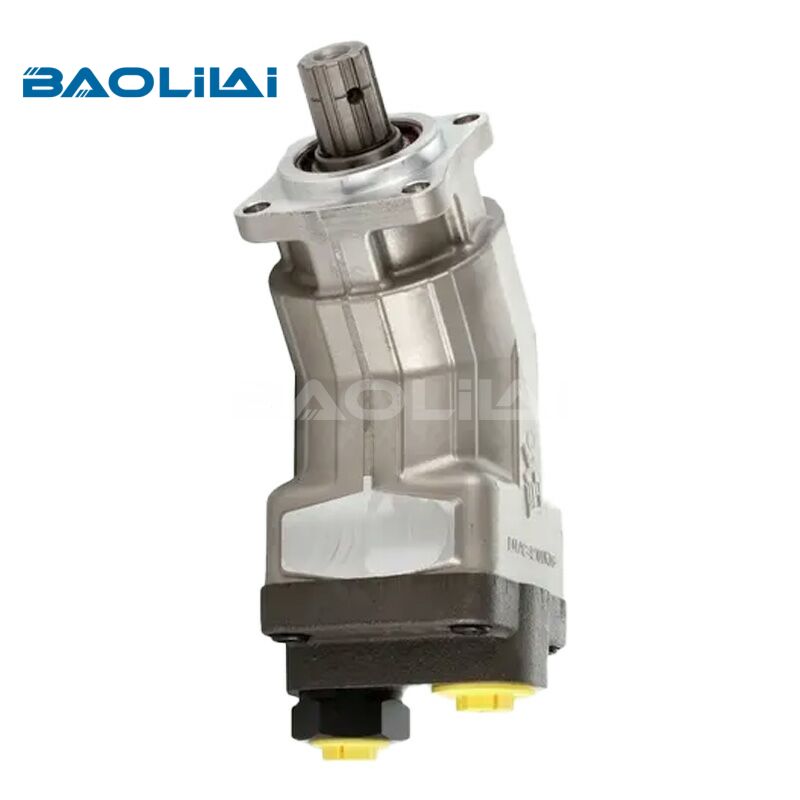
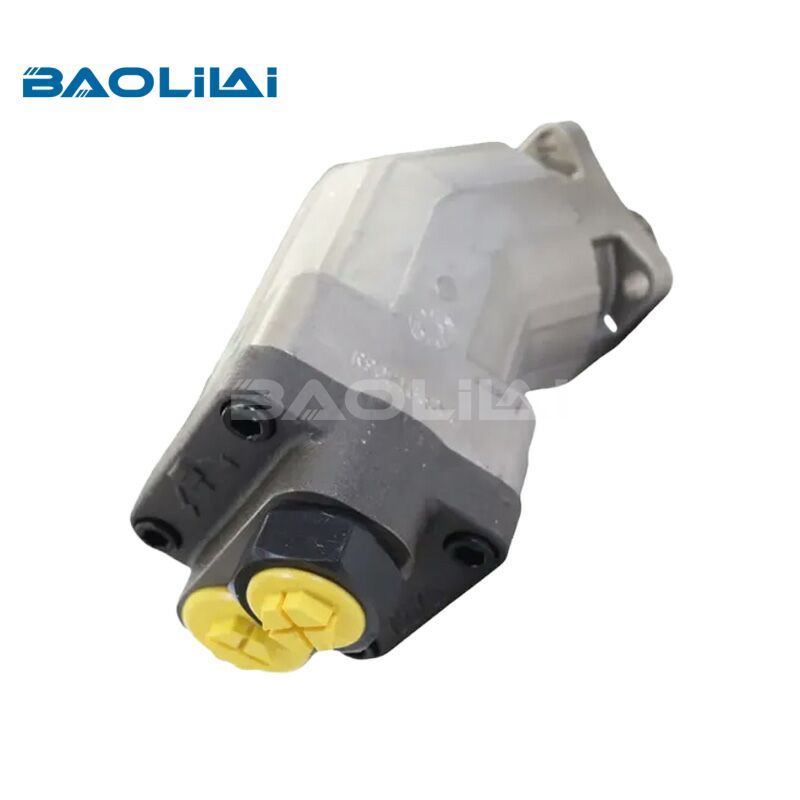
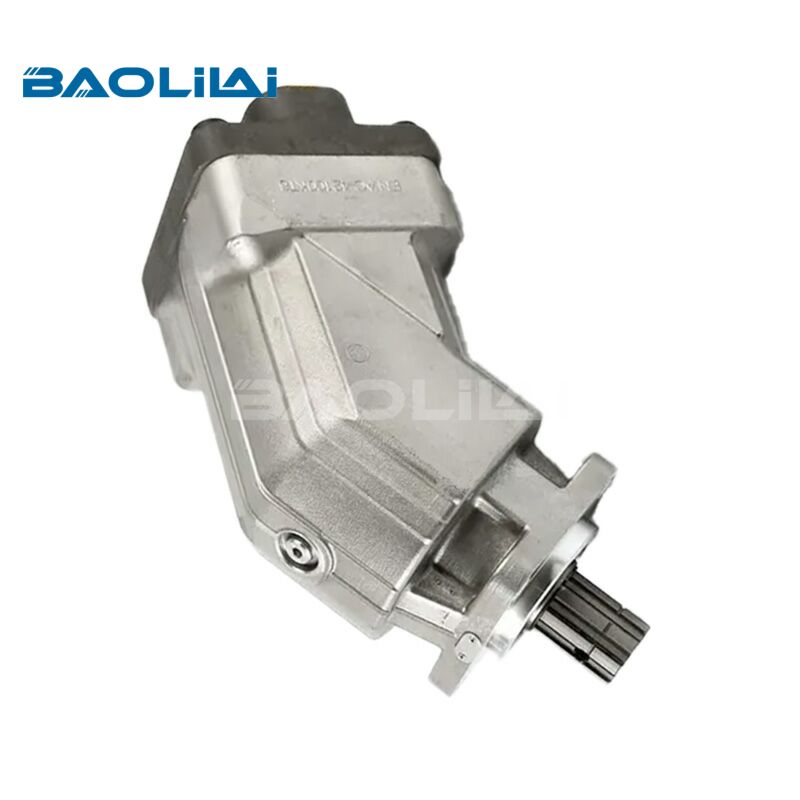
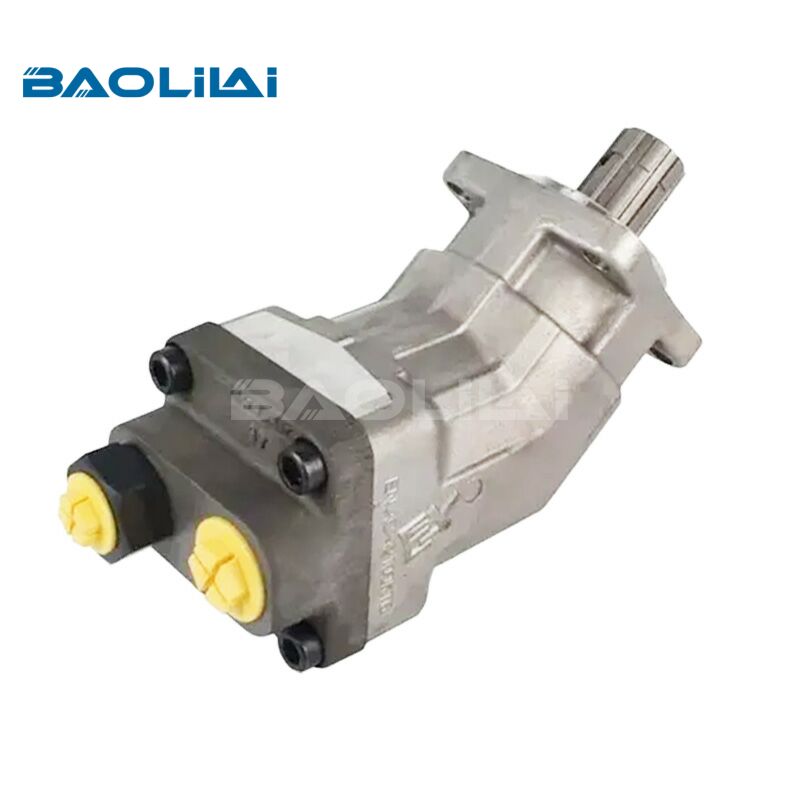

- Product Details
- Product Model
- FAQ
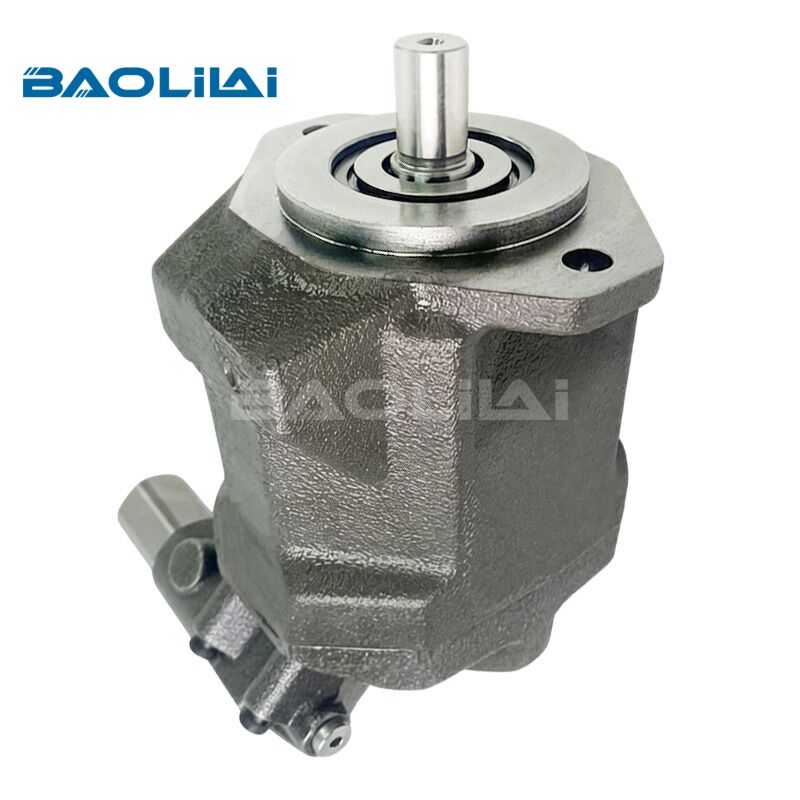
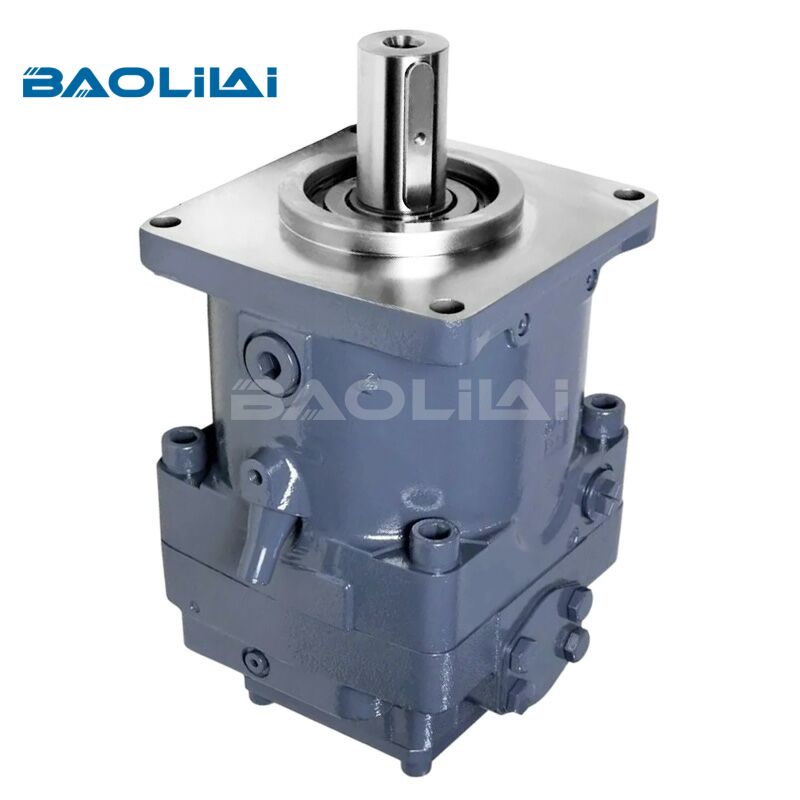
The A17FO is an axial piston pump from Bosch Rexroth's fixed displacement family, designed specifically for open circuit hydraulic systems. Unlike variable displacement units (like the A4VSO or A10VSO series), the A17FO delivers a constant flow rate per revolution — the swash plate angle is fixed at the factory rather than adjustable during operation.
Key Specifications to Check Before Ordering
Every Rexroth fixed displacement pump is defined by a handful of parameters that determine whether it fits your application. Before specifying an A17FO, confirm:
Displacement (cc/rev or in³/rev)
This determines flow output at a given shaft speed. Flow (L/min) = displacement × RPM ÷ 1000 (for cc/rev). Get this number wrong and you'll either starve the actuator or oversize the whole circuit.
Maximum Operating Pressure
Fixed displacement axial piston pumps in this class typically handle continuous pressures well into the 250–350 bar range, with peak/intermittent ratings higher. Always check the specific datasheet for the exact pressure rating of your unit, since ratings vary by frame size and configuration.
Shaft Speed Range (Min/Max RPM)
Running below minimum speed risks poor volumetric efficiency and cavitation; running above maximum speed accelerates wear and can damage bearings.
Mounting Flange and Shaft Type
Rexroth pumps use standardized SAE flange and spline configurations. Match this to your motor or gearbox coupling before ordering — a mismatch here is one of the most common (and avoidable) ordering mistakes.
Rotation Direction
Fixed displacement pumps are typically manufactured for a specific rotation (clockwise or counterclockwise, viewed from the shaft end). Confirm this matches your prime mover.
Case Drain Requirements
Axial piston pumps need a case drain line to relieve internal leakage back to the tank. Skipping or undersizing this line is a fast way to blow a shaft seal.
Installation and Maintenance Best Practices
Priming and Startup
Axial piston pumps are not self-priming from a dry state in the way some gear pumps are. Fill the pump housing with clean hydraulic fluid before first startup, and always bleed air from the suction line.
Fluid Cleanliness
Piston pumps have tighter internal clearances than gear or vane pumps, which makes them more sensitive to contamination. A target cleanliness code of ISO 4406 18/16/13 or better is a reasonable baseline for most industrial applications — check your specific pump's datasheet for the manufacturer's recommendation.
Inlet Conditions
Suction line velocity and vacuum at the pump inlet matter more than most technicians expect. Excessive suction lift or an undersized suction line causes cavitation, which shows up as noise first and pitted pistons/barrels later.
Routine Inspection Points
Case drain flow rate (rising flow can indicate internal wear)
Shaft seal for leaks
Noise signature changes (a good baseline recording at commissioning pays off later)
Mounting bolt torque after initial break-in period
For more information on the A17FO hydraulic pump, please visit https://www.baolilaihydraulic.com/product/.
Specifications
| Size | NG | Unit | 23 | 32 | 45 | 63 | 80 | 107 |
| Displacement, geometric, per revolution | Vg | cm³ | 22.9 | 32 | 45.6 | 63 | 80.4 | 106.7 |
| Speed maximum | nnom | rpm | 3050 | 2750 | 2650 | 2200 | 2150 | 2000 |
| nmax | rpm | 4300 | 3900 | 3800 | 3200 | 3100 | 2800 | |
| Flow at nnom | qv | l/min | 70 | 88 | 121 | 139 | 173 | 213 |
| Power at nnom and Δp = 350 bar) | P | kW | 41 | 51 | 71 | 81 | 101 | 124 |
| Torque at Δp = 350 bar | T | Nm | 127 | 178 | 254 | 351 | 448 | 554 |
| Rotary stiffness | c | kNm/rad | 2.56 | 3.12 | 4.18 | 6.25 | 8.73 | 11.2 |
| Moment of inertia for rotary group | JTW | kgm² | 0.0012 | 0.0012 | 0.003 | 0.0042 | 0.0072 | 0.0116 |
| Maximum angular acceleration | α | rad/s² | 6500 | 6500 | 14600 | 7500 | 6000 | 4500 |
| Case volume | V | l | 0.25 | 0.29 | 0.4 | 0.5 | 0.6 | 0.75 |
| Mass moment | TG | Nm | 4.7 | 4.7 | 8.6 | 9.9 | 15.3 | 20 |
| Mass (approx.) | m | kg | 5.9 | 5.9 | 8.4 | 9.3 | 12.3 | 15.0 |
Selection Table
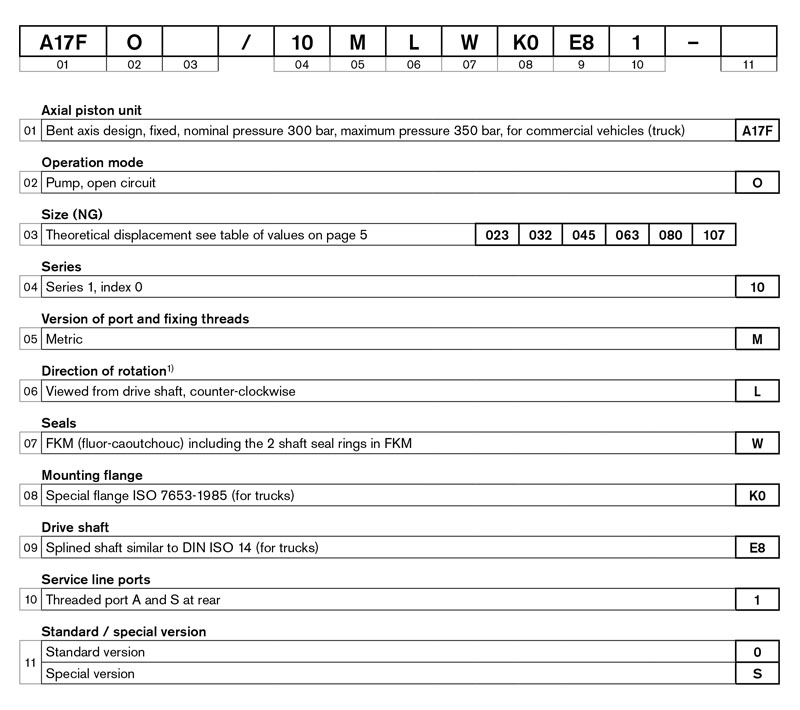
| A17FO hydraulic pump | |
| Model No. | Model Code |
| R902250571 | A17FO023/10NLWK0E81-0 |
| R902241724 | A17FO023/10NLWK0E81-0 |
| R902189173 | A17FO023/10NLWK0E81-0 |
| R902163554 | A17FO023/10NLWK0E81-0 |
| R902162388 | A17FO023/10NLWK0E81-0 |
| R902200385 | A17FO023/10NLWK0E81-S |
| R902250572 | A17FO032/10NLWK0E81-0 |
| R902241725 | A17FO032/10NLWK0E81-0 |
| R902206716 | A17FO032/10NLWK0E81-0 |
| R902163555 | A17FO032/10NLWK0E81-0 |
| R902162390 | A17FO032/10NLWK0E81-0 |
| R902200387 | A17FO032/10NLWK0E81-S |
| R902255704 | A17FO032/10NRWK0E81-Y |
| R902250573 | A17FO045/10NLWK0E81-0 |
| R902241726 | A17FO045/10NLWK0E81-0 |
| R902186004 | A17FO045/10NLWK0E81-0 |
| R902163893 | A17FO045/10NLWK0E81-0 |
| R902162392 | A17FO045/10NLWK0E81-0 |
| R902200389 | A17FO045/10NLWK0E81-S |
| R902248024 | A17FO045/10NRWK0E81-Y |
| R902226067 | A17FO045/10NRWK0E81-Y |
| R902250575 | A17FO063/10NLWK0E81-0 |
| R902241989 | A17FO063/10NLWK0E81-0 |
| R902163721 | A17FO063/10NLWK0E81-0 |
| R902163894 | A17FO063/10NLWK0E81-0 |
| R902162394 | A17FO063/10NLWK0E81-0 |
| R902200393 | A17FO063/10NLWK0E81-S |
| R902200391 | A17FO063/10NLWK0E81-S |
| R902226068 | A17FO063/10NRWK0E81-Y |
| R902250576 | A17FO080/10NLWK0E81-0 |
| R902237103 | A17FO080/10NLWK0E81-0 |
| R902189121 | A17FO080/10NLWK0E81-0 |
| R902163722 | A17FO080/10NLWK0E81-0 |
| R902162396 | A17FO080/10NLWK0E81-0 |
| R902200395 | A17FO080/10NLWK0E81-S |
| R902250577 | A17FO107/10NLWK0E81-0 |
| R902163864 | A17FO107/10NLWK0E81-0 |
| R902162398 | A17FO107/10NLWK0E81-0 |
| R902137501 | A17FO107/10NLWK0E81-0 |
| R902200397 | A17FO107/10NLWK0E81-S |
| R902200399 | A17FO107/10NLWK0E81-S |
Q1: How do I size an A17FO for my application?
A1: Start with your required flow rate (L/min or GPM) at your intended prime mover speed, back-calculate the needed displacement, then check that the resulting pump size meets your pressure and torque requirements with margin. Your local Rexroth distributor or a hydraulics engineer can verify the selection against the current datasheet.
Q2: What causes premature failure in fixed displacement piston pumps?
A2: The leading causes are contamination (dirty fluid), cavitation (inlet starvation), running outside rated speed or pressure, and misalignment at the drive coupling. Most of these are preventable with correct installation and a basic maintenance schedule.
Q3: How to purchase an A17FO hydraulic pump?
A3: You can visit https://www.baolilaihydraulic.com/contact/ to contact us and purchase our products through various methods.
Q4: What is the price and delivery time of the A17FO hydraulic pump?
A4:The specific price and delivery time will be provided based on the specific model you provide.