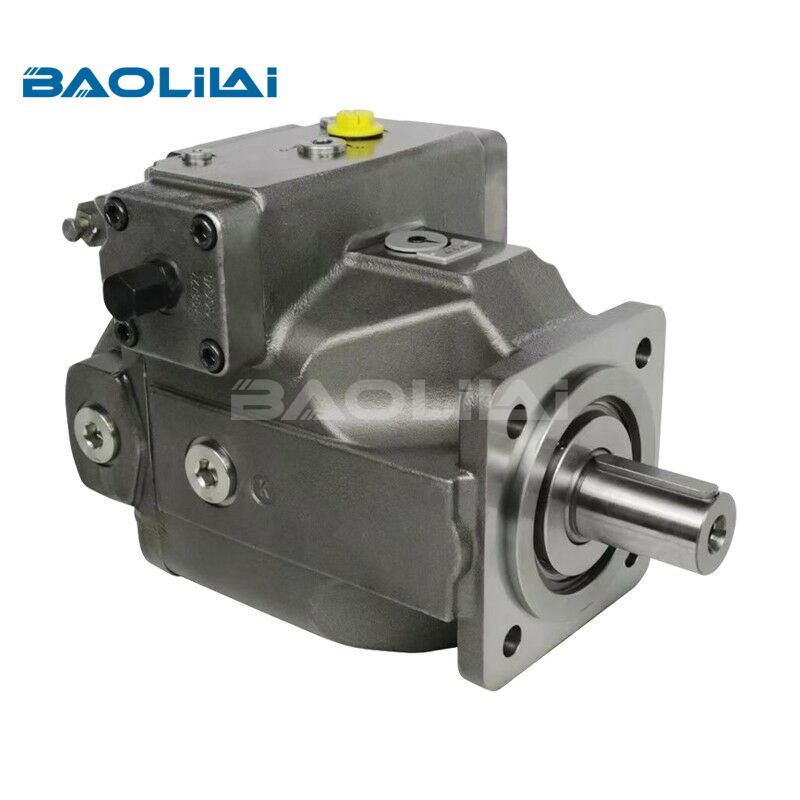
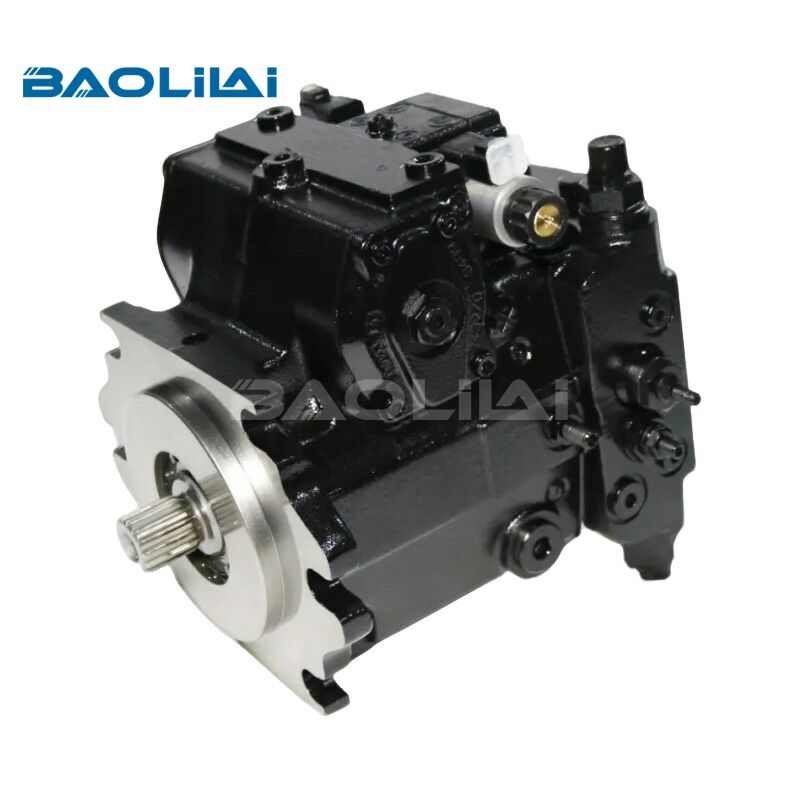
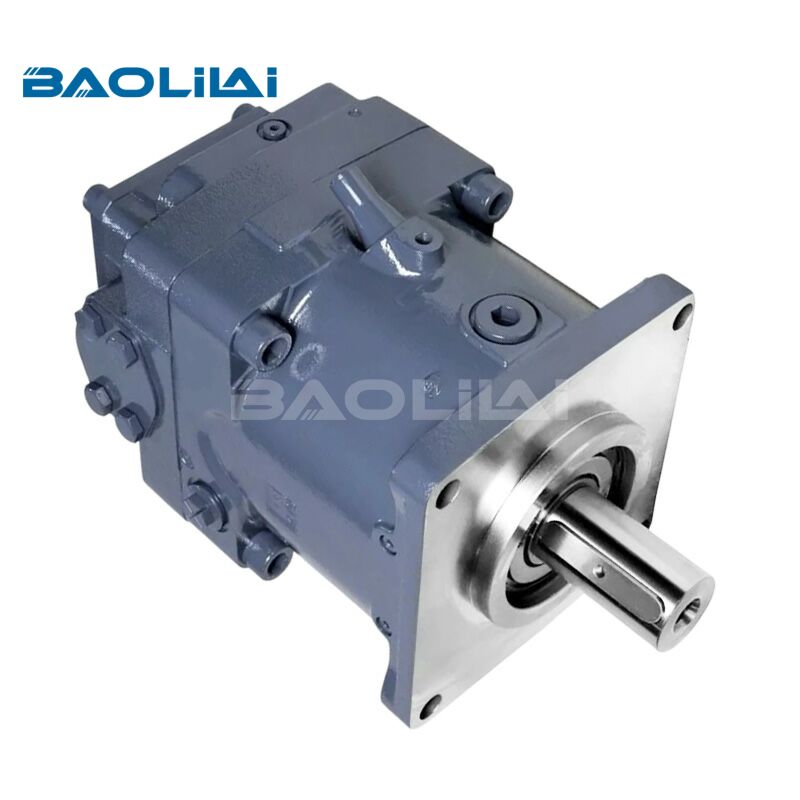
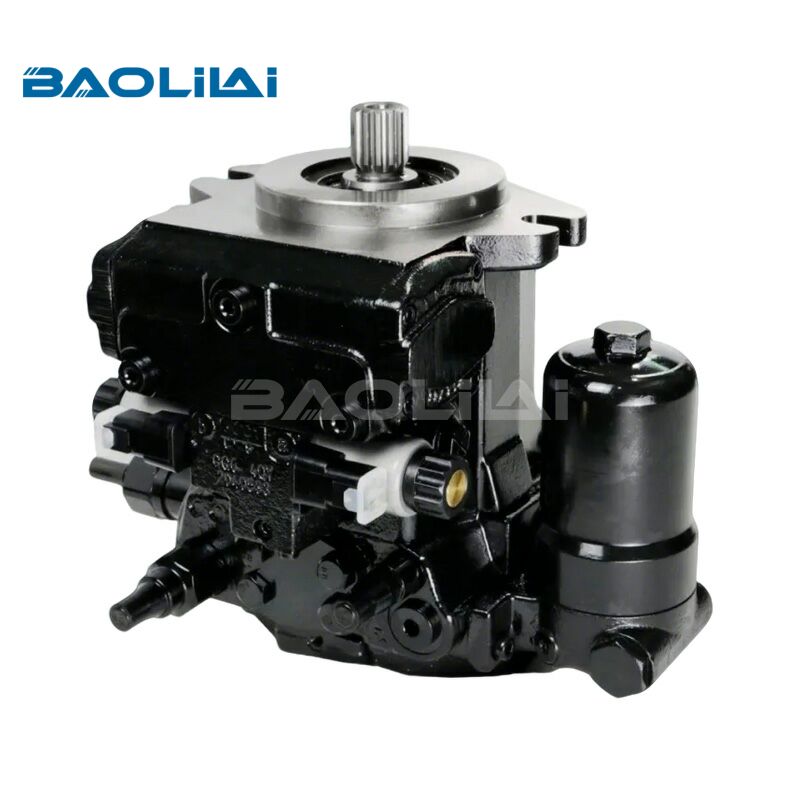
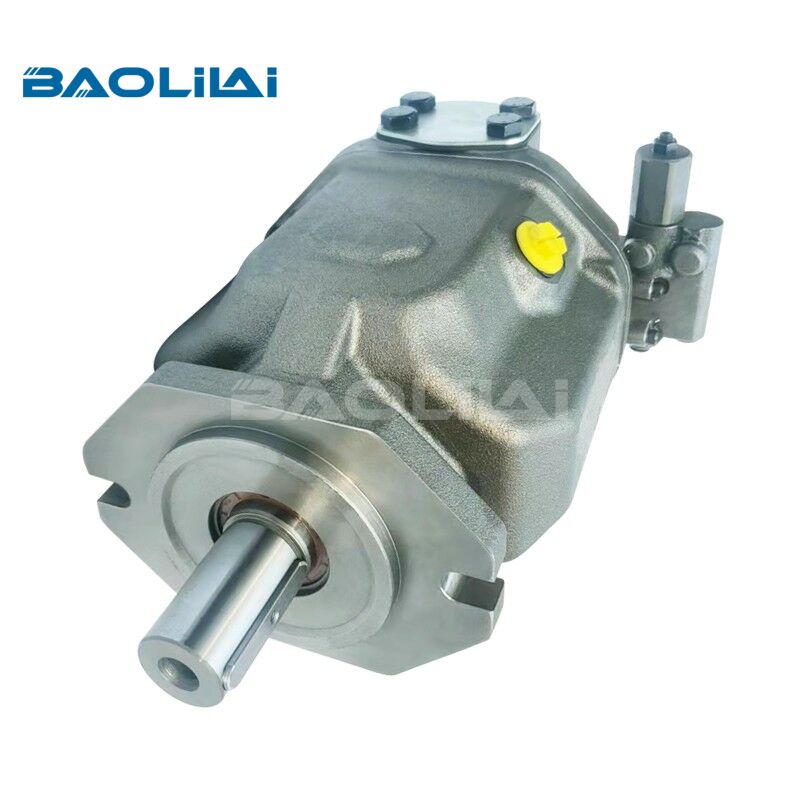
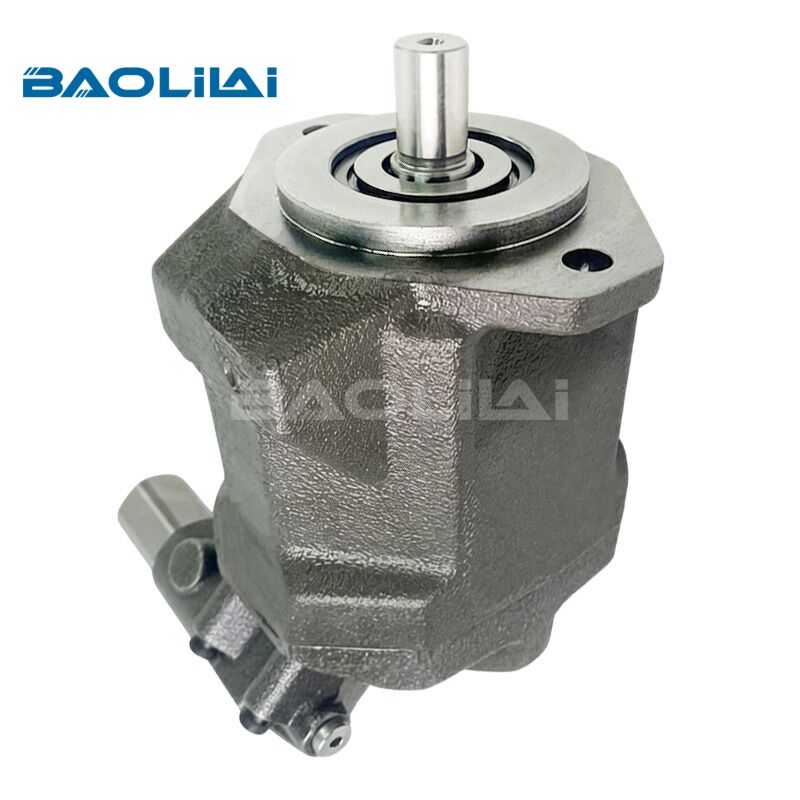
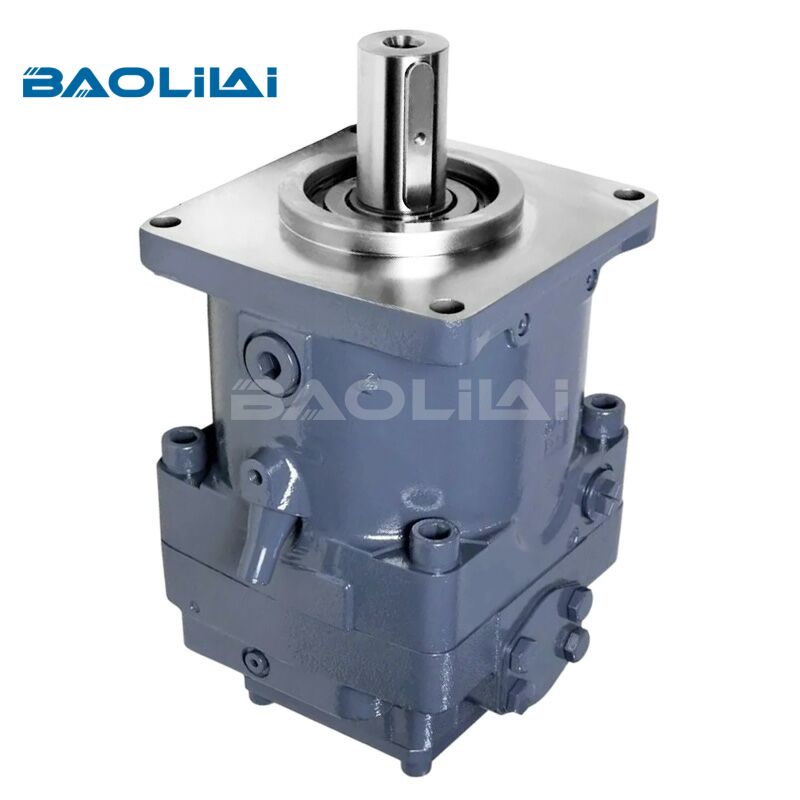
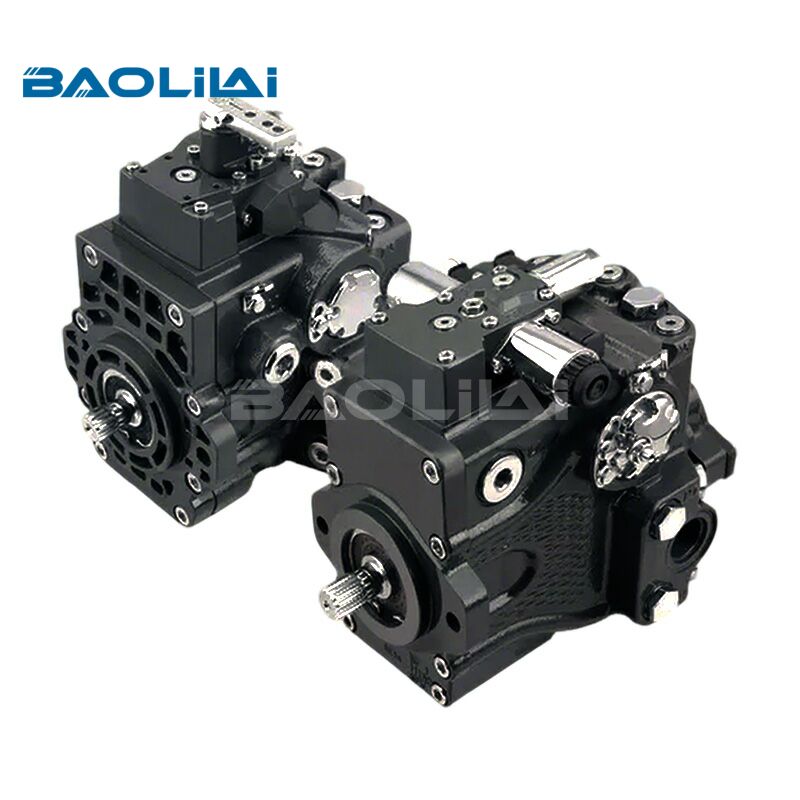
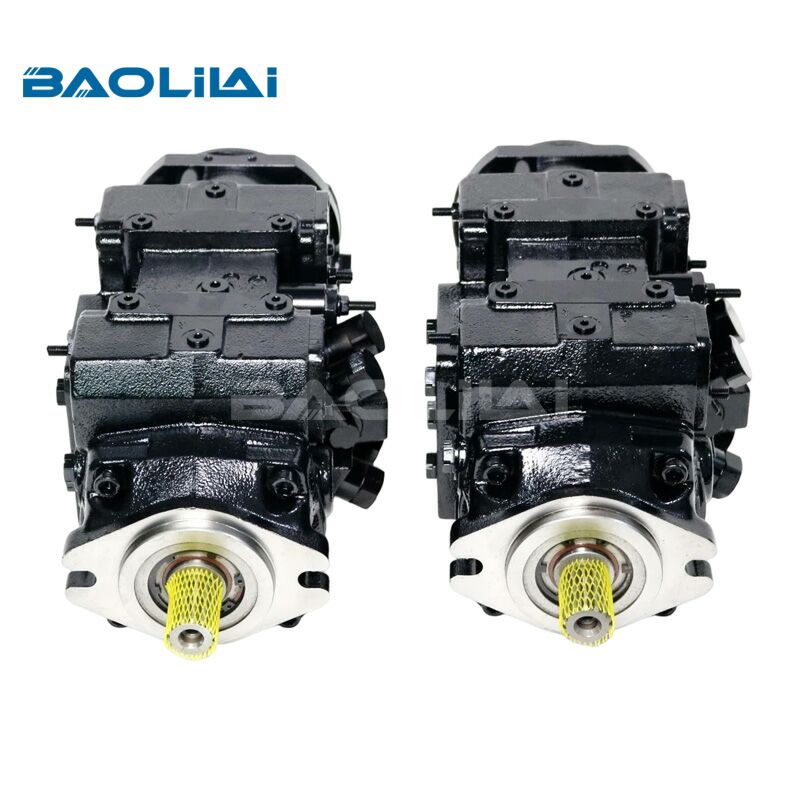
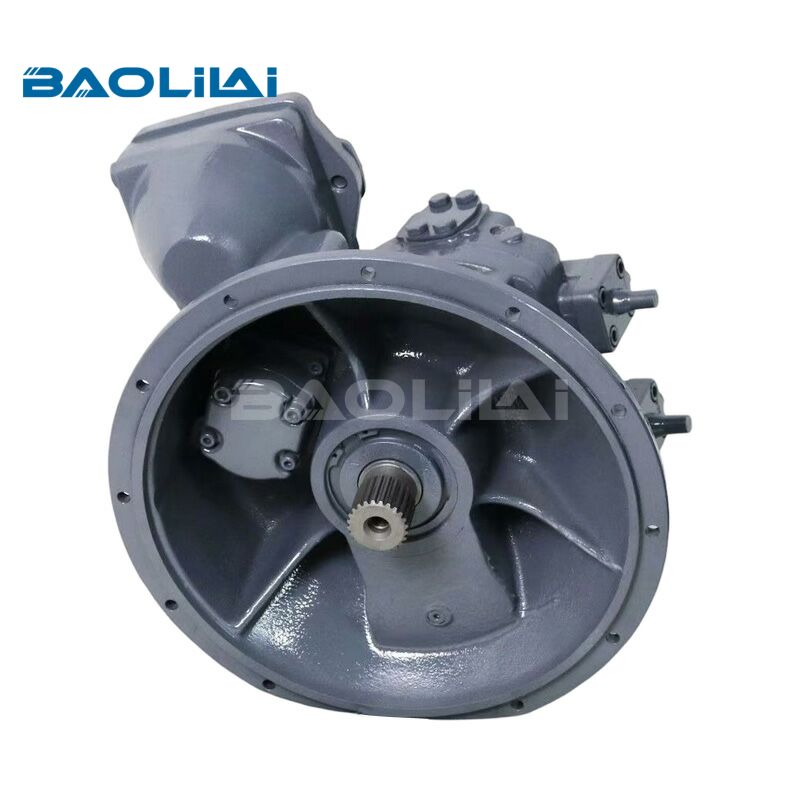
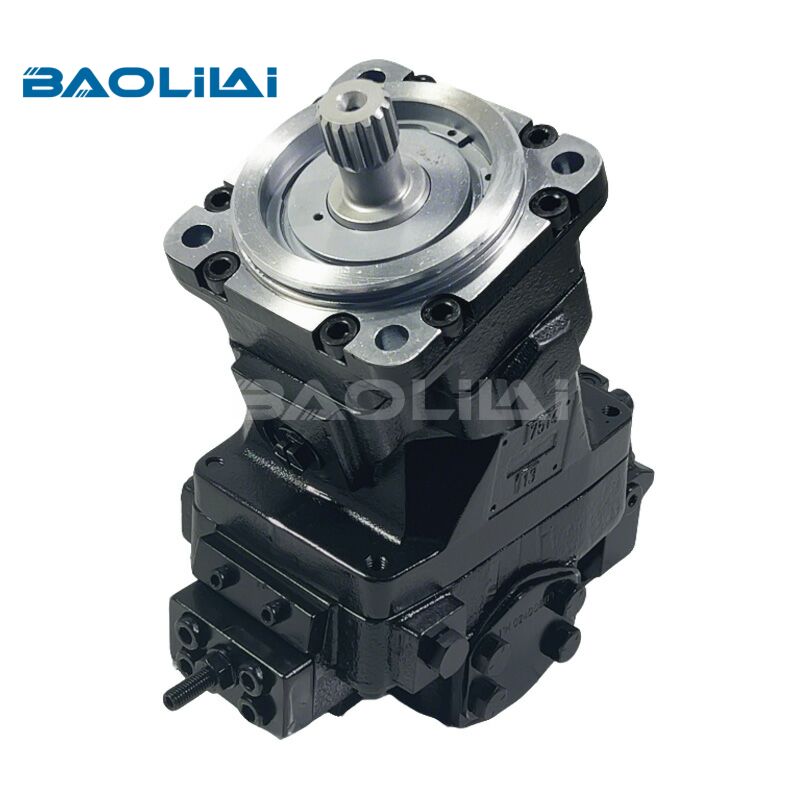
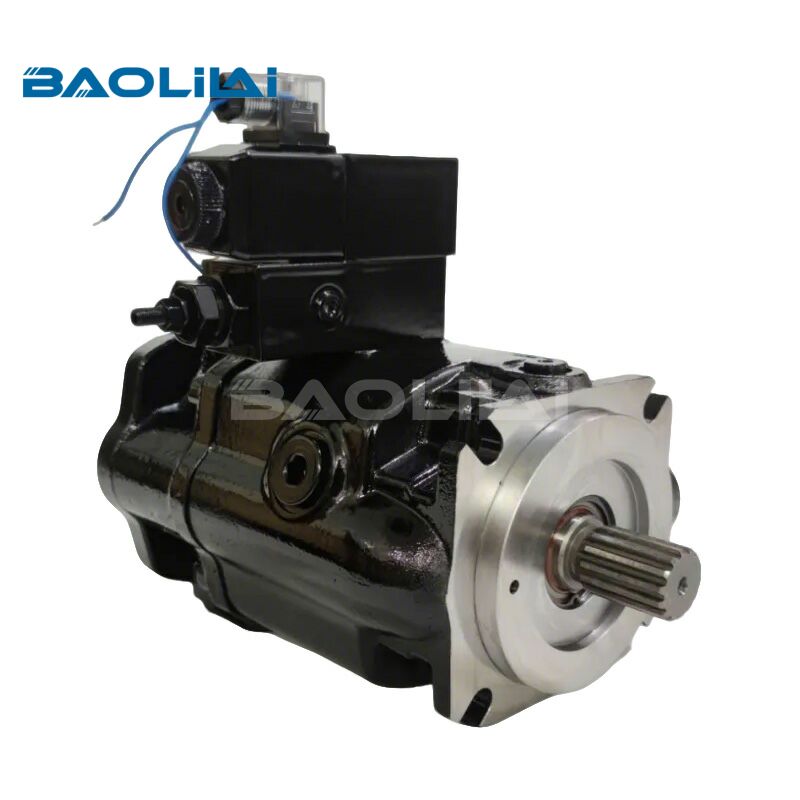
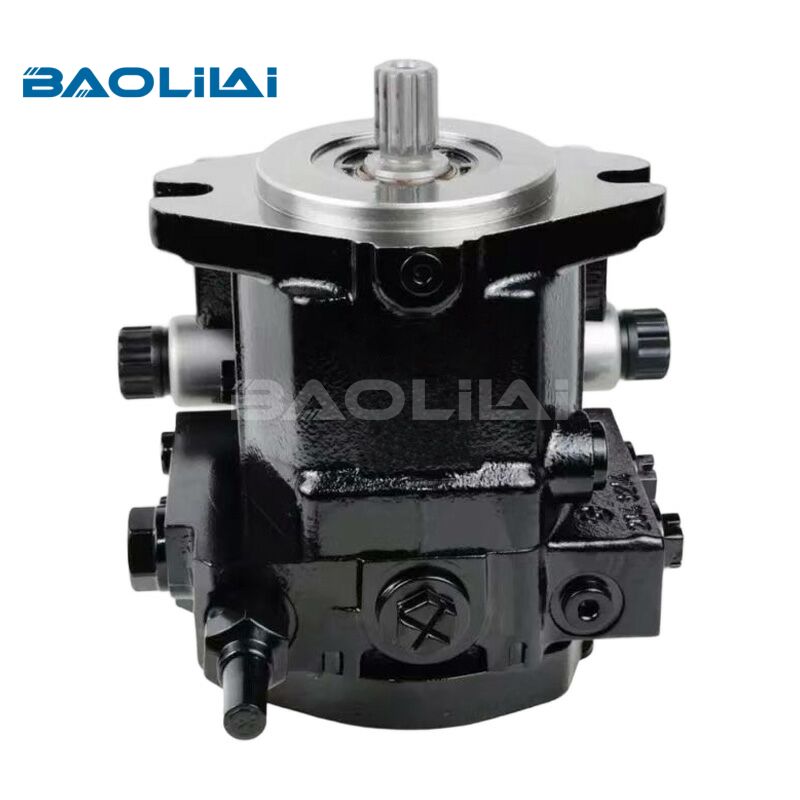
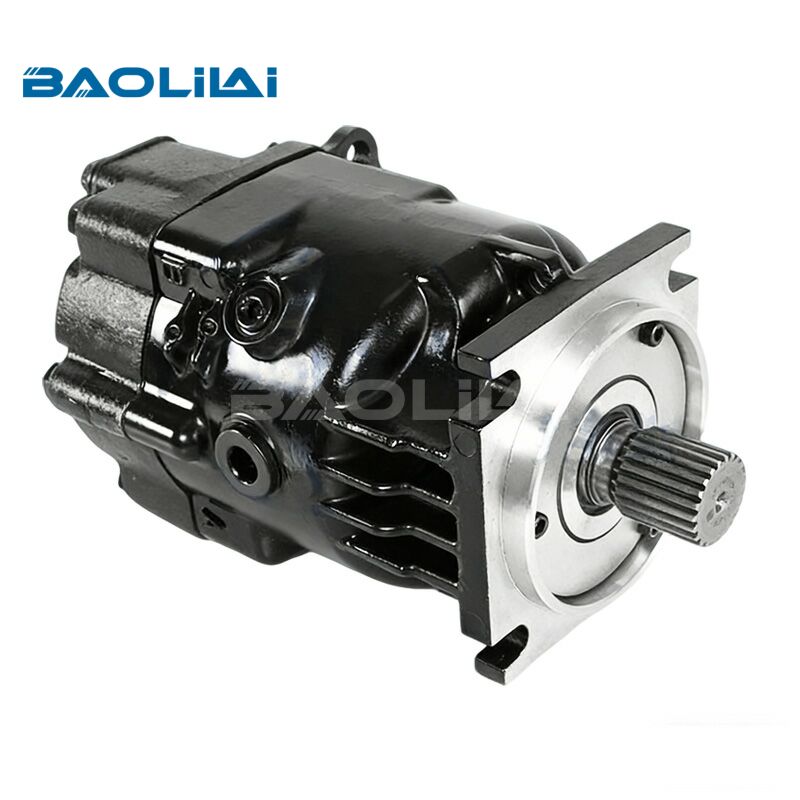
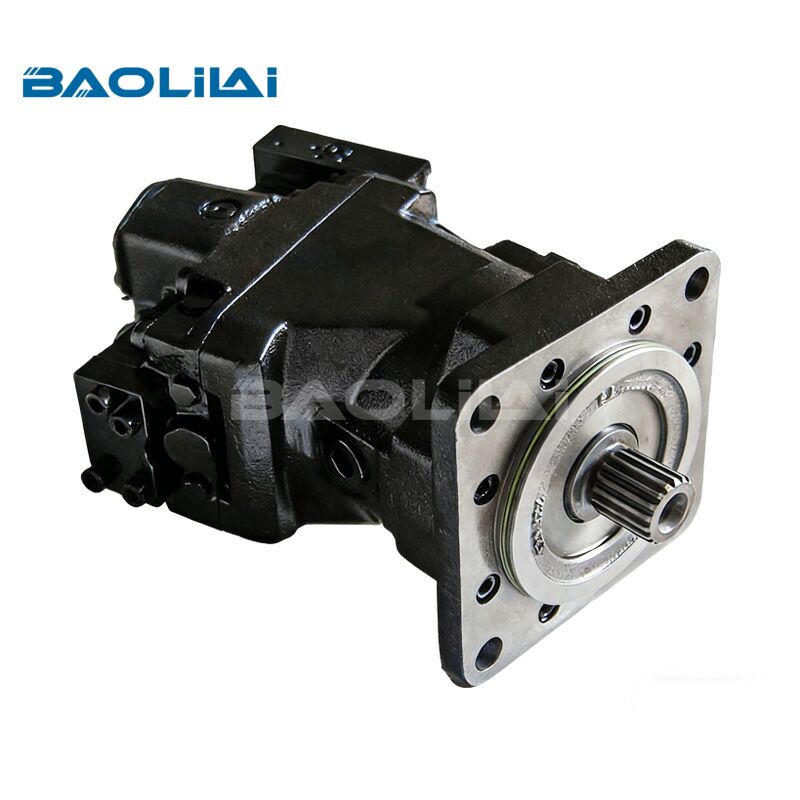
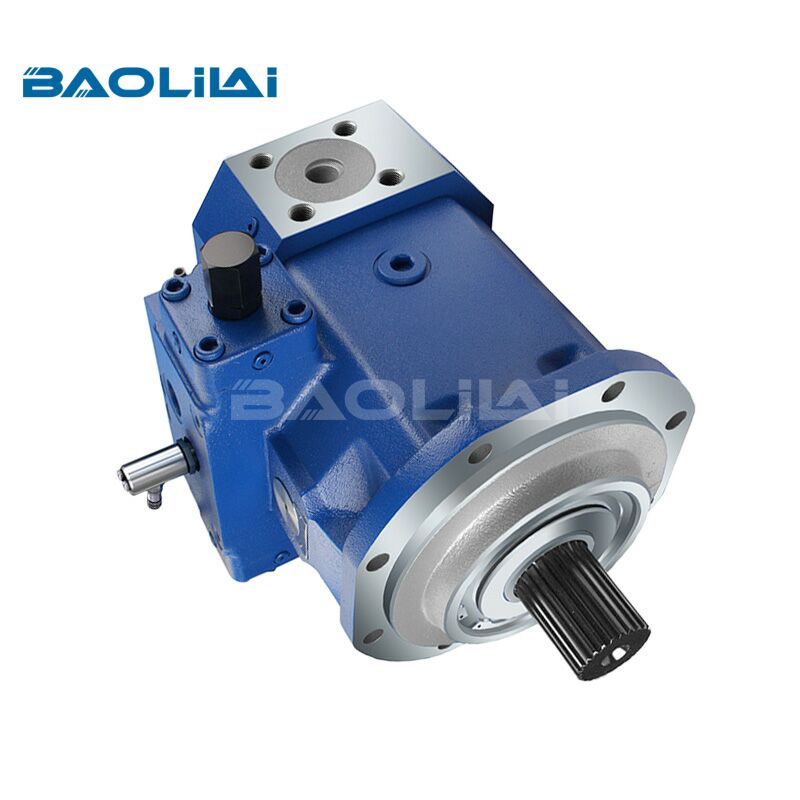
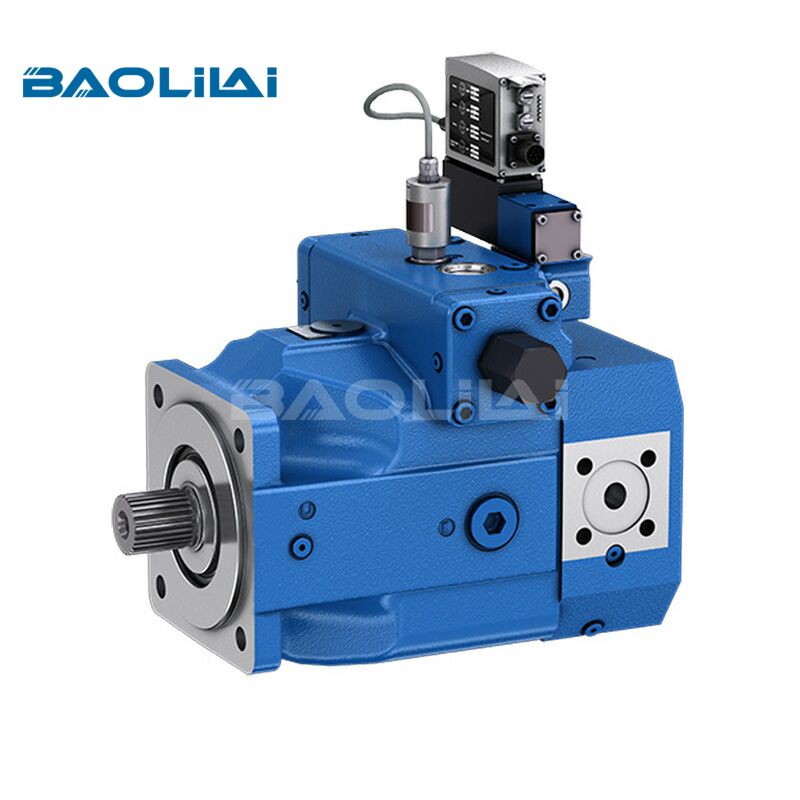
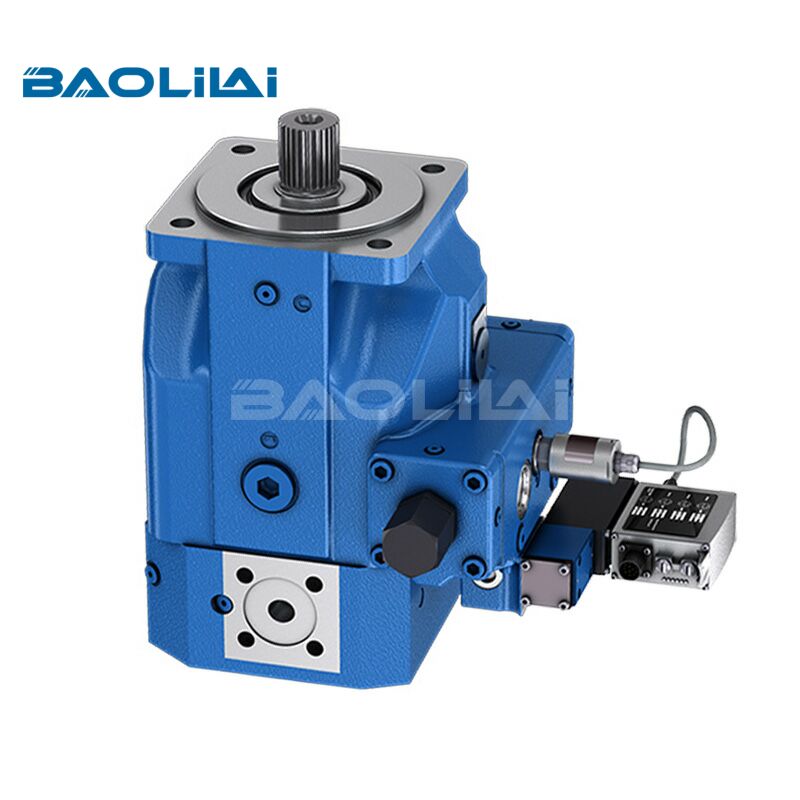
Rexroth A4VSH semi-closed circuit hydraulic piston pump
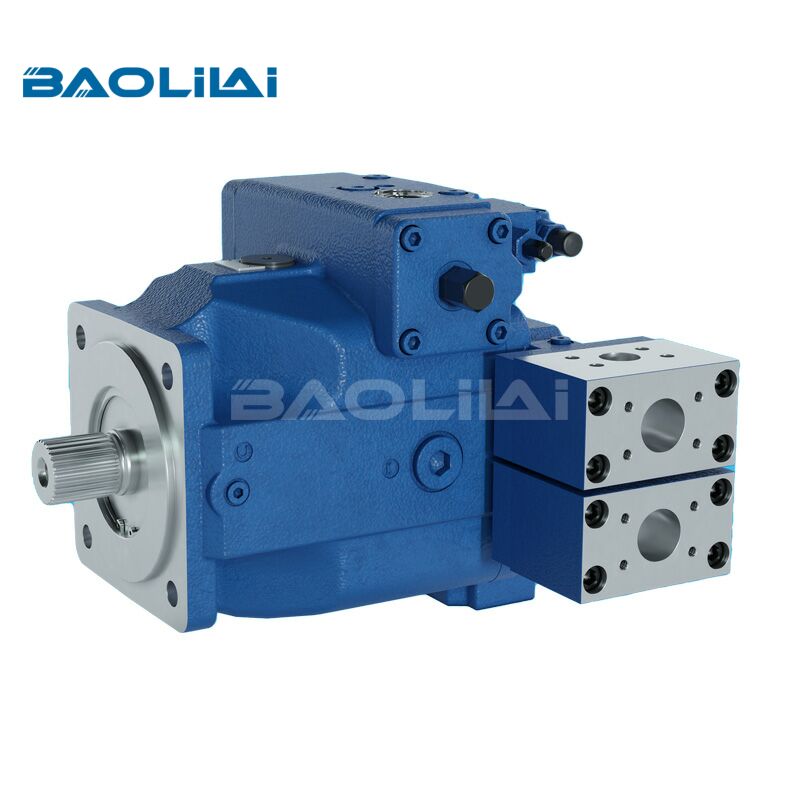
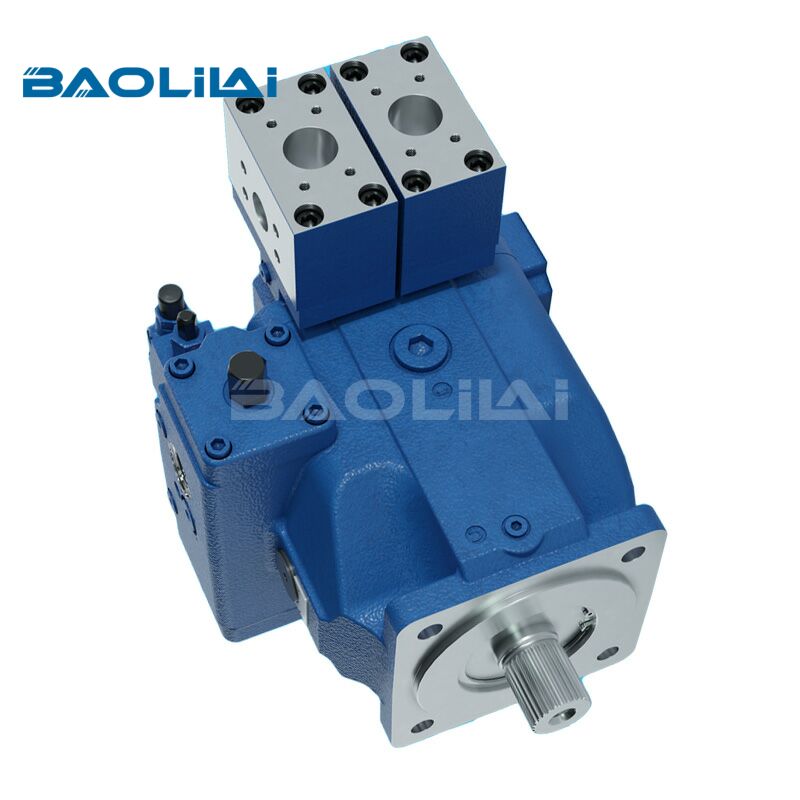

- Product Details
- Product Model
- FAQ
The A4VSH is a variable-displacement, swashplate-design axial piston pump built by Bosch Rexroth for semi-closed circuit hydraulic applications. It shares its core rotating group architecture with the better-known A4VSO (open circuit) and A4VSG (closed circuit) pumps, but its port arrangement and control logic are configured for a hybrid circuit type that behaves like a closed circuit for flow but retains some open-circuit characteristics for return and boost flow handling.
Core Design and Construction
The A4VSH uses the same fundamental swashplate axial piston architecture found across the A4V series:
Rotating cylinder block with axial pistons arranged in a circle around the drive shaft
The swashplate, whose angle determines piston stroke length, and therefore displacement
Variable displacement control, allowing output flow to be adjusted from zero to maximum without changing shaft speed
Slipper pads and a shoe plate ride on a hydrostatic film against the swashplate face, minimizing wear at high pressure
Valve plate timing porting between the suction and discharge sides as the cylinder block rotates
How the Control System Works
Displacement control is where Rexroth's engineering really shows. Depending on the ordering code, an A4VSH pump can be equipped with:
Pressure control (DR) — holds a set system pressure by automatically reducing displacement as pressure approaches the setpoint
Load-sensing control (LS) — matches pump output to actual load demand, minimizing throttling losses
Power control (LR3) — limits displacement based on available drive power, protecting the prime mover from overload
Electric proportional control (EP) — allows remote or PLC-based displacement commands, common in automated systems
For semi-closed circuit use specifically, the control package is often paired with a flushing valve and boost/charge circuit, since part of the return flow needs to be filtered and cooled outside the main loop rather than recirculated directly.
Common Applications
The semi-closed configuration isn't a general-purpose choice — it shows up where engineers need closed-circuit compactness but can't fully commit to a sealed loop. Typical use cases include:
Mobile Equipment Hydrostatic Drives
Wheel loaders, compactors, and paving equipment sometimes use semi-closed arrangements where a primary hydrostatic drive loop needs charge/flush flow diverted for cooling without a full open-circuit reservoir footprint.
Winch and Hoist Systems
Marine winches and offshore hoisting equipment often favor semi-closed circuits because they combine the smooth, backlash-free control of closed-loop hydrostatics with the ability to bleed off heated or contaminated fluid to the tank.
Injection Molding Auxiliary Circuits
Where a main clamping circuit runs closed-loop for precision, auxiliary ejector or core-pull functions may tie into a semi-closed arrangement fed from the same pump group.
Industrial Test Rigs
Fatigue and load-testing rigs that need precise, reversible actuator control but also require continuous fluid conditioning (filtration, cooling) benefit from the semi-closed layout.
Installation and Maintenance Considerations
A few practical points matter more for A4VSH pumps than for straightforward open-circuit units:
1. Charge pressure monitoring matters more here. Because part of the circuit behaves like a closed loop, inadequate boost/charge pressure can starve the main pistons and cause cavitation damage far faster than in an open-circuit system.
2. Flushing valve setup is not optional. Skipping or misadjusting the flushing valve defeats the purpose of the semi-closed design — heat and contamination will build up in the loop instead of being bled to the tank.
3. Case drain flow should be checked routinely. Rising case drain flow is usually the earliest sign of internal wear (piston/cylinder bore clearance, slipper pad wear, or valve plate scoring).
4. Fluid cleanliness targets are stricter than for basic gear pumps. Axial piston pumps in general, and pressure-compensated variable units in particular, are sensitive to particulate contamination — ISO 4406 cleanliness codes in the 18/16/13 range or better are typical targets.
5. Swashplate control linkage should be inspected for drift. Over time, control spool wear or seal degradation can cause the pump to "hunt" or fail to reach full displacement.
For more information on the A4VSH hydraulic pump, please visit https://www.baolilaihydraulic.com/product/.
Specifications
| Size | NG | 40 | 71 | 125 | 250 | ||
| Geometric displacement, per revolution | Vgmax | cm3 | 40 | 71 | 125 | 250 | |
| Maximum rotational speed | at Vgmax | nmax | rpm | 2000 | 1650 | 1500 | 1200 |
| Rotational speed maximum permissible | at Vgmax perm. | nmax | rpm | 2400 | 2000 | 1800 | 1500 |
| Flow | at nmax and Vgmax | qv | l/min | 80 | 117 | 188 | 300 |
| at 1500rpm and Vgmax | 60 | 106 | 187 | 254 | |||
| Power | at nmax,Vgmax and △p=350 bar | P | kW | 47 | 68 | 109 | 175 |
| at 1500rpm, Vgmax and △p=350bar | 35 | 62 | 109 | 148 | |||
| Torque | at Vgmax and △p=350bar | M | Nm | 223 | 395 | 696 | 1391 |
| at Vgmax and △p=100bar | 64 | 113 | 199 | 398 | |||
| Rotary stiffness Drive shaft | P | c | kNm/rad | 80 | 146 | 260 | 527 |
| Z | c | kNm/rad | 77 | 146 | 263 | 543 | |
| Moment of inertia of the rotary group | JTW | kgm2 | 0.0049 | 0.0121 | 0.03 | 0.0959 | |
| Maximum angular acceleration | α | rad/s2 | 17000 | 11000 | 8000 | 4800 | |
| Case volume | V | L | 2 | 2.5 | 5 | 10 | |
| Weight approx. | m | kg | 45 | 60 | 107 | 220 | |
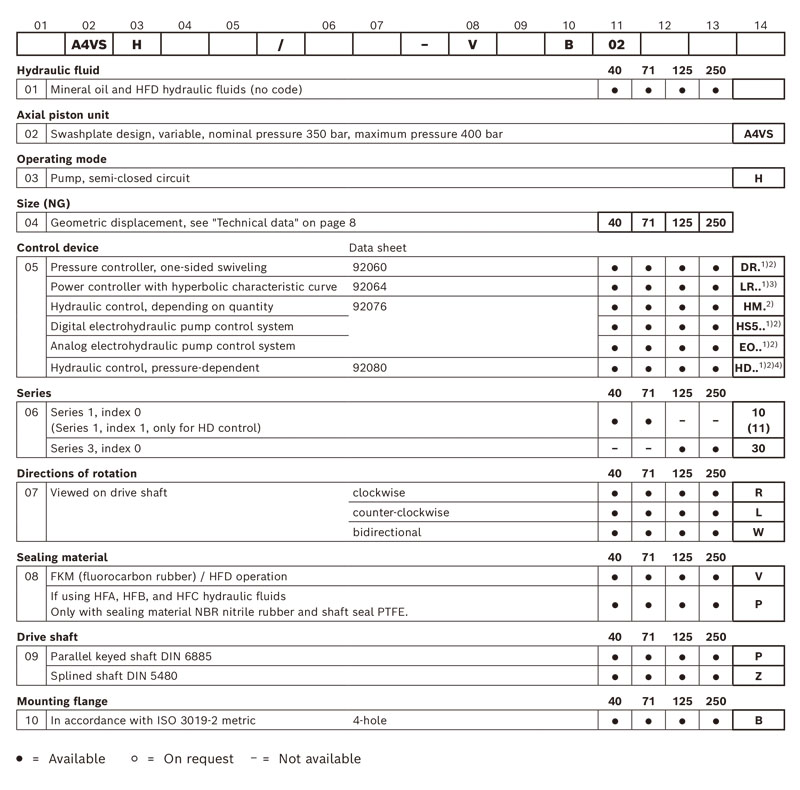
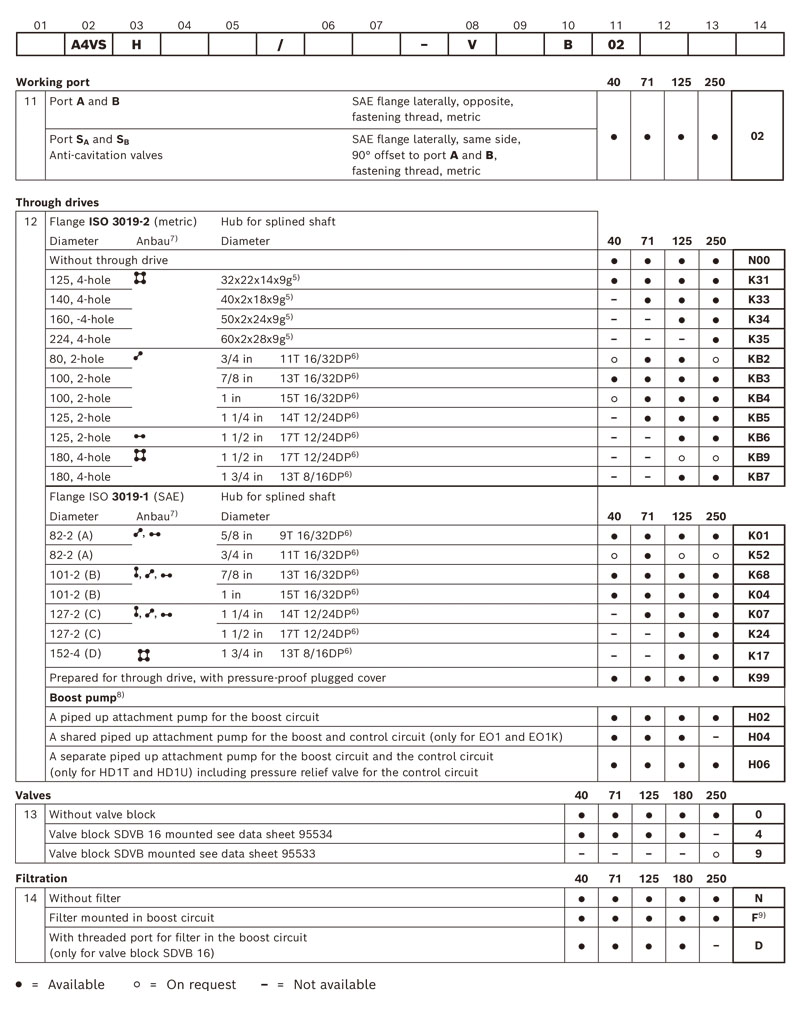
Selection Table
| A4VSH hydraulic pump | |
| Model No. | Model Code |
| R902482514 | A4VSH250EO1/30R+A4VSH125EO1K/30R |
| R902576957 | A4VSH40MA/10W+A4VSH40MA/10W |
Q1: What does "semi-closed circuit" mean in hydraulics?
A1: It means the pump's discharge and return flows are partially recirculated within a loop (like a closed circuit) while a portion of return flow is diverted to the reservoir for cooling and filtration (like an open circuit). It's a middle ground designed to combine the strengths of both layouts.
Q2: What causes premature wear in an A4VSH pump?
A2: The most common culprits are insufficient charge pressure, fluid contamination above the recommended ISO cleanliness code, and running the pump at high displacement with inadequate cooling from a poorly tuned flushing circuit.
Q3: How to purchase an A4VSH hydraulic pump?
A3: You can visit https://www.baolilaihydraulic.com/contact/ to contact us and purchase our products through various methods.
Q4: What is the price and delivery time of the A4VSH hydraulic pump?
A4:The specific price and delivery time will be provided based on the specific model you provide.