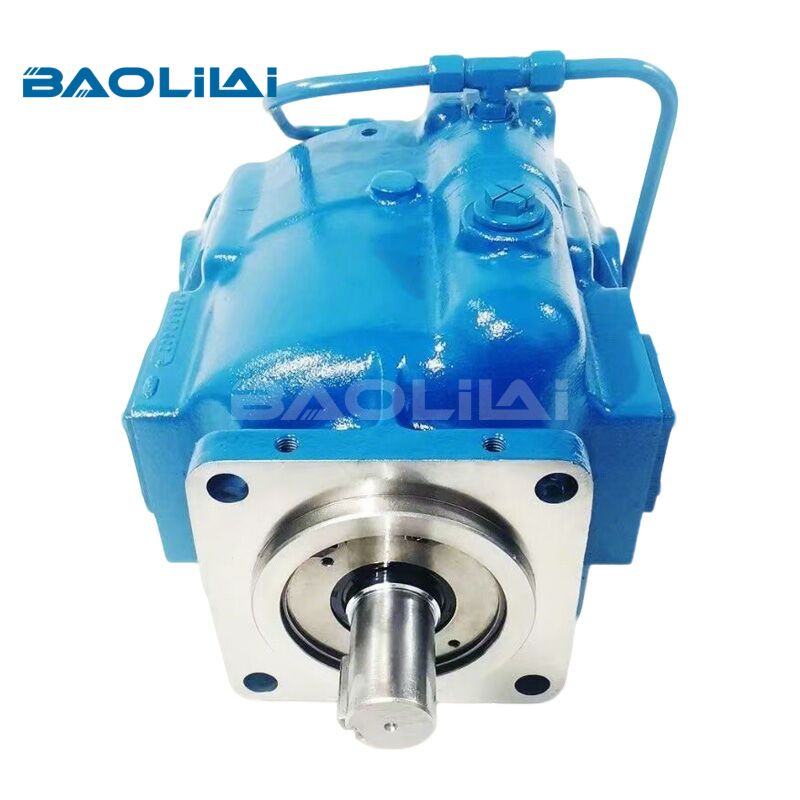
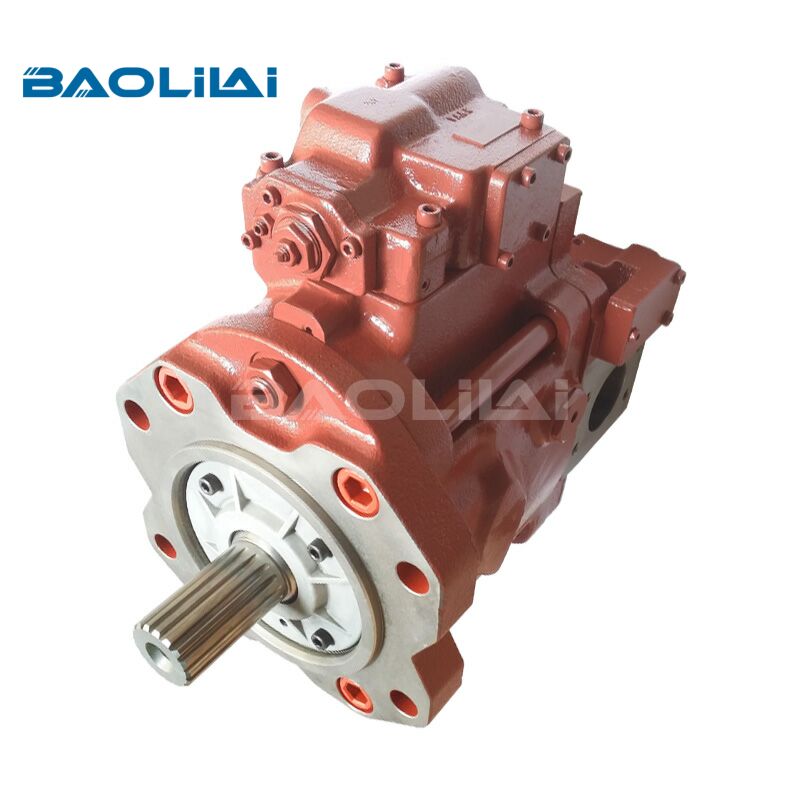
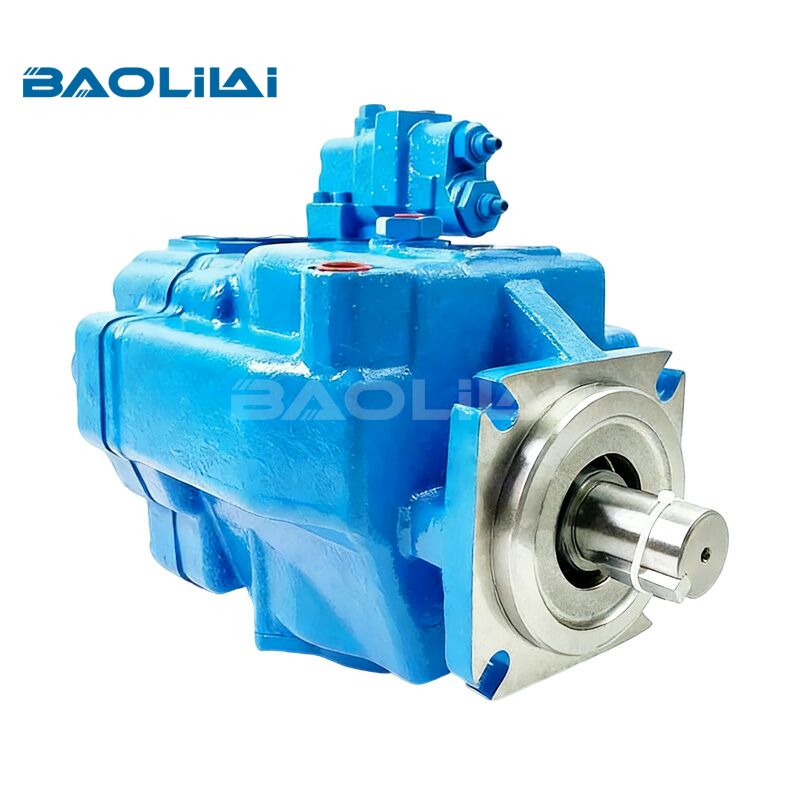
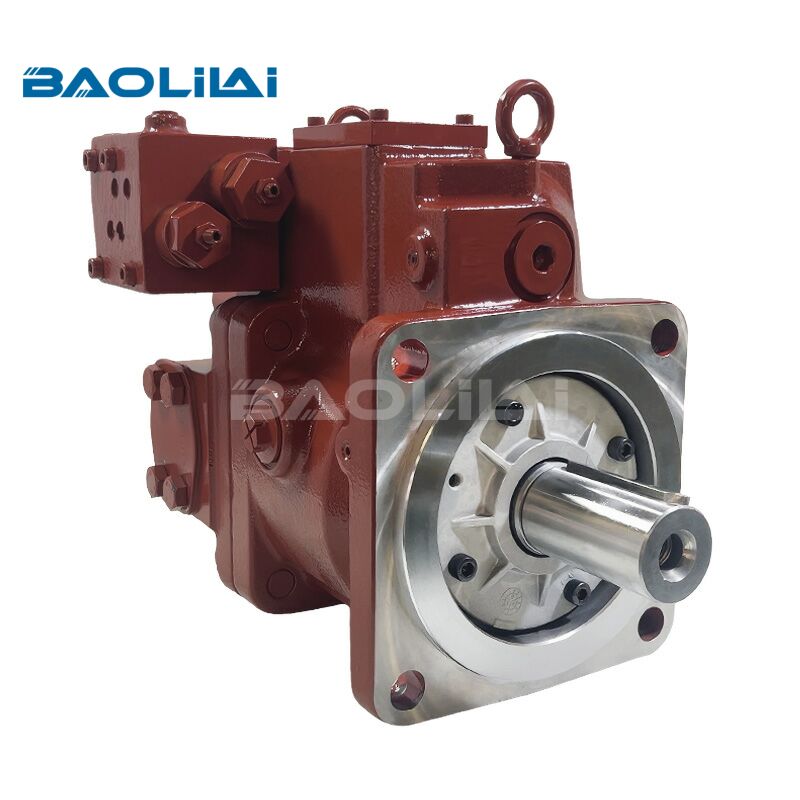
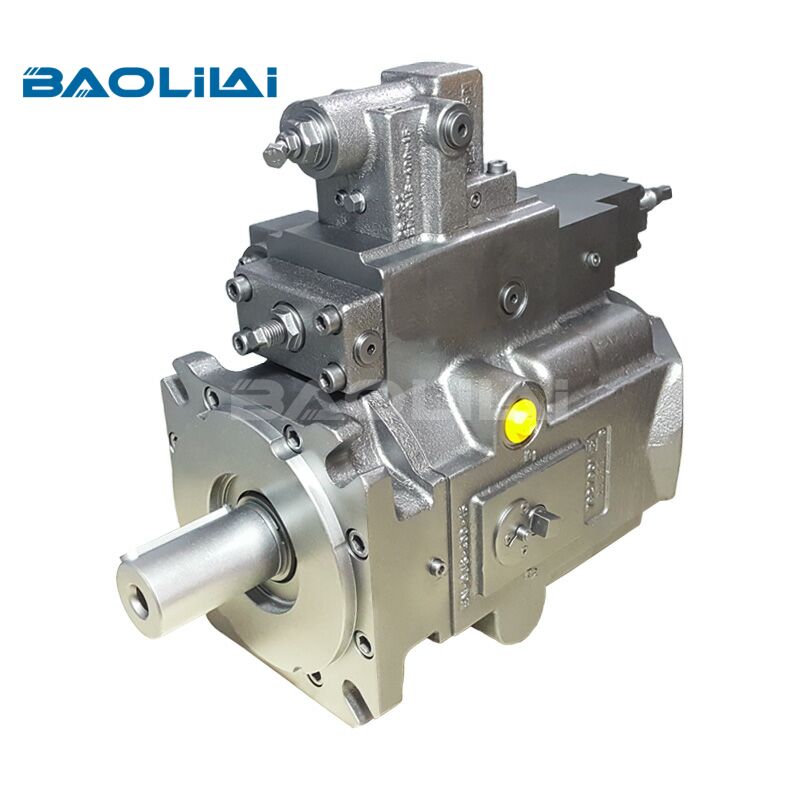
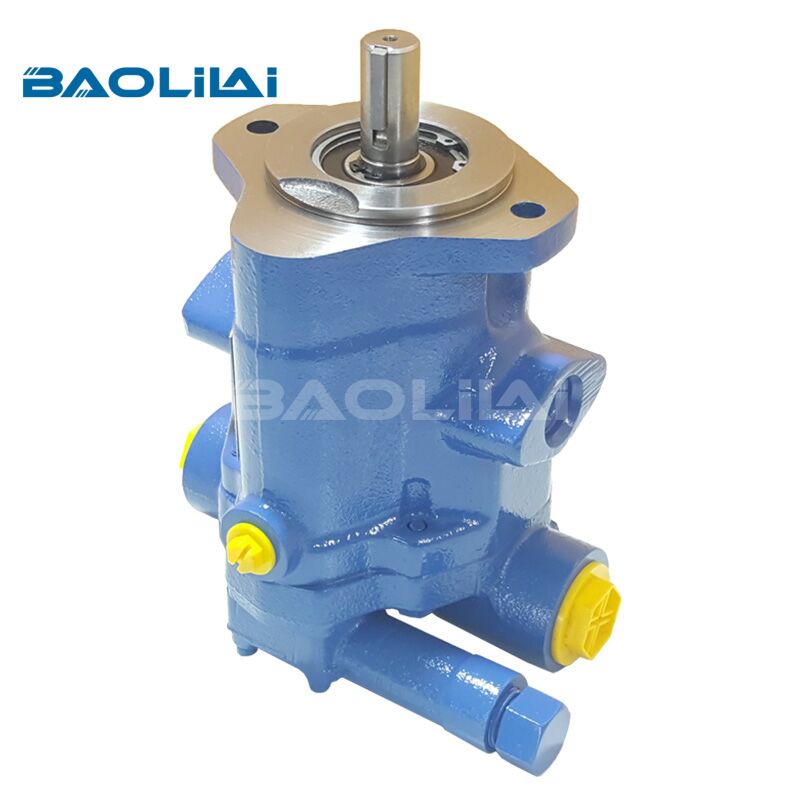
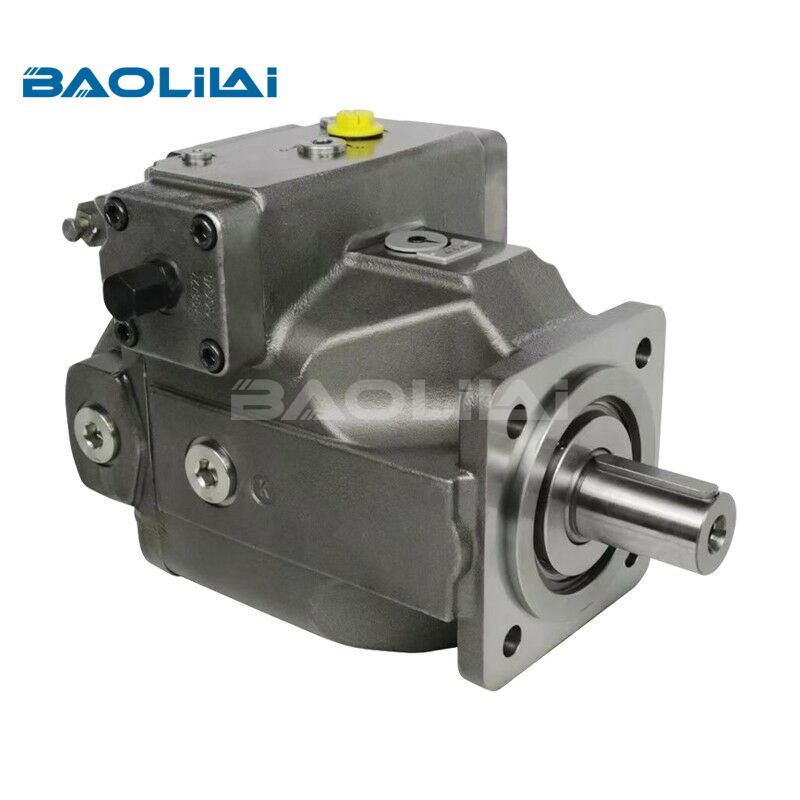
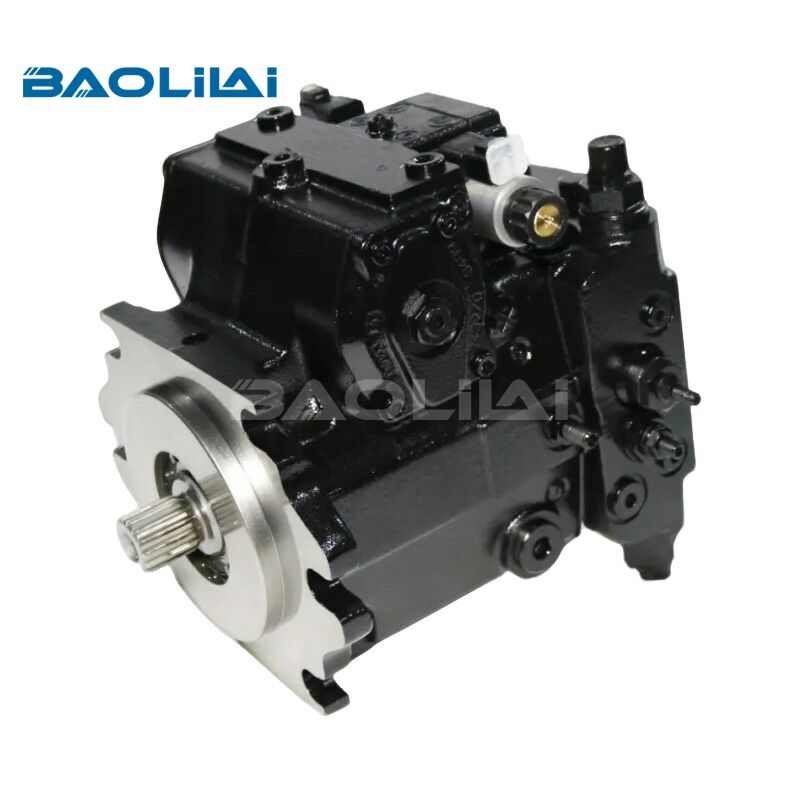
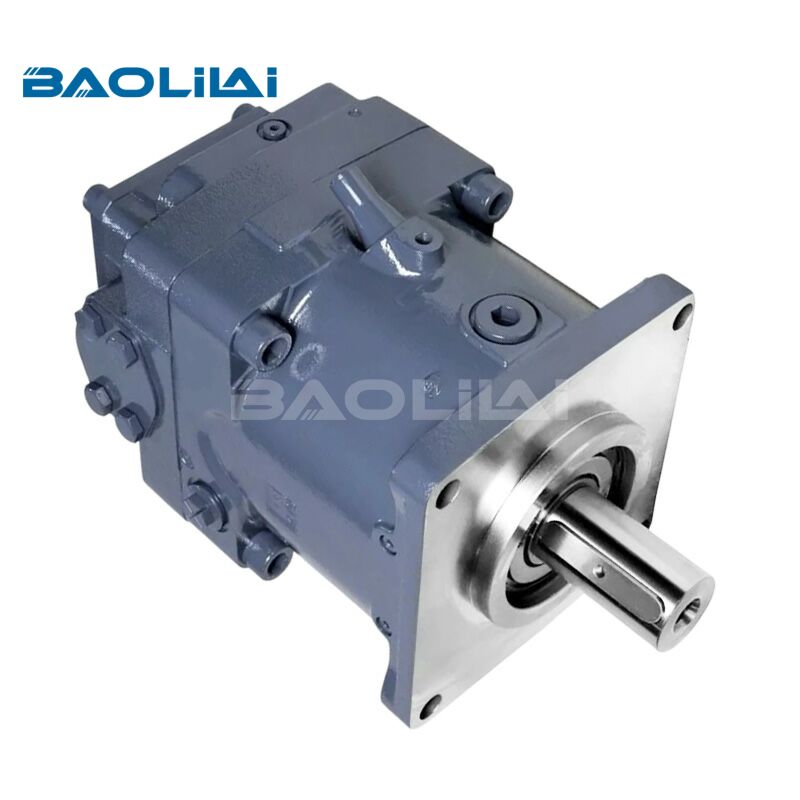
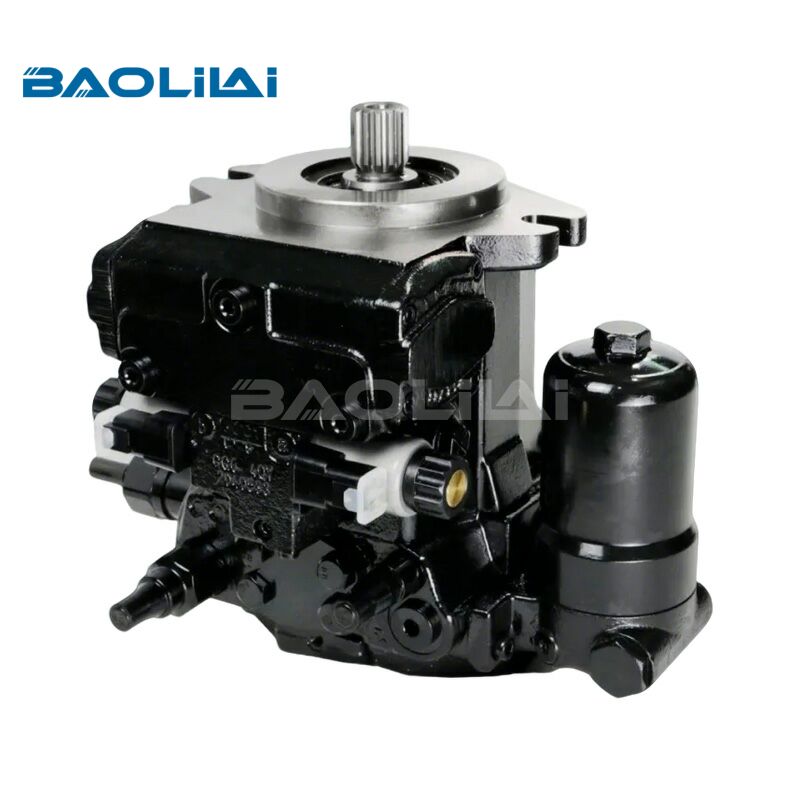
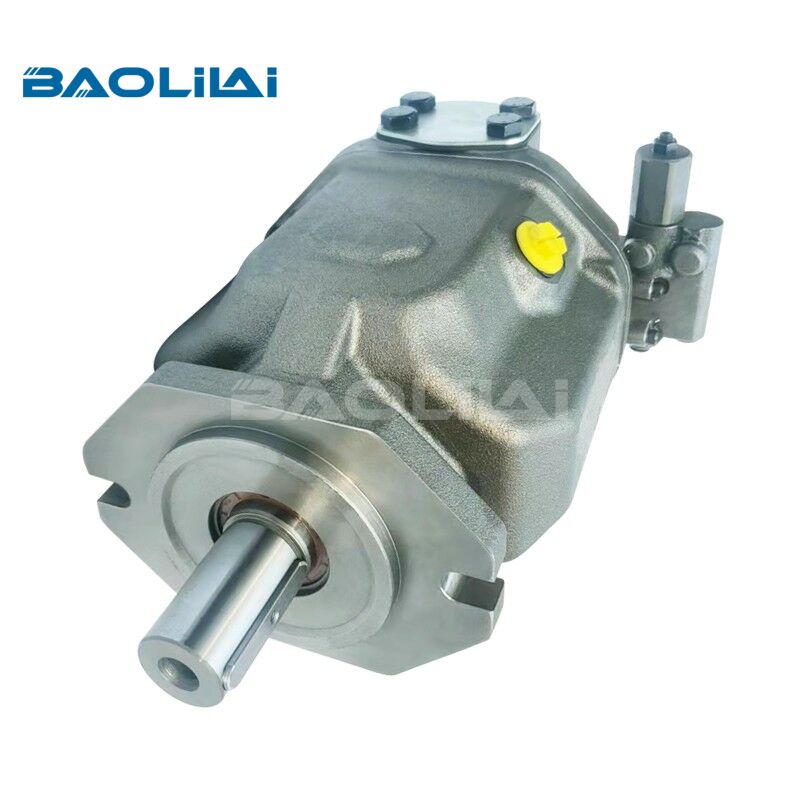
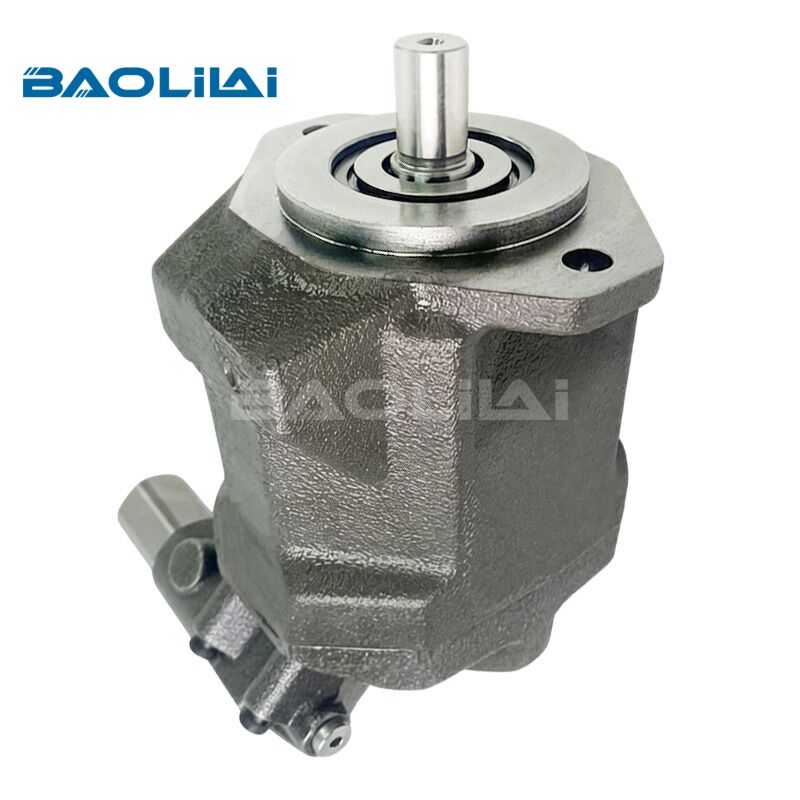
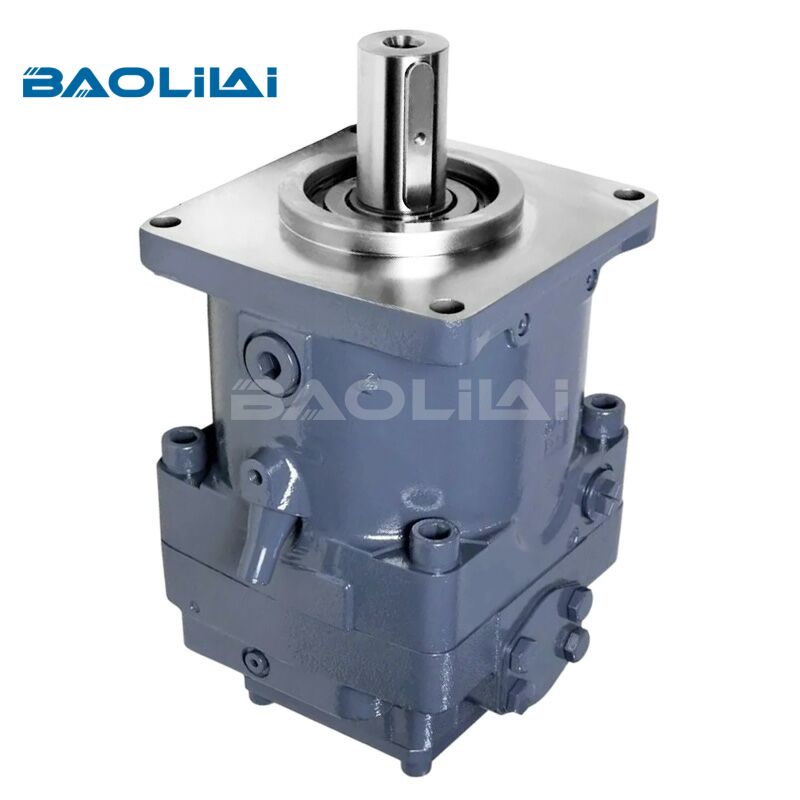
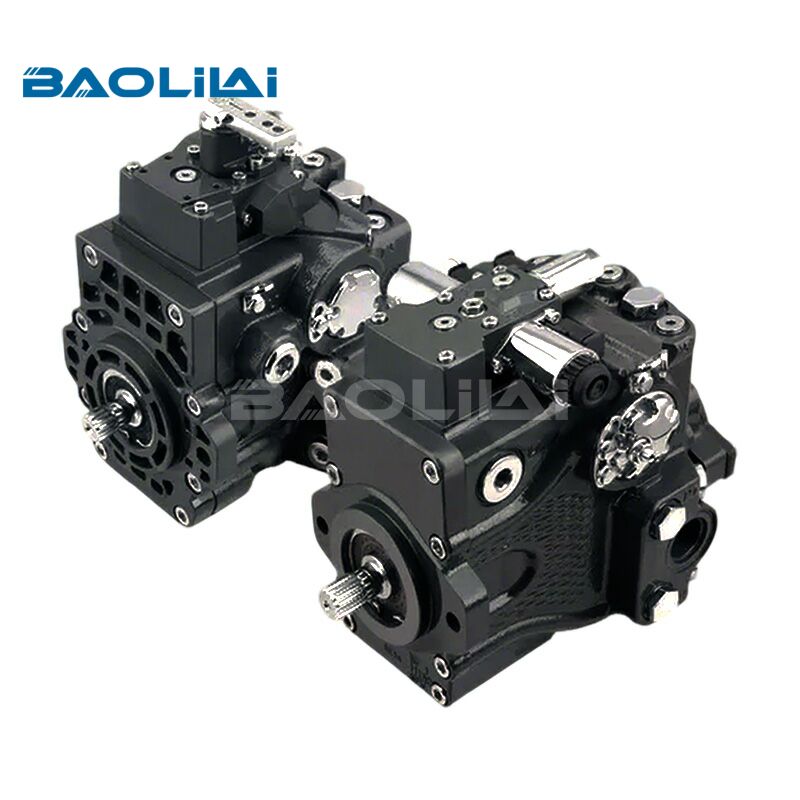
Hawe V30E-160 open circuit axial piston hydraulic pump
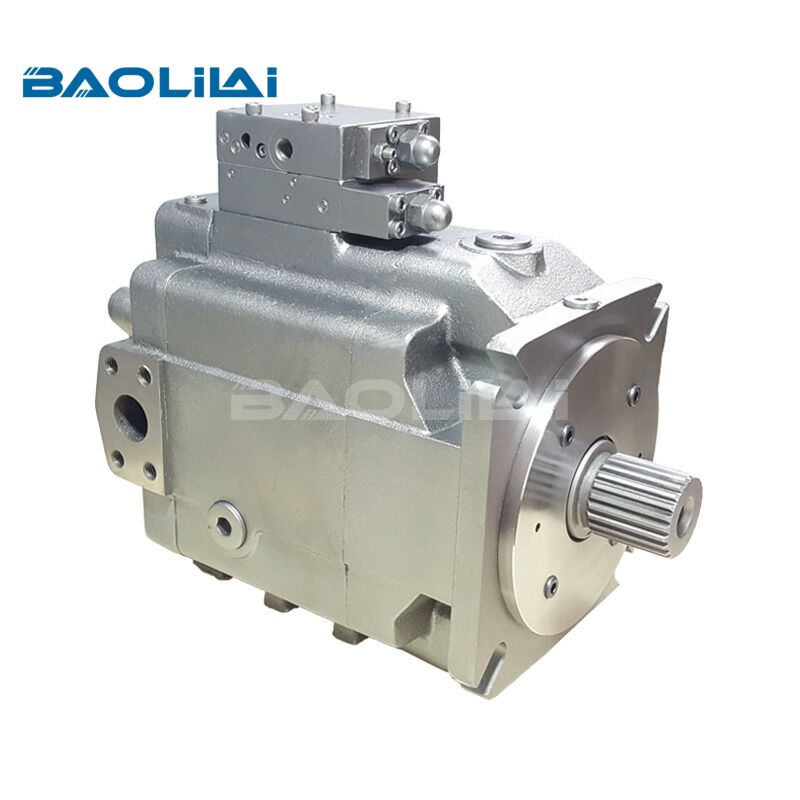
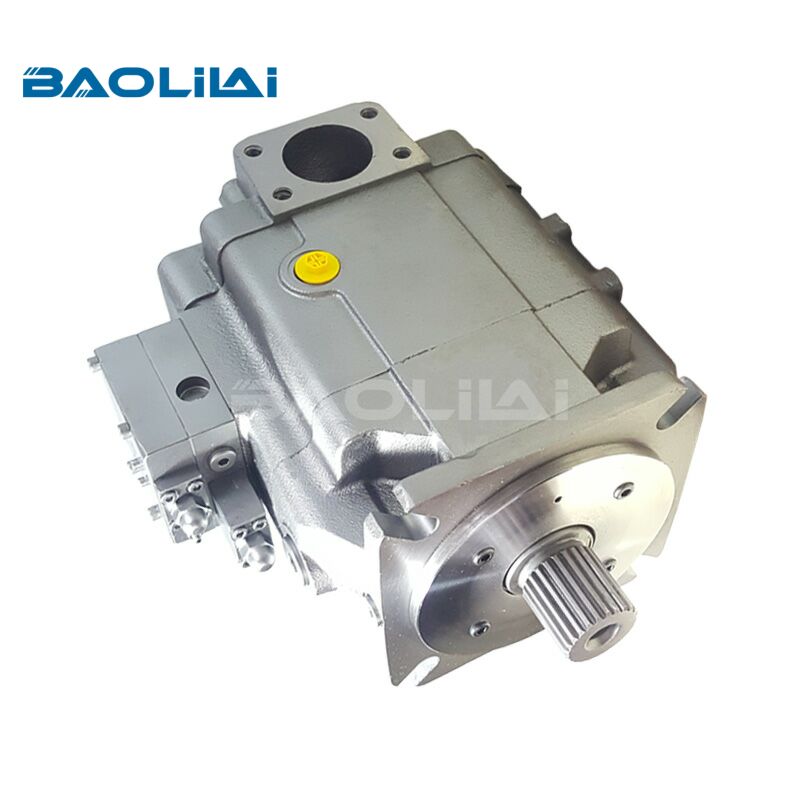
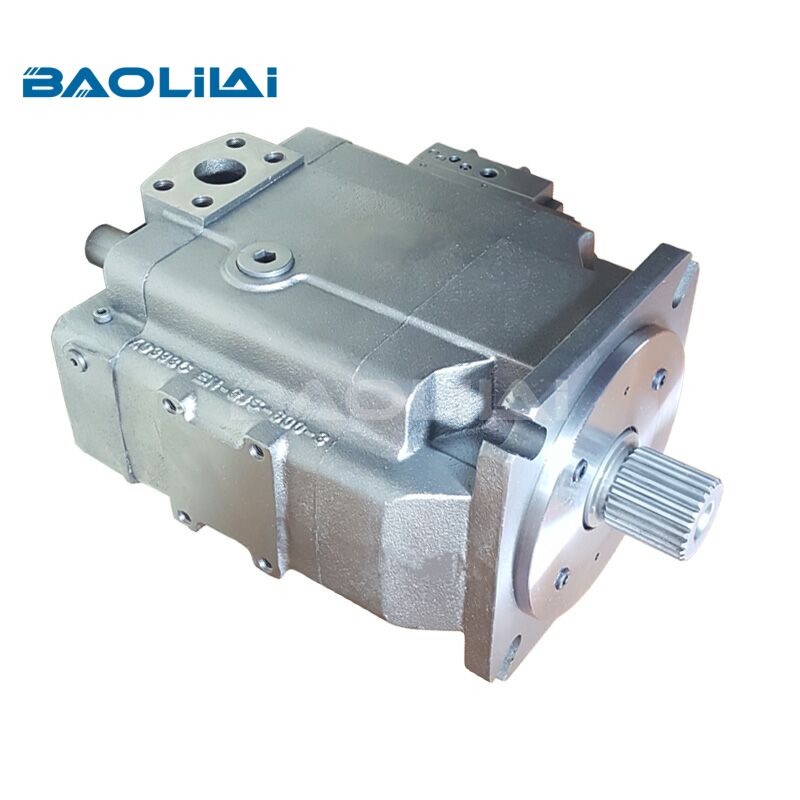
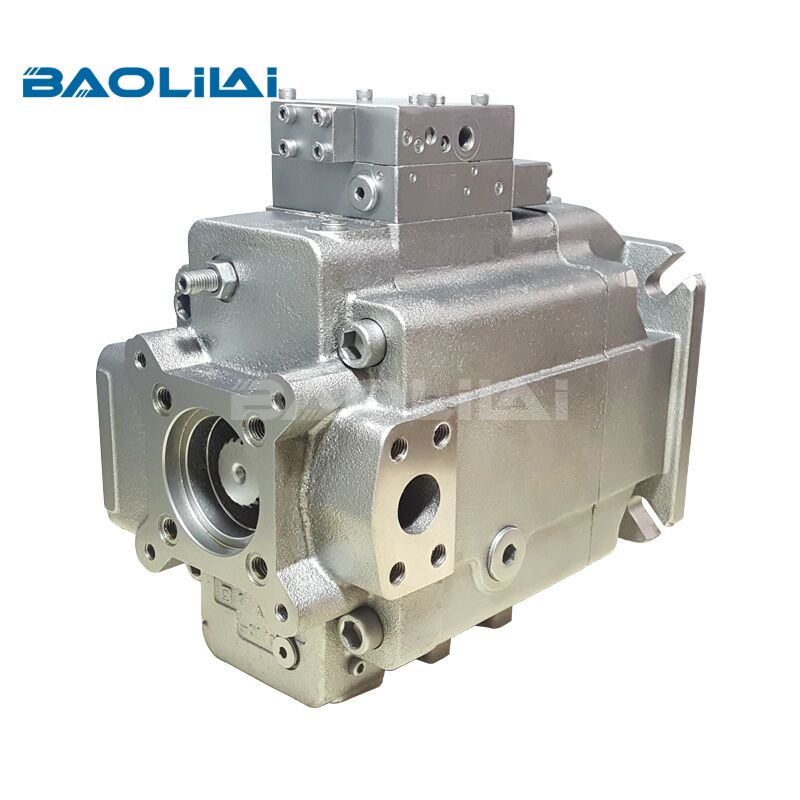
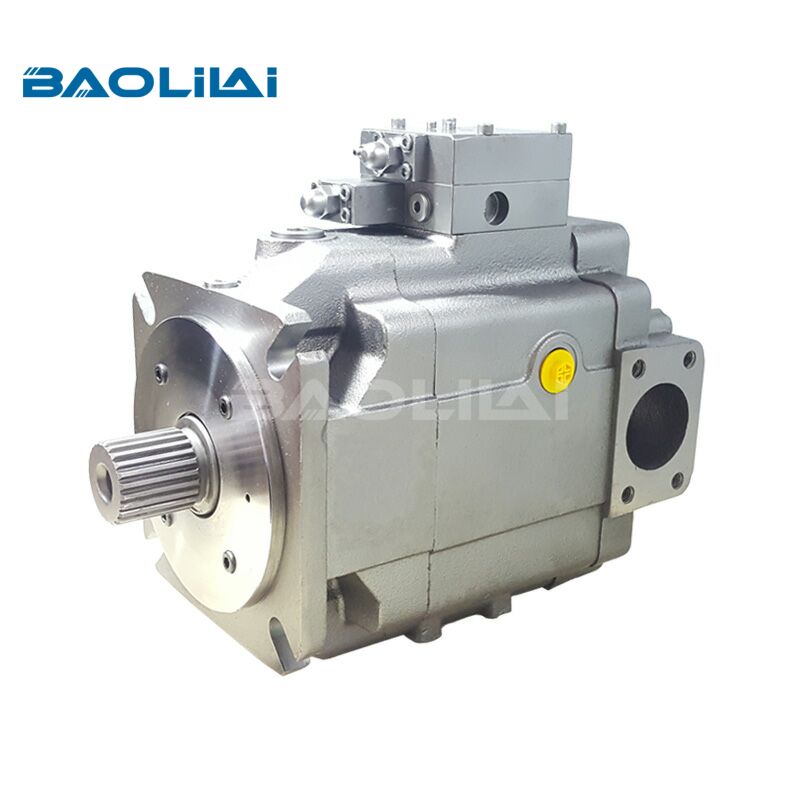

- Product Details
- Product Model
- FAQ
The V30E is HAWE's variable displacement axial piston pump series for open-circuit hydraulics. The "160" in the type code refers to the geometric displacement of 160 cm³ per revolution, which puts it in the upper-middle of the V30E size range.
How an Axial Piston Pump Works
Inside the housing, a cylinder block rotates with the drive shaft. Nine or so pistons ride in bores in that block, and their slippers glide on a tilted swashplate. As the block turns, each piston is pushed in and pulled out of its bore. Pull-out draws oil in from the inlet port; push-in expels it through the pressure port.
Why the swashplate angle matters
The tilt angle of the swashplate sets the stroke length, and stroke length sets flow. Tilt it further and each piston moves more oil per revolution. Bring it to zero and flow drops to near nothing. This is the whole trick behind variable displacement: the pump produces only the flow the system actually demands.
Why that saves energy
A fixed displacement gear pump pushes full flow all the time and dumps the excess over a relief valve as heat. A variable pump with a pressure compensator or load-sensing control destroys far less energy. In a machine that idles hydraulically for large parts of its duty cycle, the fuel or electricity savings are real, and so is the lower oil temperature.
Control Options and Why They Matter
The pump head is only half the story. The regulator you pair with it defines how the machine feels. Common control philosophies on pumps in this class include:
Pressure compensator control
The pump delivers flow until system pressure reaches the set value, then de-strokes to hold that pressure with minimal flow. It is simple, predictable and a good fit for presses, clamping circuits, and power packs.
Load-sensing (LS) control
The pump senses the load pressure downstream of a directional valve and holds a fixed margin above it, typically in the range of 15 to 30 bar. Flow follows the valve opening. This is the standard answer for mobile machines with proportional directional valves, since several actuators can run together without fighting each other.
Power limiting (torque limiting)
Pressure and flow are multiplied, and the pump swivels back when the product would overload the prime mover. If your diesel engine has to survive stall conditions in a loader or excavator, this function is worth the extra cost.
Typical Applications
- Construction machinery: Excavators, wheel loaders, telehandlers and drilling rigs
- Forestry and material handling: Harvesters, timber cranes, port equipment
- Industrial hydraulics: Presses, injection molding machines, test benches
- Marine and offshore: Deck cranes and winches, where a robust open-circuit pump is a good fit
- Power units: Central hydraulic power packs for steel mills and heavy fabrication plants
Installation Best Practices
Most pump failures are installation failures that took a few thousand hours to show up. These are the things I would check on every build.
Inlet (suction) line design
Piston pumps hate starvation. Keep the suction line short, large in diameter, and free of sharp bends. Aim for low inlet velocity (commonly kept under about 1 m/s), and check the minimum inlet pressure in the datasheet. Cavitation erodes the valve plate and pistons, and the damage is permanent.
Case drain line
The housing leaks a controlled amount of oil that must go back to tank through a dedicated drain line at low back pressure. Route it above the pump's lowest point so the housing stays full of oil, and never share it with a high-flow return line that can spike pressure on the shaft seal.
Initial filling and start-up
Fill the housing with clean oil through the case drain port before the first start. A dry start can score the bearings and slippers within seconds. Start at low speed and low pressure, bleed air, then bring the system up gradually.
Shaft alignment and drive loads
Use a proper coupling for electric motor drives and avoid imposing radial or axial loads on the shaft unless the datasheet allows it. For PTO drives, check torsional vibration, since engines produce torque spikes that can fatigue splines.
Fluid Cleanliness and Maintenance
High-pressure piston pumps are manufactured to tight tolerances, and contamination is the number one cause of early wear. A common target for systems with pumps of this class is ISO 4406 cleanliness code 18/16/13 or better, though you should follow HAWE's published requirement for your exact application.
For more information on the V30E-160 hydraulic pump, please visit https://www.baolilaihydraulic.com/.
Specification
| Designation | Unit | 95 | 160 | 270 |
| Displacement volume Vmax | cm3/rev | 98 | 160 | 270 |
| Nominal Pressure Pnom max | bar | 350 | 350 | 350 |
| Peak Pressure Pmax | bar | 420 | 420 | 420 |
| Max.swash plate angle | 15° | 15° | 15° | |
| Absolute inlet pressure required in open circuit | bar | 0.85 | 0.85 | 0.85 |
| Minimum operating pressure | bar | 15 | 15 | 15 |
| Max. permissible housing pressure (static/dynamic) | bar | 1/2 | 1/2 | 1/2 |
| Max. permissible inlet pressure (static/dynamic) | bar | 20/30 | 20/30 | 20/30 |
| Max. speed during suction operation and max. swash plate angle at 1 bar abs. Inlet pressure | rpm | 2500 | 2100 | 1800 |
| Max. speed with zero stroke and 1 bar abs. Inlet pressure | rpm | 2900 | 2500 | 2000 |
| Min. speed in continuous operation | rpm | 500 | 500 | 500 |
| Required drive torque at 100 bar | Nm | 153 | 261 | 414 |
| Drive power at 250 bar and 1450 rpm | kW | 66 | 107 | 177 |
| Inertia torque | kg m² | 0.0216 | 0.03 | 0.0825 |
| Noise level at 250 bar, 1450 rpm and max. swash plate angle | dB(A) | 73 | 74 | 78 |
Selection Table
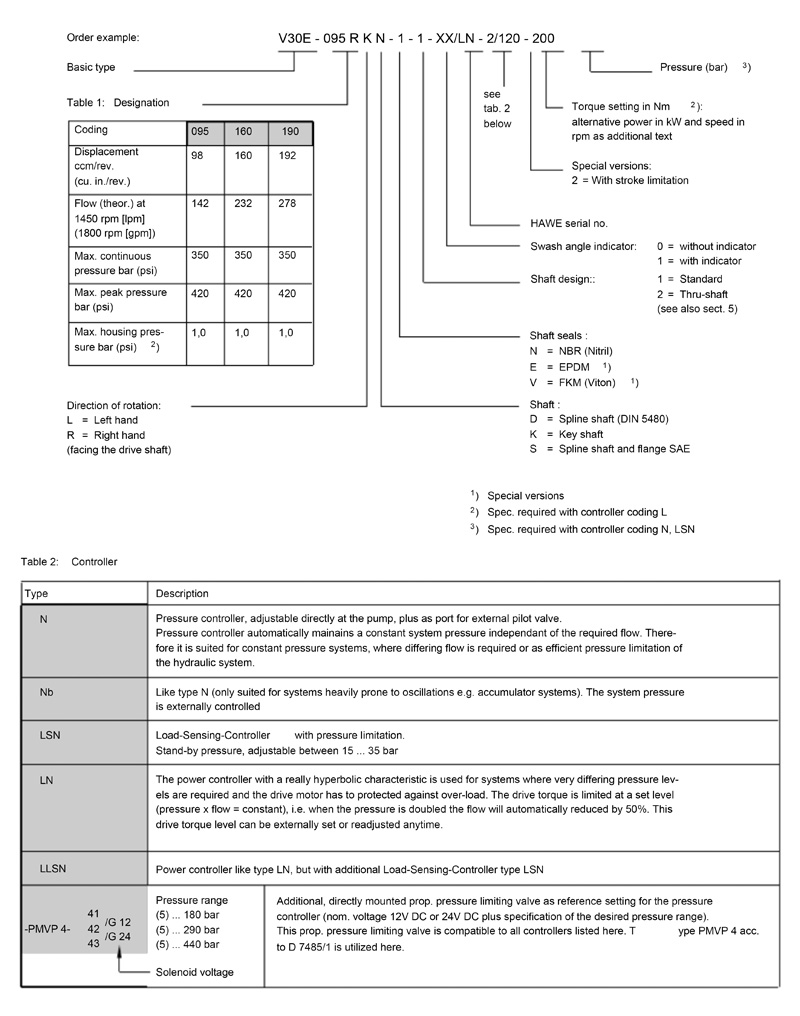
| V30E-160 hydraulic pump |
| Model No. |
| V30E-160RDN-1-0-01/LSN-250 |
| V30E-160RDN-1-1-01/LLSN-180 |
| V30E-160RDN-2-1-00/LLSN-250 |
| V30E-160RKN-1-0-01-LLSN-2 |
| V30E-160RSN-2-0-01/N-125 |
Q1: What does the "160" in V30E-160 mean?
A1: It is the displacement size: 160 cm³ per revolution at maximum swashplate angle.
Q2: How do I find the right replacement?
A2: Read the full type code on the nameplate, then match displacement, rotation, flange, shaft, ports and regulator type.
Q3: How to purchase a V30E-160 hydraulic pump?
A3:You can visit https://www.baolilaihydraulic.com/contact/ to contact us and purchase our products through various methods.
Q4:What is the price and delivery time of the V30E-160 hydraulic pump?
A4:The specific price and delivery time will be provided based on the specific model you provide.A variety of hydraulic solutions are available at https://www.baolilaihydraulic.com/.