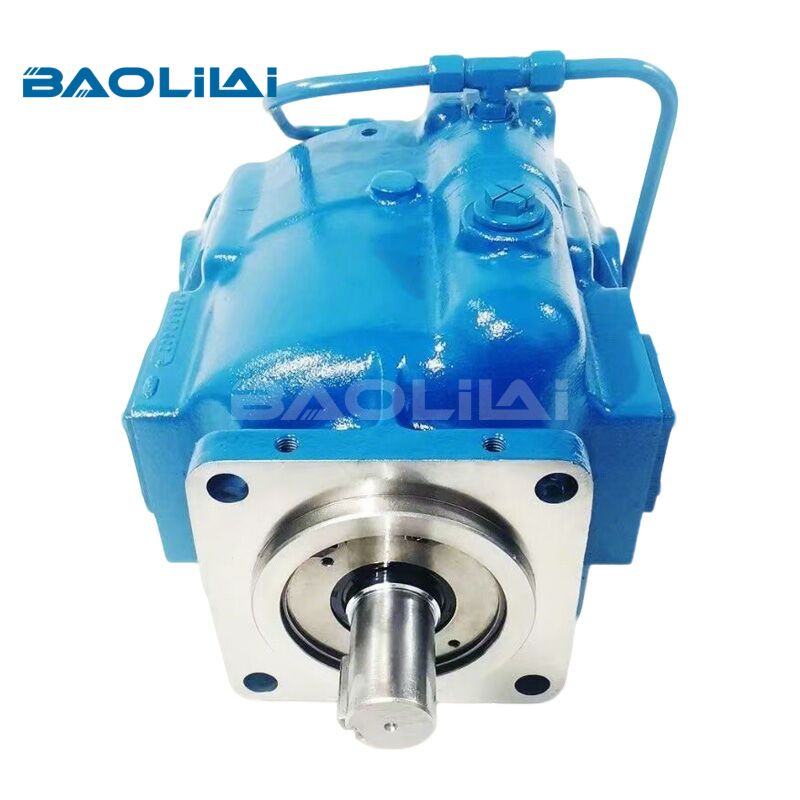
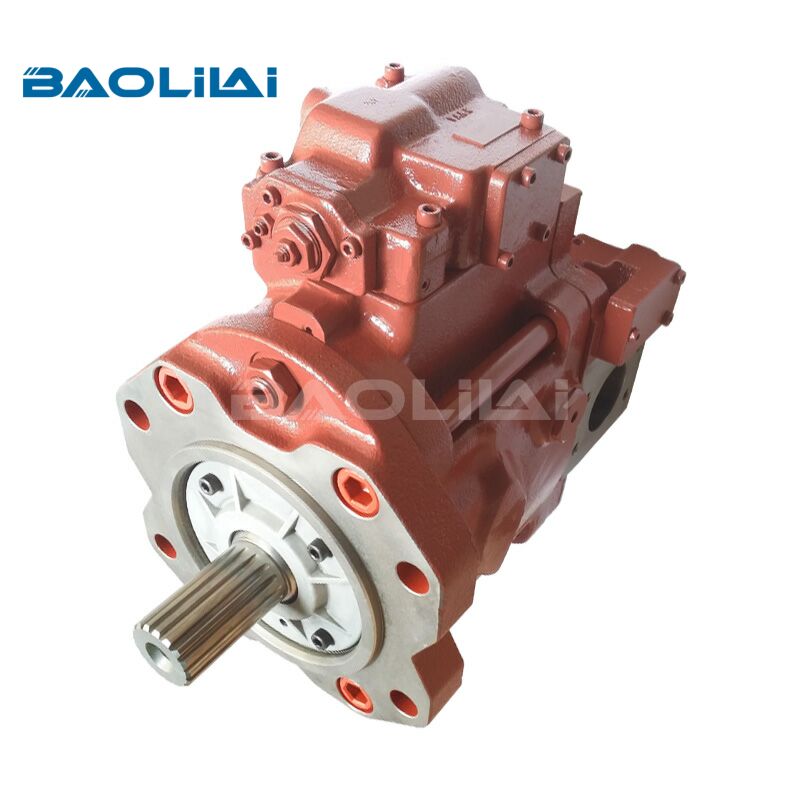
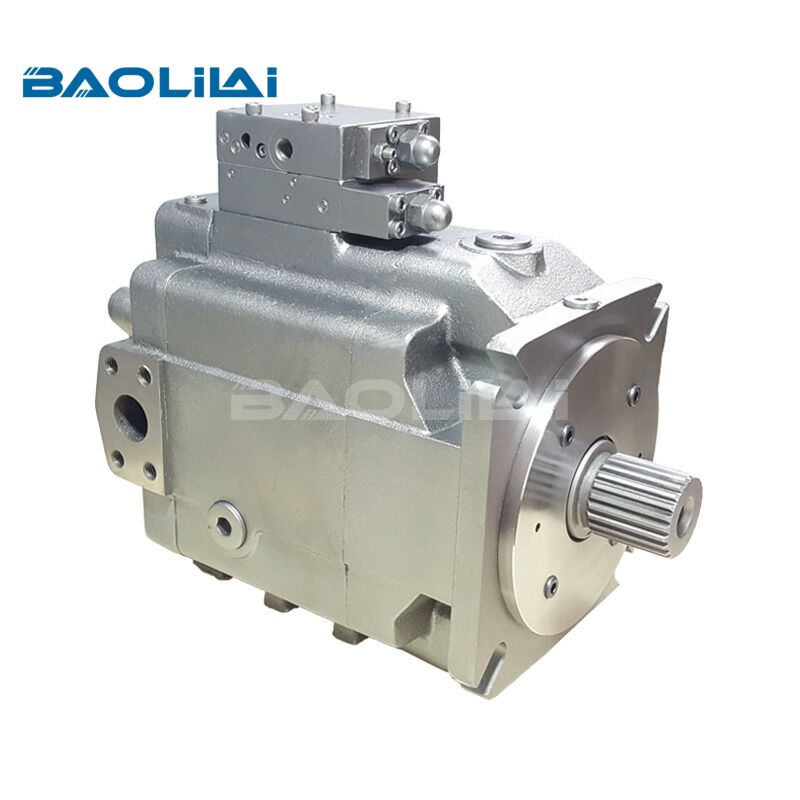
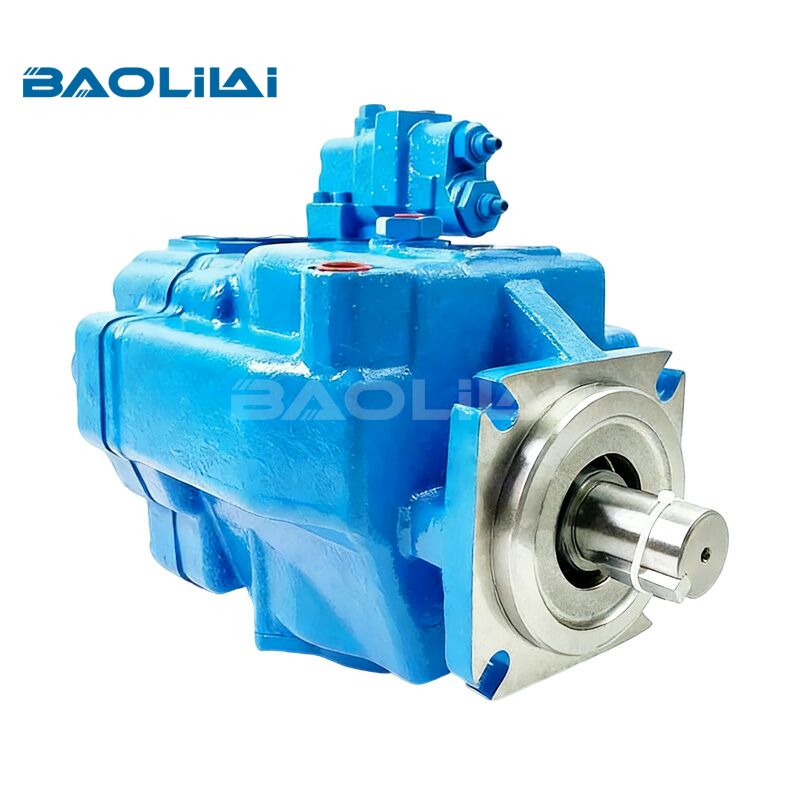
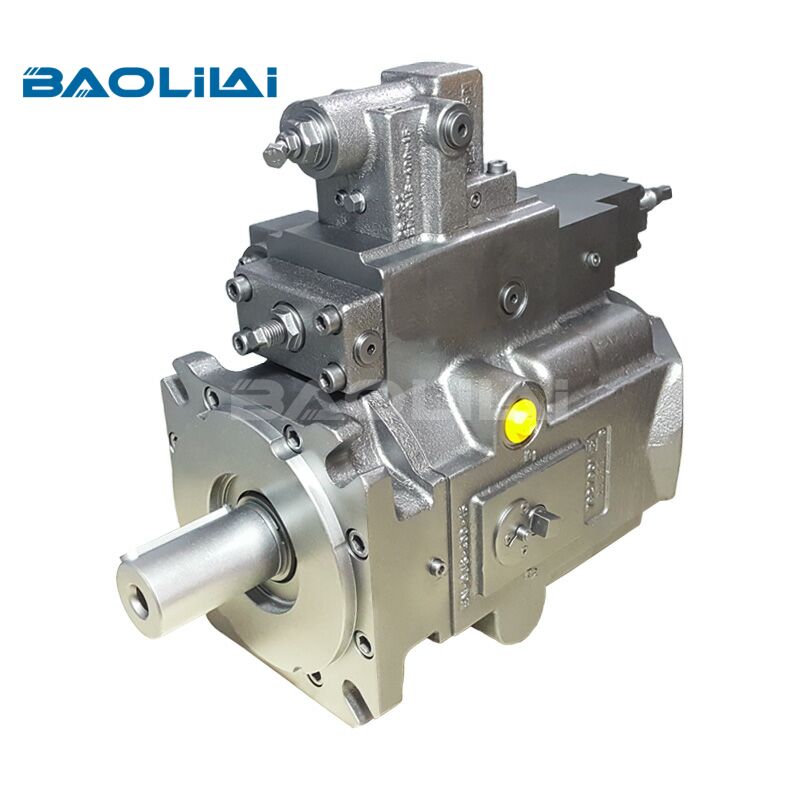
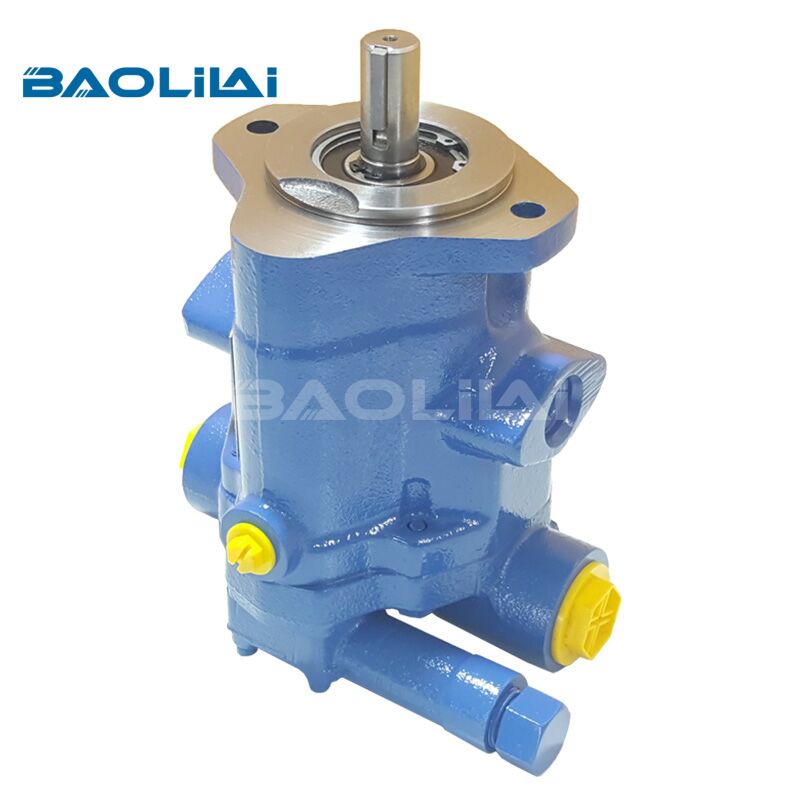
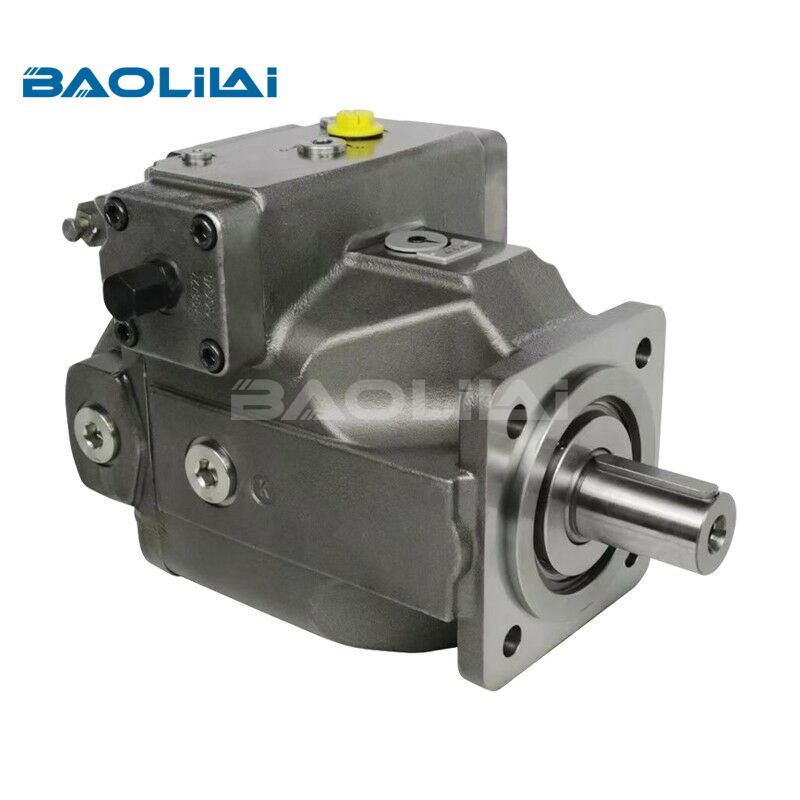
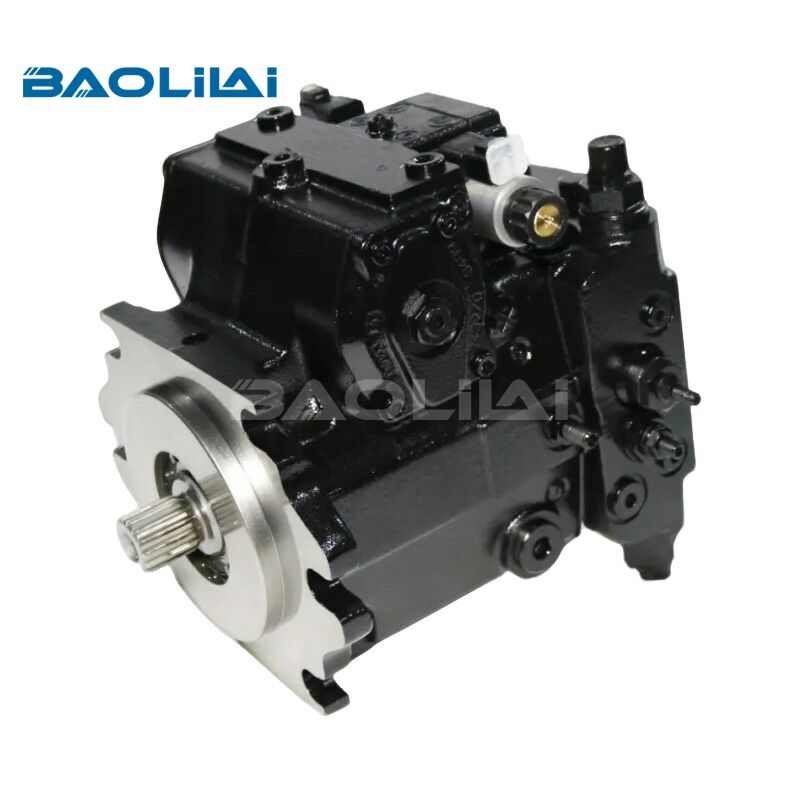
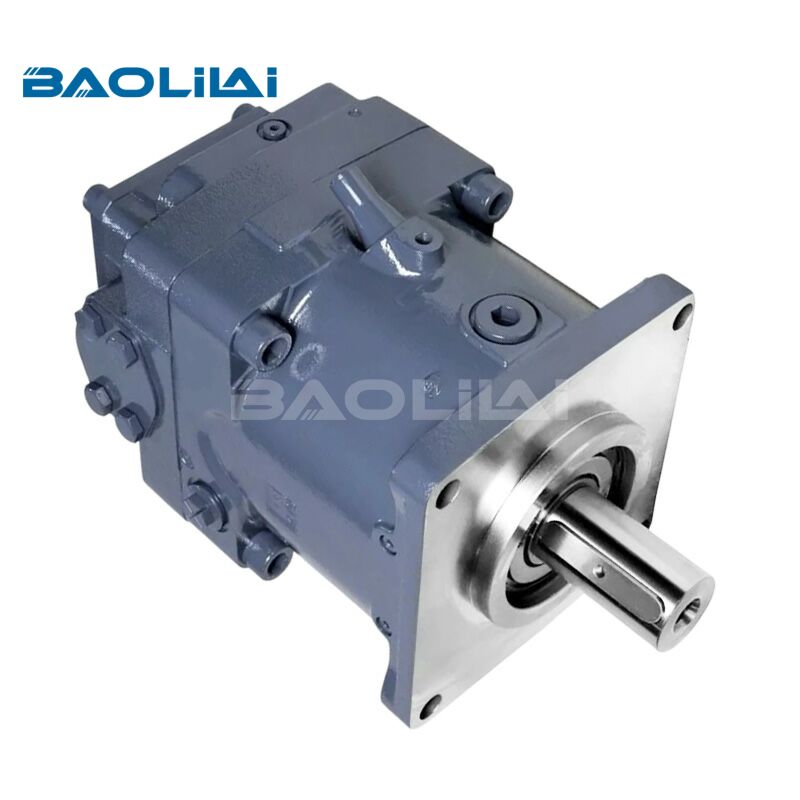
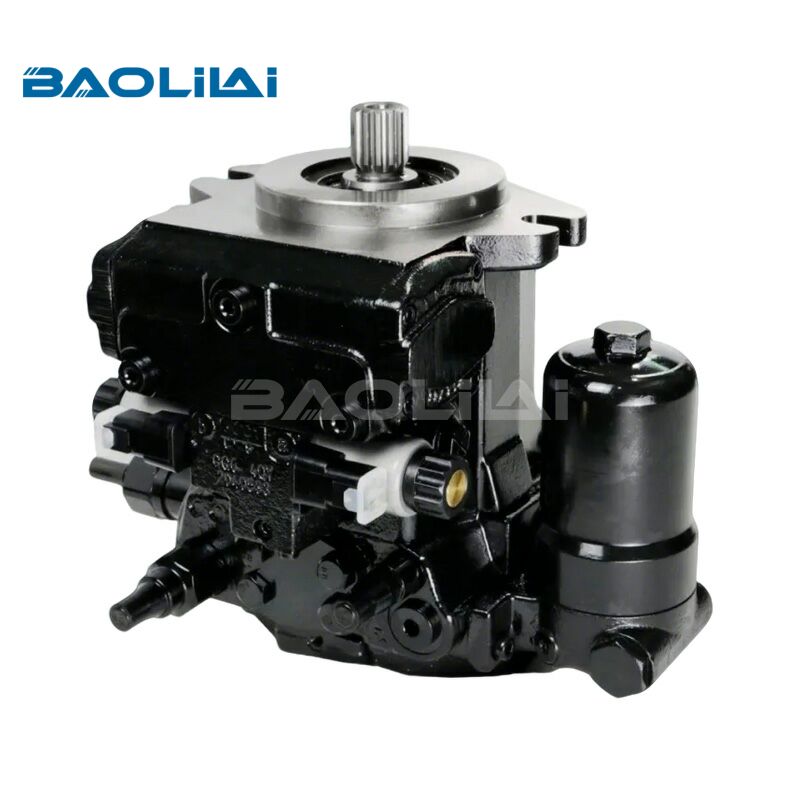
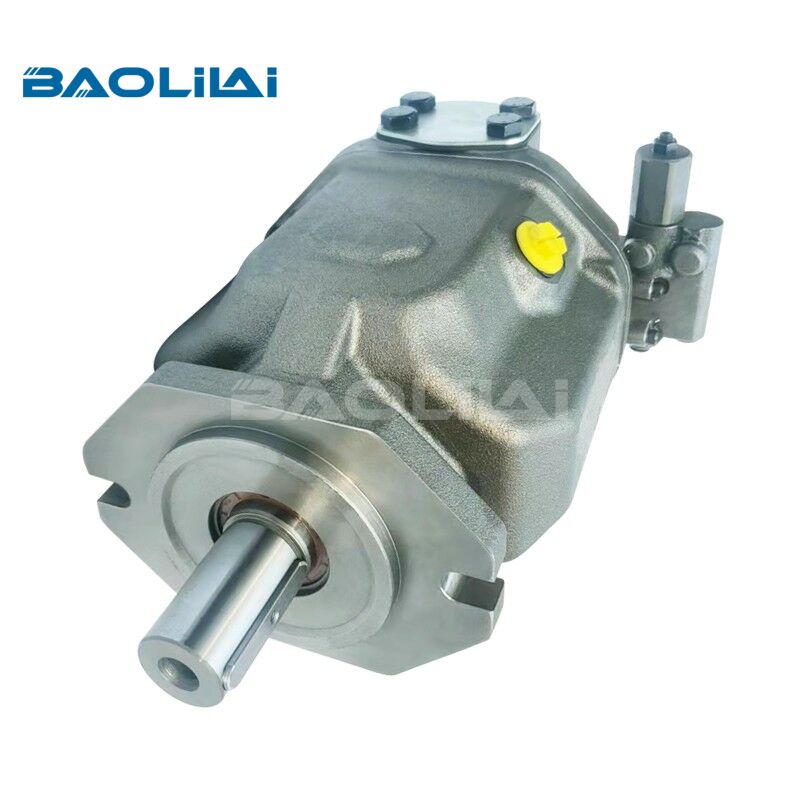
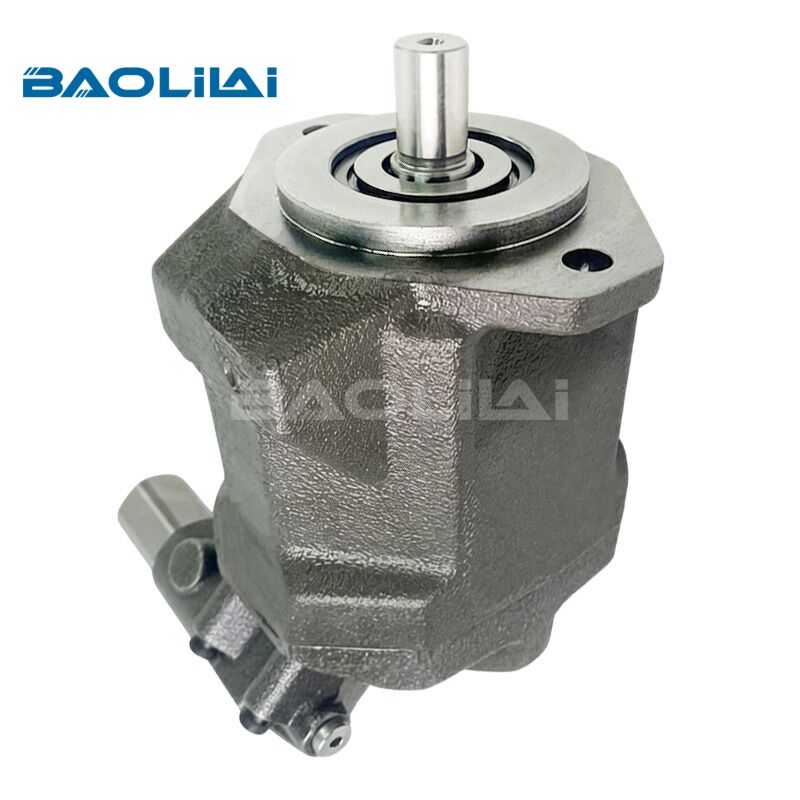
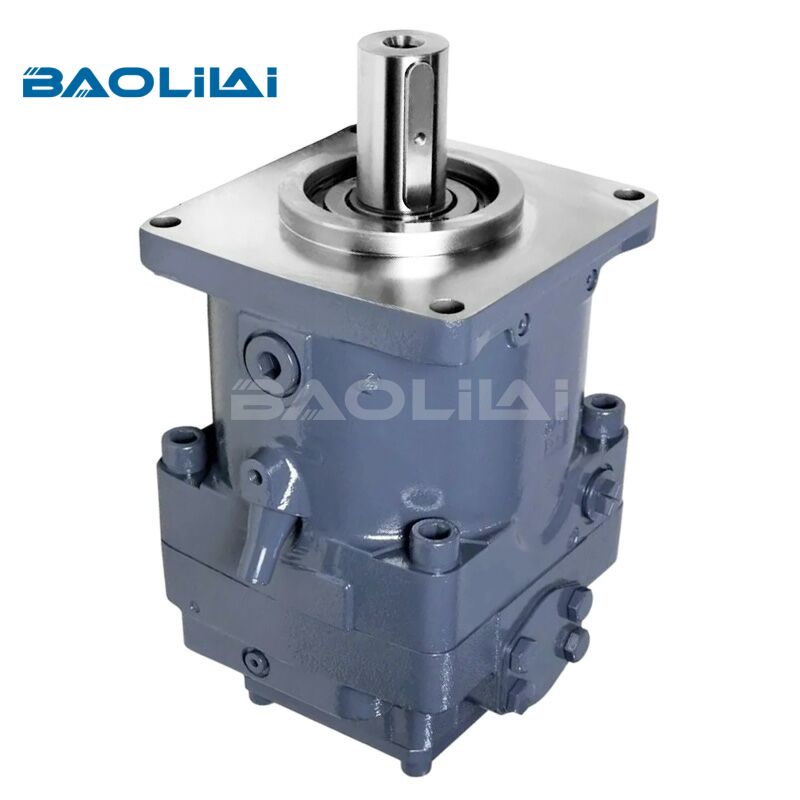
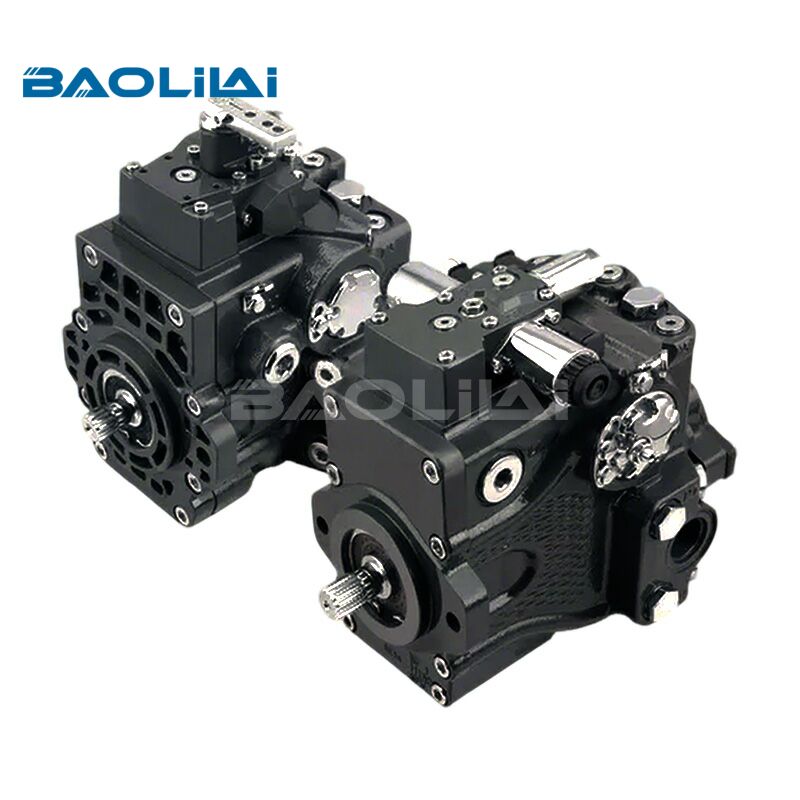
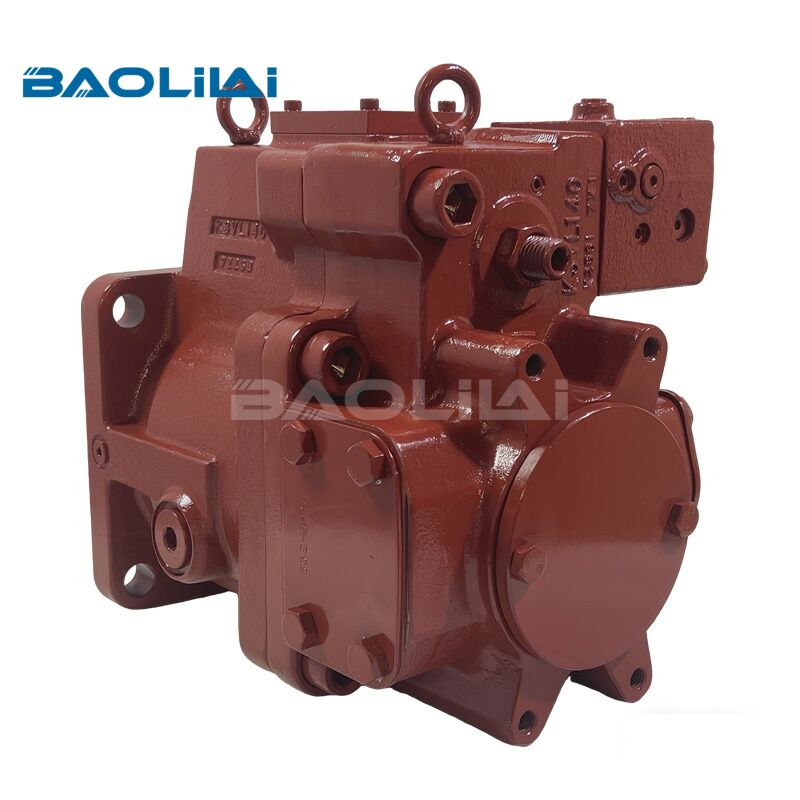
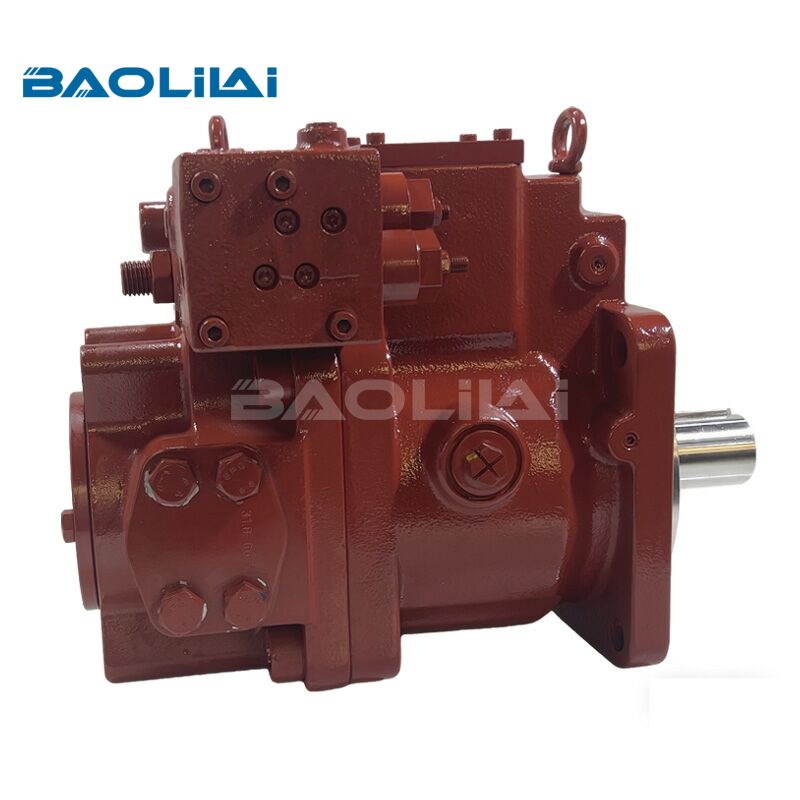
Kawasaki K3VL45 swash-plate axial piston hydraulic pump
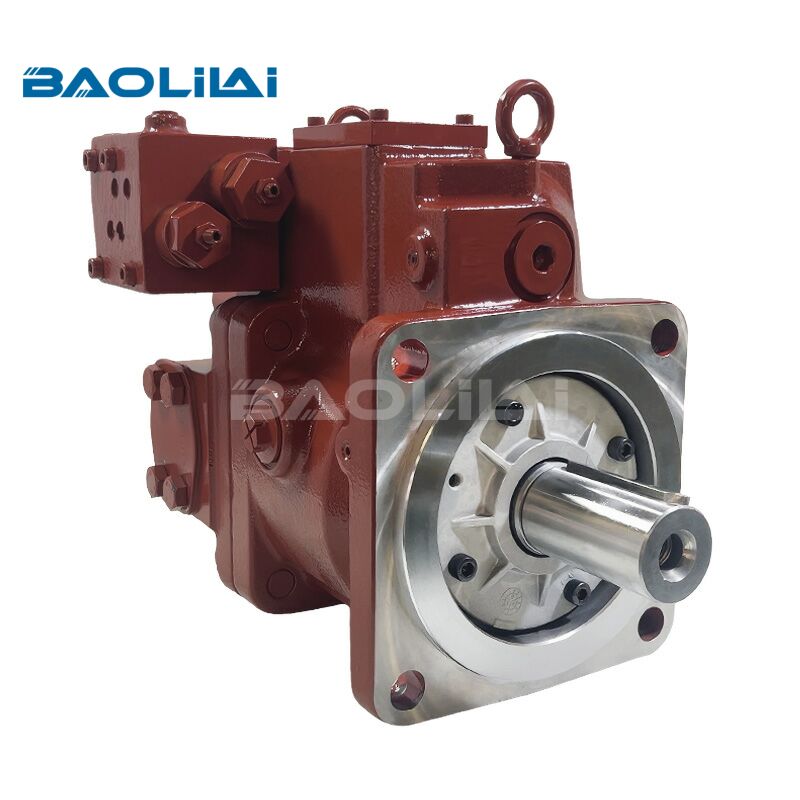
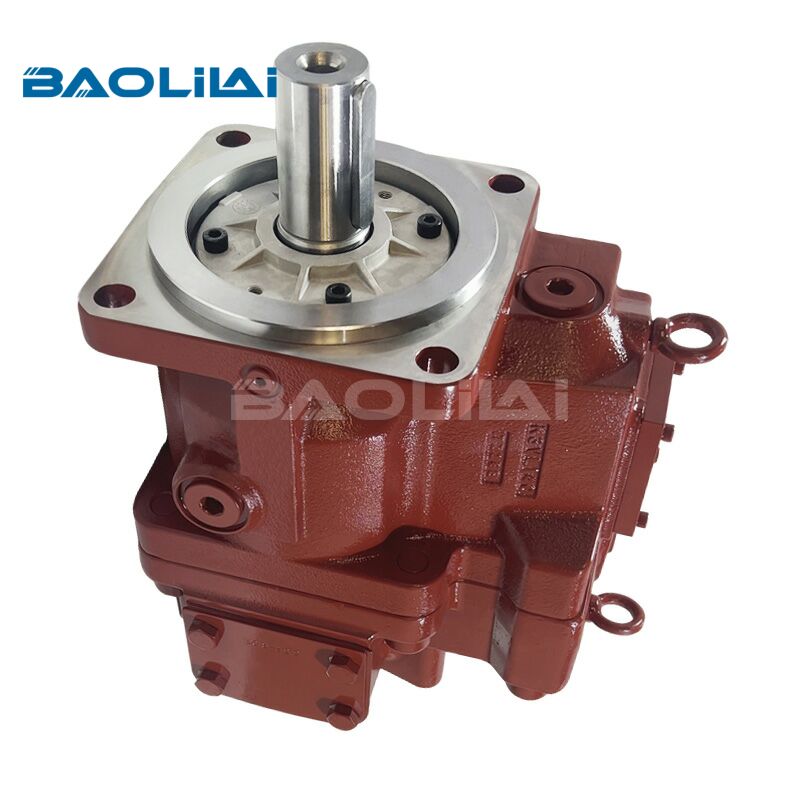
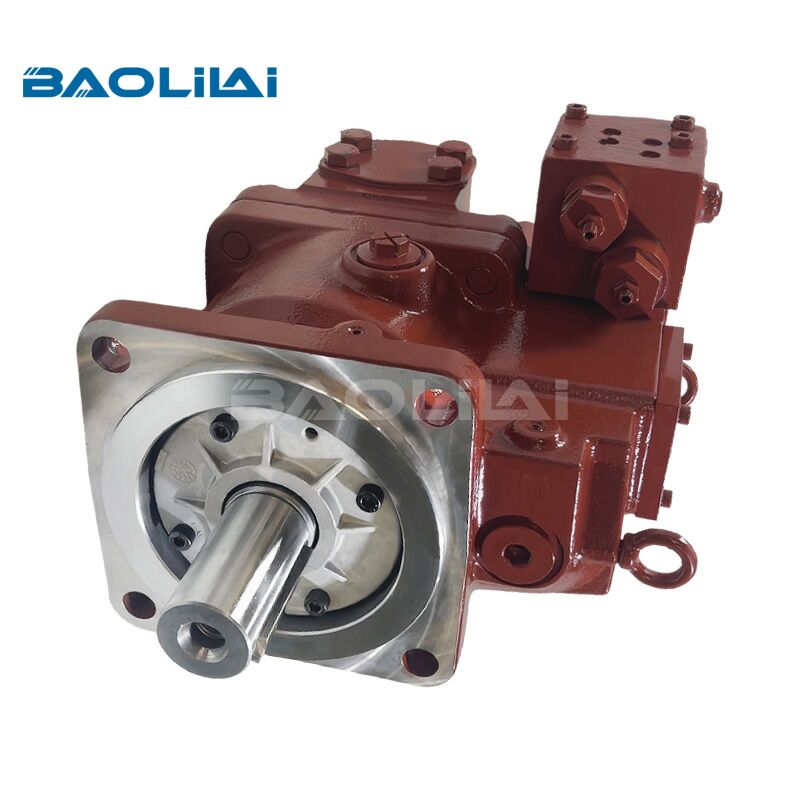

- Product Details
- Product Model
- FAQ
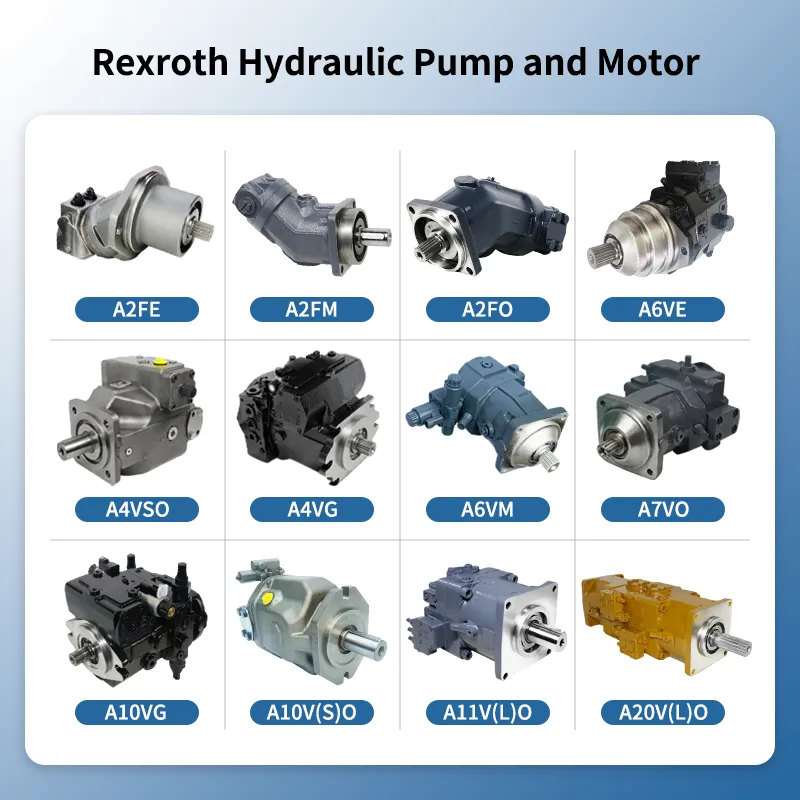
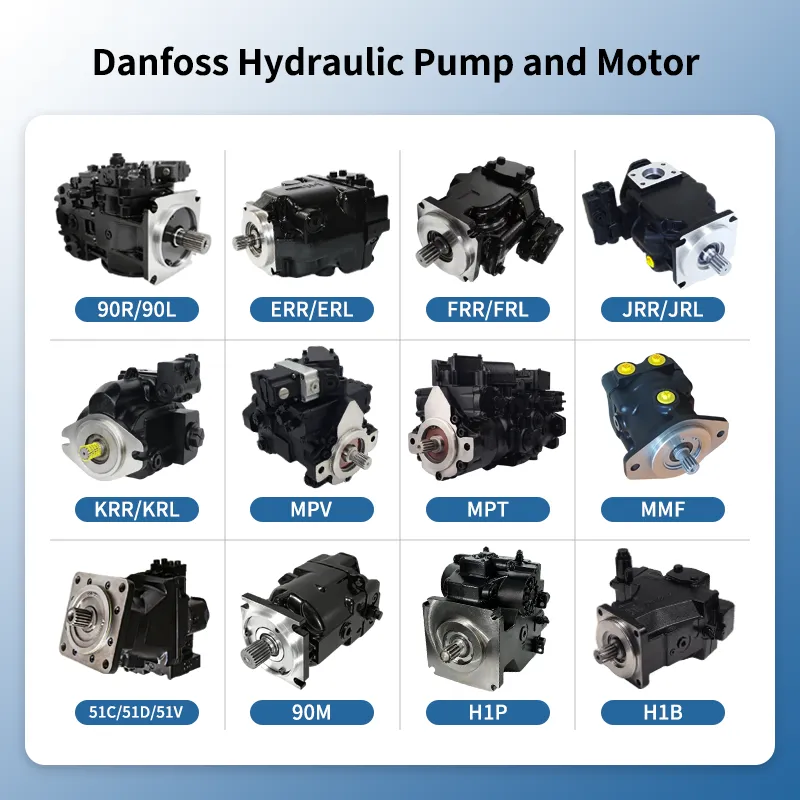
The K3VL45 converts mechanical shaft power into hydraulic flow and pressure. Unlike a fixed-displacement gear pump, it can change how much oil it moves per revolution, which lets the machine deliver only the flow it needs. That saves fuel, reduces heat, and gives the operator smoother control.
Key Specifications at a Glance
- Maximum displacement: about 45 cm³ per revolution
- Pump type: variable-displacement swash-plate axial piston
- Circuit: open circuit (suction from tank, pressure to the valve)
- Rated pressure: typically around 350 bar (roughly 5,100 psi), with a higher peak pressure rating
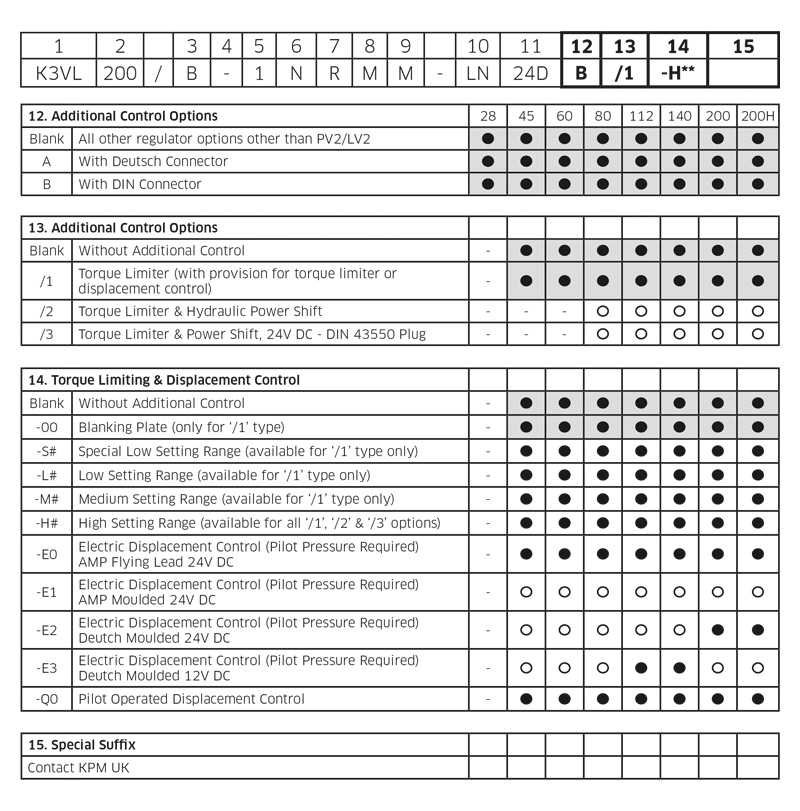
- Rotation: clockwise or counterclockwise versions, set by the model code
- Control options: pressure compensator, load sensing, torque (power) limiting, electro-proportional regulation, depending on the regulator fitted
Typical Applications
Mobile Equipment
A pump in this displacement class commonly feeds the main circuit of compact excavators, skid-steer-sized machines, small cranes, aerial work platforms and utility vehicles. The variable displacement reduces engine load when the operator is idling the boom or waiting between cycles.
Industrial Power Units
On stationary power packs, the K3VL45 can drive presses, lifting tables, injection-molding auxiliaries and test stands. With a load-sensing or pressure-compensated regulator, the pump holds set pressure while delivering only the flow the actuators require.
Installation Best Practices
Prime and Fill the Case
Piston pumps rely on oil inside the case to lubricate the rotating group. Fill the housing through the upper drain port with clean fluid before the first start. Running dry, even for a few seconds, can score the cylinder block and valve plate.
Respect Inlet Conditions
Cavitation is the most common cause of early failure. Keep the suction line short and large in diameter, avoid sharp bends, and make sure the inlet pressure stays within the limits in the manual. A clogged suction strainer or a collapsed hose will starve the pump quickly.
Route the Case Drain Correctly
The case drain must flow freely back to tank, below the fluid level, with minimal back pressure. A restricted drain can blow shaft seals and push the pump out of its design envelope.
Align the Drive
Use a proper coupling or spline fit, and avoid side loads on the shaft. Misalignment accelerates bearing and seal wear.
Troubleshooting Common Problems
Low Flow or Slow Operation
Possible causes include worn pistons or valve plate, a stuck regulator, low engine speed, an air leak on the suction side, or a relief valve set too low. Measure case drain flow: if it is high, internal leakage is likely.
Pressure Won't Build
Check the pressure compensator setting, the main relief valve and any downstream leakage first. If those are fine, suspect internal wear or a damaged swash-plate control piston.
Noise and Whine
A loud, gravelly noise usually means cavitation or aeration. A rhythmic knock can point to a damaged bearing or worn shoes. Inspect the suction line, check fluid level, and test for air ingress.
Overheating
Heat comes from inefficiency. Look for a plugged cooler, a relief valve dumping flow continuously, worn internal clearances or the wrong oil grade.
Metal in the Filter
Brass or bronze particles typically come from shoes, retainers or the valve plate. Steel indicates piston or bearing wear. Do not simply replace the filter and carry on: the pump and the rest of the system need inspection and flushing.
For more information on the K3VL45 hydraulic pump, please visit https://www.baolilaihydraulic.com/product/.
Specifications
| Pump Model | K3VL28 | K3VL45 | K3VL60 | K3VL80 | K3VL112 | K3VL140 | K3VL200 | K3VL200H | ||
| Capacity | cc/rev | 28 | 45 | 60 | 80 | 112 | 140 | 200 | 200 | |
| Pressure ratings |
Rated | bar | 320 | 250 | 320 | |||||
| Peak*1 | bar | 350 | 280 | 350 | ||||||
| Speed ratings |
Self prime*2 | rpm | 3,000 | 2,700 | 2,400 | 2,400 | 2,200 | 2,200 | 1,900 | 2,200 |
| Max. boosted*3 | rpm | 3,600 | 3,250 | 3,000 | 3,000 | 2,700 | 2,500 | 2,200 | 2,200 | |
| Minimum operating speed | rpm | 600 | ||||||||
| Case drain pressure |
Max. continuous |
bar | 1 | |||||||
| Peak | bar | 4 | ||||||||
| Weight | kg | 20 | 25 | 25 | 35 | 65 | 65 | 101 | 122 | |
| Case fill capacity | L | 0.6 | 0.6 | 0.6 | 0.8 | 1.4 | 1.4 | 3.0 | 3.2 | |
| Temperature range | ℃ | -20 to 95 | ||||||||
| Viscosity range | cSt | 10 to 1,000- viscosities greater than 200 will require a no load warm up | ||||||||
| Maximum contamination level | ISO/DIS 4406 18/15 | |||||||||
| Standard SAE mounting flange and shaft |
Mounting | 2-bolt SAE B |
2-bolt SAE C |
4-bolt SAE D |
4-bolt SAE E |
|||||
| Shaft | SAE B spline or key |
SAE B-B pline or key |
SAE C spline or key |
SAE D spline or key |
SAE D | |||||
| spline or key |
spline | |||||||||
| Optional SAE mounting flange and shaft |
Mounting | - | 2-bolt SAE C |
- | ||||||
| Shaft | - | SAE B spline |
SAE B spline |
SAE C or C-C spline or key |
SAE F spline |
|||||
| Standard ISO mounting flange and sgaft |
Mounting | - | 2 bolt ISO 100 |
4 bolt ISO 180 |
- | |||||
| Shaft | - | ISO 25mm key |
ISO 45mm key |
- | ||||||
| Input shaft torque rating | refer to table on page 9 | |||||||||
| Through drive torque rating(Nm) |
SAE A | 61 | 123 | |||||||
| SAE B | 155 | 290 | 340 | |||||||
| SAE B-B | 290 | 550 | ||||||||
| SAE C | - | 400 | 700 | 990 | ||||||
| SAE C-C | - | 700 | 990 | |||||||
| SAE D | - | 700 | 990 | |||||||
| SAE E*4 | - | 990 | ||||||||
*1:The instant allowable surge pressure as defined by DIN24312. Life and durability of the pump will be affected
*2:Steady state inlet pressure should be greater or equal to 0.9 bar absolute.
*3:Steady state inlet pressure should be greater or equal to 1.3 bar absolute.The maximum boost pressure should not exceed 10 bar.
*4:SAE E through drive uses the SAE D shaft.
Selection Table
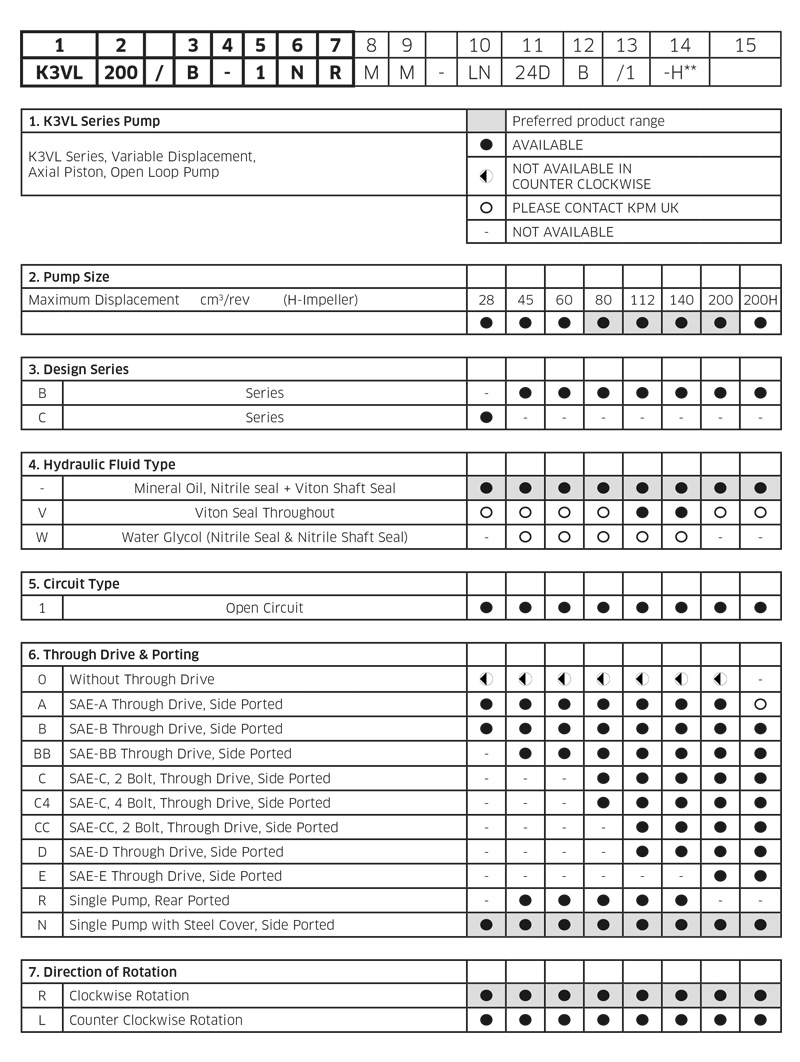
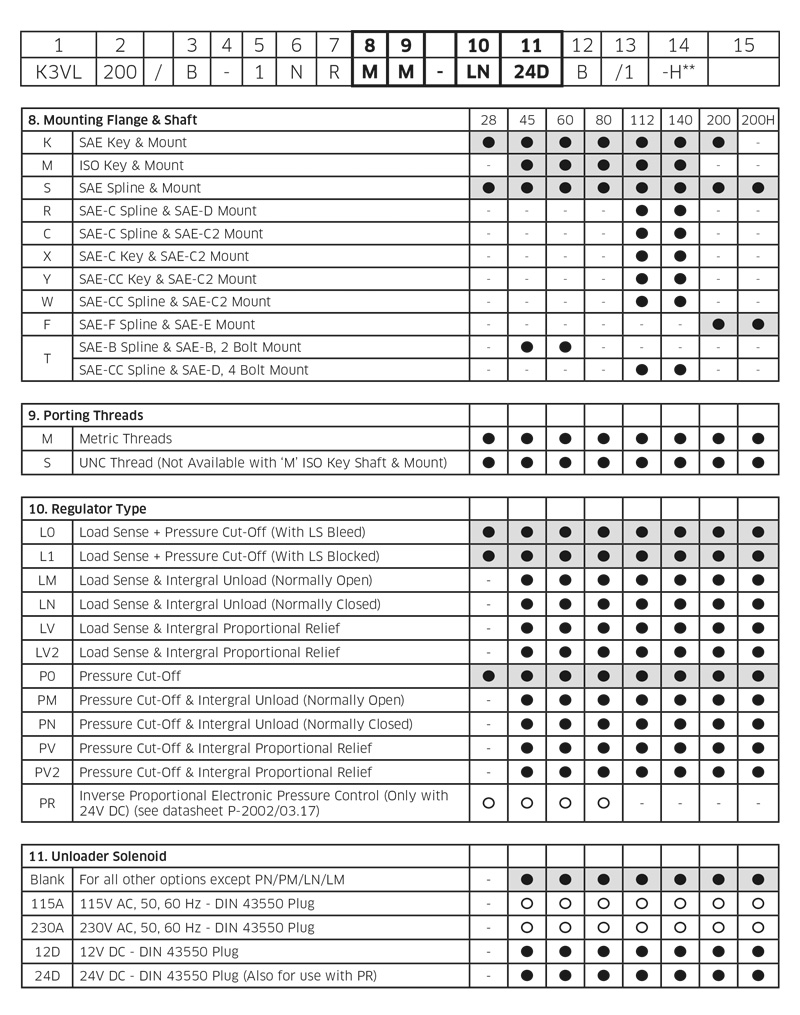
| K3VL45 hydraulic pump |
| Model No. |
| K3VL45/BLNR-M-1V |
| K3VL45/A-1AJRSM-PO/1 |
| K3VL45/A-1AJRSM-PO-1 |
| K3VL45/B-10RKM-L0 |
| K3VL45/B-10RKM-P0/1-H1 |
| K3VL45/B-10RMM-P0 |
| K3VL45/B-10RSM-P0 |
| K3VL45/B-10RSM-P0/1-E0 |
| K3VL45/B-10RSS-P0 |
| K3VL45/B-10RTM-P0 |
| K3VL45/B-10RTS-PO-TB092 |
| K3VL45/B-1ALSM-P0 |
| K3VL45/B-1ALSM-PM |
| K3VL45/B-1ALSS-L0/1-H4 |
| K3VL45/B-1ARKM-P0/1-E0 |
| K3VL45/B-1ARSM-P0 |
| K3VL45/B-1ARSM-P0/1-E0 |
| K3VL45/B-1ARSS-L1/1-H1 |
| K3VL45/B-1BBLSM-P0/1-E0 |
| K3VL45/B-1BBLSM-P0/1-H1 |
| K3VL45/B-1BBLSM-PM |
| K3VL45/B-1BBLTM-P0 |
| K3VL45/B-1BBRKM-P0 |
| K3VL45/B-1BBRSM-P0/1-E0 |
| K3VL45/B-1BBRSM-P0/1-H1 |
| K3VL45/B-1BBRSS-L0 |
| K3VL45/B-1BBRTM-P0 |
| K3VL45/B-1BRSM-L0 |
| K3VL45/B-1NLKS-L1/1-L2 |
| K3VL45/B-1NLSM-L0 |
| K3VL45/B-1NLSM-P0/1-E0 |
| K3VL45/B-1NLTS-P0 |
| K3VL45/B-1NRKM-L1 |
| K3VL45/B-1NRKM-P0/1-H1 |
| K3VL45/B-1NRMM-P0 |
| K3VL45/B-1NRSM-L0 |
| K3VL45/B-1NRSM-L0/1-H1 |
| K3VL45/B-1NRSS-L0 |
| K3VL45/B-1NRSS-L0/1-E0 |
| K3VL45/B-1NRSS-L0/1-M1 |
| K3VL45/B-1NRSS-PN24D |
| K3VL45/B-1RLTM-L0 |
| K3VL45/B-1RRTS-L0 |
Q1: Can I run the K3VL45 in either direction?
A1: Only if it was built for that direction. The pump is supplied in clockwise or counterclockwise versions, and running it backwards can damage it.
Q2: How do I know if the pump is failing?
A2: Warning signs include reduced speed of actuators, rising oil temperature, noise, higher case drain flow and metal particles in the filter or oil sample.
Q3: How to purchase a K3VL45 hydraulic pump?
A3:You can visit https://www.baolilaihydraulic.com/contact/ to contact us and purchase our products through various methods.
Q4: What is the price and delivery time of the K3VL45 hydraulic pump?
A4:The specific price and delivery time will be provided based on the specific model you provide.A variety of hydraulic solutions are available at https://www.baolilaihydraulic.com/.