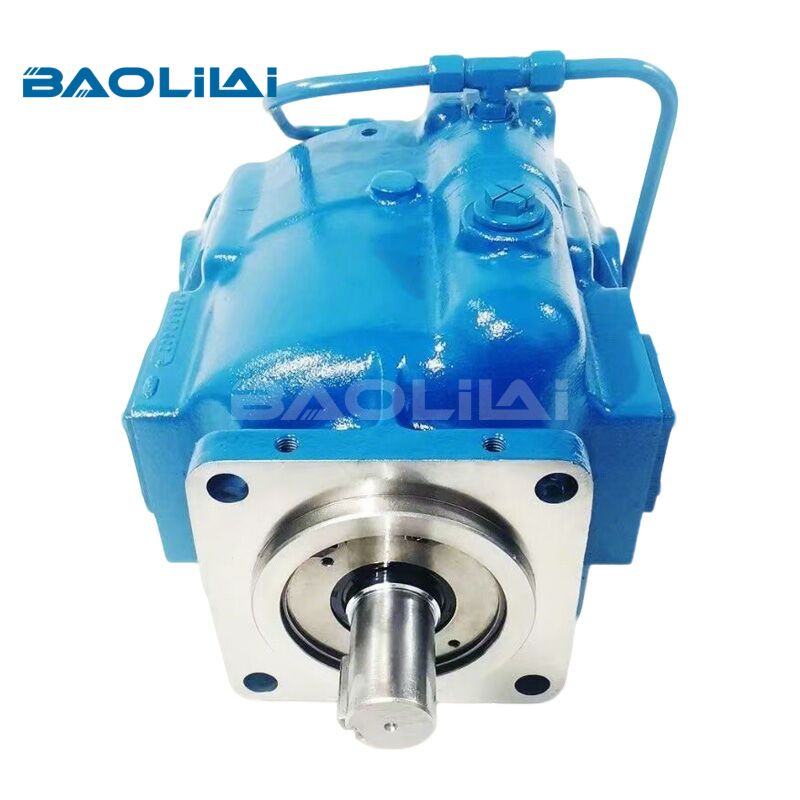
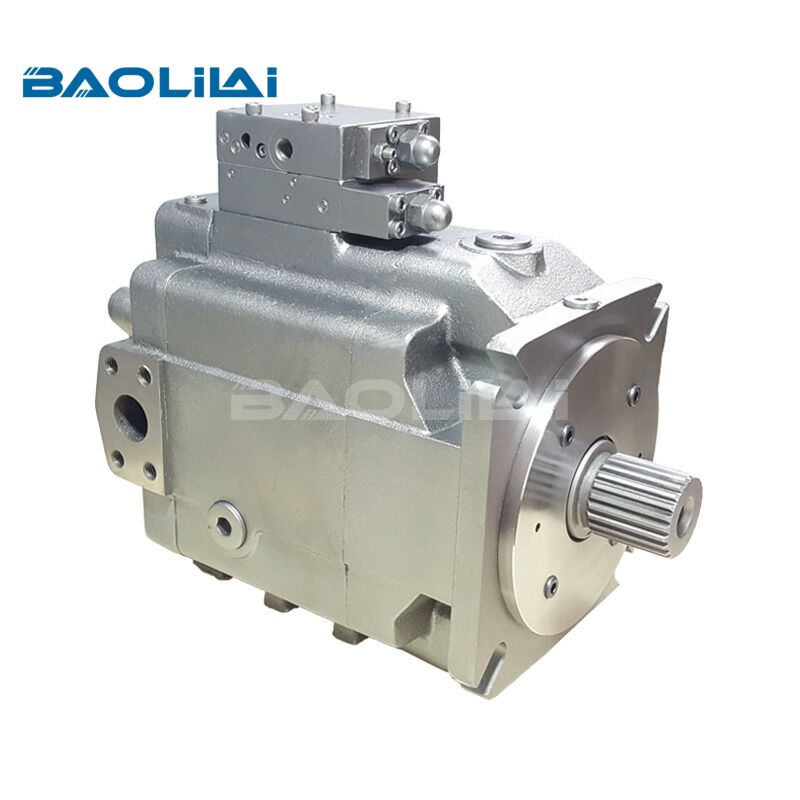
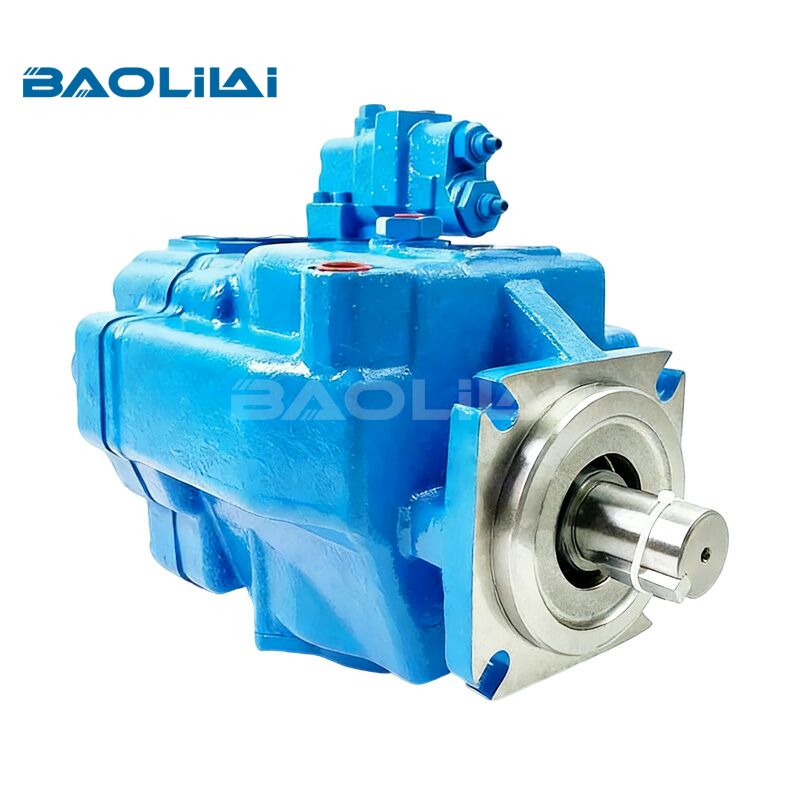
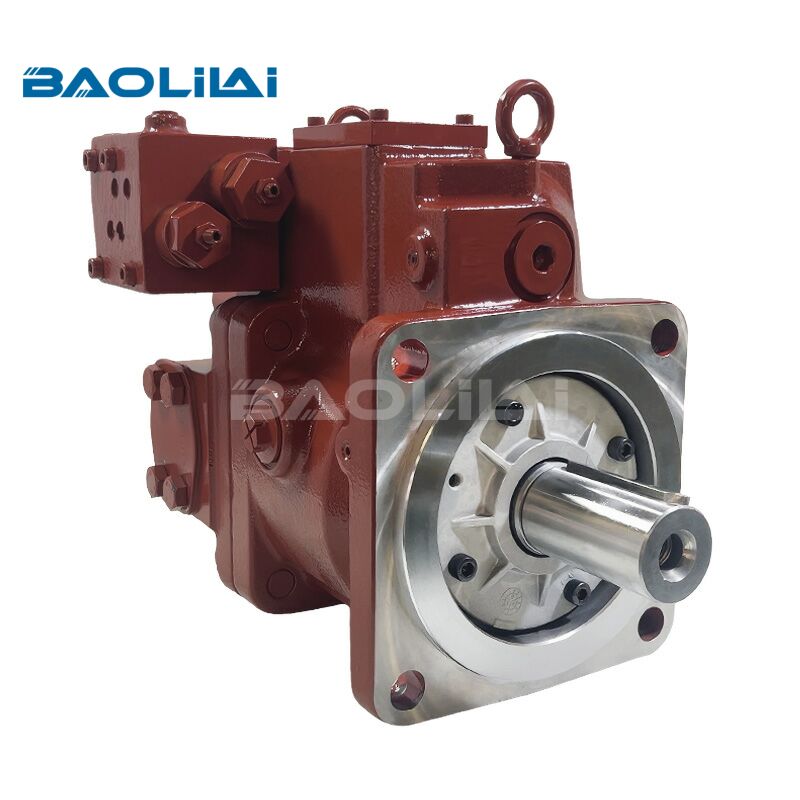
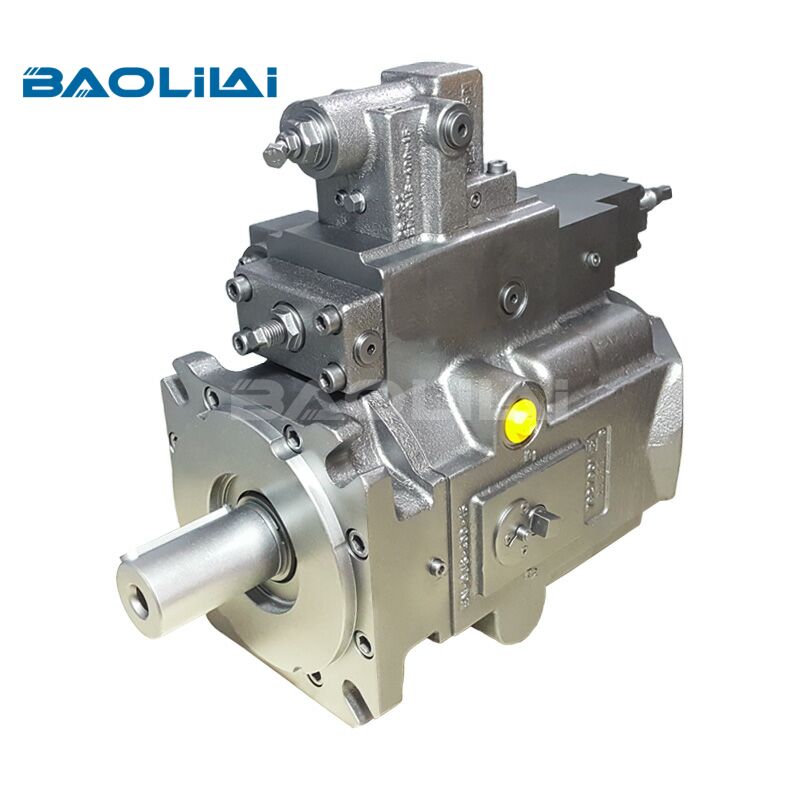
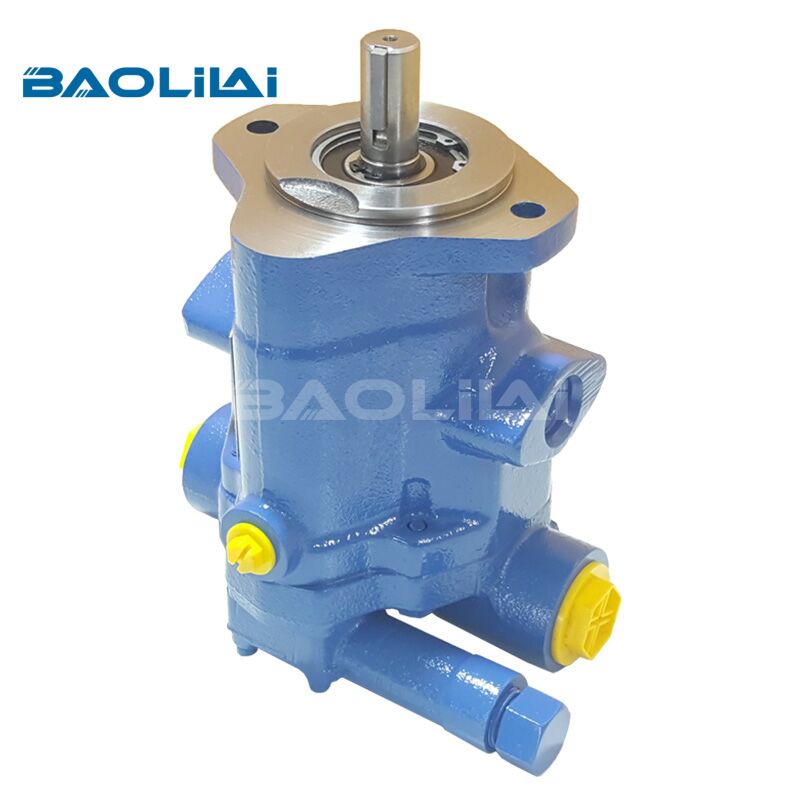
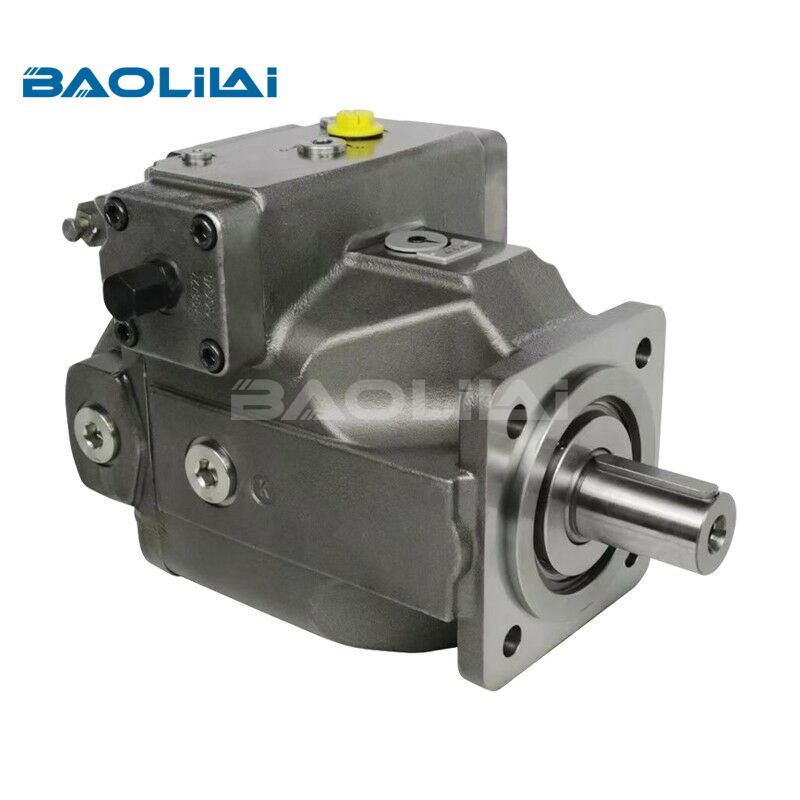
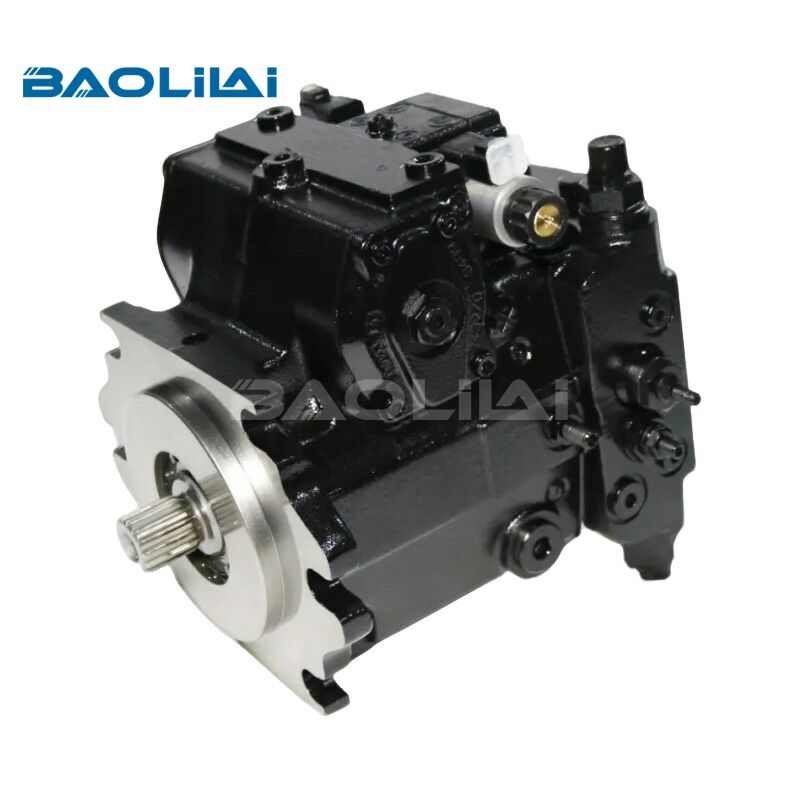
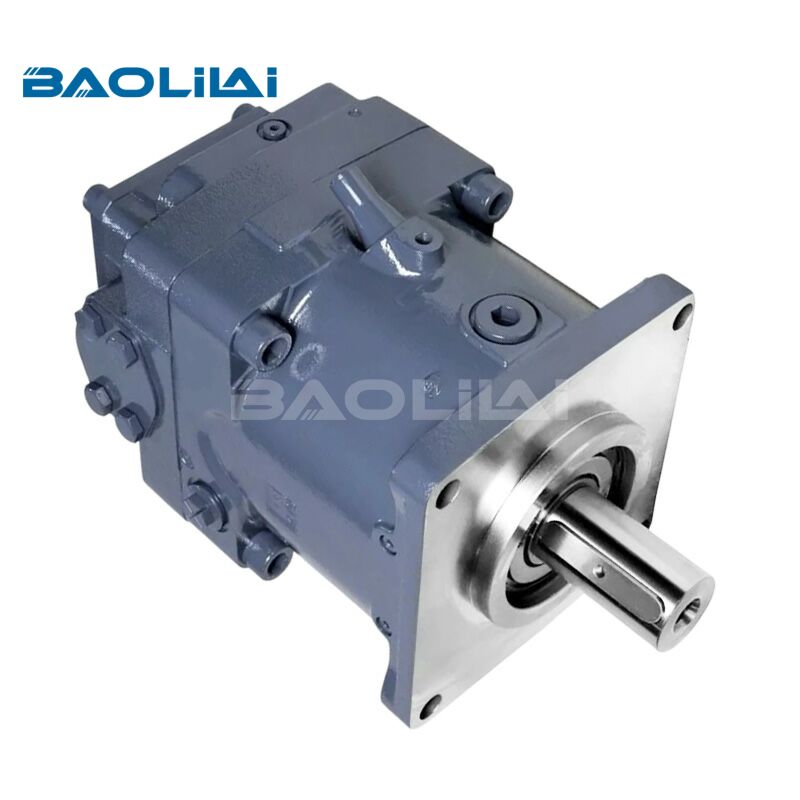
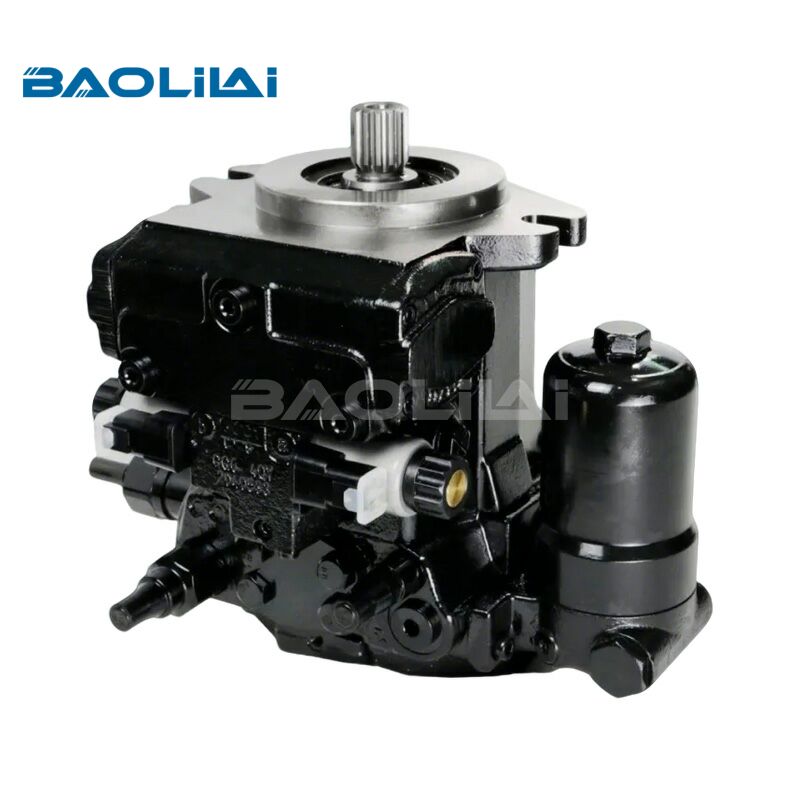
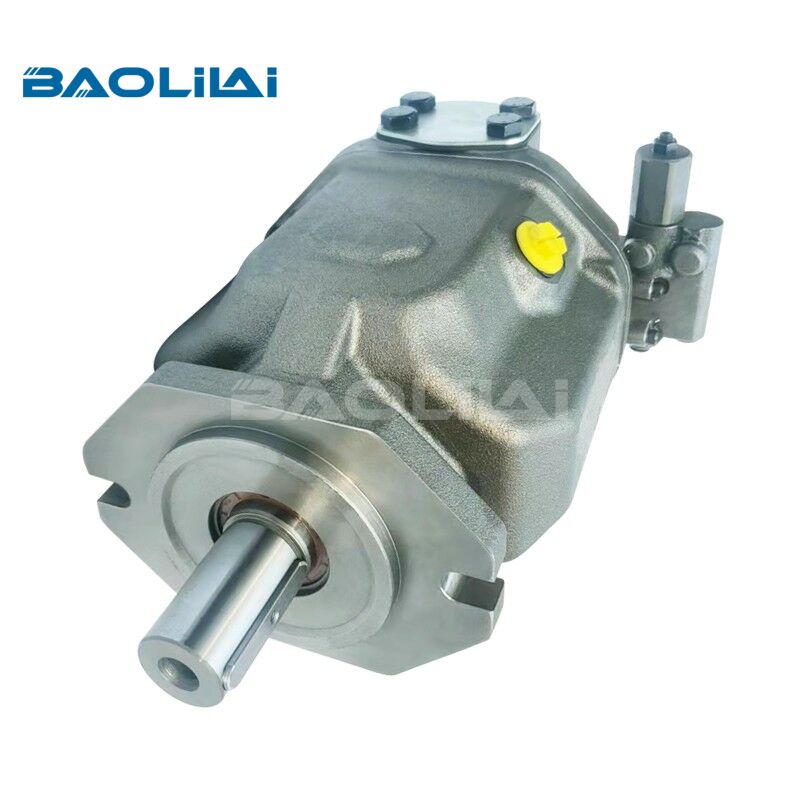
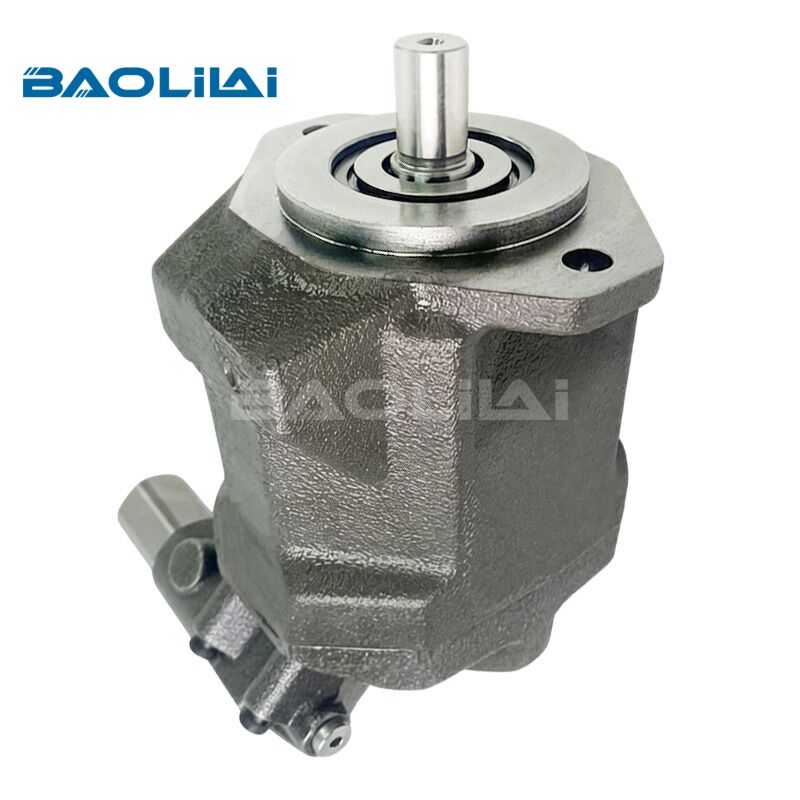
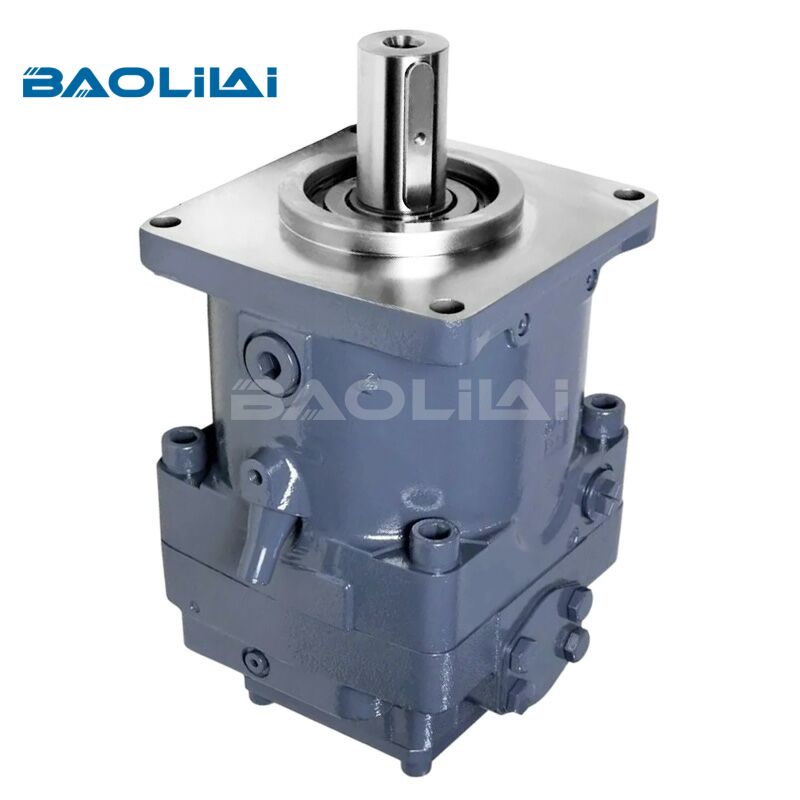
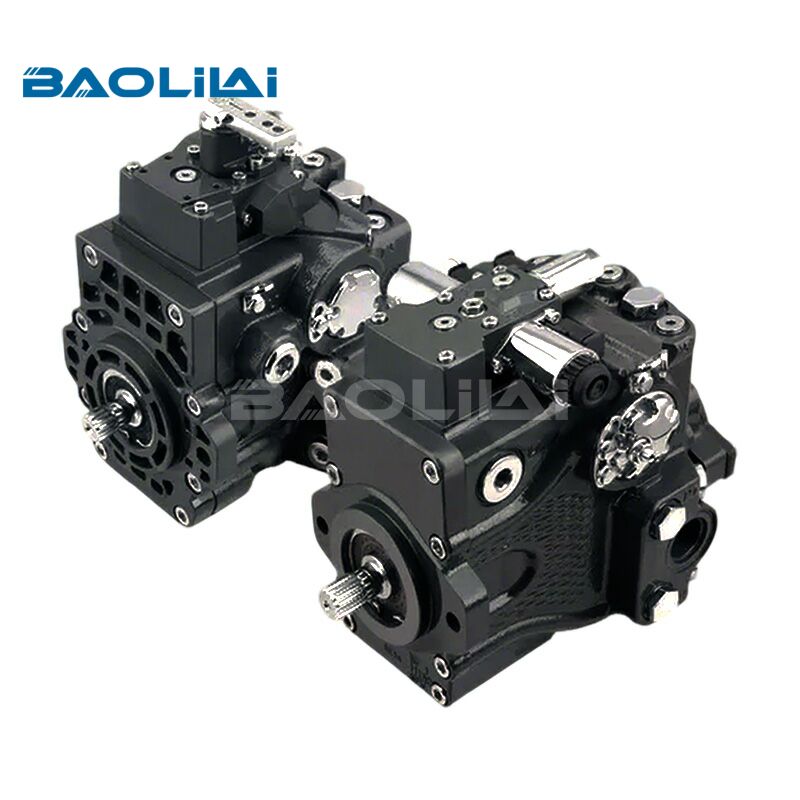
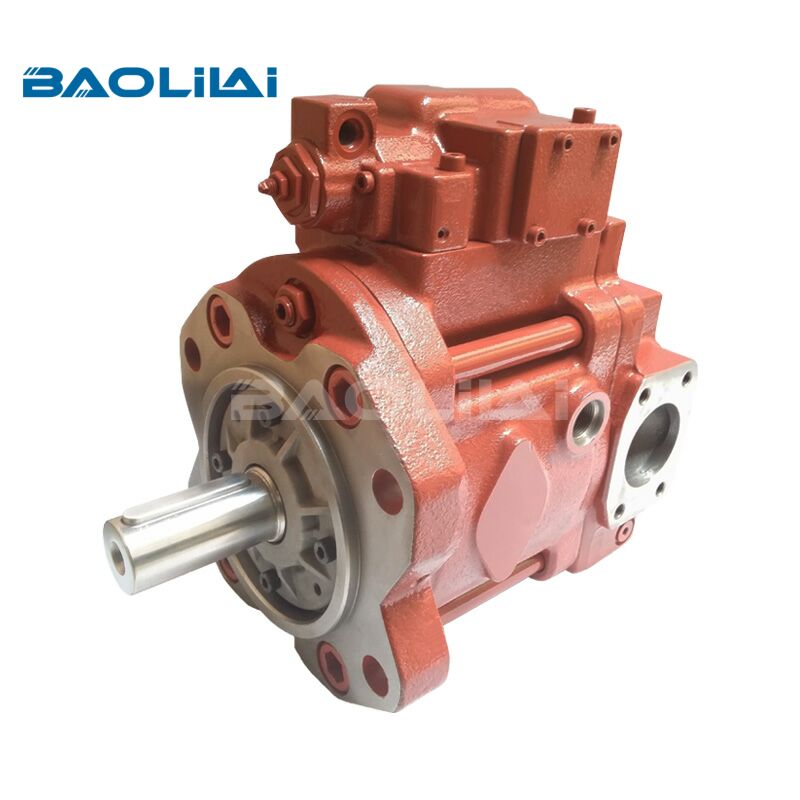
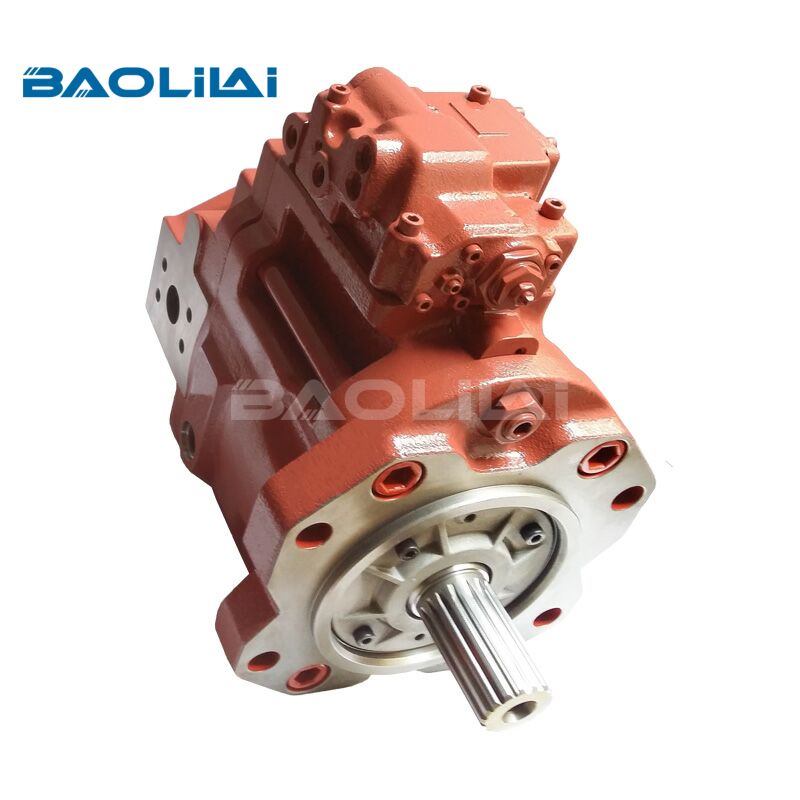
Kawasaki K3VG280 variable displacement hydraulic pump
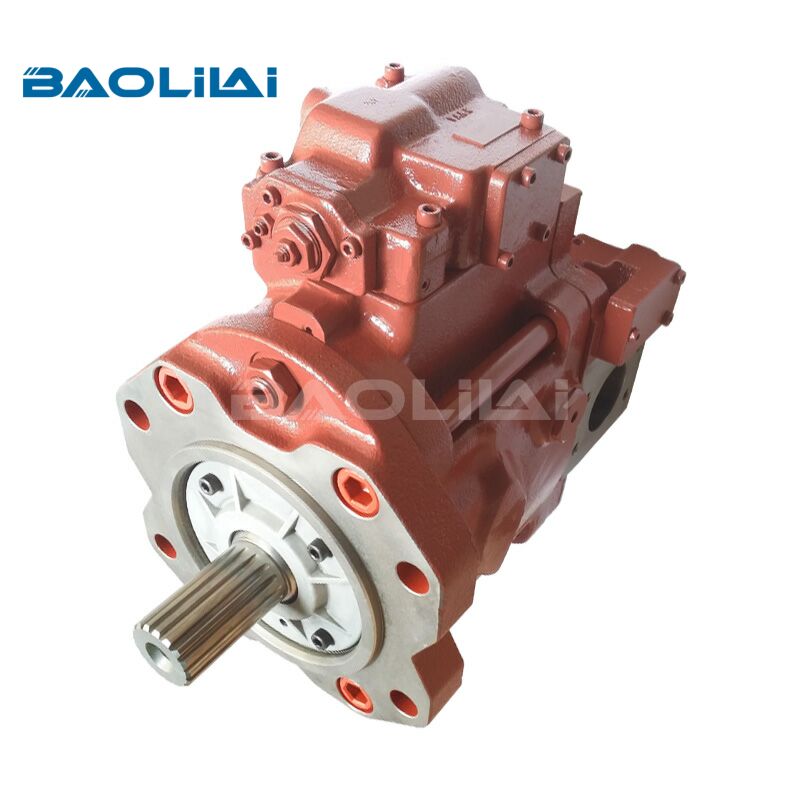
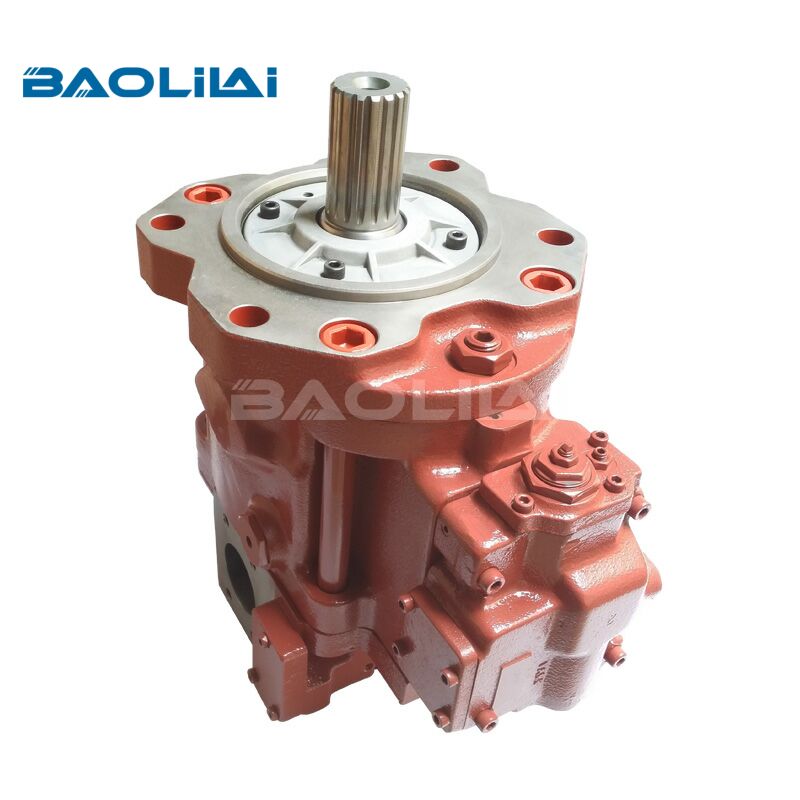
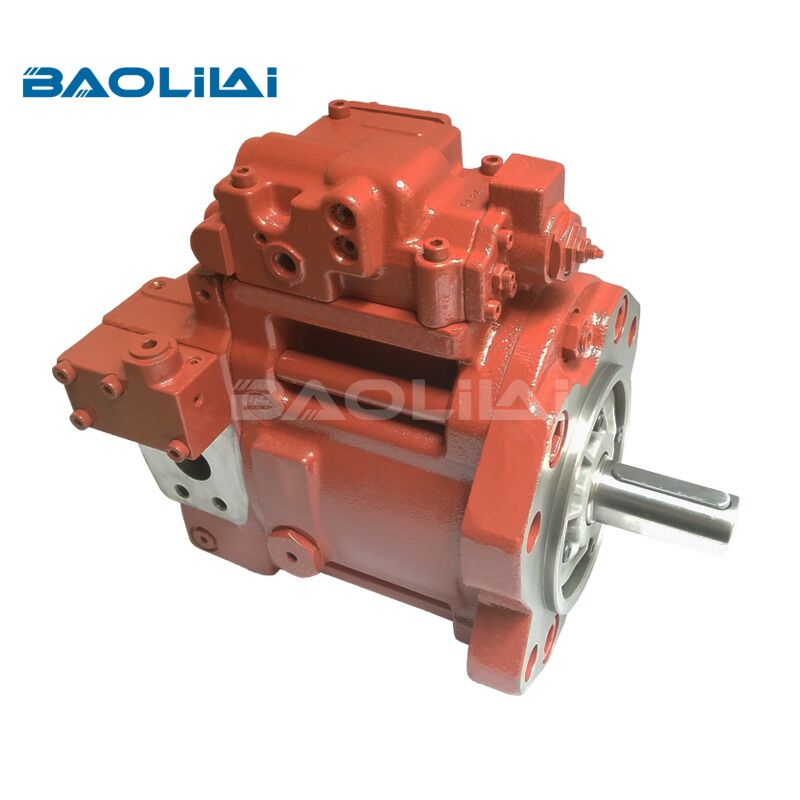

- Product Details
- Product Model
- FAQ
The K3VG is a series of variable-displacement, swash plate-type axial piston pumps designed for open-loop circuits, where the pump draws oil from a reservoir and returns it there through the system. The “280” in the name refers to the nominal displacement of 280 cm³ per revolution (about 17.1 in³/rev).
The series is aimed squarely at industrial equipment rather than the excavators most people associate with Kawasaki’s K3V family. Published series literature describes sizes from 63 to 280 cc/rev, plus dual-pump (DT) versions that reach 360 and 560 cc/rev. The 280 sits in the middle of that range, which makes it a common choice for medium-duty power units.
How the K3VG280 Works
The Swash Plate Principle
Inside the housing, a rotating cylinder block carries nine pistons (check your datasheet for the exact count) that ride against a tilting swash plate. As the shaft turns, the pistons stroke in and out of their bores. The angle of the swash plate sets the stroke length, and therefore the flow per revolution. Tilt it further and flow rises; bring it toward zero and flow drops to almost nothing.
That is the whole appeal of a variable displacement pump. Instead of dumping surplus flow over a relief valve as heat, the pump simply delivers what the system demands.
Why Open Circuit Matters
Open-circuit pumps draw from a tank at atmospheric pressure, so suction conditions are critical. Kawasaki specifies that suction pressure should be -0.01 MPa or higher, which in practical terms means a short, generously sized inlet line, no unnecessary elbows, and a reservoir that sits at or above the pump where possible. Cavitation is the single fastest way to shorten the life of any axial piston pump.
Efficiency and Noise
Kawasaki highlights a fully balanced spherical valve plate, a hydrostatically balanced swash plate support and a self-compensating piston return mechanism. In plain terms: less friction, less leakage, and smoother pressure transitions, which is why the series is described as low-noise and high-efficiency. In a plant where operators wear hearing protection all shift, that matters.
Where the K3VG280 Is Used
The K3VG280 suits stationary and industrial machinery where load varies and energy cost matters.
- Injection molding machines: flow demand swings sharply between clamp, inject and hold. A pressure-compensated variable pump follows that profile instead of wasting power.
- Hydraulic presses: high pressure at low speed during pressing, high flow during rapid approach.
- Machine tools and metal forming: repeatable pressure with low noise.
- Test rigs and power units: dependable output on duty cycles that run for hours.
- Systems using fire-resistant fluids: series literature lists fire-resistant fluid capability, which is relevant in steel mills and foundries (confirm fluid compatibility and any derating for your exact fluid).
Installation Best Practices
- Fill the case before starting. Fill the pump housing with clean hydraulic fluid through the case drain port. Starting dry is the classic way to damage bearings and slippers in the first seconds.
- Mind the case drain. Run a dedicated, unrestricted line to the tank, entering below the fluid level.
- Align the shaft. Use a proper flexible coupling and check alignment. Side loads shorten bearing life.
- Check rotation. The K3VG comes in specific rotation directions. Running it backward can damage it.
- Protect the inlet. Avoid inlet filters with high pressure drop. Use properly sized suction plumbing instead.
Maintenance and Troubleshooting
Keep the Fluid Clean
Axial piston pumps are intolerant of contamination. Many manufacturers recommend a cleanliness level around ISO 4406 18/16/13 or better for pumps in this class. Check Kawasaki’s manual for the exact target, and filter on both the return and the pressurized side where the system allows.
Common Symptoms and Likely Causes
- Noisy pump, foamy oil: air ingestion or cavitation. Check the suction line, fluid level, and fittings.
- Low flow or slow actuators: internal wear, a stuck or misadjusted compensator, or a restricted suction.
- Pressure won’t build: check the relief and compensator settings before blaming the pump.
- Excessive case drain flow: typically a sign of wear in the rotating group. Measure it against the manual’s limits.
- Overheating: worn components causing leakage, or a system running at relief for too long.
For more information on the K3VG180 hydraulic pump, please visit https://www.baolilaihydraulic.com/product/.
Specifications
| Pump Model | K3VG63 | K3VG112 | K3VG180 | K3VG280 | K3VG180DT | K3VG280DT | |
| Displacement | in3 (cm3/rev) |
3.84 (63) |
6.83 (112) |
11.0 (180) |
17.1 (280) |
22.0 (360) |
34.2 (560) |
| Rated Pressure(1) | psi (bar) |
5,075 (350) |
|||||
| Peak Pressure(2) | psi (bar) |
5,800 (400) |
|||||
| Maximum Self Priming Speed(3) |
rpm | 2,600 | 2,200 | 1,850 | 1,600(5) | 1,850 | 1,600(5) |
| Maximum Boosted Speed(4) |
rpm | 3,250 | 2,700 | 2,300 | 2,000 | 2,300 | 2,000 |
| Weight | lb (kg) |
106 (48) |
150 (68) |
190 (86) |
353 (160) |
353 (160) |
661 (300) |
(1) Consult bearing life charts for high horsepower applications.
(2) Maximum allowable safety relief valve setting.
(3) Steady State Suction Pressure≥-1.45 psi(-2.95 in Hg),(-0.1 bar)
(4) Minimum Recommended Boost Pressure at Suction Port≥5 psi(29.52 in Hg),(1 bar)
(5) Precautions must be taken when operating the K3VG280/DT at 1800 rpm.
In order to prevent damage to the pump:
| Suction Pressure | Maximum Displacement |
| +7.1psi (+0.5bar) |
280cc/rev |
| +1.4psi (+0.1bar) |
250cc/rev |
| -1.4psi (-0.1bar) |
232cc/rev |
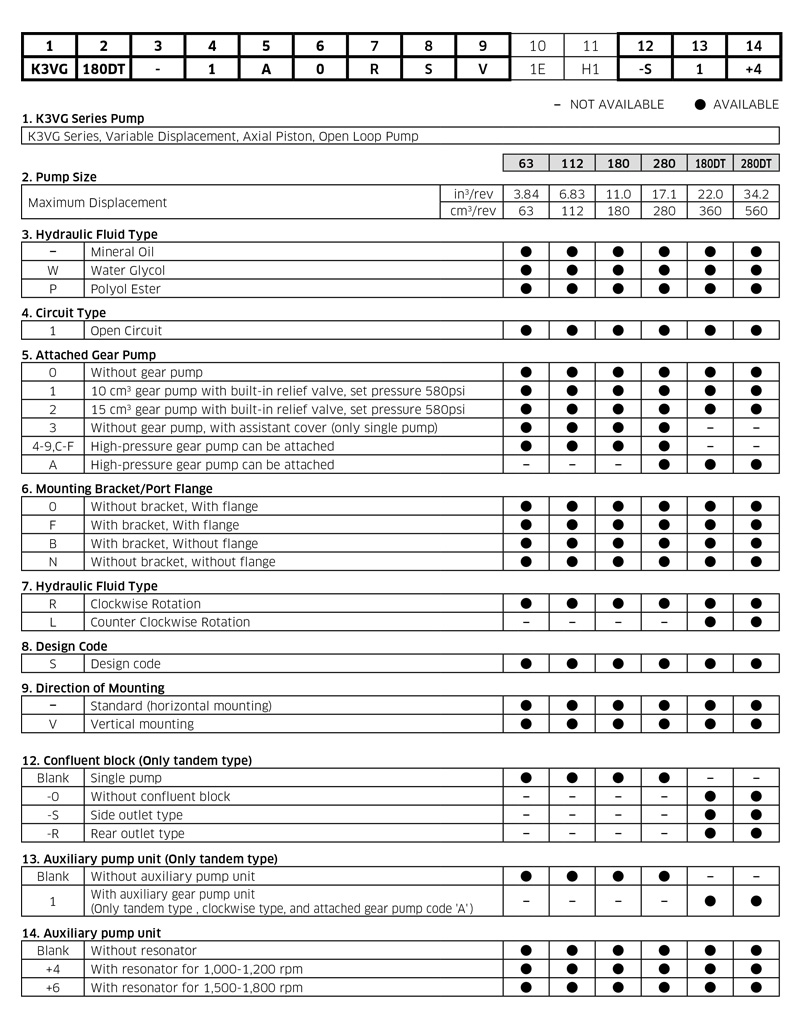
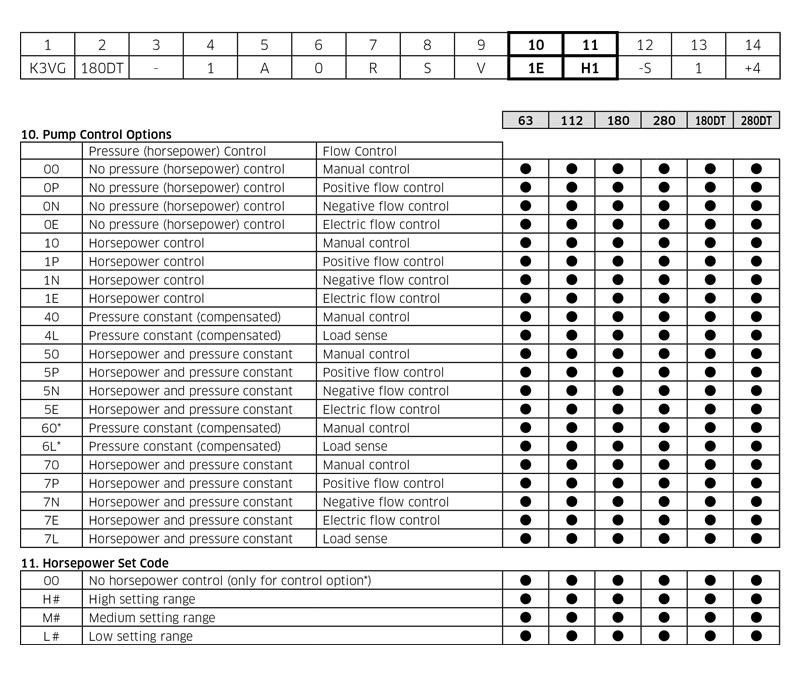
Selection Table
| K3VG280 hydraulic pump |
| Model No. |
| K3VG280-10FRS-10MH4 |
| K3VG280-10FRS-50M3 |
| K3VG280-10NRS-10HZ |
| K3VG280-10NRS-10VZP0 |
| K3VG280-13NRS-OPOO |
Q1: How do I choose the right control?
A1: Start with what the system needs. Pressure compensation fits constant-pressure circuits, displacement control suits systems with external flow commands, and power limiting protects a limited prime mover. Many machines use a combination.
Q2: Can the pump be rebuilt?
A2: Yes, many hydraulic shops overhaul axial piston pumps, replacing the rotating group, valve plate, bearings, and seals. Rebuild economics depend on how much damage contamination caused.
Q3: How to purchase a K3VG280 hydraulic pump?
A3: You can visit https://www.baolilaihydraulic.com/contact/ to contact us and purchase our products through various methods.
Q4: What is the price and delivery time of the K3VG280 hydraulic pump?
A4: The specific price and delivery time will be provided based on the specific model you provide. A variety of hydraulic solutions are available at https://www.baolilaihydraulic.com/.