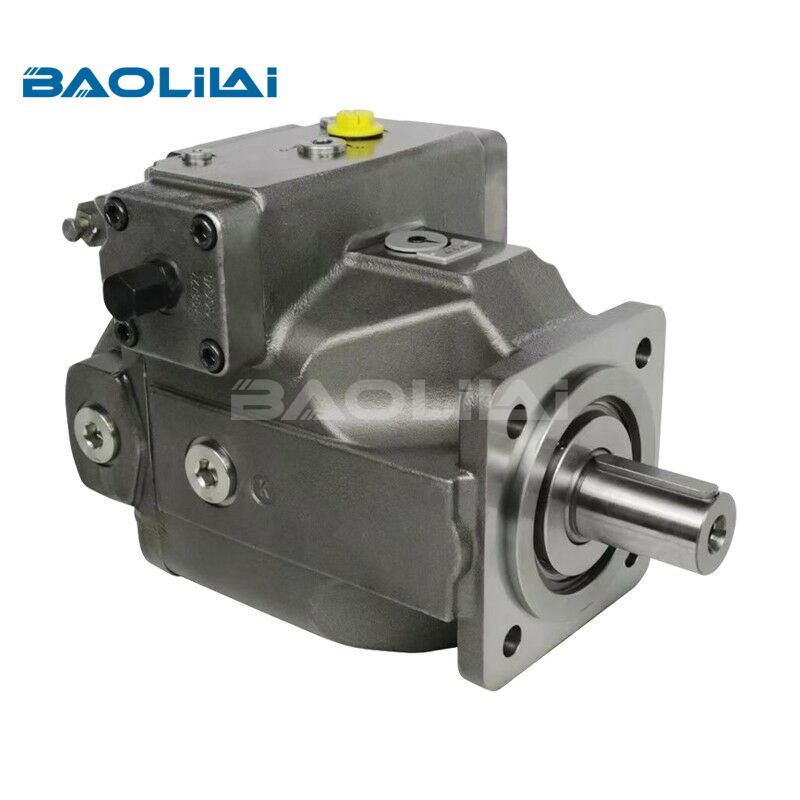
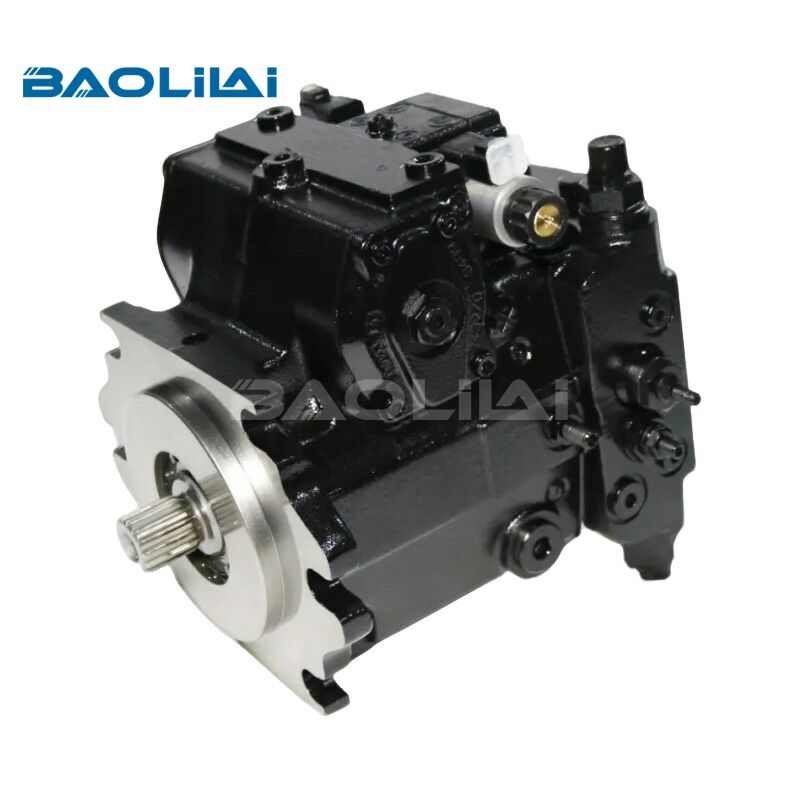
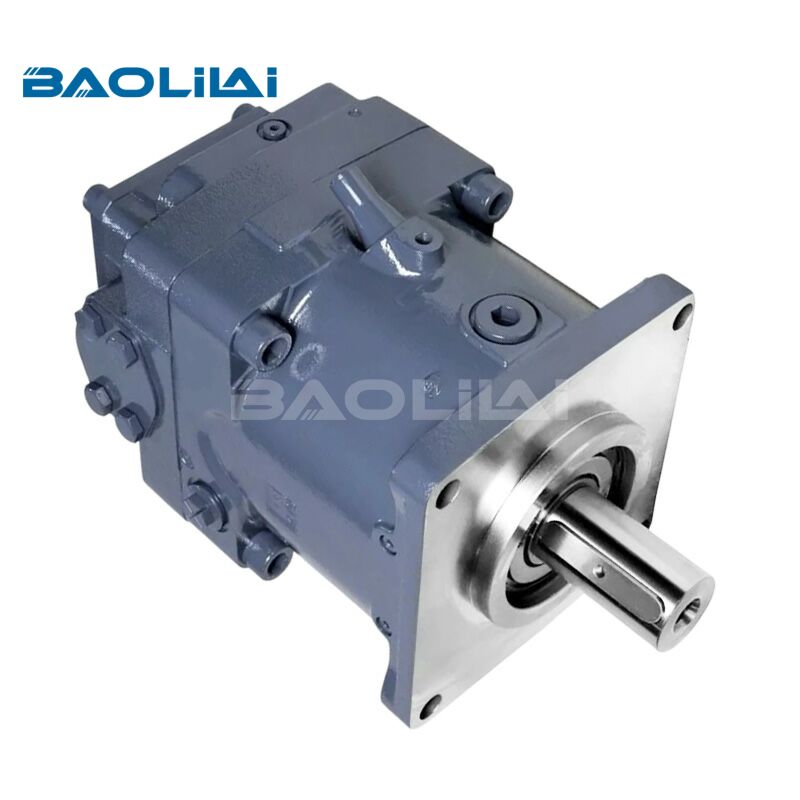
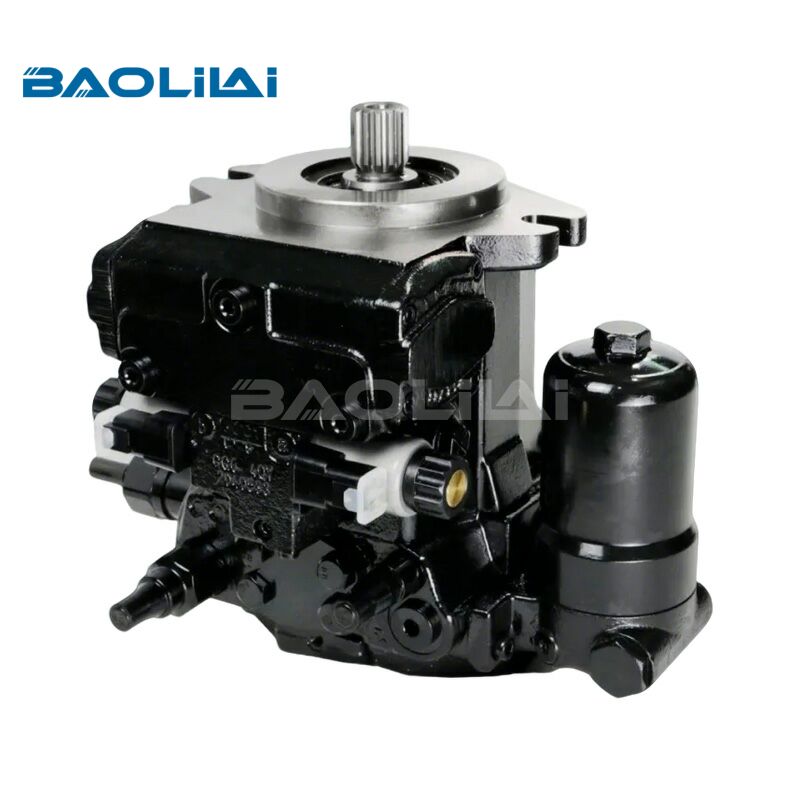
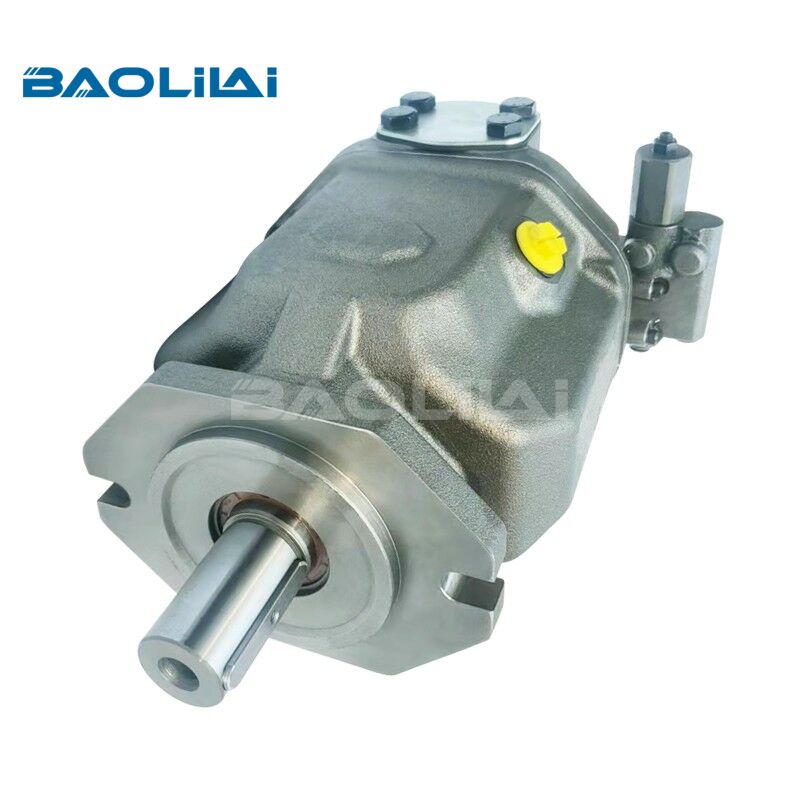
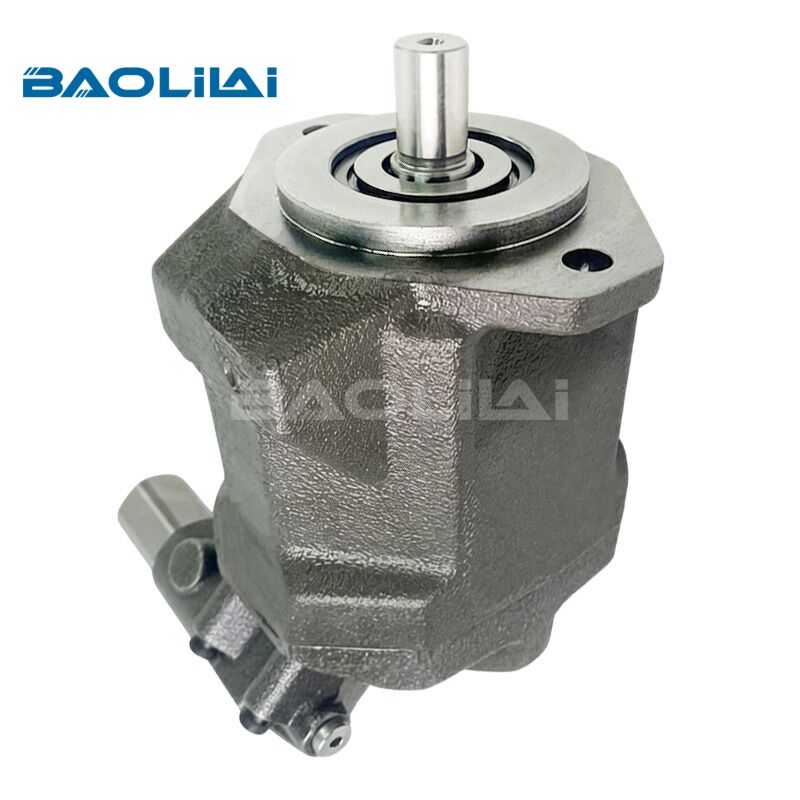
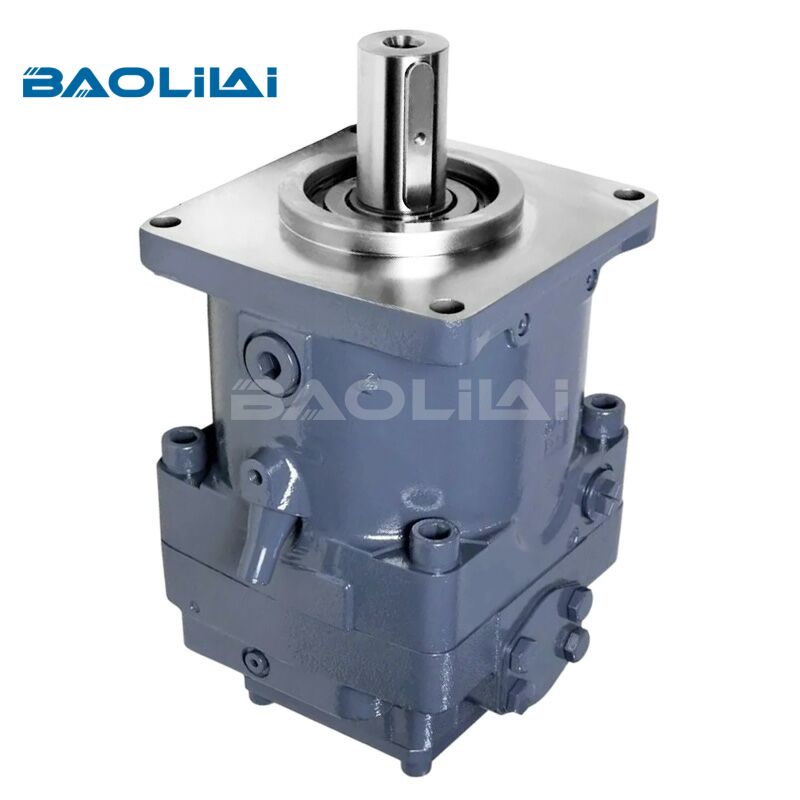
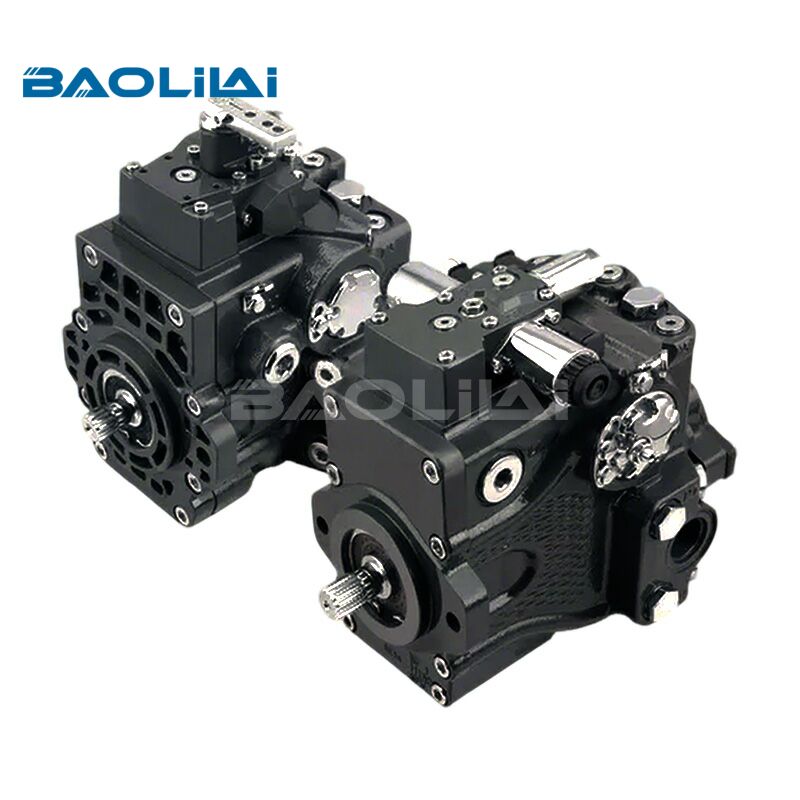
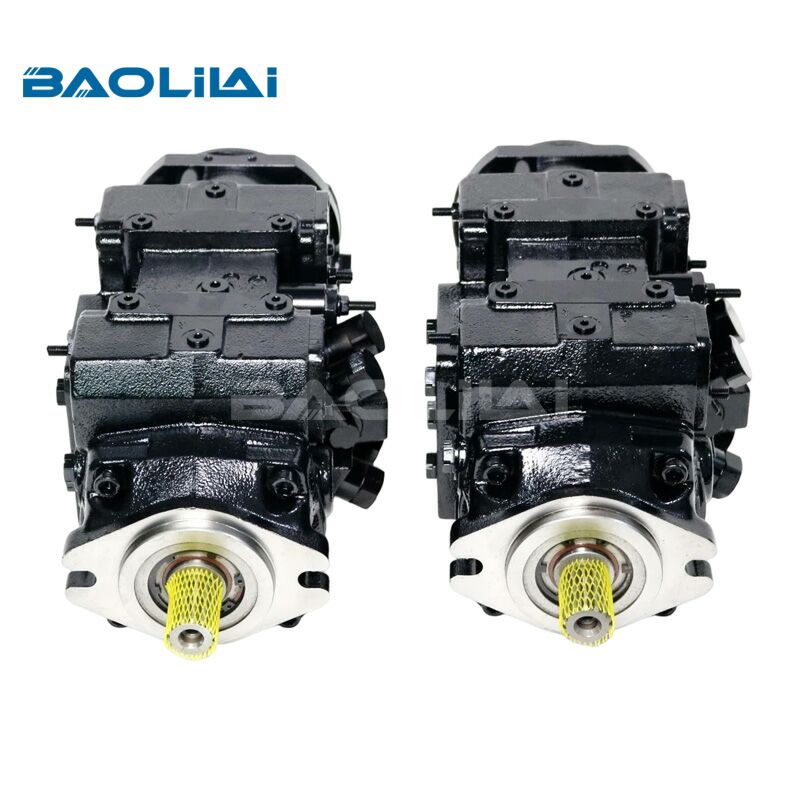
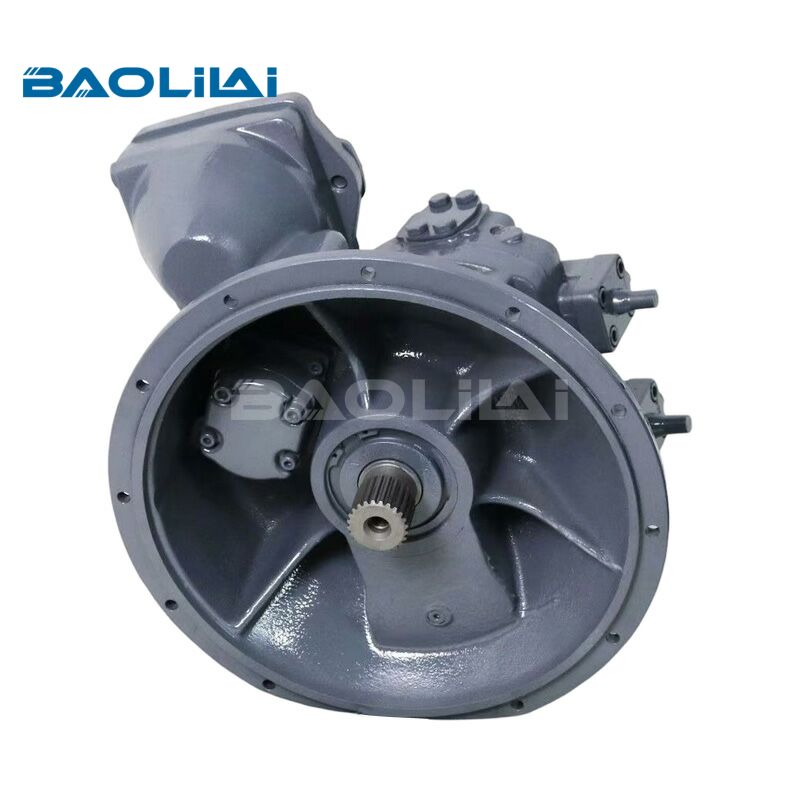
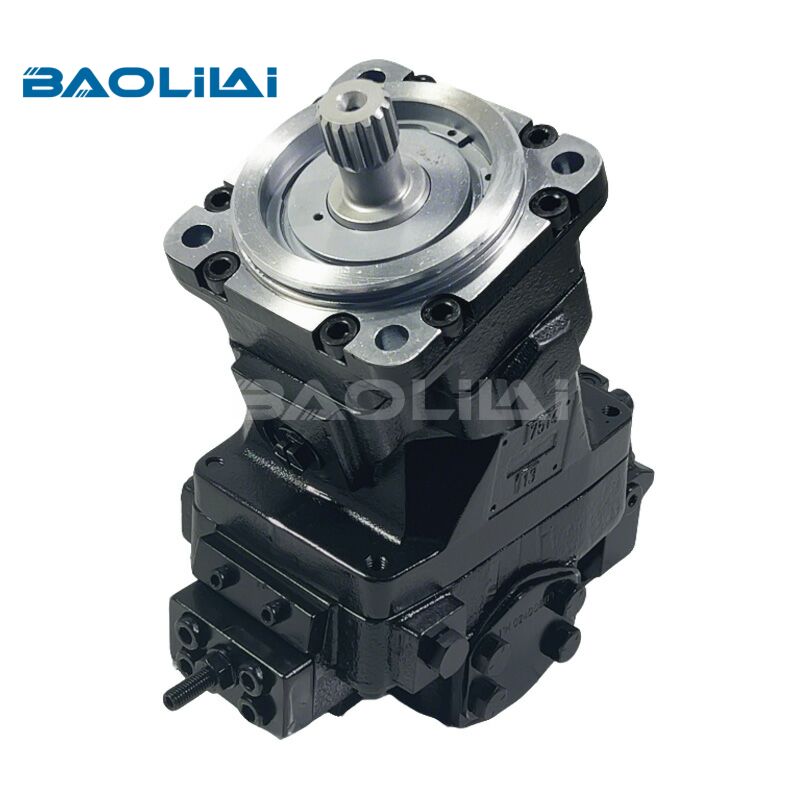
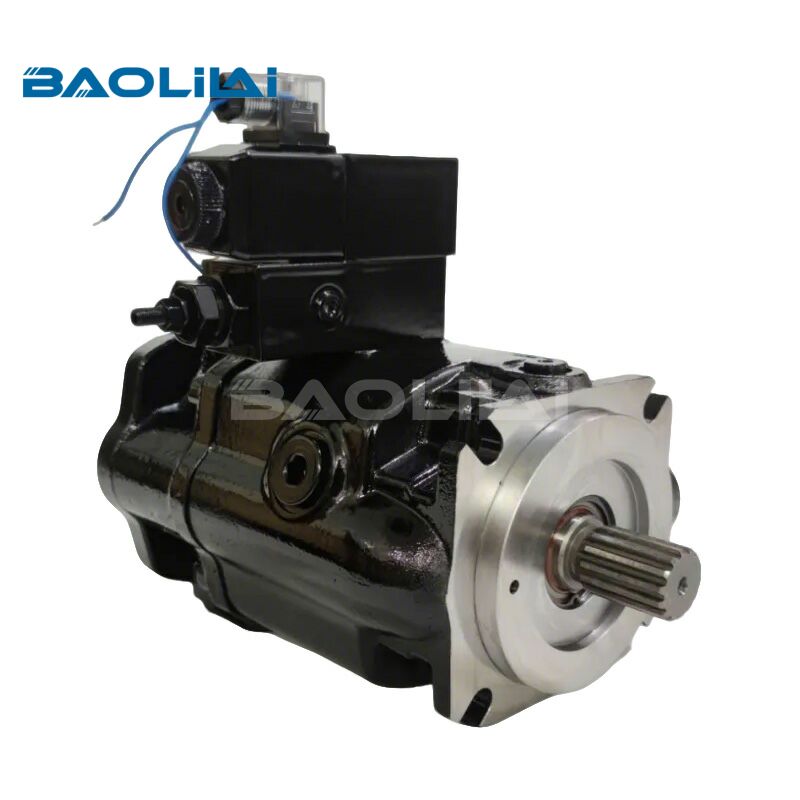
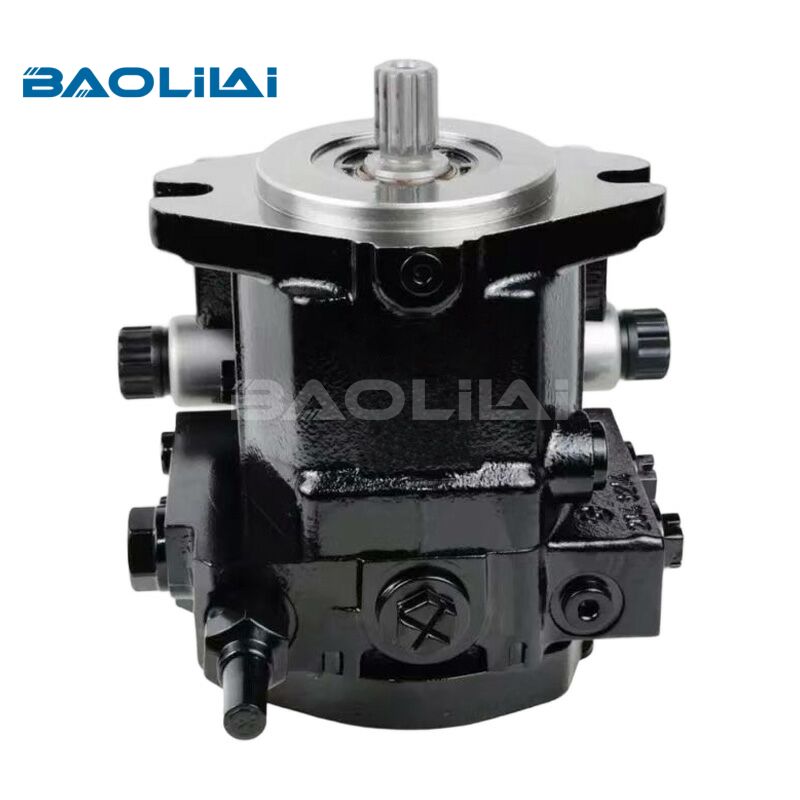
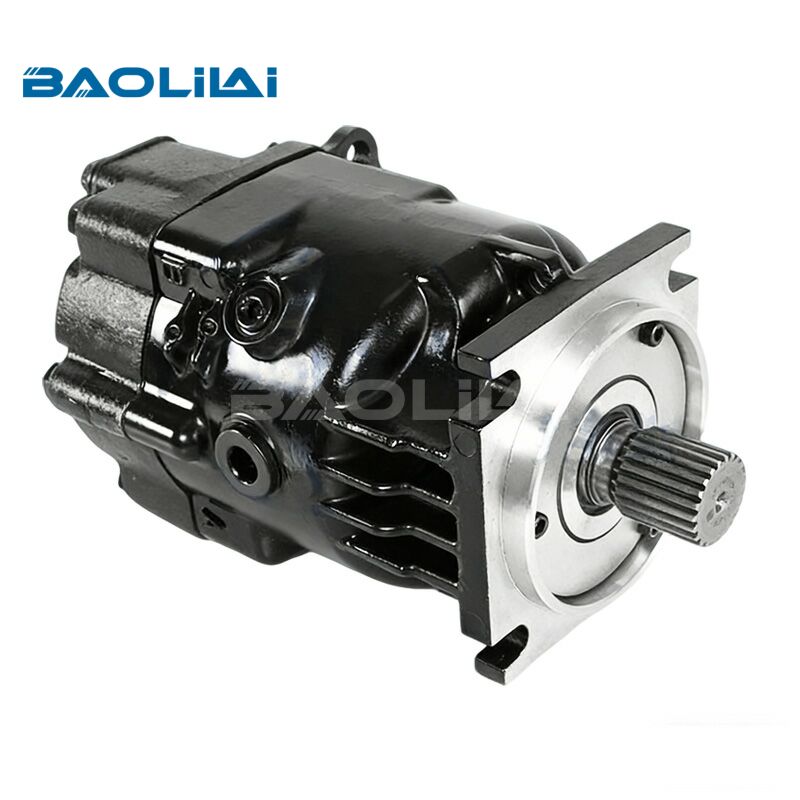
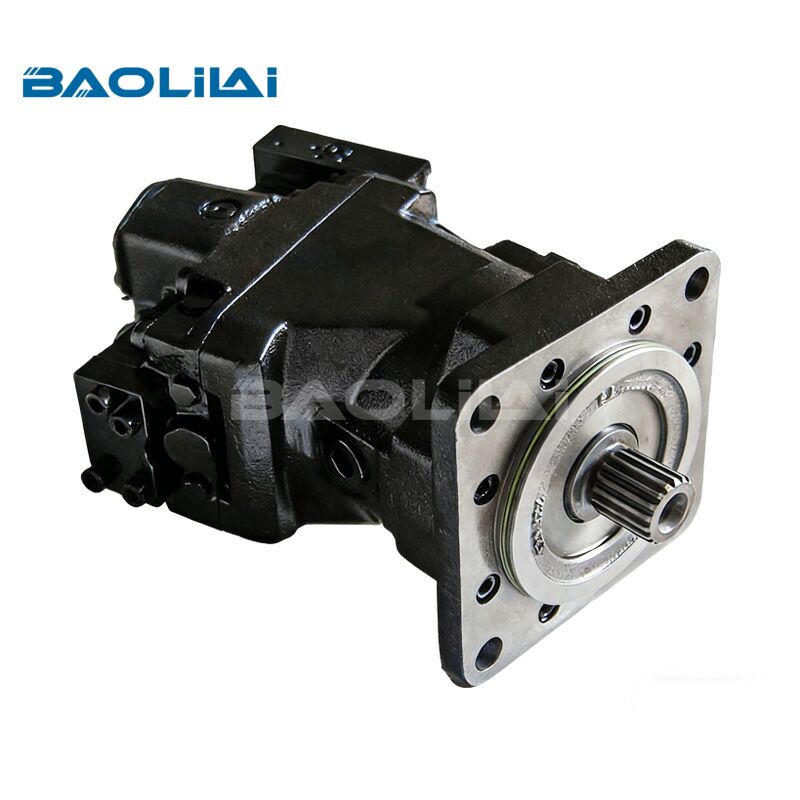
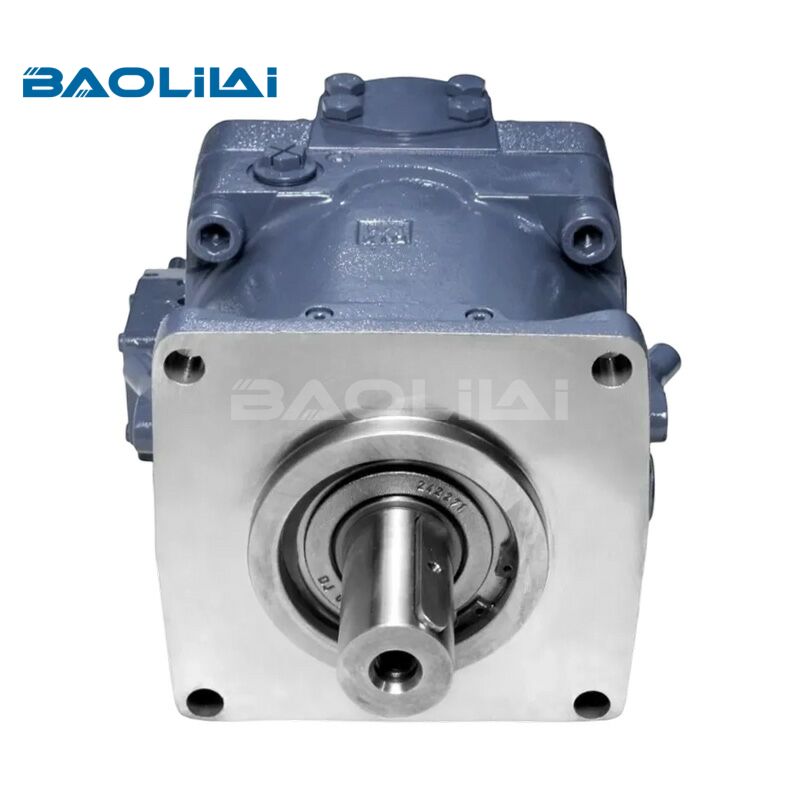
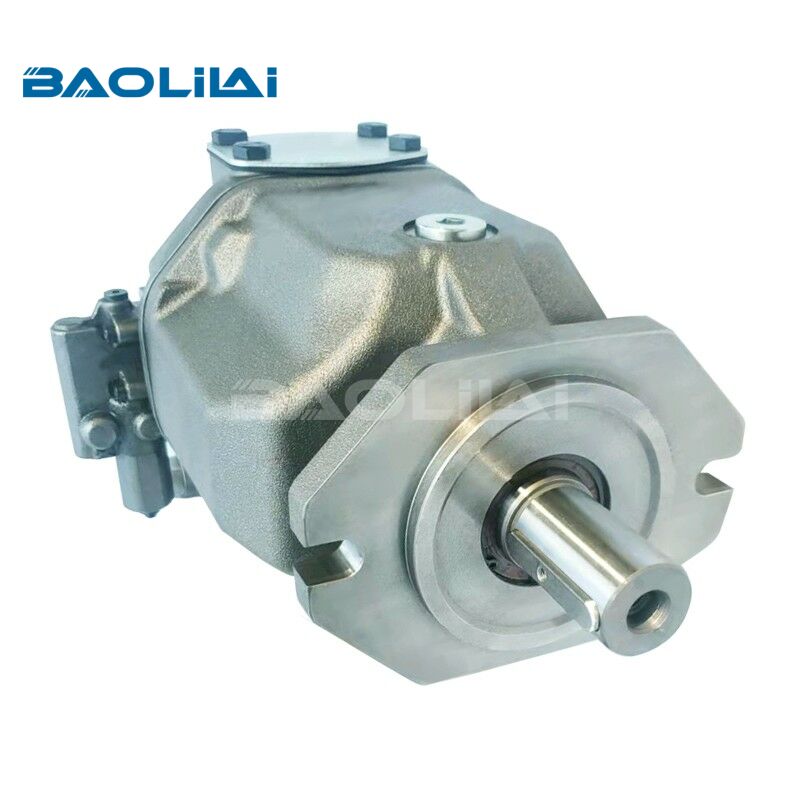
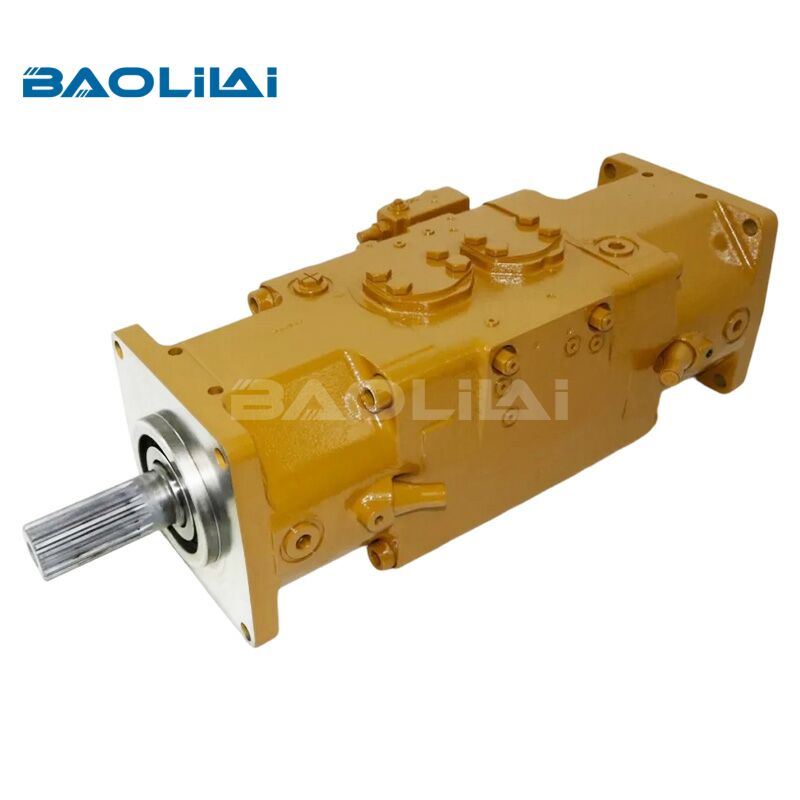
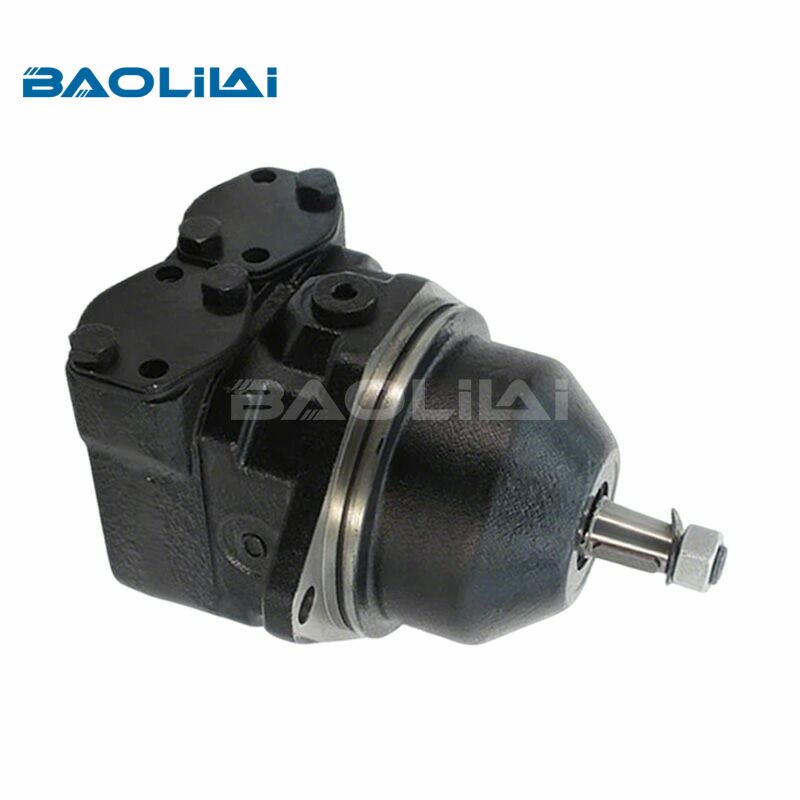
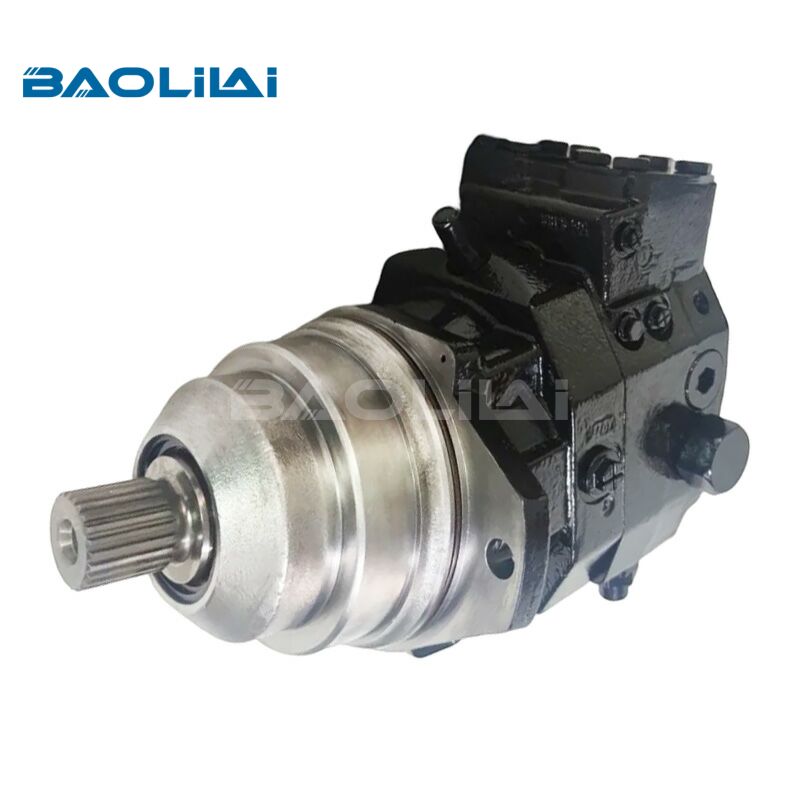
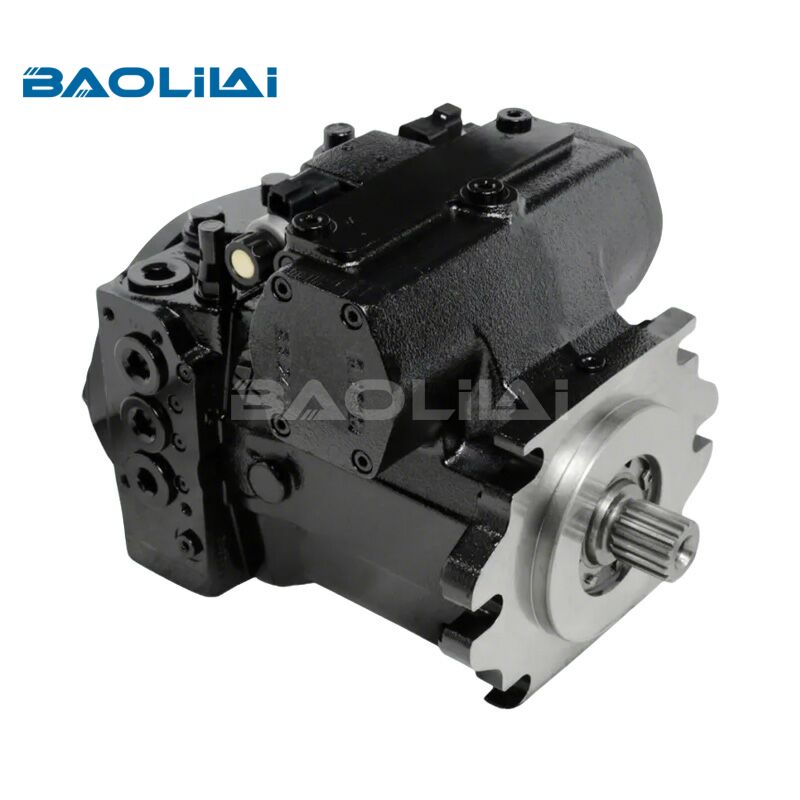
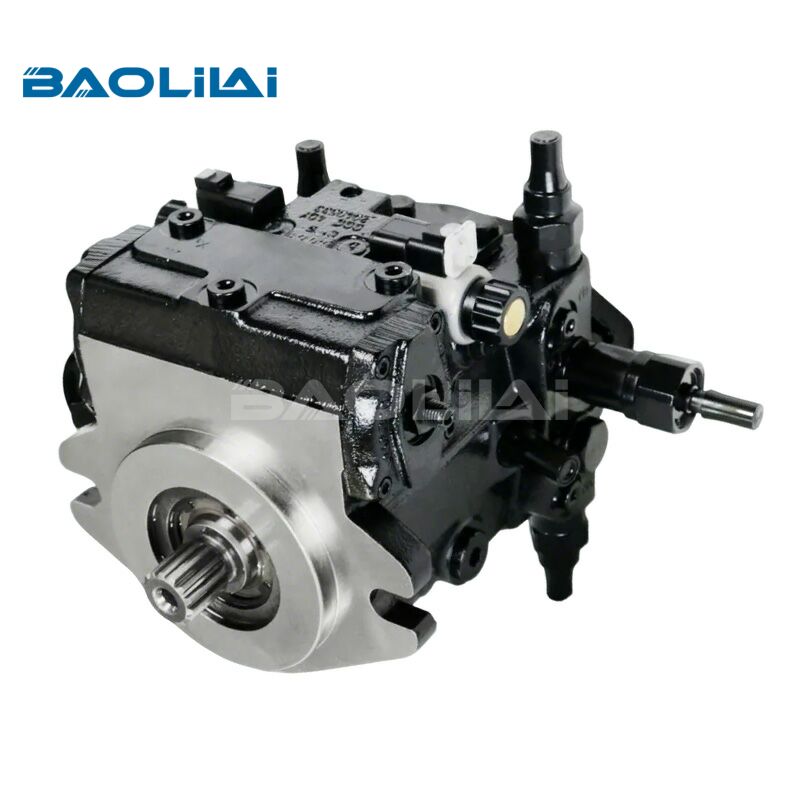
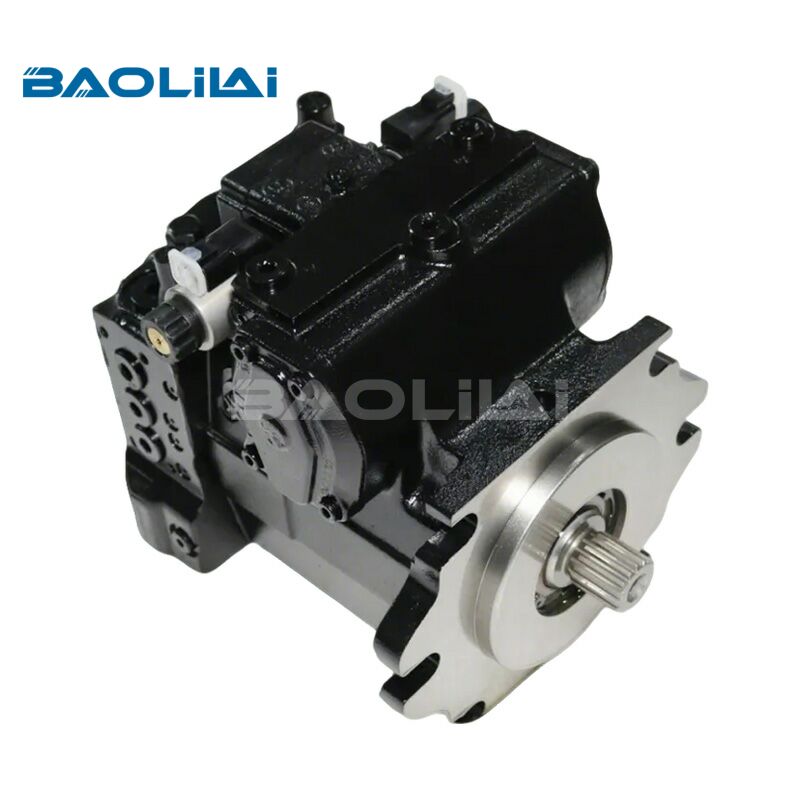
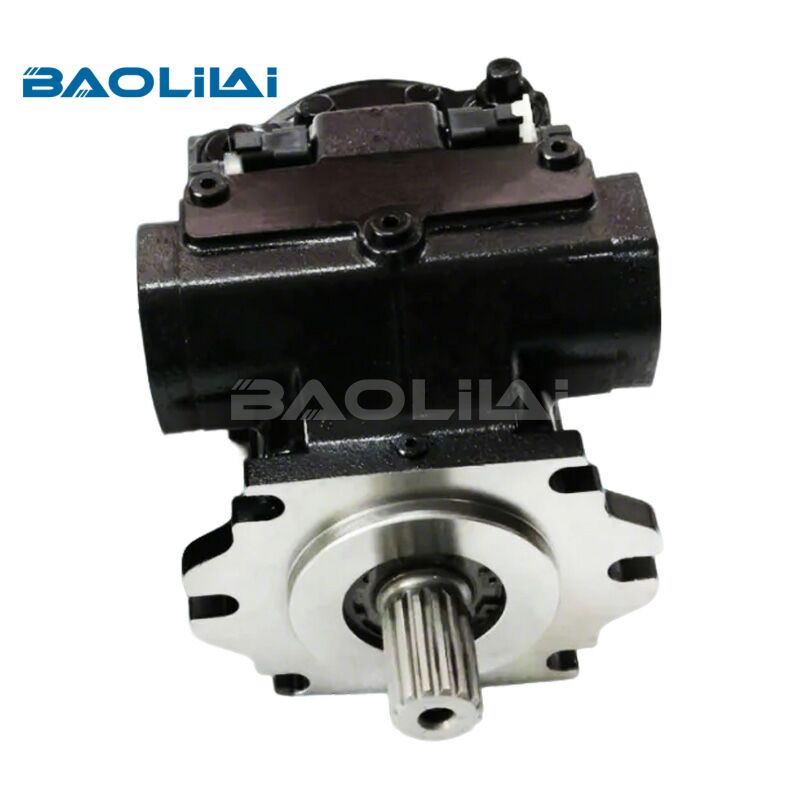
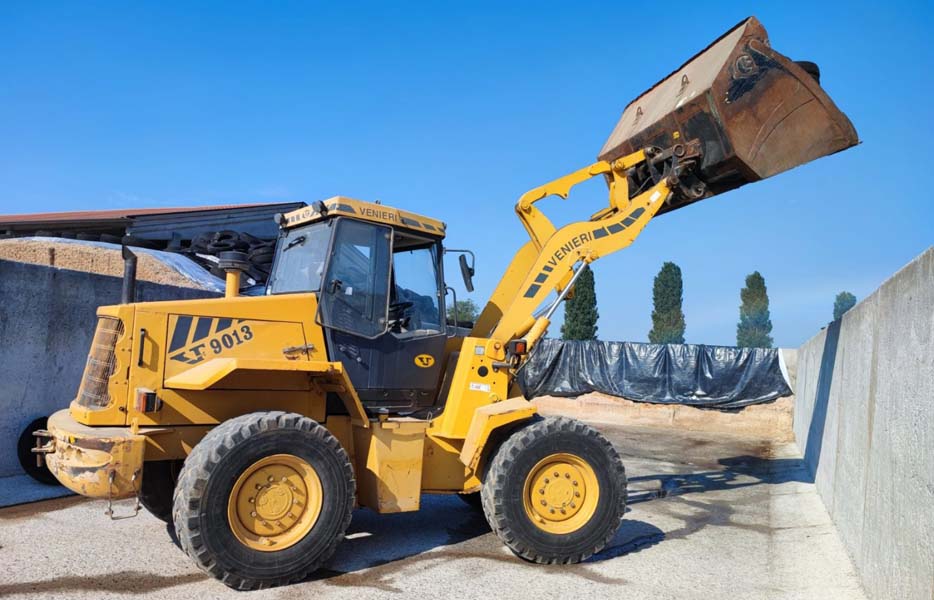
Bosch Rexroth A4VG axial piston pump for Venieri wheel loader 263.4.000 265.0.100 266.4.000 265.8.300 264.5.100
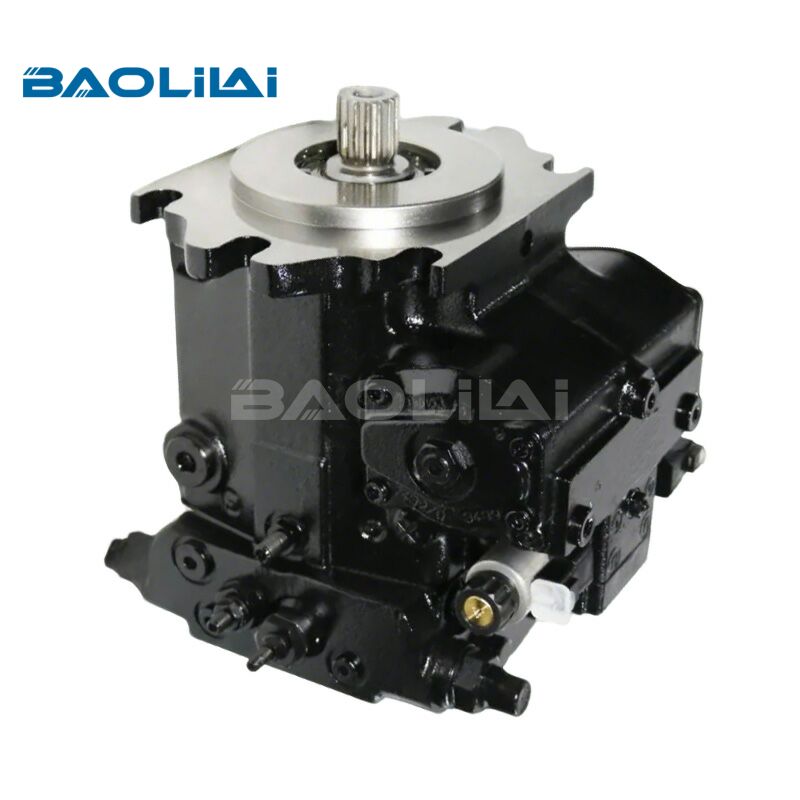

- Product Details
- Product Model
- FAQ
The A4VG is a variable-displacement, swashplate-type axial piston pump built by Bosch Rexroth for closed-circuit hydrostatic transmissions. Unlike a fixed-displacement gear pump that always pushes the same volume of oil per revolution, the A4VG can change its displacement on the fly — from zero up to its maximum — by tilting an internal swashplate. That tilt angle determines how far each piston strokes in its bore, which in turn determines how much oil flows to the hydraulic motor and, ultimately, how fast the machine moves.
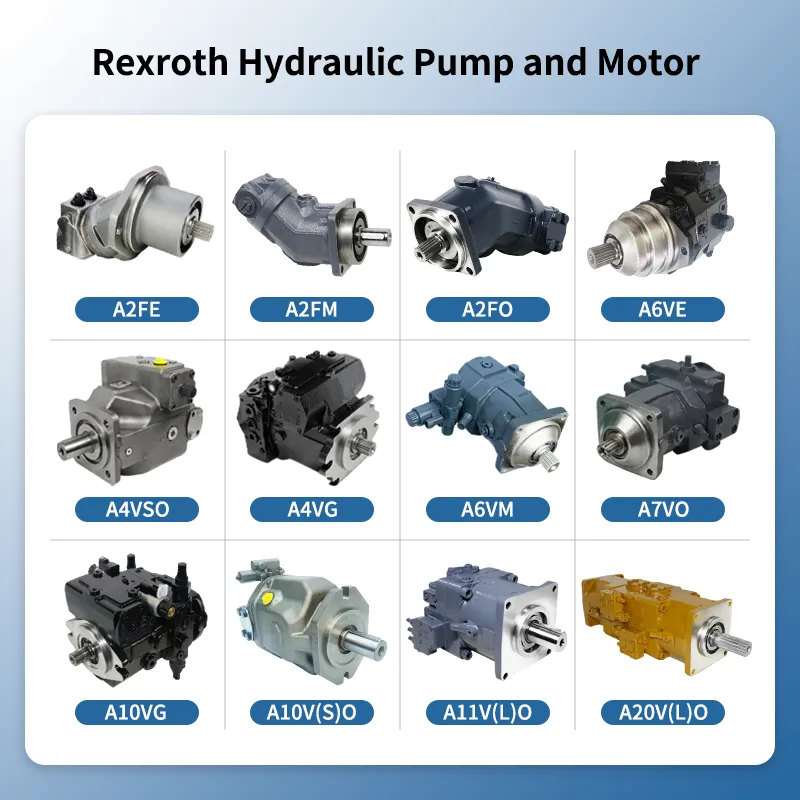
In a wheel loader like those built by Venieri, the A4VG is paired with an A6VM (or similar) variable-displacement hydraulic motor to form a closed-loop hydrostatic drive. This is the same basic architecture Rexroth uses across countless construction and agricultural machines, but the A4VG's specific claim to fame is its dual-function design: it typically combines a main axial piston pump for propulsion with an integrated charge pump and, on many variants, a secondary gear pump section for auxiliary functions like steering or implement circuits.
Why Venieri Uses the A4VG in Its Wheel Loader Lineup
Venieri, the Italian earthmoving equipment manufacturer based in Alfonsine, has built its compact and mid-size wheel loader ranges around hydrostatic transmissions for decades, and the A4VG has been a recurring choice across several loader series. There are practical reasons for that, not just brand loyalty.
Precise, Stepless Speed Control
Wheel loaders spend a huge portion of their duty cycle doing short, repetitive V-cycle work: bucket into the pile, reverse, forward to the truck, dump, repeat. A hydrostatic drive built around the A4VG lets the operator modulate travel speed and tractive effort completely independently of engine RPM, using the same footprint as a normal accelerator and brake. That stepless control is far gentler on the driveline and far more precise for spotting a bucket at a truck's tailgate than a torque-converter powershift transmission would be.
Combined Propulsion and Auxiliary Flow
Many A4VG variants integrate a secondary pump section in the same housing — commonly used to feed the steering circuit or other auxiliary hydraulics on the loader. For a compact wheel loader where engine bay space is tight, having propulsion and auxiliary flow generation combined into one unit simplifies mounting, reduces the number of driveline connections, and cuts down on potential leak points.
Proven Durability in Off-Highway Duty Cycles
Bosch Rexroth designs the A4VG family specifically for mobile off-highway applications — wheel loaders, telehandlers, compact track loaders, agricultural machinery — where shock loading, dust, and wide temperature swings are the norm rather than the exception. That heritage is a major reason OEMs like Venieri specify it rather than adapting an industrial-duty pump never intended to live behind a diesel engine bouncing across a quarry.
Common Problems and Failure Symptoms
Loss of Travel Power or Speed on Grade
If a Venieri loader that used to climb a ramp confidently now bogs down or crawls, the first suspects are usually charge pressure that has dropped below spec, a worn or scored swashplate/piston-shoe interface reducing volumetric efficiency, or a failing displacement control solenoid that isn't commanding full swashplate angle.
Overheating of Hydraulic Oil
Excessive internal leakage past worn pistons, cylinder block, or valve plate surfaces converts hydraulic energy into heat rather than useful flow. A machine that runs progressively hotter through the day, especially under load, often points to internal wear inside the A4VG or its mating motor rather than a cooler or fan problem.
Drift or Creep When Stopped on a Slope
If the loader creeps forward or backward while parked on an incline with the brake applied and the pedal at neutral, this frequently traces back to internal leakage across worn piston/cylinder clearances, a neutral position that has drifted out of adjustment, or a leaking high-pressure relief valve.
Unusual Noise or Vibration
A whining or knocking sound from the pump area, especially one that changes pitch with engine RPM, can indicate cavitation from insufficient charge pressure, air ingestion from a loose suction-side fitting, or bearing wear on the drive shaft.
Maintenance Best Practices for the A4VG in Venieri Machines
Follow Fluid Change Intervals Strictly
Closed-loop hydrostatic systems are unforgiving of dirty or degraded oil because the same fluid does double duty as both the working medium and the lubricant for pistons, bearings, and control valves. Stick to Venieri's published service intervals for hydraulic fluid and filter changes, and never extend them based on how "clean" the oil looks — particle contamination invisible to the eye is what actually kills piston pumps.
Monitor Charge Pressure Regularly
A simple pressure gauge at the charge circuit test port, checked periodically against the specified value, is one of the cheapest and most effective early-warning tools available for this pump. A slow downward trend over weeks or months is far more useful diagnostically than waiting for a hard failure.
Keep the Cooling System Clean
Because the A4VG's efficiency and internal clearances are temperature-sensitive, a partially blocked hydraulic oil cooler or a fan clutch that isn't engaging properly can accelerate wear that has nothing to do with the pump itself. Keeping coolers clear of debris protects the pump indirectly but significantly.
Avoid Prolonged Operation Under Low Charge Pressure
Running the machine when a charge pressure warning is active, or ignoring early symptoms of cavitation noise, allows aeration and metal-to-metal contact inside the pump that causes rapid, expensive wear. Address low charge pressure immediately rather than working through a shift on a suspect machine.
For more brand and equipment models, please visit https://www.baolilaihydraulic.com/brand/
| Application equipment brands | Application equipment No. |
| Venieri | 263.4.000 |
| Venieri | 263.5.100 VF-8.23 Vinieri 2007 |
| Venieri | 264.5.100 |
| Venieri | 265.0.100 Wheel Loader VF9013 |
| Venieri | 265.8.300 |
| Venieri | 266.4.000 wheel loader VF4.63 STEP III |
| Venieri | VF463 STEP III |
Q1: Is it safe to keep operating the loader if the charge pressure is slightly low?
A1: Not for long. Marginal charge pressure accelerates internal wear through cavitation and can progress from a minor inefficiency to a major internal failure surprisingly quickly. Any persistent low charge pressure reading should be treated as a near-term repair priority, not a background nuisance.
Q2: Where can I find the exact specifications for my machine's pump?
A2: Because Venieri fits different A4VG frame sizes and control types across its loader range and across production years, the nameplate data on the pump itself, cross-referenced with the machine's parts manual, is the only reliable way to confirm exact specifications — general published data sheets for the A4VG family should be treated as a starting point, not a substitute.
Q3: What is the price and delivery time of the A4VG hydraulic pump for the Venieri wheel loader?
A3: The specific price and delivery time will depend on the equipment model or specific product model you provide.
Q4: How to purchase an A4VG hydraulic pump for the Venieri wheel loader?
A4: You can visit https://www.baolilaihydraulic.com/contact/ to contact us and purchase our products through various methods.