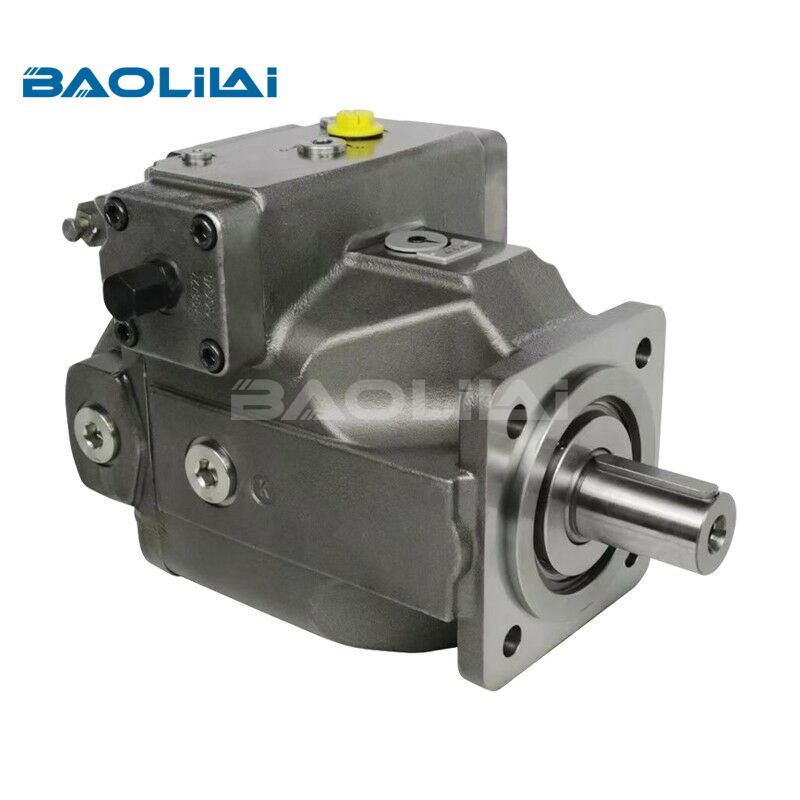
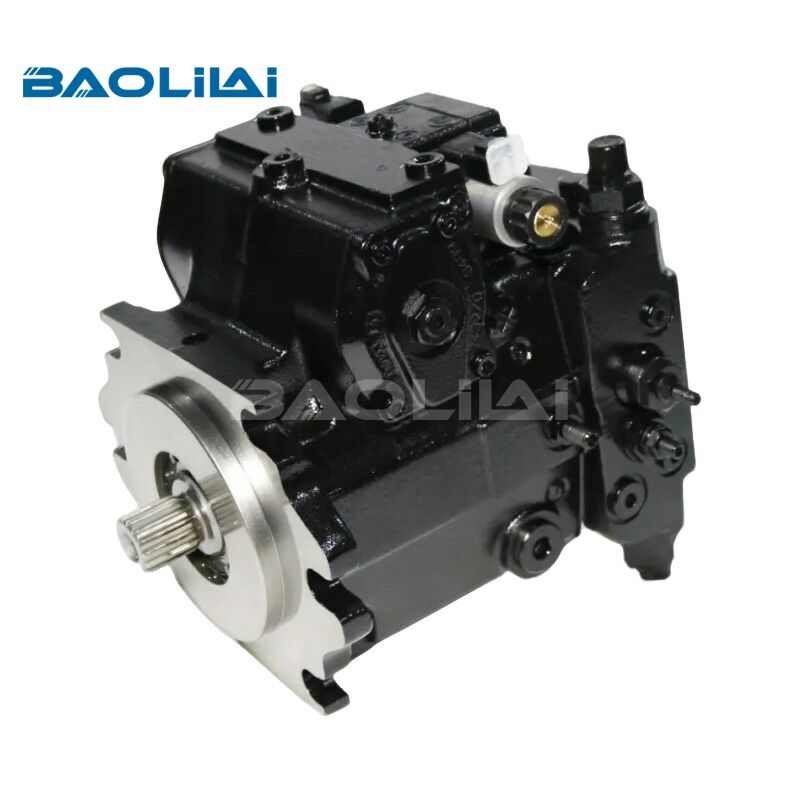
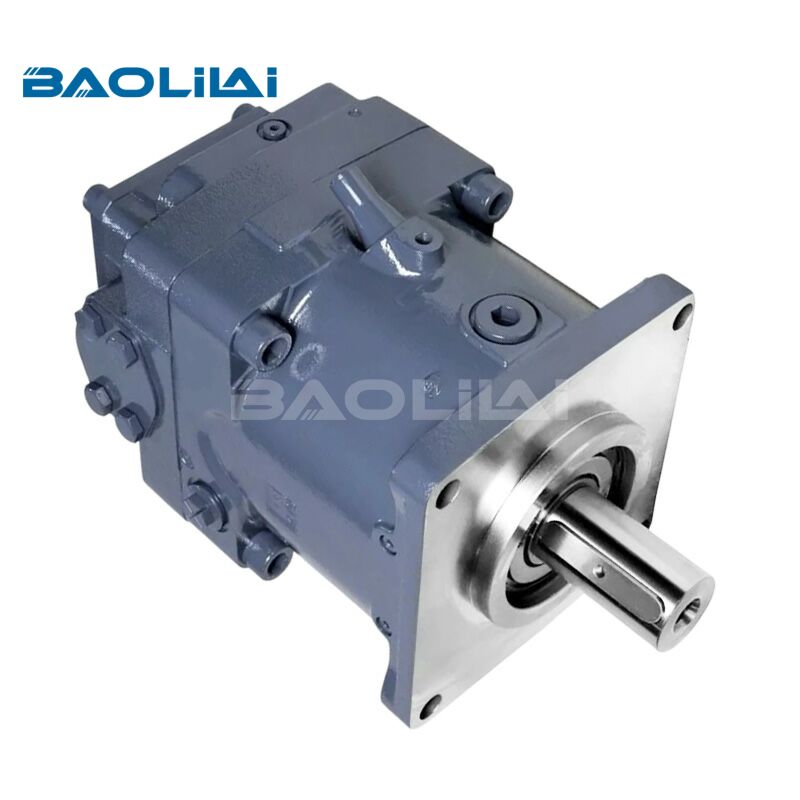
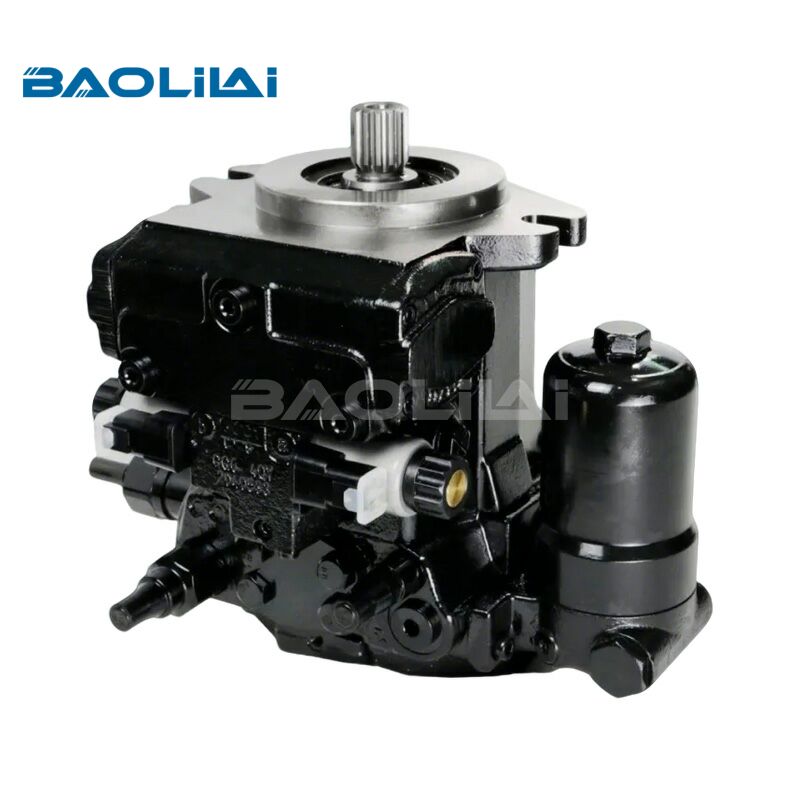
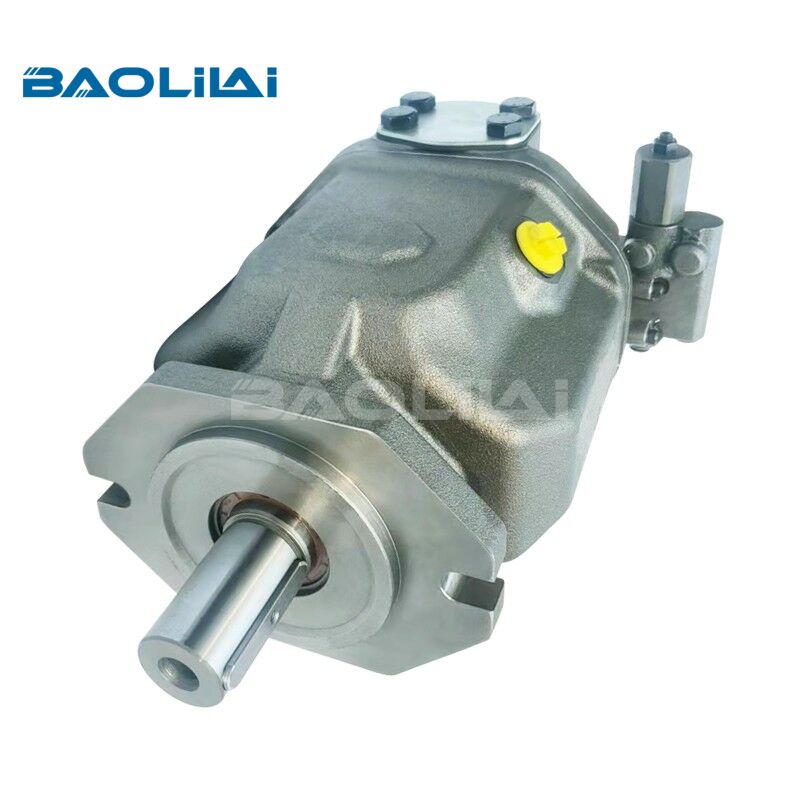
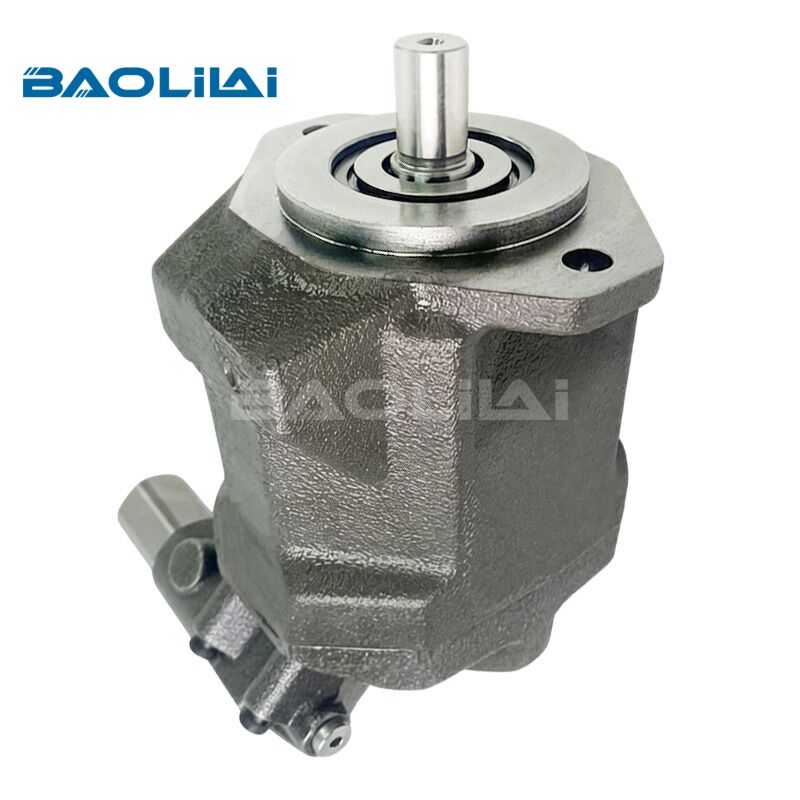
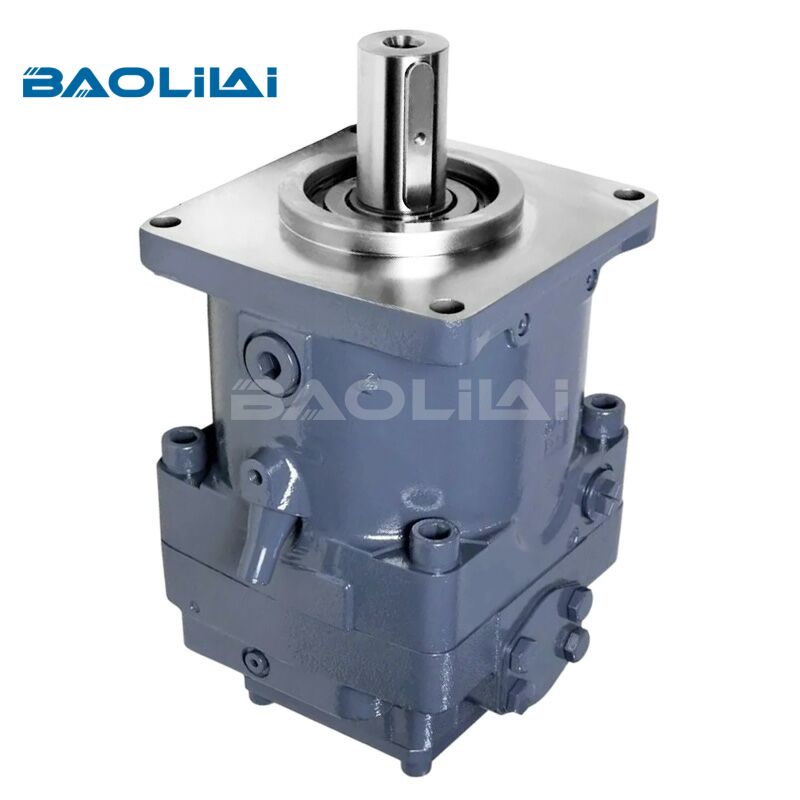
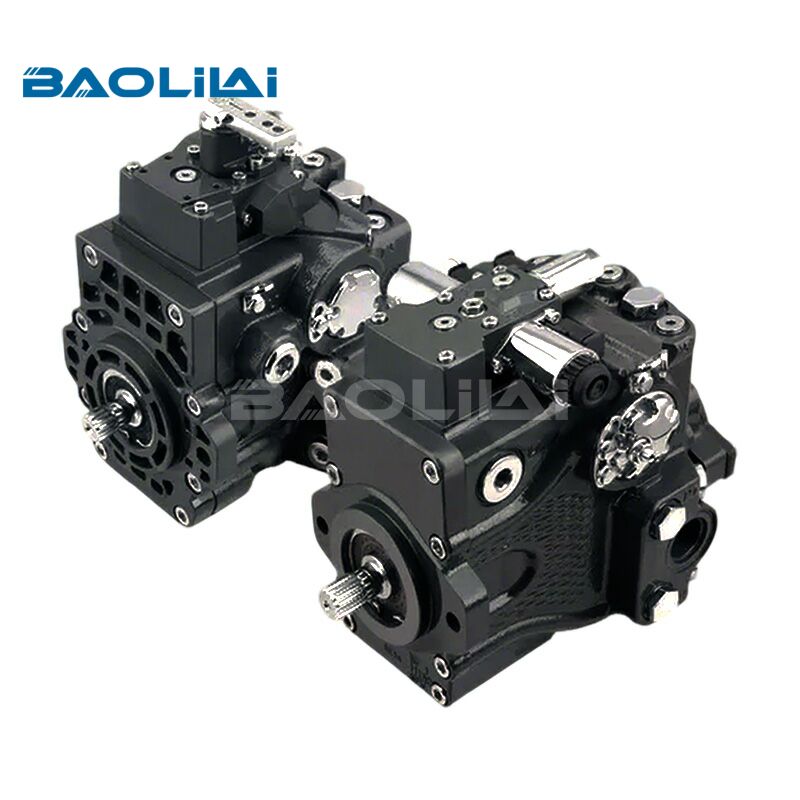
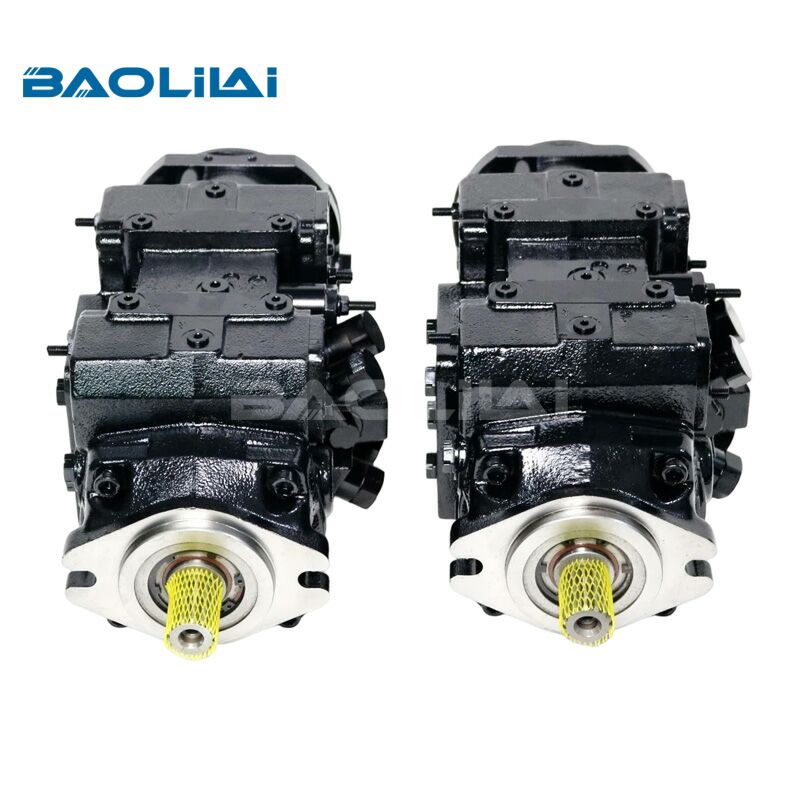
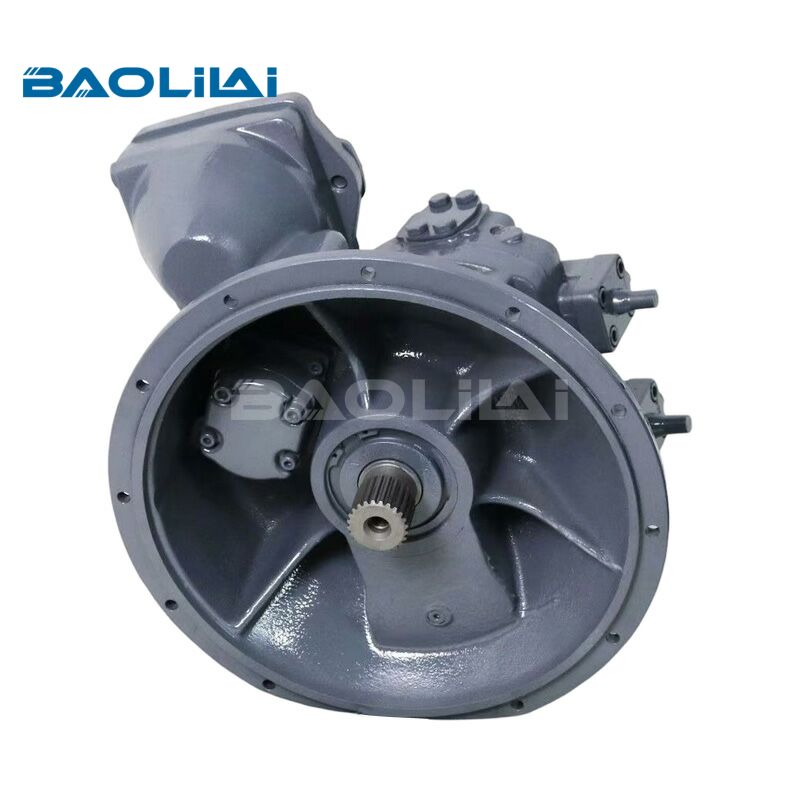
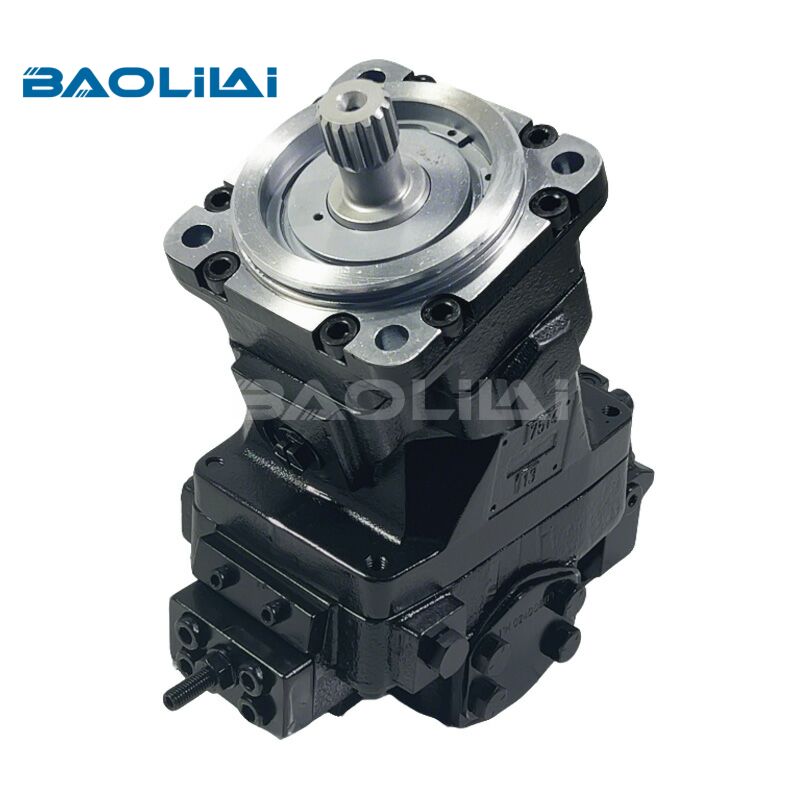
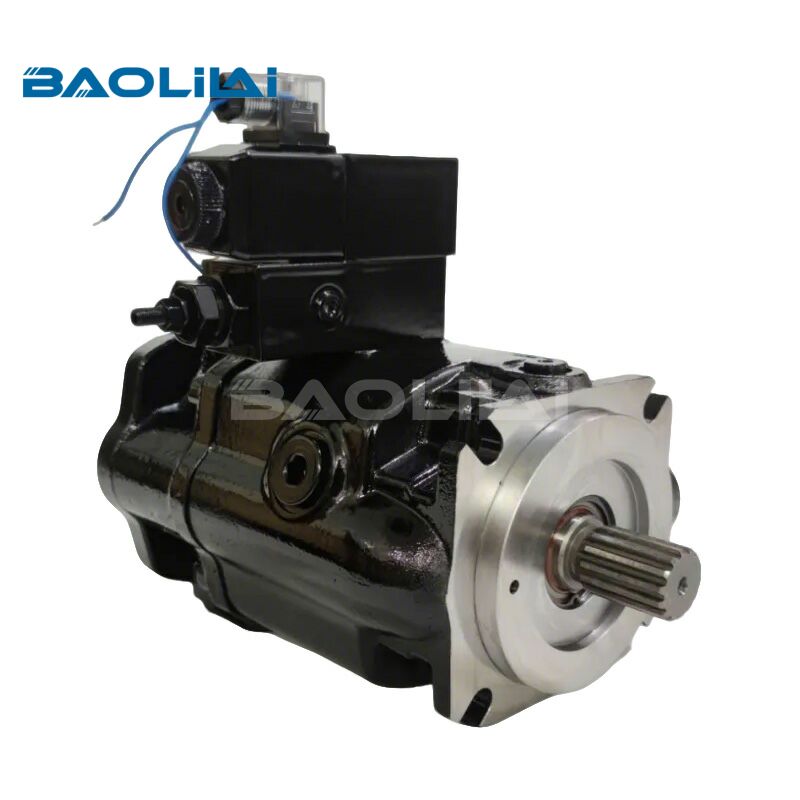
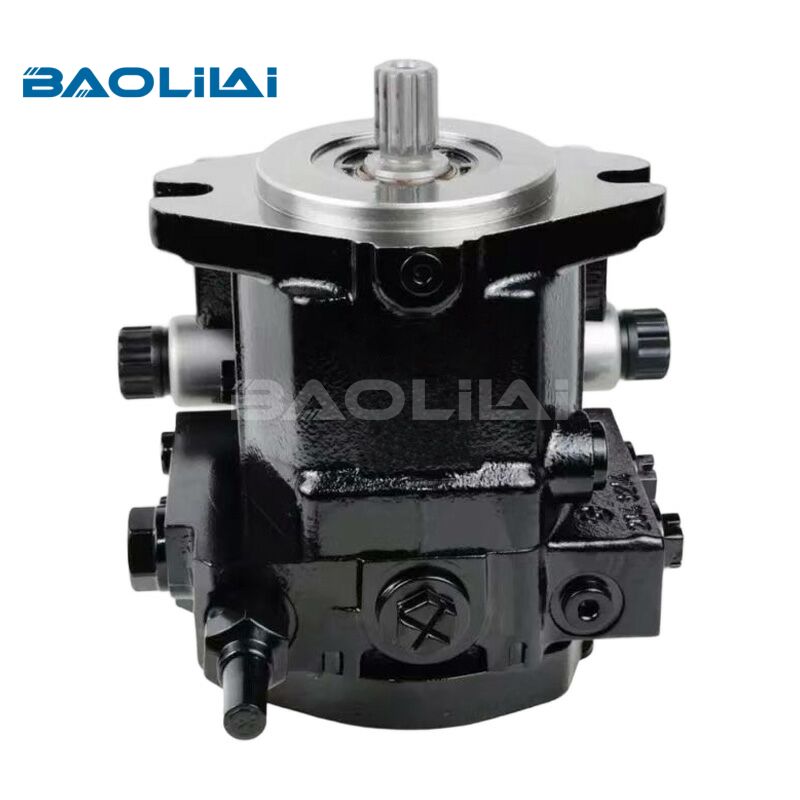
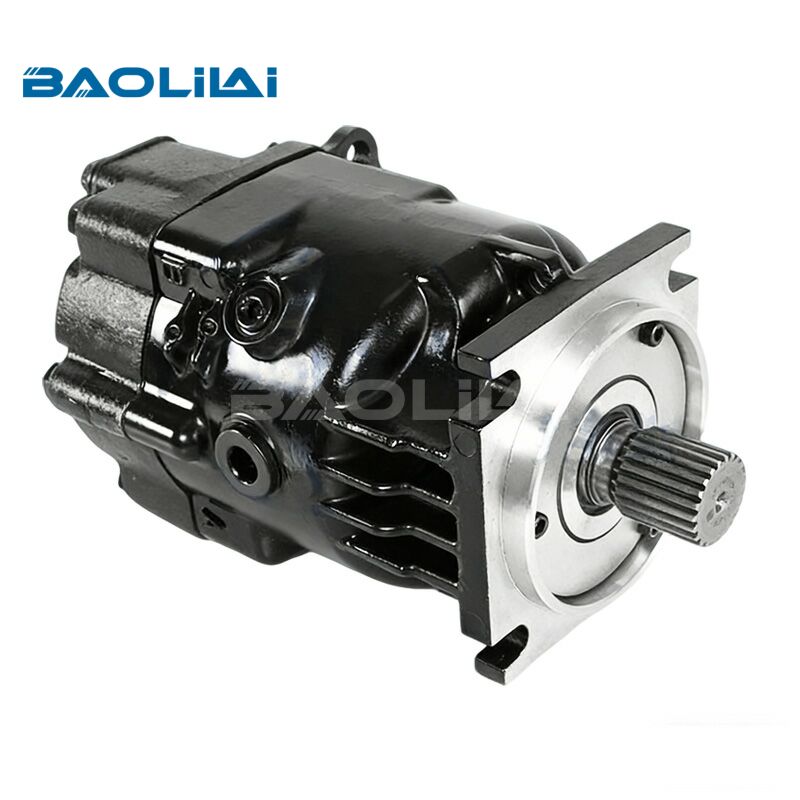
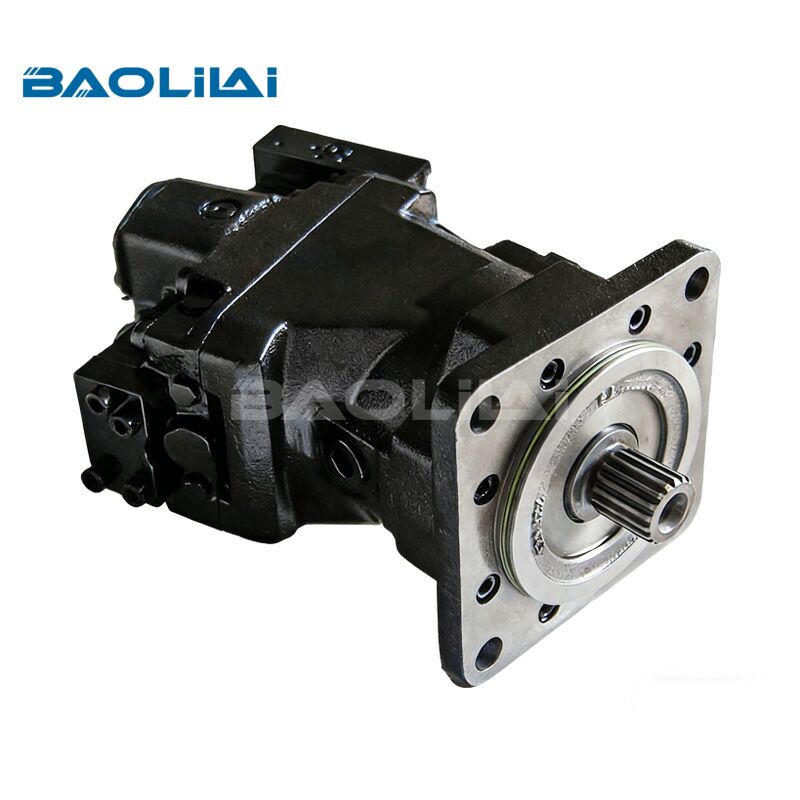
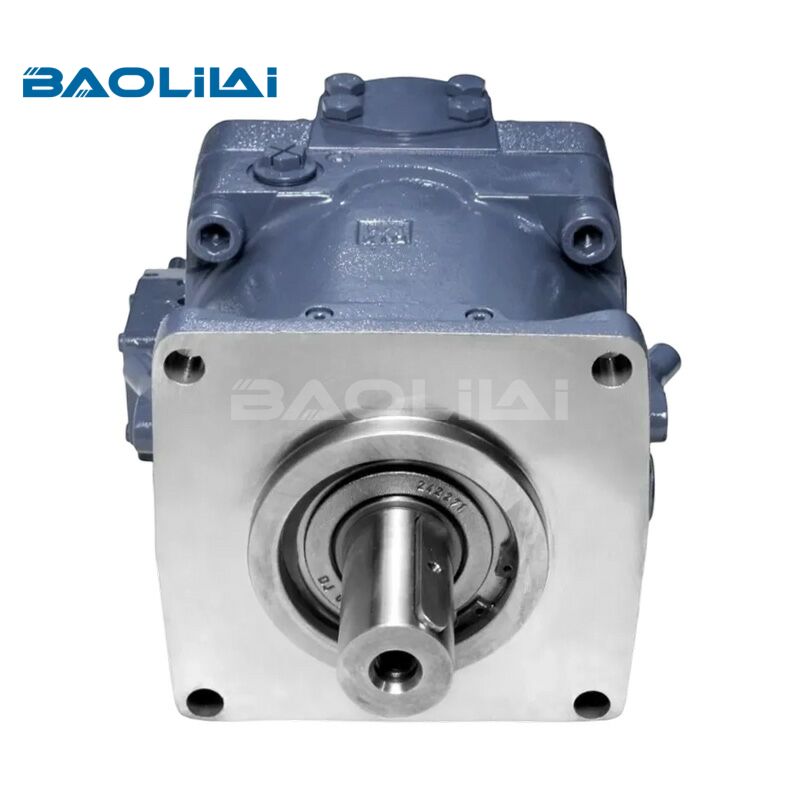
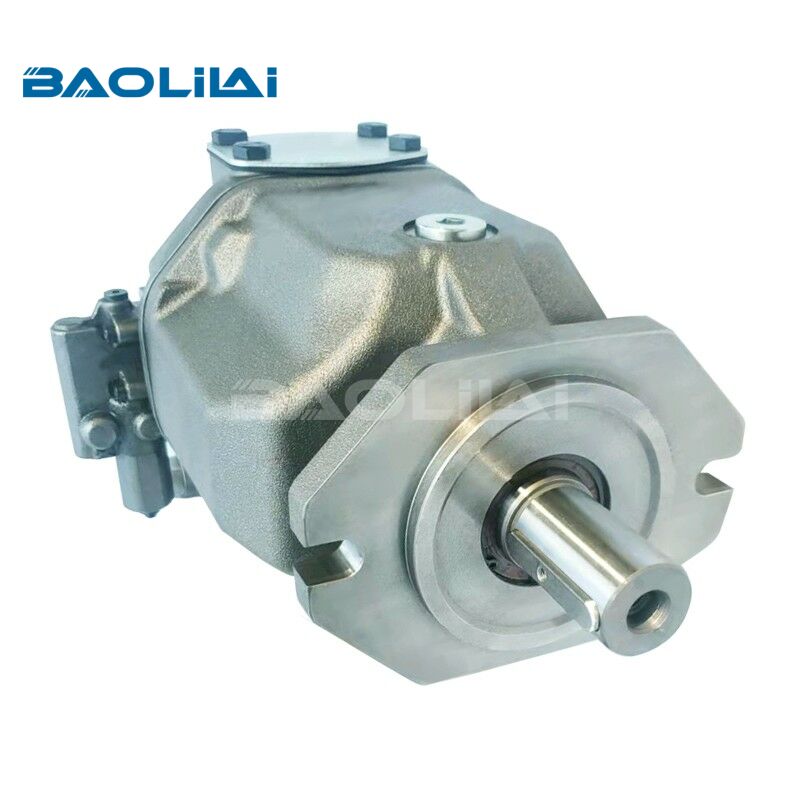
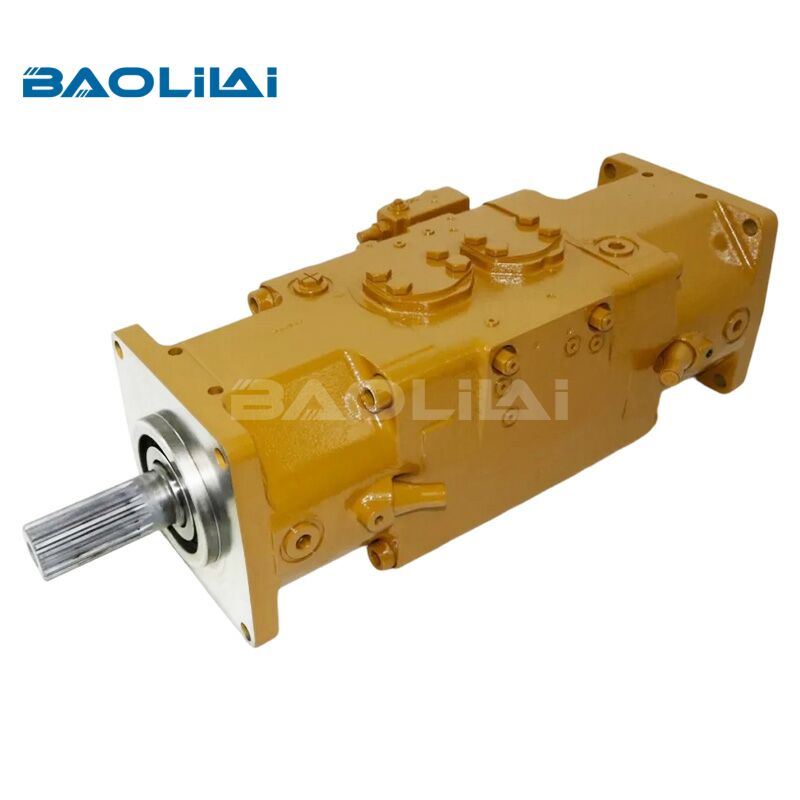
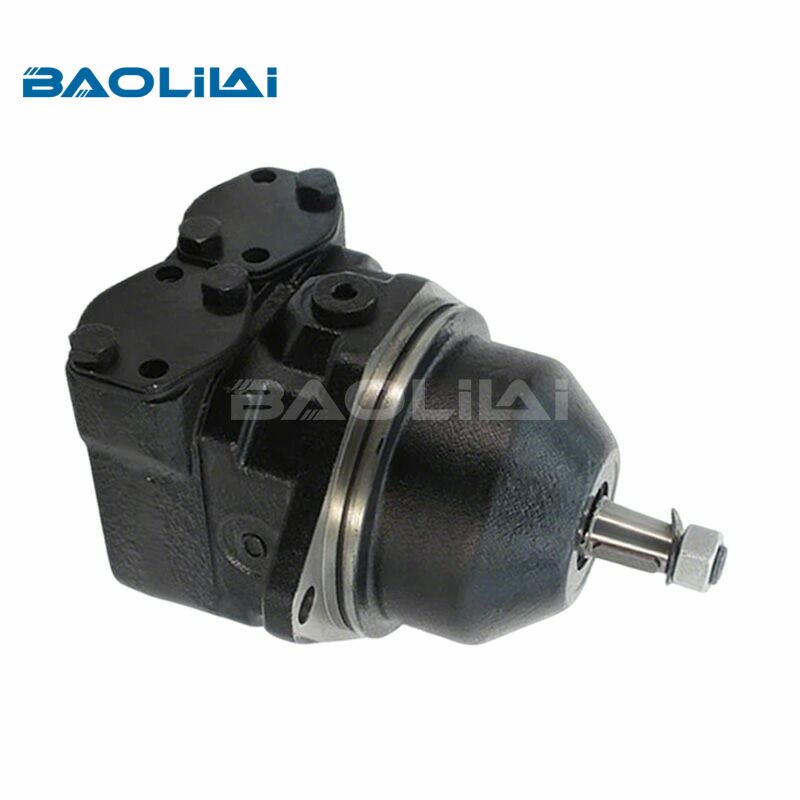
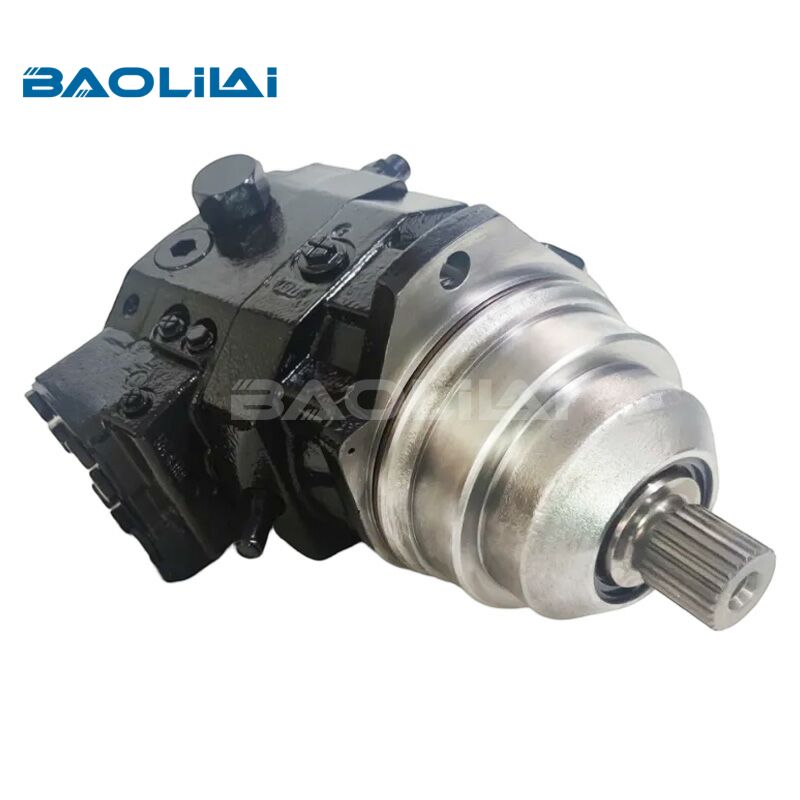
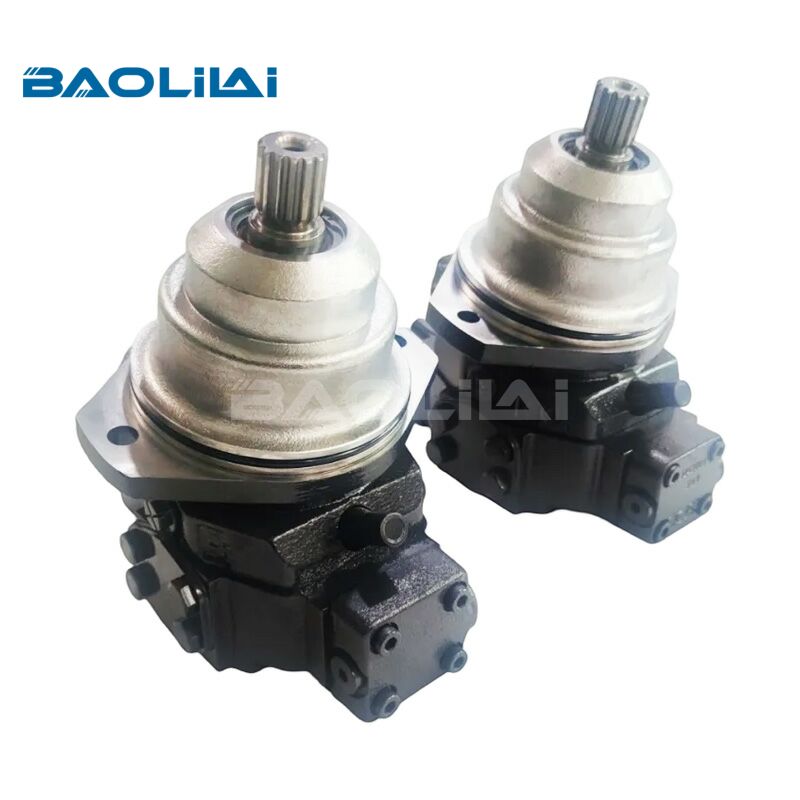
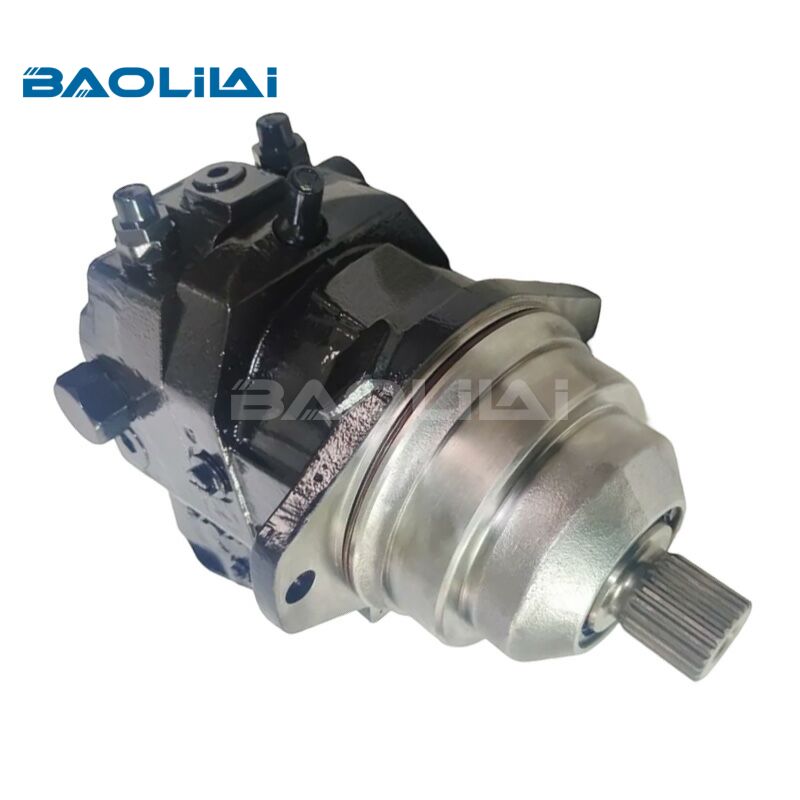
Bosch Rexroth A6VE Cartridge-type hydraulic motor for the John Deere shovel logger F121596 F434223 AN206097 AN206098

- Product Details
- Product Model
- FAQ
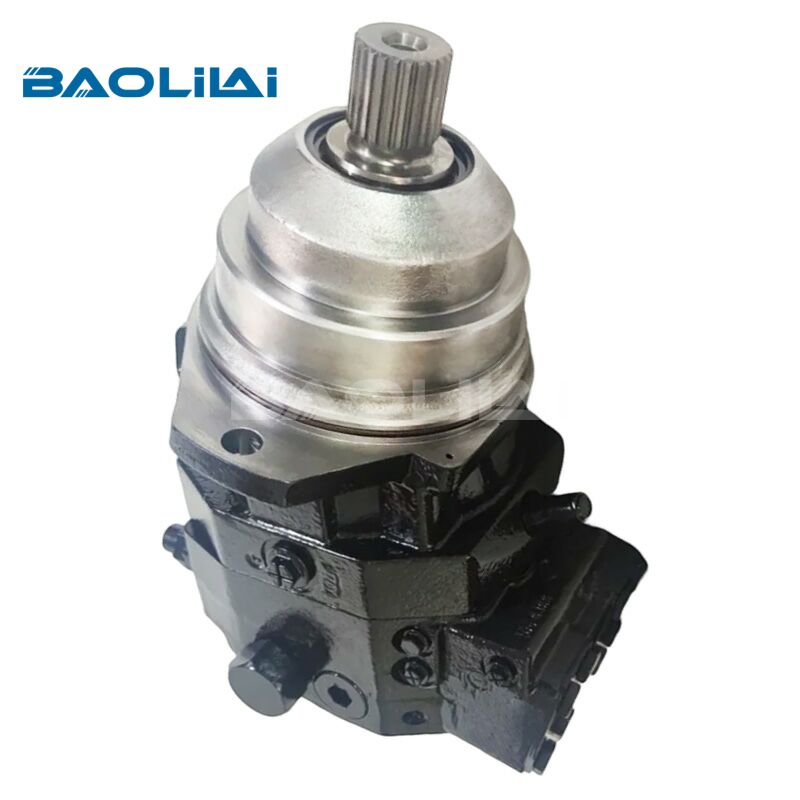
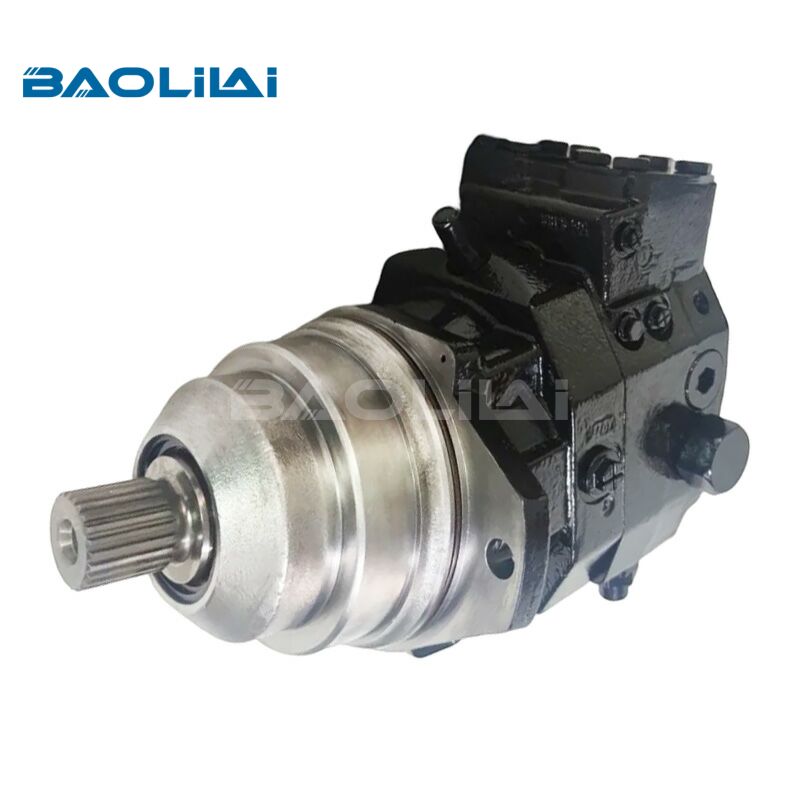
The Bosch Rexroth A6VE is a variable-displacement, bent-axis axial piston motor built specifically for integration into mechanical gearboxes — hence the "cartridge-type" or "plug-in" designation. Unlike a standalone motor that bolts onto the outside of a housing with its own separate mounting flange and shaft coupling, the A6VE slides directly into a recess machined into the gearbox itself. There's no external motor housing taking up space, no extra coupling to align, and no additional seal interface exposed to the elements.
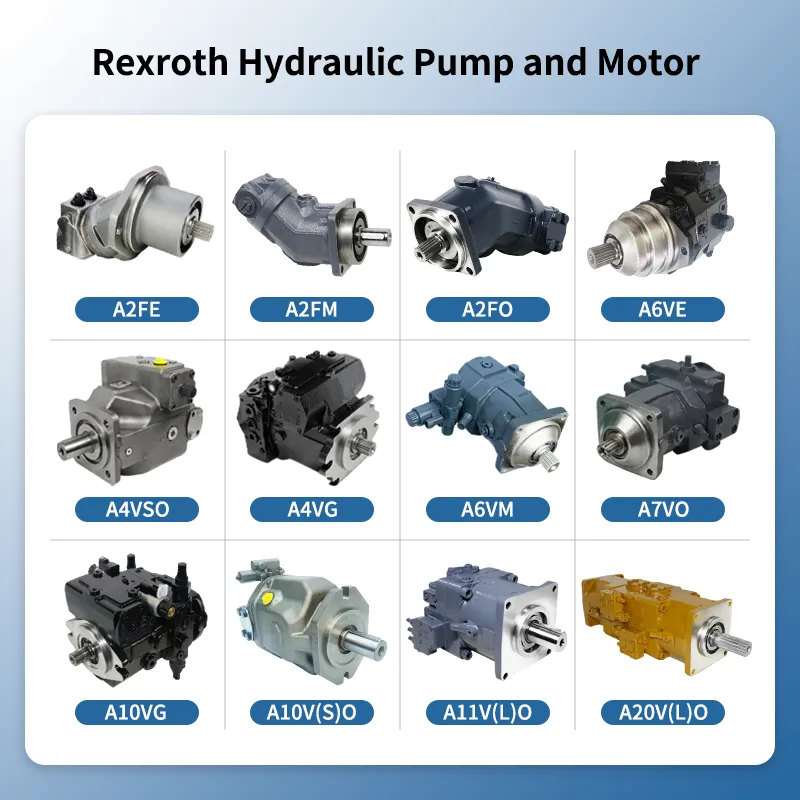
This matters enormously on forestry and construction equipment, where every cubic inch of chassis space is fought over by the engine, cooling package, hydraulic tank, and drivetrain components. Rexroth designed the A6VE family — part of the same architectural lineage as the A6VM standalone motor — around this space-saving philosophy.
Key characteristics of the A6VE cartridge motor include:
Bent-axis (swashplate-cartridge) design for high power density in a compact envelope
Variable displacement, typically controllable down toward zero for a wide speed range
Displacement sizes commonly spanning roughly 60 to 215 cc/rev depending on frame size
Nominal operating pressure around 450 bar, with peak pressure capability up to 500 bar
Suitability for both open and closed hydraulic circuits
Optional integrated or attached counterbalance valves for controlled deceleration under overrunning loads
Slide-in installation that eliminates a separate motor housing and shortens the drivetrain
Why Cartridge-Type Motors Matter for Steep-Slope Forestry Machines
John Deere's Shovel Logger line — the 953ML for swampy, low-ground-pressure terrain and the 959ML purpose-built for steep-slope logging — exists to solve a problem that flat-ground harvesters can't: keeping a multi-ton machine stable, controllable, and productive on grades that would stop a conventional feller buncher cold.
That mission places extreme demands on the hydraulic drivetrain, and it's worth walking through why a cartridge-style motor like the A6VE fits that mission so well.
Compact Packaging Under a Leveling Chassis
The 959ML's standout feature is its leveling undercarriage, which tilts up to 26 degrees forward to keep the operator's cab and boom geometry usable on steep grades. That leveling mechanism eats up chassis real estate that would otherwise go to drivetrain components. A cartridge motor that slides into the gearbox housing — rather than requiring its own mounting flange and enclosure — frees up space for the leveling cylinders, sensors, and structural reinforcement the machine needs to stay stable.
Shorter Load Path, Fewer Failure Points
Every coupling, seal face, and mounting joint in a drivetrain is a potential leak path or fatigue point. By integrating directly into the travel or swing gearbox, the A6VE removes an entire external interface. On a machine that's constantly working at odd angles on uneven ground — with the whole undercarriage tilting and torquing — fewer external joints means fewer things that can work loose or weep hydraulic fluid over a multi-thousand-hour service life.
High Torque Density for Track Propulsion and Swing
Shovel loggers spend their working life doing two things: swinging a loaded boom and repositioning tracks on grade, often simultaneously. Both tasks demand high starting torque and the ability to hold position under load without creeping. The A6VE's bent-axis piston design is inherently suited to this — bent-axis motors generally deliver higher torque density and higher speed capability than swashplate motors of comparable size, which is exactly the trade-off a steep-slope machine needs.
Closed-Circuit Compatibility for Hydrostatic Travel Drives
Track-driven forestry machines like the 953ML and 959ML typically run hydrostatic travel circuits — a variable pump feeding a variable motor in a closed loop, rather than routing flow through a directional valve bank. The A6VE is built for exactly this arrangement, and its variable displacement allows the travel drive to shift between high-torque/low-speed (climbing a slope, working through slash) and higher-speed/lower-torque (repositioning on flatter ground) without changing gears.
Selecting the Right A6VE for a Shovel Logger Application
If you're specifying a replacement or comparing OEM versus aftermarket options, a few parameters deserve close attention:
1. Frame size and displacement (cc/rev) — must match the gearbox cavity and the torque/speed targets of the specific drive (swing vs. travel duty differs).
2. Control type — hydraulic, electro-hydraulic, or electric proportional displacement control, depending on how the machine's control system commands the motor.
3. Counterbalance/brake valve configuration — critical for swing motors holding a loaded boom and for travel motors on grade, where uncontrolled overrun on a downhill slope is a real safety hazard.
4. Shaft and spline interface — must match the gearbox's internal coupling exactly; this is not a "close enough" fit.
5. Pressure rating margin — confirm nominal and peak pressure match the system relief settings, especially on machines running higher-pressure circuits for steep-slope torque demands.
6. Seal and filtration compatibility — forestry environments mean dirt, sap, and moisture; seal material and case drain filtration should be matched to that duty, not just to a catalog default.
For more brands and equipment models, please visit https://www.baolilaihydraulic.com/brand/
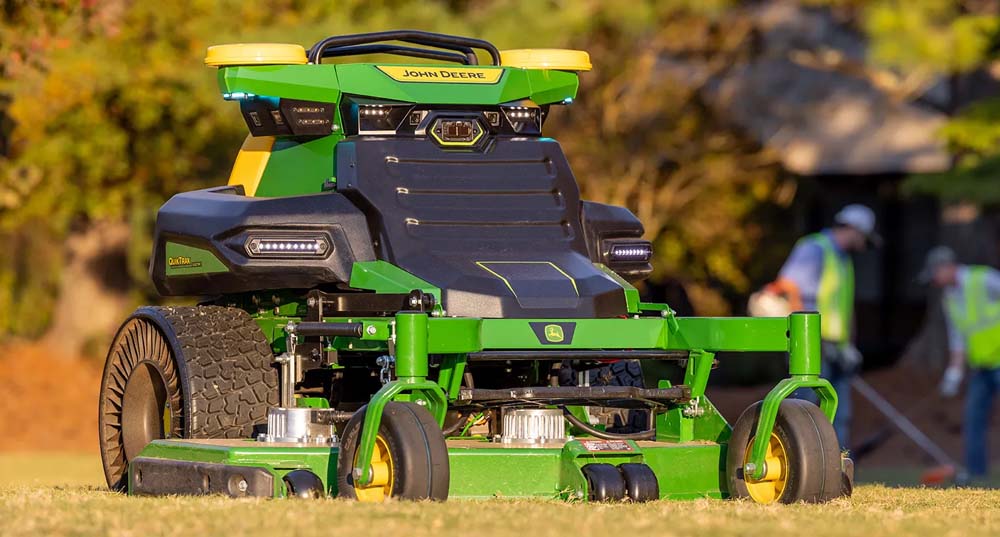
| Application equipment brands | Application equipment No. |
| John Deere | AN206098 |
| John Deere | F121596 |
| John Deere | F121596 shovel logger 909J |
| John Deere | AN206097 |
| John Deere | F434223 |
Q1: What's the difference between the A6VE and the A6VM?
A1: Both are variable-displacement, bent-axis piston motors from the same Rexroth product family. The A6VM is a standalone motor with its own external housing and mounting flange, while the A6VE is the cartridge (plug-in) version designed to slide directly into a mechanical gearbox. Functionally similar internals, different packaging philosophy.
Q2: Why not just use a standard external motor instead of a cartridge type?
A2: Space and reliability. On a shovel logger's final drive or swing gearbox, packaging a motor externally would require a larger housing, an added coupling, and another sealed interface exposed to mud, debris, and impact — all things a steep-slope forestry machine encounters constantly. The cartridge design trades a bit of installation complexity for a more compact, more protected drivetrain.
Q3: What is the price and delivery time of the A6VE hydraulic motor for the John Deere shovel logger?
A3: The specific price and delivery time will depend on the equipment model or specific product model you provide.
Q4: How to purchase an A6VE hydraulic motor for the John Deere shovel logger?
A4: You can visit https://www.baolilaihydraulic.com/contact/ to contact us and purchase our products through various methods.