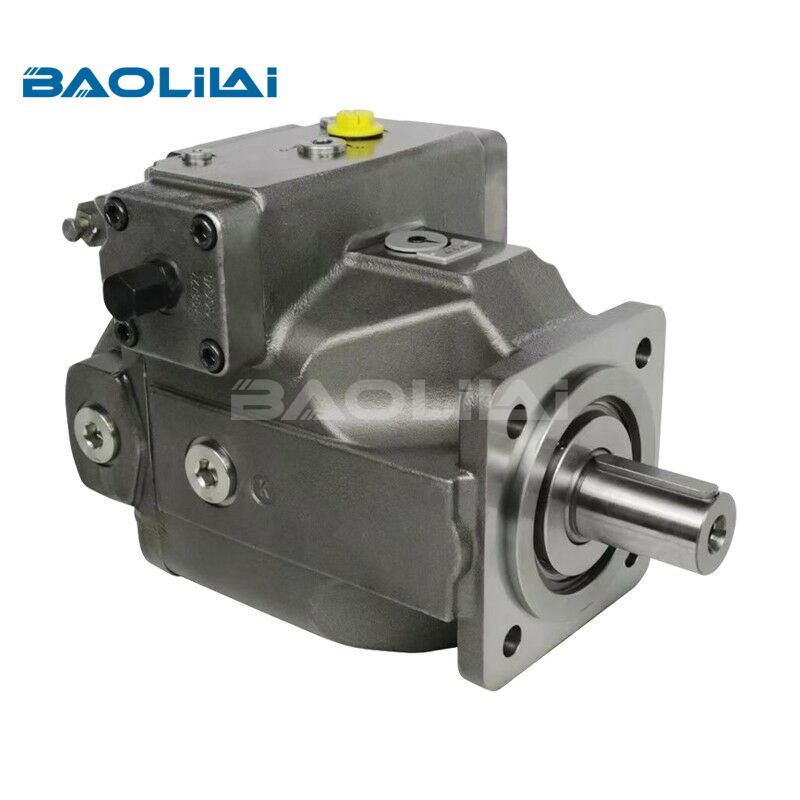
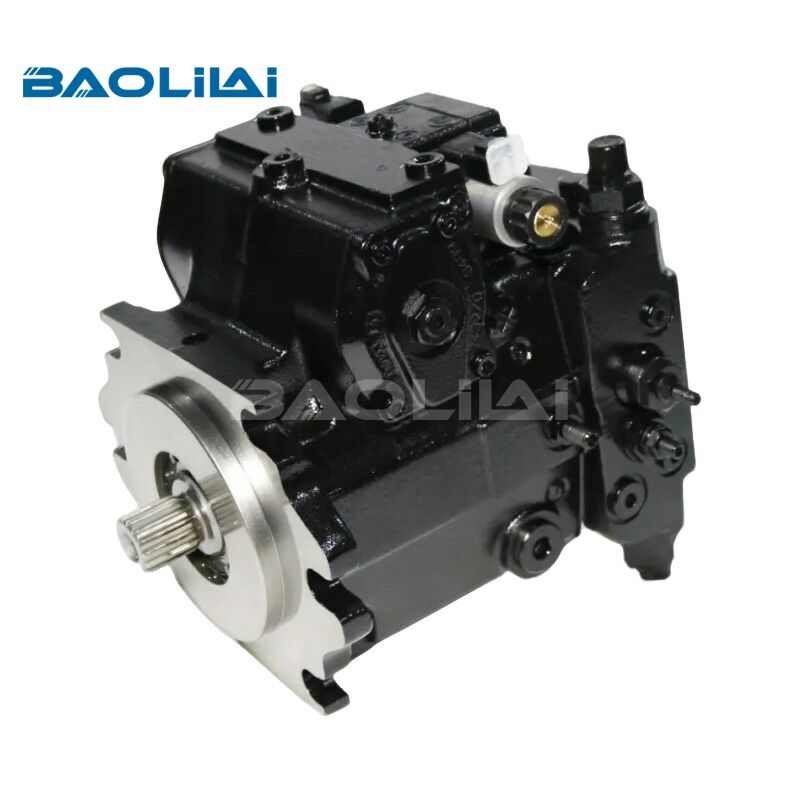
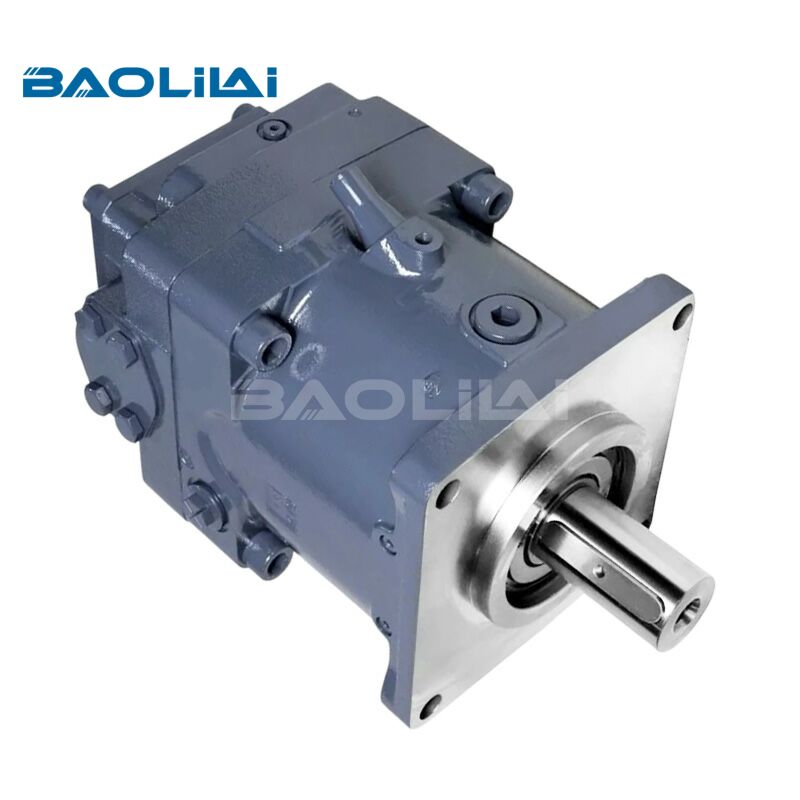
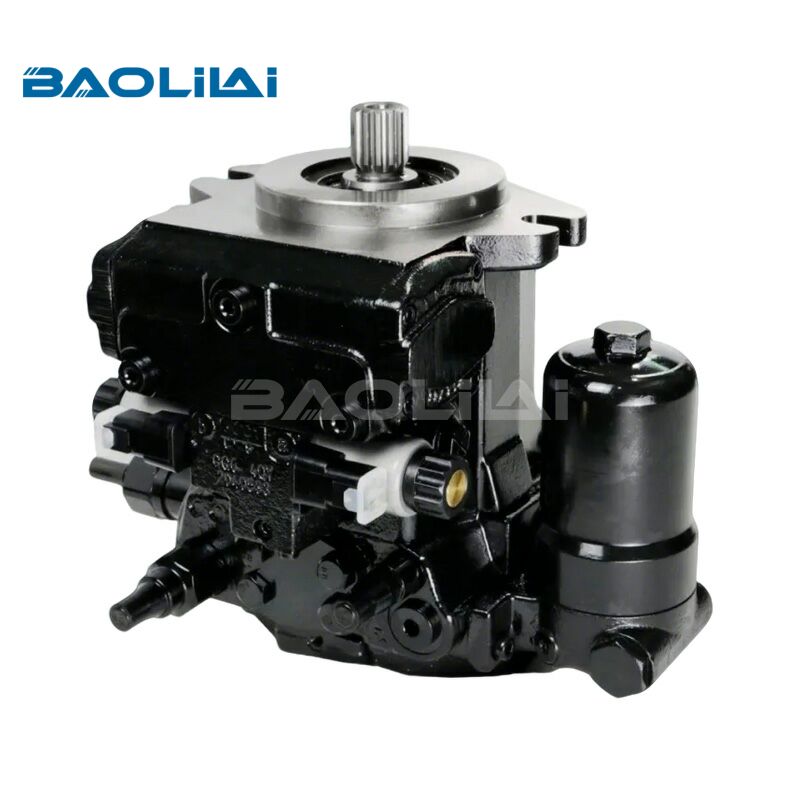
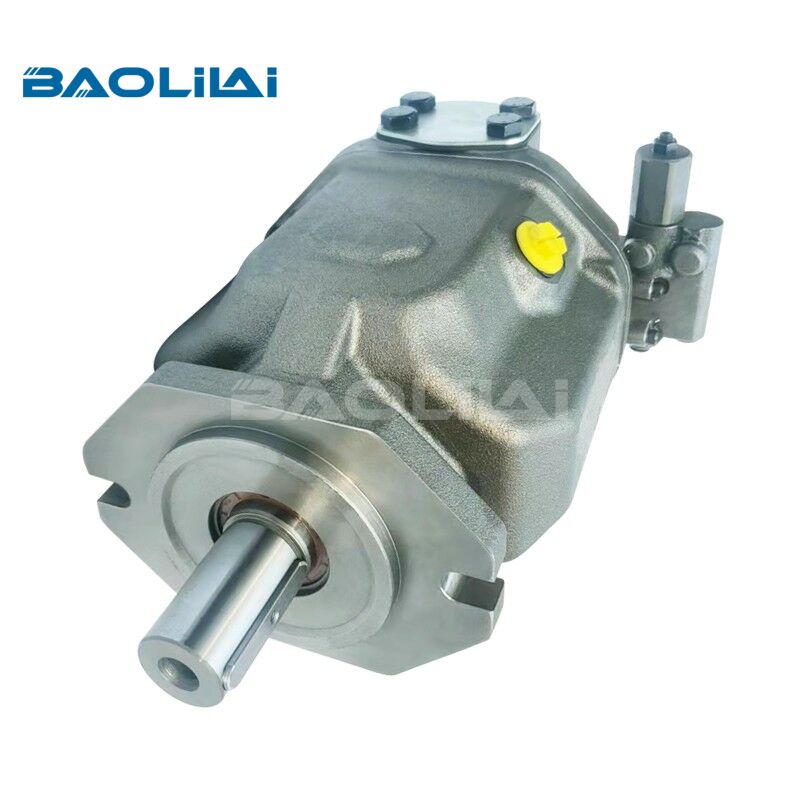
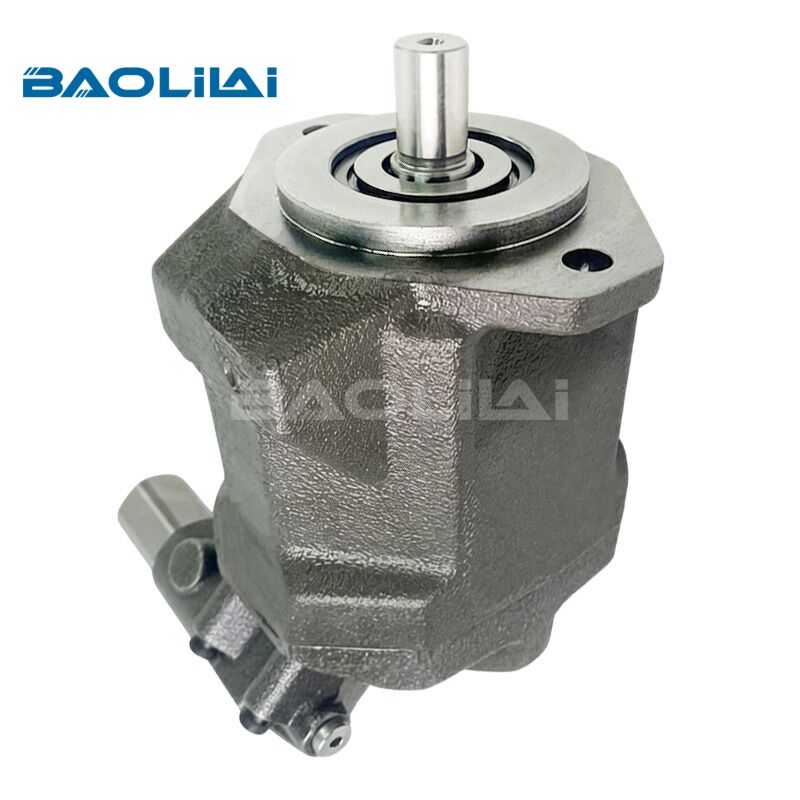
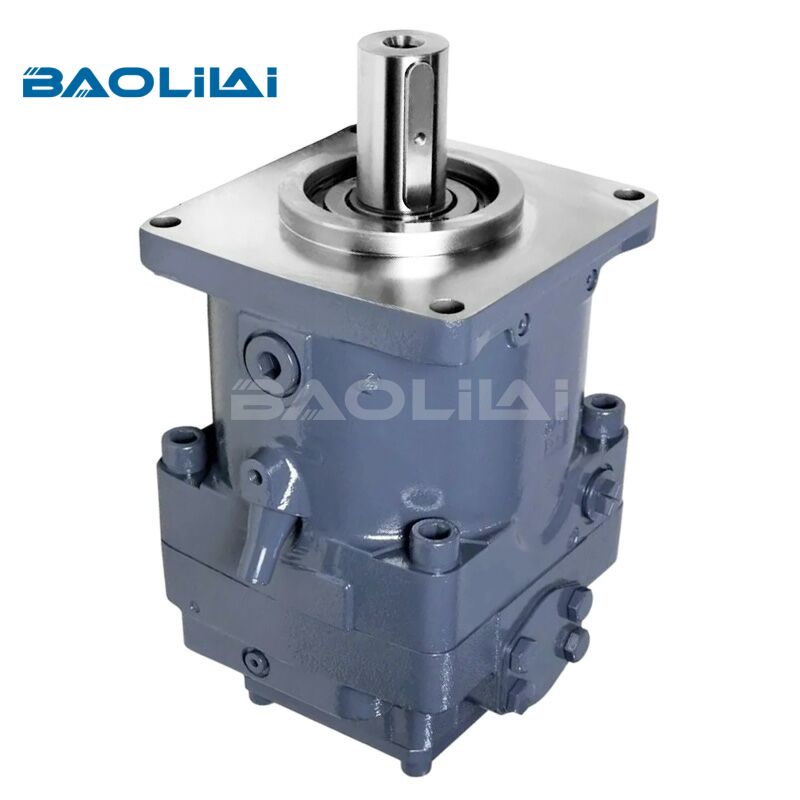
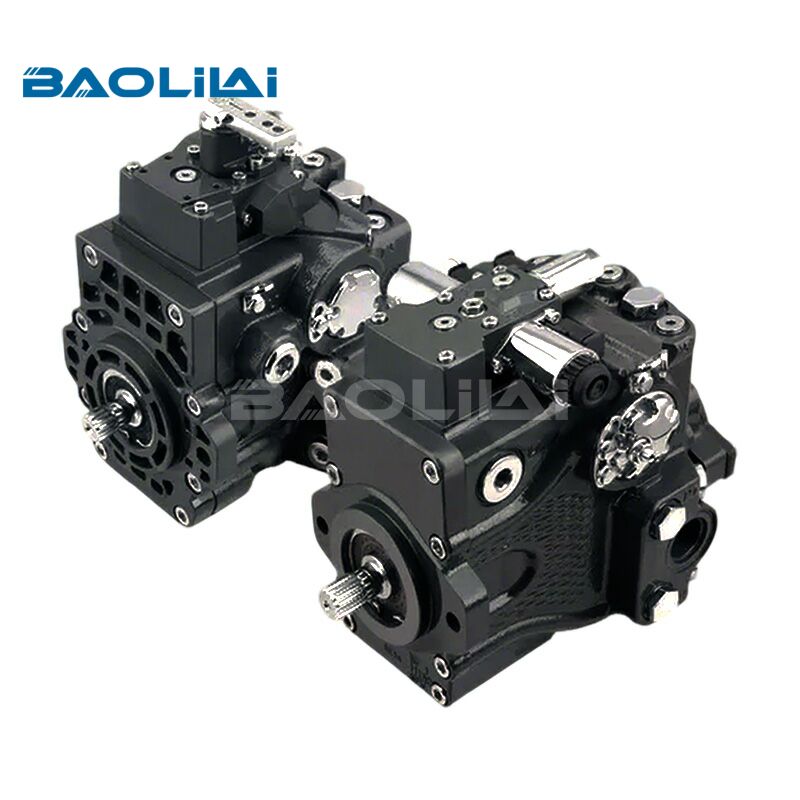
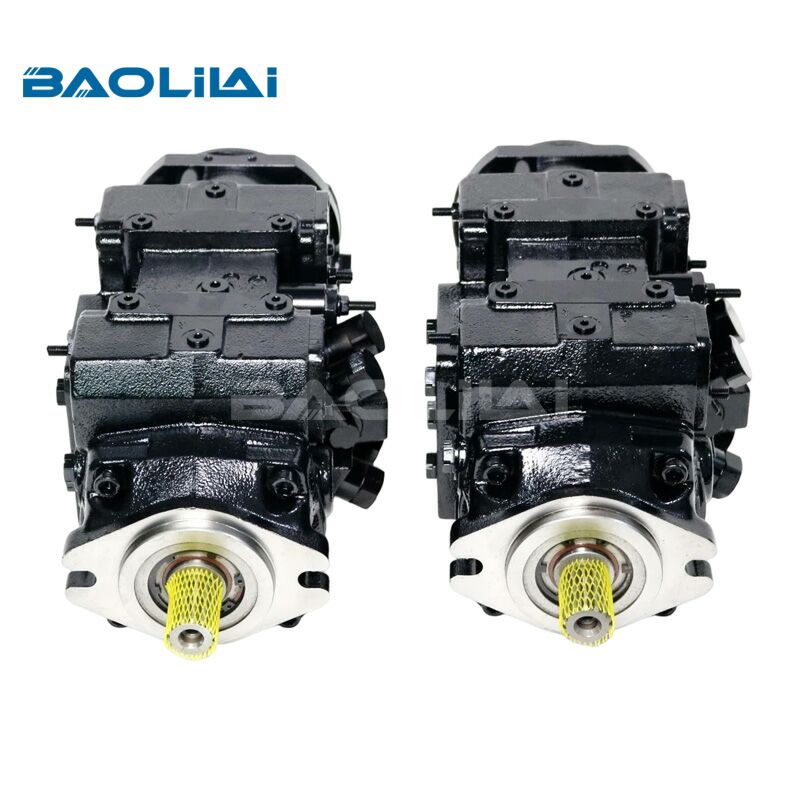
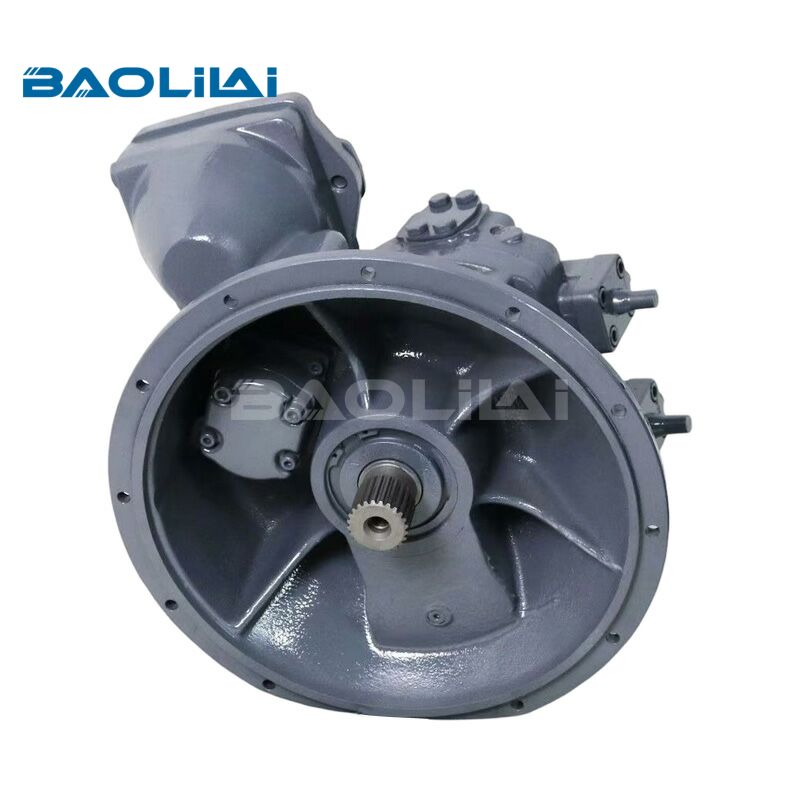
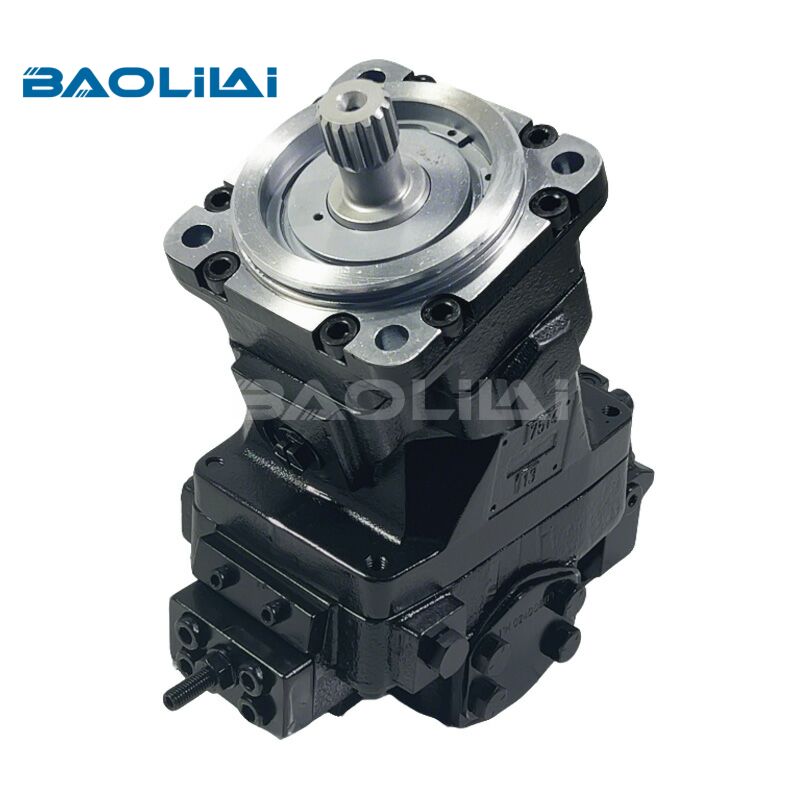
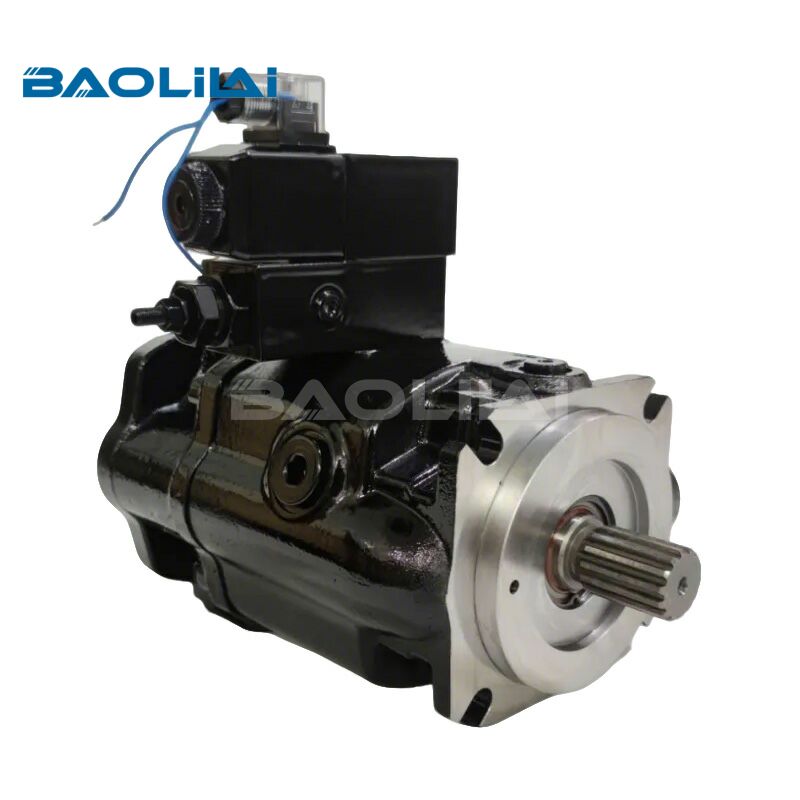
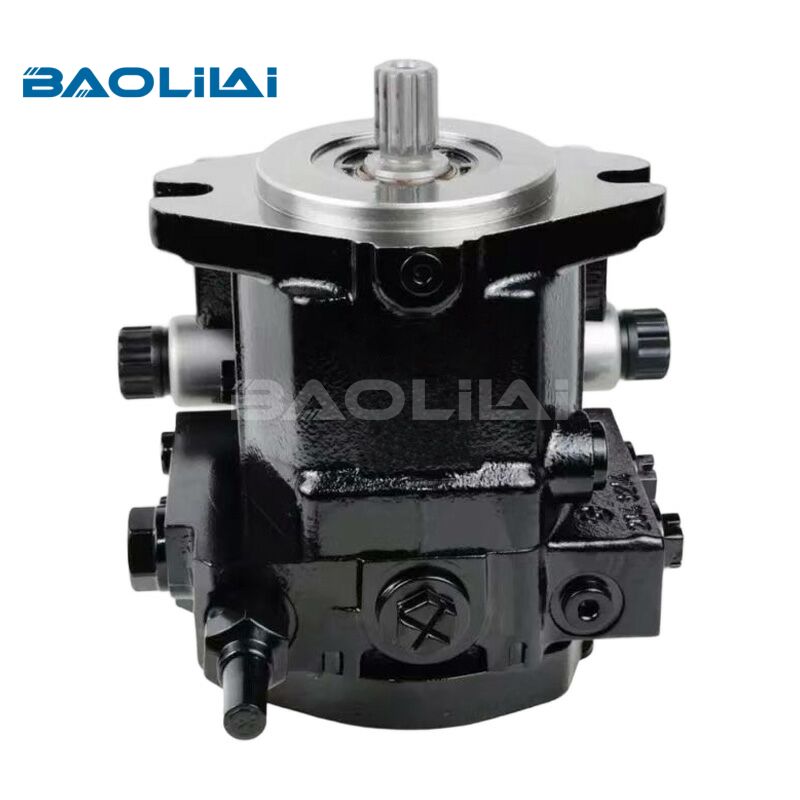
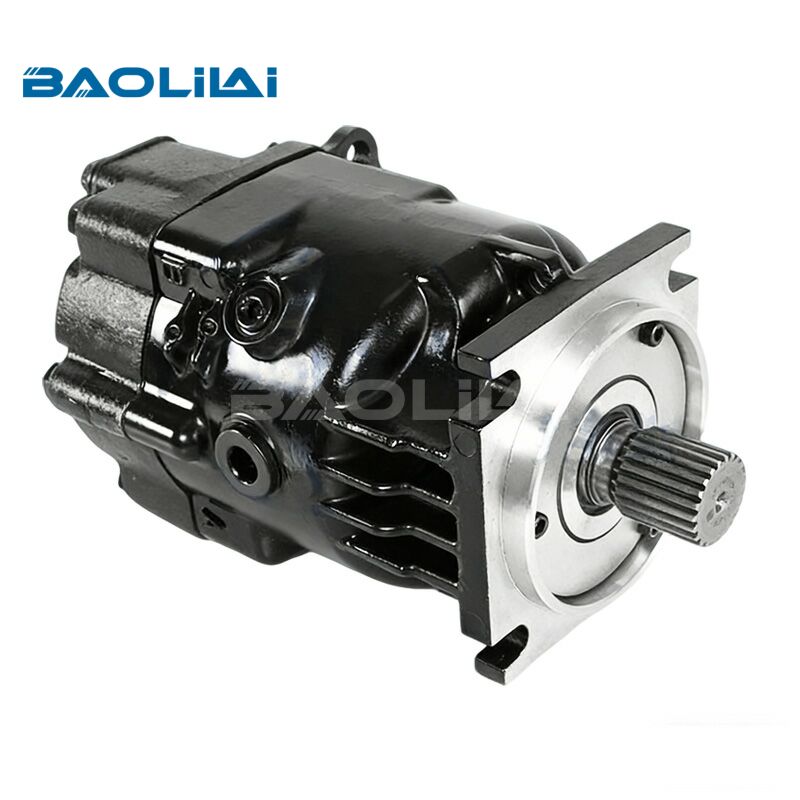
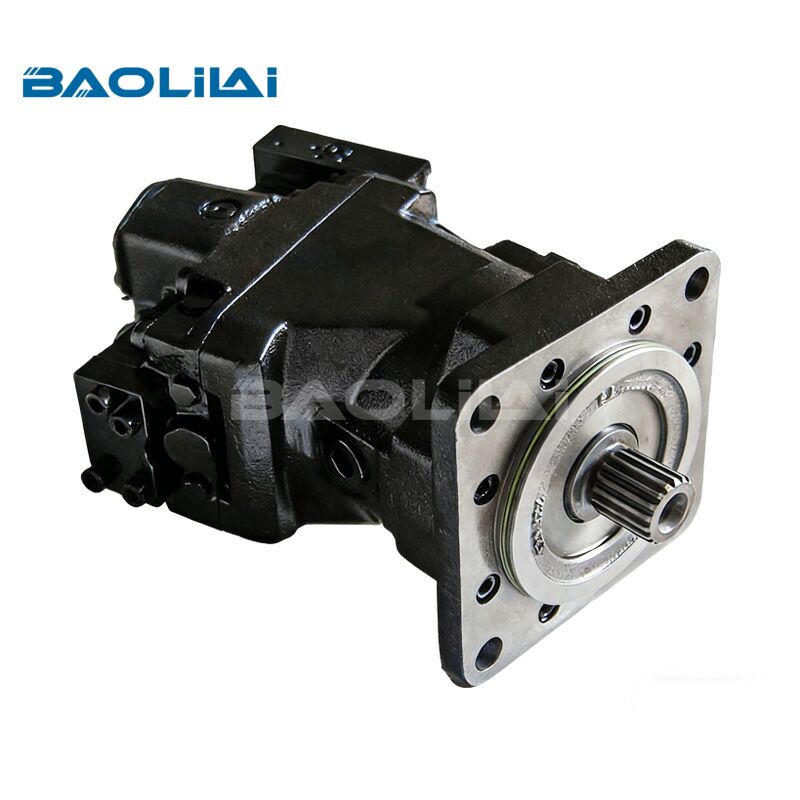
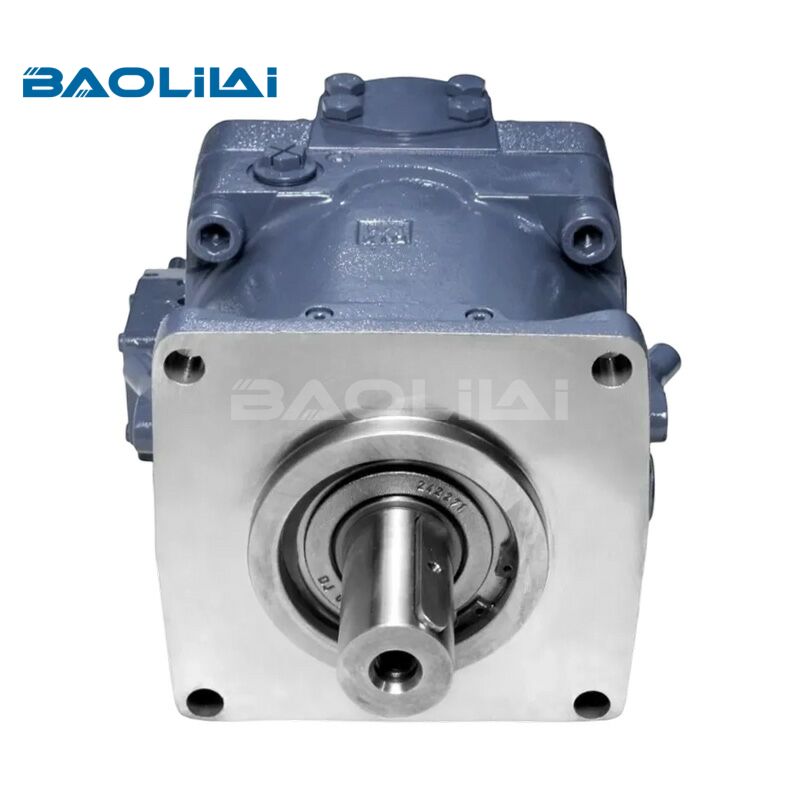
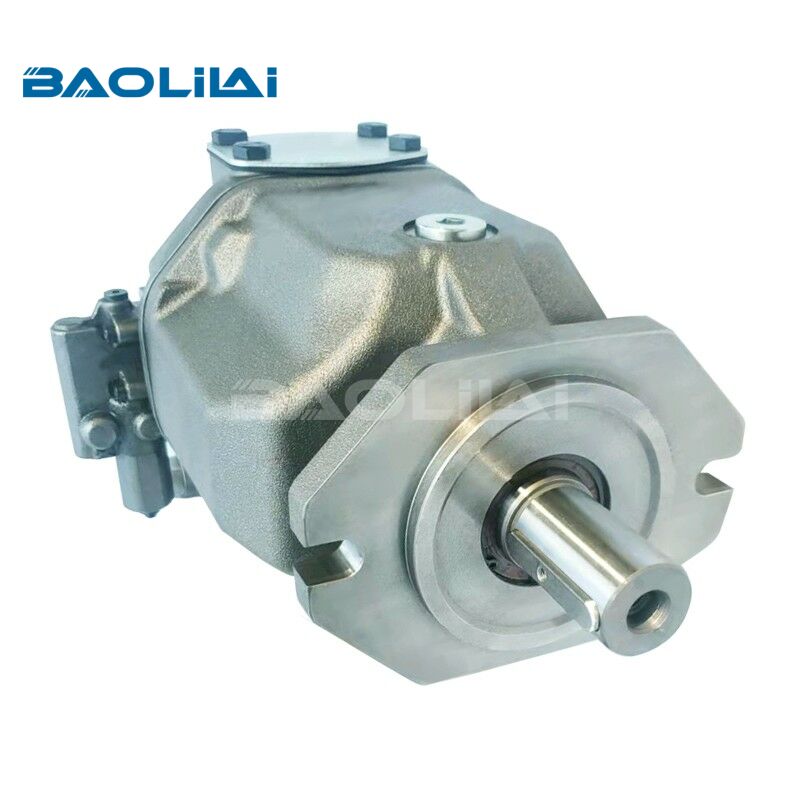
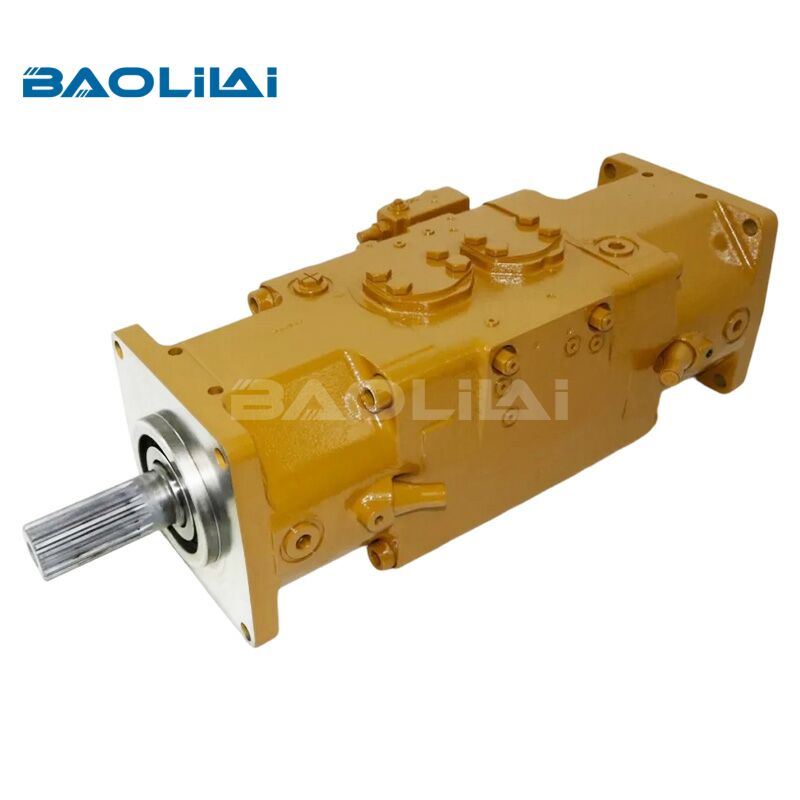
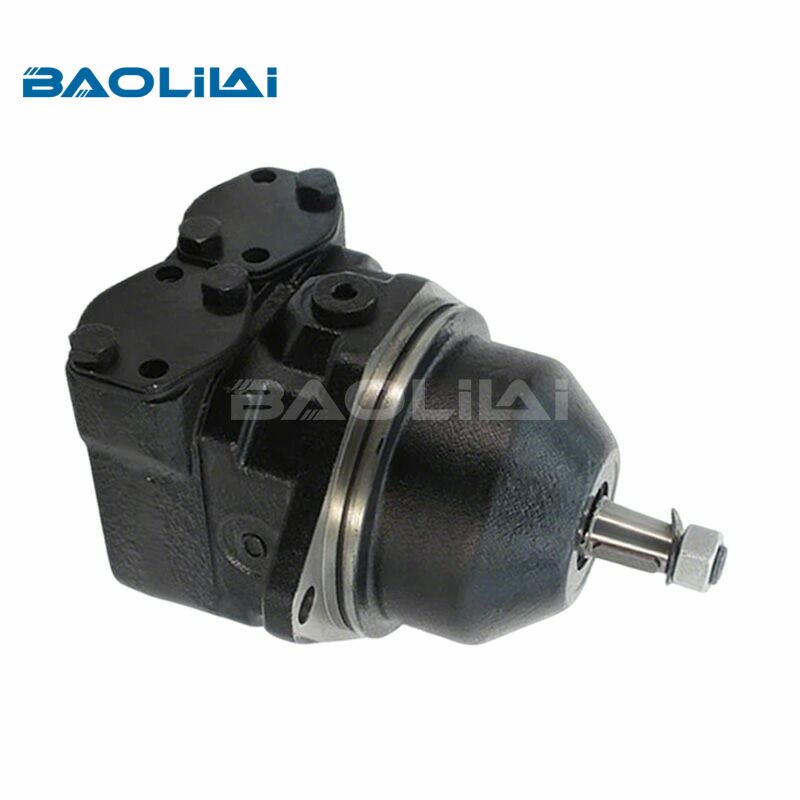
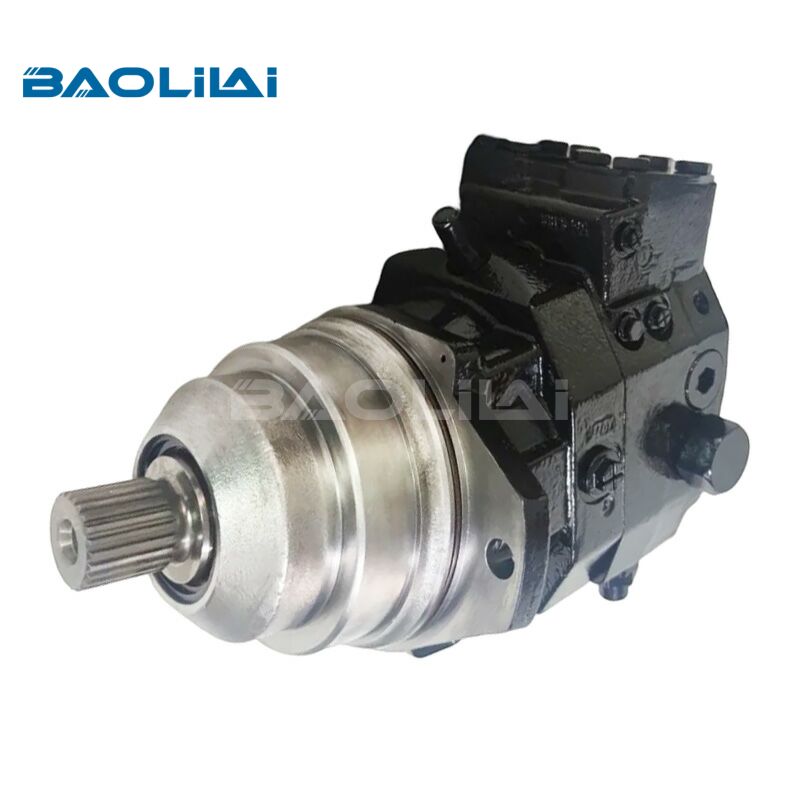
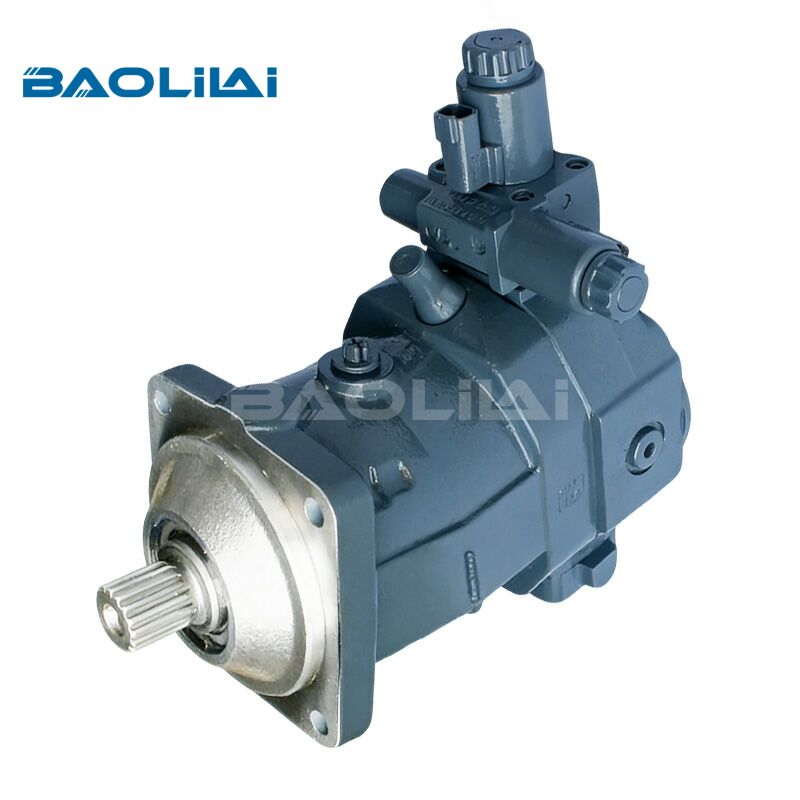
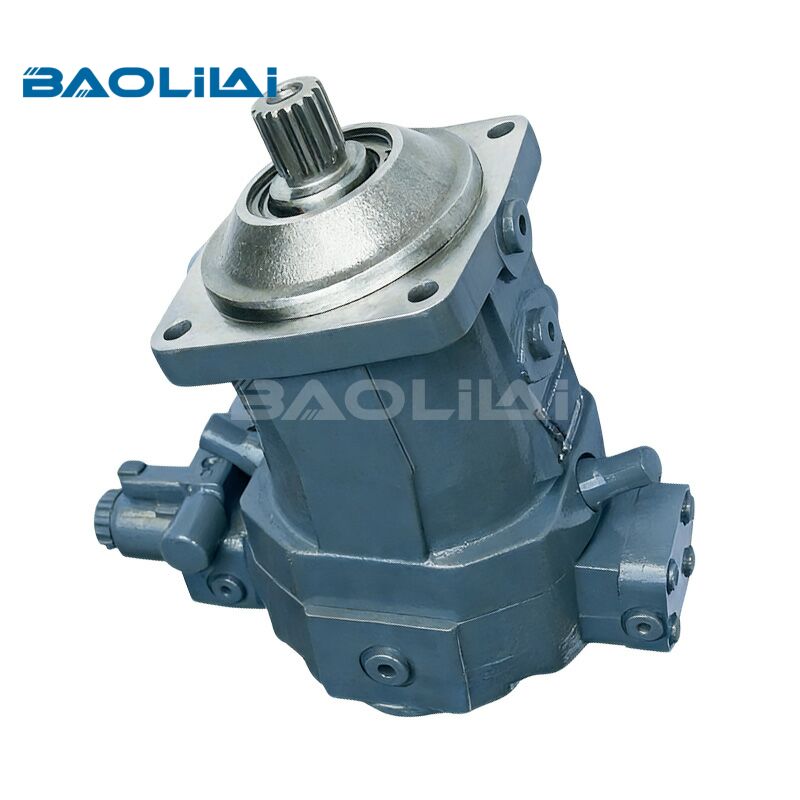
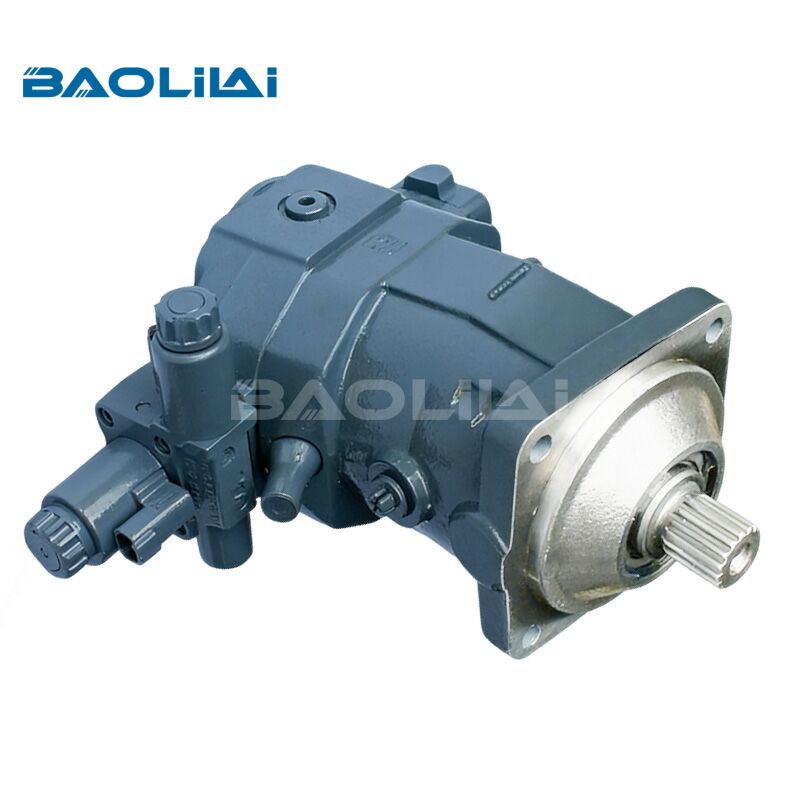
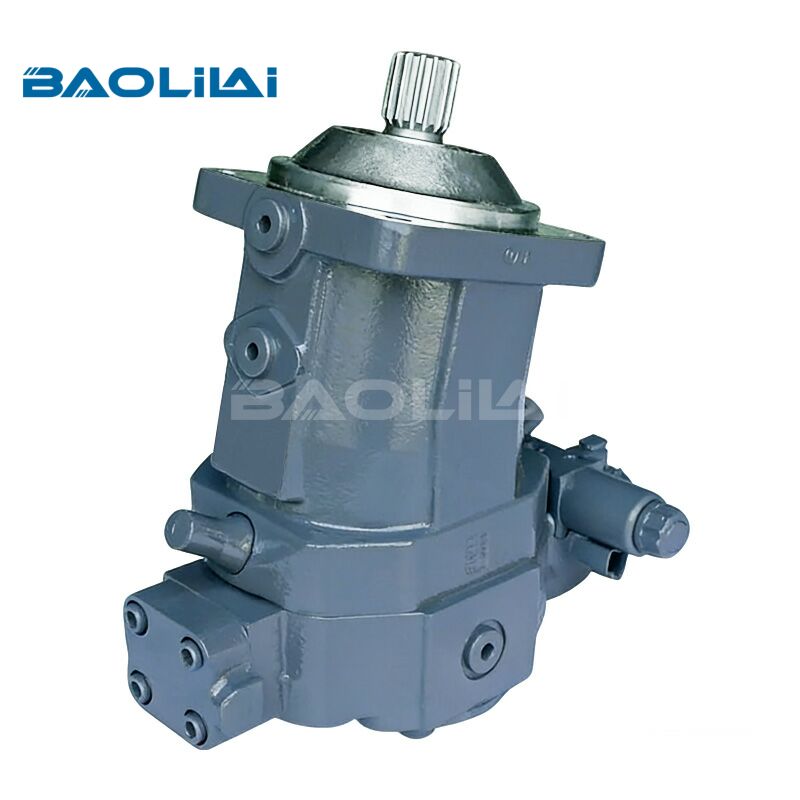
Bosch Rexroth A6VM bent axis hydraulic motor for the Kassbohrer Engineering equipment 8047118 104266 8.047.096.000.0 8.047.117.000.0/121
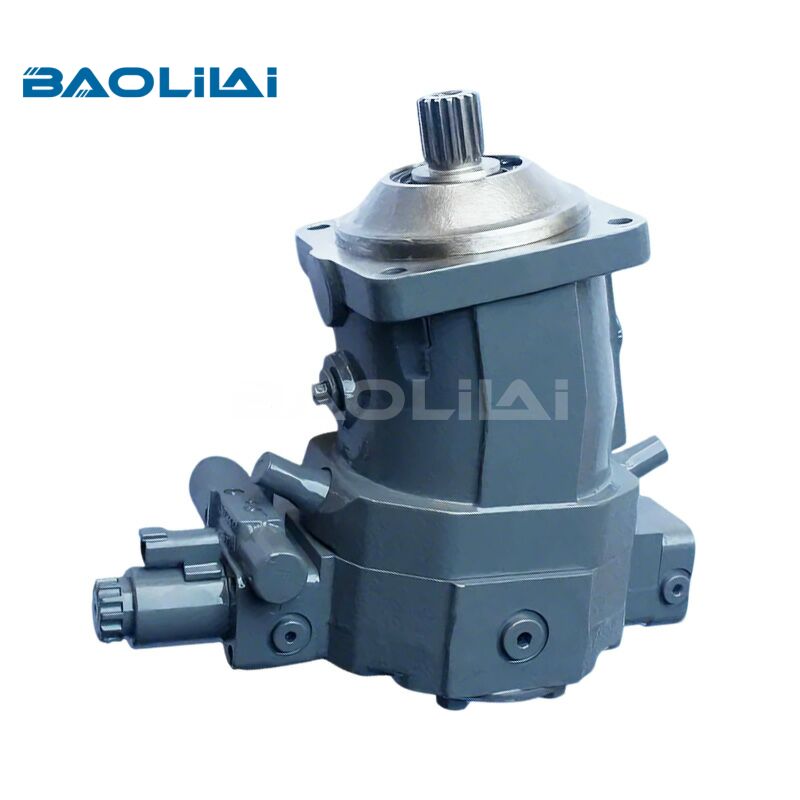

- Product Details
- Product Model
- FAQ
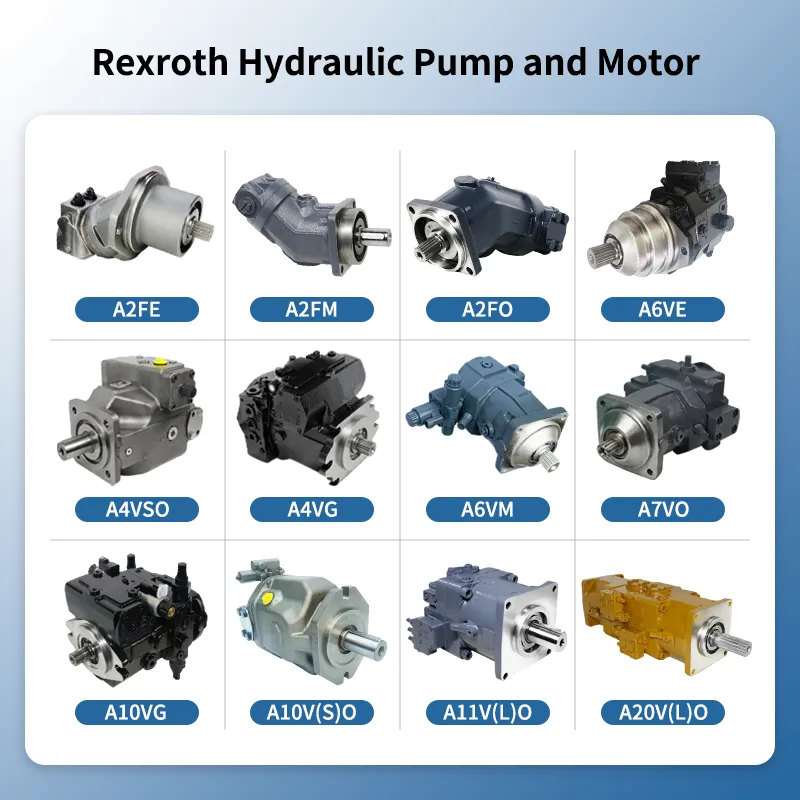
The A6VM is an axial piston variable displacement motor manufactured by Bosch Rexroth, built around a bent-axis rotary group rather than the more common swashplate arrangement. Bosch Rexroth positions it as an all-purpose, high-pressure motor suitable for both open and closed hydraulic circuits, and it is built for mobile and stationary hydrostatic drives that need a wide control range.
Why Kässbohrer Engineering Equipment Uses the A6VM
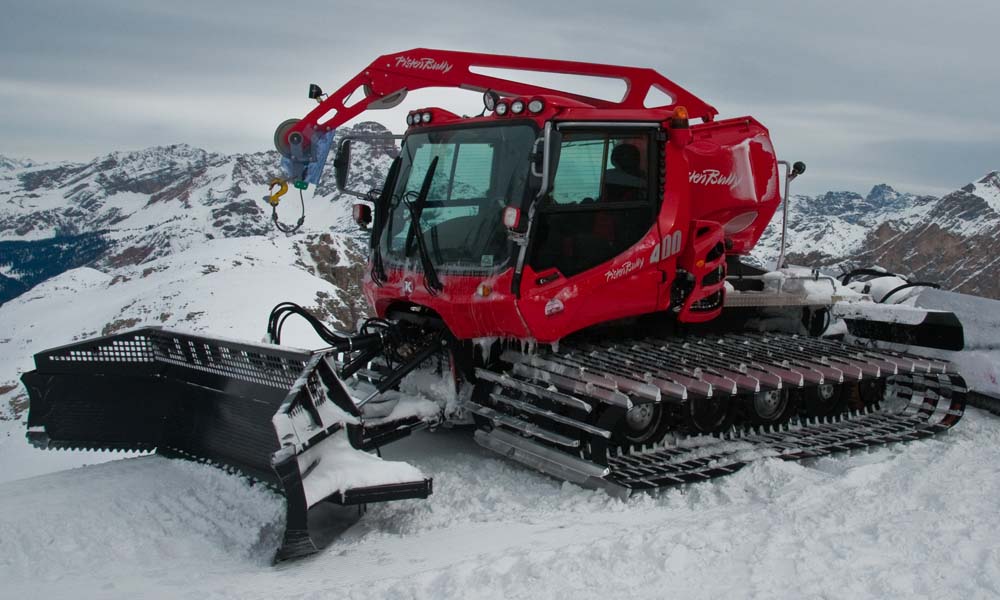
Kässbohrer Geländefahrzeug AG, headquartered in Laupheim, Germany, is the maker of the PistenBully snow-grooming line, the BeachTech sand-cleaning range, and PowerBully/GreenTech all-terrain carriers. The company is the global market leader in snow-grooming machinery, and grooming vehicles account for roughly 90% of its revenue.
Every one of these product lines shares a common engineering challenge: the vehicle has to move itself and drive a set of hydraulically powered attachments — tillers, blades, winches, conveyors, cutter bars — often simultaneously, on surfaces that offer poor traction and constantly changing resistance. Kässbohrer's hydrostatic drive architecture, which the company has used since introducing it on the PistenBully 120 B in 1969, relies on variable-displacement pumps paired with variable-displacement bent-axis motors like the A6VM to achieve that.
Example: Snow Groomer Track Drive
On a PistenBully-class groomer, a diesel engine drives one or more variable axial piston pumps. Those pumps feed A6VM motors mounted at each track's final drive. Because the A6VM's displacement swings from maximum to near-zero, the machine can produce enormous tractive torque for climbing a steep, packed slope, then automatically shift toward higher speed and lower torque once the load eases — all without a mechanical transmission or torque converter. This is the same principle that let the earliest hydrostatic PistenBully models offer far more precise speed control than the belt- and gear-driven snowcats that came before them.
Example: All-Terrain and Amphibious Carriers
On PowerBully and GreenTech all-terrain vehicles — used in applications like aquaculture pond maintenance, wetland construction, and utility access in terrain that can't support wheeled trucks — the same bent-axis motor logic applies to low-ground-pressure travel. A separate power take-off pump, standard on GreenTech-type vehicles, also drives hydraulic attachments through motors from the same family, letting one machine dig drainage trenches, spread lime, or haul equipment across ground a conventional vehicle would sink into.
Example: Implement and Winch Drives
Beyond traction, A6VM-family motors (and related fixed and variable Rexroth units) show up in Kässbohrer implement circuits — tiller drives, cutter bars, and winch systems on steep-slope groomers. A typical drum winch used for steep-terrain grooming, for instance, relies on a hydraulically braked, hydraulically driven drum, and that circuit design leans on the same bent-axis, variable-displacement principles that drive the tracks.
Key Technical Characteristics
For technicians speccing a replacement or a fleet manager reading a parts catalog, a few A6VM characteristics are worth knowing at a glance:
Displacement and Sizing
A6VM motors are identified by a size code (NG) that corresponds approximately to displacement in cc/rev — common frame sizes include 28, 55, 60, 80, 85, 107, 115, 140, 150, 160, 170, 200, 215, 250, 280, 355, 500, and 1000. Kässbohrer applications for track and implement drives generally sit in the small-to-mid range of that spectrum, sized to the torque and speed needs of the specific vehicle model and axle.
Control Options
The motor is available with several control devices, including hydraulic proportional control, pressure-dependent (HD) control, and speed-dependent (DA) control for pairing with a matching variable pump. In HD control, the motor swivels toward larger displacement as system pressure rises toward a set point, automatically trading speed for torque under load — a behavior particularly well suited to grooming vehicles that must climb variable-grade terrain without driver intervention.
Pressure and Fluid Compatibility
Depending on series, the A6VM is rated for nominal pressures around 400–450 bar and peak pressures up to 500–530 bar. It is designed primarily for mineral oil (HLP per DIN 51524) and, on select series, HFD and other fire-resistant or biodegradable fluids when paired with long-life bearings.
Mounting and Shaft Options
The motor is available with SAE and DIN splined shafts, keyed cylindrical shafts, and various flange standards, which is what allows Kässbohrer's engineering teams to integrate the same basic motor family across different final-drive housings, gearboxes, and implement mounts.
Maintenance and Troubleshooting Considerations
Fluid Cleanliness
Bent-axis piston motors have tight internal clearances between the pistons and cylinder bores, and contamination is the single most common cause of premature wear. Following the recommended filtration and fluid-change intervals in the Kässbohrer service manual — and using a fluid within Rexroth's specified viscosity range — does more to extend motor life than almost any other maintenance step.
Watching for Case Drain Leakage
An increasing case drain flow rate on an A6VM is typically the earliest warning sign of internal wear in the piston-cylinder assembly or valve plate. Fleet technicians often track case drain flow during scheduled inspections precisely because it flags a developing problem before it shows up as a loss of tractive power in the field.
Bearing Life and Radial Load
Because the bent-axis design routes rotary group forces through the shaft bearings in a particular pattern, Rexroth's documentation notes that orienting the motor correctly relative to the expected direction of radial force can meaningfully extend bearing service life. This is a detail worth confirming against the original installation drawing when a motor is replaced rather than merely rebuilt in place.
Matching Motor to Pump
Because the A6VM is typically paired with a variable Rexroth pump (commonly the A4VG or A10VG family) in a closed hydrostatic circuit, a motor swapped in isolation — without confirming compatible displacement, control type, and pilot pressure signal — can produce mismatched drive behavior even if the motor itself is functioning correctly.
For more brand and equipment models, please visit https://www.baolilaihydraulic.com/brand/
| Application equipment brands | Application equipment No. |
| Kässbohrer | 8.047.117.000.0/121 |
| Kässbohrer | 8.047.096.000.0 |
| Kässbohrer | 8047118 |
| Kässbohrer | 104266 |
Q1: What Kässbohrer equipment uses A6VM-family motors?
A1: Bent-axis Rexroth motors from this family are used across Kässbohrer's hydrostatic drivetrains, including PistenBully snow groomers' track drives and implement circuits, as well as PowerBully and GreenTech all-terrain carriers that rely on hydraulic power take-off systems for attachments.
Q2: Is the A6VM a fixed or variable displacement motor?
A2: It's a variable displacement motor. Its output can be adjusted continuously from maximum displacement down to zero, which lets it deliver a wide range of speed and torque combinations from a single unit.
Q3:What is the price and delivery time of the Rexroth A6VM motor for the Kassbohrer Engineering equipment?
A3: The specific price and delivery time will depend on the equipment model or specific product model you provide.
Q4:How to purchase a Rexroth A6VM motor for the Kassbohrer Engineering equipment?
A4:You can visit https://www.baolilaihydraulic.com/contact/ to contact us and purchase our products through various methods.