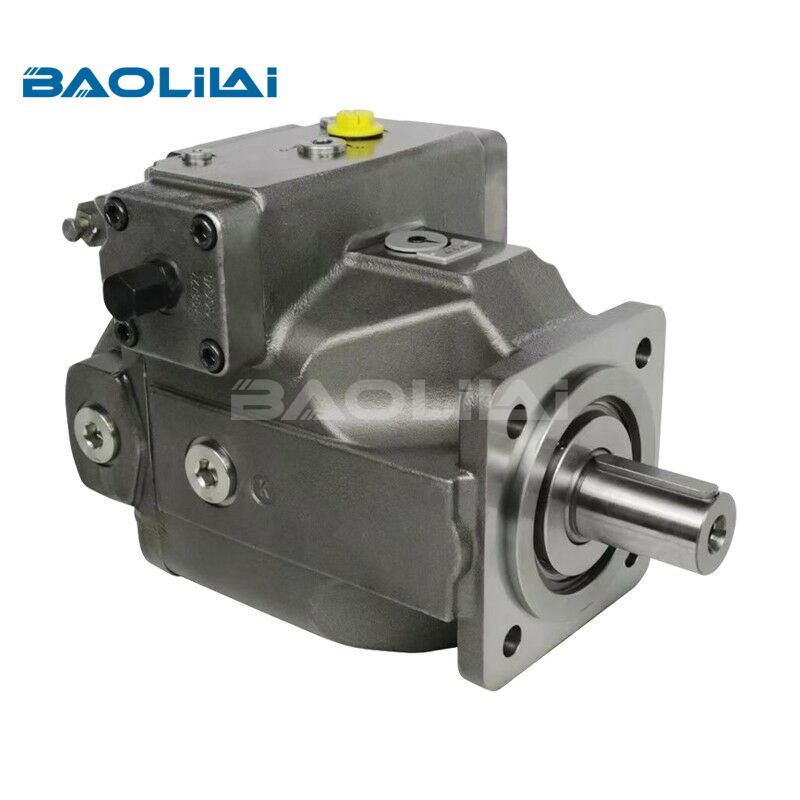
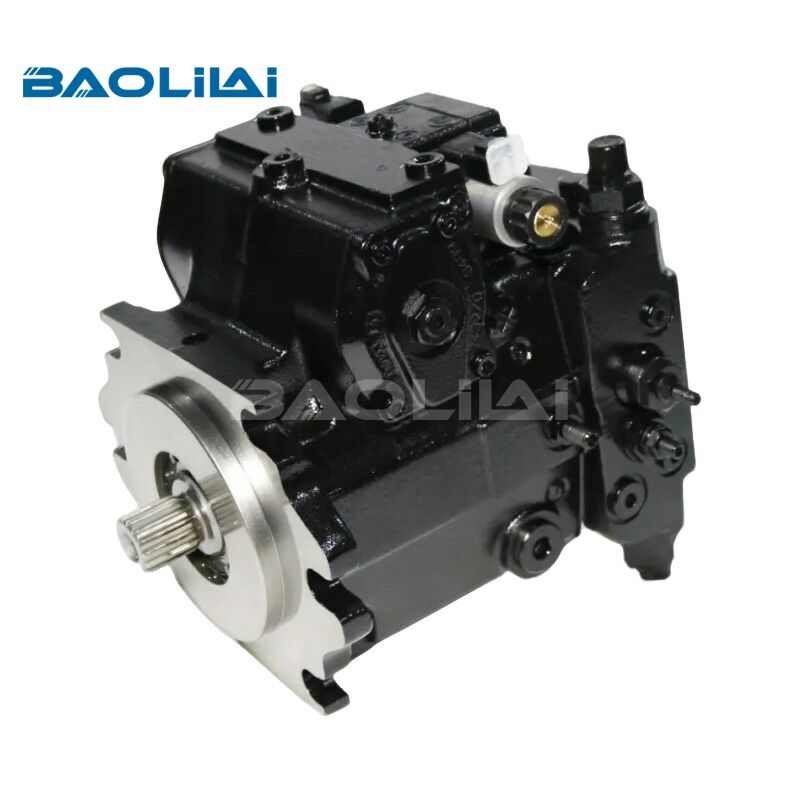
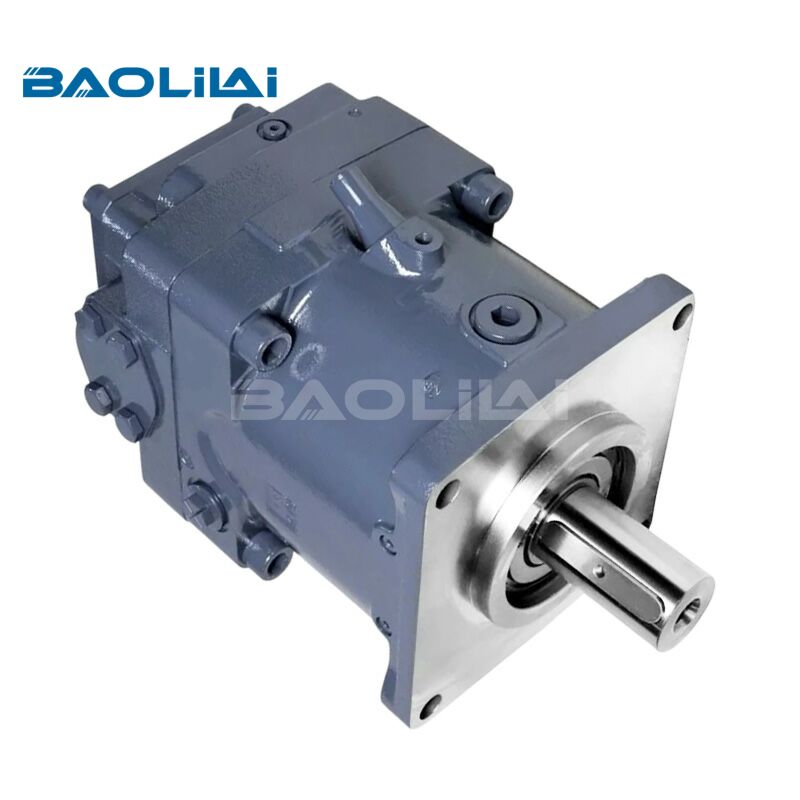
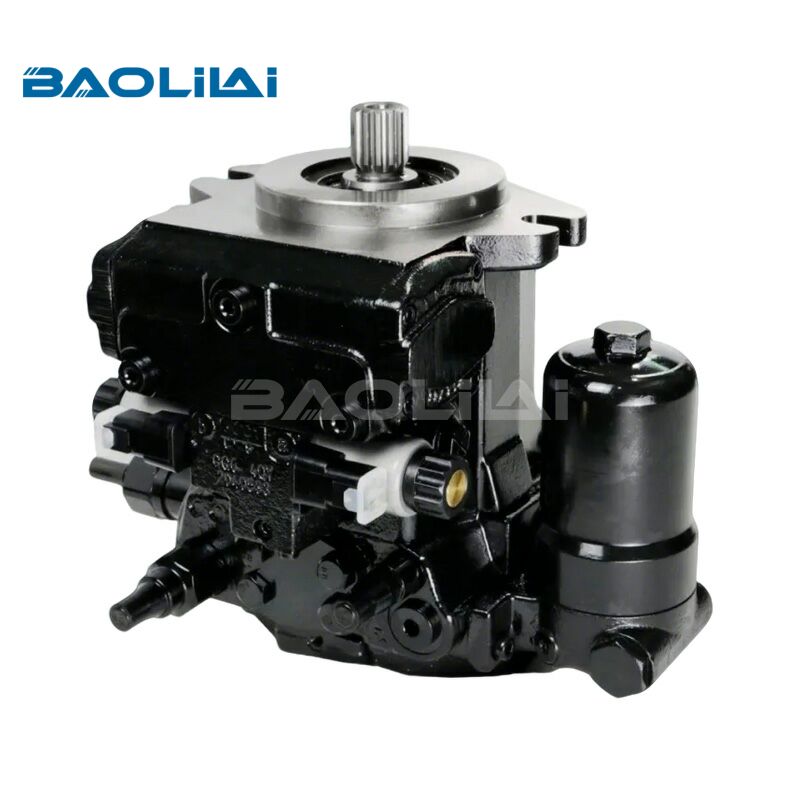
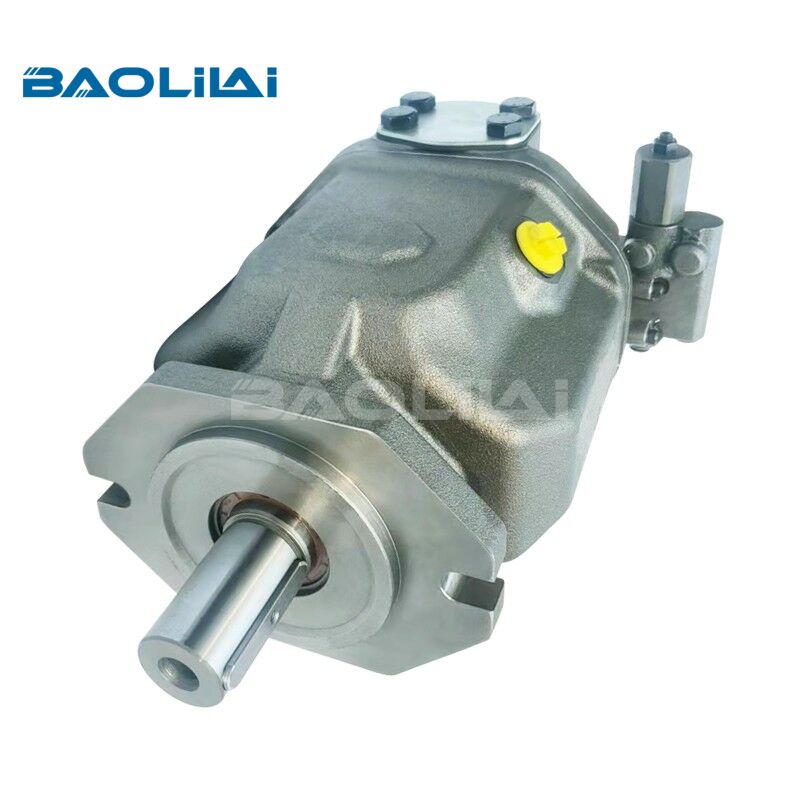
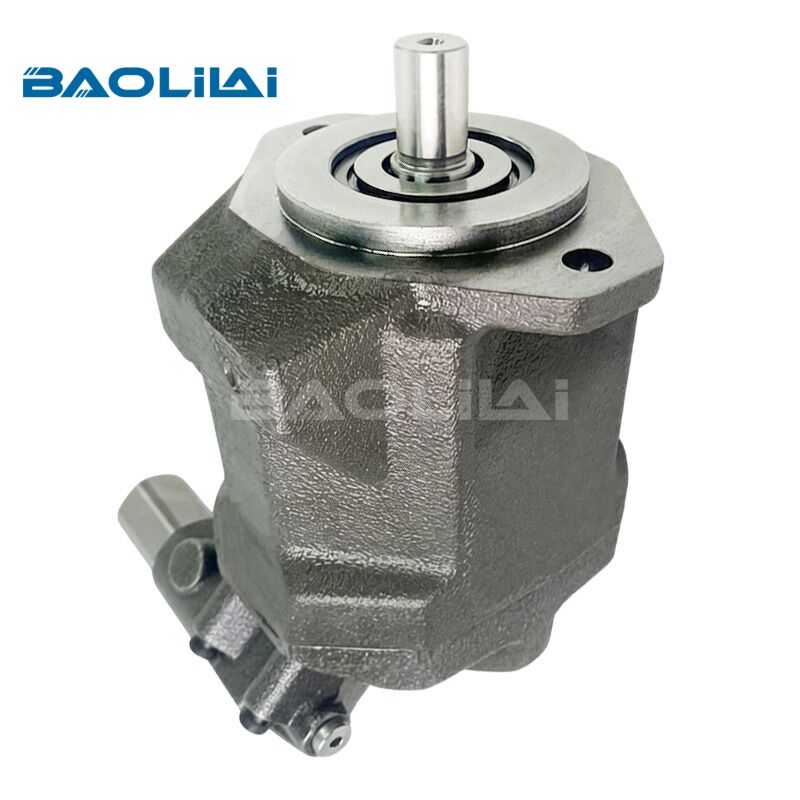
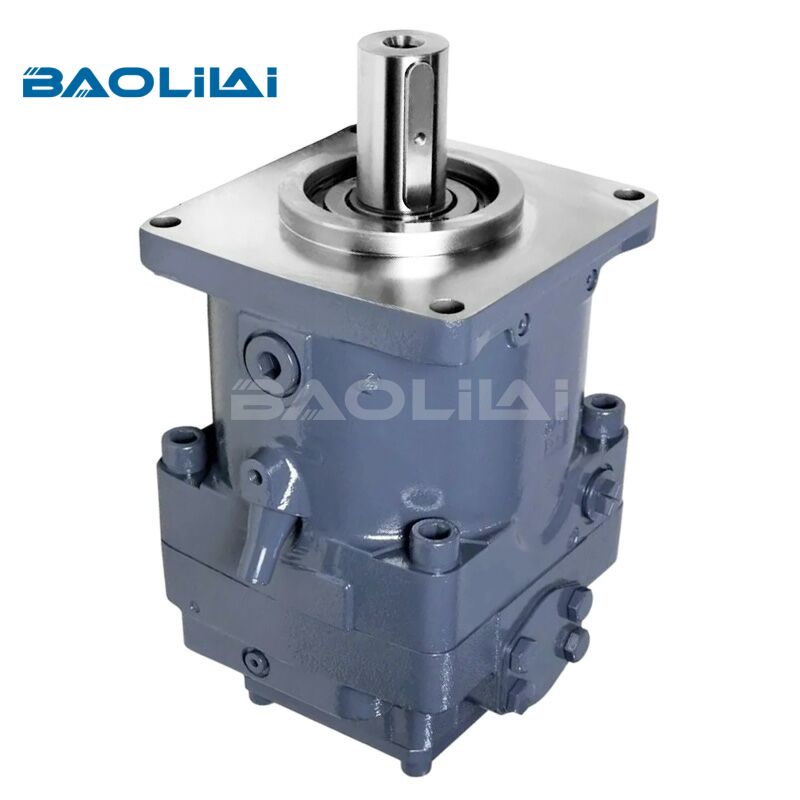
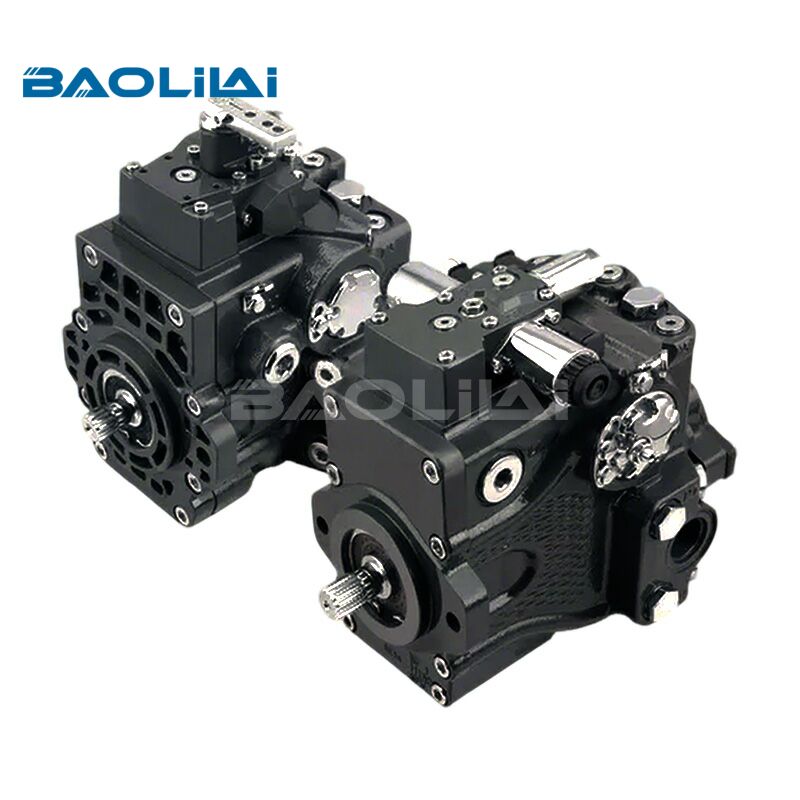
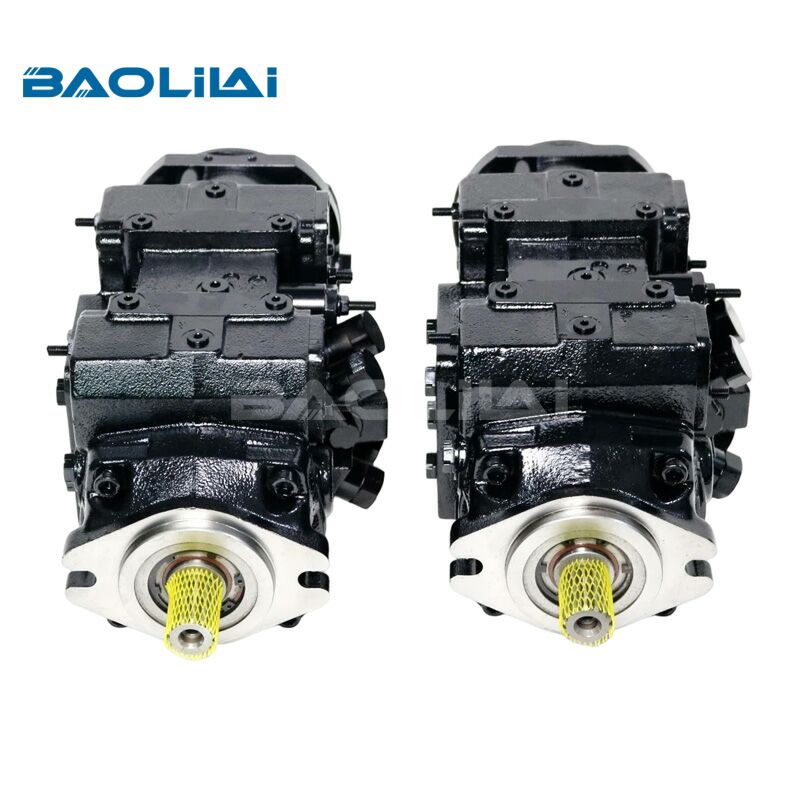
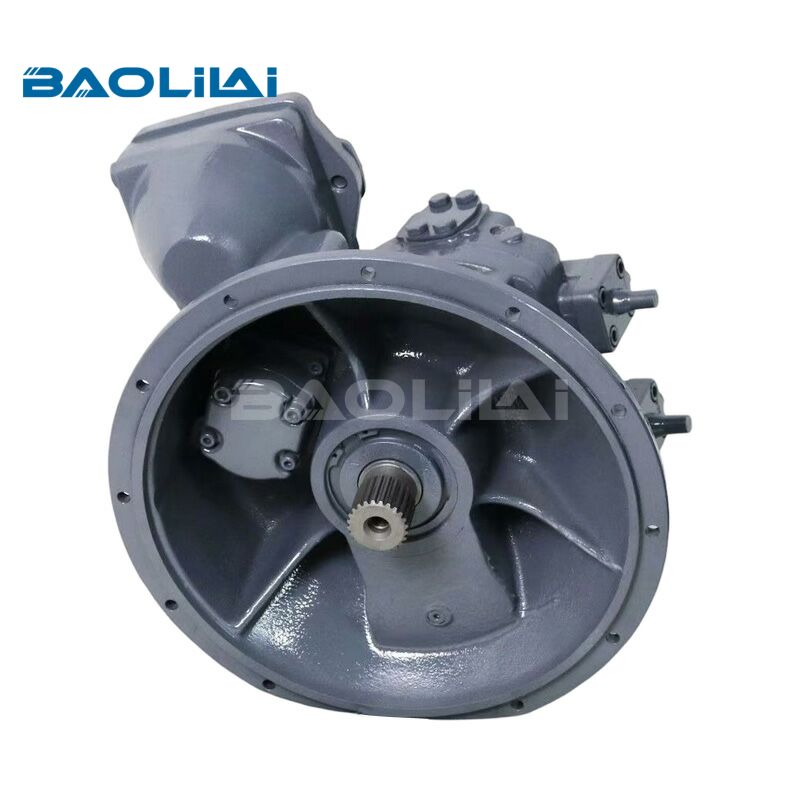
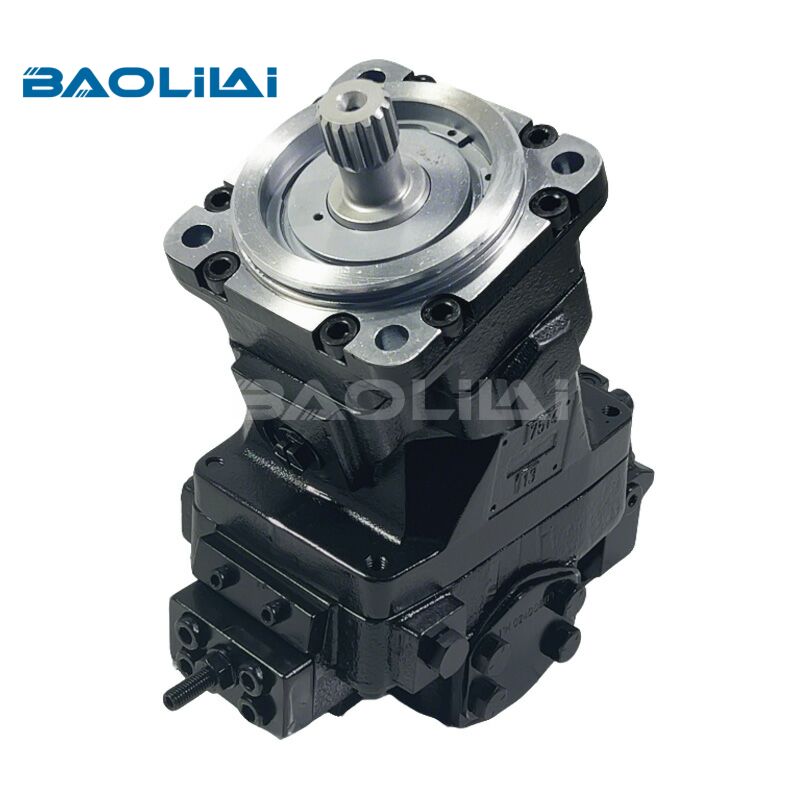
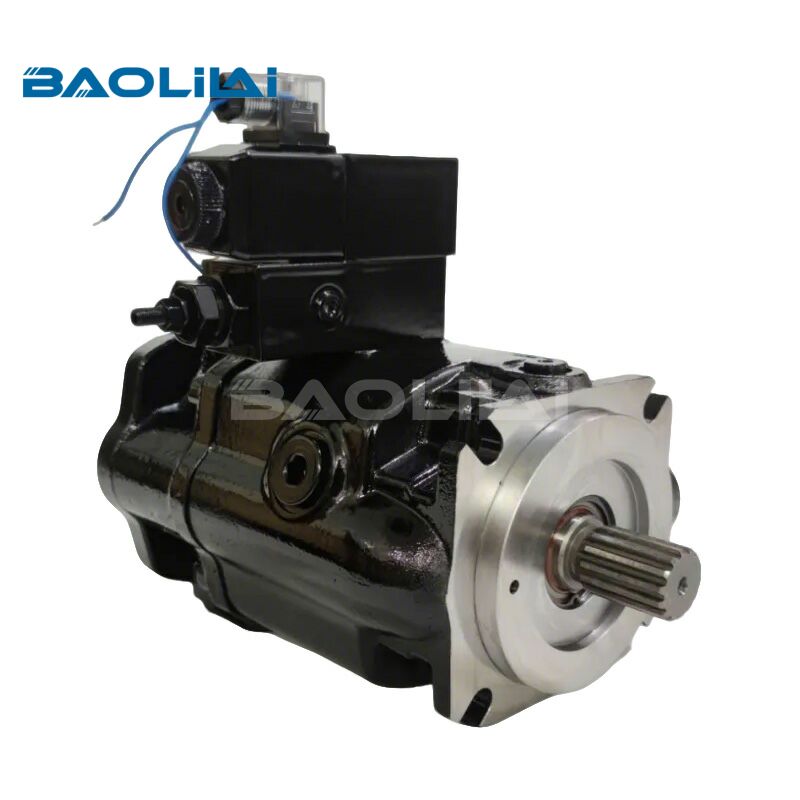
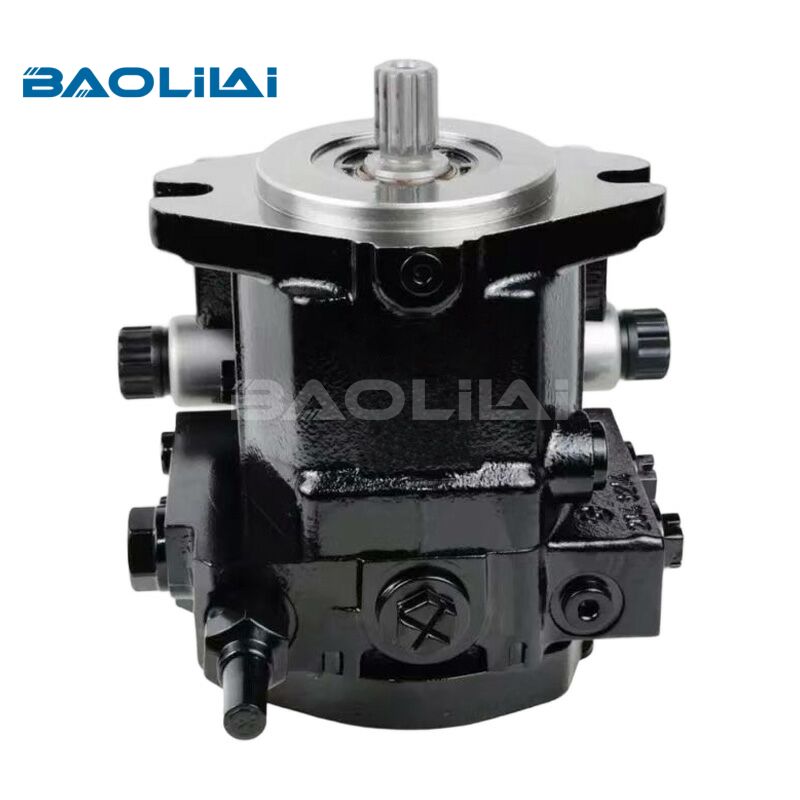
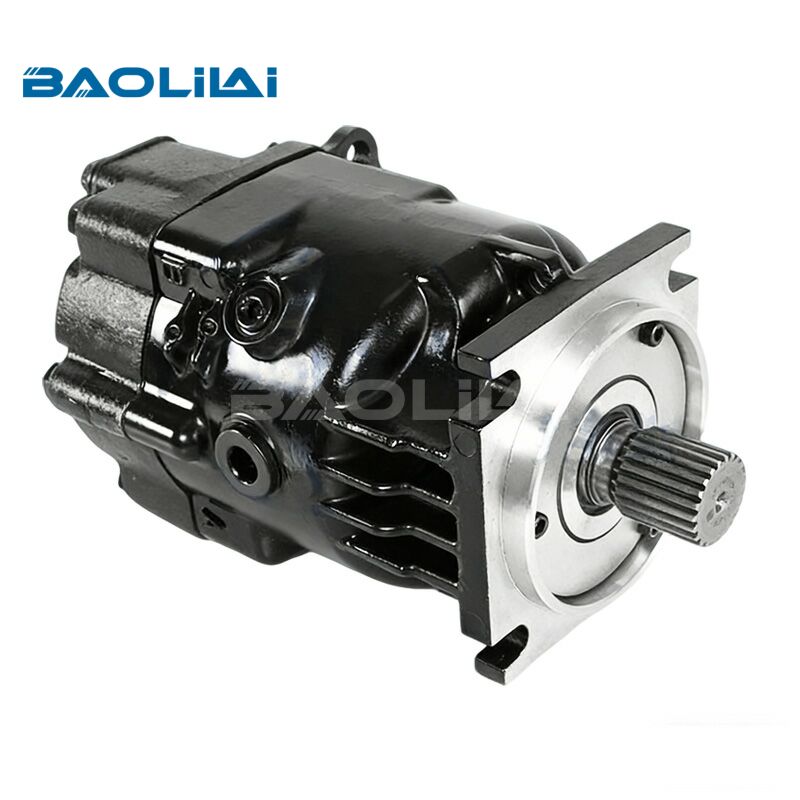
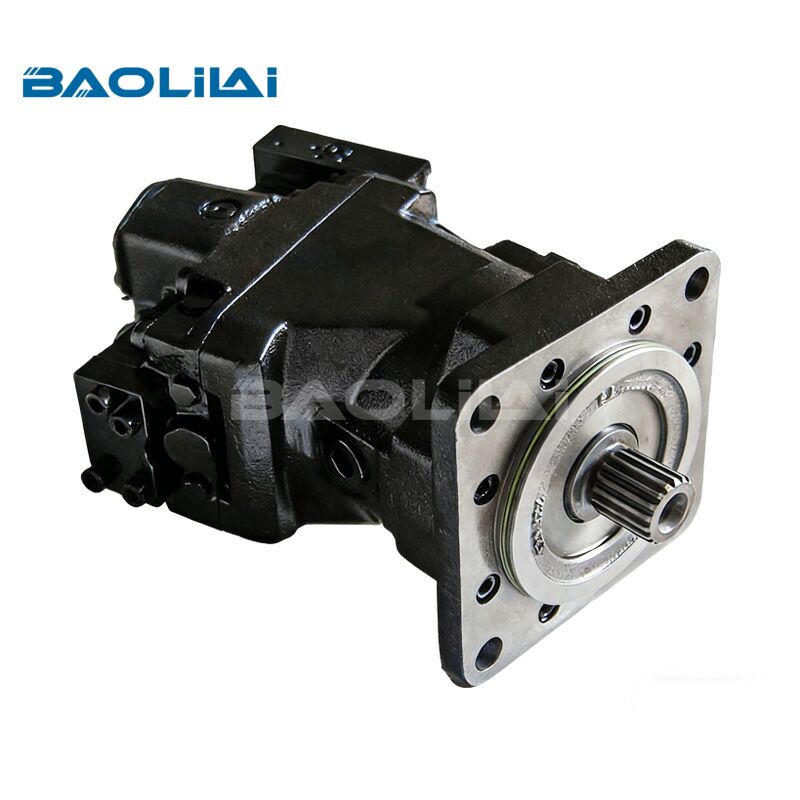
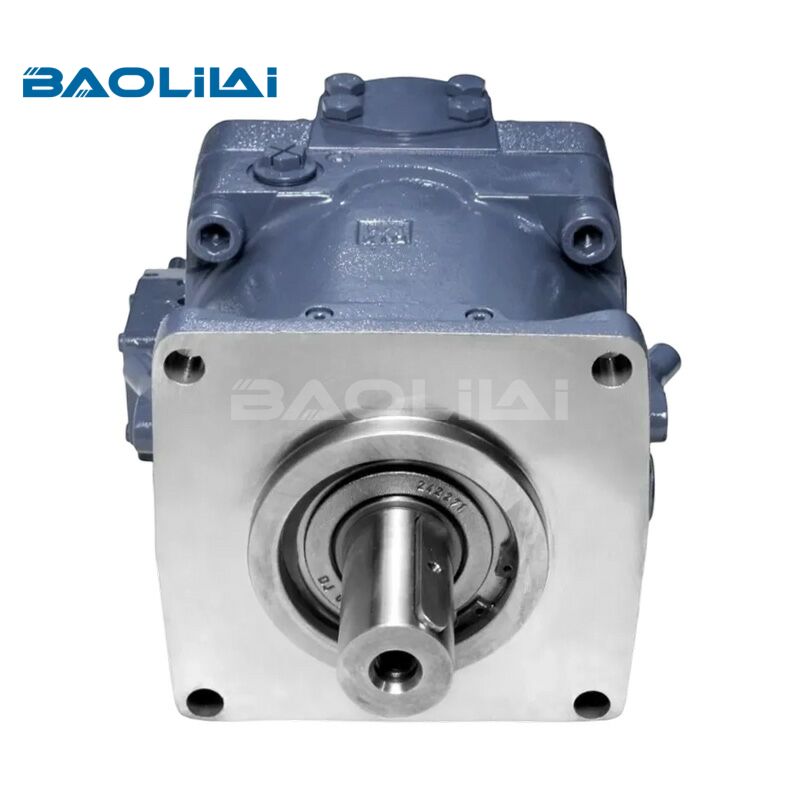
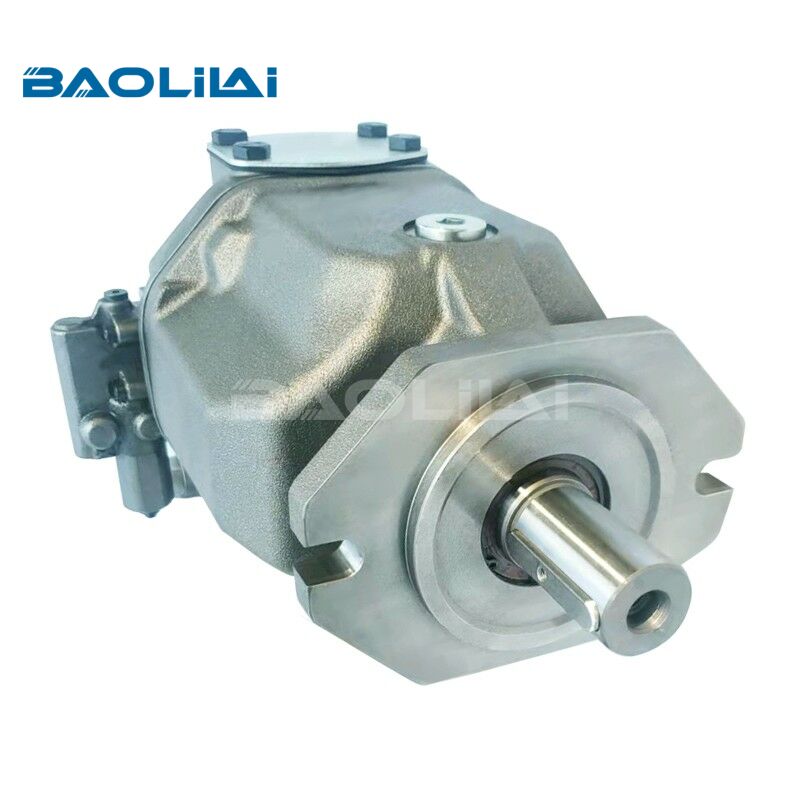
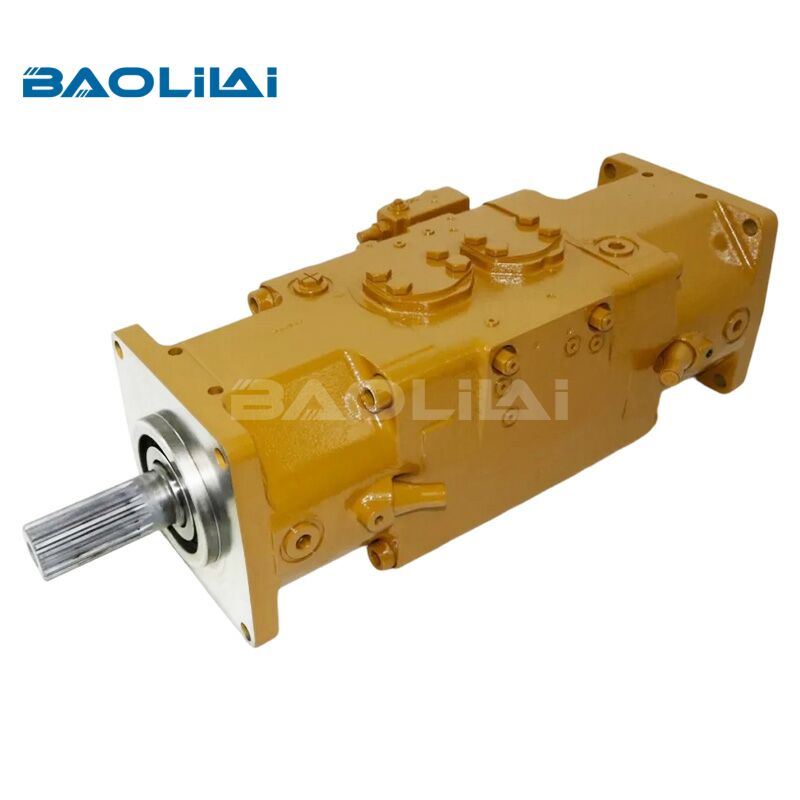
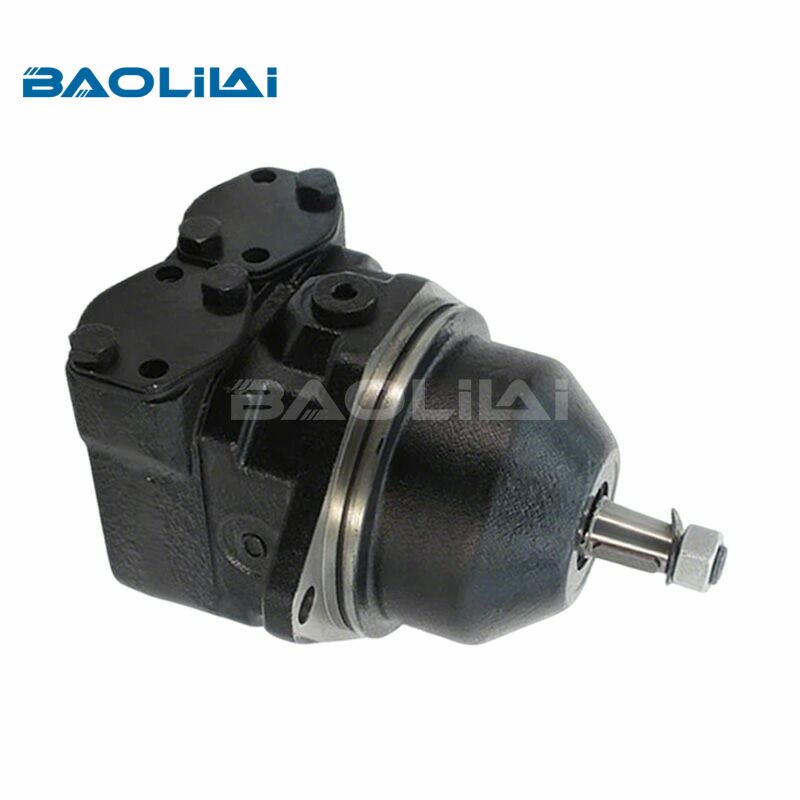
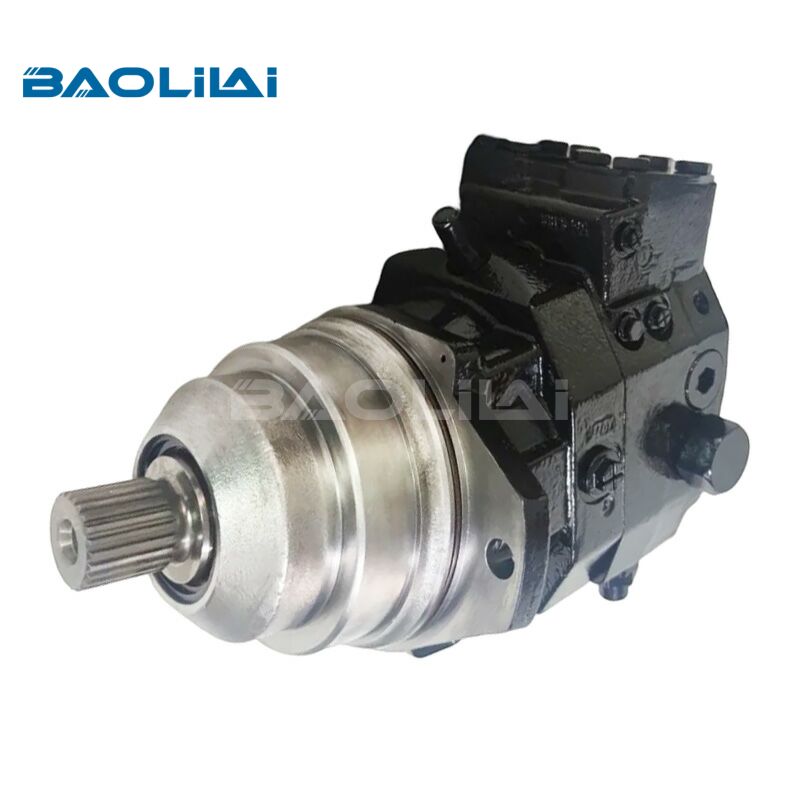
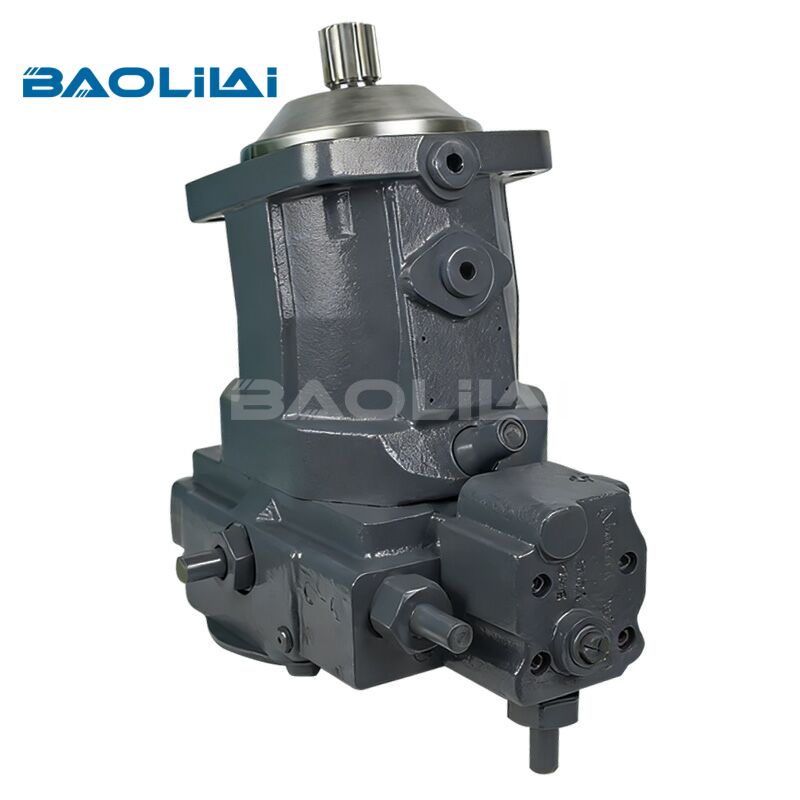
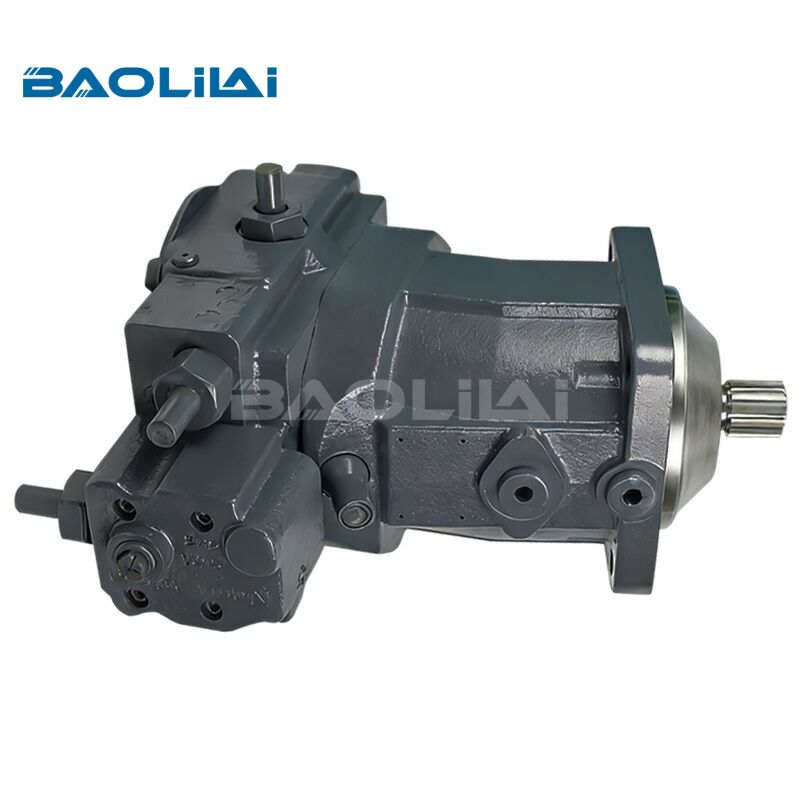
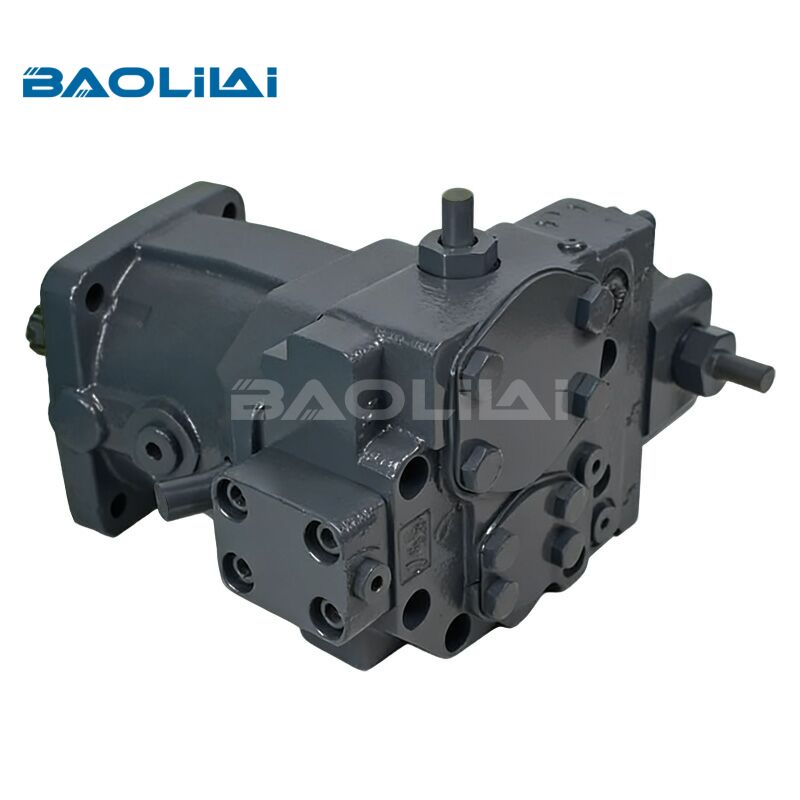
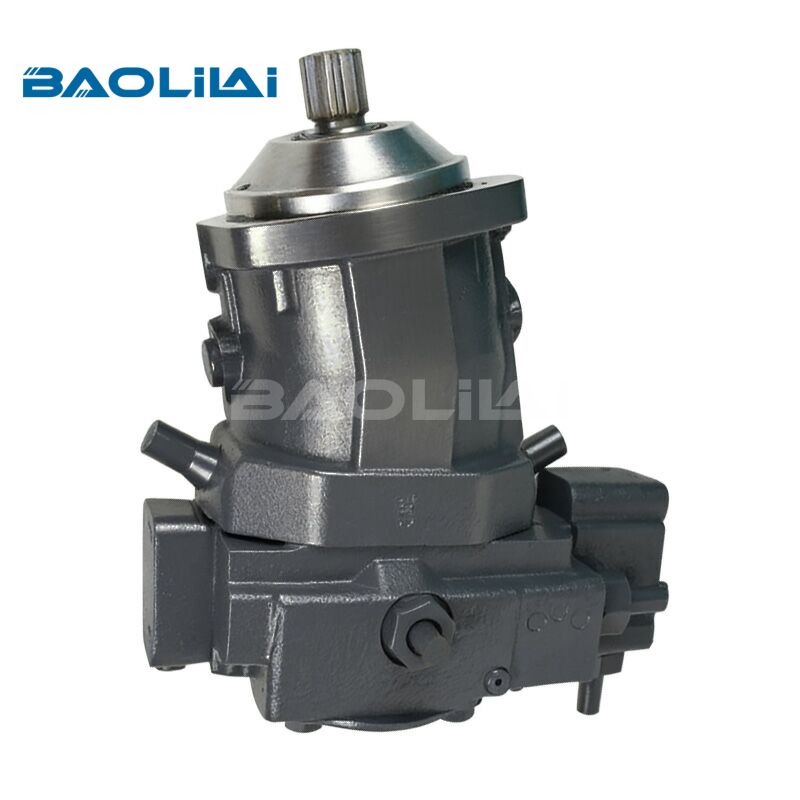
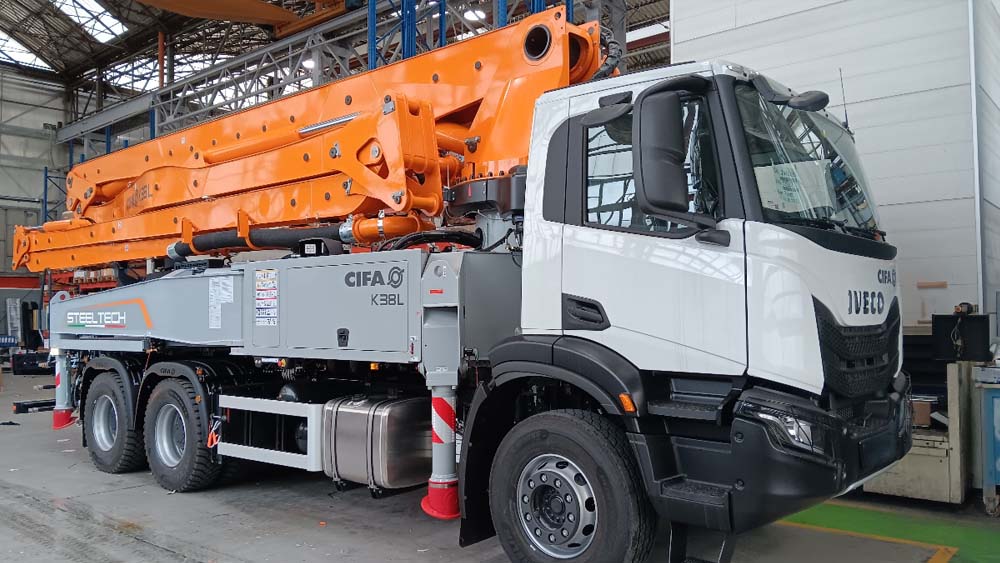
Bosch Rexroth A7VO bent axis hydraulic pump for the CIFA construction machinery 222301/E 227409/D 242990/A 240218/A 231650/B 230272/A

- Product Details
- Product Model
- FAQ
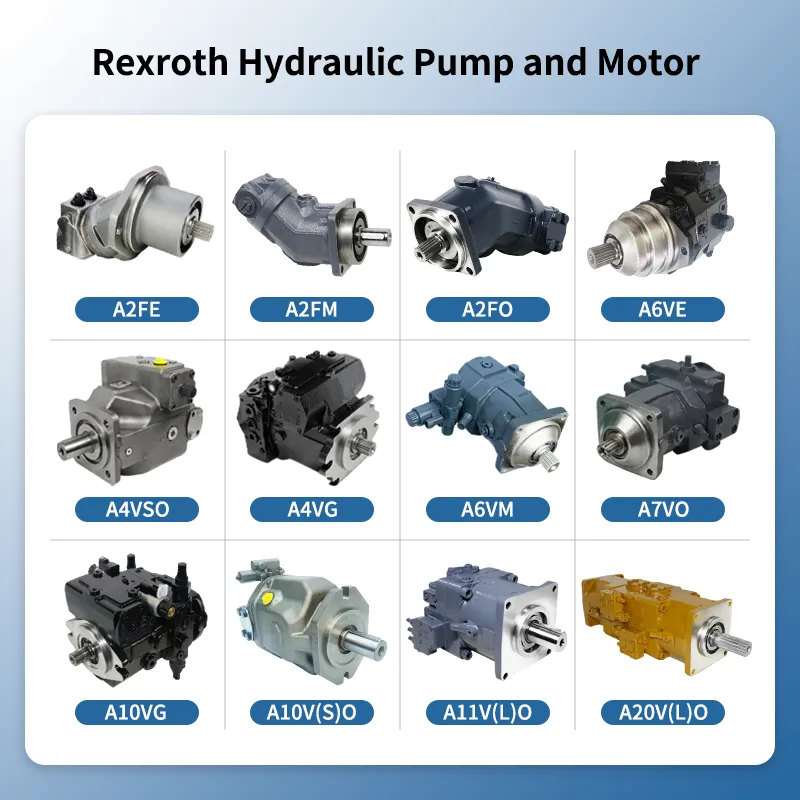
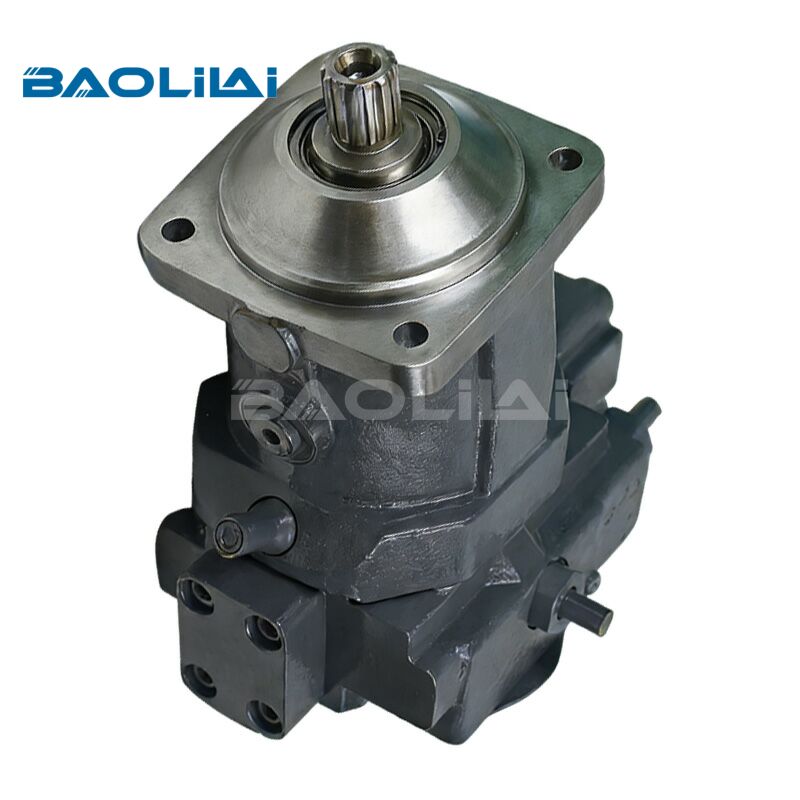
The A7VO is a variable-displacement axial piston pump built by Bosch Rexroth, a German manufacturer that's been a reference point in industrial and mobile hydraulics for decades. It belongs to Rexroth's Series 63 pump family and is designed for open-circuit hydrostatic drives — meaning oil is drawn from a reservoir, pressurized, sent to work, and returned to the tank, rather than circulating in a closed loop between pump and motor.
Why Bent Axis Design Matters for Heavy Equipment
Higher Pressure Capability in a Compact Package
Bent axis pumps generally tolerate higher operating pressures than swashplate designs of similar displacement, because the piston-to-cylinder-block geometry produces lower side loading on the pistons. For equipment that regularly works at or near 350–400 bar — like the pumping cylinders on a concrete pump — that translates into a longer service life and fewer premature seal or piston failures.
Efficiency Under Real-World Duty Cycles
Concrete pumping isn't a steady, constant-load task. The hydraulic system cycles hard as the S-valve or gate valve switches, cylinders reverse, and pressure spikes with every stroke. The A7VO's rotary group is engineered to hold high volumetric and mechanical efficiency across that kind of variable, pulsing duty cycle, rather than just at one ideal operating point.
Serviceability in the Field
Concrete equipment doesn't live in a climate-controlled factory — it lives on job sites, in all weather, often serviced by a mobile technician rather than a dealership. The A7VO's rotary group is designed as a well-proven, modular assembly that experienced hydraulic technicians can diagnose and rebuild without specialized factory tooling, which keeps CIFA machines earning money instead of sitting in a shop.
How CIFA Uses the A7VO in Its Machines
CIFA, the Italian manufacturer now part of the Zoomlion group, builds truck-mounted concrete pumps, stationary pumps, mixers, and placing booms that are staples on construction sites across Europe, the Middle East, and beyond. These machines depend on hydrostatic drive systems for several critical functions, and this is where the A7VO earns its keep.
Example 1: Concrete Pumping Circuit
On a truck-mounted concrete pump, the main hydraulic pump drives the two pumping cylinders that push concrete through the delivery pipeline via the S-valve. This is a high-pressure, high-cycle application, and it's precisely the kind of duty an A7VO with a pressure or power controller is built for — delivering consistent pumping pressure while automatically backing off displacement if system pressure climbs too high, protecting the pump and the diesel engine from being overloaded.
Example 2: Boom Movement and Placing Control
The placing boom on a CIFA pump truck needs smooth, proportional control—operators thread a boom tip precisely into a formwork opening or over rebar, often at height, and jerky hydraulic response isn't just inconvenient; it's a safety issue. A proportional electric (EP) control variant of the A7VO allows an operator's joystick input to translate into smooth, modulated flow, giving the fine control that boom operation demands.
Example 3: Mixer Drum Drive
On mixer trucks and mixer-pump combination units, a variable pump can drive the drum's hydraulic motor, allowing drum rotation speed to be adjusted independently of engine RPM — useful both for mixing consistency and for the slow "agitate only" rotation used during transport.
Common Wear Points and Maintenance Considerations
Even a well-engineered pump has predictable failure modes, and understanding them helps CIFA owners and fleet technicians plan maintenance rather than react to breakdowns.
Piston and Cylinder Block Wear
Over tens of thousands of cycles, the pistons and bores can develop scoring if fluid cleanliness isn't maintained. Rexroth's own project planning notes are explicit about required oil cleanliness levels (typically ISO 4406 class 20/18/15 or better), and this is the single most common root cause of premature pump wear in the field — not the pump design itself.
Swash/Yoke Mechanism and Control Linkage
Because displacement is set by physically swiveling the cylinder block, the control mechanism (whether hydraulic, mechanical, or electric proportional) needs periodic inspection. A sluggish or sticking control response is often the first symptom operators notice, well before any drop in raw pumping performance.
Shaft Seals and Case Drain
The shaft seal is a wear item by design, and case drain flow should be checked periodically — an increase in case drain flow relative to baseline is one of the earliest, cheapest-to-check indicators of internal wear before it becomes a bigger repair.
Fluid and Temperature Management
Running hotter than the pump's rated temperature range accelerates seal degradation and thins the oil film that protects piston-to-bore clearances. On a concrete pump working a full shift in summer heat, cooler capacity and oil temperature monitoring deserve as much attention as the pump itself.
For more brand and equipment models, please visit https://www.baolilaihydraulic.com/brand/
| Application equipment brands | Application equipment No. |
| CIFA | 222301/E |
| CIFA | K000242990;242990 |
| CIFA | 227409/D / 242990/A |
| CIFA | 240218/A |
| CIFA | 231650/B |
| CIFA | 230272/A |
Q1: What sizes does the A7VO come in?
A1: Series 63 A7VO pumps span roughly 28 to 500 cc/rev of geometric displacement, covering a wide range of flow and power requirements across mobile and industrial equipment.
Q2: Why would a CIFA concrete pump specifically need a variable-displacement pump rather than a fixed one?
A2: Concrete pumping load varies constantly with pipeline pressure, pumping distance, and mix consistency. A variable pump lets the system maintain steady pressure and adjust flow on demand, rather than always running at maximum displacement and wasting power (and generating excess heat) when full flow isn't needed.
Q3: What is the price and delivery time of the A7VO hydraulic pump for the CIFA construction machinery?
A3: The specific price and delivery time will depend on the equipment model or specific product model you provide.
Q4: How to purchase an A7VO hydraulic pump for the CIFA construction machinery?
A4: You can visit https://www.baolilaihydraulic.com/contact/ to contact us and purchase our products through various methods.