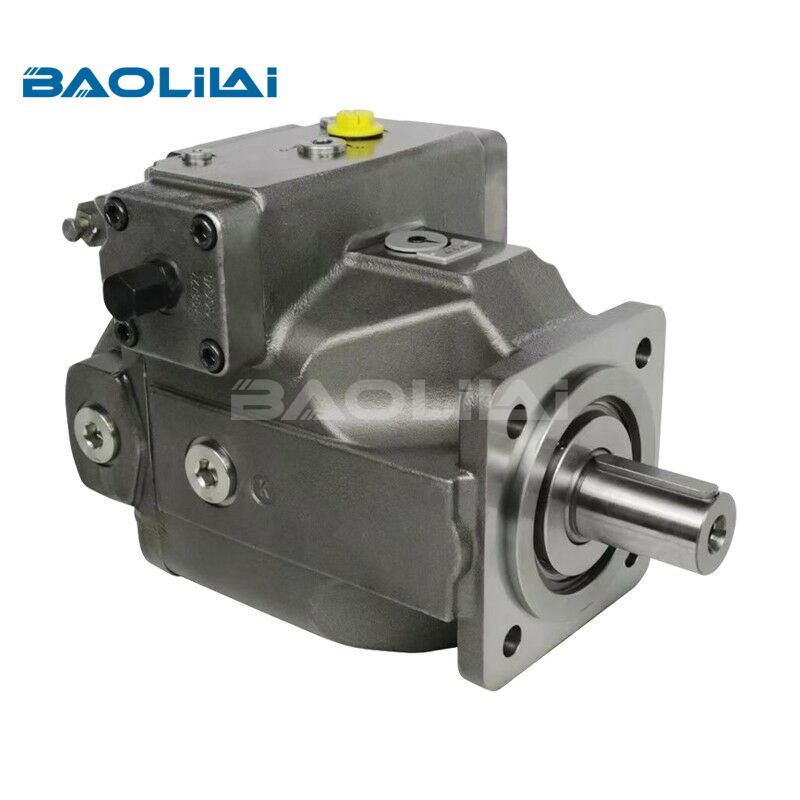
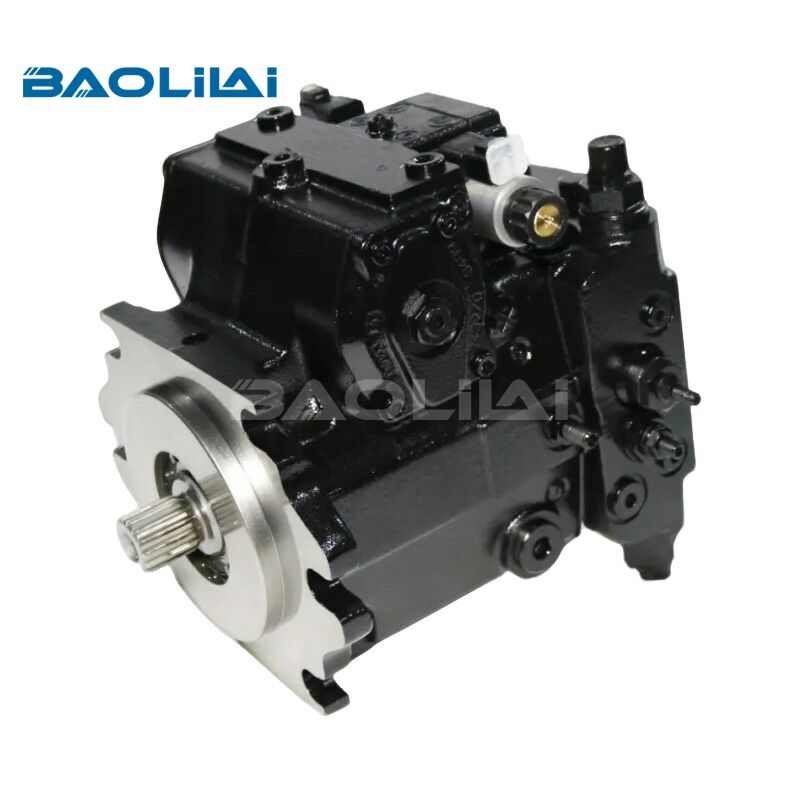
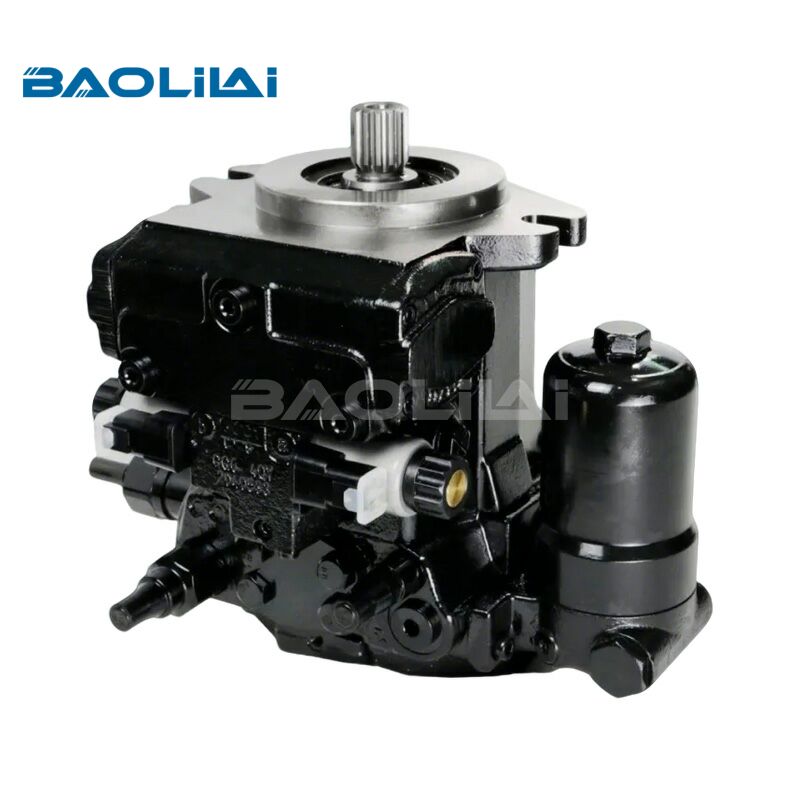
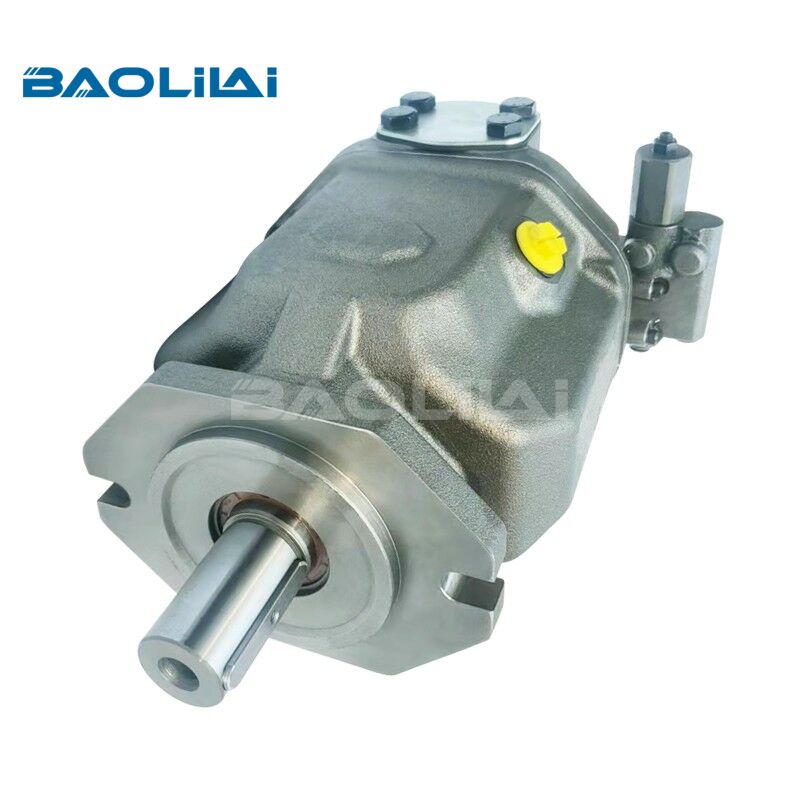
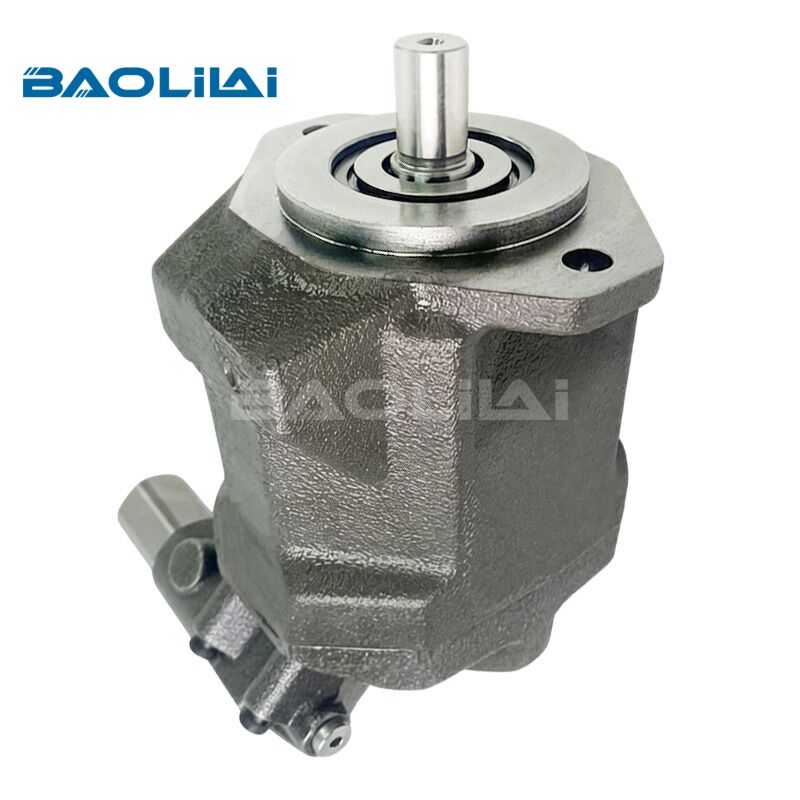
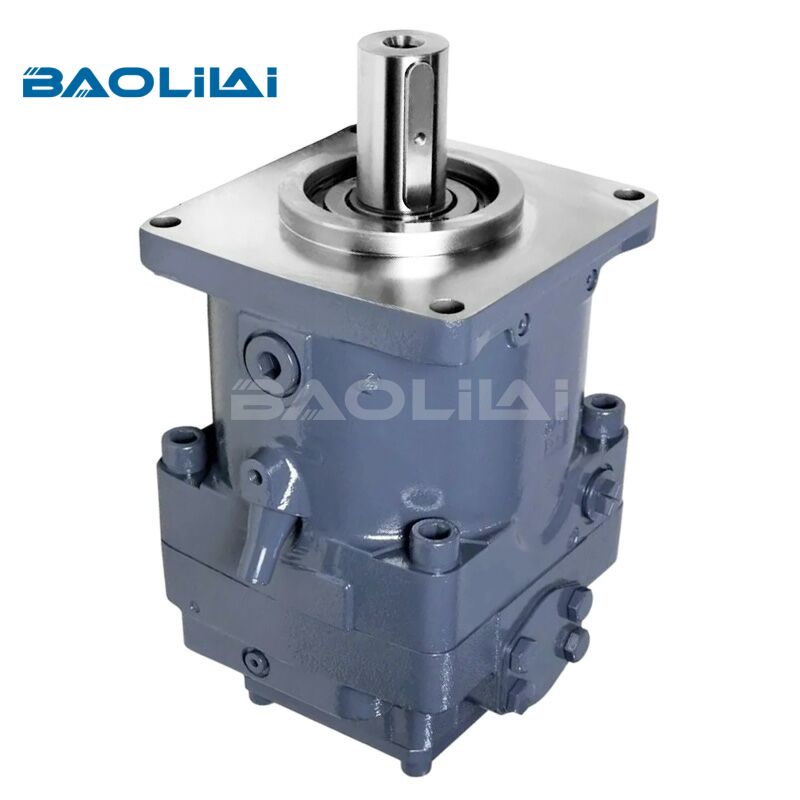
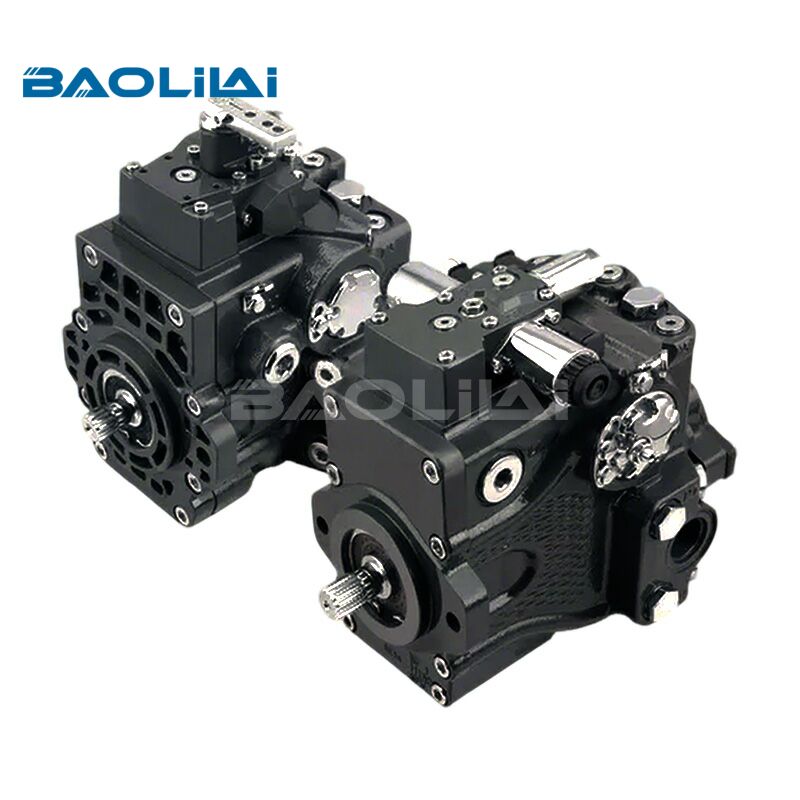
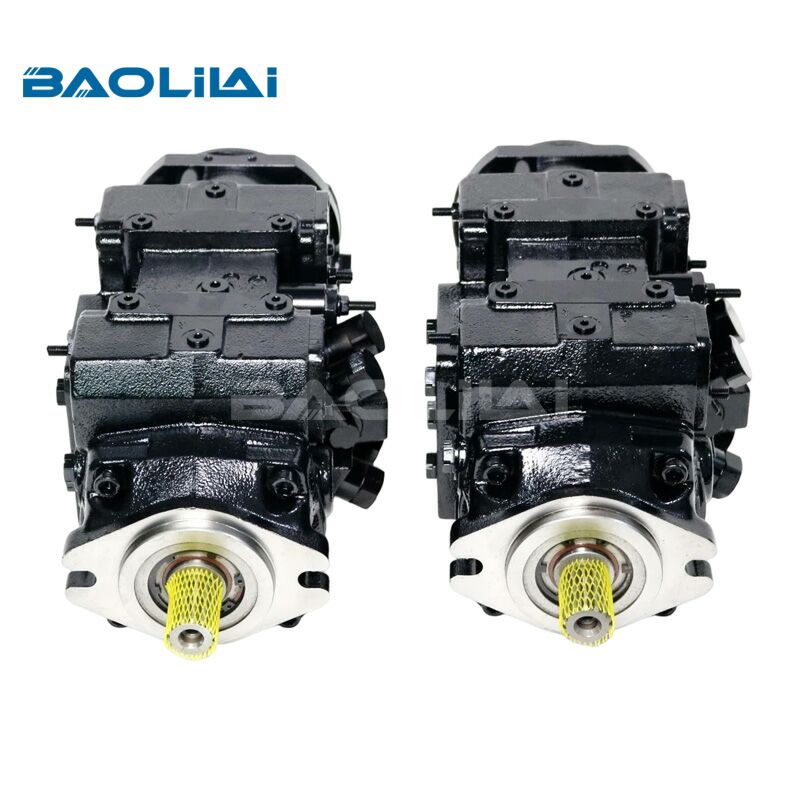
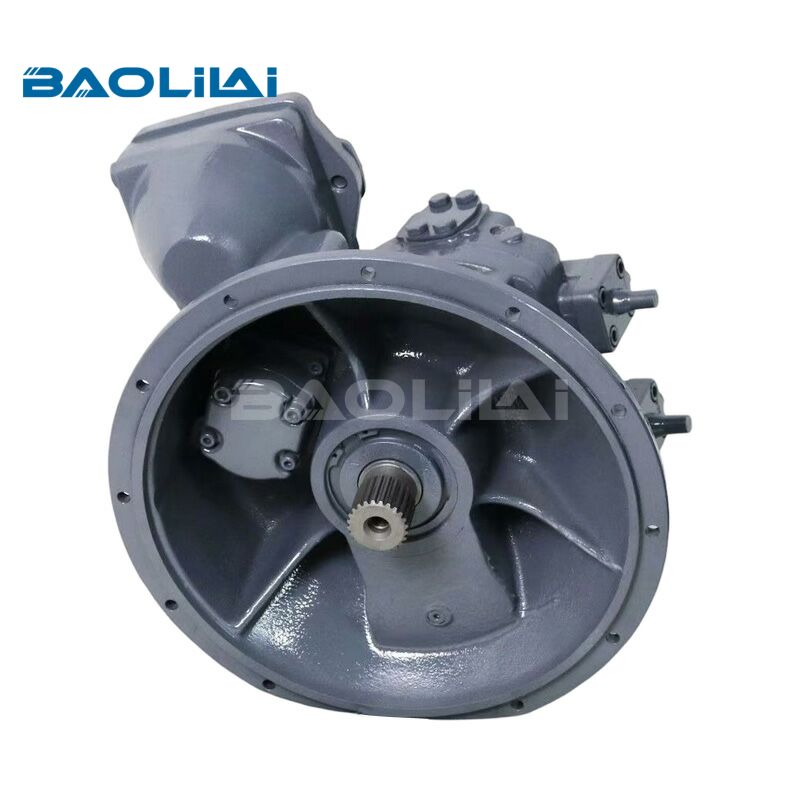
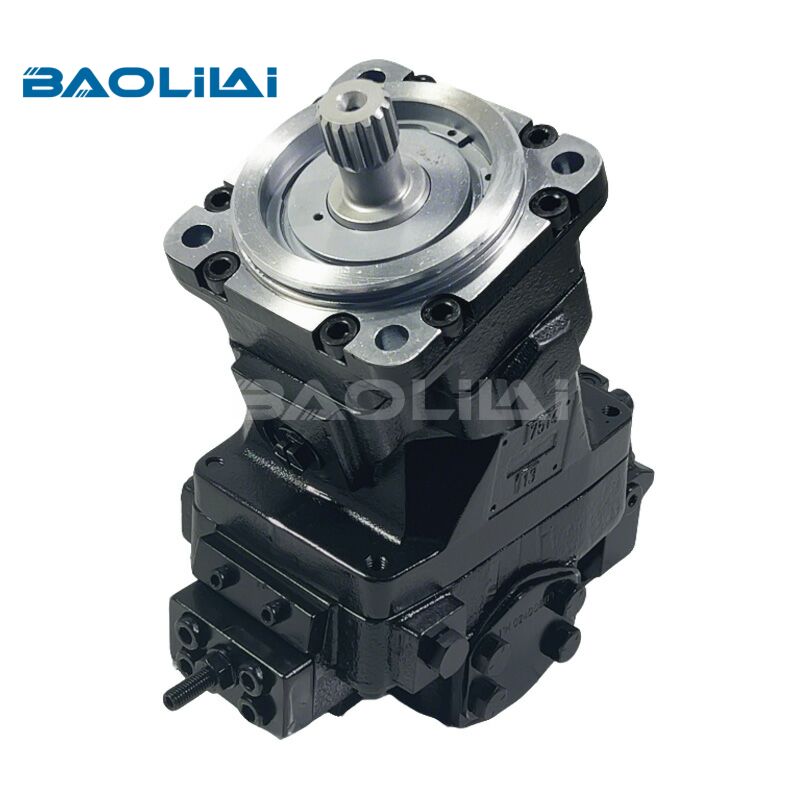
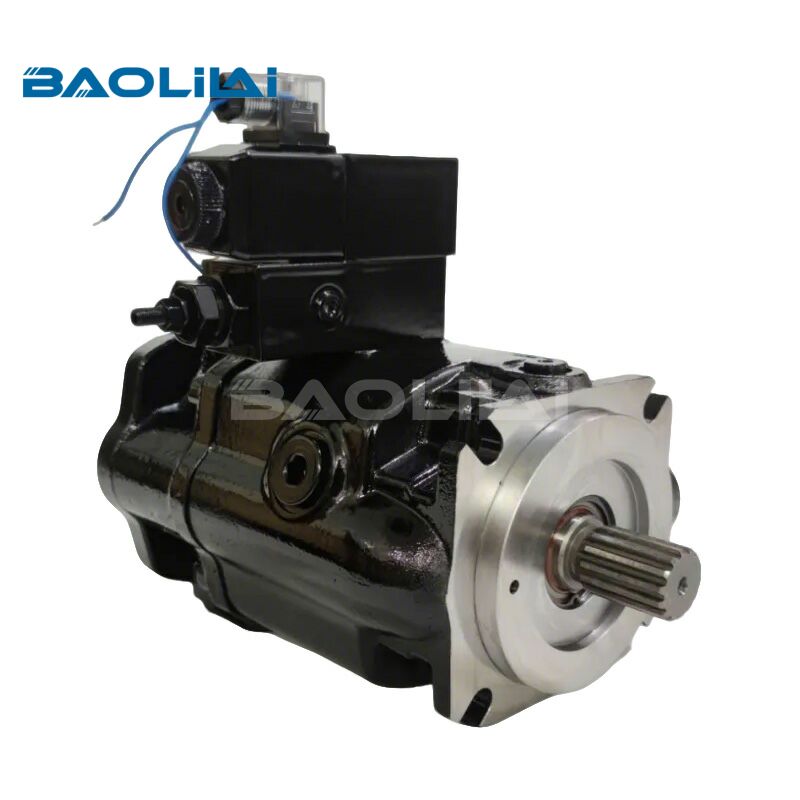
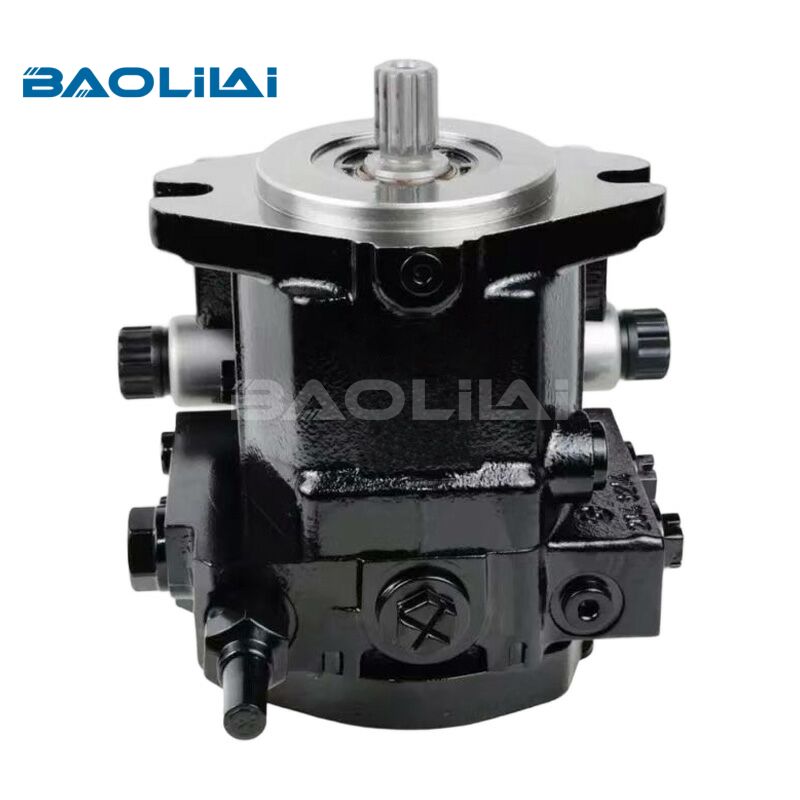
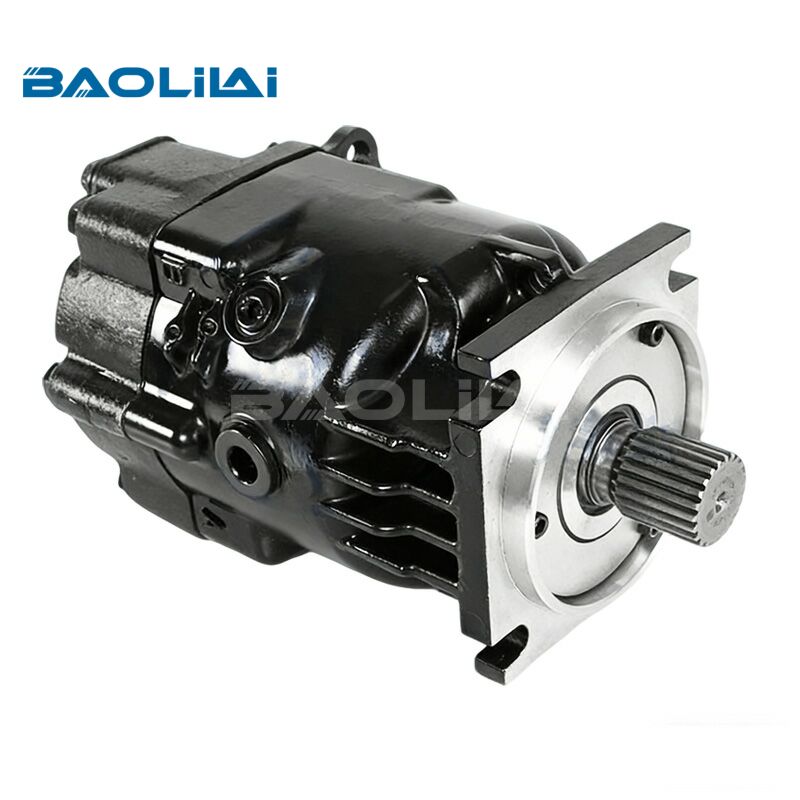
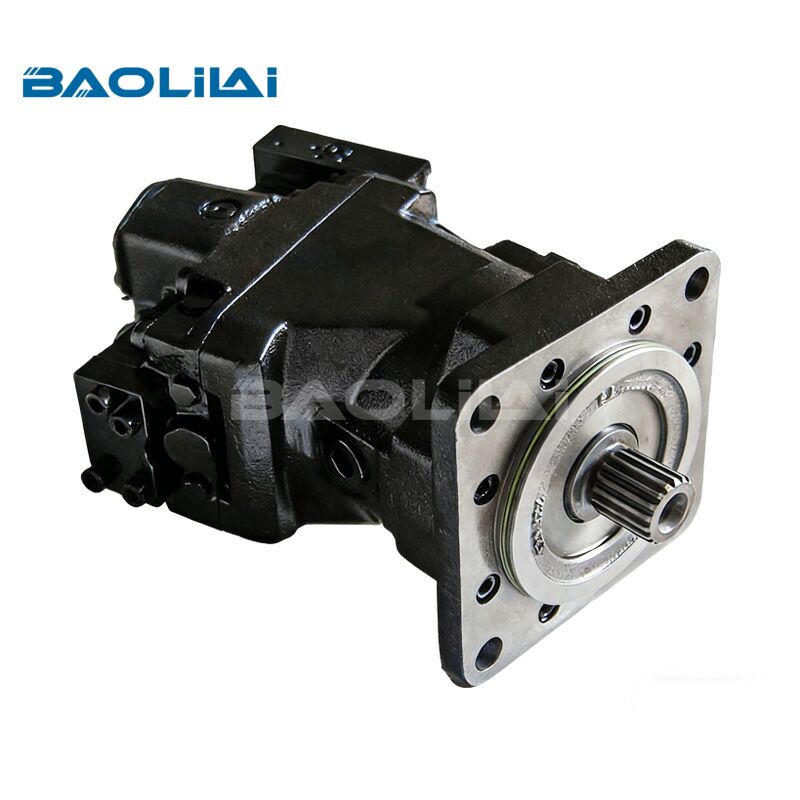
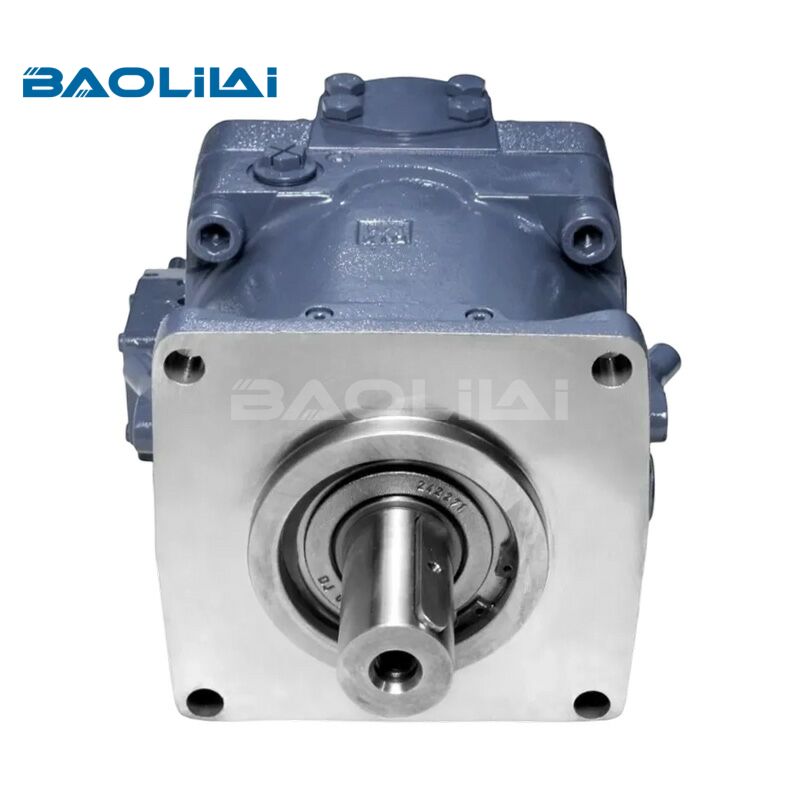
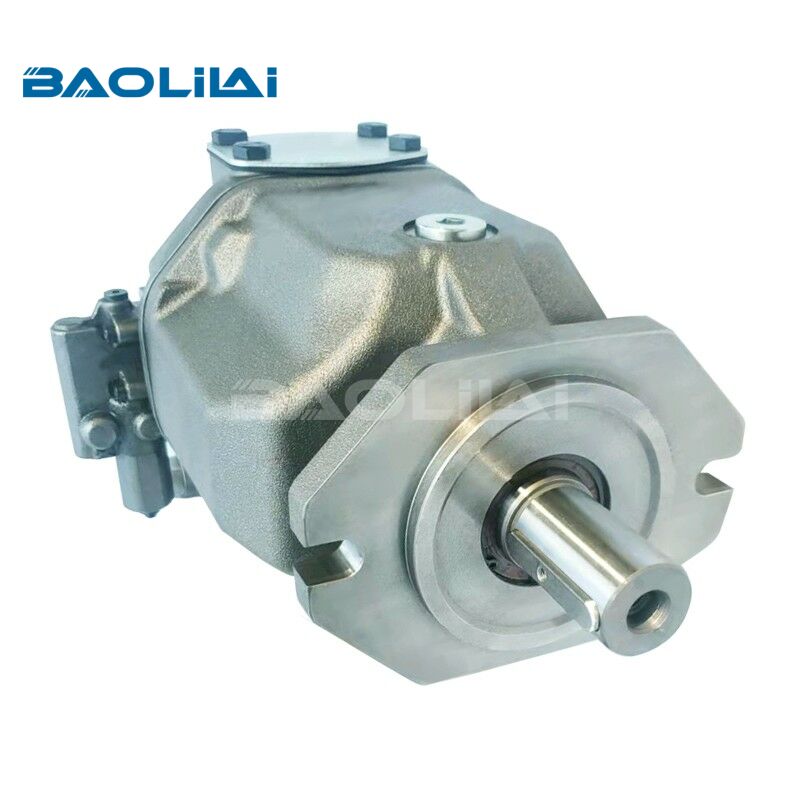
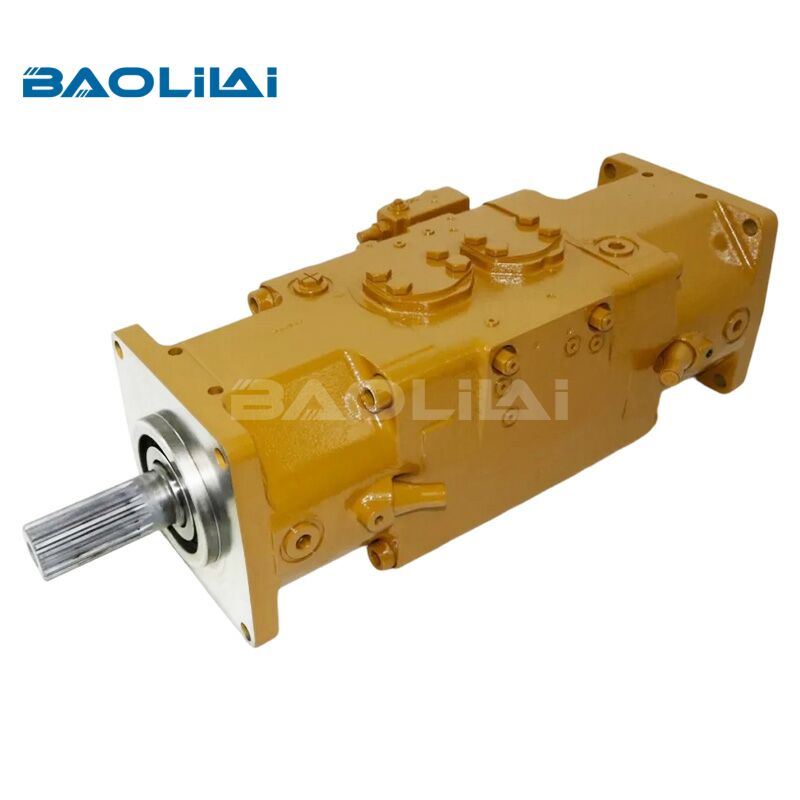
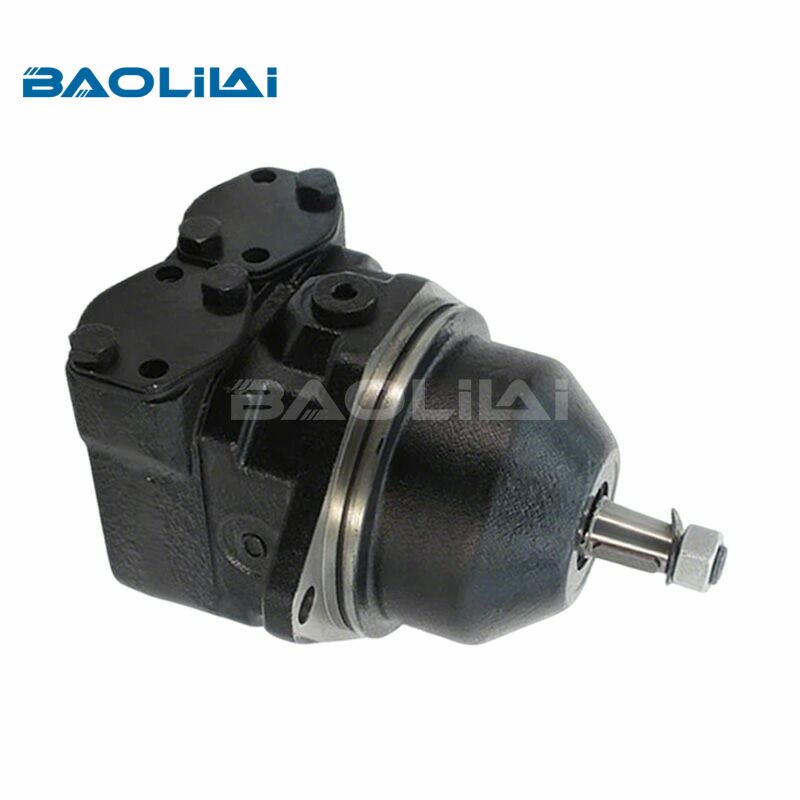
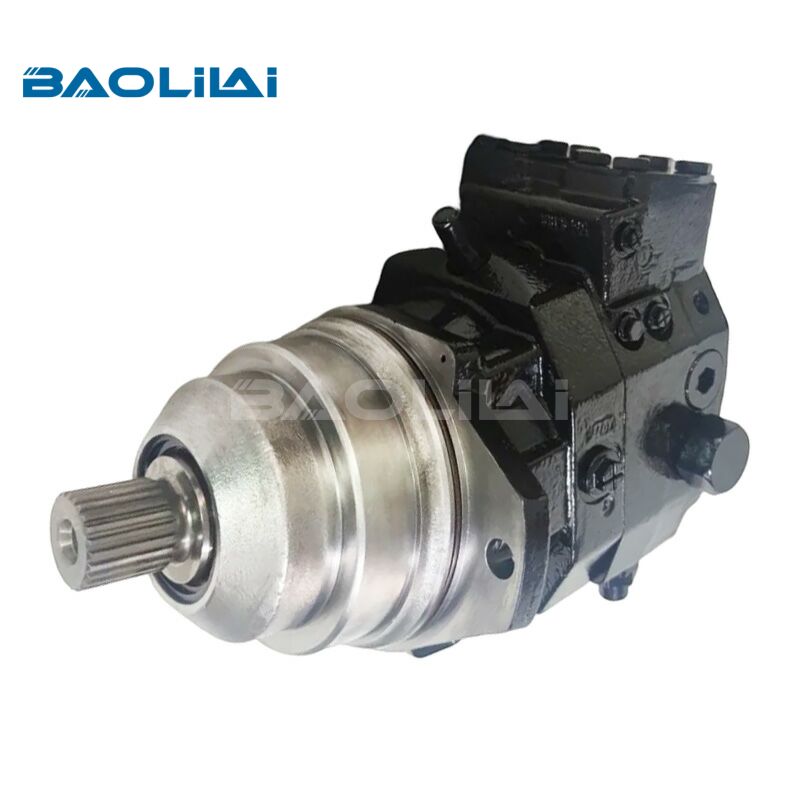
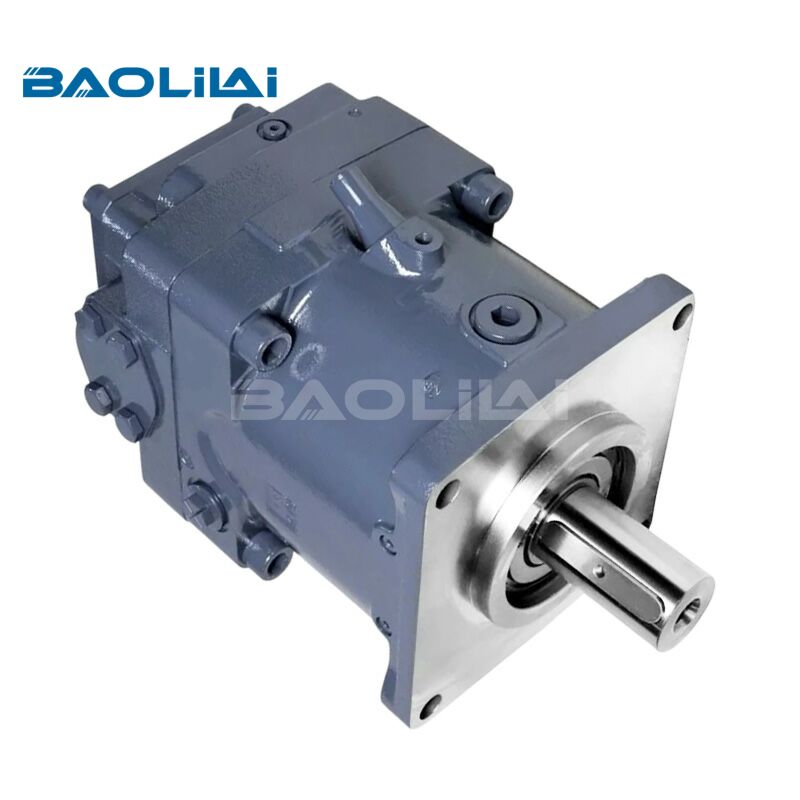
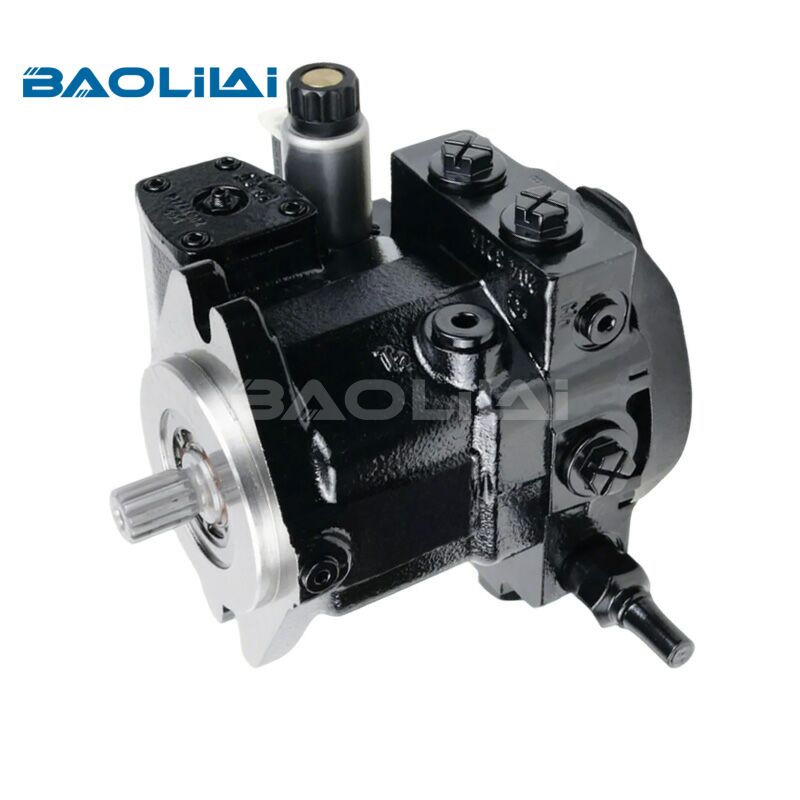
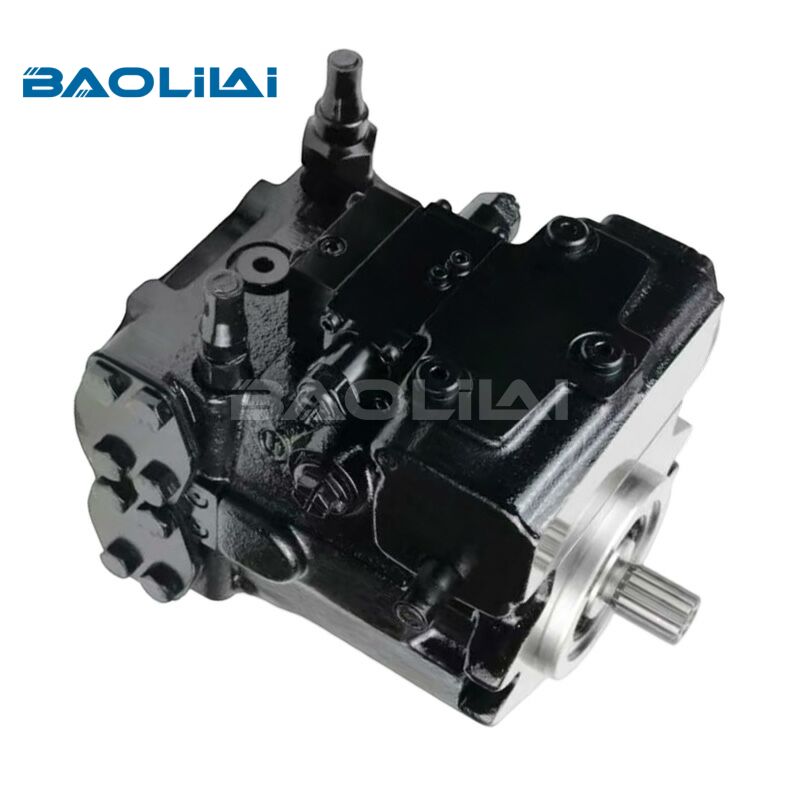
Rexroth A10VG A11VO axial piston hydraulic pumps for the Manitou Engineering Equipment 599001 603217 657822 689420
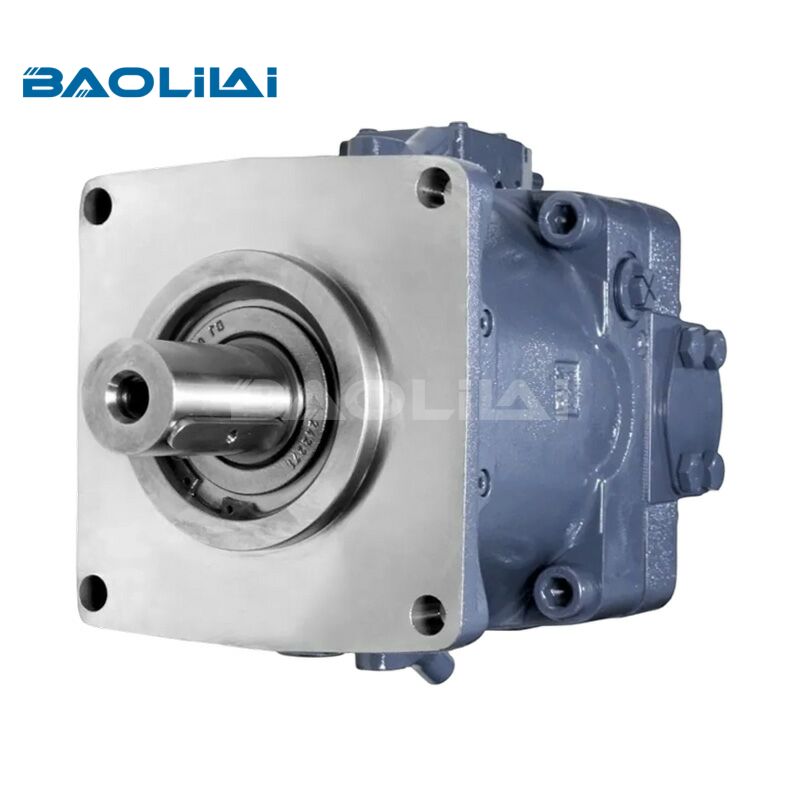
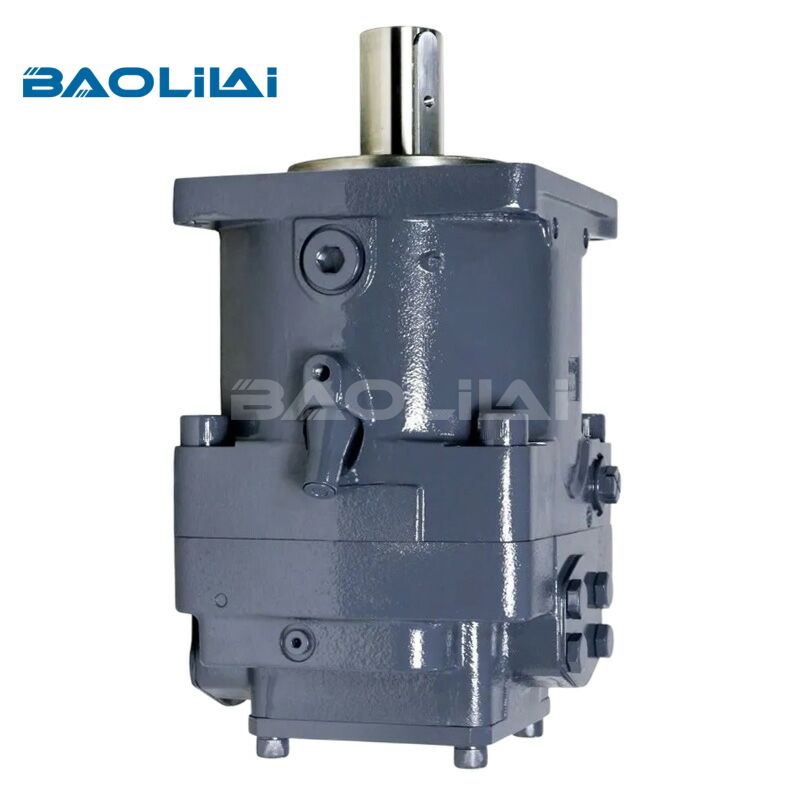

- Product Details
- Product Model
- FAQ
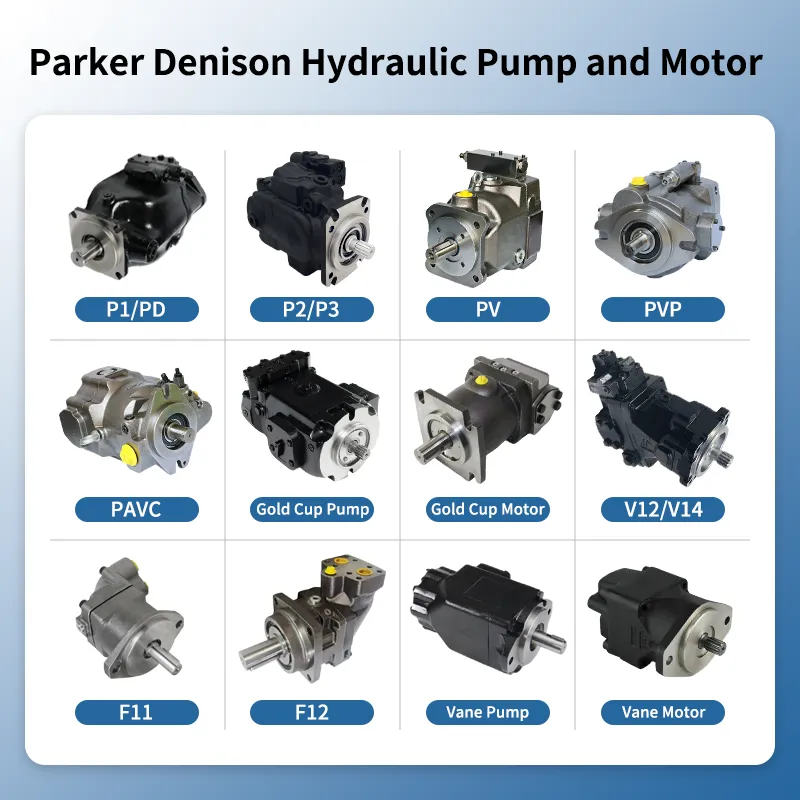
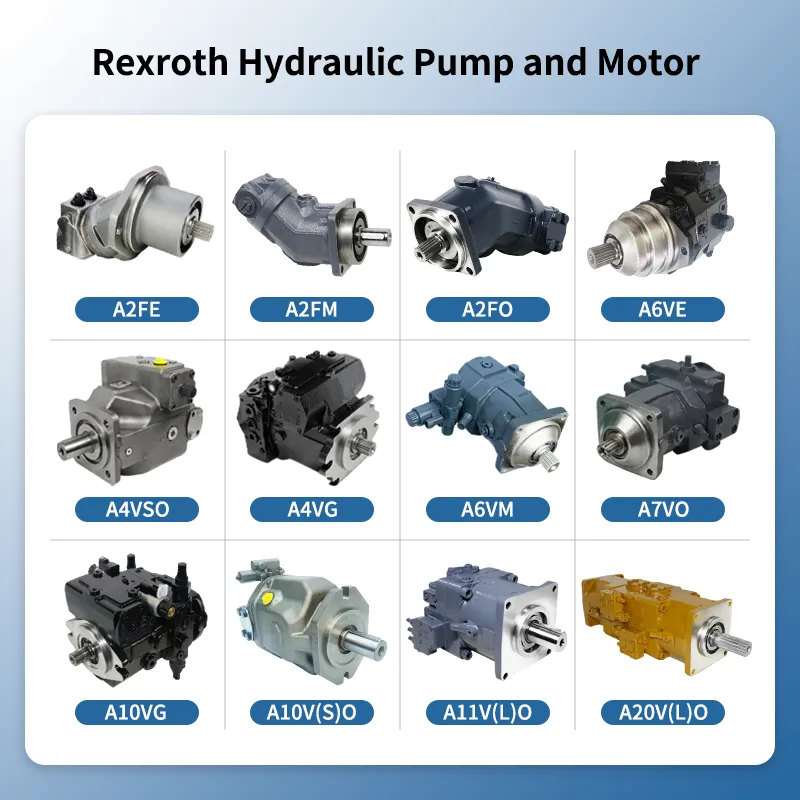
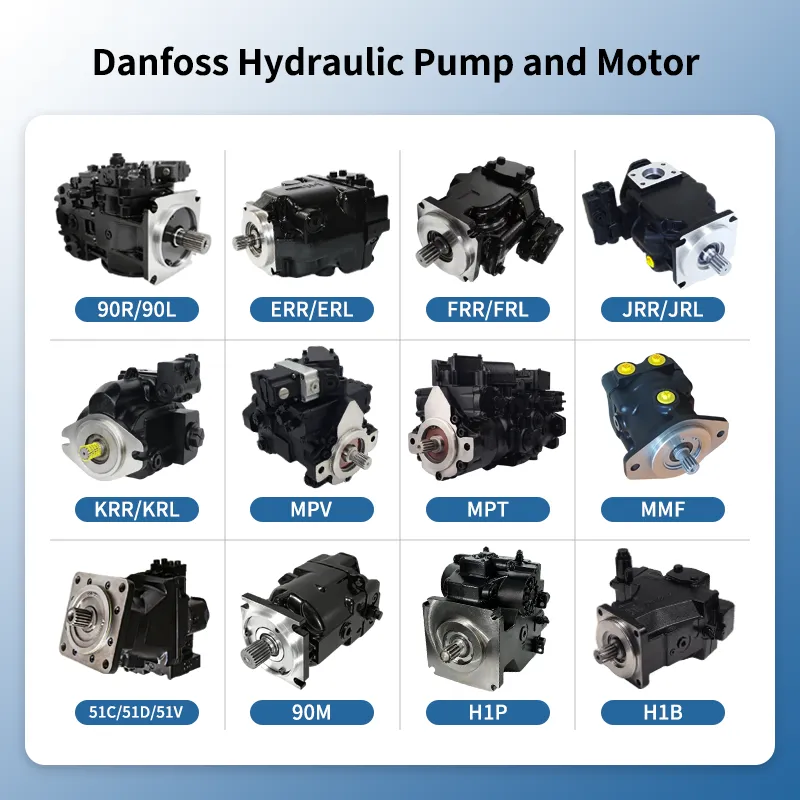
Both the A10VG and A11VO are variable-displacement axial piston pumps built on a swashplate design, manufactured by Bosch Rexroth, a division of the Bosch Group and one of the largest hydraulic component manufacturers in the world. They belong to Rexroth's broader family of closed-circuit axial piston pumps used in mobile hydraulic applications — construction equipment, agricultural machinery, and material handling equipment like Manitou's lineup.
A10VG: The Hydrostatic Travel Pump
The A10VG is primarily used as a travel drive pump in closed hydraulic circuits. It converts mechanical power from the diesel engine into hydraulic flow that drives a hydraulic motor (or motors), which in turn rotates the wheels or tracks. This is the core of a "hydrostatic transmission" — the system that lets a Manitou telehandler creep forward with fine control or launch into a higher travel speed without a mechanical gearbox doing the work alone.
Key characteristics:
Variable displacement via a swashplate, so output flow scales with operator demand
Closed-circuit design, meaning oil recirculates between pump and motor rather than returning to a central reservoir on every cycle
Integrated DA (automotive) or EP (electric proportional) control options
Often paired with a second, smaller charge pump on the same shaft to maintain circuit pressure and cool the loop
A11VO: The High-Pressure Open-Circuit Pump
The A11VO is generally deployed as an open-circuit pump, most often powering the implement or auxiliary hydraulic functions — boom lift, tilt, auxiliary attachments, or steering assist circuits — rather than propulsion. It draws oil from a reservoir, delivers it under pressure to work functions, and returns spent oil to tank.
Key characteristics:
Higher pressure ratings suited to heavy lifting and attachment work
Load-sensing (LS) control variants common on Manitou boom circuits, which adjust output to match actual demand rather than running at constant full flow
Available in multiple displacement sizes (commonly denoted by a number like A11VO130, referring to displacement in cm³/rev)
In short: on many Manitou machines, the A10VG handles "make it move," and the A11VO handles "make it lift, tilt, or steer."
How the System Works Together
The Closed-Loop Travel Circuit (A10VG)
1. The diesel engine drives the A10VG's input shaft.
2. The swashplate angle, set by the operator's travel control (foot pedal or joystick, depending on model), determines pump displacement and therefore oil flow direction and volume.
3. Oil flows to the travel motor(s), turning the axles or hub drives.
4. A charge pump replenishes the low-pressure side of the loop and feeds a cooling/flushing valve to manage heat.
5. As the operator reduces pedal input, the swashplate angle returns toward neutral, and the machine decelerates hydraulically — no separate transmission brake required for normal deceleration.
The Open-Circuit Work Circuit (A11VO)
1. The A11VO draws oil from the hydraulic reservoir.
2. Load-sensing control monitors pressure demand from the boom, tilt, or auxiliary functions.
3. The pump adjusts displacement to deliver only the flow and pressure actually required — improving fuel efficiency versus a fixed-displacement gear pump running at full output constantly.
4. Return oil passes through filtration and a cooler before heading back to the tank.
Maintenance Best Practices
Monitor oil cleanliness rigorously. Axial piston pumps have tight internal clearances; particulate contamination is the single largest driver of premature failure in both A10VG and A11VO units.
Respect oil viscosity and temperature specs. Running oil that's too thin at operating temperature reduces the lubricating film between pistons and bores.
Check charge pressure and LS pressure at service intervals, not just when a problem appears — trending this data catches wear early.
Avoid running the machine with a low reservoir level, especially on uneven terrain where sloshing can uncover the suction pickup momentarily.
Source genuine or properly remanufactured units. Rebuilt pumps that don't meet Rexroth tolerances can look fine on a bench test but fail prematurely under real load cycling.
For more brands and equipment models, please visit https://www.baolilaihydraulic.com/brand/
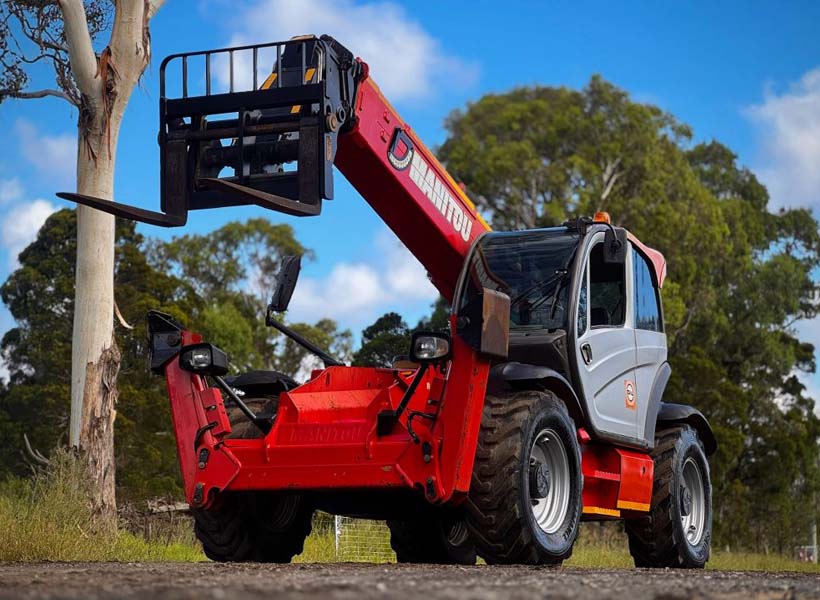
| Application equipment brands | Application equipment No. |
| Manitou | 599001 |
| Manitou | 603217 |
| Manitou | 657822 |
| Manitou | 689420 |
Q1: How do I know if my Manitou has an A10VG, an A11VO, or both?
A1: Most hydrostatically driven Manitou machines (telehandlers, some loaders) use both: an A10VG for travel and an A11VO for the work/lift circuit. The pump housing typically has a stamped model and serial number plate that identifies the exact variant — always confirm against that plate rather than assuming from the machine model alone.
Q2: Is it normal for the pump to be warm to the touch?
A2: Yes, operating warmth is normal for hydraulic pumps under load. What matters is whether the broader hydraulic system temperature stays within the OEM-specified range during normal duty — persistent overheating points to a cooling, contamination, or internal wear issue, not the pump warmth itself.
Q3: What is the price and delivery time of the A11VO hydraulic pump for the Manitou Engineering Equipment?
A3: The specific price and delivery time will depend on the equipment model or specific product model you provide.
Q4: How to purchase an A11VO hydraulic pump for the Manitou Engineering Equipment?
A4: You can visit https://www.baolilaihydraulic.com/contact/ to contact us and purchase our products through various methods.