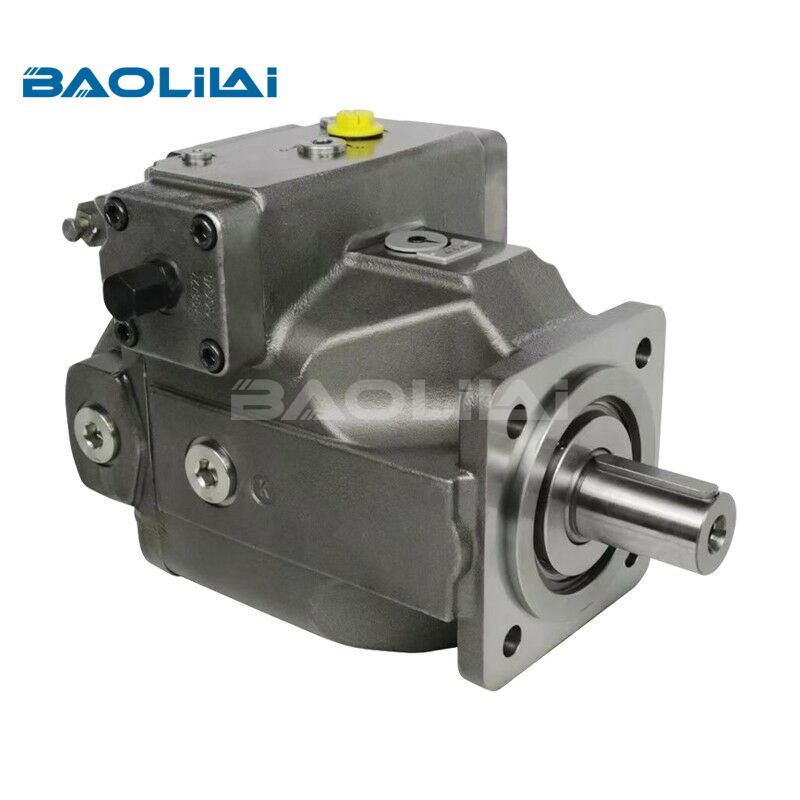
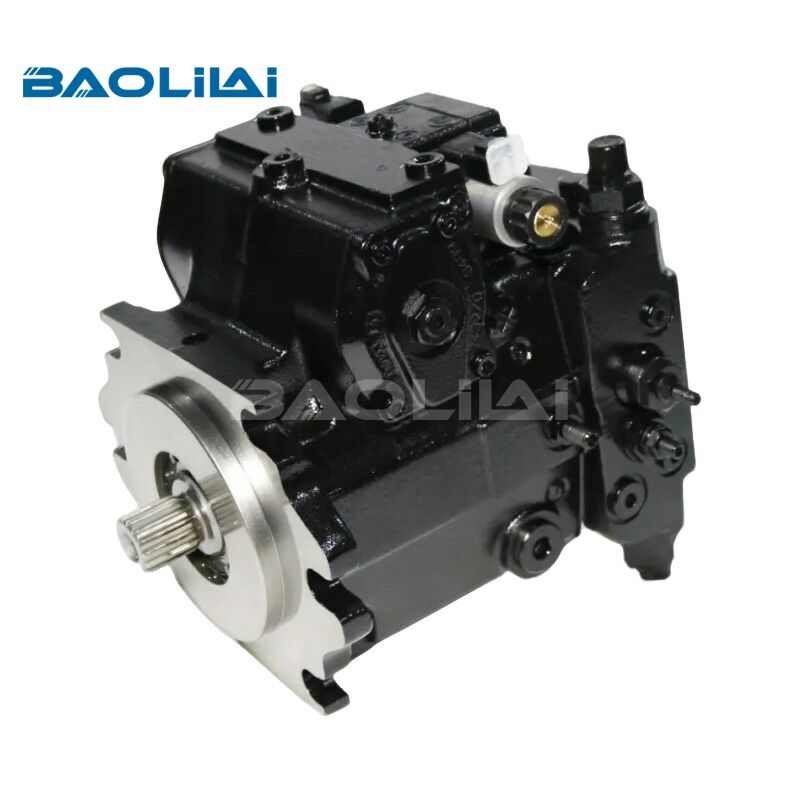
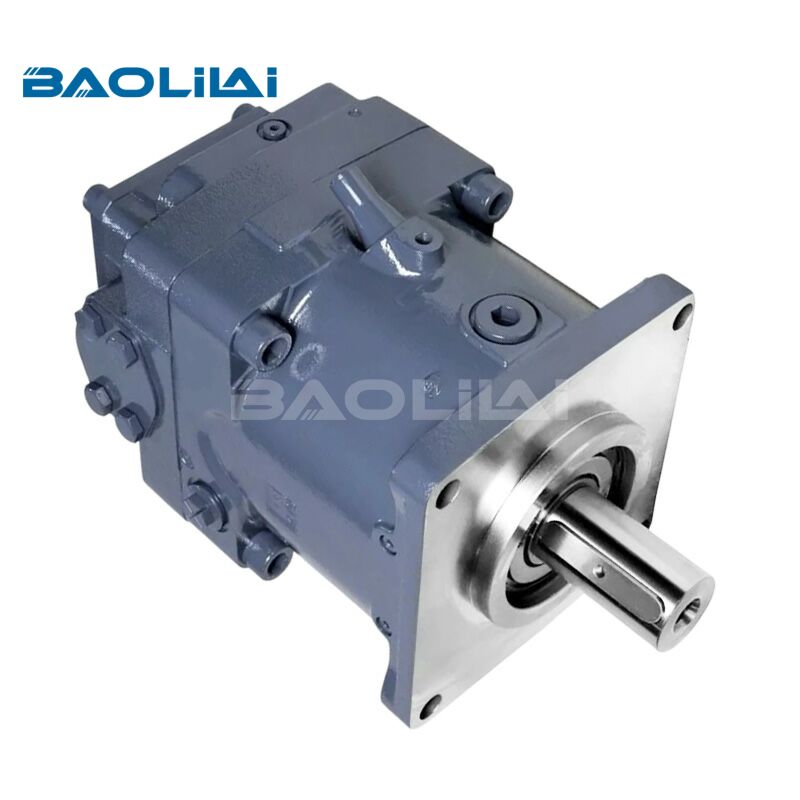
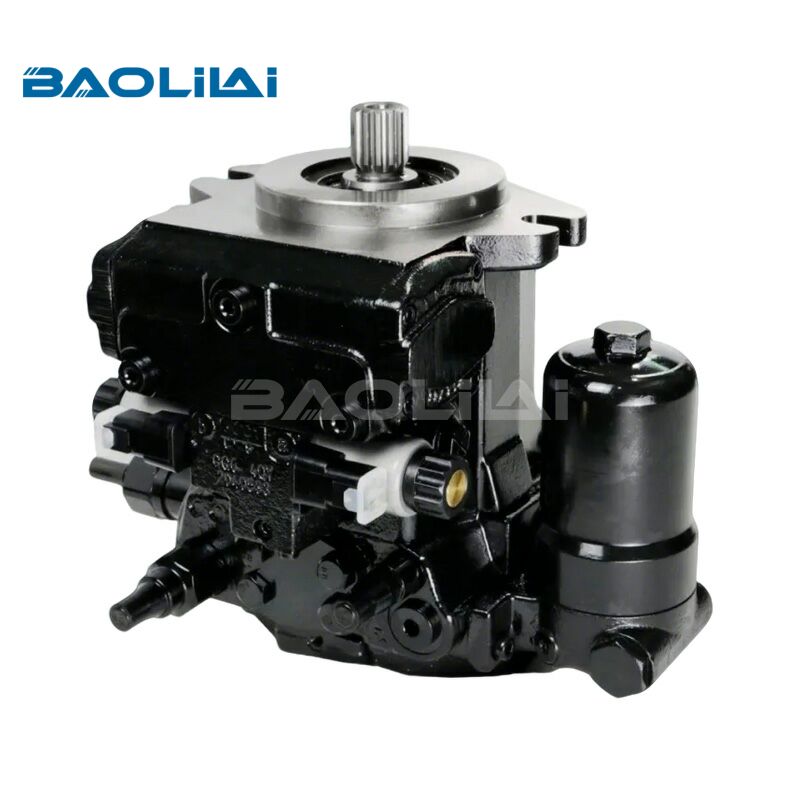
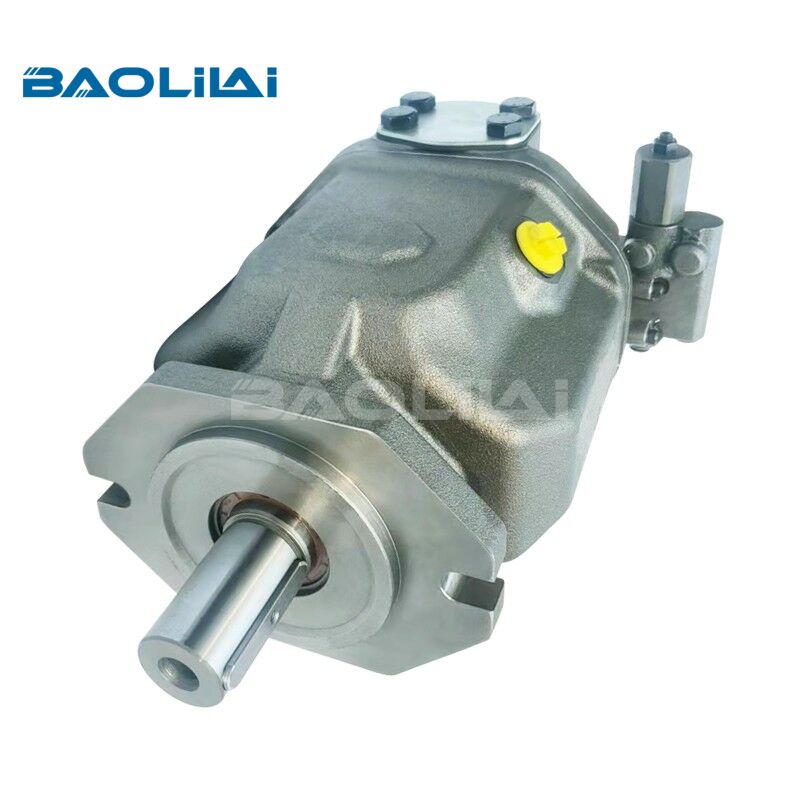
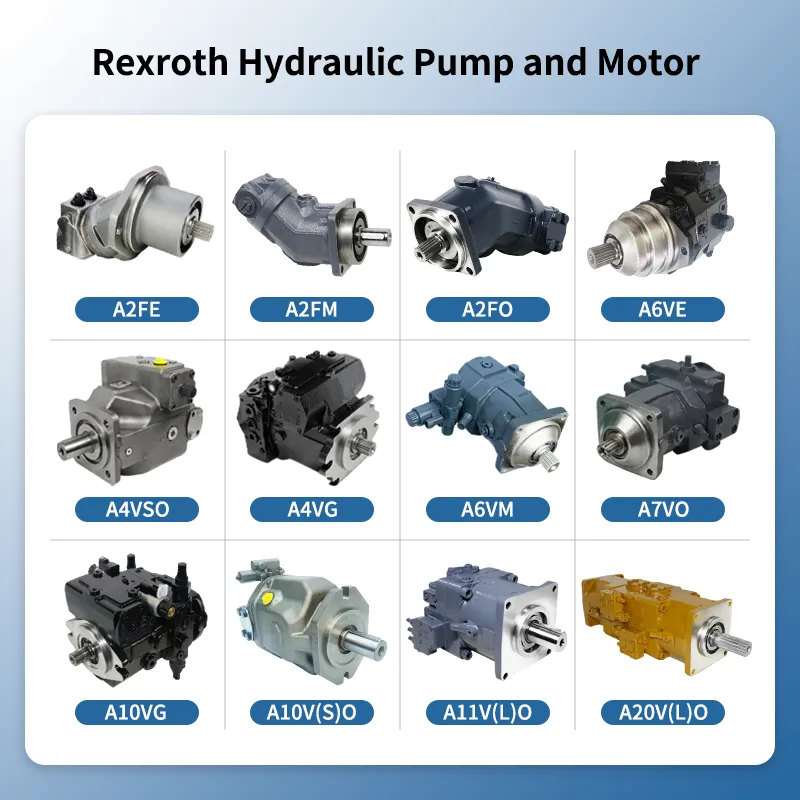
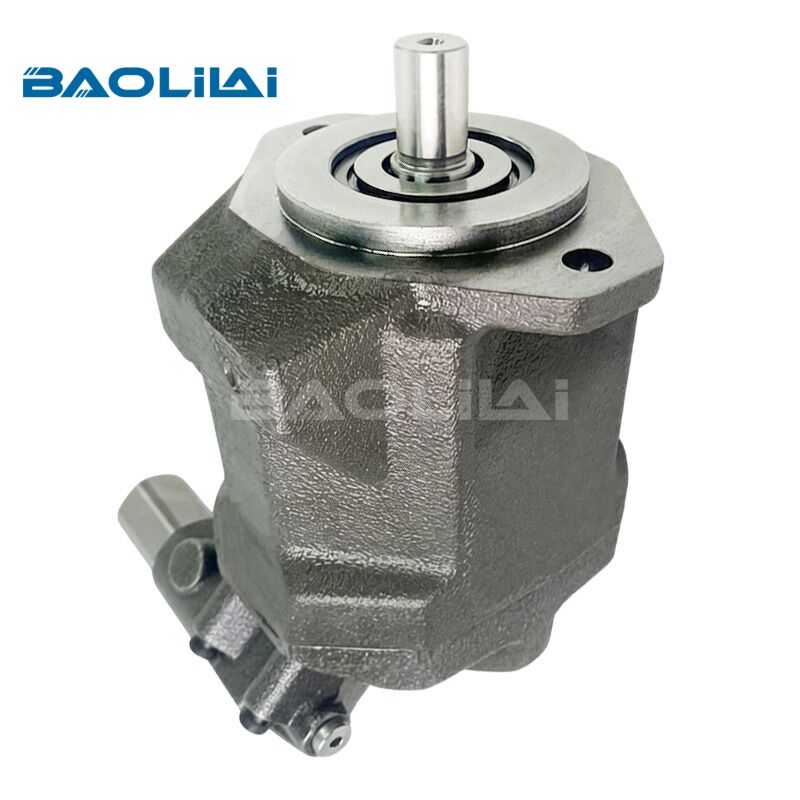
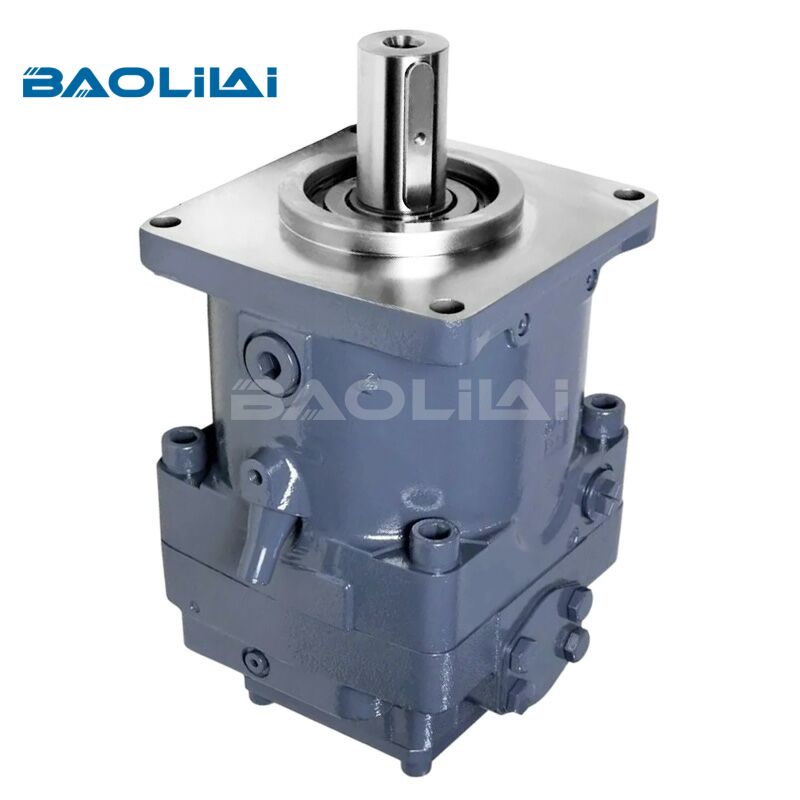
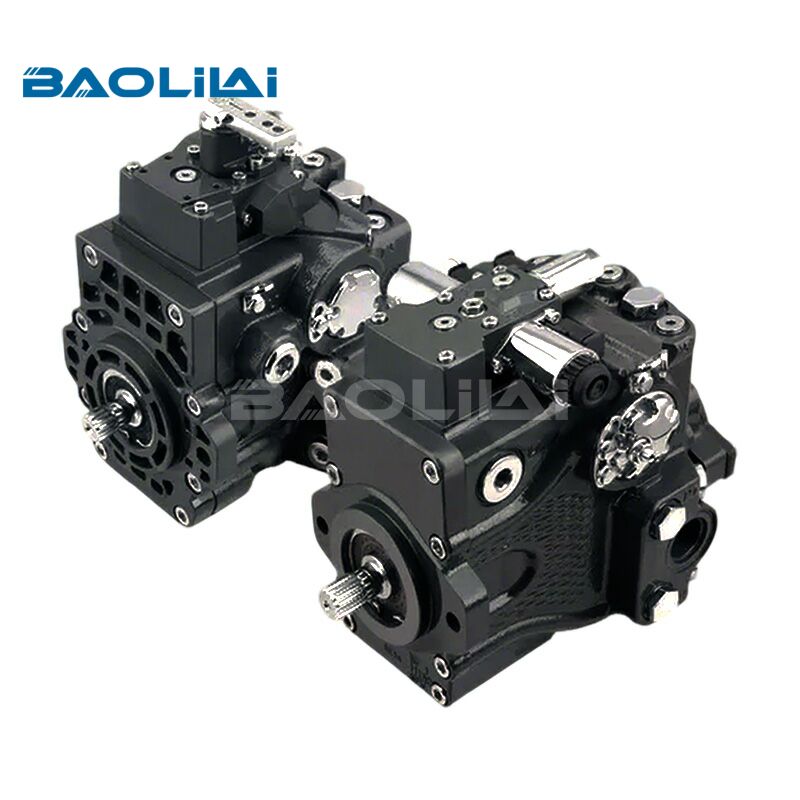
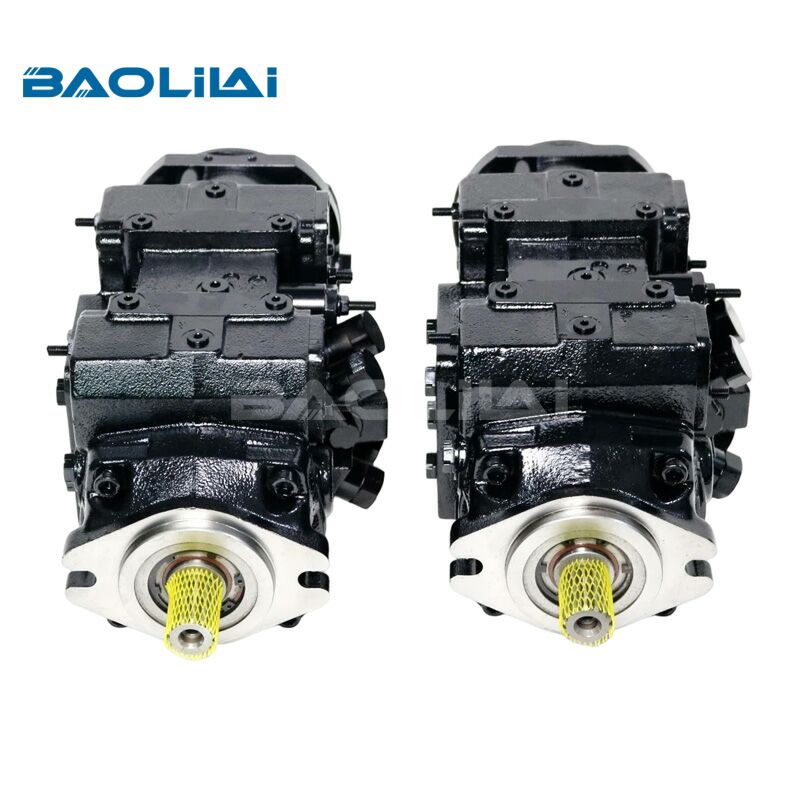
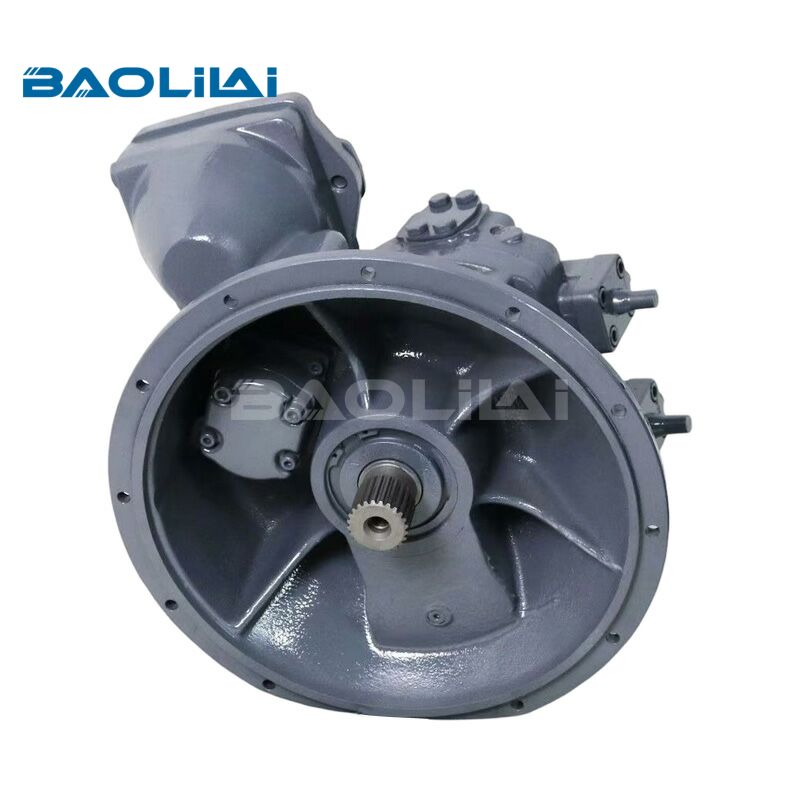
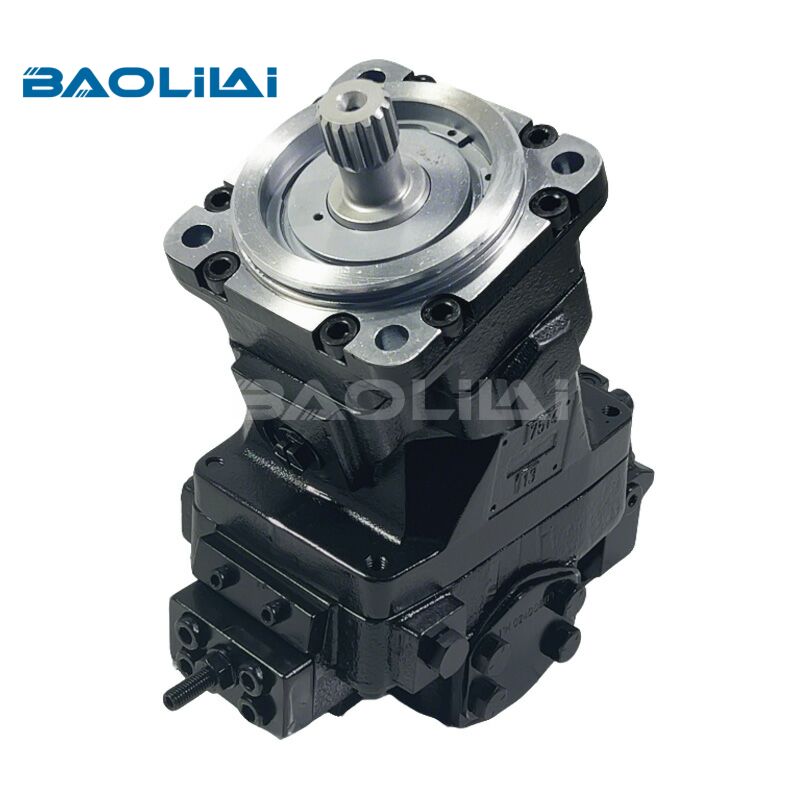
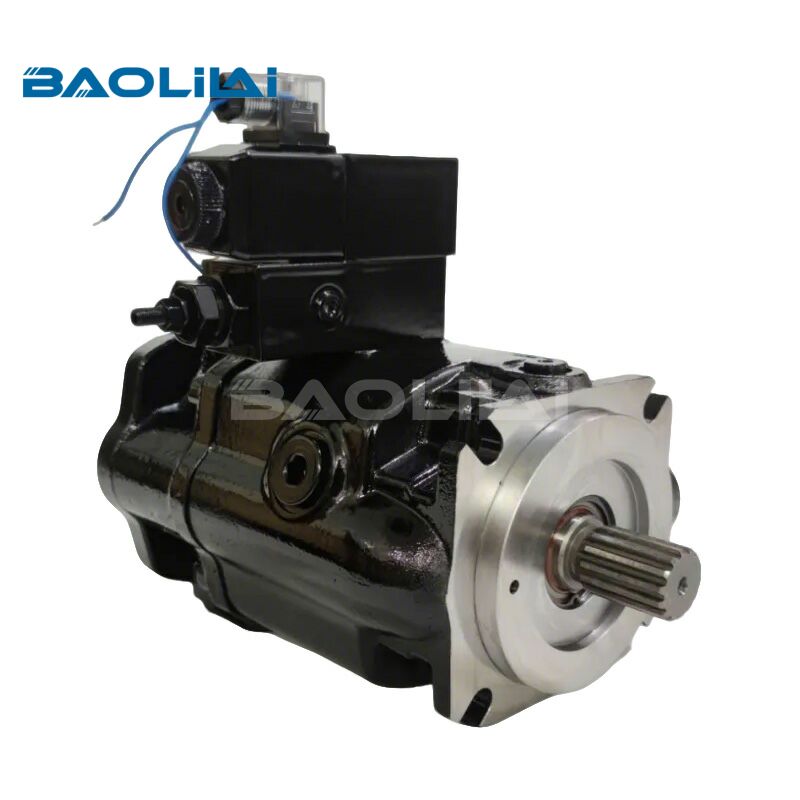
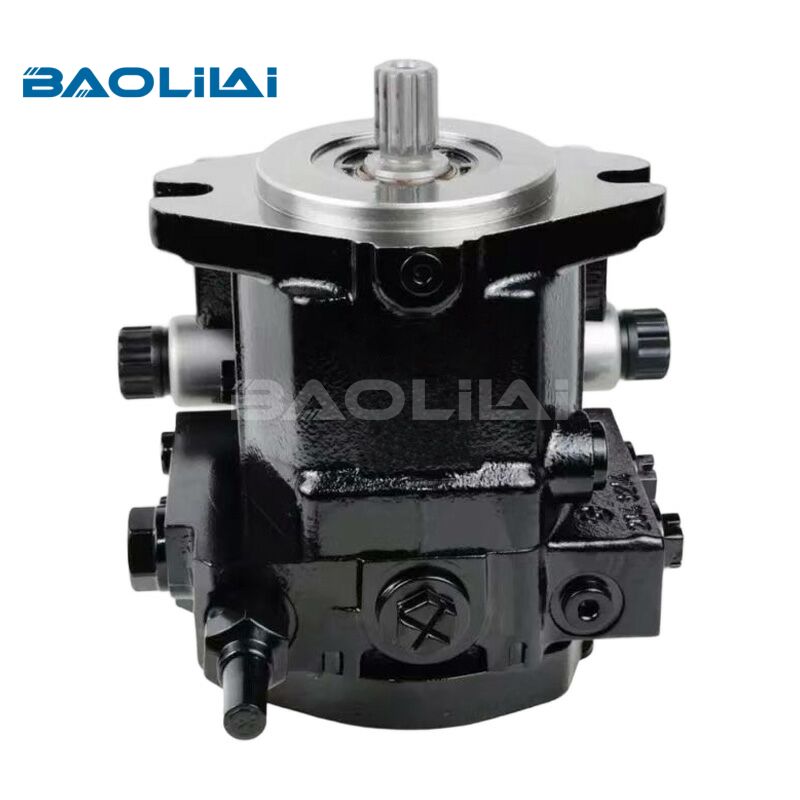
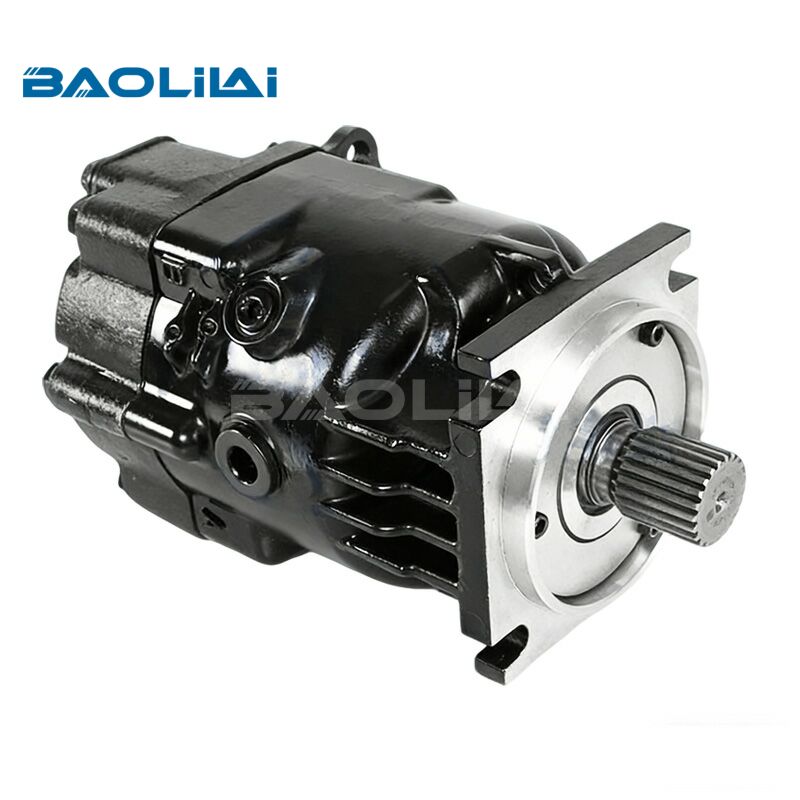
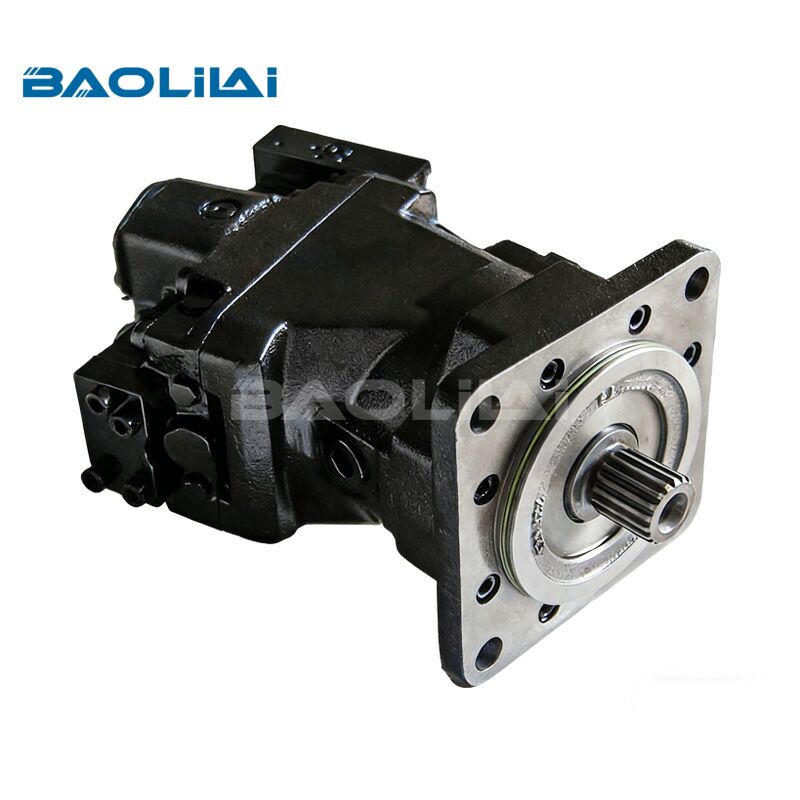
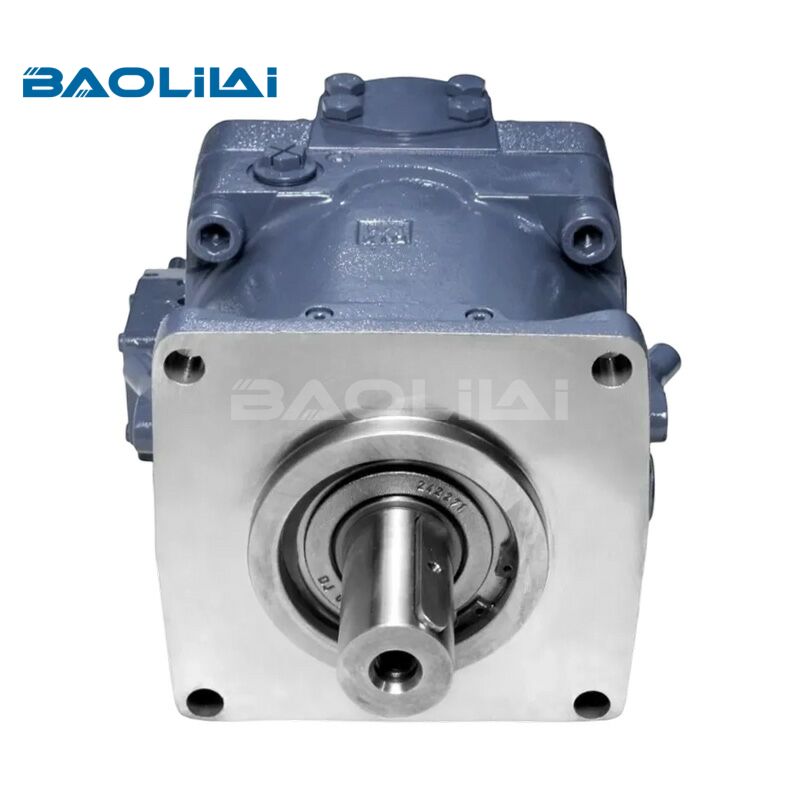
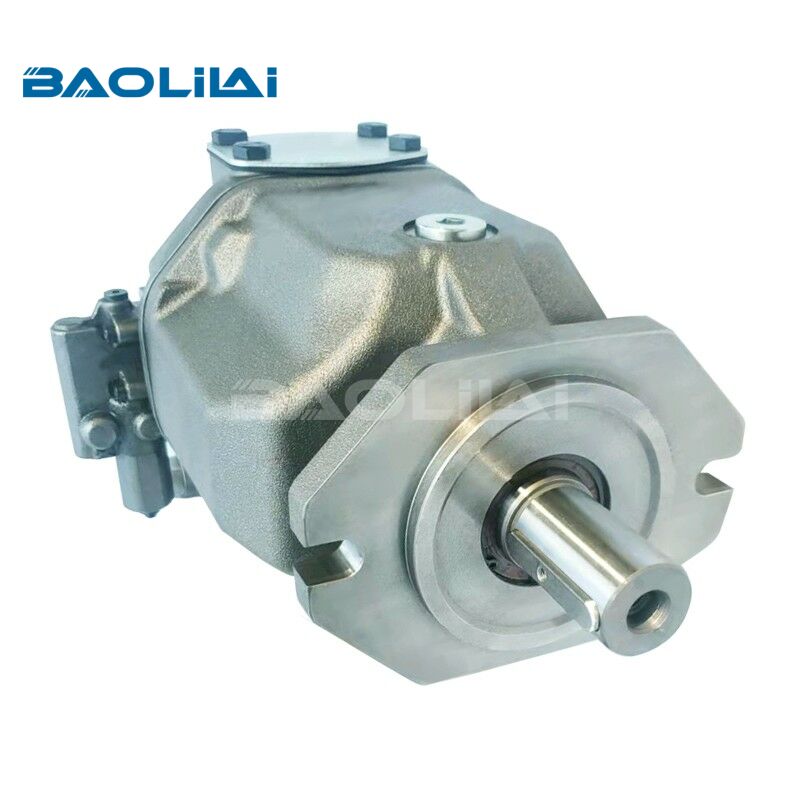
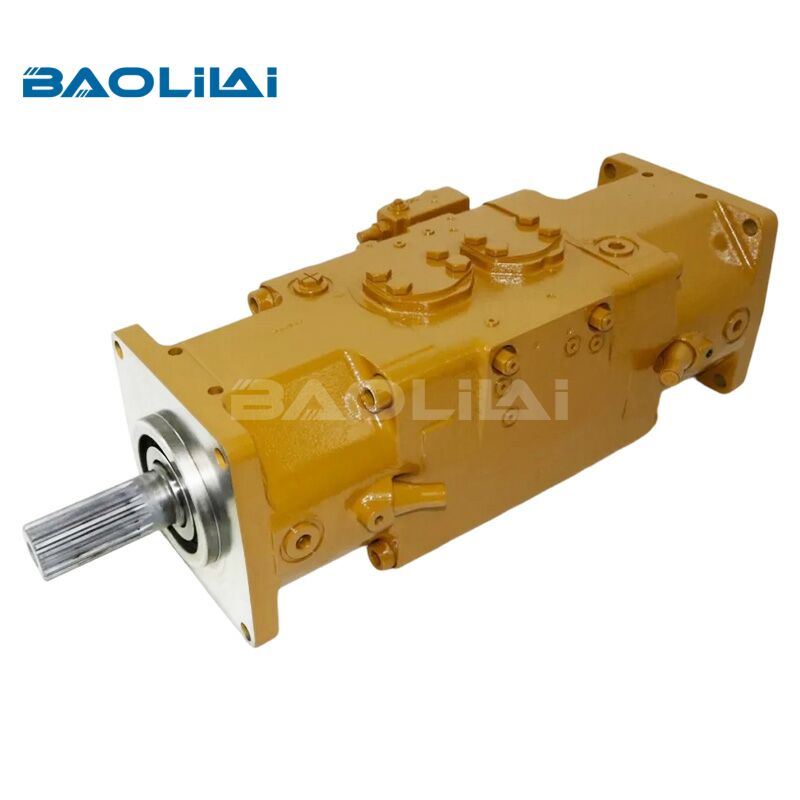
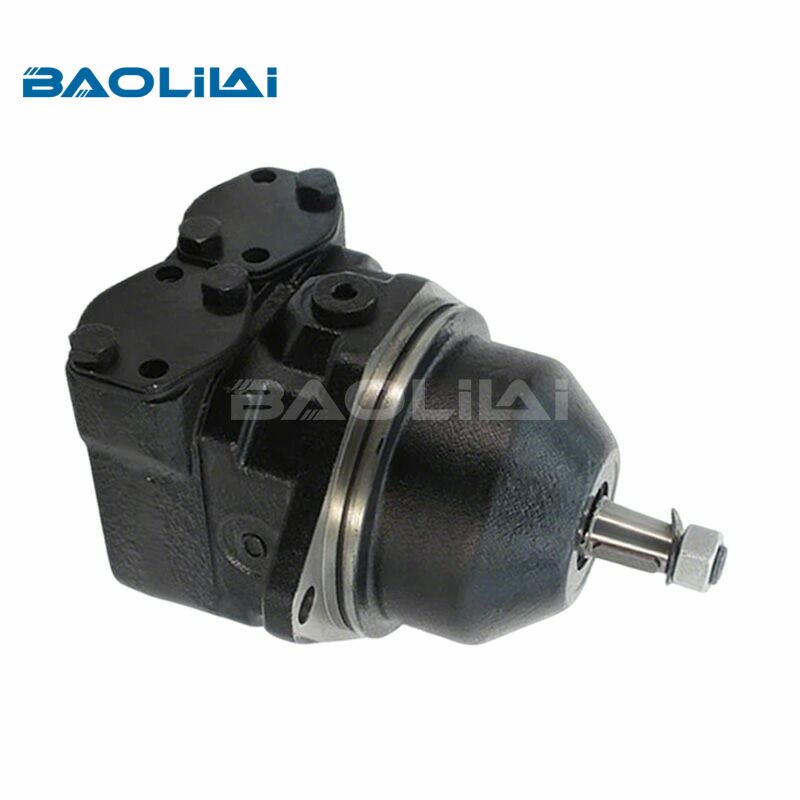
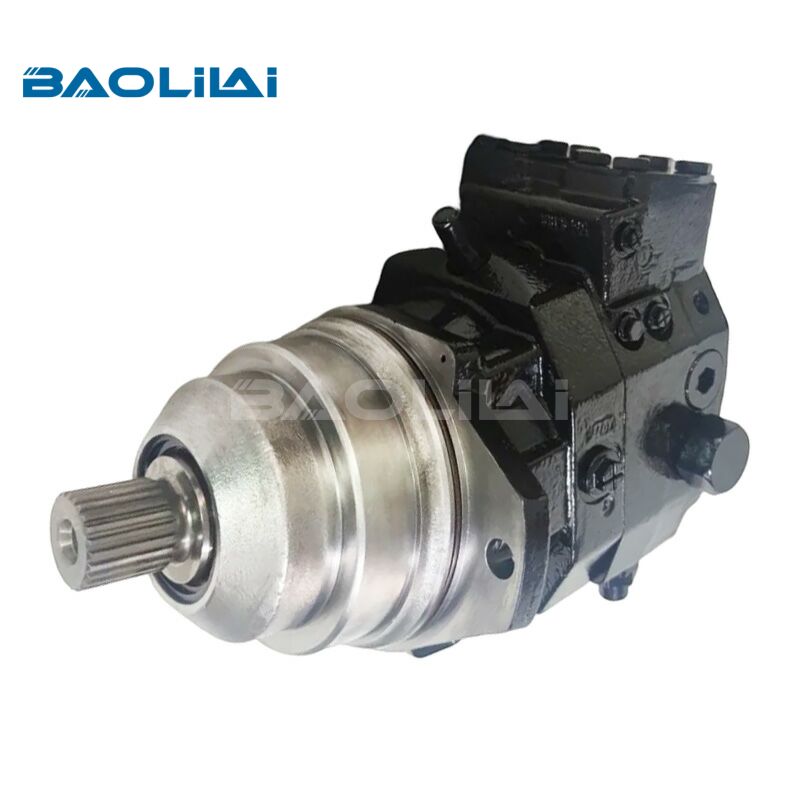
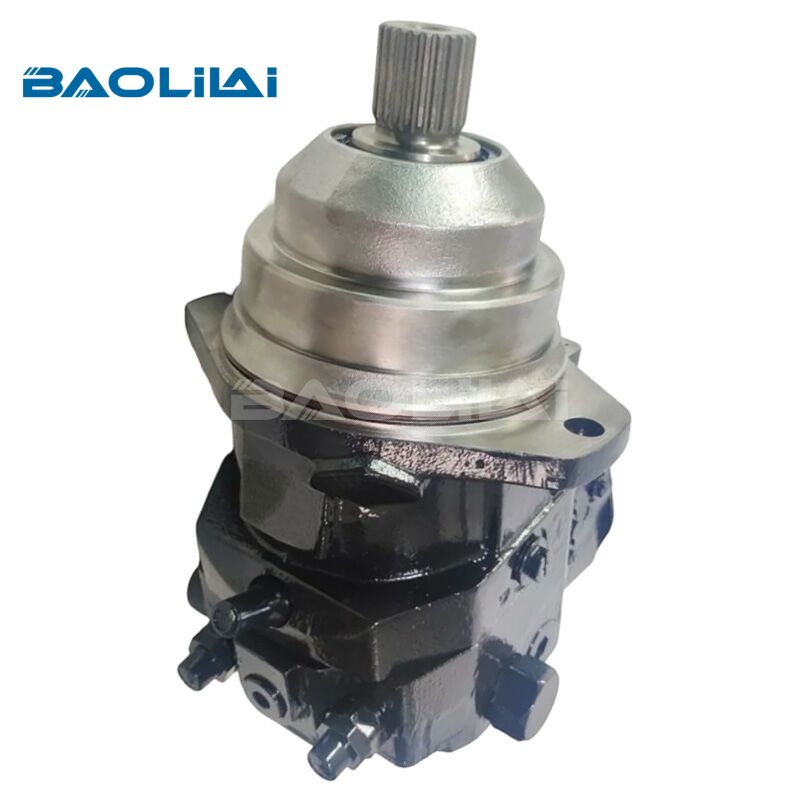
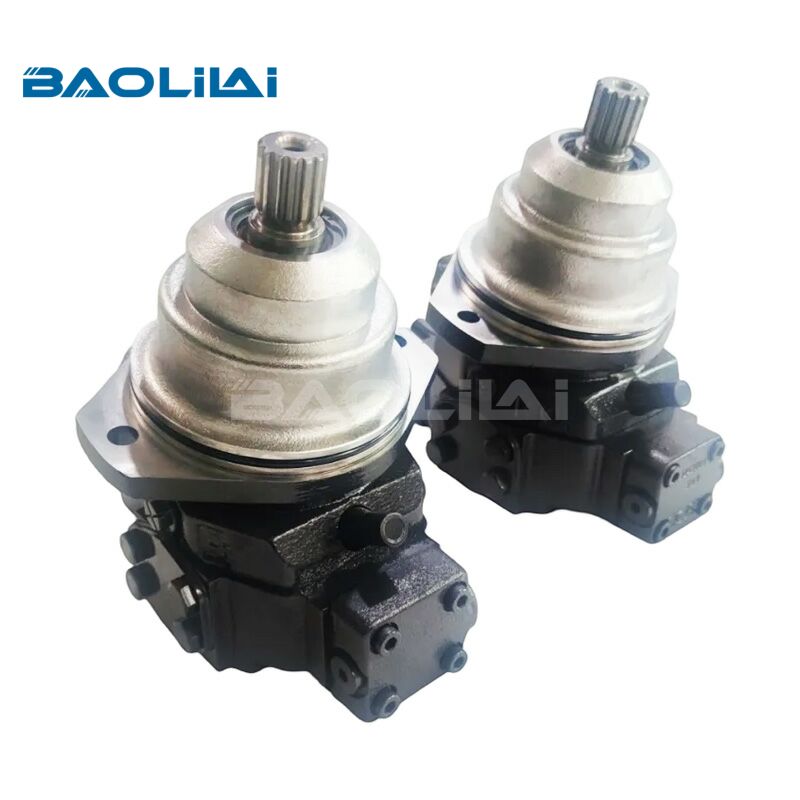
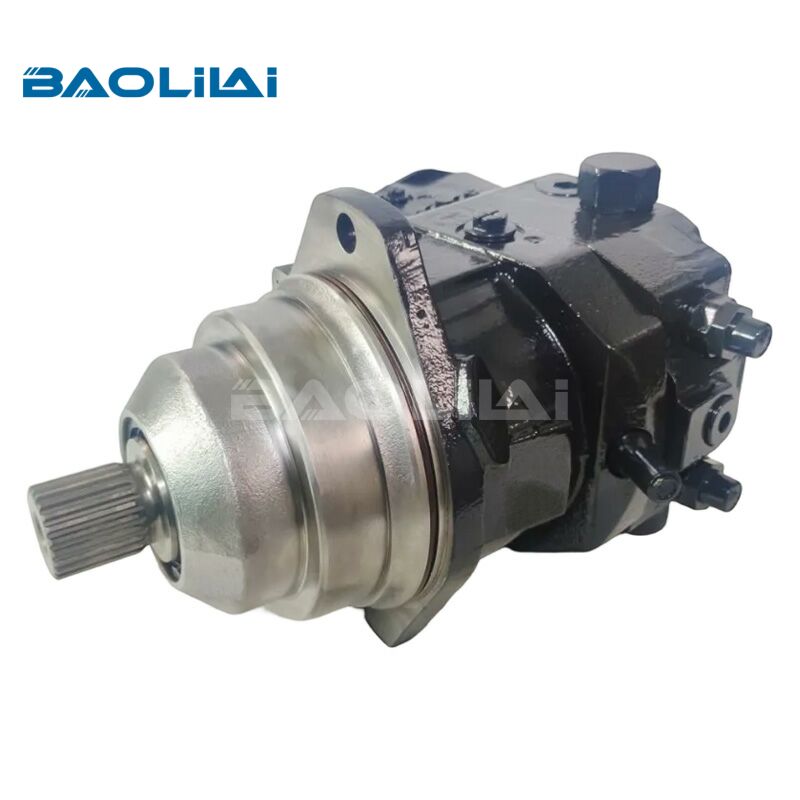
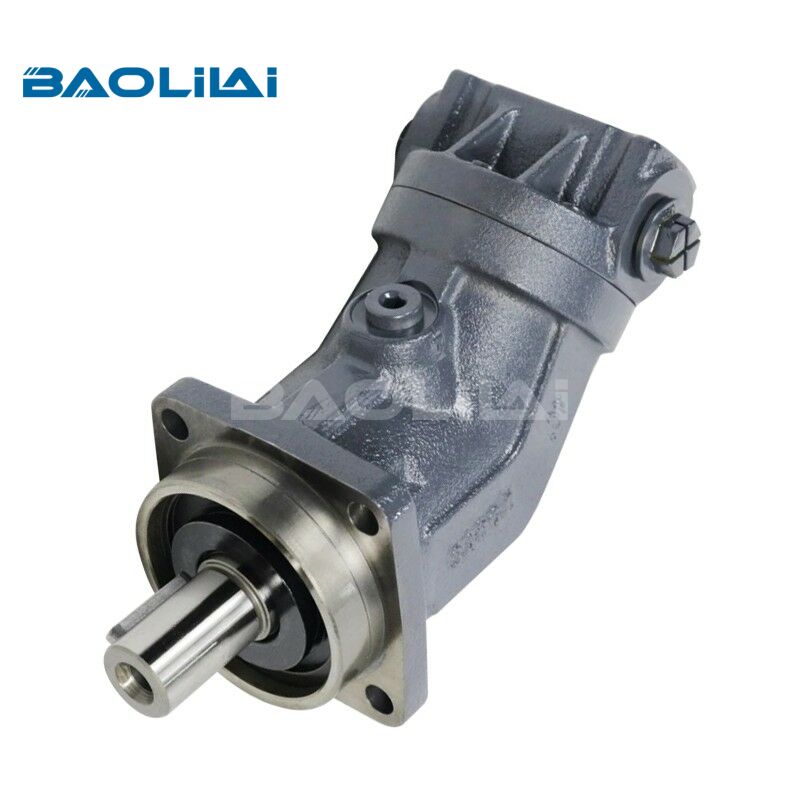
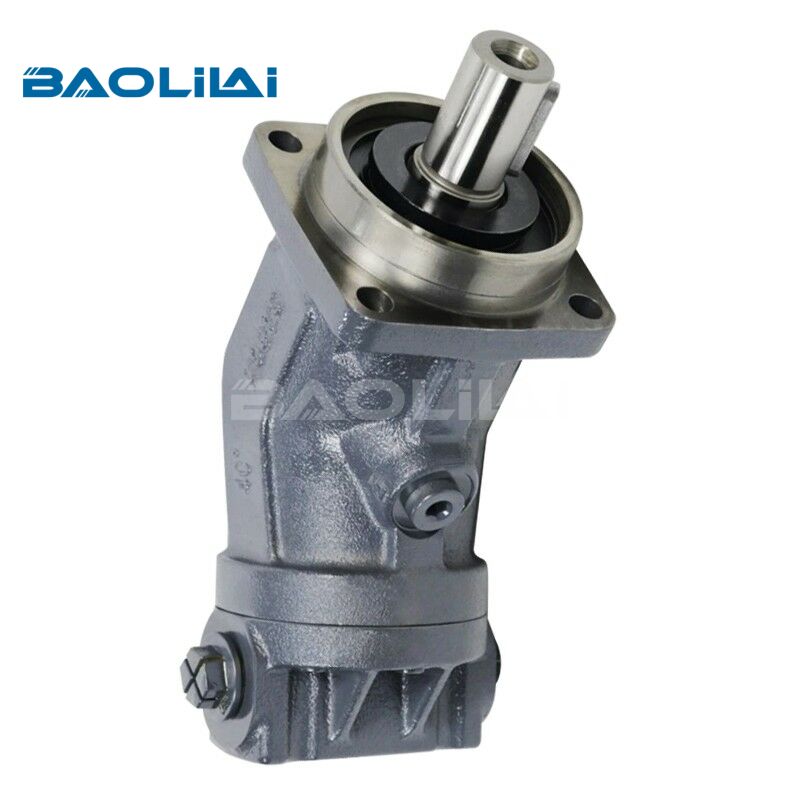
Rexroth A2FM A6VE bent axis hydraulic motor for the AGCO agricultural equipment CH162-9601 E250701 625516 R902212131

- Product Details
- Product Model
- FAQ
The A2FM: Fixed Displacement, Built for Simplicity
The A2FM is a fixed-displacement bent-axis motor. "Fixed" means the geometric displacement — the volume of fluid moved per revolution — doesn't change. Feed it more flow, and it spins faster. Feed it more pressure differential, and it makes more torque. There's no internal control mechanism swiveling anything.
That simplicity is the point. Fewer moving parts inside the control section means fewer things to fail, and a fixed-displacement motor is generally cheaper to buy, easier to troubleshoot, and easier to source in the field than a variable unit.
The A6VE: Variable Displacement, Built for Range
The A6VE is the variable-displacement cousin. Instead of a fixed swing angle, its cylinder block can pivot continuously from maximum displacement down to zero. That variability is controlled hydraulically, electro-hydraulically, or mechanically depending on the control option ordered.
Because displacement and speed are inversely related in a piston motor, being able to change displacement on the fly means a single A6VE can cover both ends of an operating envelope — high torque and low speed for starting under load, then a swing toward lower displacement for higher travel speed once the load eases.
Why AGCO Specifies These Motors Across Its Brands
AGCO builds under a wide portfolio — Fendt, Massey Ferguson, Challenger, Valtra, and others — and hydrostatic drive components like the A2FM and A6VE show up across several of these product lines because the underlying engineering problem repeats itself: something on the machine needs strong, controllable rotary power fed straight from the hydraulic circuit, without a mechanical shaft or belt in the way.
Example: Combine Harvester Drive Systems
On a combine, ground propulsion, feeder house drive, and rotor or straw walker drive circuits all benefit from hydrostatic power. A variable motor like the A6VE handles ground drive well, since the operator needs both crawling speed through a wet low spot and a faster transport speed on the road, all from one motor. A fixed A2FM, by contrast, is a natural fit for something like a cooling fan or a chopper that just needs to run at a steady, predictable speed tied to engine output.
Example: Self-Propelled Sprayers
A high-clearance sprayer's individual wheel motors are a classic bent axis application. Each wheel typically gets its own hydraulic motor, and the combination of high starting torque (for pulling out of soft ground) and smooth variable speed (for creeping through a field at precise application speeds) plays directly to the strengths of a variable A6VE-style unit.
Example: Forage Harvesters and Balers
Feed rolls, cutter head drives, and baler plunger circuits often use fixed-displacement motors, since the load profile is more about consistent torque delivery than a wide speed range. An A2FM sized correctly for the load gives that consistency with fewer parts to maintain.
Installation, Fluid, and Maintenance Notes
A few practical points that come up repeatedly with these motors in agricultural service:
Bleeding air is non-negotiable. Both series must be filled with hydraulic fluid and bled during commissioning, and again after any extended standstill, since the unit can drain back through the lines over time. Running one dry, even briefly, on startup is a common cause of premature bearing and piston wear.
Case drain routing matters. The housing drain (case drain) must route to the tank via the highest-located port, and it needs to stay below the minimum fluid level in the reservoir at all times to avoid air ingestion.
Fluid compatibility is size-dependent. Standard mineral oil works across the range; HFB and HFC fire-resistant fluids are generally fine for the smaller-to-mid frame sizes, while HFD compatibility is usually limited to the larger frames paired with long-life bearing options. Always check the specific motor's data plate and Rexroth's datasheet before switching fluids.
Watch the housing pressure. If multiple units share a common drain line, the combined case pressure must stay within the lowest-rated unit's limit — an easy thing to overlook when motors of different sizes are plumbed together.
Contamination control pays for itself. Bent axis motors are more tolerant of contamination than some designs, but that tolerance isn't infinite. Ag environments — dust, chaff, field debris — make filtration discipline one of the cheapest ways to extend service life.
For more brand and equipment models, please visit https://www.baolilaihydraulic.com/brand/
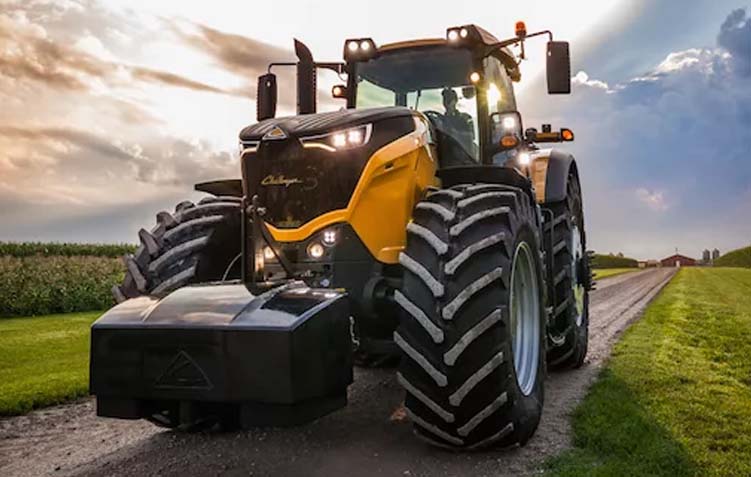
| Application equipment brands | Application equipment No. |
| AGCO | CH162-9601 |
| AGCO | E250701 |
| AGCO | 625516-NEW R902212131 |
Q1: Are these motors specific to AGCO, or used elsewhere too?
A1: They're general-purpose industrial and mobile hydraulic components, not proprietary to AGCO. Bosch Rexroth supplies the A2FM and A6VE lines across construction, forestry, marine, and industrial markets as well as agriculture — AGCO's engineering teams simply select and integrate them into specific machine platforms.
Q2: How do I know if a motor needs to be rebuilt or replaced?
A2: Rising case drain flow, falling output torque at rated pressure, unusual noise, and visible metal contamination in the hydraulic fluid are the classic signs of internal wear. A qualified hydraulics shop can pressure- and flow-test the unit to confirm before committing to a rebuild or replacement.
Q3: What is the price and delivery time of the Rexroth A6VE/A2FM motor for the AGCO agricultural equipment?
A3: The specific price and delivery time will depend on the equipment model or specific product model you provide.
Q4: How to purchase a Rexroth A6VE/A2FM motor for the AGCO agricultural equipment?
A4: You can visit https://www.baolilaihydraulic.com/contact/ to contact us and purchase our products through various methods.