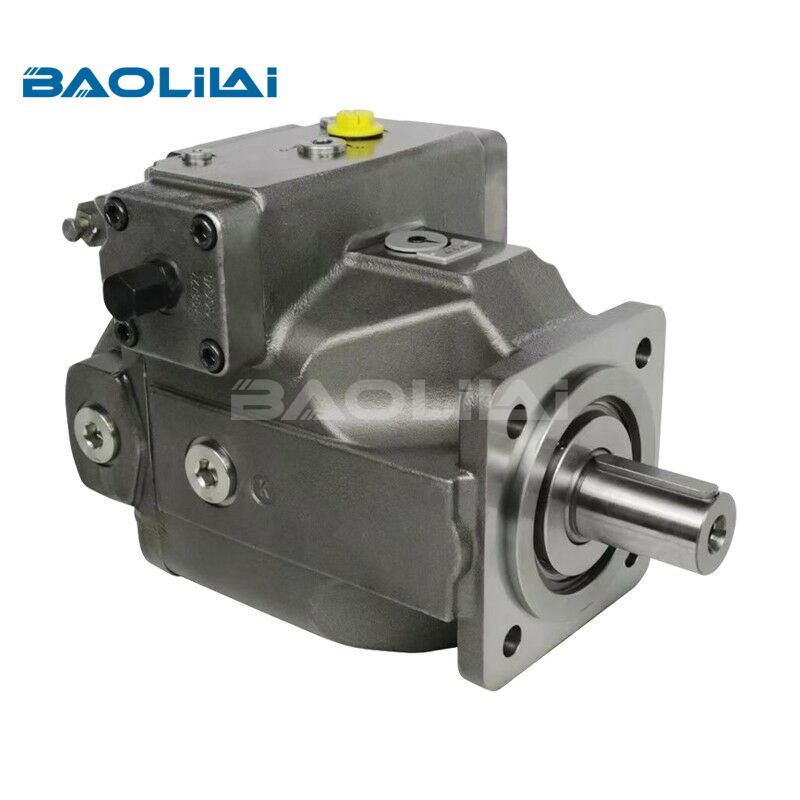
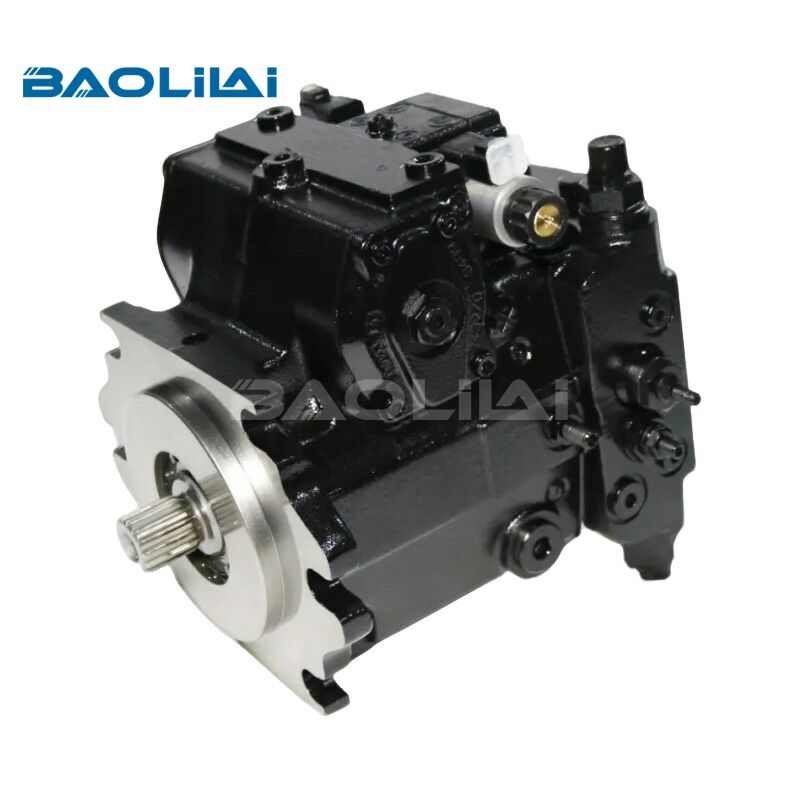
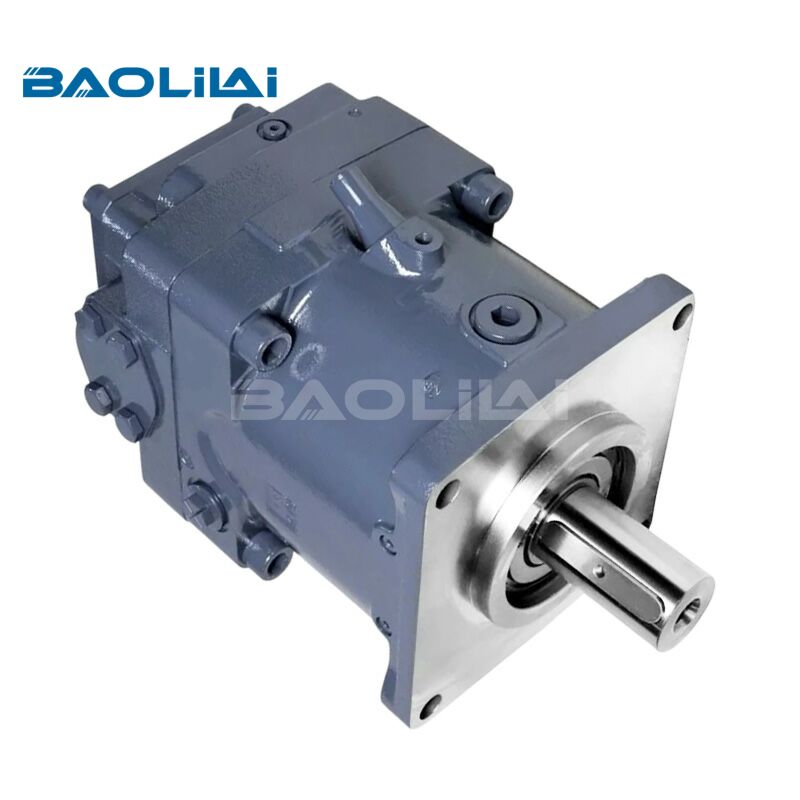
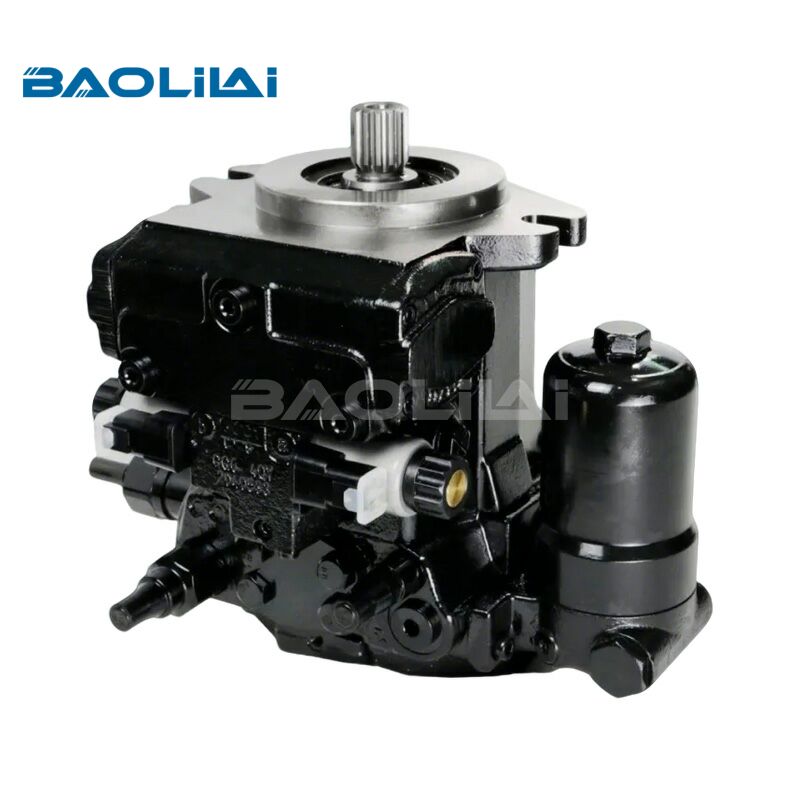
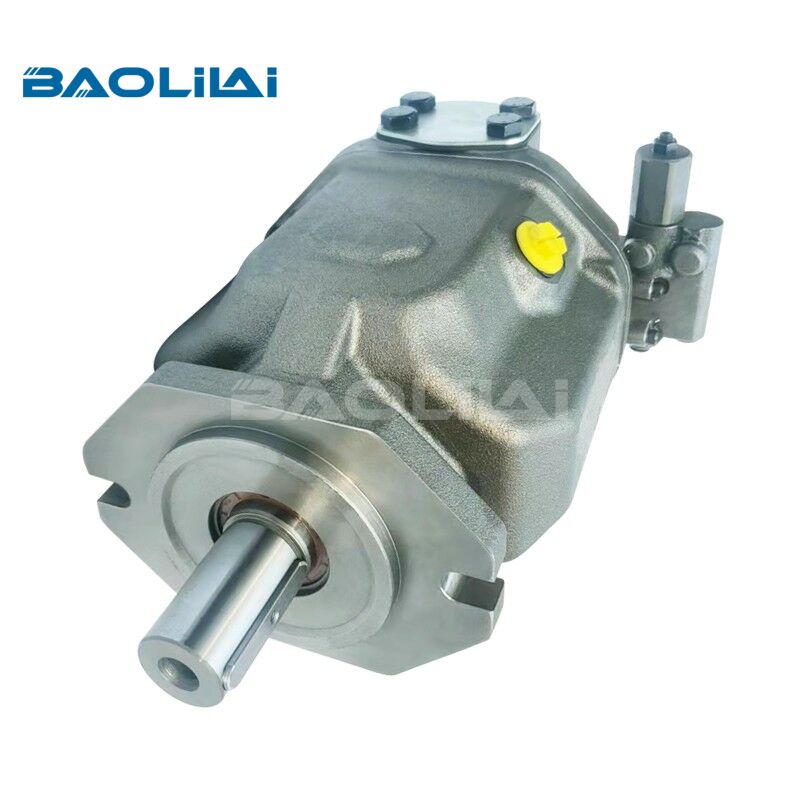
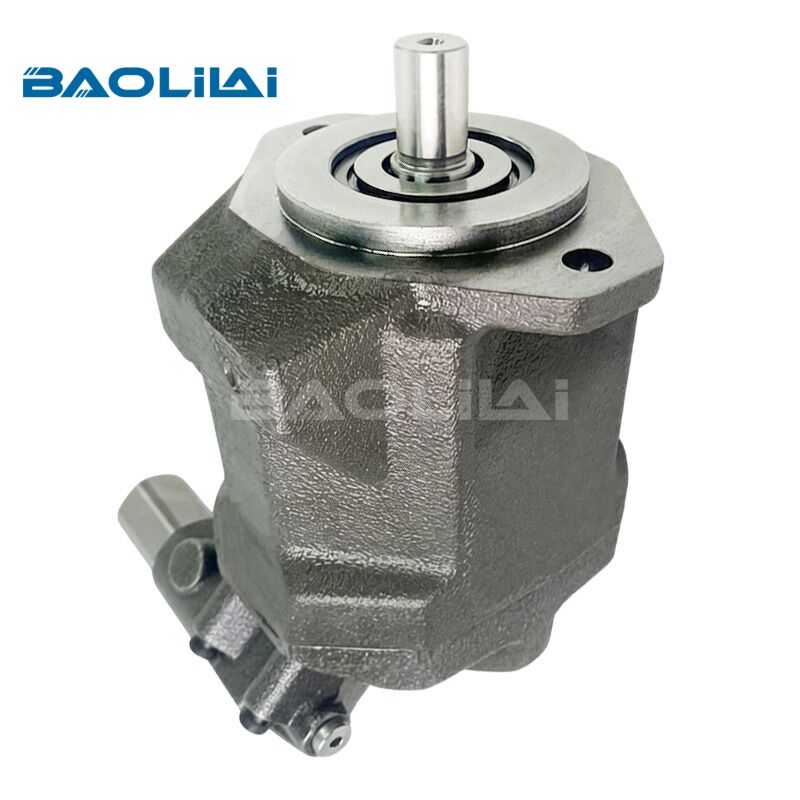
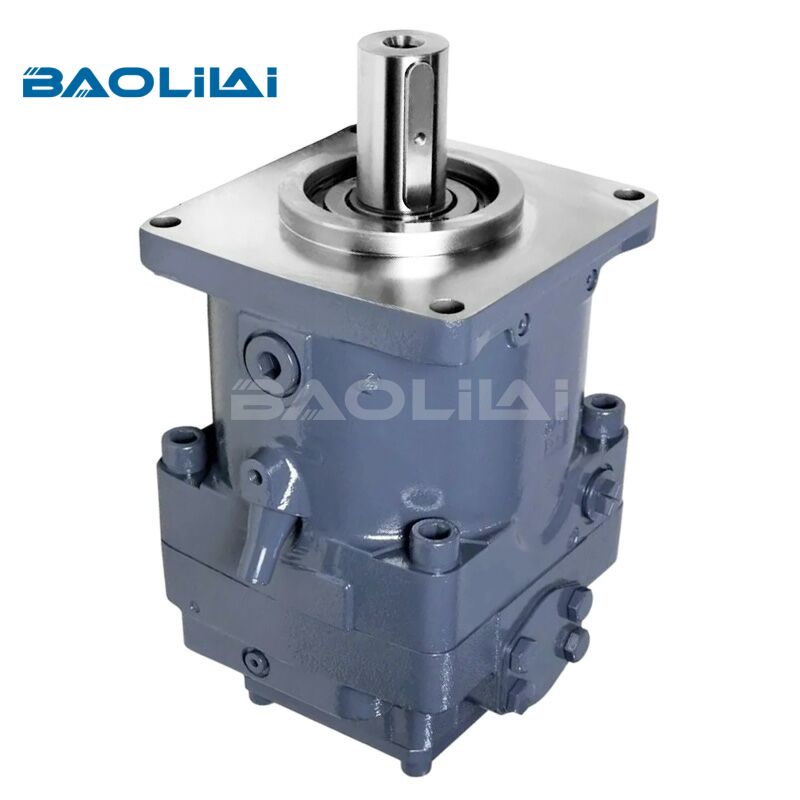
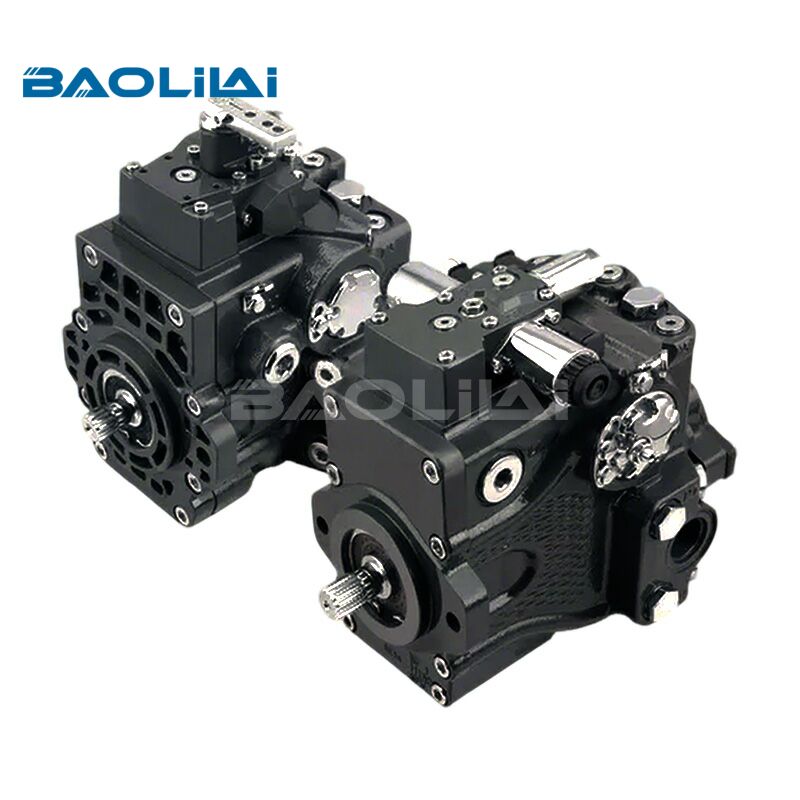
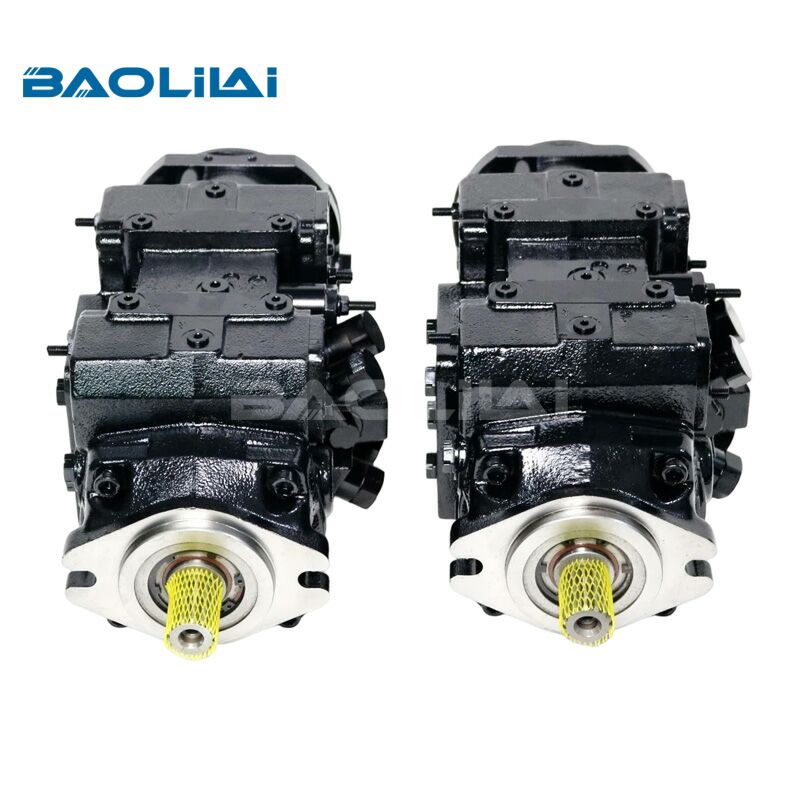
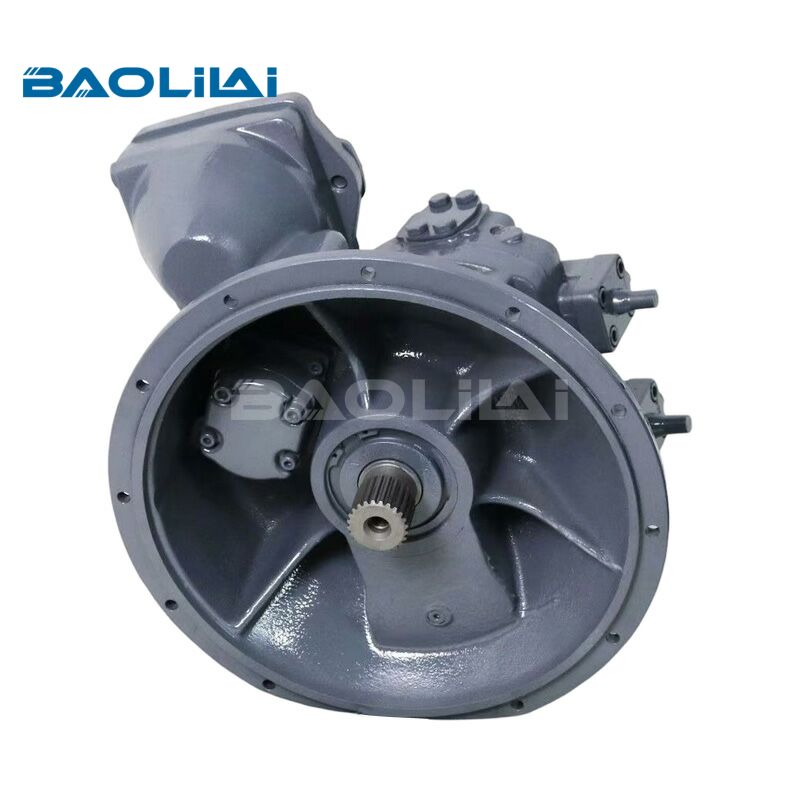
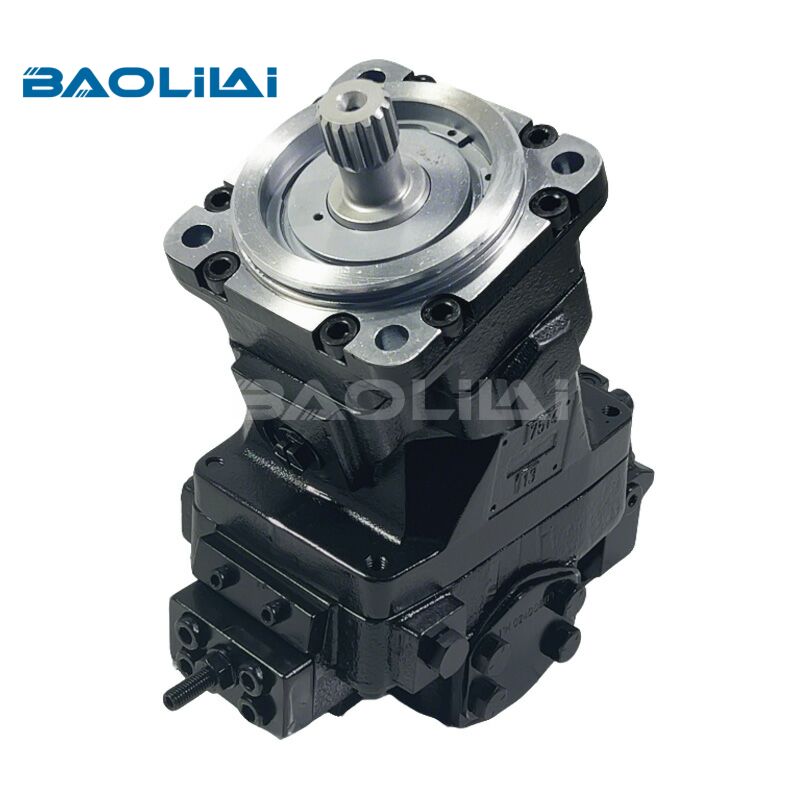
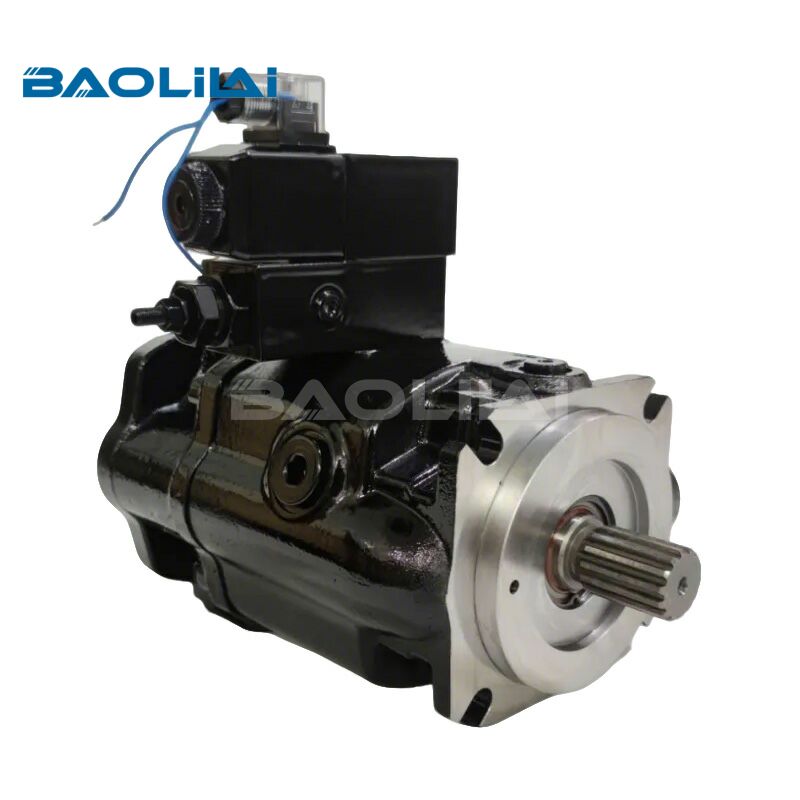
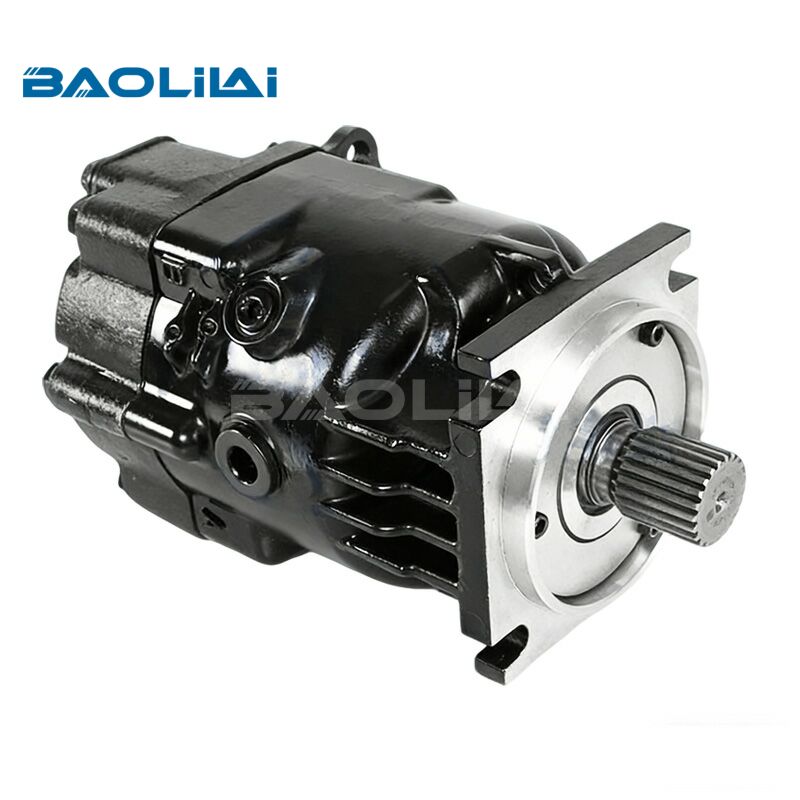
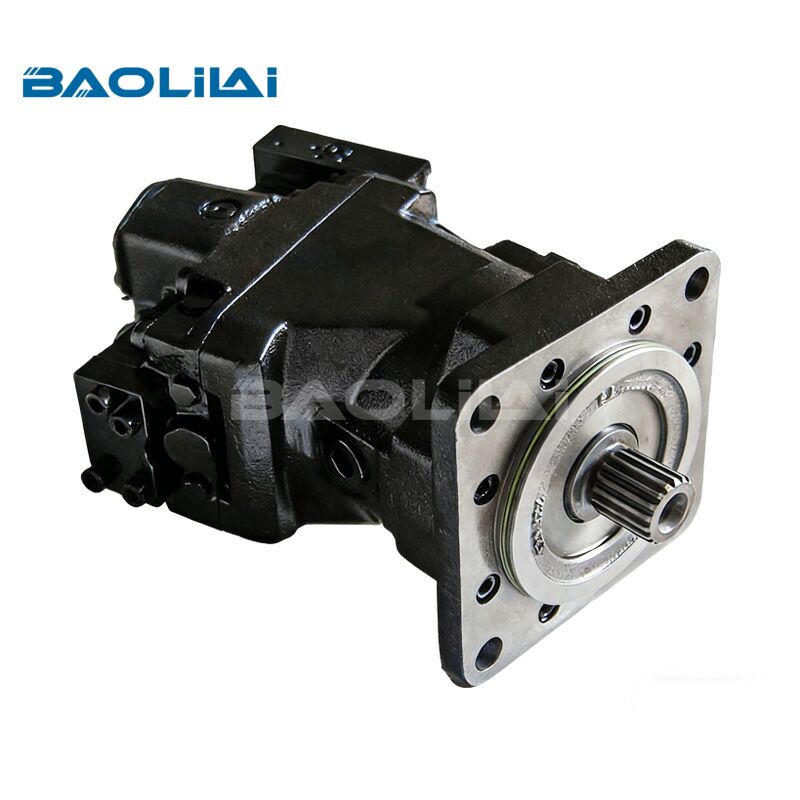
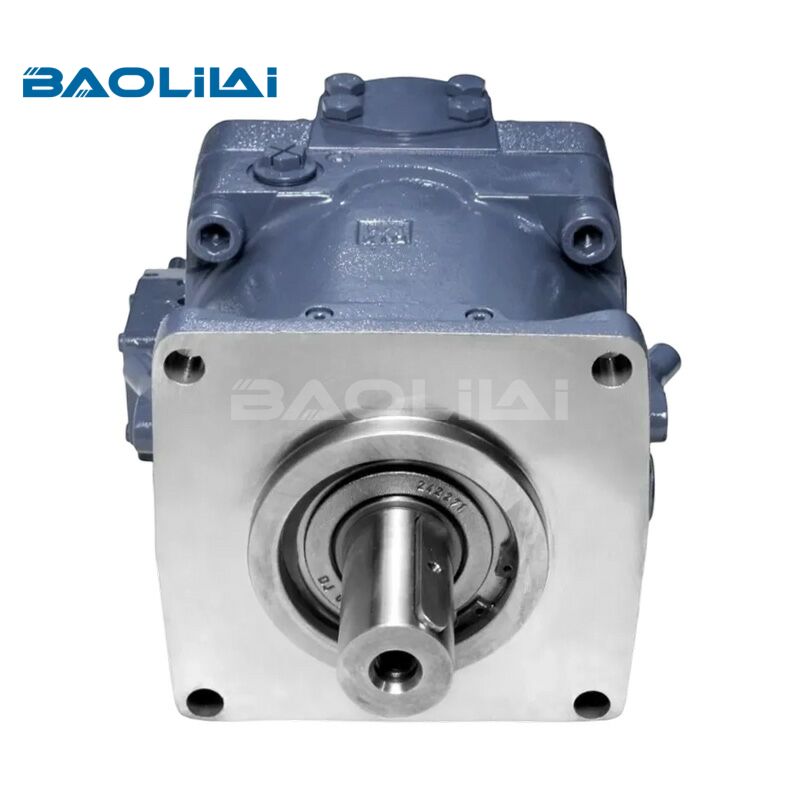
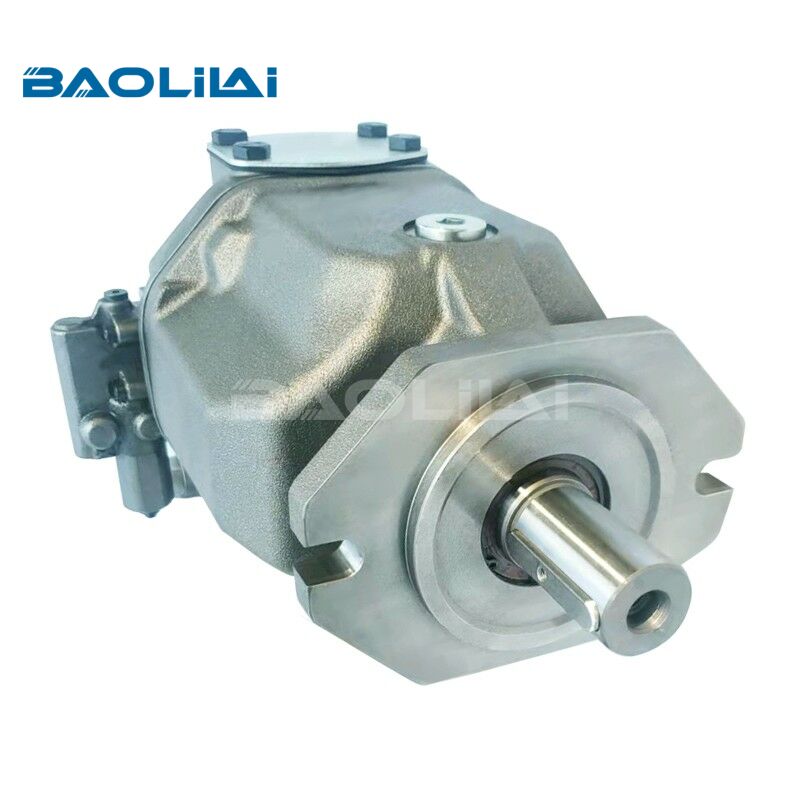
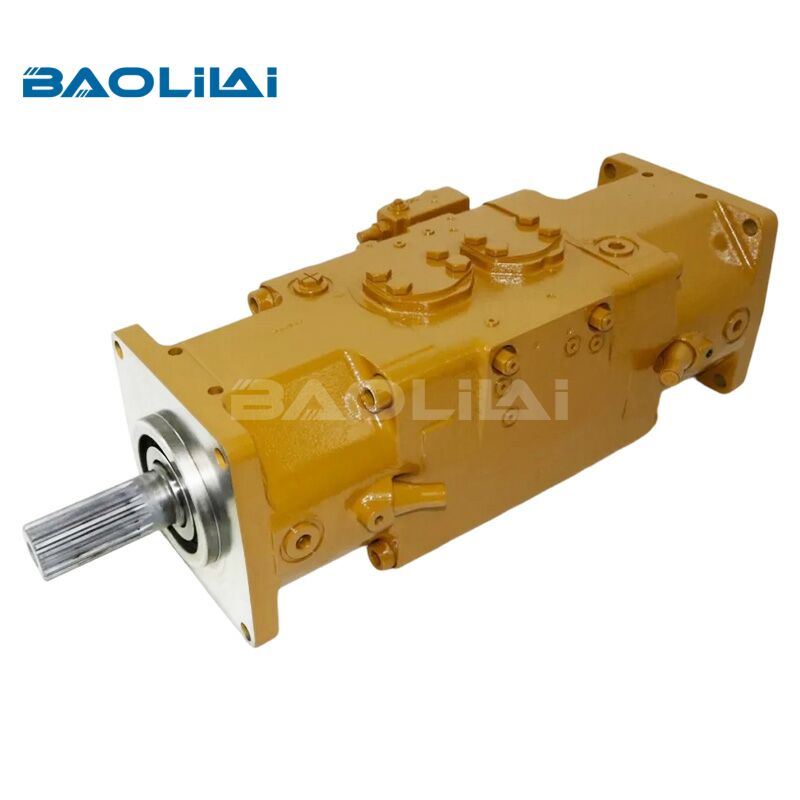
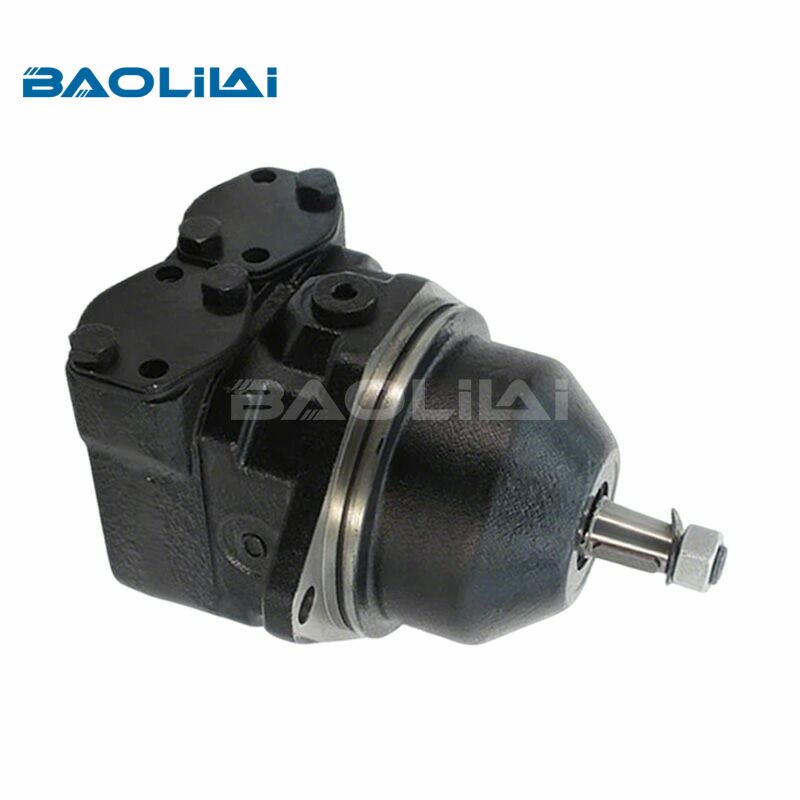
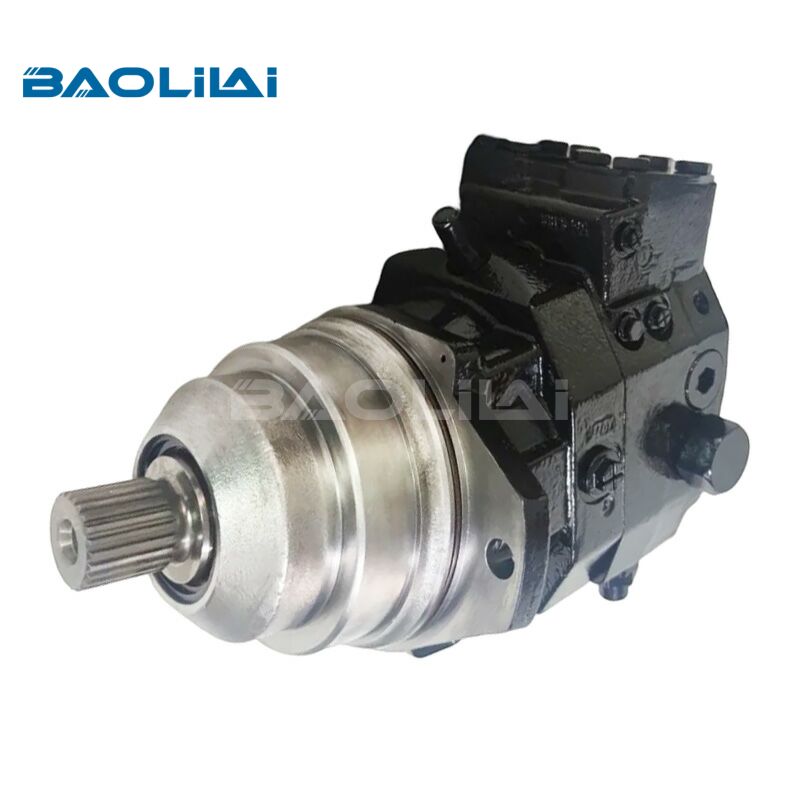
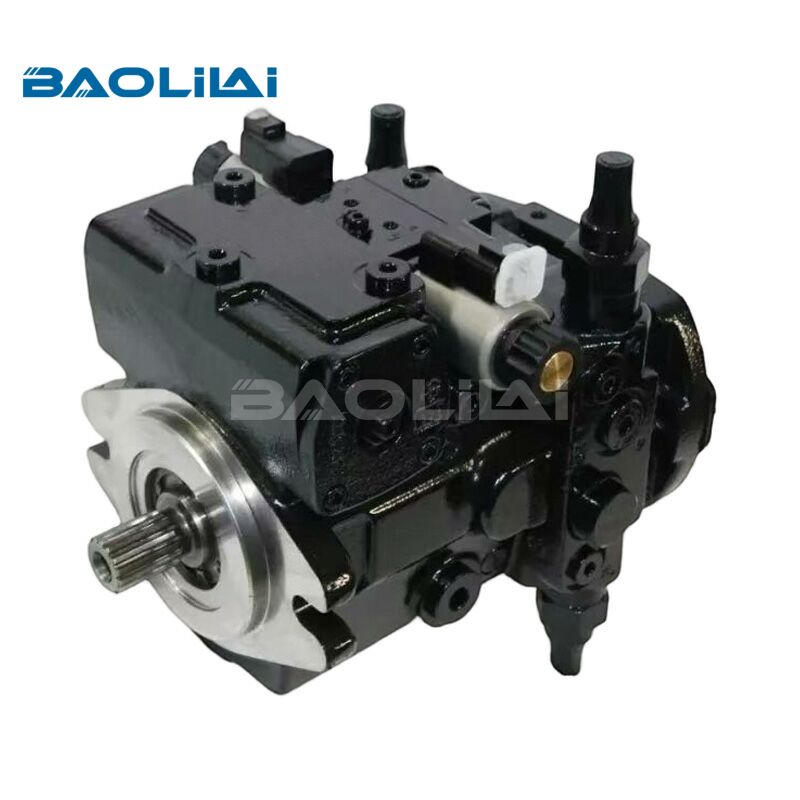
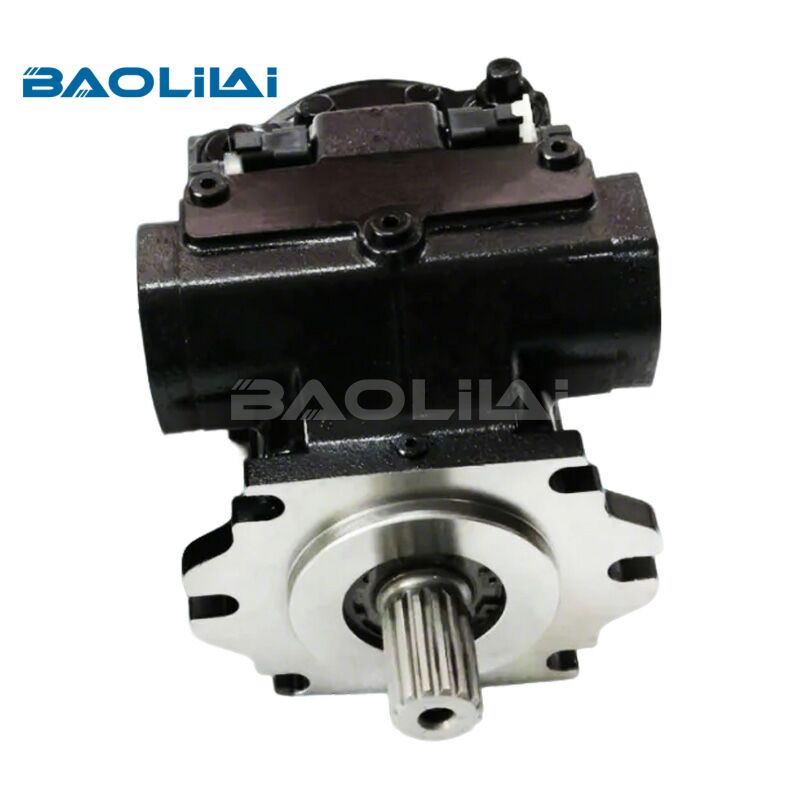
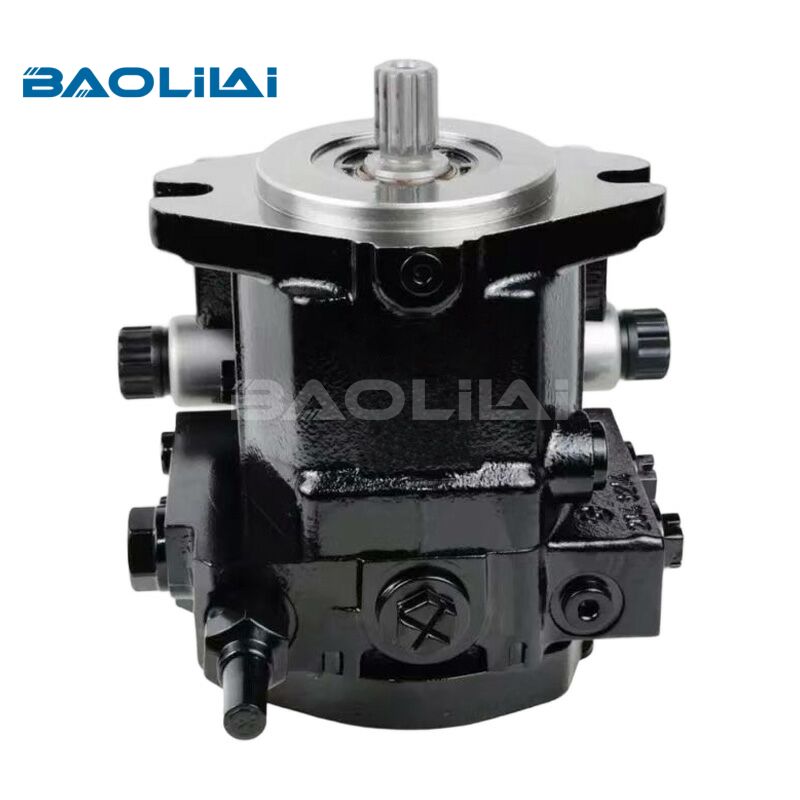
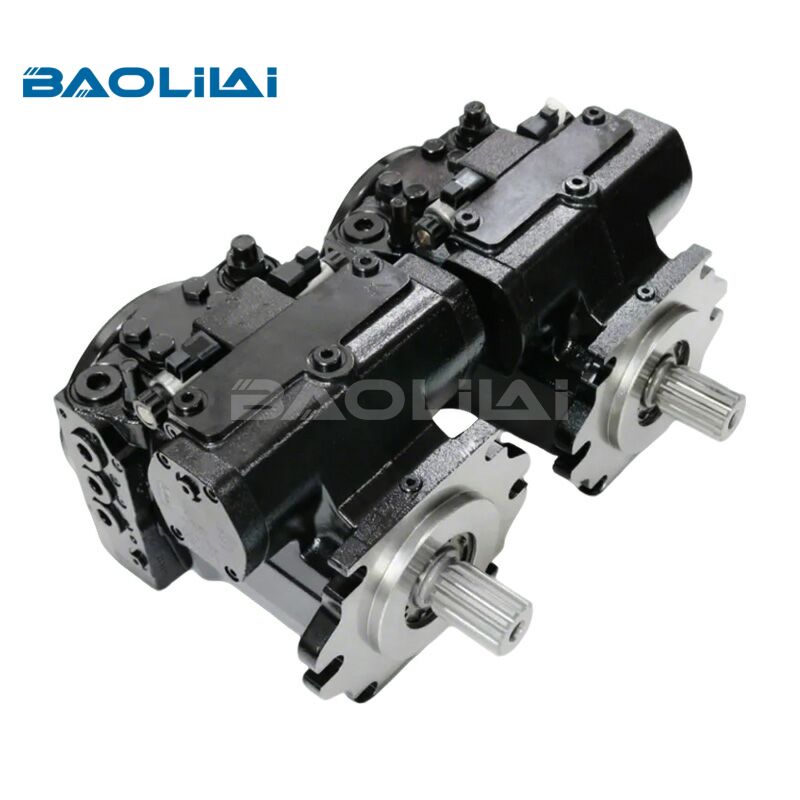
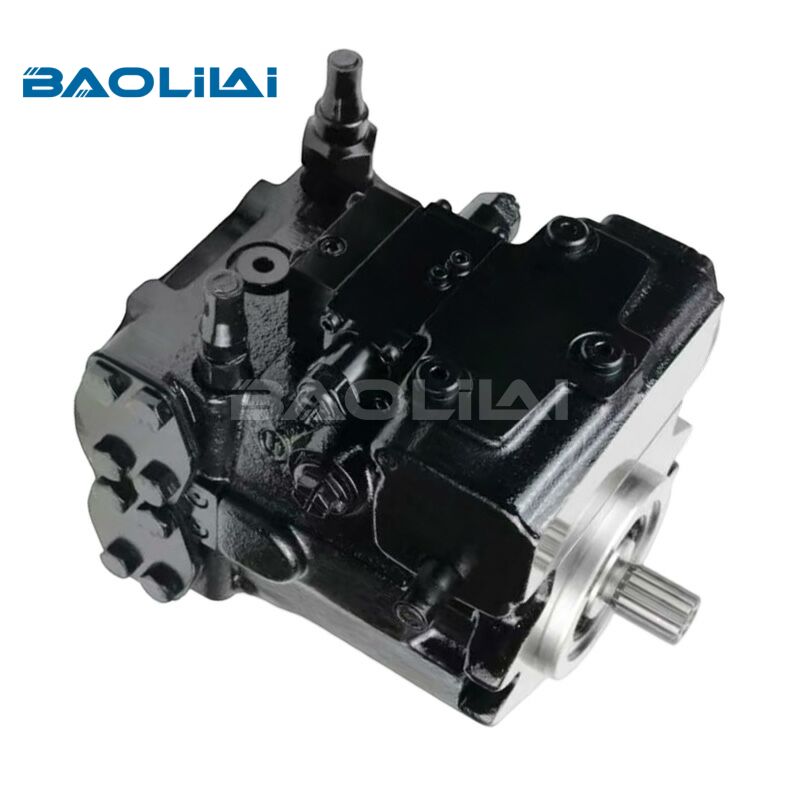
Rexroth A4VG A10VG closed-circuit hydraulic pumps for Kramer wheel loader 1000028085 1000028108 1000028150 1000162987 1000182269 1000182996 1000249301

- Product Details
- Product Model
- FAQ
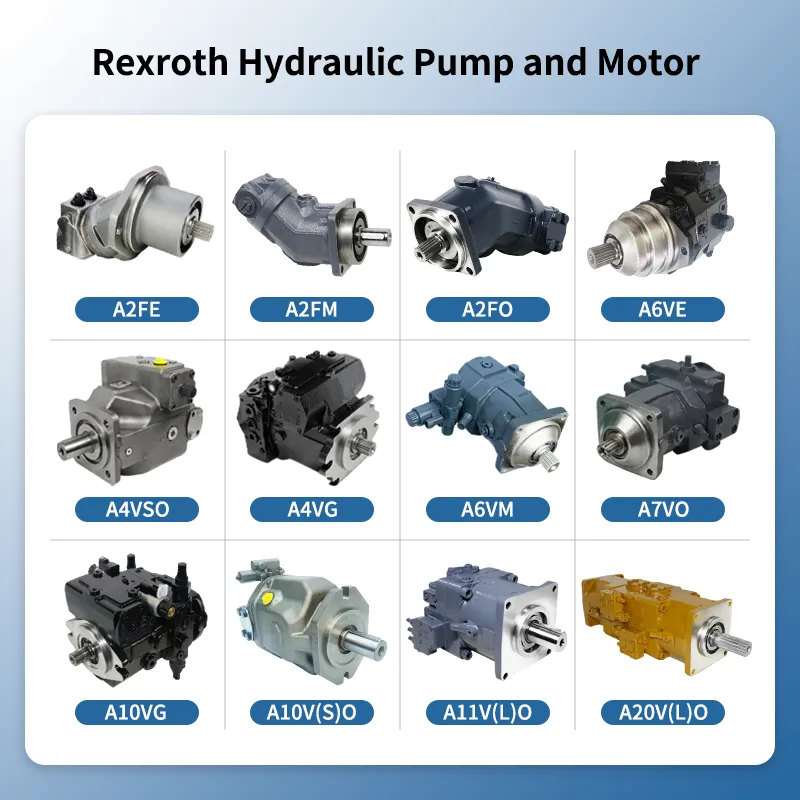
Both the A4VG and A10VG series are variable displacement axial piston pumps with swashplate design designed by Bosch Rexroth for closed hydraulic drive systems of mobile equipment such as wheel loaders, telescopic boom loaders, compact track loaders, and similar machinery.
What Is a Closed-Circuit Hydraulic Pump, and Why Does It Matter?
In a closed-circuit hydrostatic transmission, oil flows in a continuous loop between the pump and the hydraulic motor rather than returning to a central reservoir after every cycle, as it does in an open-circuit system. The pump draws oil from the motor's return line, not from the tank, and pushes it back out to drive the motor.
Why Kramer Uses This Design
Kramer wheel loaders rely on hydrostatic drive instead of a torque-converter transmission for a few practical reasons:
Infinitely variable speed control — the operator gets stepless acceleration from zero to max travel speed, with no gear shifts or torque converter slip.
Precise inching and creep control — critical for loader work like pallet handling, grading, or working close to walls and other equipment.
Instant directional reversing — the pump's swash plate can reverse oil flow direction almost instantly, letting the machine change from forward to reverse without a mechanical clutch pack.
Reduced heat generation and compact packaging — because oil recirculates in a closed loop, the system needs a smaller cooler and reservoir than an equivalent open-circuit design.
Common Failure Modes and Field Diagnosis
Hydrostatic pump problems tend to show up as drivetrain symptoms rather than obvious hydraulic leaks, which is why they're often misdiagnosed at first.
Loss of Drive Power or One-Direction Only
If the loader drives fine in reverse but is weak or dead going forward (or vice versa), suspect a worn swash plate control cylinder or a failing DA control spring, rather than the motor. Because the pump alone controls flow direction, asymmetric behavior almost always traces back to the pump's servo control, not the wheel motors.
Overheating During Extended Operation
A closed-circuit system depends on the charge pump to constantly replace leaked oil and cool the loop. Symptoms of a weak charge pump or clogged flushing valve include:
Rising hydraulic oil temperature under load
Sluggish response after the machine has been running for 20–30 minutes
Whining or cavitation noise from the pump housing
Erratic or Jerky Travel Response
This usually points to air in the servo control circuit, a sticking proportional control spool, or a failing pressure-cutoff valve rather than the piston pack itself. Bleeding the control circuit and inspecting the DA/EP control valve should be the first troubleshooting steps before condemning the pump.
Maintenance Best Practices for Longevity
Fluid Cleanliness Is Non-Negotiable
Axial piston pumps operate with tight piston-to-bore clearances. Contaminated hydraulic oil is the single leading cause of premature wear in both A4VG and A10VG units. Follow Kramer's specified filtration micron rating and change filters on schedule, not just when a warning light appears.
Monitor Charge Pressure Regularly
A quick charge-pressure check with a calibrated gauge during routine service can catch a weakening charge pump long before it causes a no-drive complaint. Compare readings against Rexroth's published spec for the specific pump frame size.
Avoid Prolonged Stall Conditions
Repeatedly stalling the drivetrain against an immovable load (pushing into a bank, for instance) spikes system pressure and accelerates wear on the swash plate control mechanism. Operator training on load awareness protects the pump as much as any scheduled maintenance item.
For more brand and equipment models, please visit https://www.baolilaihydraulic.com/brand/
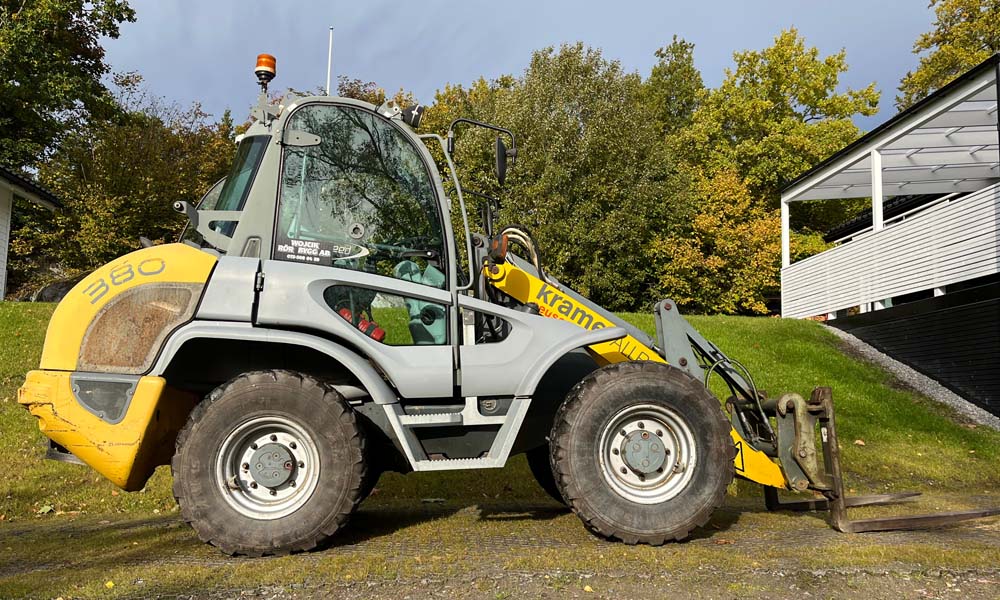
| Application equipment brands | Application equipment No. |
| Kramer | 1000028024/1 |
| Kramer | 1000028085 Wheel loader 380/480/750/850/750T |
| Kramer | 1000028108 Wheel loader 280 |
| Kramer | 1000028150 |
| Kramer | 1000110083/1 wheel loader 480S |
| Kramer-Werke GmbH | 1000162987 |
| Kramer | 1000182269 wheel loader 380/480/750 |
| Kramer | 1000182996 |
| Kramer | 1000249301 wheel loader 350 |
| Kramer | 100138254/1 |
| Kramer | 3613698 |
| Kramer | 3619797 |
Q1: Can an A4VG pump be retrofitted onto a Kramer loader originally built with an A10VG?
A1: Generally, no — the two series use different mounting patterns, control interfaces, and in many cases different electronic control unit (ECU) programming. A retrofit would require re-engineering the control wiring and possibly the ECU software, which most owners find more costly than sourcing the correct original pump type.
Q2: How long do these pumps typically last under normal Kramer wheel loader use?
A2: With clean oil, proper filtration, and routine charge-pressure checks, many units run well beyond 8,000–10,000 operating hours before needing a rebuild. Heavy-cycle applications like quarry or waste handling will see shorter intervals.
Q3: What is the price and delivery time of the A4VG/A10VG hydraulic pump for the Kramer wheel loader?
A3: The specific price and delivery time will depend on the equipment model or specific product model you provide.
Q4: How to purchase an A4VG/A10VG hydraulic pump for the Kramer wheel loader?
A4: You can visit https://www.baolilaihydraulic.com/contact/ to contact us and purchase our products through various methods.