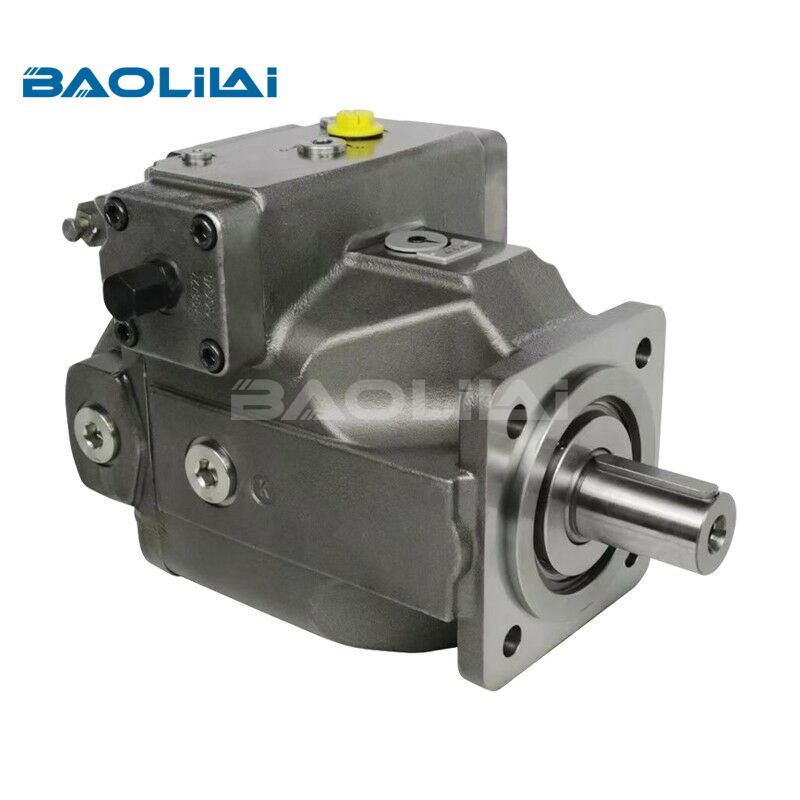
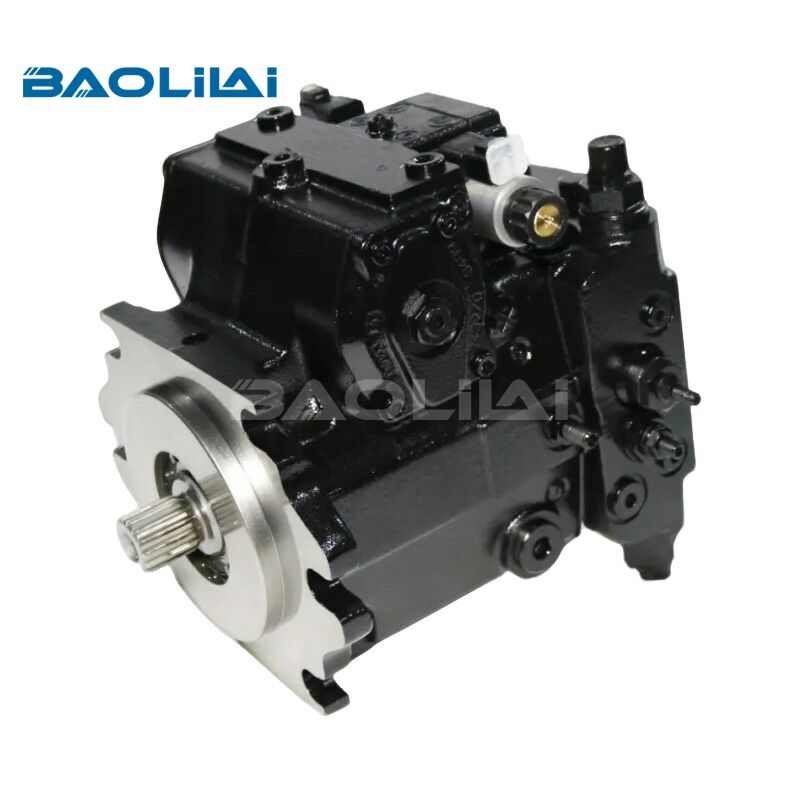
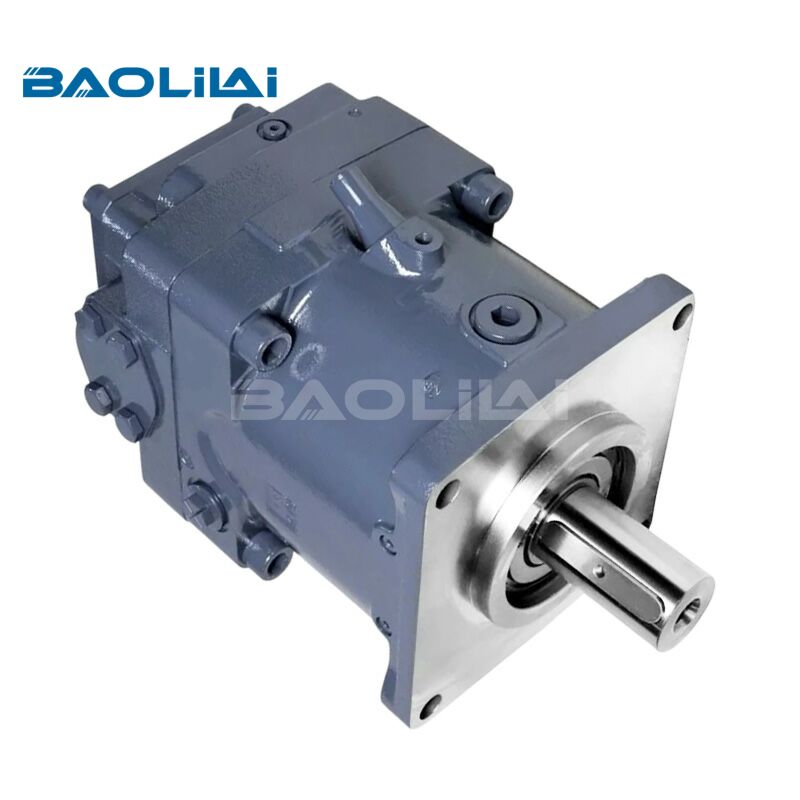
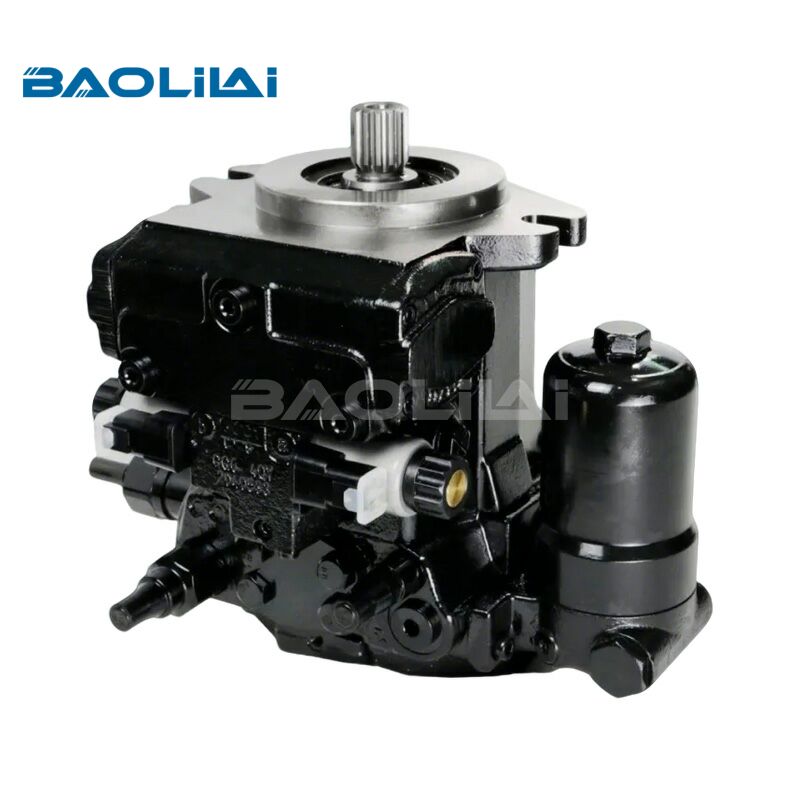
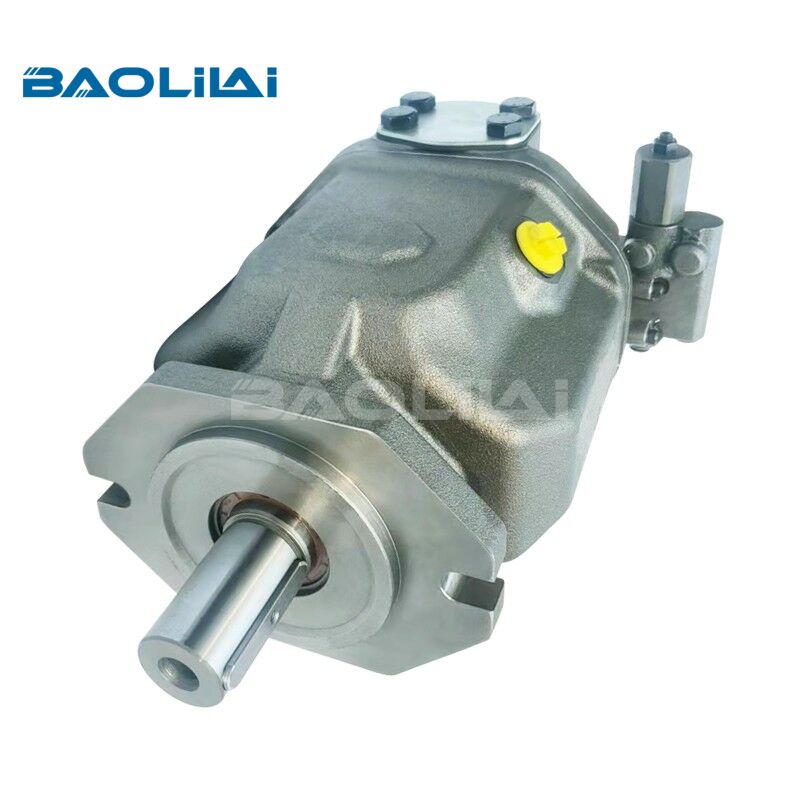
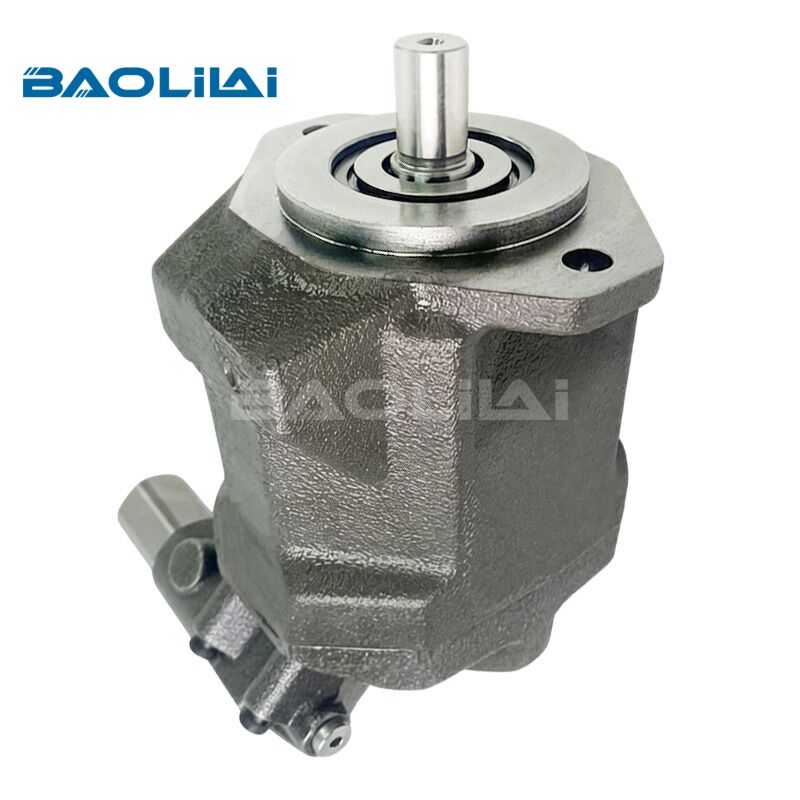
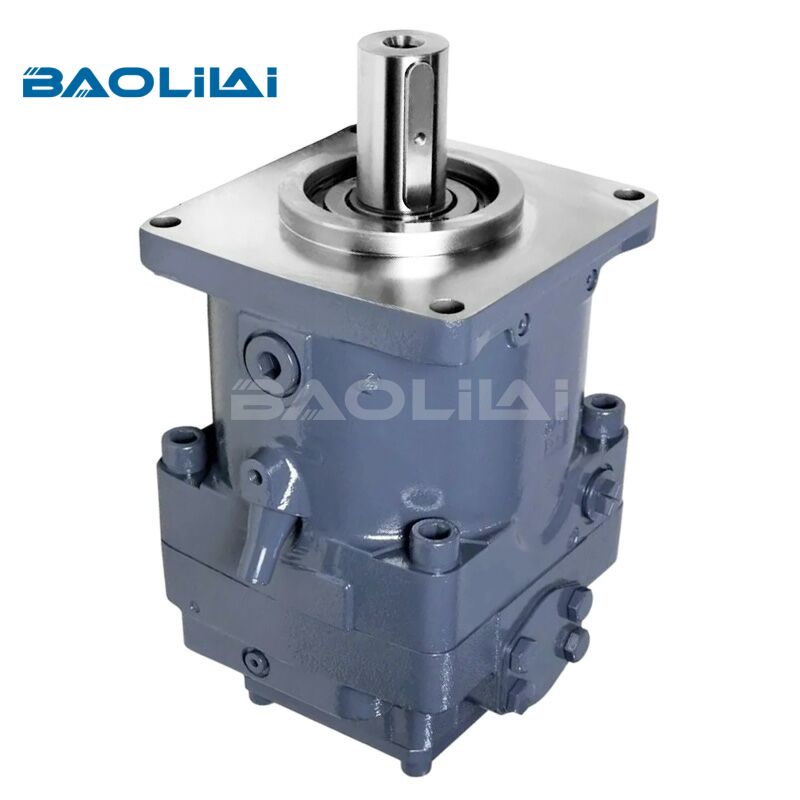
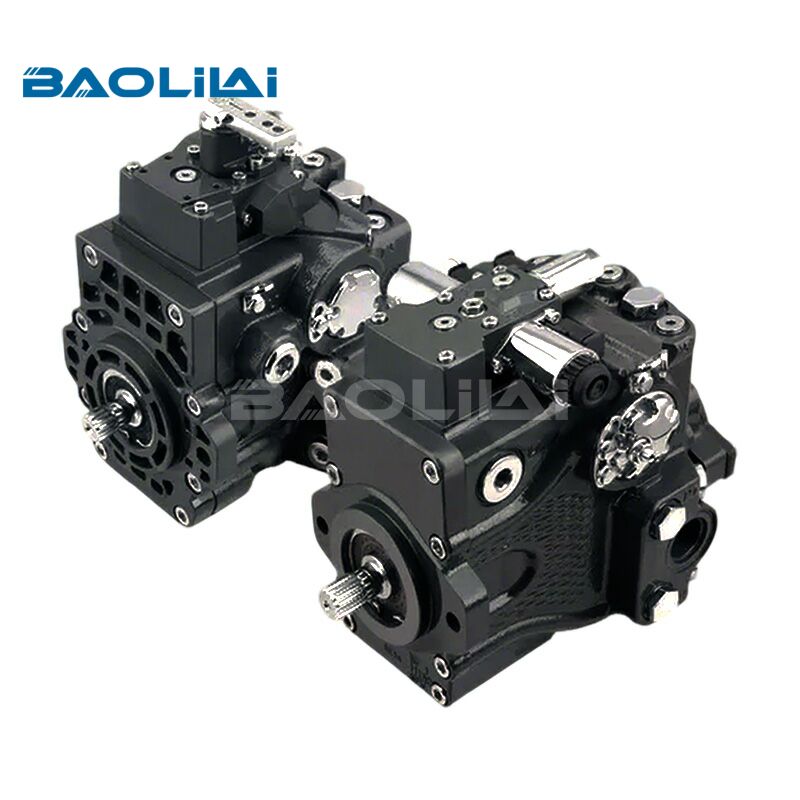
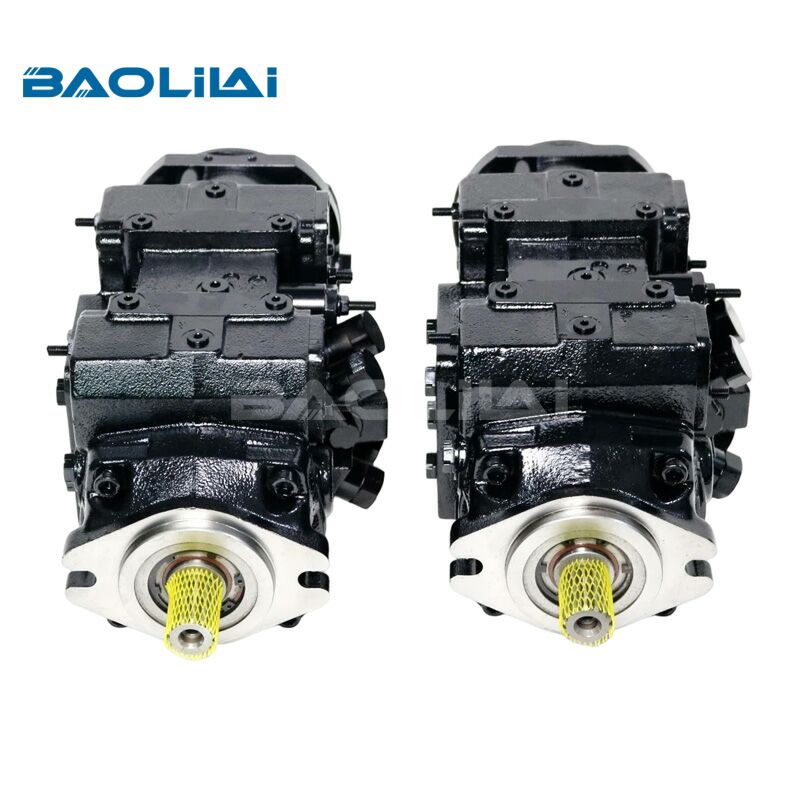
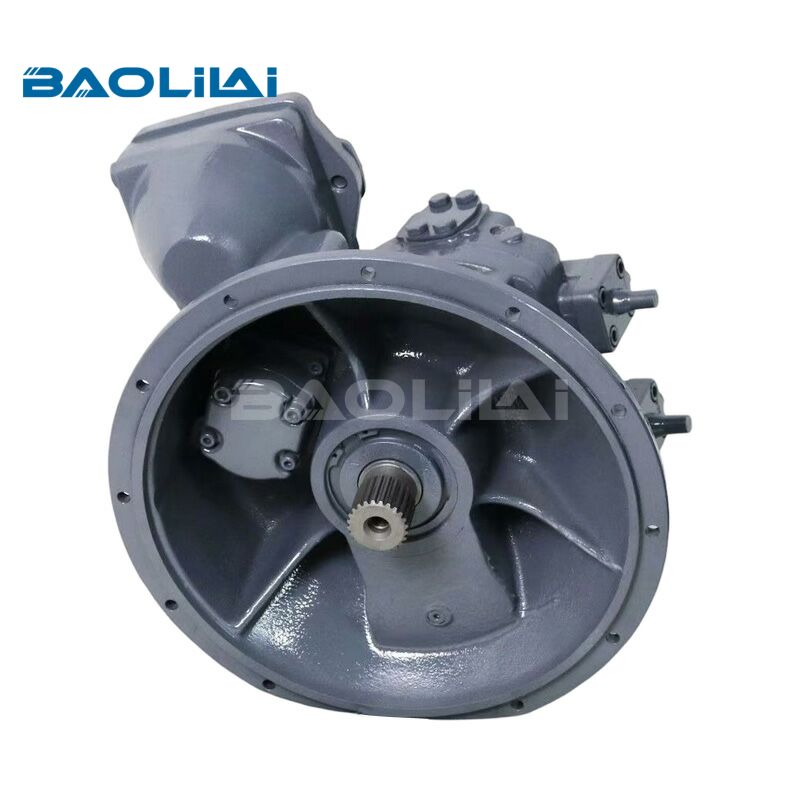
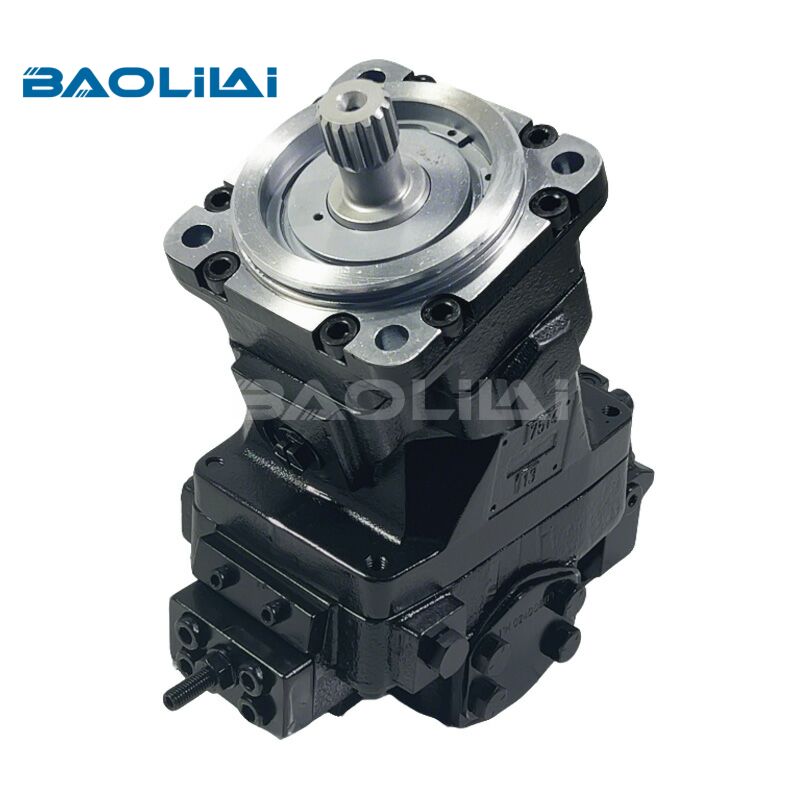
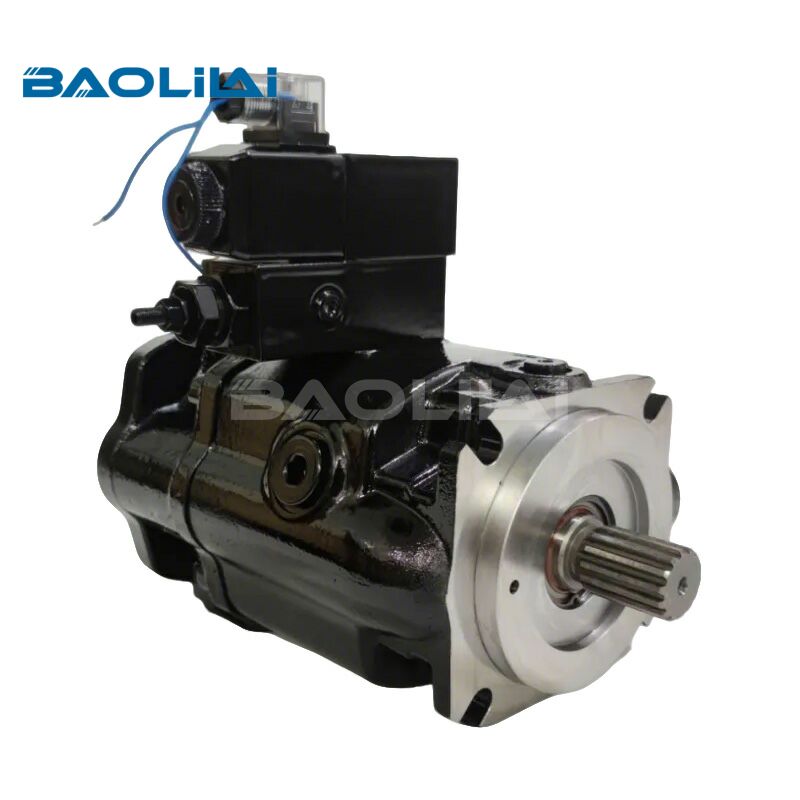
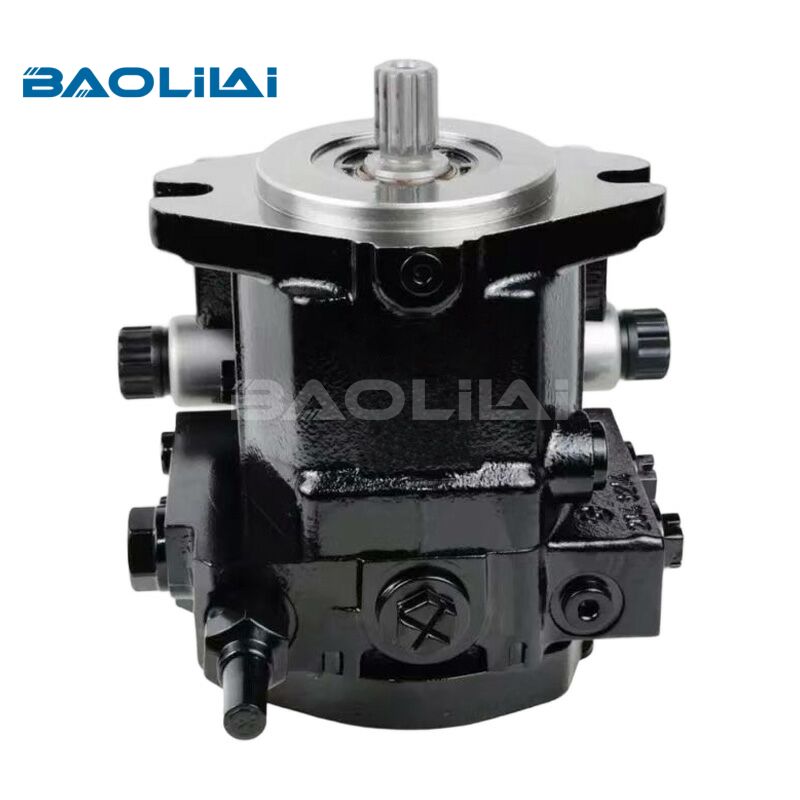
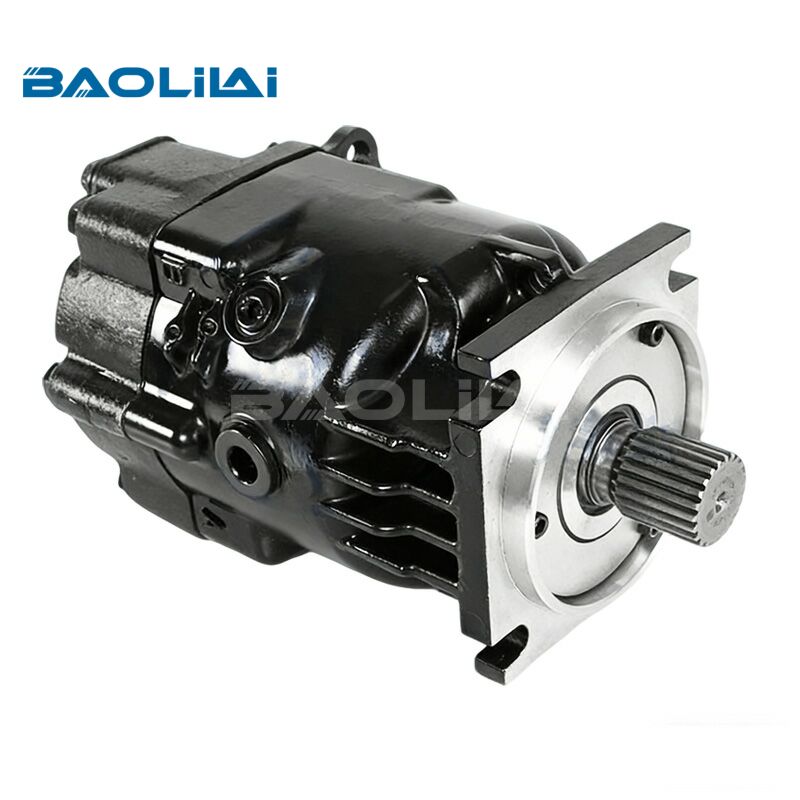
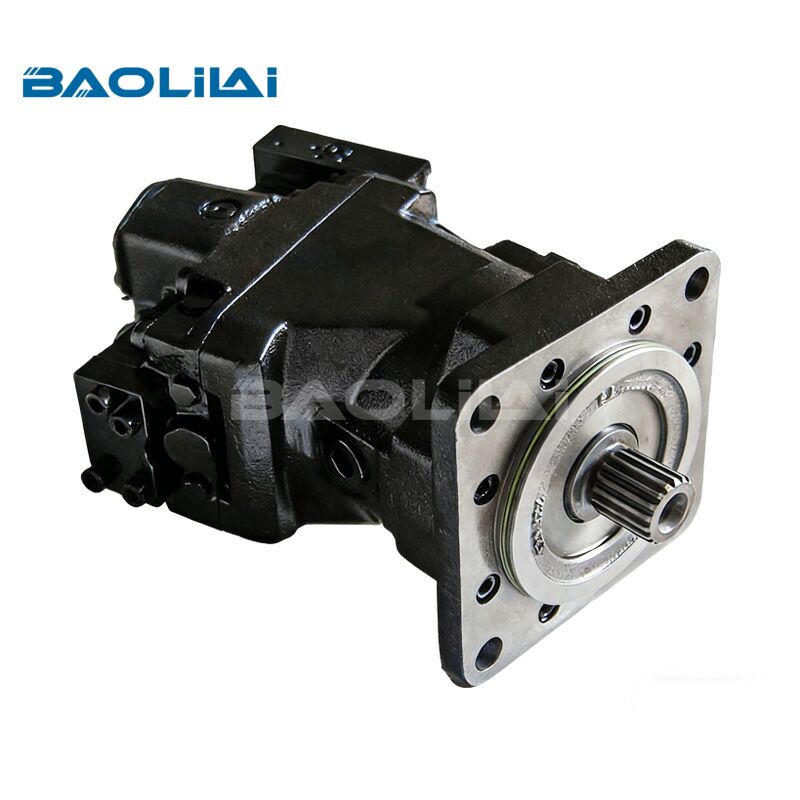
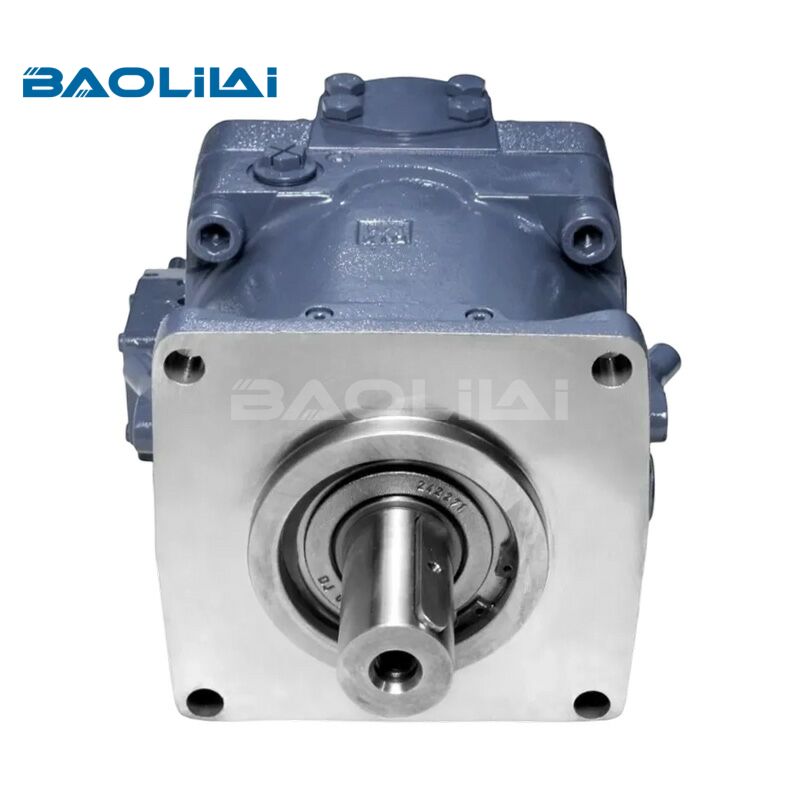
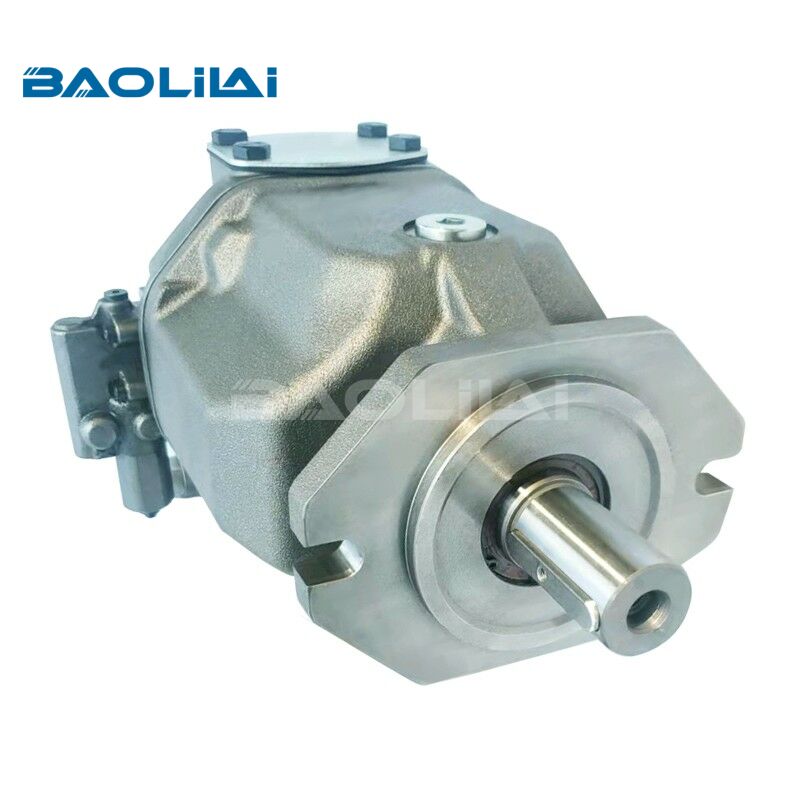
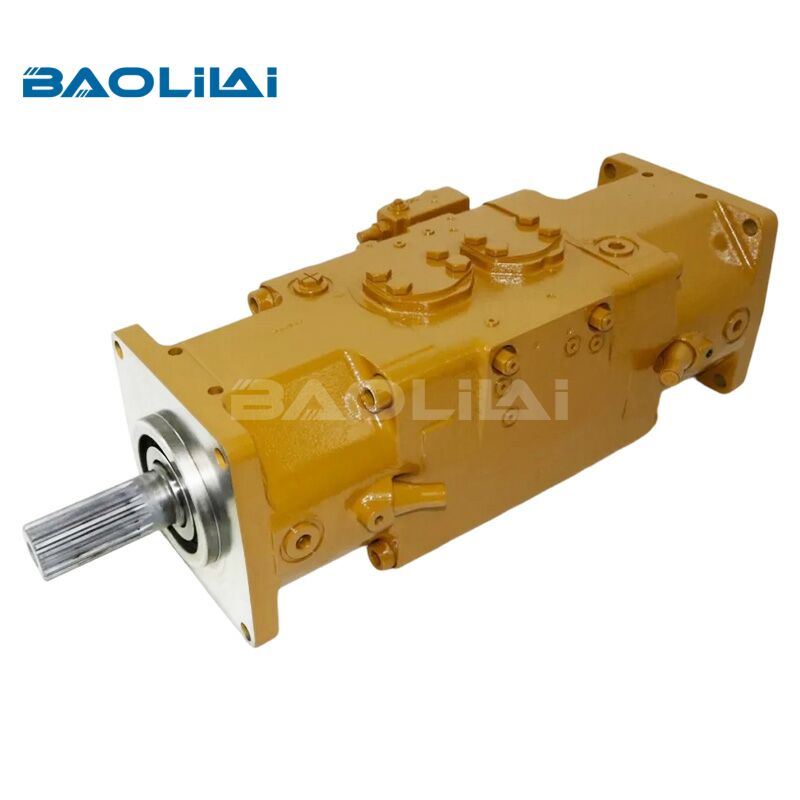
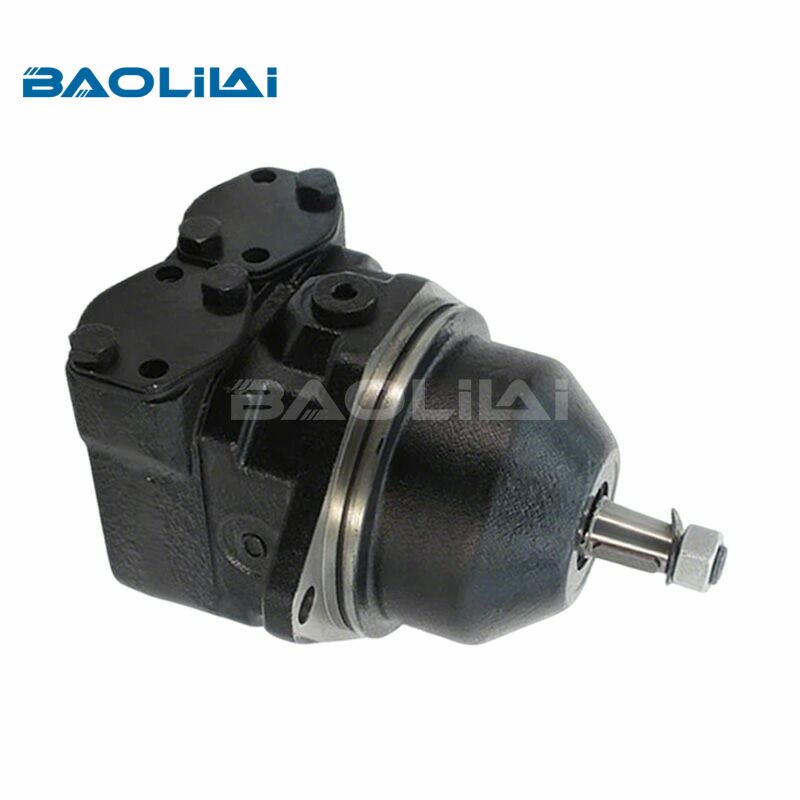
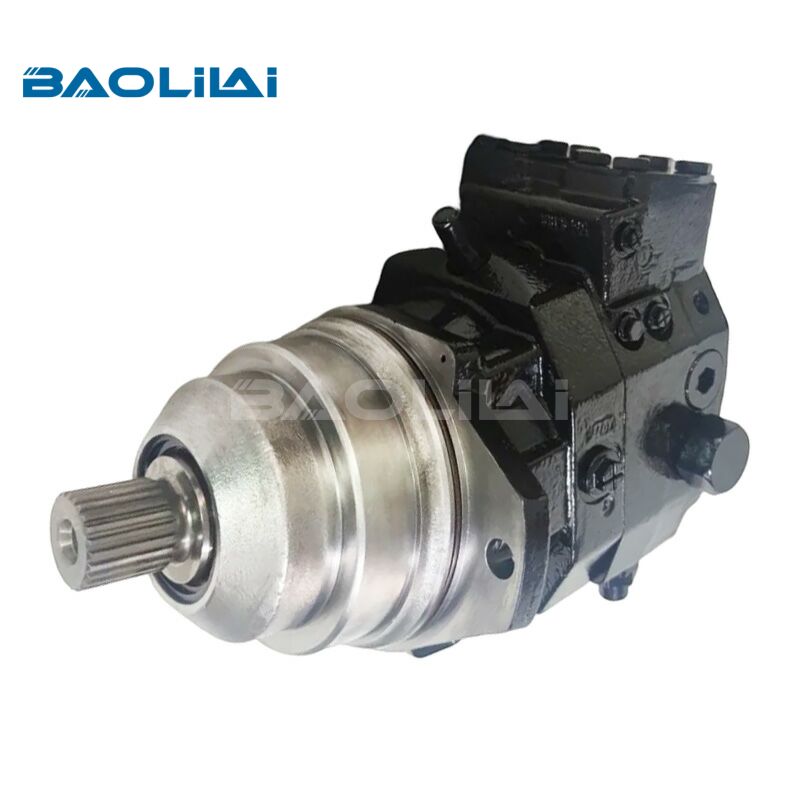
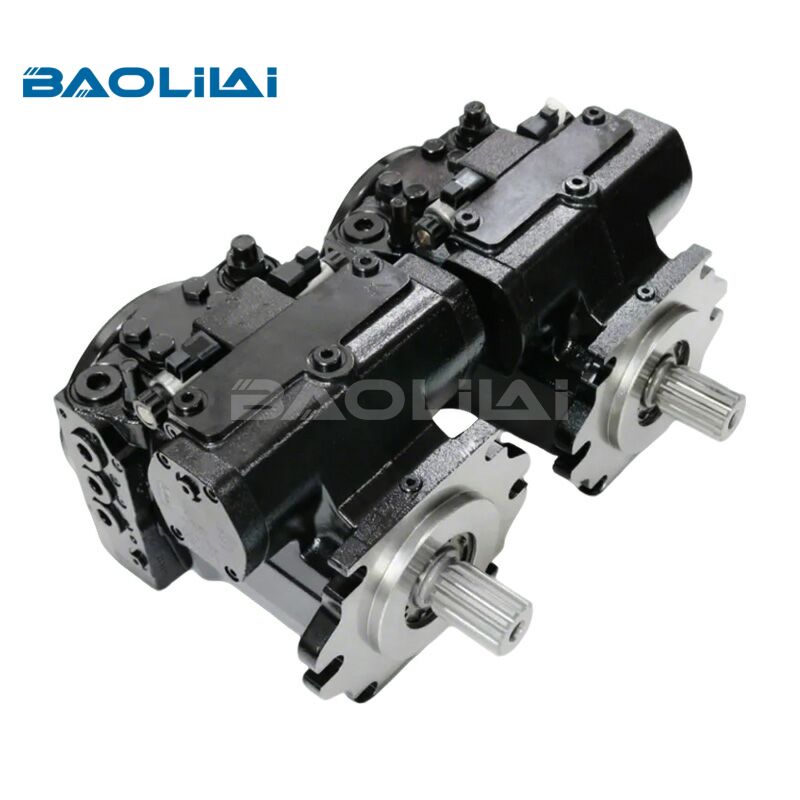
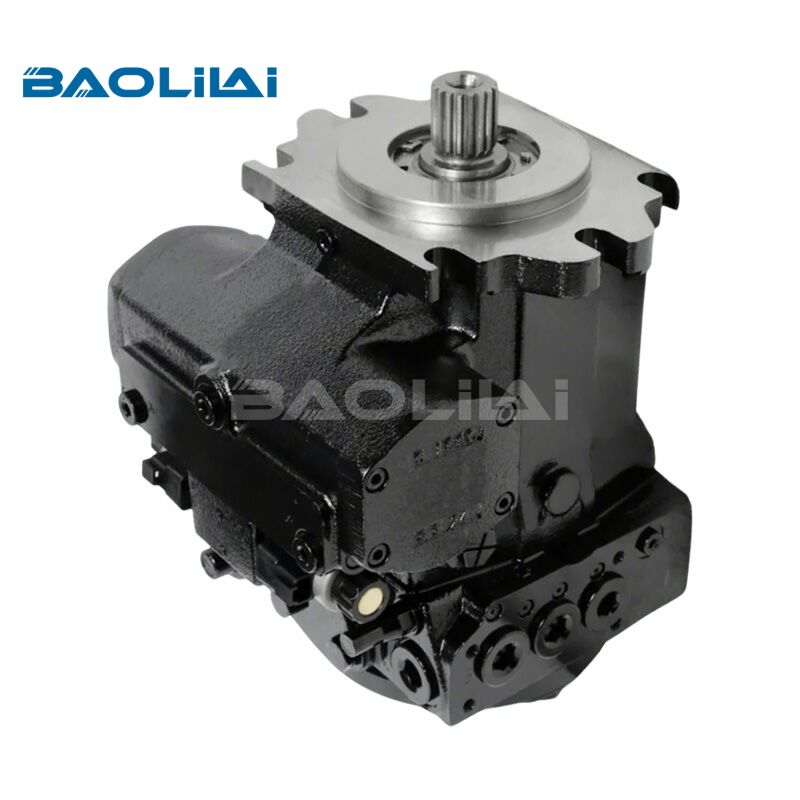
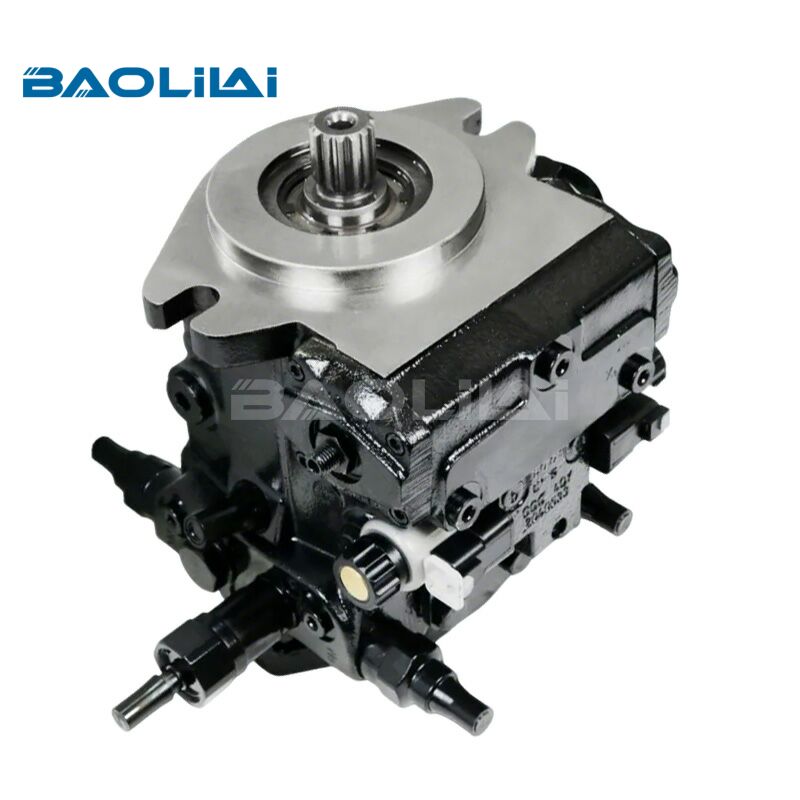
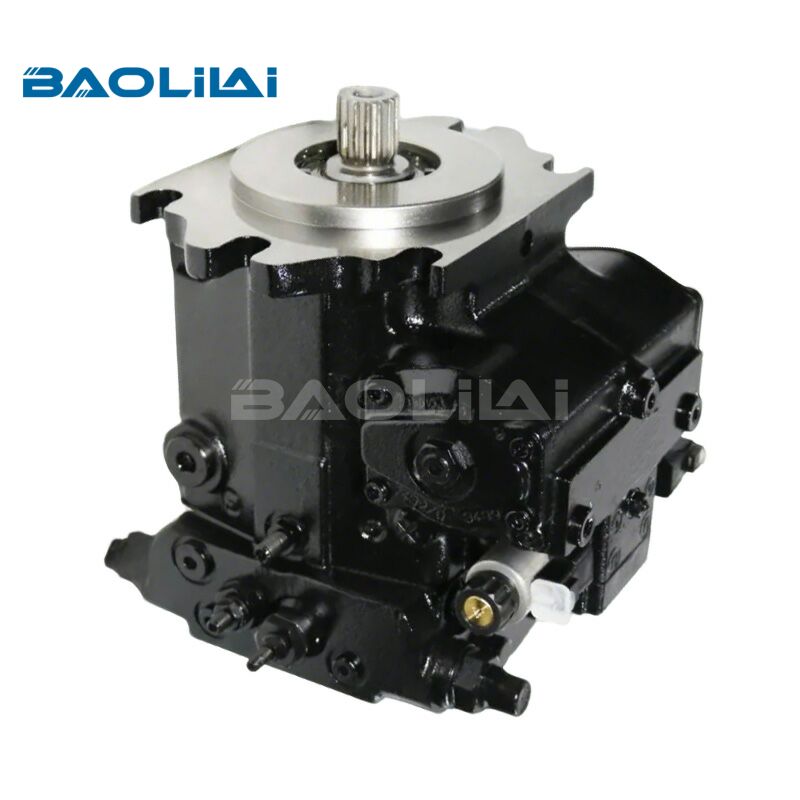
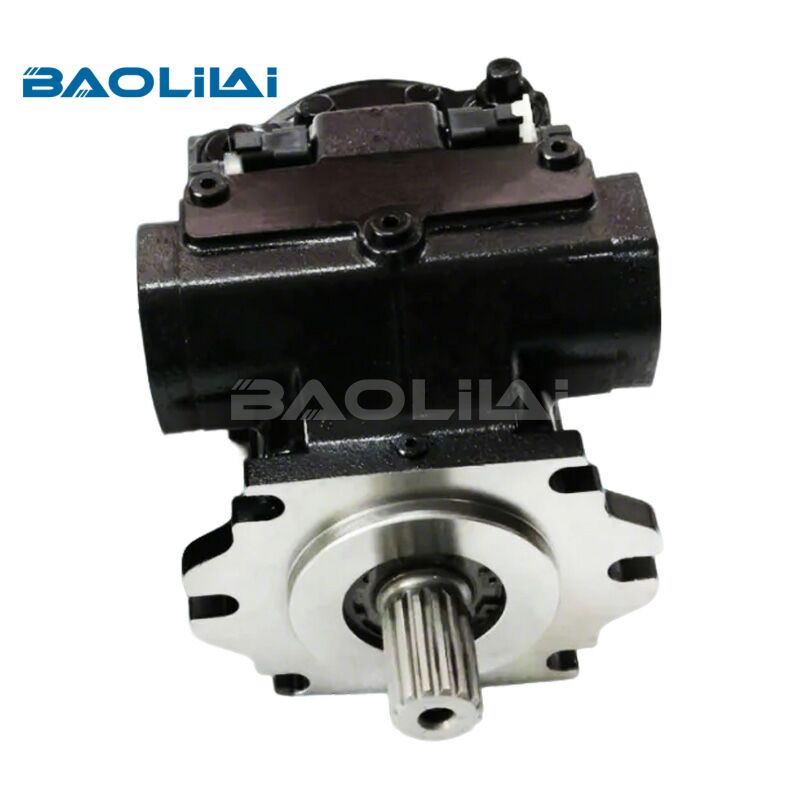
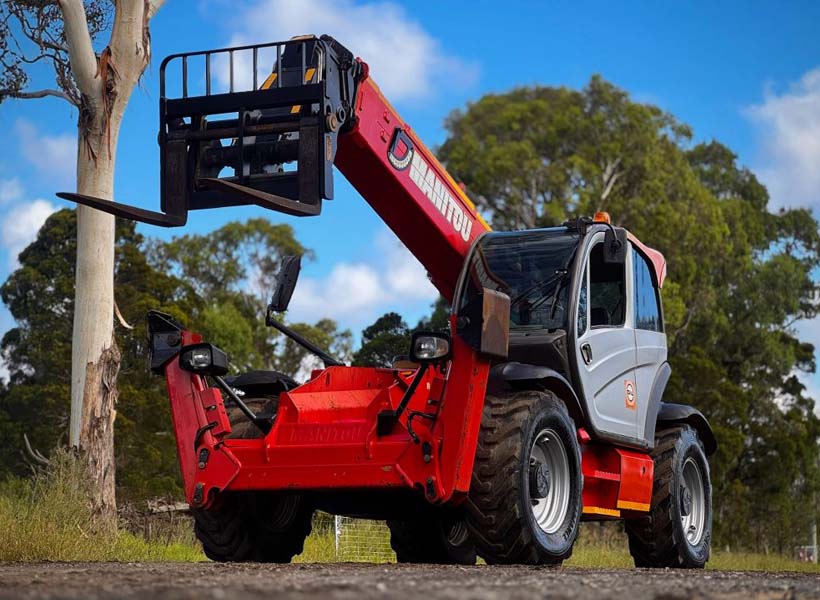
Rexroth A4VG axial piston hydraulic pump for the Manitou Telescopic boom forklift 206517 225424 239923 293762 585206 585211 605210 737941

- Product Details
- Product Model
- FAQ
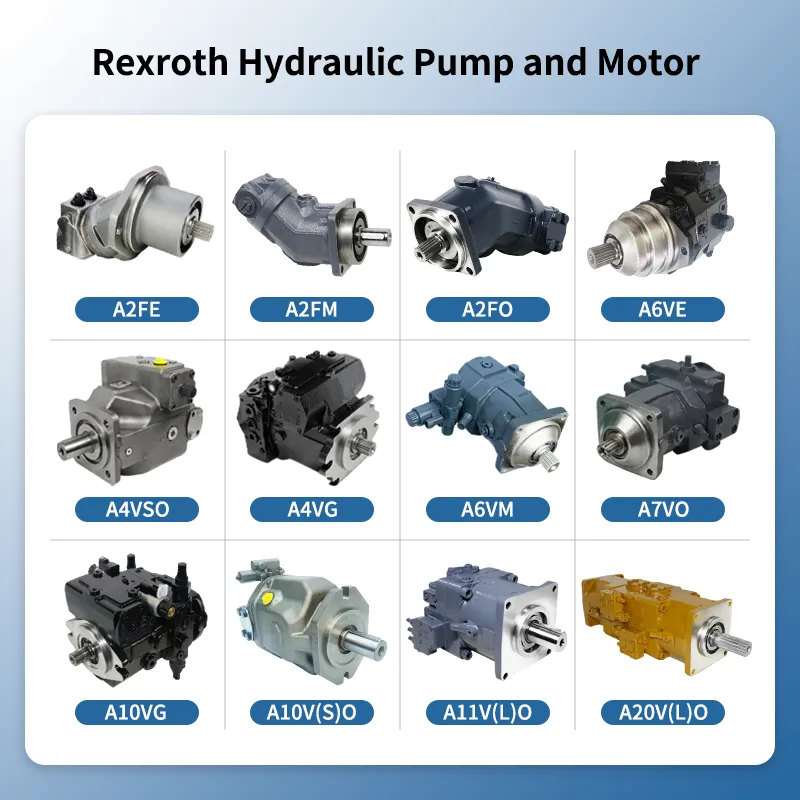
The A4VG is a variable-displacement axial piston pump built on a swashplate design, manufactured by Bosch Rexroth. It's part of a broader family that includes the A4VSO and A4VTG. Still, the A4VG is specifically engineered for closed-circuit hydrostatic transmissions — the exact setup found in most Manitou telehandlers that use hydrostatic drive.
Why Manitou Uses the A4VG in Telescopic Handlers
Manitou's telescopic boom forklifts need one thing above almost everything else: precise, proportional control. An operator lifting a pallet of bricks to the third floor of a building under construction can't afford jerky boom movement or an unpredictable drive response. The A4VG's variable displacement design gives Manitou engineers a pump that can be tuned to deliver smooth ramp-up and ramp-down of hydraulic flow, which directly translates to smoother boom extension, lift, and travel.
It also fits Manitou's packaging needs. Telehandlers are notoriously tight on chassis space because of the boom pivot and counterweight layout. The A4VG's compact axial design, combined with its ability to mount a second pump on the same drive shaft, lets Manitou consolidate the drive and auxiliary hydraulic functions without a sprawling pump gallery.
How the A4VG Pump Actually Works in the Circuit
1. The diesel engine turns the pump's input shaft at engine speed.
2. The swashplate angle, set by the displacement control, determines how far each piston strokes per rotation.
3. Oil is drawn in and discharged into a closed loop connecting directly to the hydraulic drive motor(s).
4. The charge pump — a smaller gerotor or gear pump built into the same housing — maintains positive pressure in the loop and compensates for internal leakage, preventing cavitation.
5. As the operator moves the travel pedal or joystick, an electrical or hydraulic signal adjusts the swashplate angle in real time, changing flow direction and volume without changing engine speed.
This is why a telehandler with a healthy A4VG can move forward, reverse, or hold still under load using pedal position alone — no mechanical gear shifting required for direction changes.
Common Symptoms of A4VG Wear or Failure
Because the pump sits at the center of both propulsion and (in many configurations) auxiliary hydraulics, its symptoms are often mistaken for other problems. Here's what experienced technicians look for:
Loss of Travel Power or Speed
If the machine crawls even at full pedal, or loses power on inclines it used to climb easily, worn piston shoes or a scored cylinder ck inside the A4VG are common culprits. Internal leakage means oil bypasses instead of doing useful work.
Erratic or Jerky Movement
A failing displacement control (the DA or EP valve assembly) can cause the swashplate to hunt or respond unevenly, producing surging or jerking during acceleration and deceleration.
Overheating Hydraulic Oil
Excess internal leakage in a worn pump generates heat. If your telehandler's hydraulic oil temperature climbs faster than normal under light work, it's worth checking pump efficiency before blaming the cooler.
Whining or Cavitation Noise
A failing charge pump or restricted suction line can starve the main pump of oil, producing a distinct whine or knock — especially noticeable at low RPM.
Case Drain Contamination
Metal particles in the case drain filter or magnetic plug are one of the clearest signs of internal wear (piston shoes, swashplate bearing, or cylinder block scoring) and usually mean a rebuild or replacement is approaching.
Maintenance and Diagnostic Best Practices
Monitor case drain flow. Rexroth publishes acceptable case drain flow ranges for each A4VG frame size; flow above spec at operating temperature usually indicates internal wear.
Check charge pressure regularly. Low charge pressure starves the main circuit and accelerates cavitation damage.
Keep hydraulic fluid clean. Axial piston pumps are far less tolerant of contamination than gear pumps — most A4VG failures trace back to particulate contamination rather than simple age.
Watch fluid viscosity in cold climates. Manitou machines working outdoors in winter need oil that stays within the A4VG's viscosity window at startup, or you risk pump cavitation before the system warms up.
Don't ignore small leaks. Shaft seal leakage is often the first visible sign of internal bearing wear.
For more brand and equipment models, please visit https://www.baolilaihydraulic.com/brand/
| Application equipment brands | Application equipment No. |
| Manitou | 206517 |
| Manitou | 225422 |
| Manitou | 225423 |
| Manitou | 225424 |
| Manitou | 226165 |
| Manitou | 233380 |
| Manitou | 239923 |
| Manitou | 270375 |
| Manitou | 293762 |
| Manitou | 585206 PR161DA |
| Manitou | 585208 |
| Manitou | 585211 Teleskopstapler PR161DA |
| Manitou | 586115 |
| Manitou | 603216 |
| Manitou | 605210 |
| Manitou | 657822 |
| Manitou | 731761 |
| Manitou | 737941 |
Q1: What's the most common root cause of premature A4VG failure?
A1: Contaminated hydraulic fluid, by a wide margin. Given the tight internal tolerances of axial piston pumps, particulate contamination causes far more failures than simple age-related wear.
Q2: Is the A4VG interchangeable across different Caterpillar models?
A2: Not directly. Displacement size, control type (DA, EP, HW, etc.), and mounting configuration are matched to the specific machine model and its hydrostatic circuit design, so cross-model swaps require careful spec verification.
Q3: What is the price and delivery time of the A4VG hydraulic pump for the Manitou Telescopic boom forklift?
A3: The specific price and delivery time will depend on the equipment model or specific product model you provide.
Q4: How to purchase an A4VG hydraulic pump for the Manitou Telescopic boom forklift?
A4: You can visit https://www.baolilaihydraulic.com/contact/ to contact us and purchase our products through various methods.