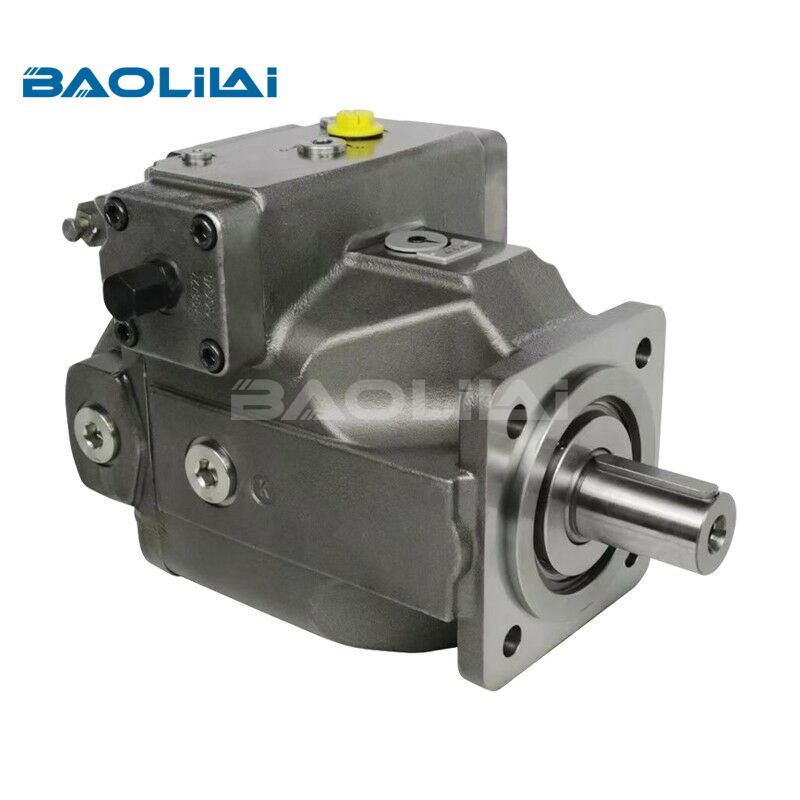
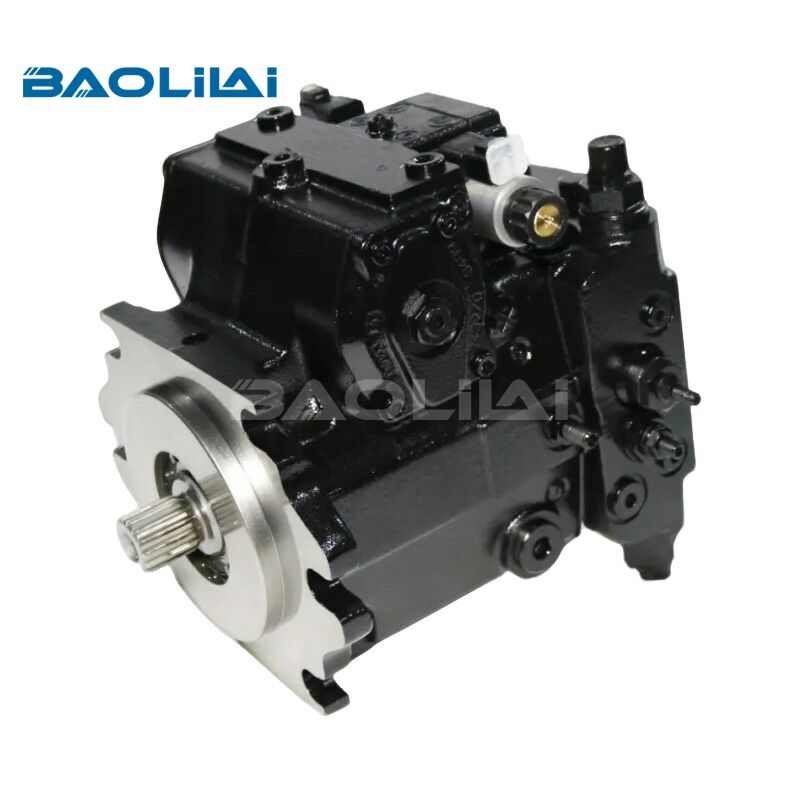
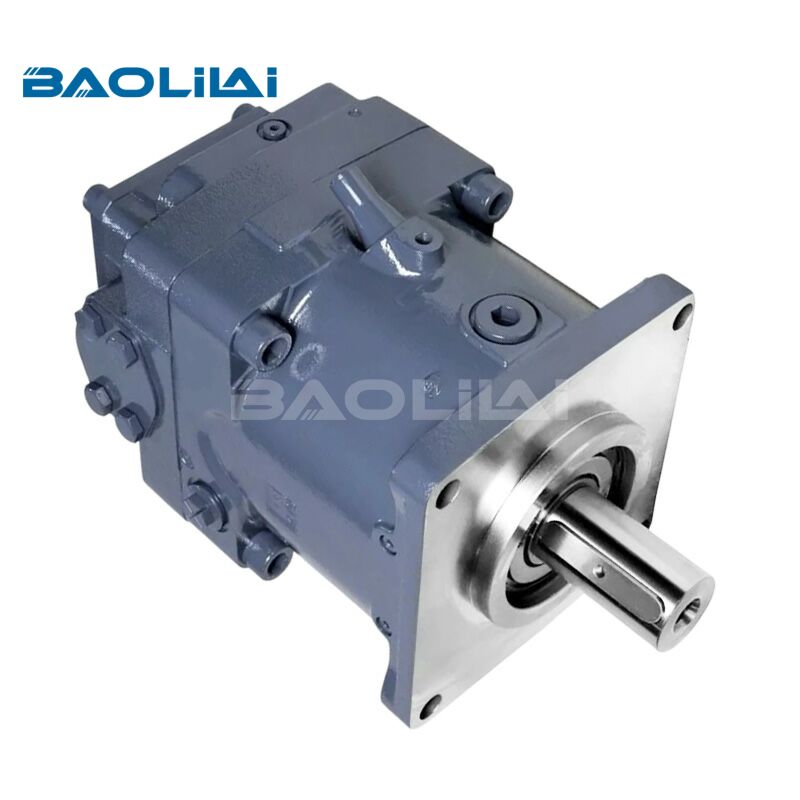
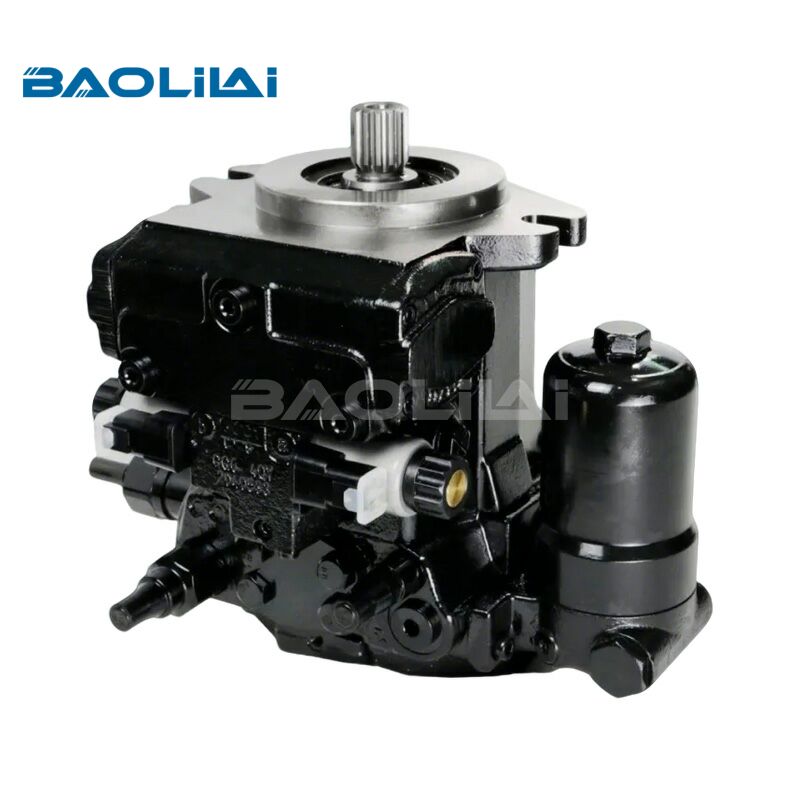
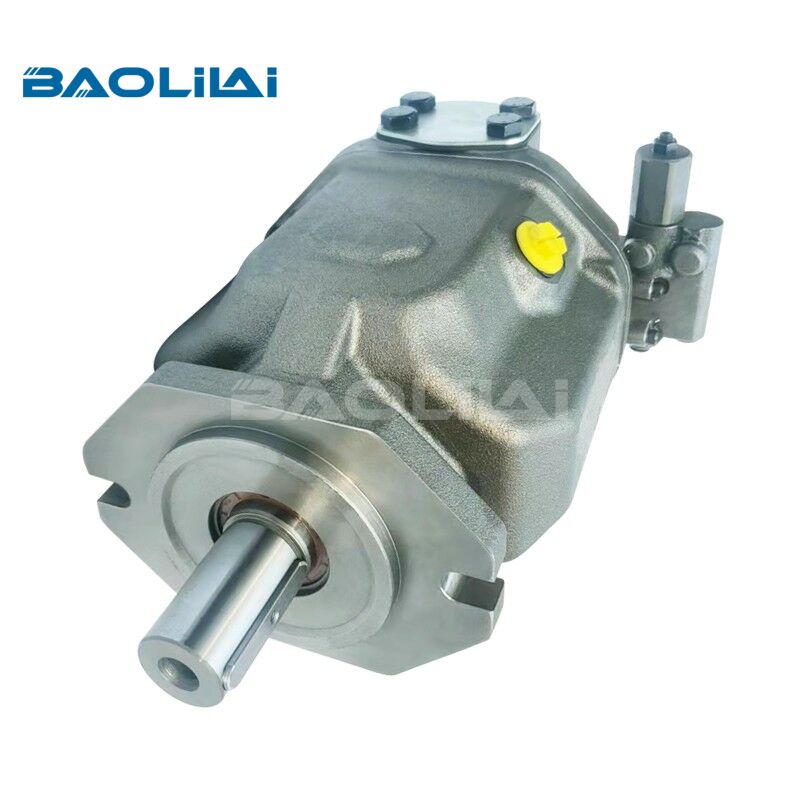
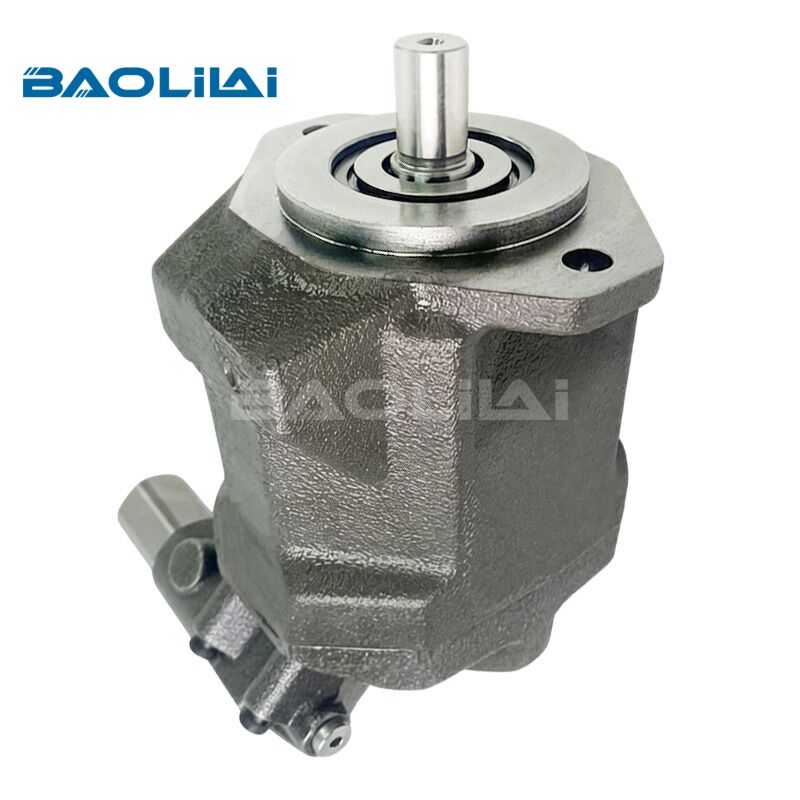
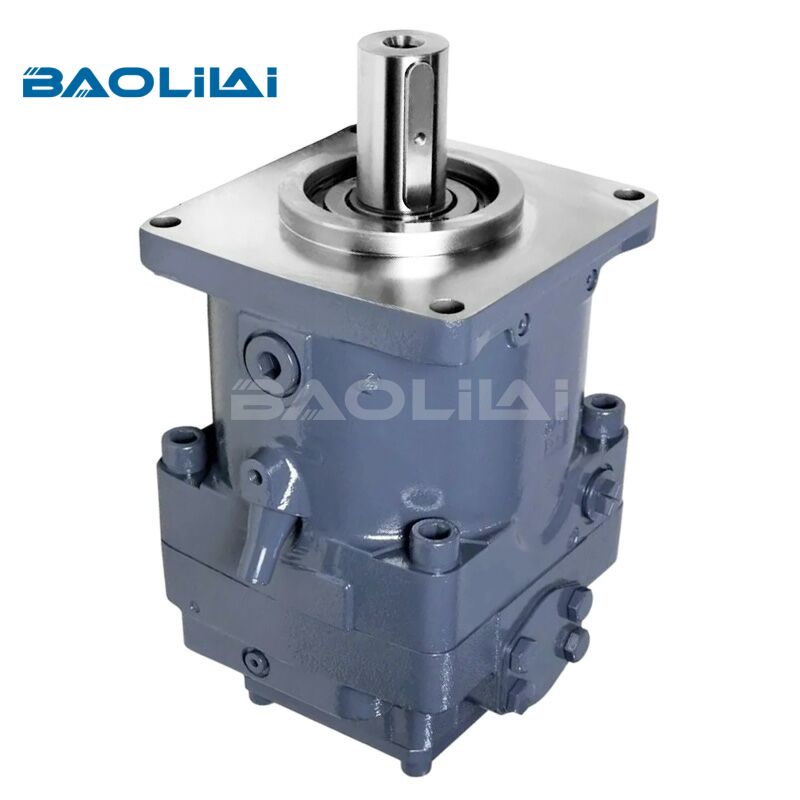
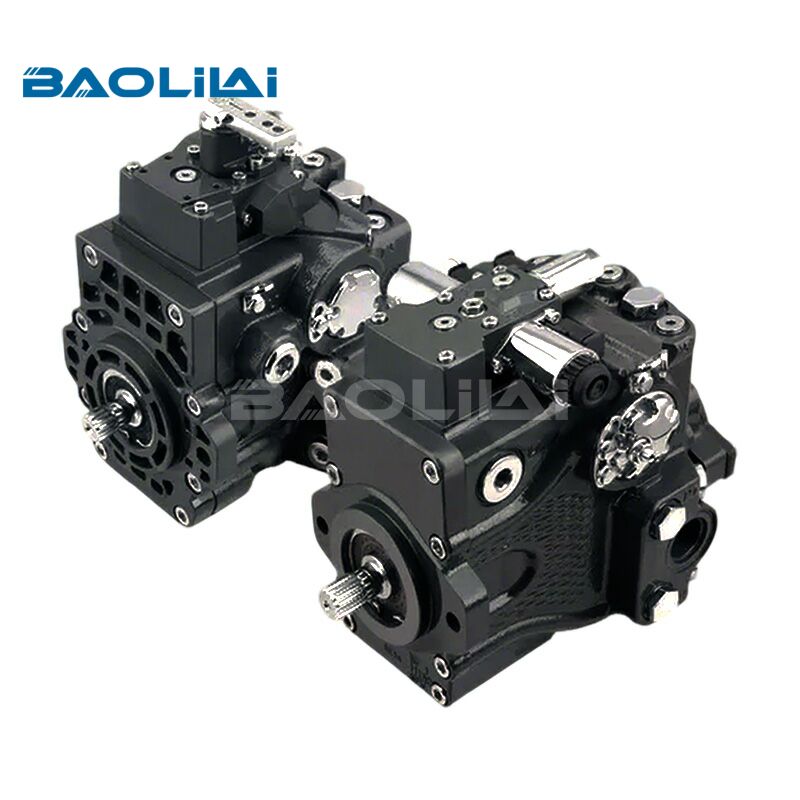
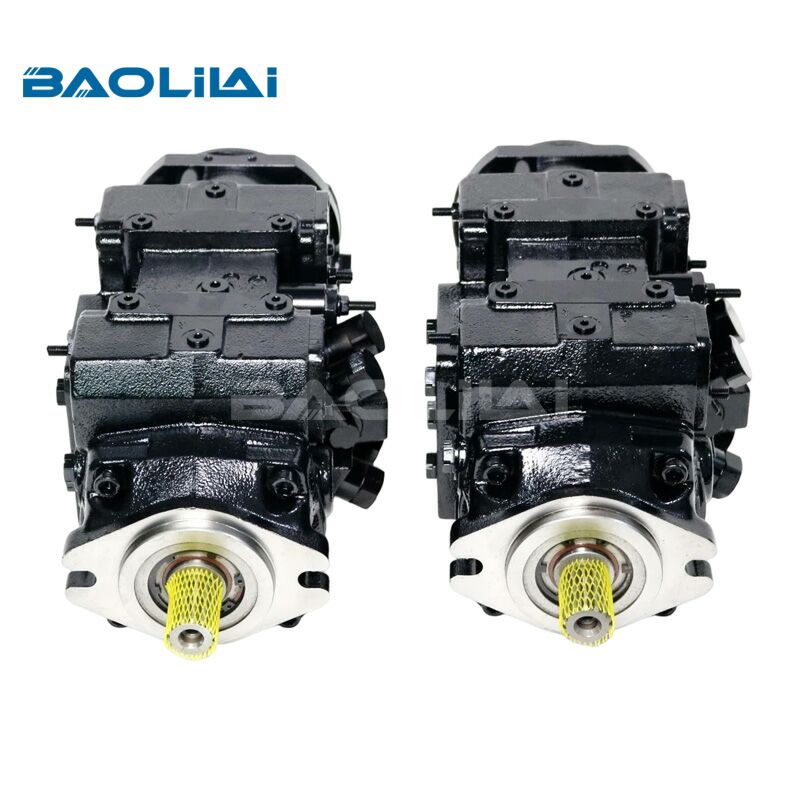
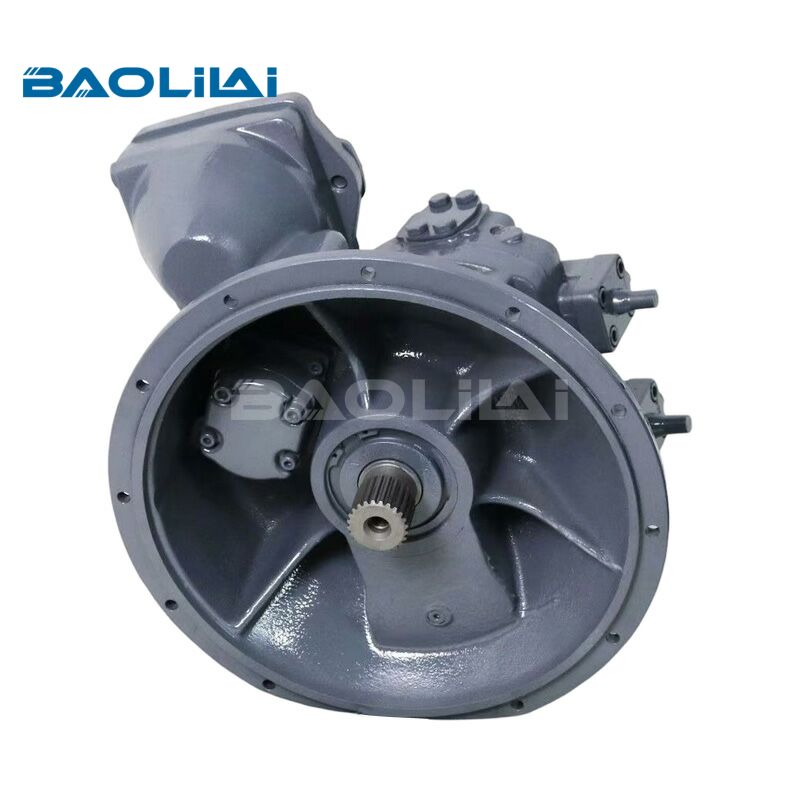
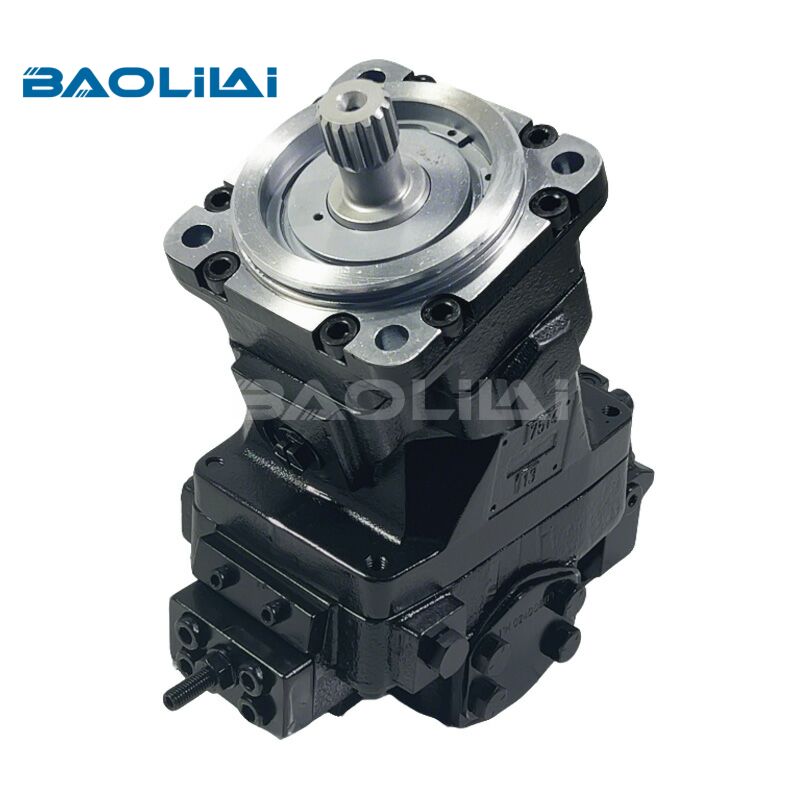
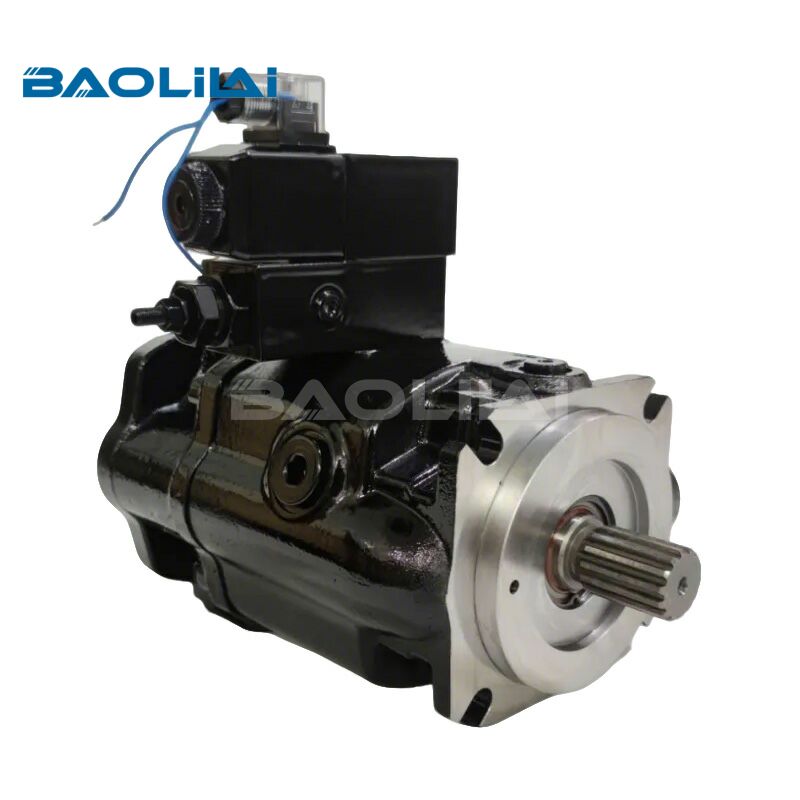
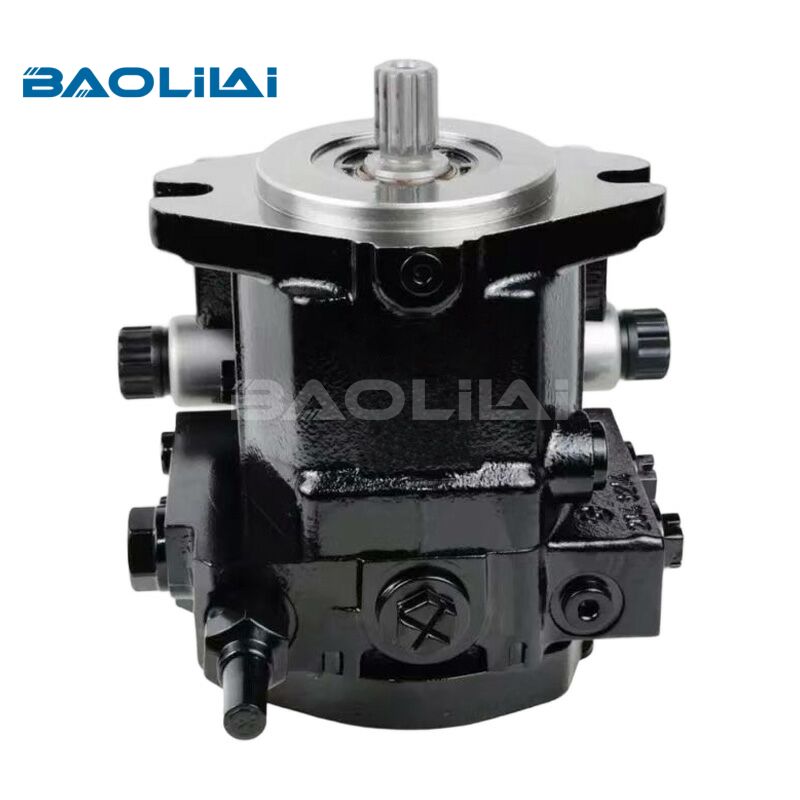
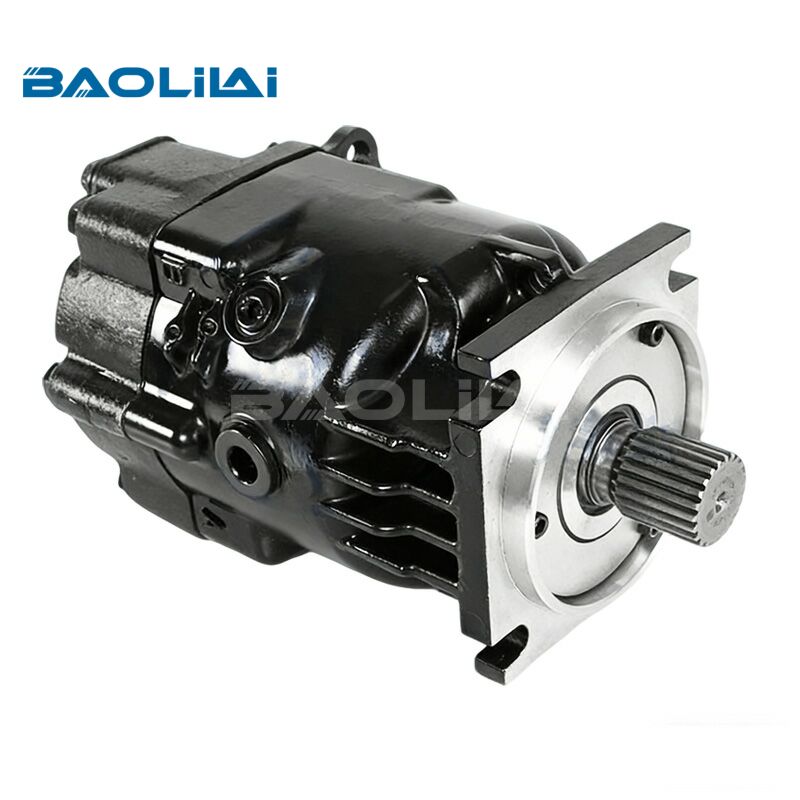
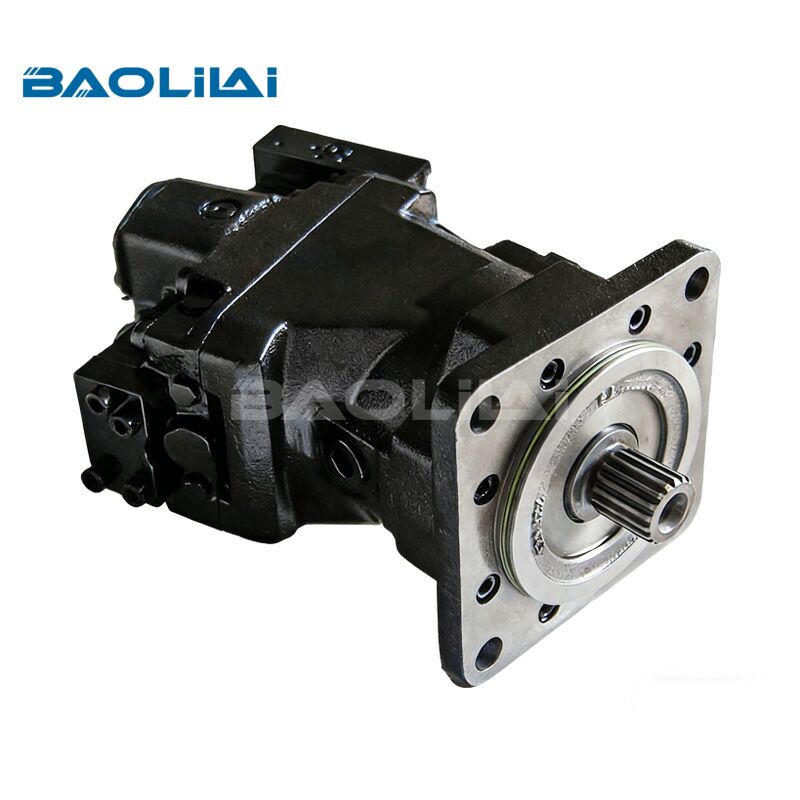
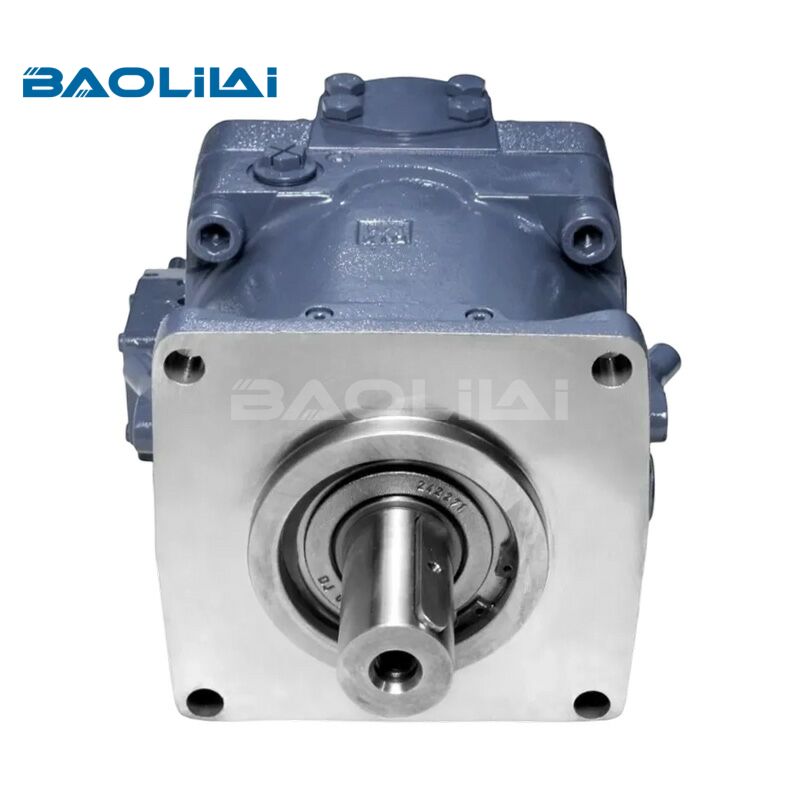
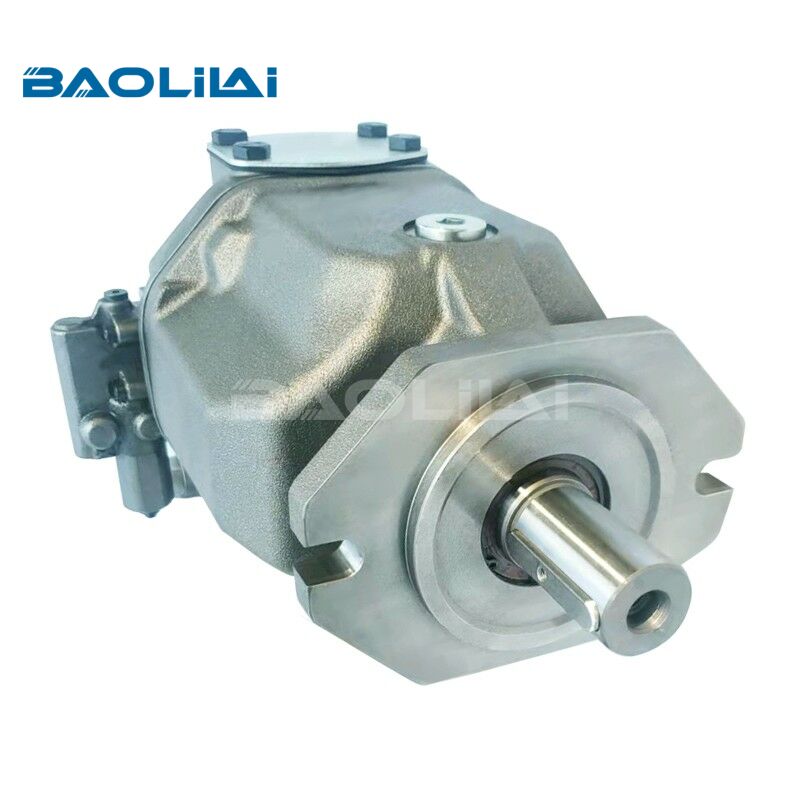
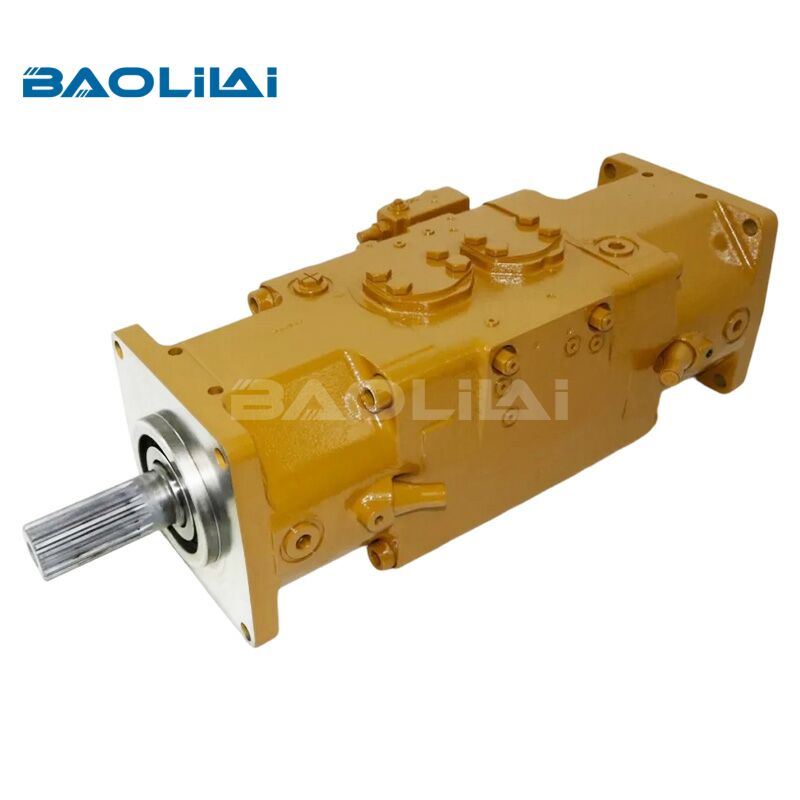
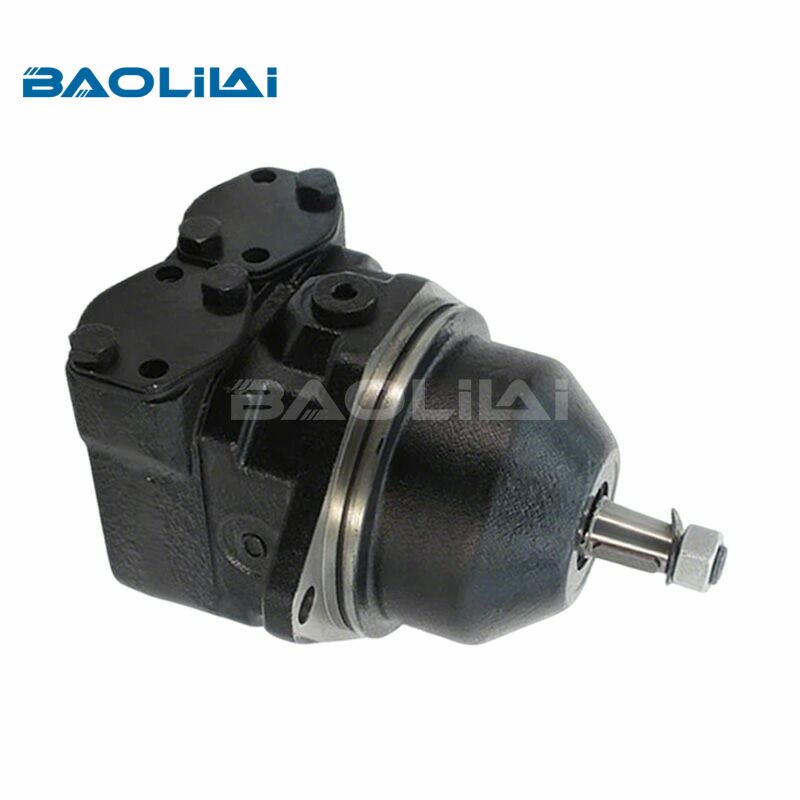
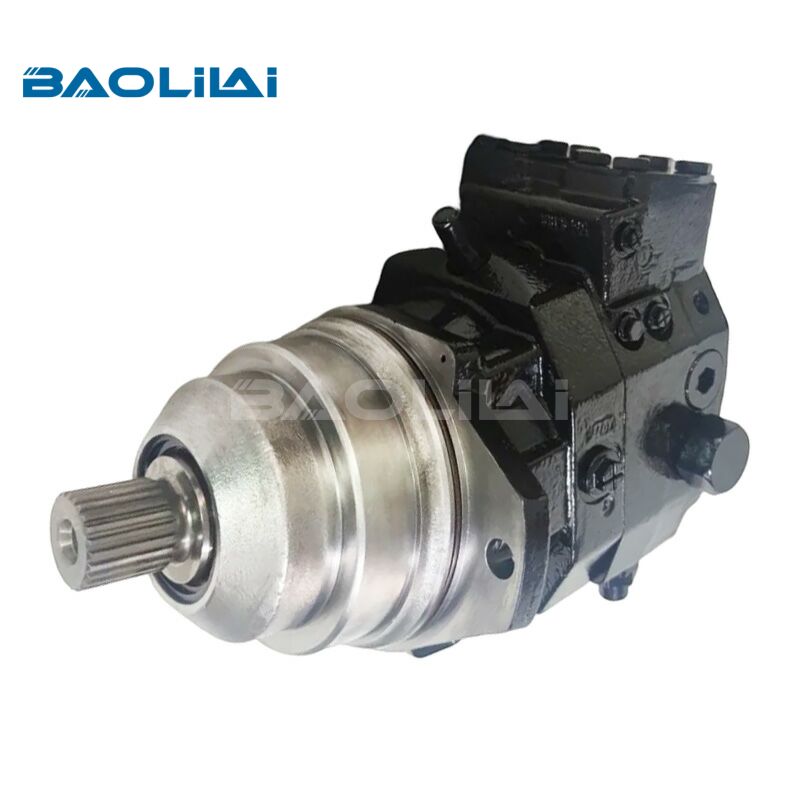
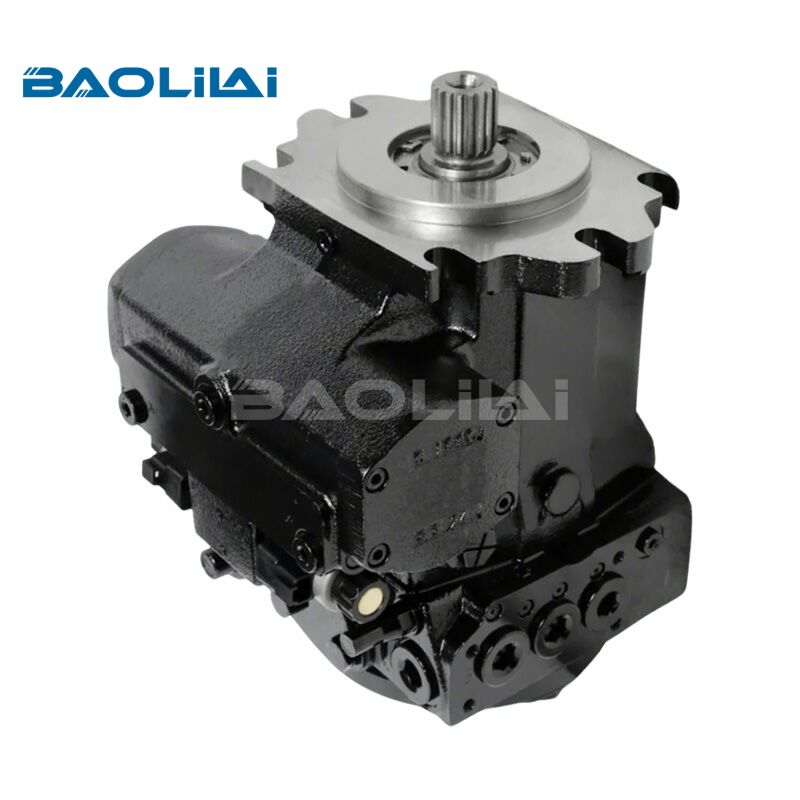
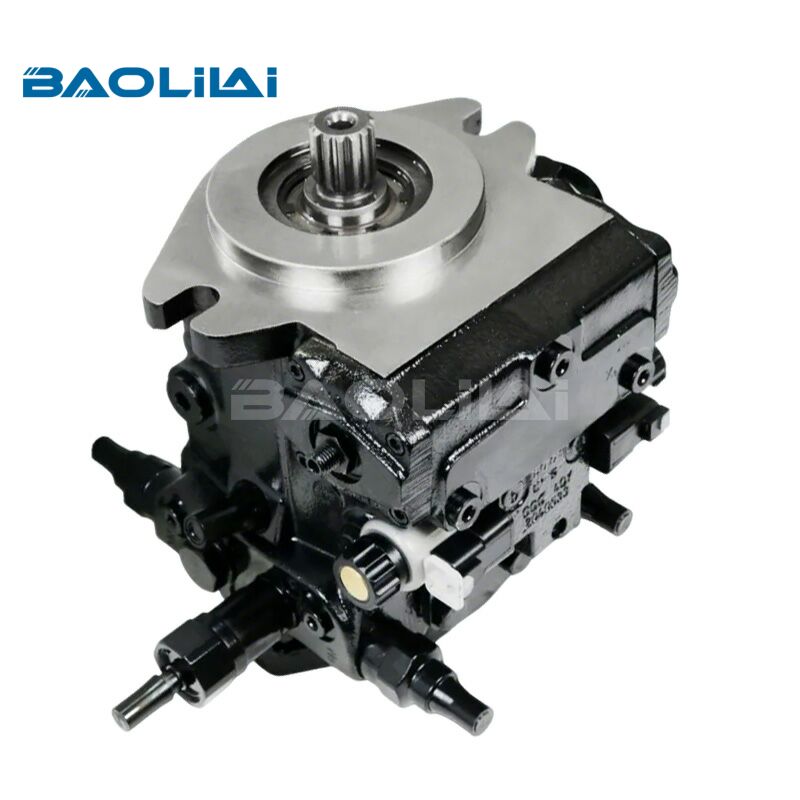
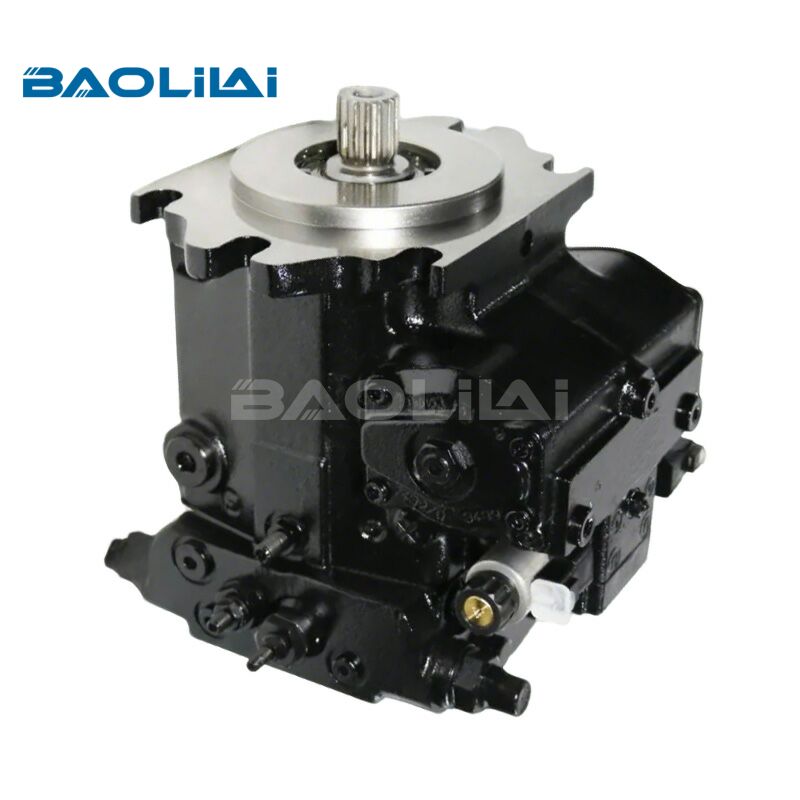
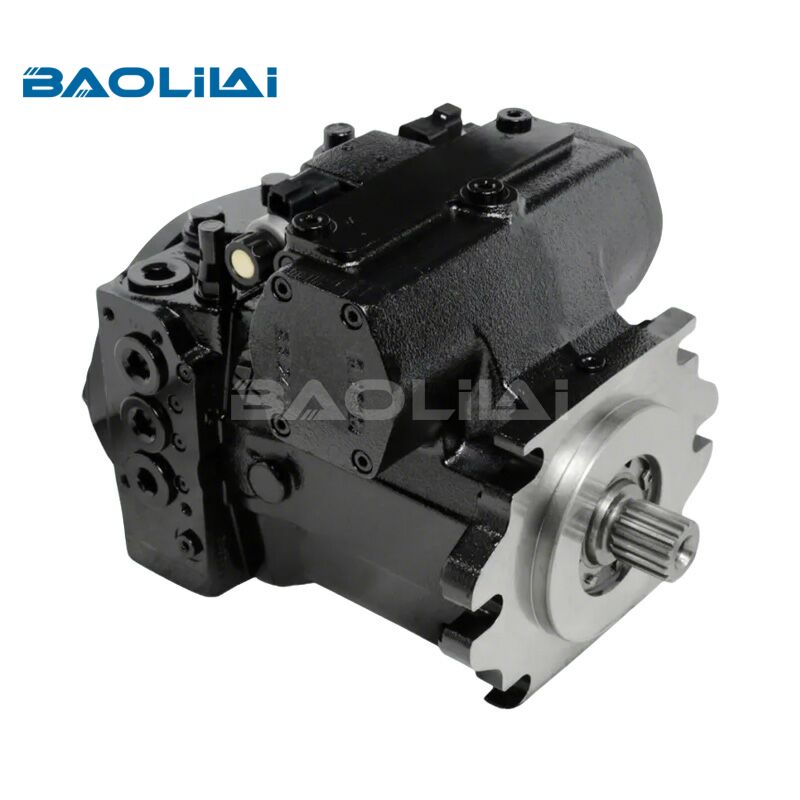
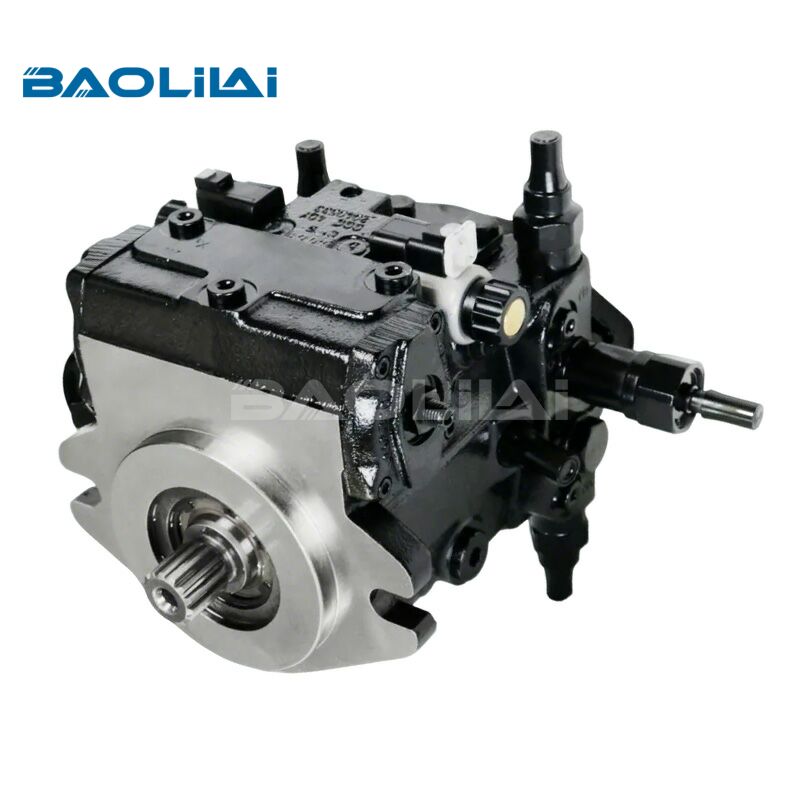
Rexroth A4VG closed circuit hydraulic pump for the Volvo wheel loader 11037749 11144038 11308286 15208642 15223940 2810262 11308294

- Product Details
- Product Model
- FAQ
The A4VG is a series of axial piston variable pumps built by Bosch Rexroth for closed-circuit hydrostatic transmissions. It's designed to pair with an A6VM or similar variable motor, forming a hydrostatic drive unit (HDU) that replaces — or works alongside — a traditional torque converter and powershift transmission.
In a wheel loader, this pump takes rotational input from the diesel engine and converts it into a variable flow of pressurized hydraulic oil. That oil drives a hydraulic motor connected to the axles, which in turn propels the machine. Because the pump's swashplate angle is adjustable, output flow — and therefore vehicle speed and tractive force — can be changed continuously without shifting gears in the conventional sense.
Why Closed Circuit Design Matters
Understanding "closed circuit" is essential to understanding why this pump behaves the way it does — and why it fails the way it does when something goes wrong.
In a closed-circuit hydrostatic system, the main pump and motor are connected by two working lines. Oil discharged from the pump flows to the motor, and the motor's return oil flows back to the pump's inlet — it never passes through the main reservoir during normal operation. This has real consequences:
1. Reversibility: Because the pump is over-center (its swashplate can move through neutral to the opposite angle), flow direction reverses without any directional valve. This is how a wheel loader shifts from forward to reverse smoothly, without a mechanical shift.
2. Charge pump dependency: Since the main loop doesn't return to the tank, a separate charge pump (usually a gerotor unit integrated into the A4VG housing) continuously replenishes the low-pressure side, compensates for internal leakage, and provides oil for the servo control system.
3. Sensitivity to contamination and aeration: Because oil recirculates in a closed loop, any contamination or air ingress tends to concentrate rather than dilute, making filtration and case-drain monitoring critical.
Example: How This Plays Out on a Volvo L120
On a Volvo L120-series loader, the operator pushes the accelerator pedal and selects a direction. The machine's electronic controller sends a current signal to the A4VG's EP proportional solenoids, tilting the swashplate to the commanded angle. Flow proportional to that angle and engine speed is sent to the traction motor. As the loader encounters resistance — say, pushing into a stockpile — the control system can automatically reduce displacement to maintain torque without stalling, a behavior often referred to as automotive traction control or "power-shift-like" behavior, even though there are no physical shift points.
Core Components and How They Work Together
The Rotating Group
At the heart of the A4VG is the cylinder block and piston assembly. Nine pistons ride against the swashplate via slippers, and as the block rotates, each piston strokes in and out based on swashplate angle. The further the plate tilts from neutral, the longer the stroke and the greater the displacement per revolution.
The Servo Control Piston
The swashplate angle isn't adjusted manually — it's positioned by a servo piston acting under control pressure from either the EP solenoids or a hydraulic pilot signal, depending on the control variant fitted. This is what gives the A4VG its fast, precise response to operator input.
The Integrated Charge Pump
Mounted on the back of the main pump, the charge pump (typically a gerotor design) draws oil from the reservoir through a filter and supplies the closed loop's low-pressure side, the servo control circuit, and often the case drain flushing valve. A weak or worn charge pump is one of the most common root causes of sluggish or erratic drive behavior.
For more brands and equipment models, please visit https://www.baolilaihydraulic.com/brand/
| Application equipment brands | Application equipment No. |
| Volvo | 0028...... |
| Volvo | 11037749/11144038 wheel loader L50 |
| Volvo | 11308286 wheel loader: L20 |
| Volvo | 11308287 |
| Volvo | 11308288 |
| Volvo Construction Equipment AB | 11308289 |
| Volvo | 11308290 |
| Volvo | 11308291 |
| Volvo | 11308292 |
| Volvo | 11308293 |
| Volvo | 11308294 |
| Volvo | 11308295 |
| Volvo | 15202437 |
| Volvo | 15208219 |
| Volvo | 15208642 wheel loader L50F-TPS |
| Volvo | 15223940 wheel loader L25 |
| Volvo | 20002814572 |
| Volvo | 252.17.97.01 |
| Volvo | 2803677 |
| Volvo | 2803677+78 |
| Volvo | 2803697 |
| Volvo | 2810262 L40 |
| Volvo | 2814573 ZL502C |
| Volvo | 2814913/2+914 |
| Volvo | 2814919+2814920 |
| Volvo (ABG) | 80610264 |
| Volvo | 80610264 Paver Titan 326 Stampfer |
| Volvo | 80611791 |
| Volvo | RM80685340 |
| Volvo | RM80790058 |
| Volvo | RM80912108 |
Q1: What's the typical service life of an A4VG pump in a wheel loader application?
A1: This varies enormously with duty cycle, maintenance quality, and operating environment, but with proper filtration and fluid maintenance, many units run well beyond 10,000 hours before requiring major internal work. Harsh, dusty, high-cycle applications will shorten this considerably.
Q2: Does the A4VG pump control travel speed directly, or does the engine RPM also matter?
A2: Both. Output flow is a function of engine (input) speed multiplied by swashplate displacement angle, so travel speed is influenced by throttle position and displacement command together — which is part of why hydrostatic-drive loaders feel so responsive to pedal input.
Q3: What is the price and delivery time of the A4VG hydraulic pump for the Volvo wheel loader?
A3: The specific price and delivery time will depend on the equipment model or specific product model you provide.
Q4: How to purchase an A4VG hydraulic pump for the Volvo wheel loader?
A4: You can visit https://www.baolilaihydraulic.com/contact/ to contact us and purchase our products through various methods.