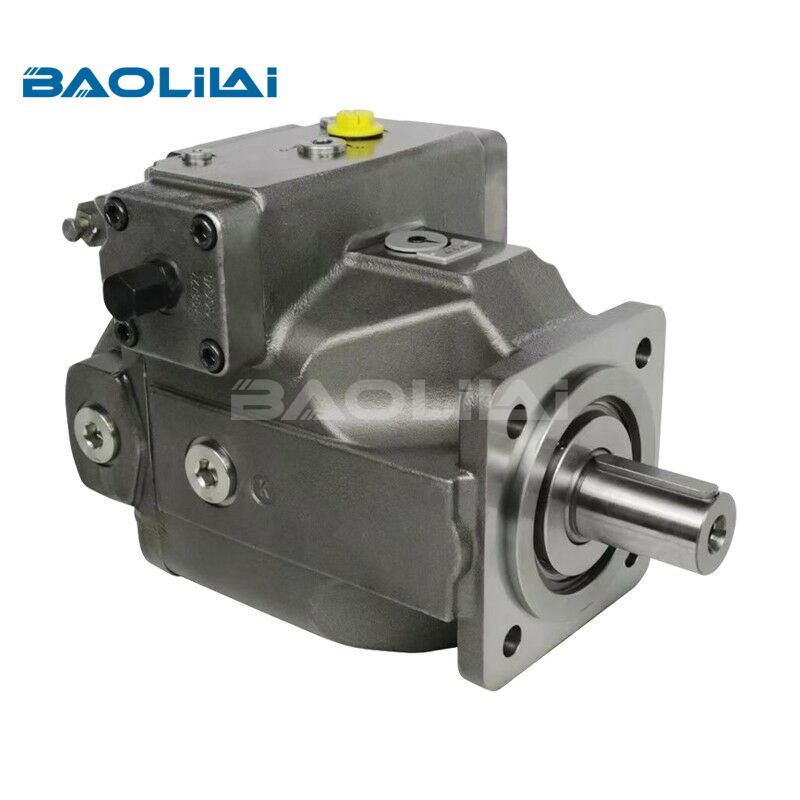
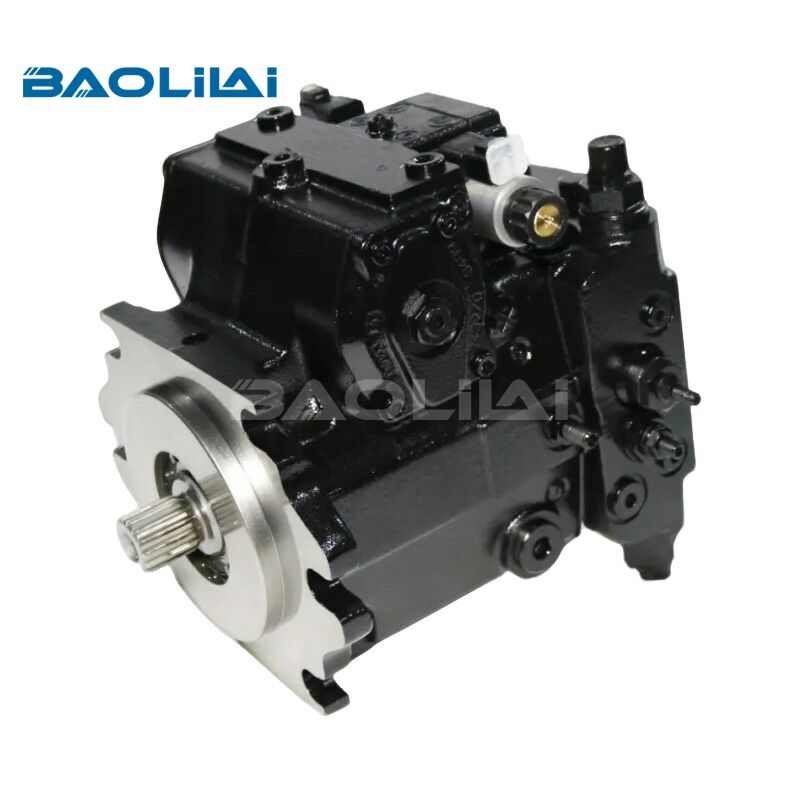
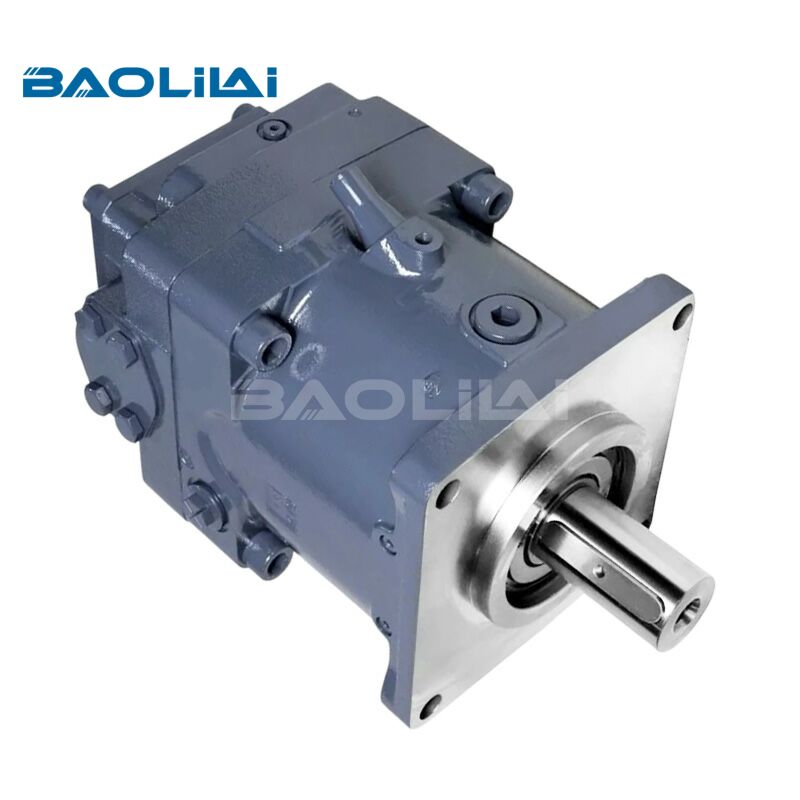
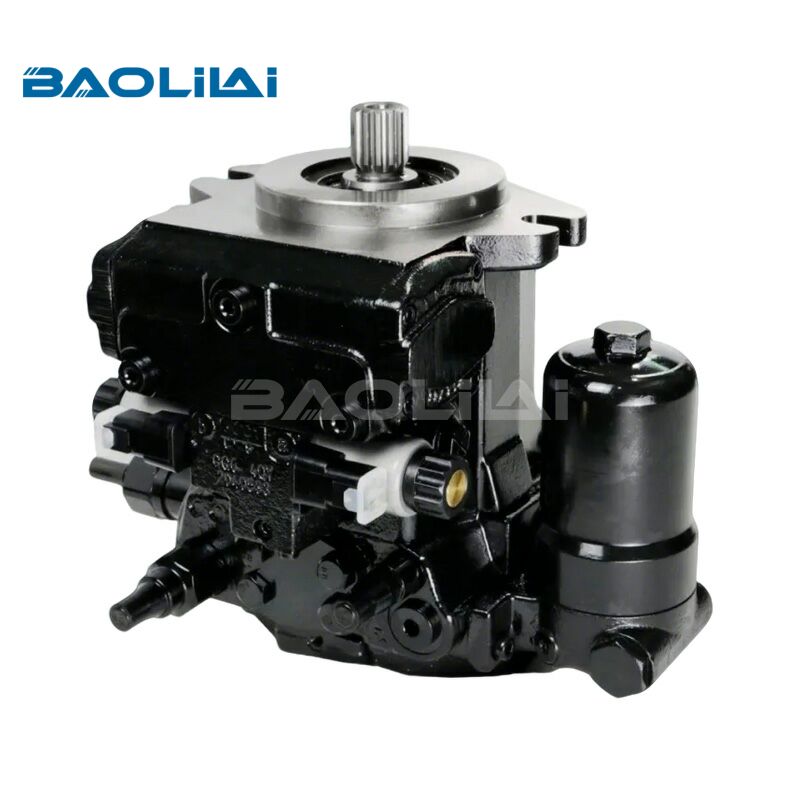
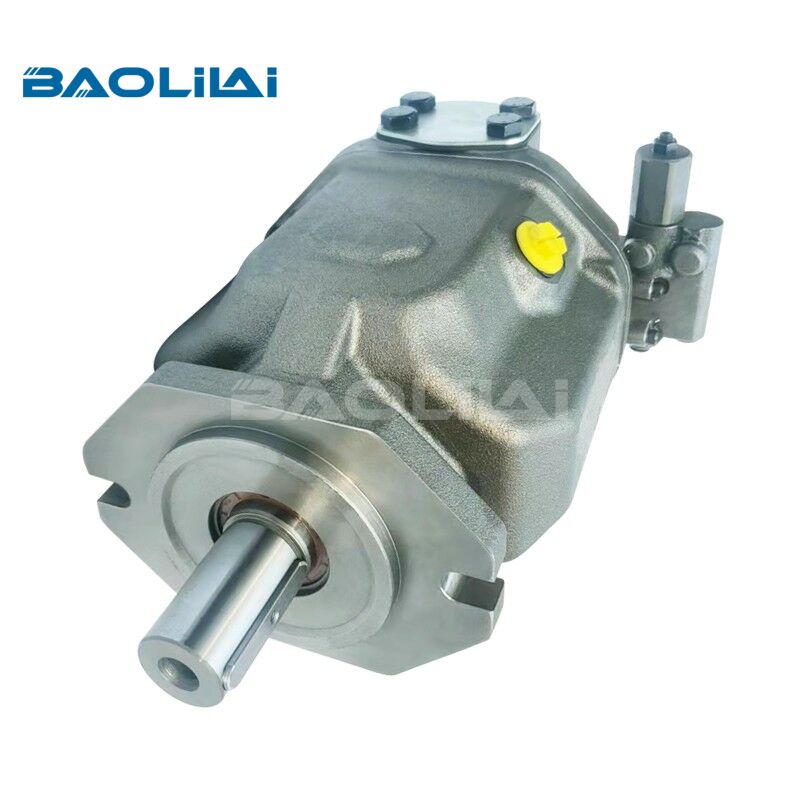
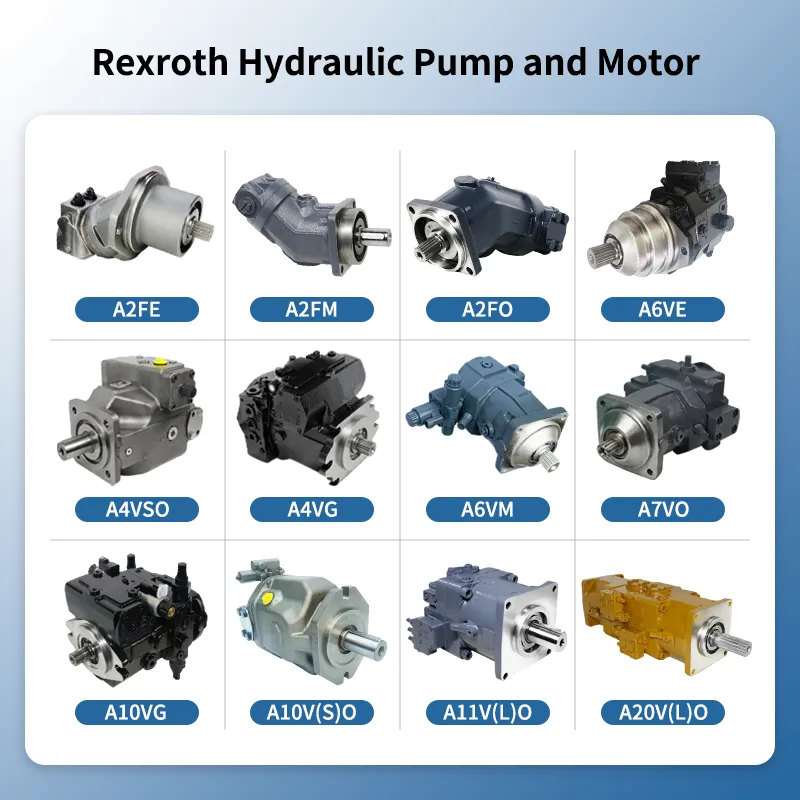
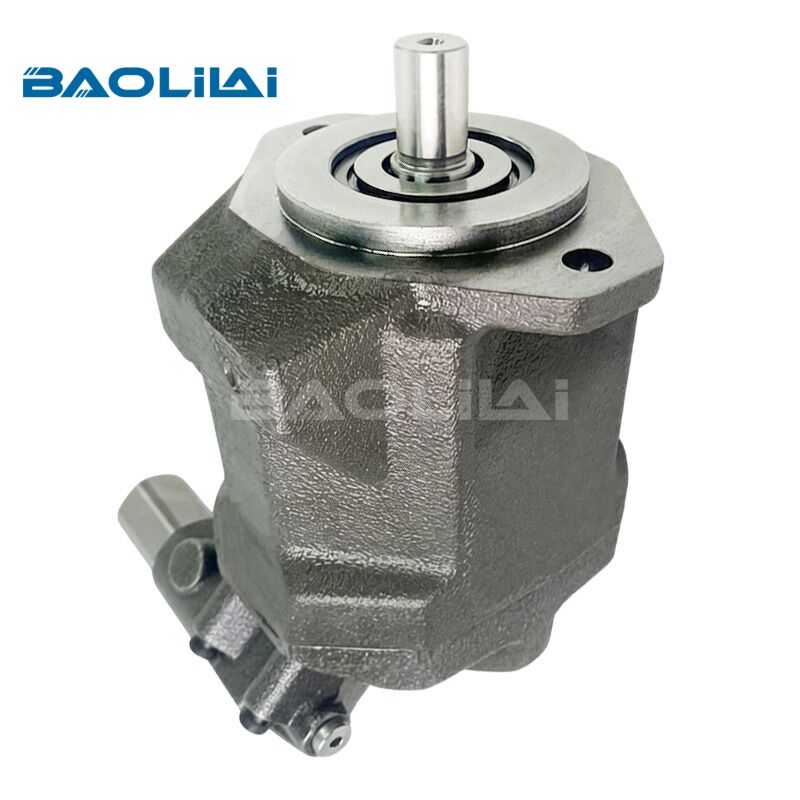
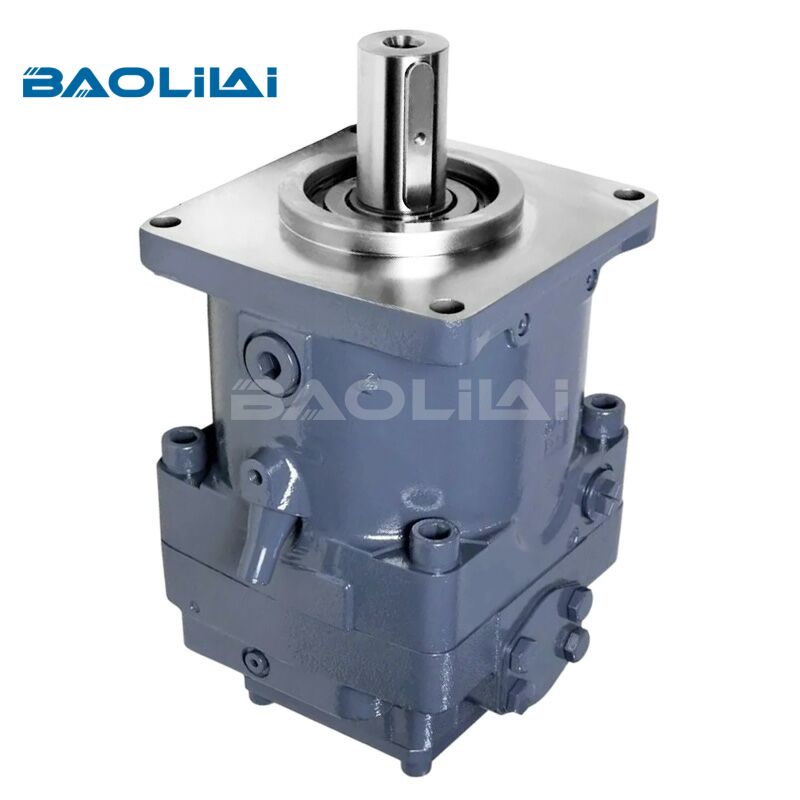
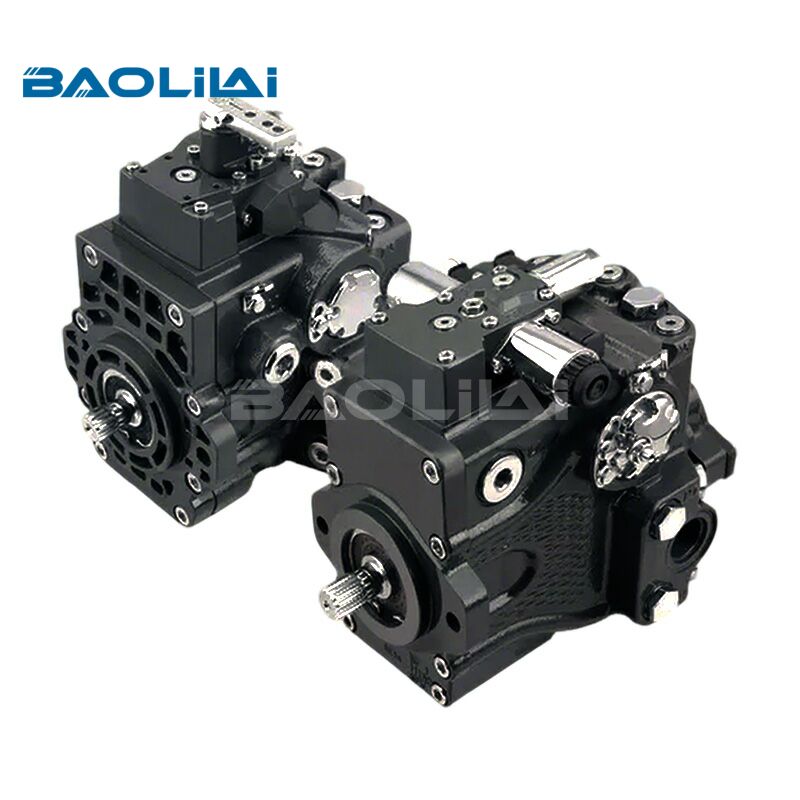
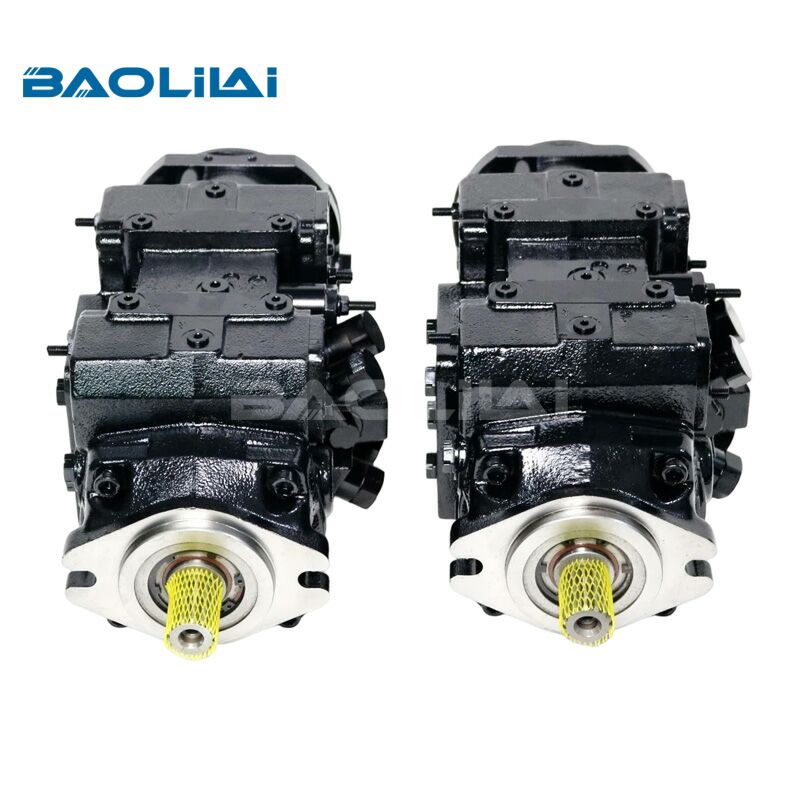
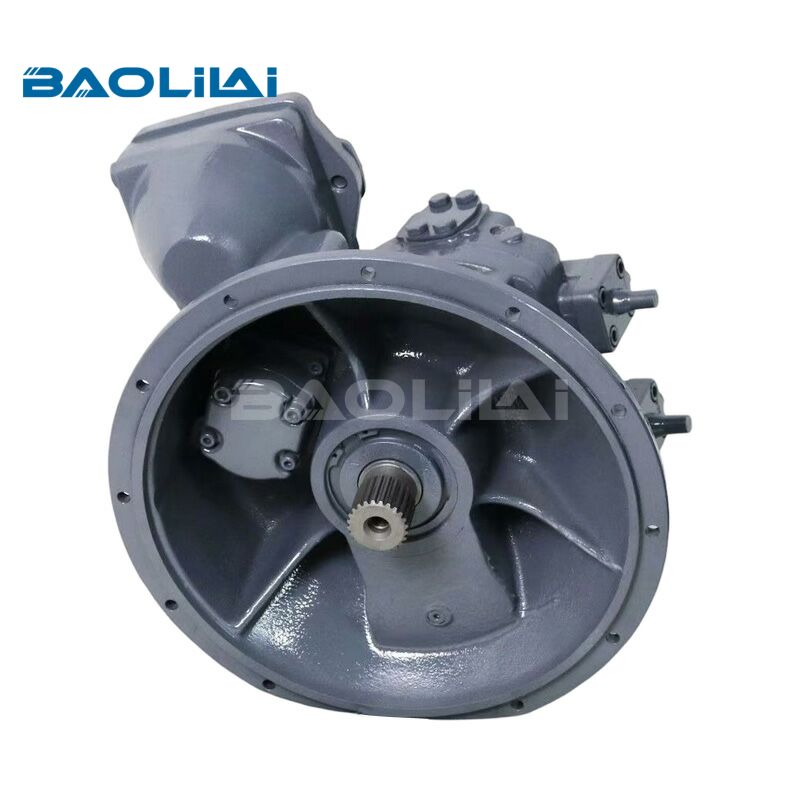
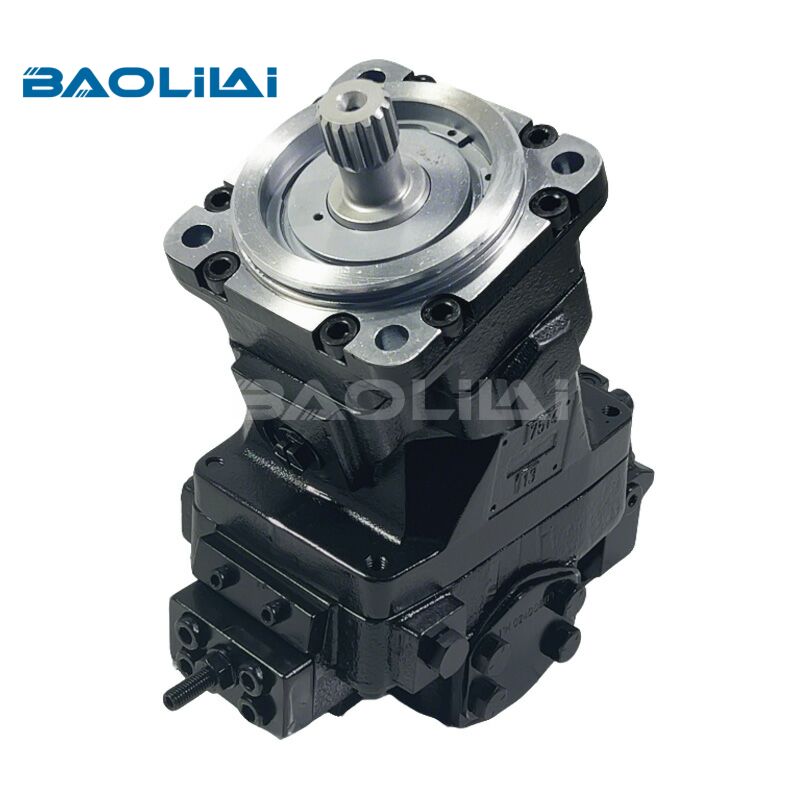
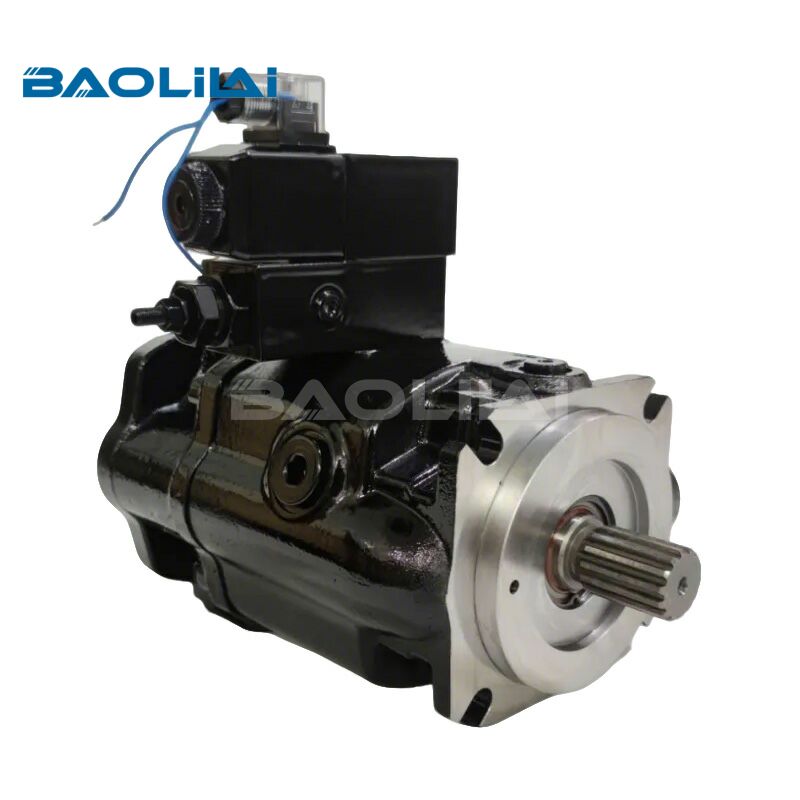
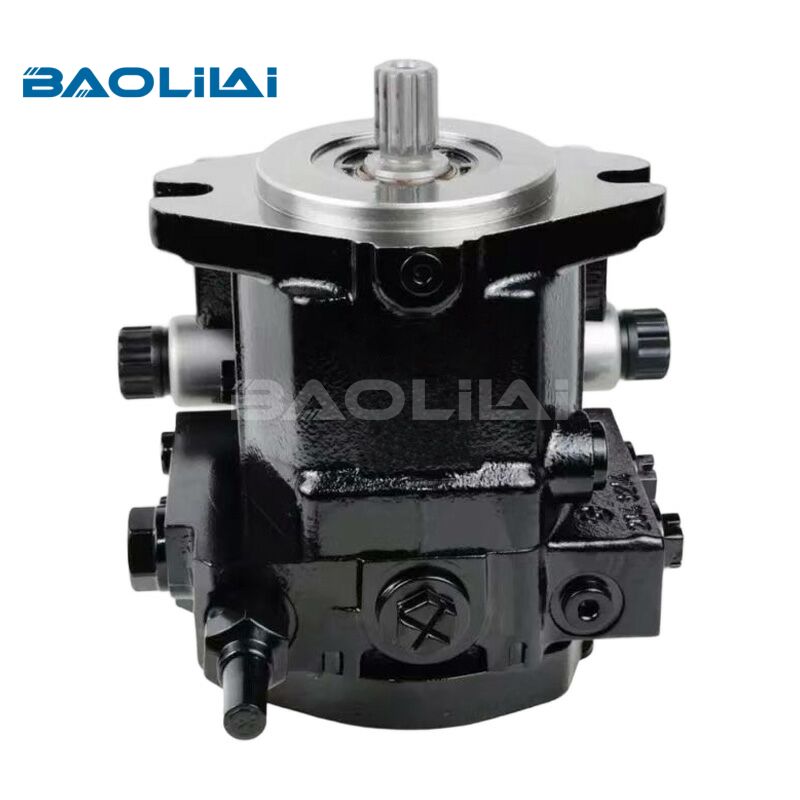
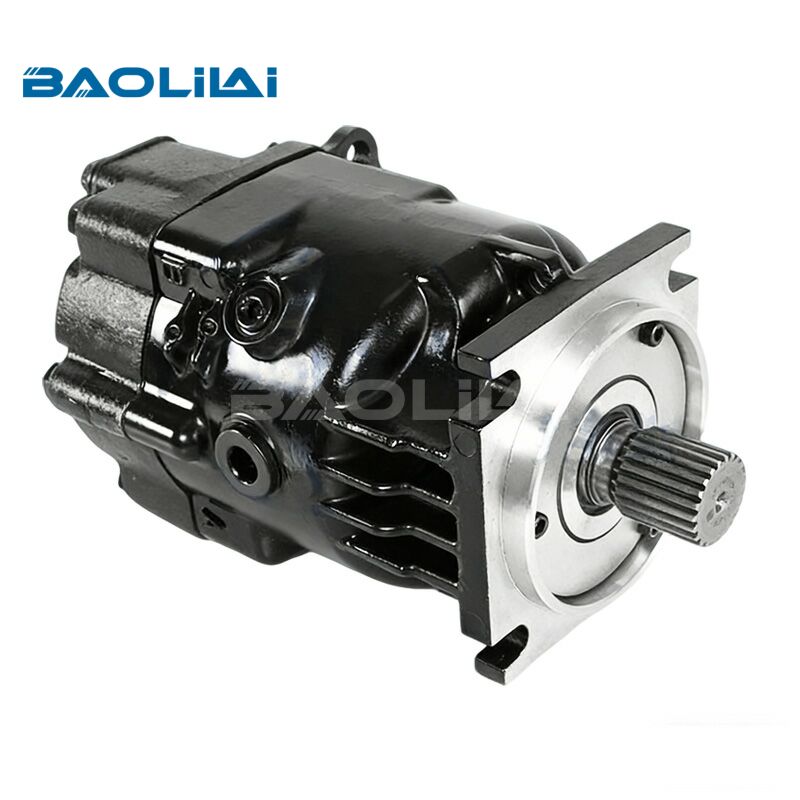
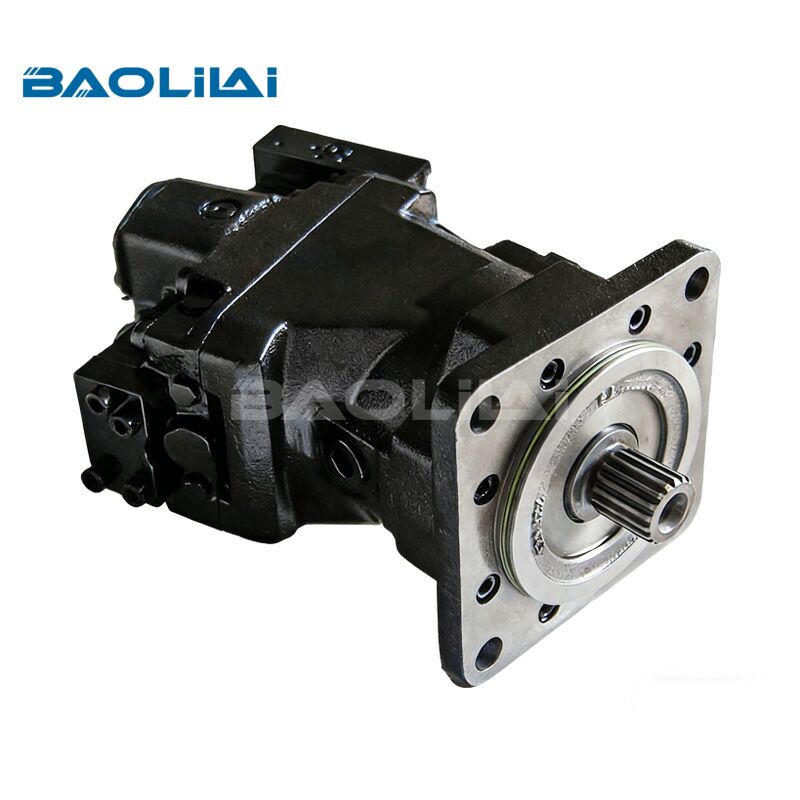
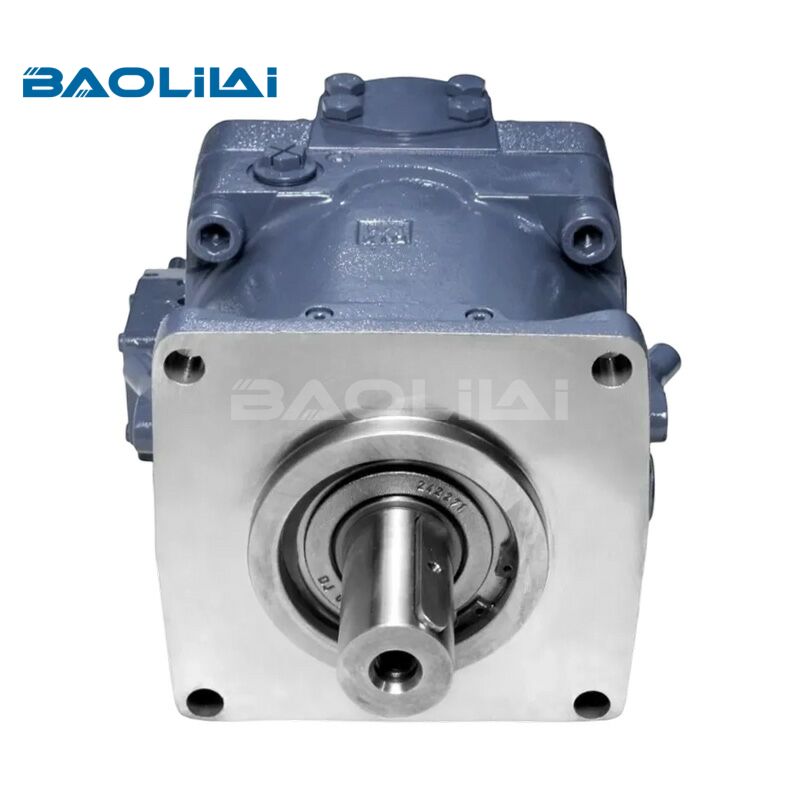
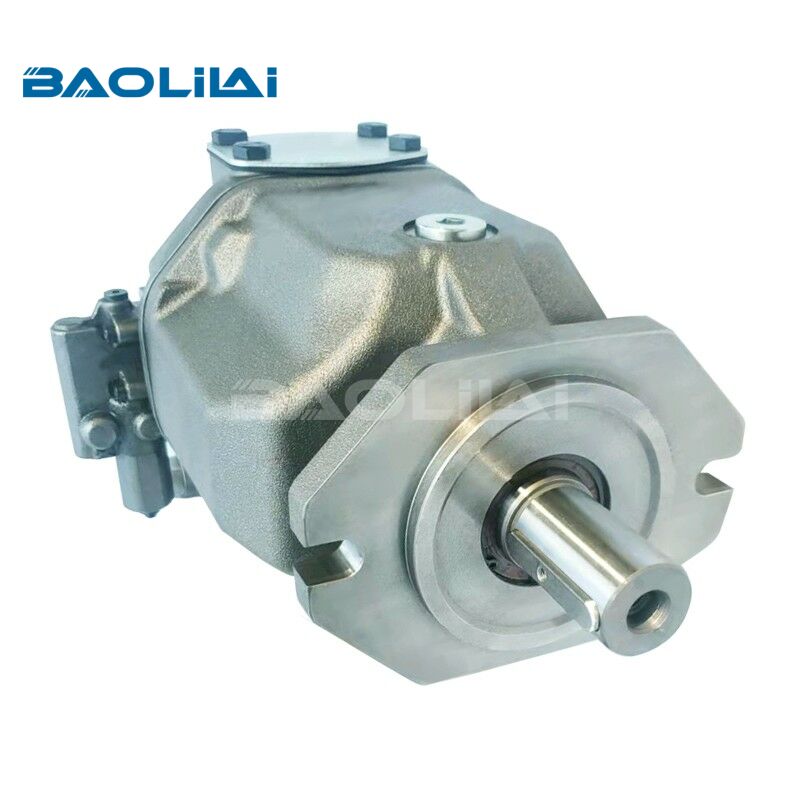
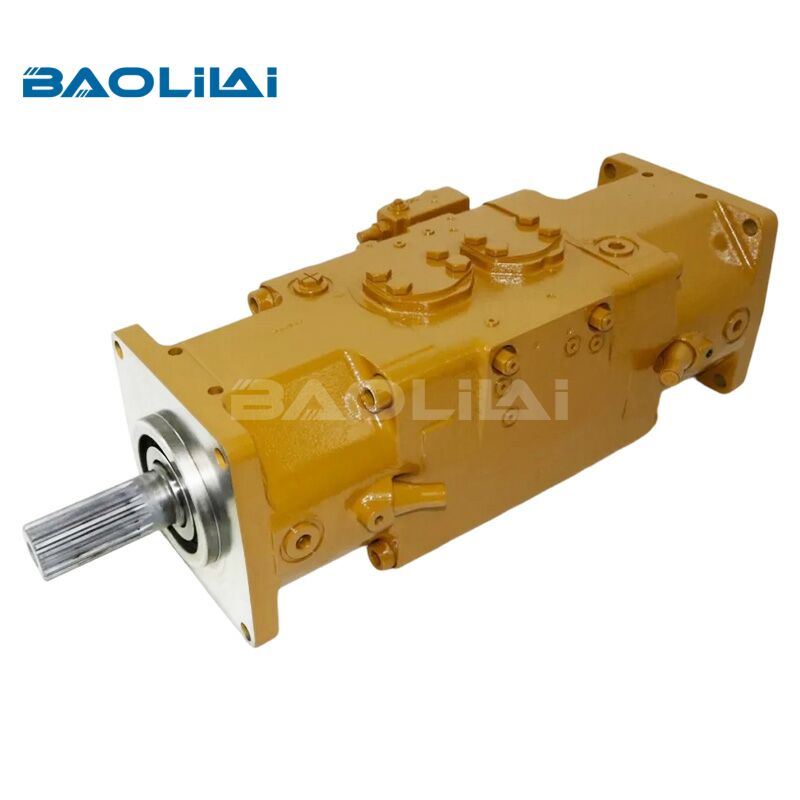
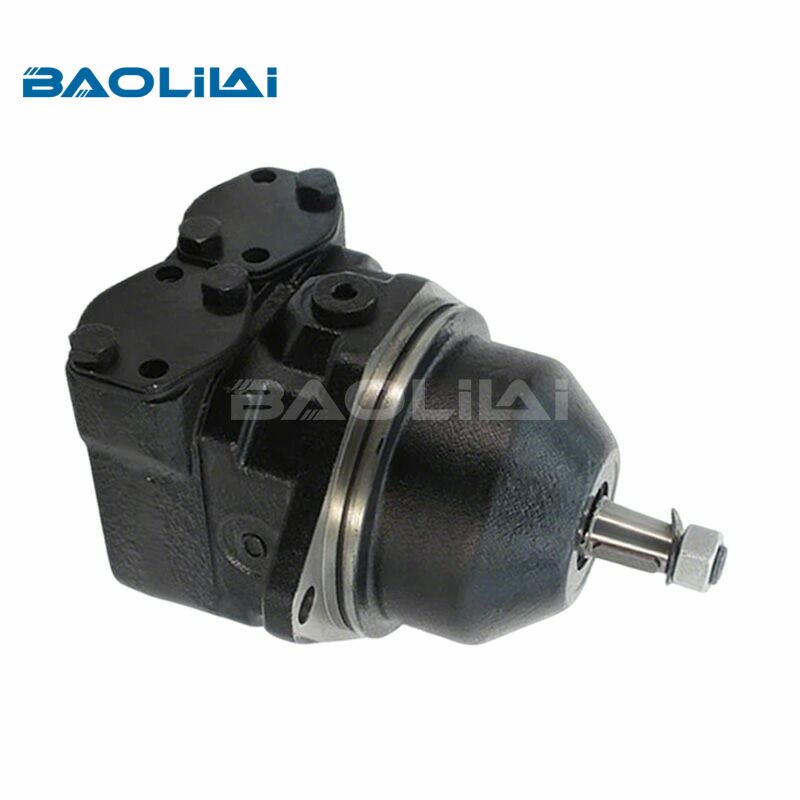
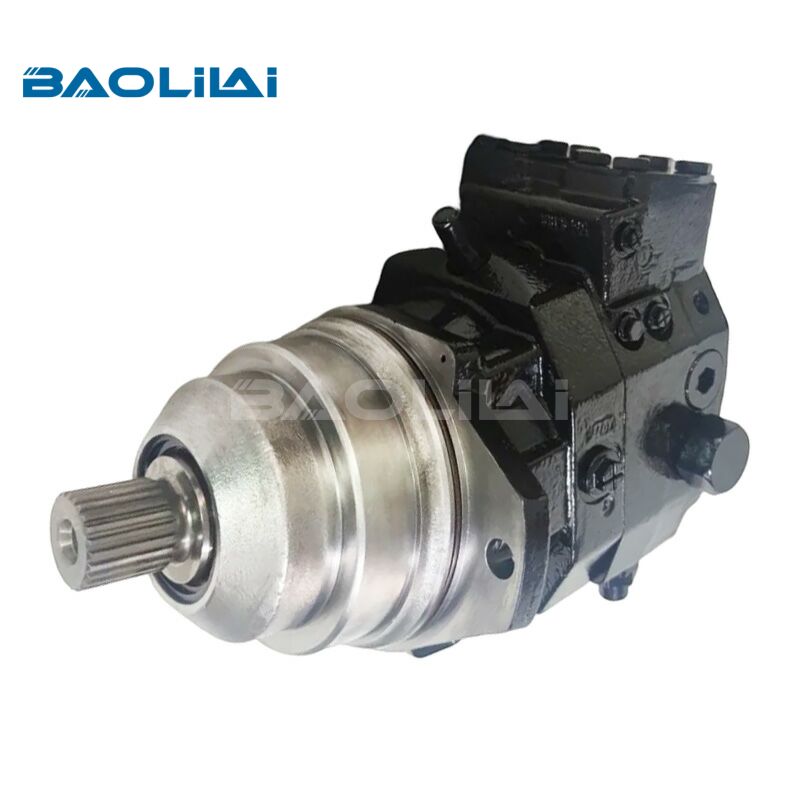
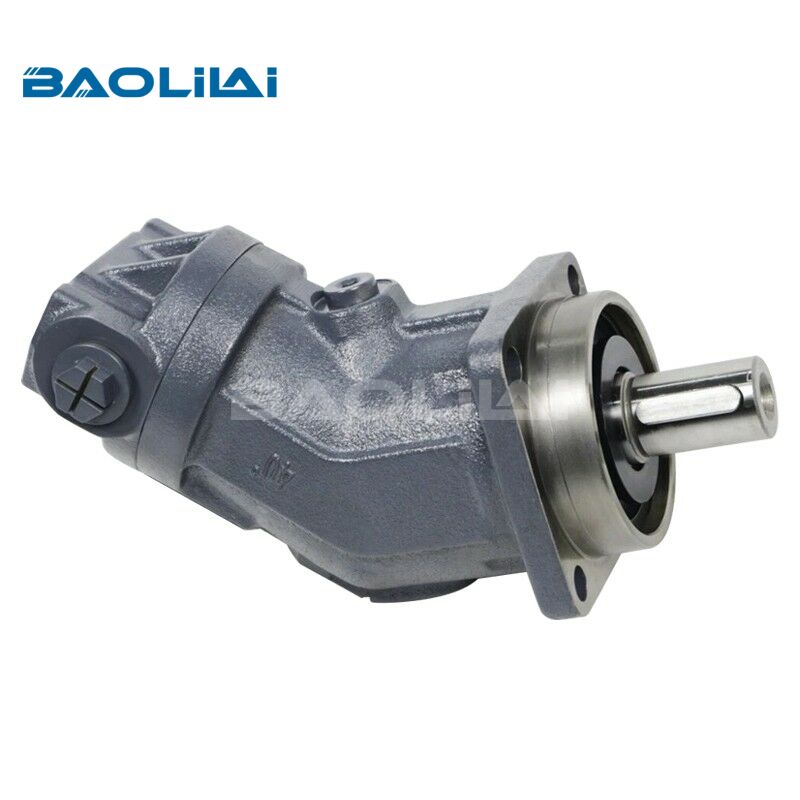
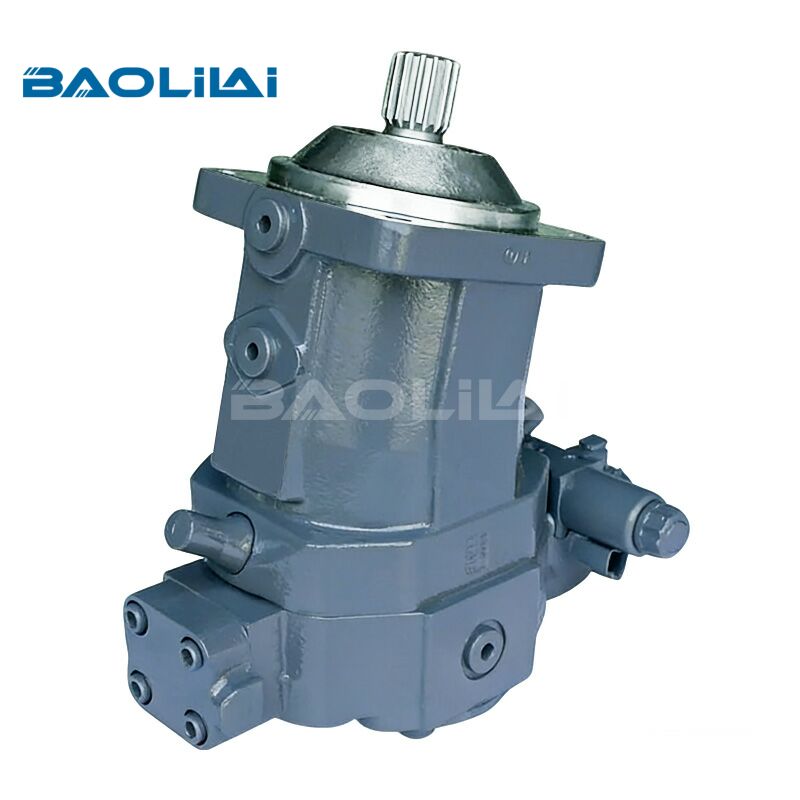
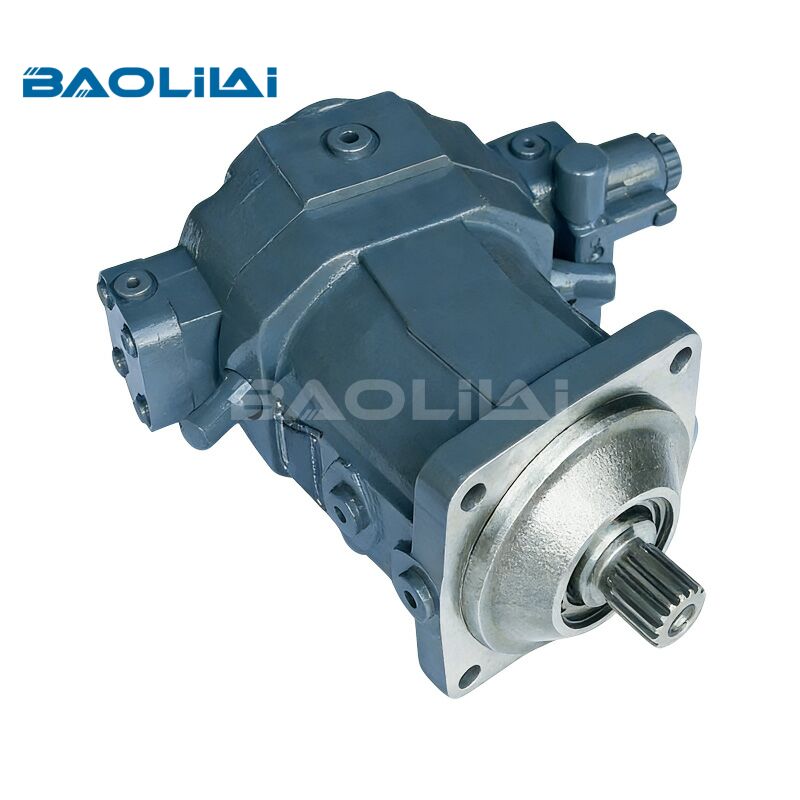
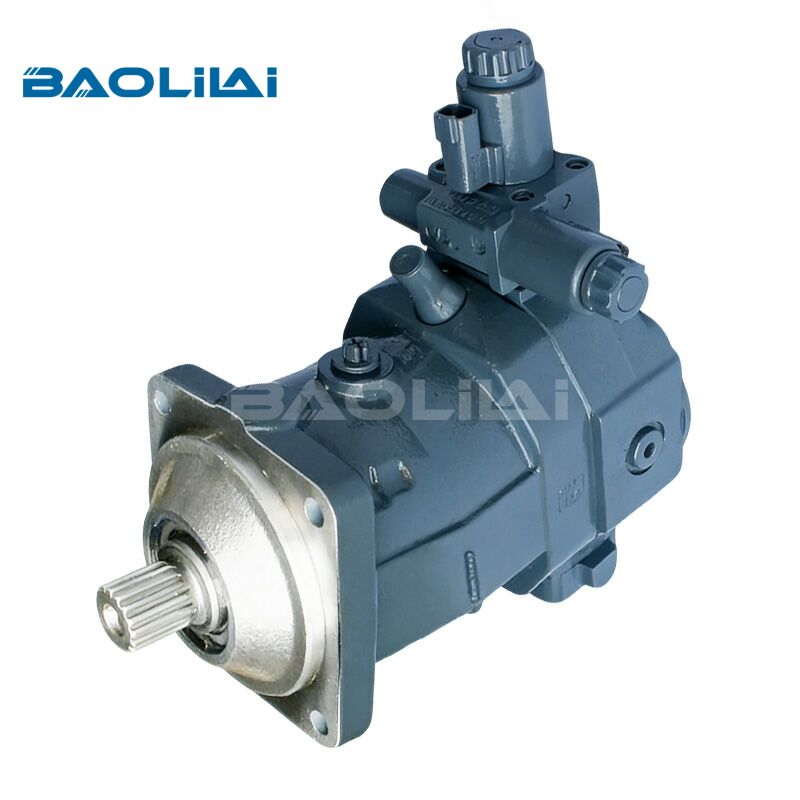
Rexroth A6VM A2FM axial piston hydraulic motors for the Merlo Telescopic boom forklift 048836 037222 069395 63289 024516 069589
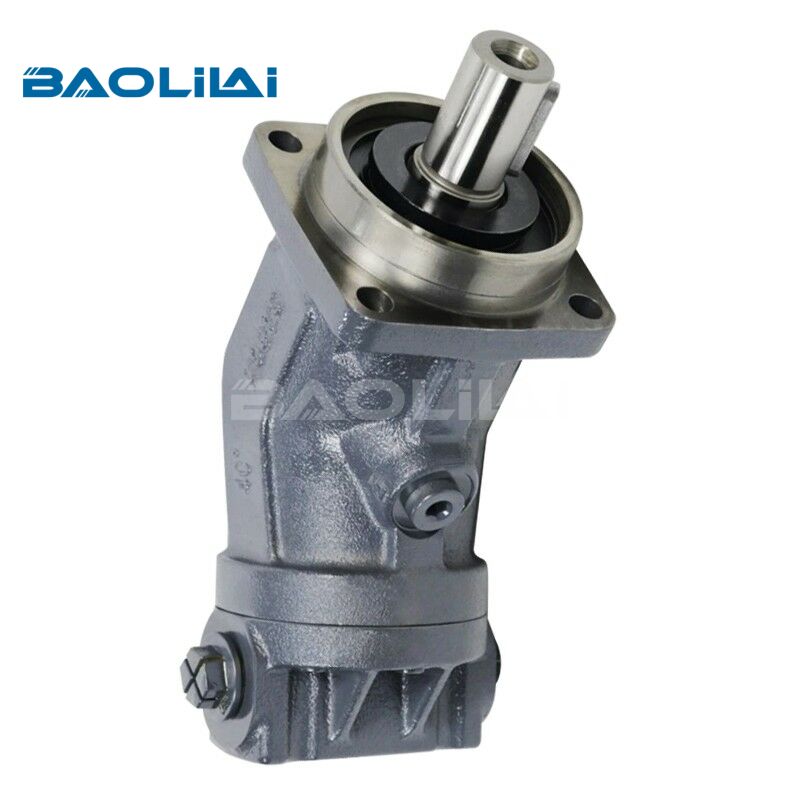

- Product Details
- Product Model
- FAQ
An axial piston motor is a hydraulic actuator that converts fluid pressure into rotational mechanical energy. Inside the housing, a series of pistons arranged parallel to (or at an angle from) the drive shaft reciprocate as hydraulic fluid is forced through them, generating torque that turns the output shaft.
For a machine like a Merlo telehandler — which needs to creep forward under a fully extended boom one moment and drive at highway-adjacent speeds the next — this design offers three advantages that gear or vane motors struggle to match:
High power density. A compact motor delivers large amounts of torque relative to its size and weight, which matters when space inside a wheel hub or axle housing is tight.
Variable displacement capability. The motor's swash plate (or bent-axis housing angle) can change under hydraulic control, altering the volume of fluid displaced per revolution. This lets one motor deliver both high torque at low speed (for creeping with a load) and high speed at low torque (for transport driving).
Durability under contamination and load cycling. Telehandlers work in dusty yards, quarries, and farms. Axial piston motors are built to tolerate the pressure spikes and less-than-pristine fluid conditions typical of off-highway equipment.
Rexroth A6VM: The Variable-Displacement Workhorse
Design and Function
The A6VM is a variable-displacement, bent-axis piston motor. Its defining feature is a swiveling cylinder block set at an angle to the drive shaft. As hydraulic pressure acts on the pistons, the swivel angle can be adjusted — either manually, hydraulically, or electronically — to change displacement on the fly.
In practical terms, this means the A6VM can automatically shift its "gearing" in response to load and travel speed, similar in concept to how a CVT changes ratio in a car, but done hydraulically and nearly instantaneously.
Role in the Merlo Drivetrain
In a Merlo hydrostatic transmission, an A6VM motor is typically paired with an A4VG or similar variable-displacement axial piston pump mounted to the engine. Together they form a closed-loop hydrostatic circuit:
1. The engine drives the pump, which sends pressurized fluid to the motor.
2. The A6VM motor converts that flow into torque at the wheel or axle.
3. As the operator demands more speed, the motor's displacement decreases (increasing shaft speed for the same flow) while the pump's displacement increases.
4. Under heavy load — for example, driving up a ramp with a full pallet on the forks — the motor's displacement increases automatically, boosting torque at the expense of top speed.
This is why Merlo telehandlers can smoothly transition from slow, high-torque maneuvering around a job site to faster travel between work areas without a mechanical gearbox doing the shifting.
Rexroth A2FM: The Fixed-Displacement Specialist
Design and Function
The A2FM is also a bent-axis piston motor, but it's most commonly deployed as a fixed-displacement unit (some variants offer two-position or variable displacement). Rather than continuously adjusting its swivel angle, a fixed-displacement A2FM maintains a constant relationship between flow input and shaft speed/torque output.
Where Merlo Uses the A2FM
On Merlo machines, the A2FM often turns up in secondary or auxiliary drive circuits rather than the primary hydrostatic travel drive — for example:
Fan drive motors for hydraulically driven cooling fans, where consistent speed relative to flow is desirable.
Winch or auxiliary hydraulic circuits on specialized Merlo variants.
Two-speed wheel motor configurations, where a two-position A2FM shifts between a high-torque and high-speed displacement setting via a solenoid valve, giving a simpler (and often more cost-effective) alternative to a fully variable A6VM in certain machine ranges.
Common Symptoms of A6VM/A2FM Wear or Failure in Merlo Telehandlers
Technicians diagnosing drive issues on a Merlo unit should watch for these patterns:
Loss of Travel Power
A telehandler that struggles to climb grades or move loaded pallets, despite normal engine RPM, often points to internal motor leakage — worn pistons, scored cylinder blocks, or a failing valve plate letting high-pressure fluid bypass internally instead of doing work.
Uneven or Jerky Speed Changes
On A6VM units, a sticking servo piston or contaminated control valve can cause the motor to hunt between displacement settings, producing surging or hesitation as the machine transitions between speed ranges.
Overheating Hydraulic Fluid
Excessive internal leakage in either motor type converts hydraulic energy into heat rather than mechanical work. If the hydraulic reservoir runs hotter than normal under typical duty cycles, a worn motor is a common culprit.
Unusual Noise from the Axle or Wheel Hub
Whining, grinding, or knocking from the motor housing typically indicates bearing wear, cavitation from restricted supply flow, or cylinder block/piston damage.
Maintenance Best Practices
Fluid cleanliness is non-negotiable. Axial piston motors run tight internal tolerances; contaminated fluid is the single biggest driver of premature wear in both the A6VM and A2FM.
Monitor case drain flow. Case drain (leakage) flow is one of the most reliable indicators of internal motor condition. A gradual increase in case drain flow over time signals developing wear before performance symptoms appear.
Follow Merlo's specified fluid viscosity and change intervals. These motors are calibrated for specific hydraulic oil specifications; deviating can accelerate wear or affect displacement control response.
Inspect charge pressure regularly. Low charge pressure in the closed-loop circuit starves the motor and pump of makeup fluid, accelerating cavitation damage.
Source genuine or OEM-equivalent replacement units. Because these motors are precision-matched to Merlo's hydrostatic circuit calibration, using mismatched displacement ranges or control specifications can cause poor drivability or premature failure.
For more brands and equipment models, please visit https://www.baolilaihydraulic.com/brand/
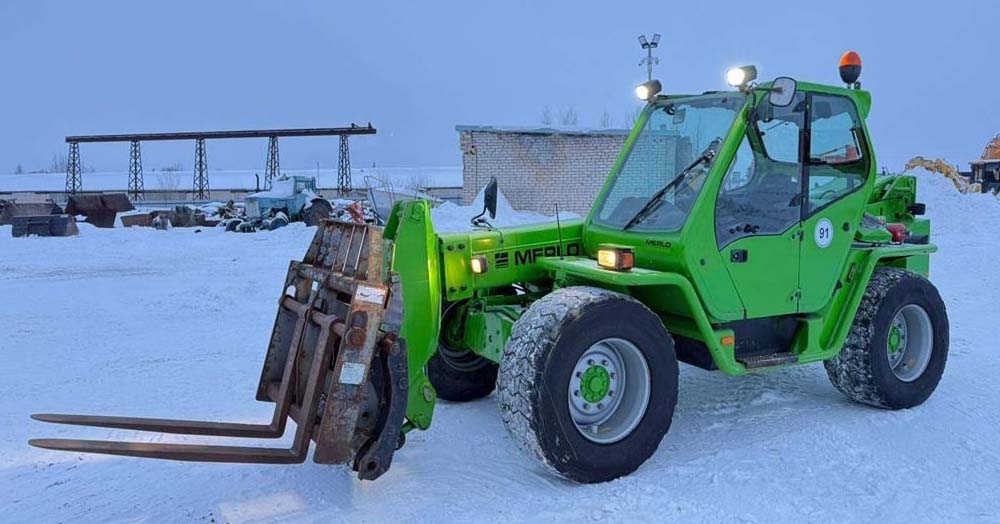
| Application equipment brands | Application equipment No. |
| Merlo | 037222 |
| Merlo | 069395 |
| Merlo | 048836 P120.10HM |
| Merlo | 048836/IDE00440435 Telehandler P60.6 |
| Merlo | 63289 Teleskoplader P55.9 |
| Merlo | 024516 |
| Merlo | 92400500/069589/069589-IDE345211839 |
Q1: How do I know which motor model my Merlo telehandler uses?
A1: Check the motor's identification plate for the Rexroth model code (e.g., A6VM107, A2FM63) and cross-reference it against Merlo's parts catalog for your specific model and serial number range, since displacement size varies by machine class.
Q2: What causes a Rexroth axial piston motor to lose displacement control?
A2: The most common causes are contamination in the control valve or servo piston, a failed pressure control spring, wiring or solenoid faults on electronically controlled variants, or worn seals allowing internal leakage that prevents the control system from building the pressure needed to shift displacement.
Q3:What is the price and delivery time of the Rexroth A2FM/A6VM motor for the Merlo Telescopic boom forklift?
A3: The specific price and delivery time will depend on the equipment model or specific product model you provide.
Q4:How to purchase a Rexroth A2FM/A6VM motor for the Merlo Telescopic boom forklift?
A4:You can visit https://www.baolilaihydraulic.com/contact/ to contact us and purchase our products through various methods.