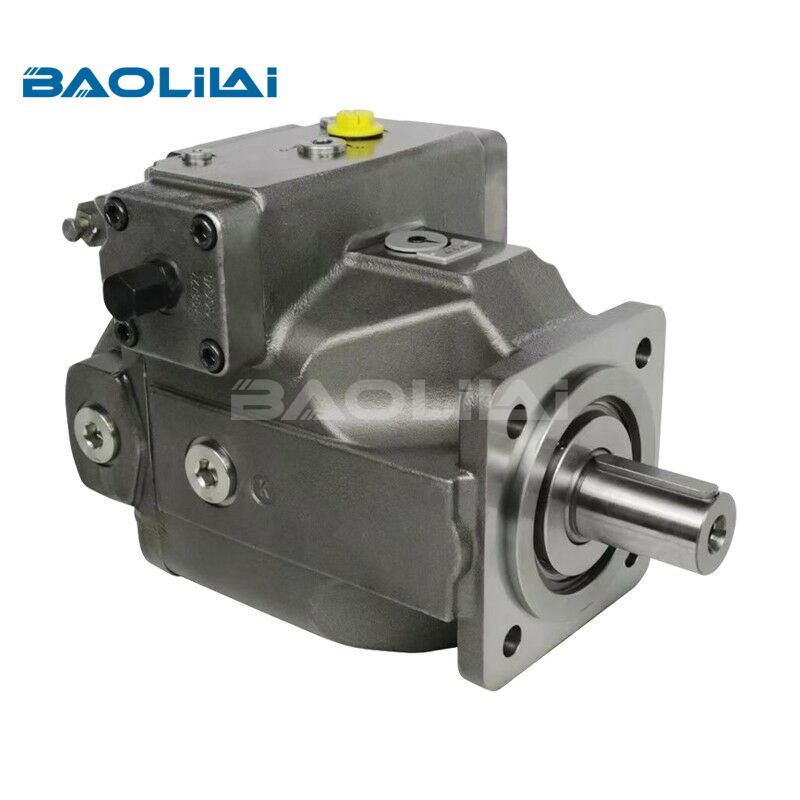
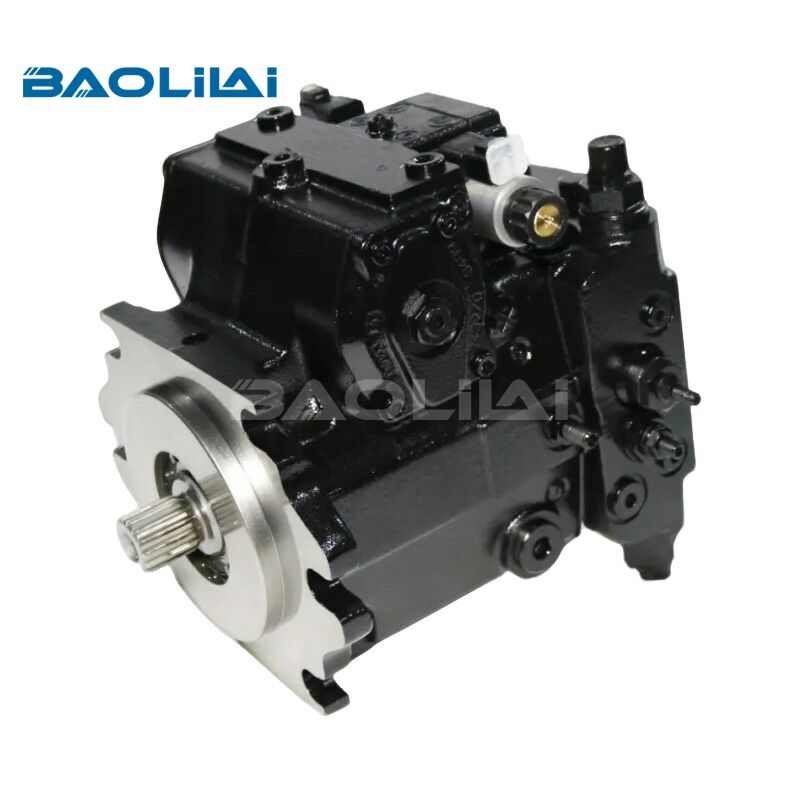
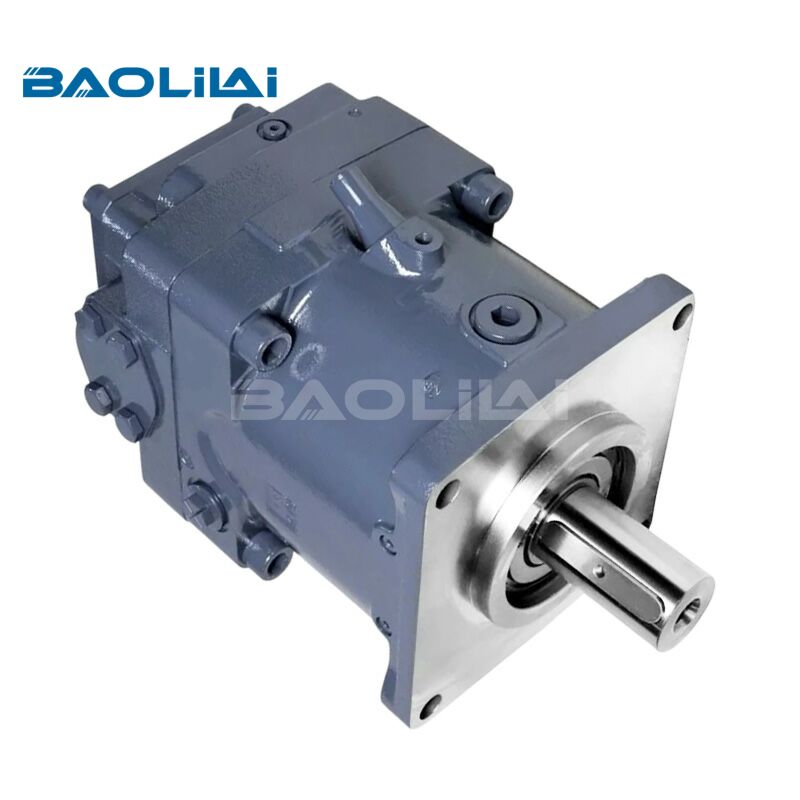
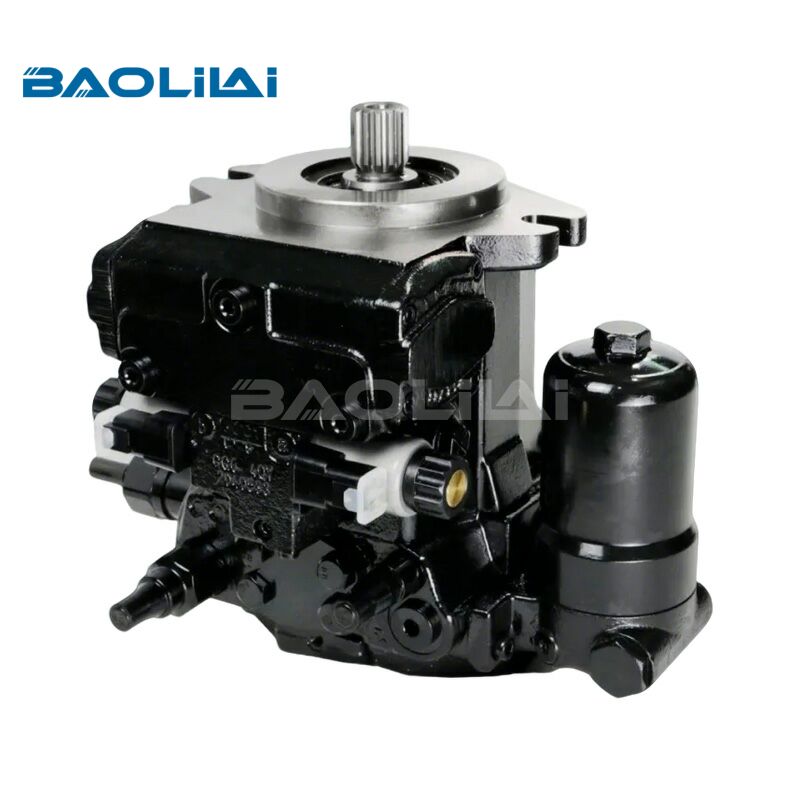
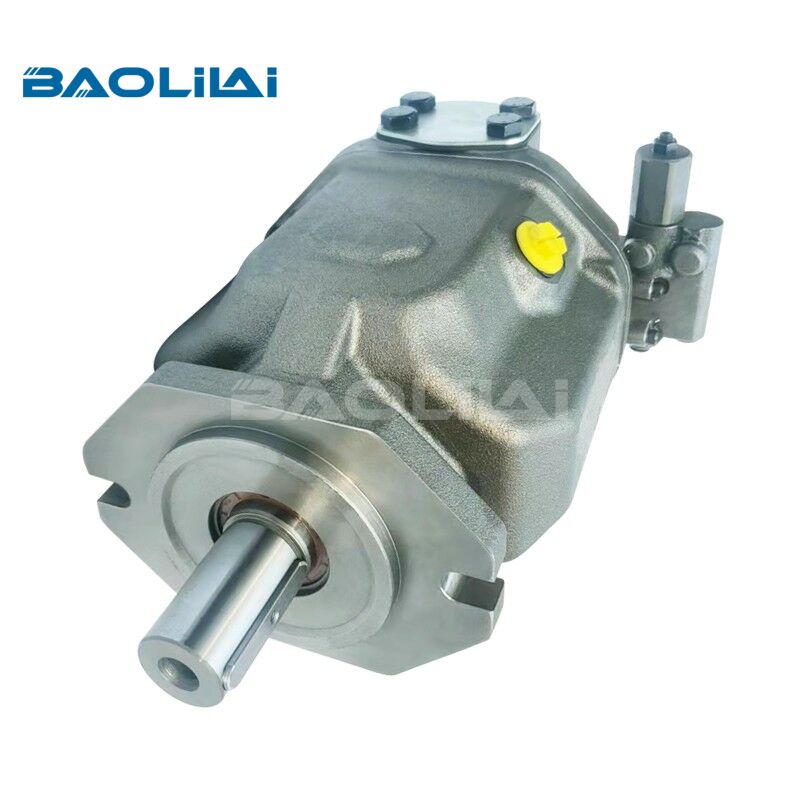
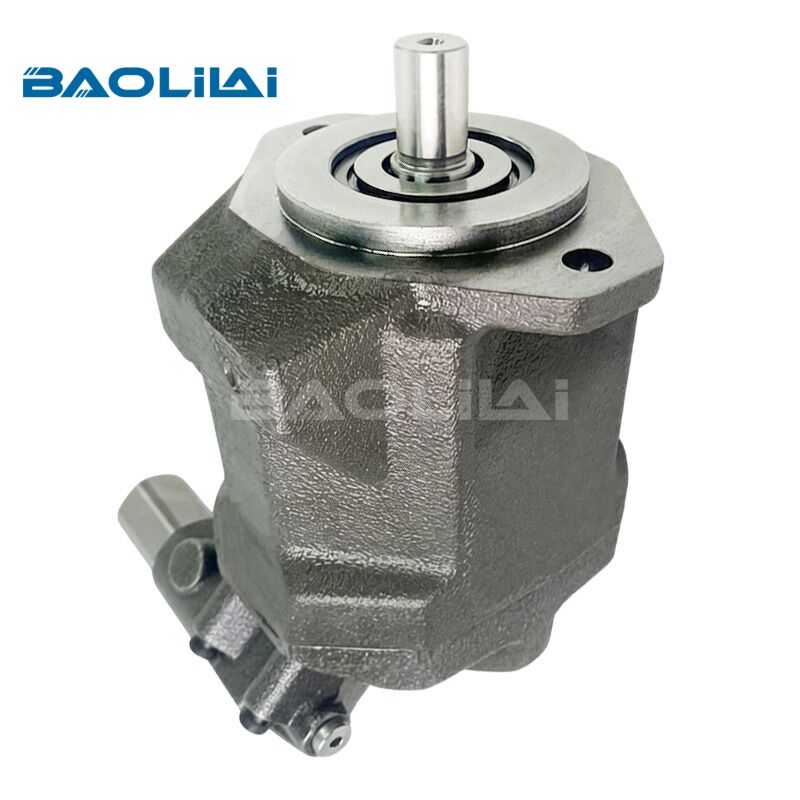
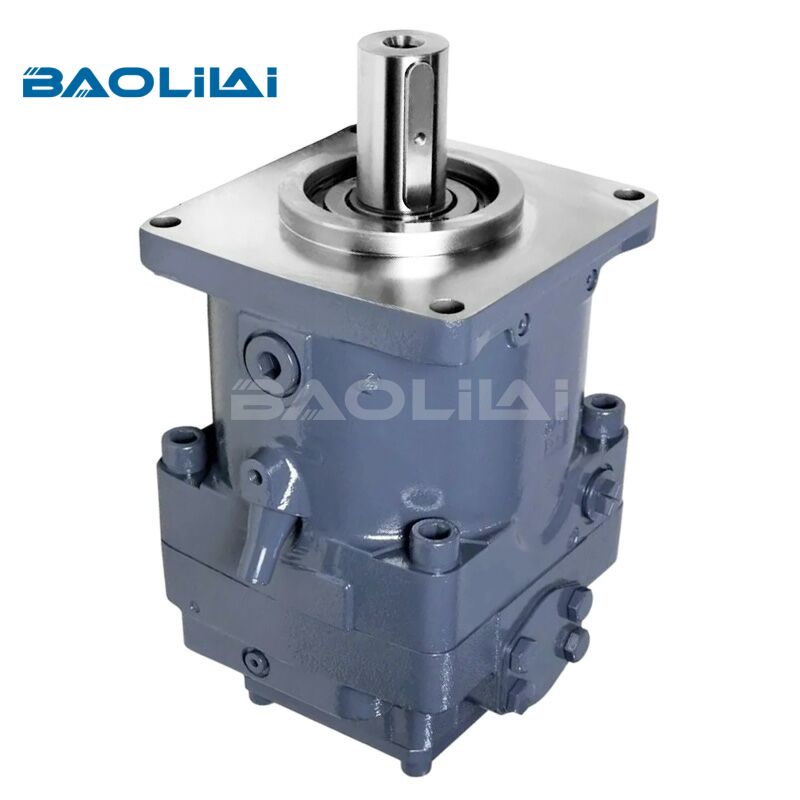
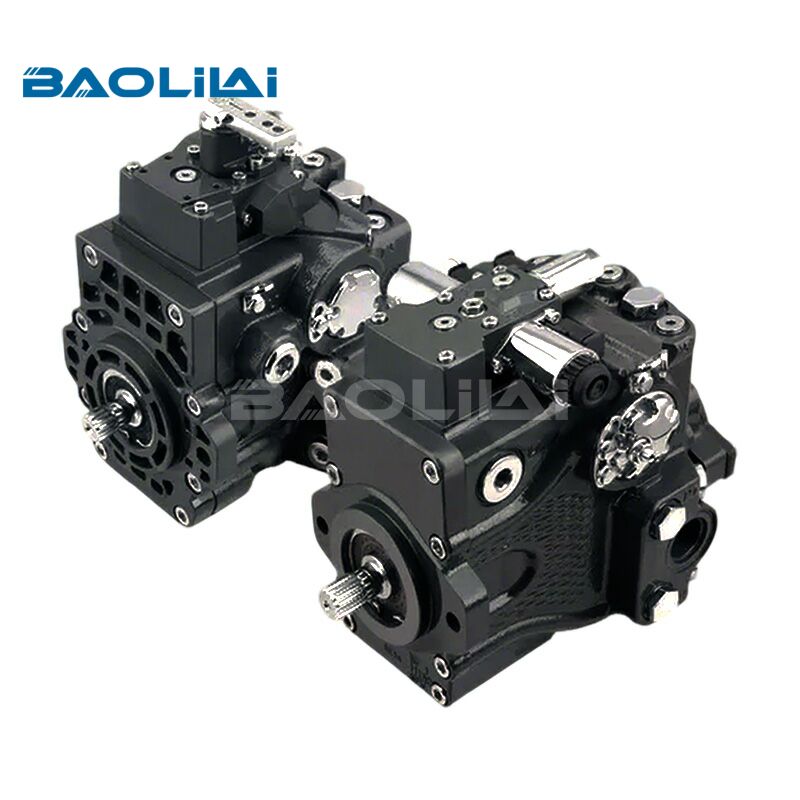
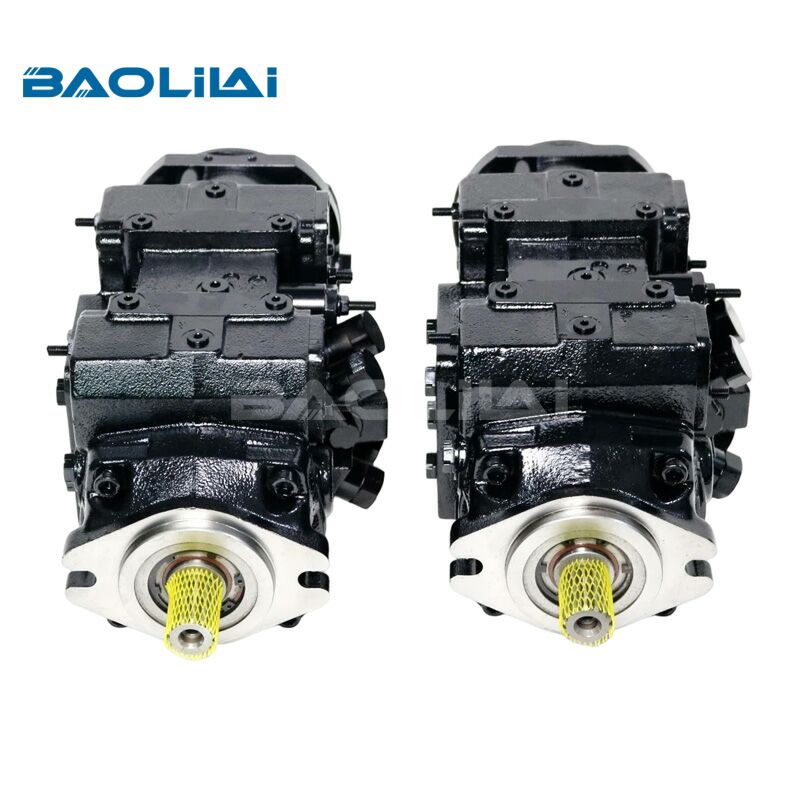
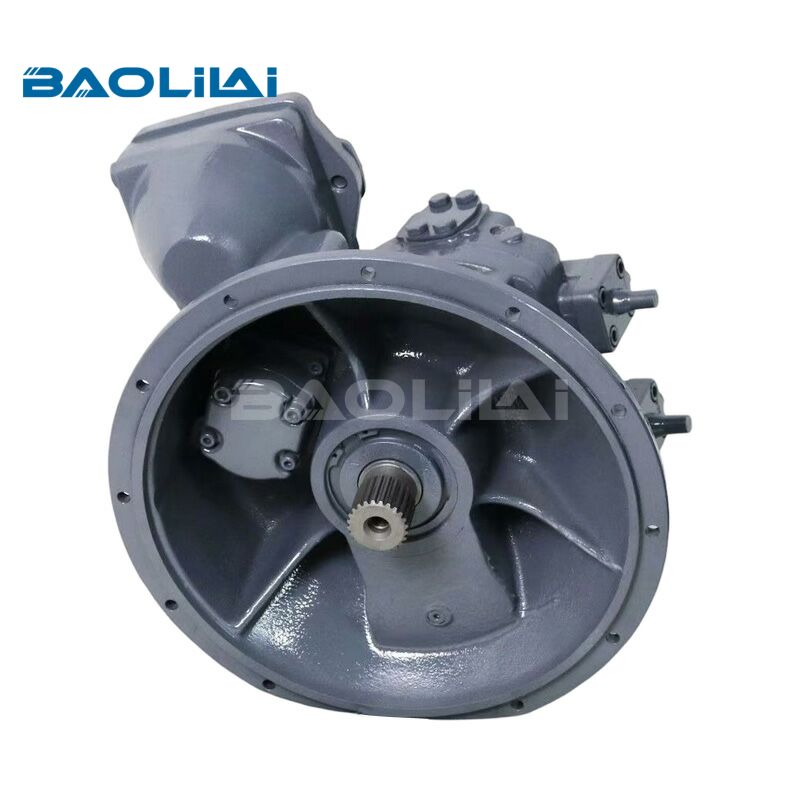
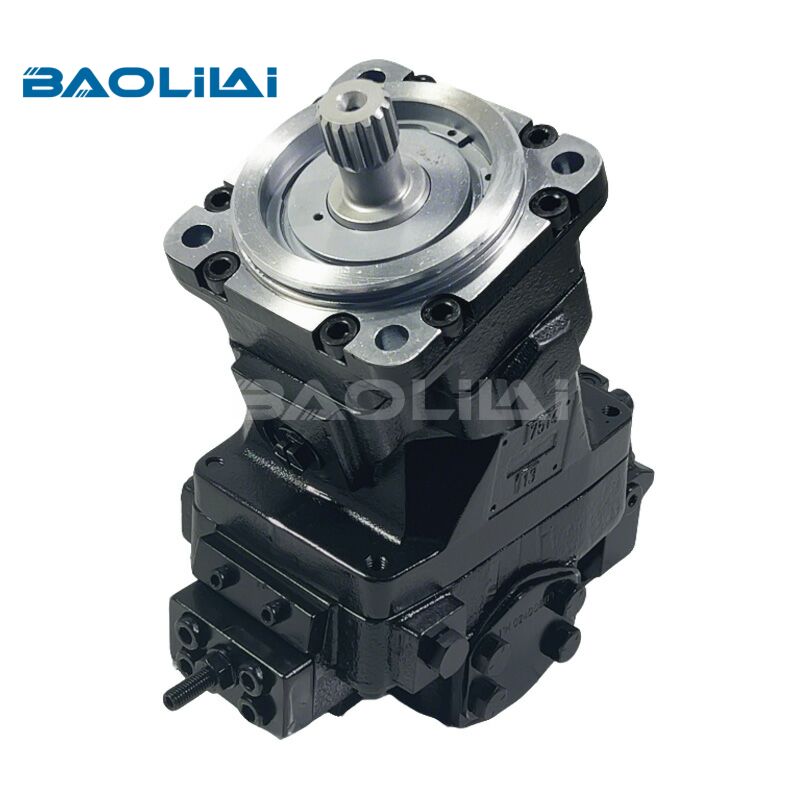
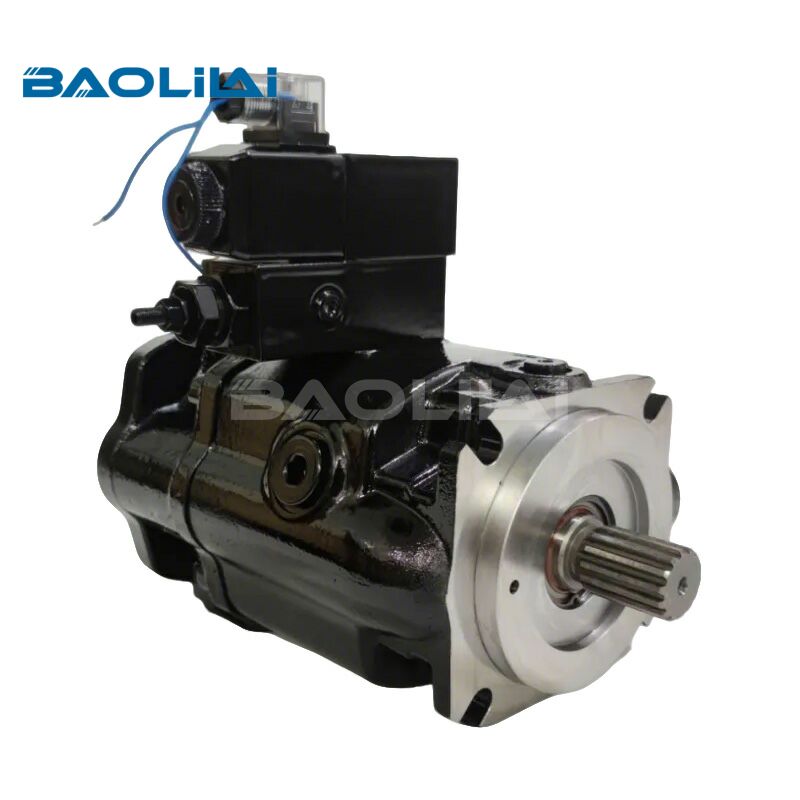
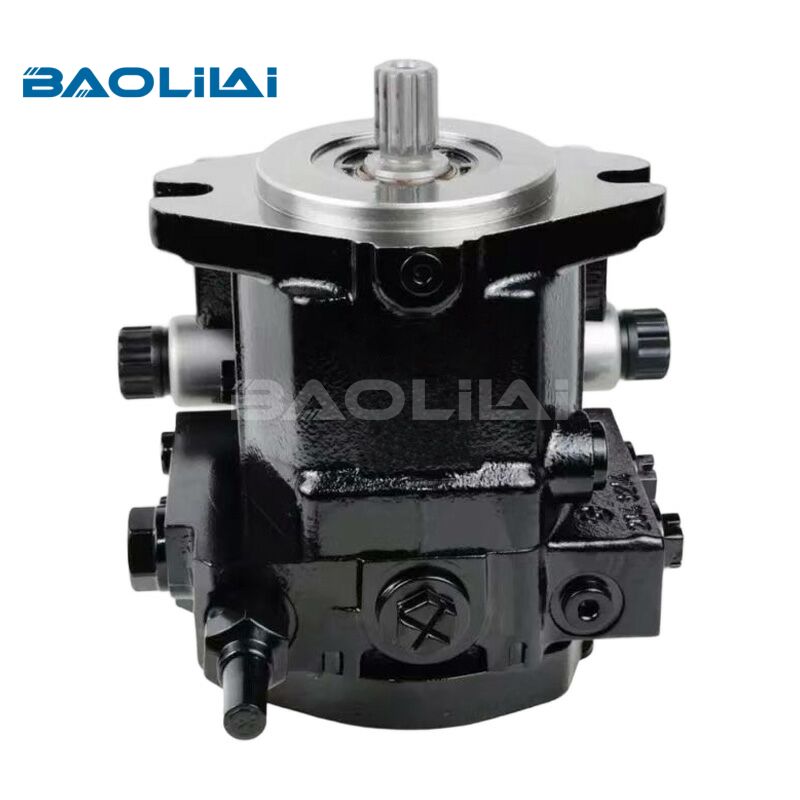
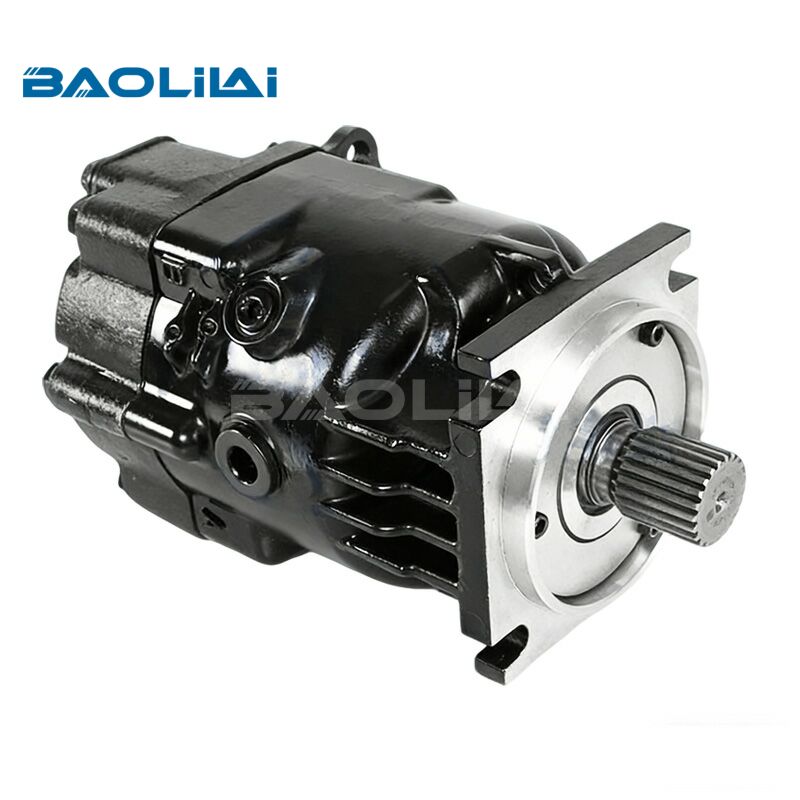
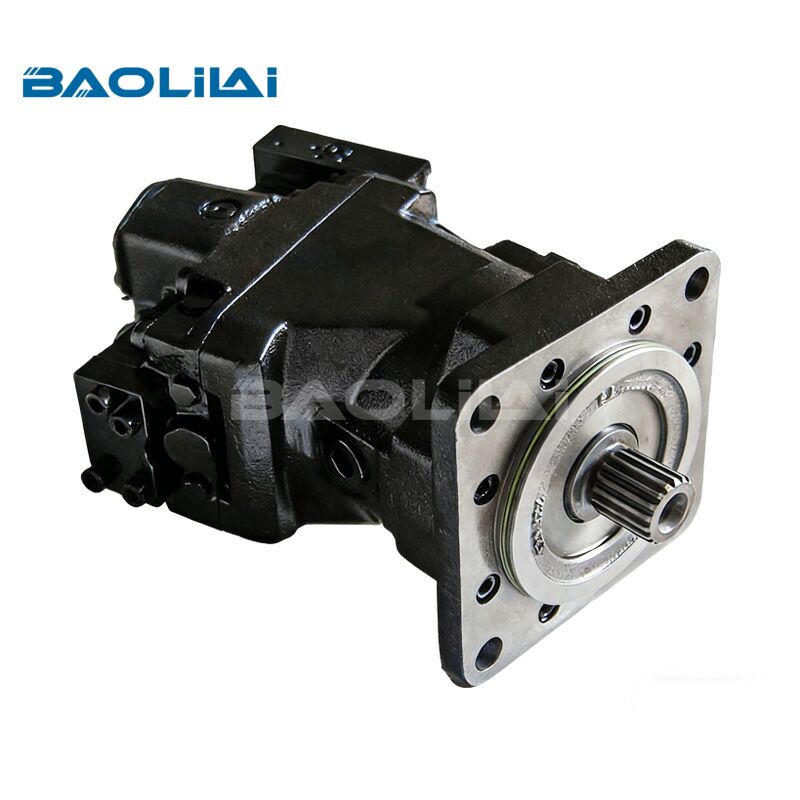
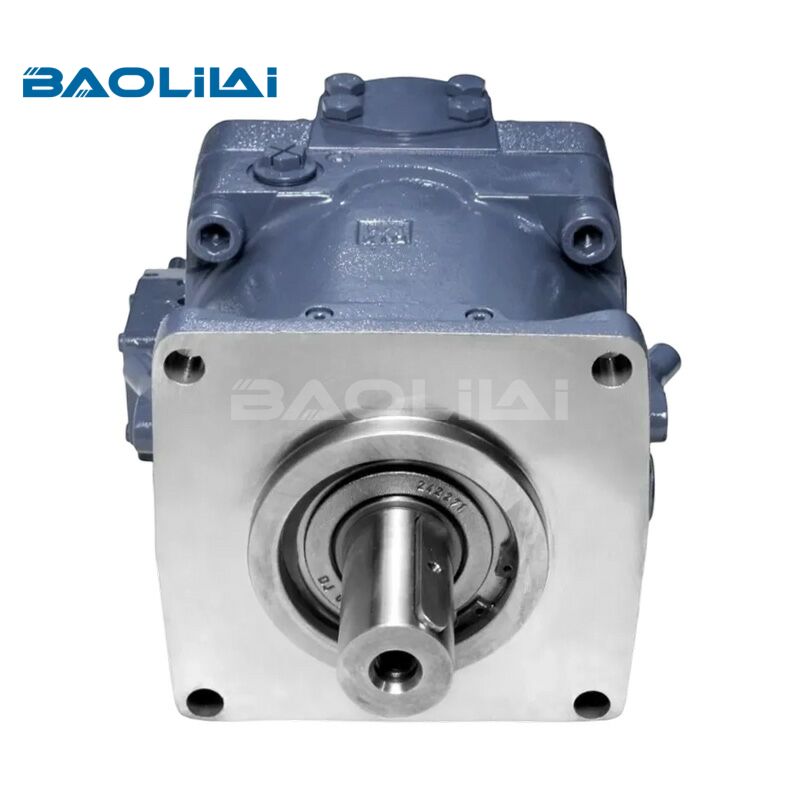
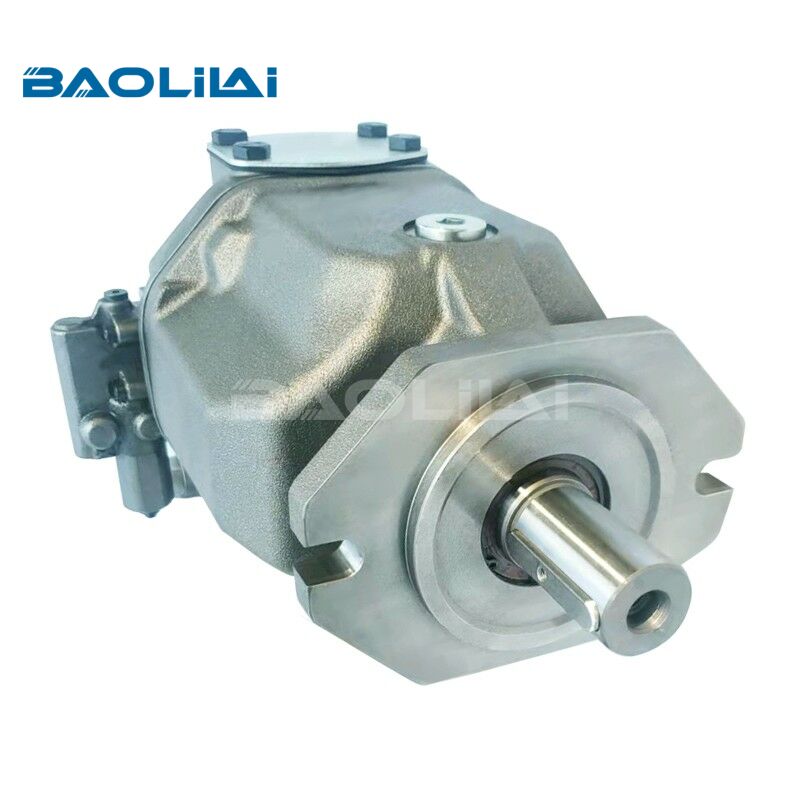
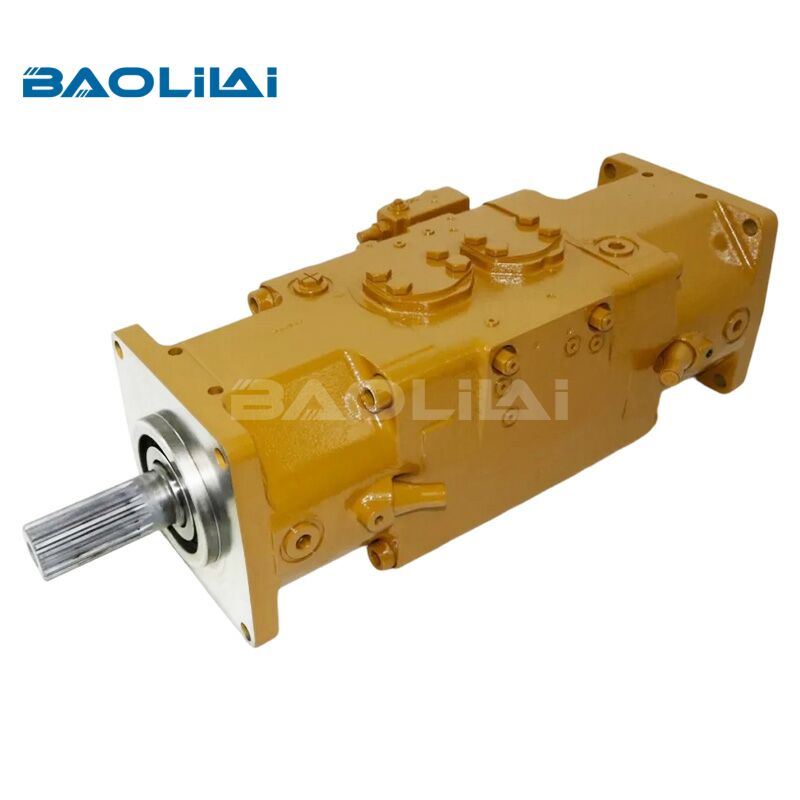
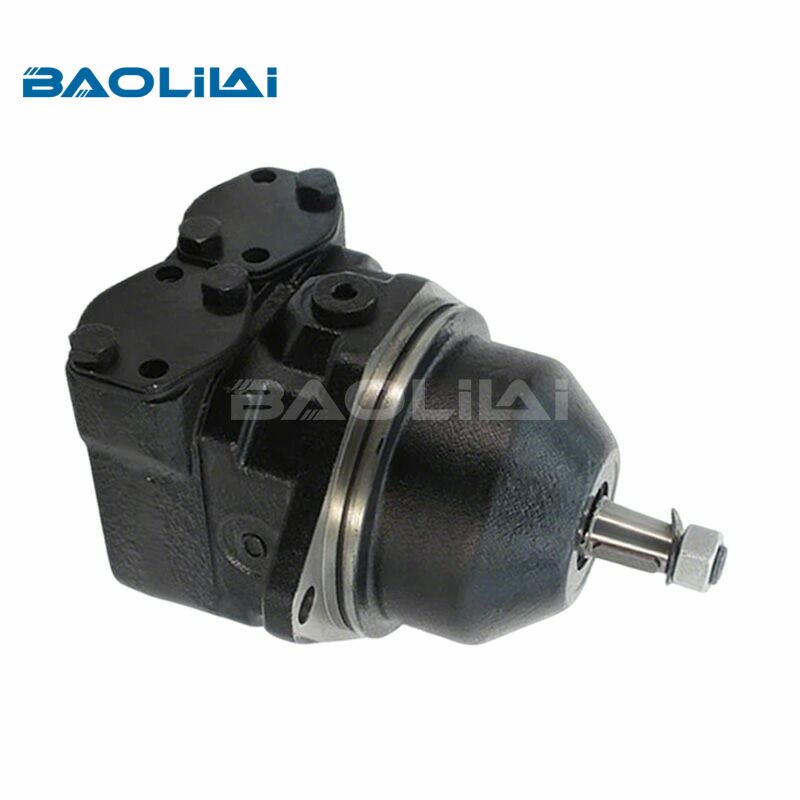
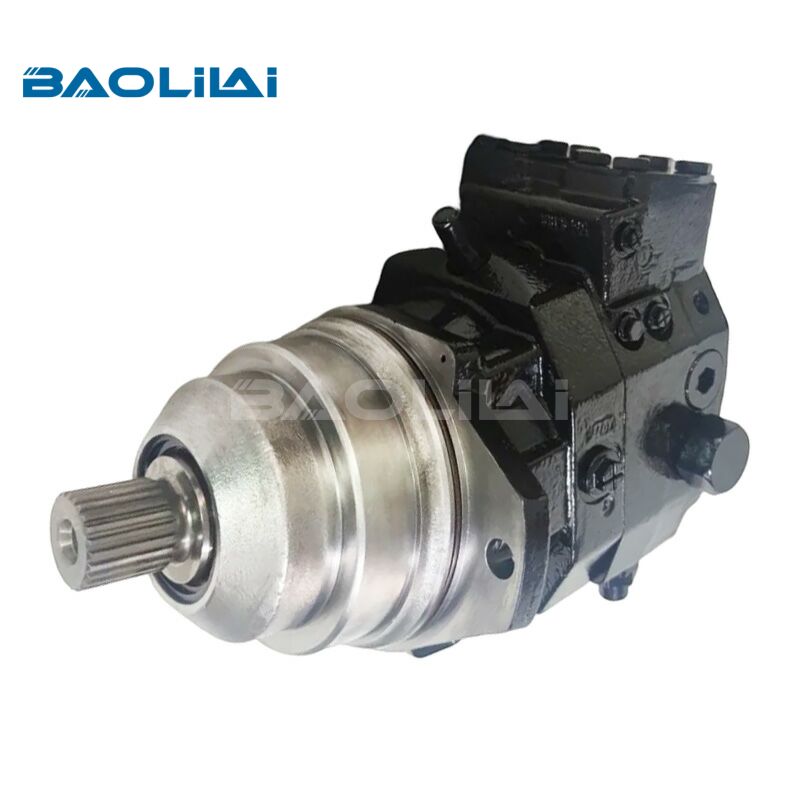
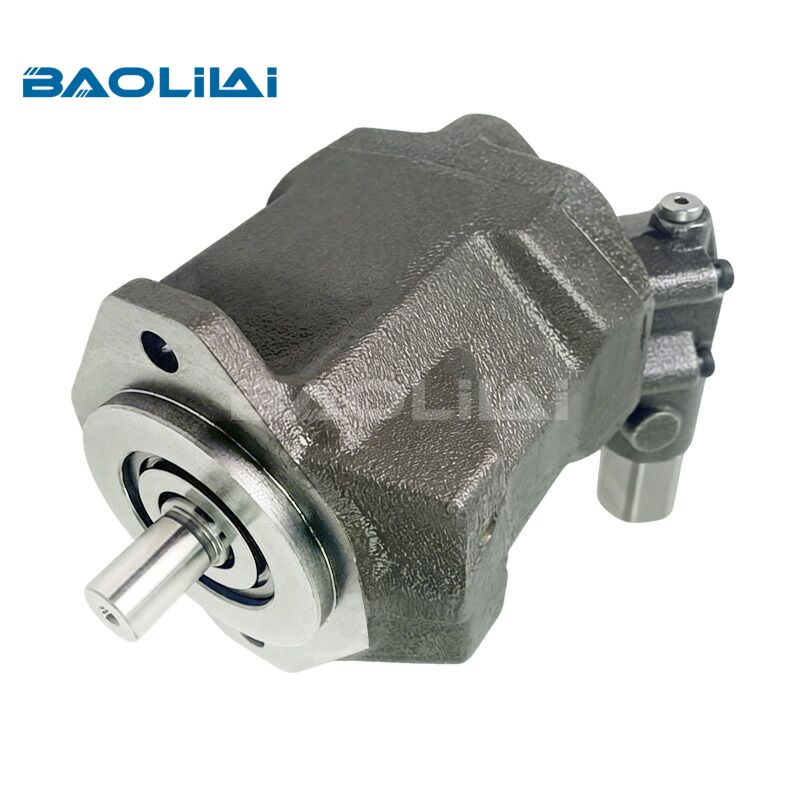
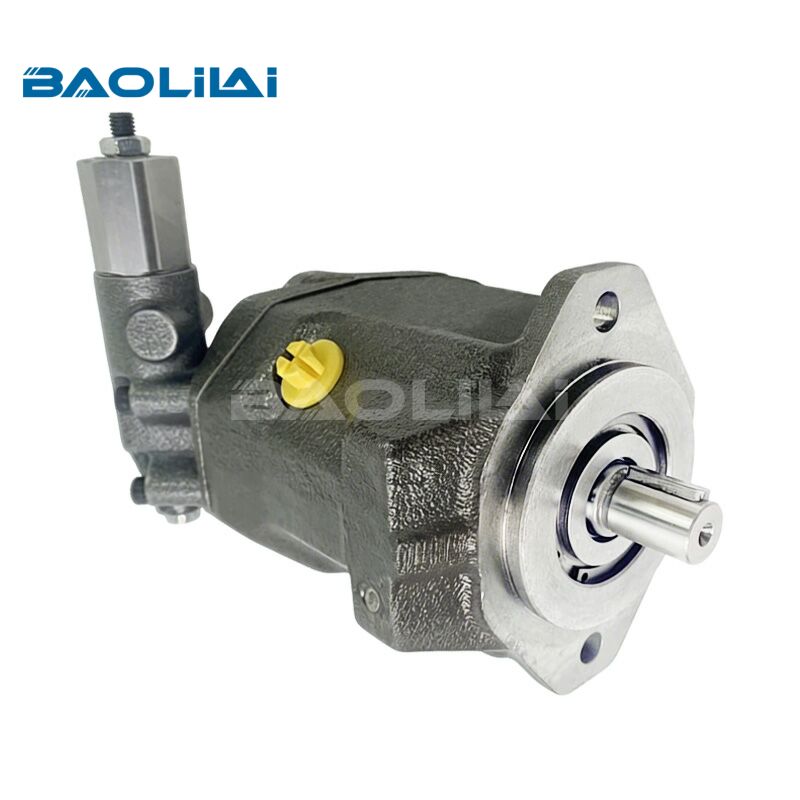
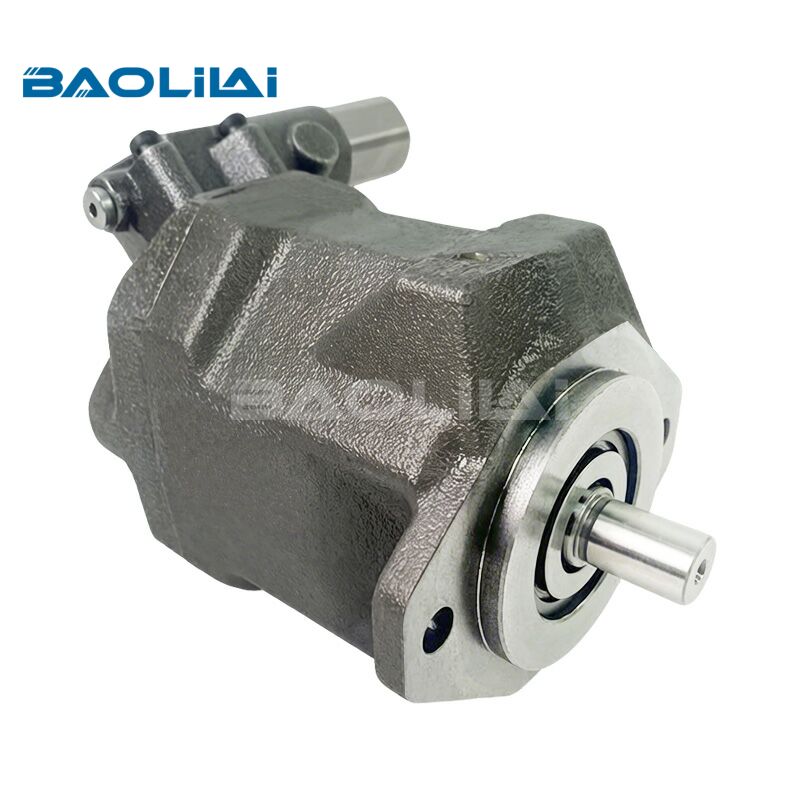
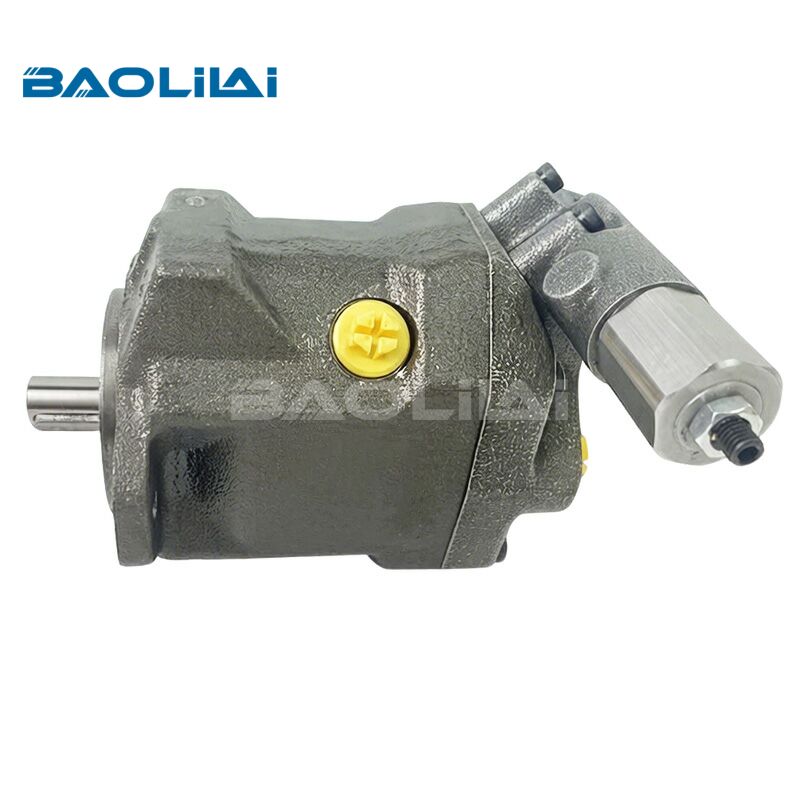
Rexroth AA10CO AA10CNO hydraulic pumps for Same Deutz-Fahr equipment 0133730420 2.4539.011.0 2.4539.018.0 04432500/10 04452222/10

- Product Details
- Product Model
- FAQ
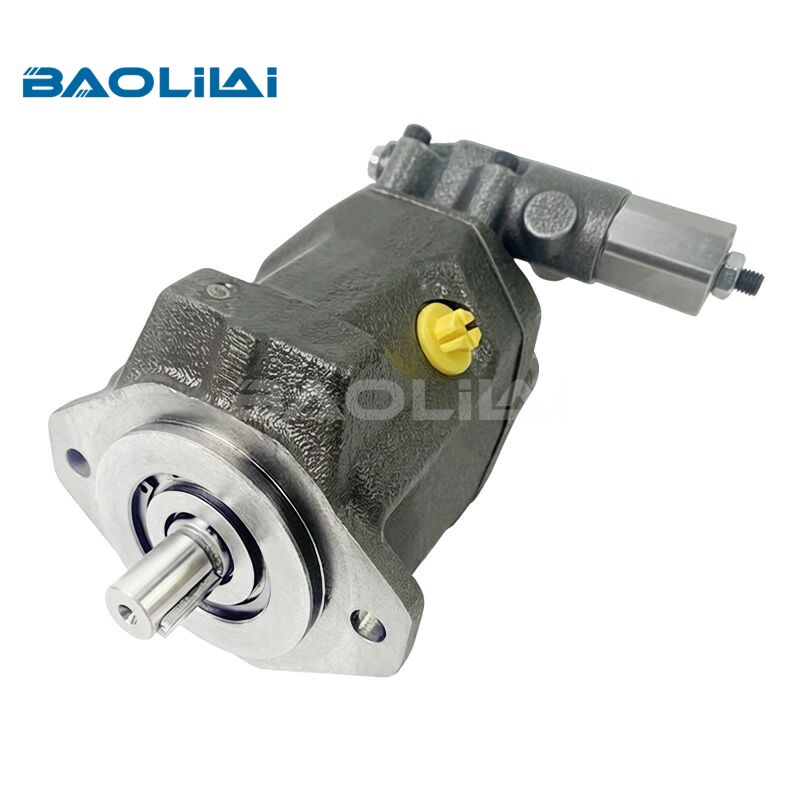
Rexroth's A10 series is a swashplate-type axial piston pump design, built to convert mechanical input from the tractor's engine or PTO into pressurized hydraulic fluid. That fluid then does the actual work — lifting implements, steering, running the loader, engaging the transmission clutch packs, or powering auxiliary circuits like a baler or a front loader.
The "AA10" prefix designates the axial piston, variable displacement family, while the "CO" and "CNO" suffixes refer to specific control and mounting configurations — things like the type of displacement control (pressure-compensated, load-sensing, or constant power), shaft type, and porting arrangement. SDF specifies these variants because they match the flow and pressure demands of specific tractor platforms without overor undersizing the hydraulic system.
Where You'll Find This Pump on SDF Machines
Main hydraulic circuit – powering the three-point hitch, remotes, and steering
Closed-loop transmission assist – on models using hydrostatic or powershift assistance
Front loader and implement circuits – where flow demand spikes rapidly
PTO-driven auxiliary systems – on some combine and specialty equipment configurations
Common Symptoms of a Failing AA10CO/AA10CNO Pump
Hydraulic pump failure rarely happens overnight. It's almost always preceded by a pattern you can catch if you know what to look for.
1. Slow or Weak Hitch and Loader Response
If the three-point hitch takes noticeably longer to lift a full load, or the loader feels sluggish under bucket load, the pump's internal components — pistons, cylinder block, or valve plate — may be wearing past tolerance and losing volumetric efficiency.
2. Unusual Whining or Cavitation Noise
A high-pitched whine, especially at startup in cold weather, often points to air ingestion or a restricted suction line — but if the noise persists after warm-up, it can indicate internal wear allowing oil to bypass rather than build pressure.
3. Overheating Hydraulic Fluid
Since axial piston pumps run with tight internal clearances, wear increases internal leakage, which converts hydraulic energy into heat instead of useful work. If your temperature gauge runs hotter than usual under normal load, the pump is a prime suspect.
4. Metal Contamination in the Filter
A telltale sign of advanced wear is fine metal particulate in the hydraulic filter or a magnetic drain plug. This usually means piston shoes, swashplate bearings, or the cylinder block are breaking down internally.
5. Erratic Pressure at the Gauge
Fluctuating system pressure, especially under steady load, often traces back to a failing pressure compensator valve or worn valve plate inside the pump housing.
Installation and Break-In Best Practices
Getting a new or rebuilt AA10CO/AA10CNO pump installed correctly matters as much as the part itself.
1. Flush the system first. Old pump failures often leave contamination downstream. Installing a clean pump into a dirty system is the fastest way to repeat the failure.
2. Prime the pump before startup. Axial piston pumps depend on lubrication from the working fluid; running dry, even briefly, can damage internal components immediately.
3. Check shaft alignment and coupling torque. Misalignment stresses the shaft seal and bearings prematurely.
4. Bleed air from the system. Trapped air causes cavitation, which sounds similar to bearing wear and can mislead future diagnostics if not addressed at installation.
5. Run a controlled break-in cycle. Cycle the hitch and remotes at low load for the first several minutes, watching pressure and temperature gauges before working the machine at full demand.
For more brand and equipment models, please visit https://www.baolilaihydraulic.com/brand/
| Application equipment brands | Application equipment No. |
| Same Deutz-Fahr | 0.013.3730.4/10 |
| Same Deutz-Fahr | 0133730420 |
| Same Deutz-Fahr | 04432500/10 |
| Same Deutz-Fahr | 04452222/10 |
| Same Deutz-Fahr | 2.4539.008.0/10 |
| Same Deutz-Fahr | 2.4539.008.0/20 |
| Same Deutz-Fahr | 2.4539.011.0 |
| Same Deutz-Fahr | 2.4539.018.0 |
| Same Deutz-Fahr | 2.4539.840.0/30 |
| Same Deutz-Fahr | 2.4539.840.0/40 |
| Same Deutz-Fahr | 4552222/20 |
Q1: What's the first thing to check if the hydraulic response feels weak?
A1: Before assuming pump failure, check fluid level, filter condition, and fluid temperature. A significant share of "weak hydraulics" complaints trace back to low fluid, a clogged filter, or fluid that's simply too cold or too hot — not the pump itself.
Q2: Is it safe to keep running a tractor with a suspected pump problem?
A2: For minor performance loss, short-term operation is generally fine while you schedule a diagnosis. But if you notice overheating fluid, sudden pressure loss, or metal contamination in the filter, stop and address it — continuing to run a failing pump risks damaging downstream components like valves, cylinders, and the transmission's hydraulic assist circuit, turning a pump replacement into a much larger repair bill.
Q3:What is the price and delivery time of the AA10CO/AA10CNO hydraulic pump for Same Deutz-Fahr equipment?
A3: The specific price and delivery time will depend on the equipment model or specific product model you provide.
Q4:How to purchase an AA10CO/AA10CNO hydraulic pump for Same Deutz-Fahr equipment?
A4:You can visit https://www.baolilaihydraulic.com/contact/ to contact us and purchase our products through various methods.