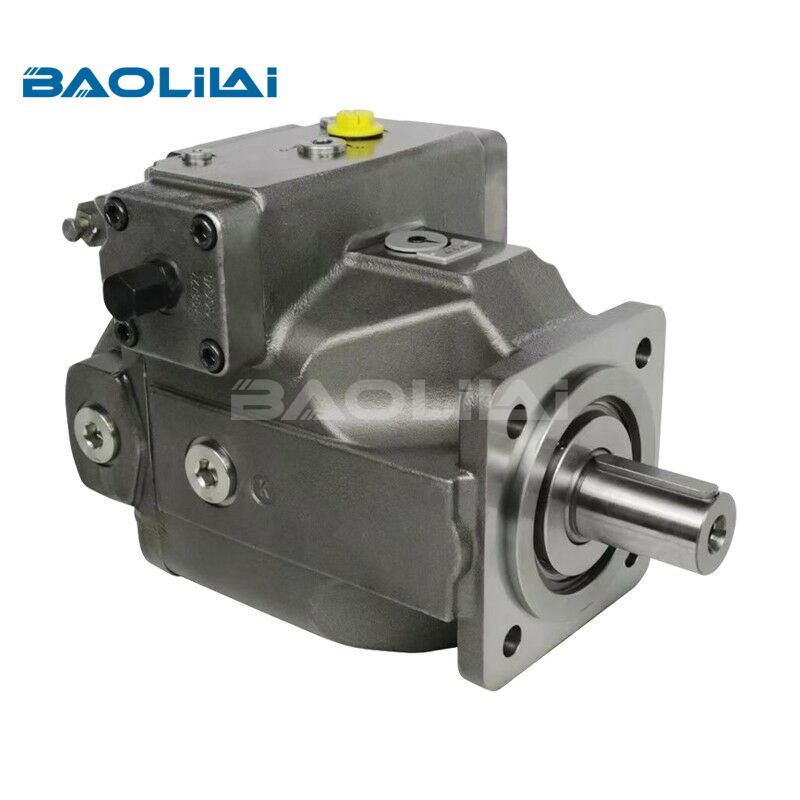
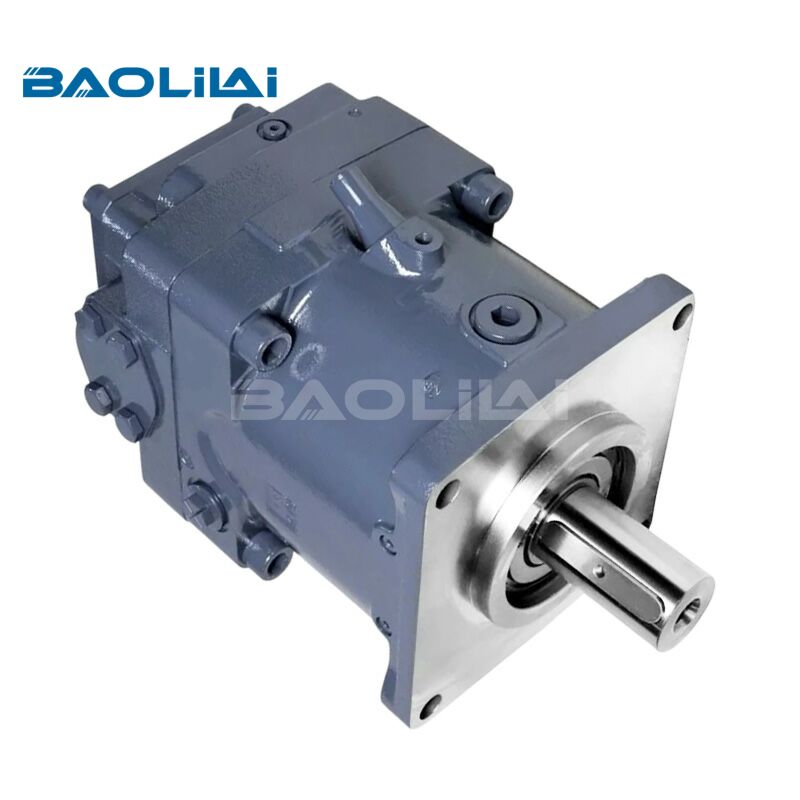
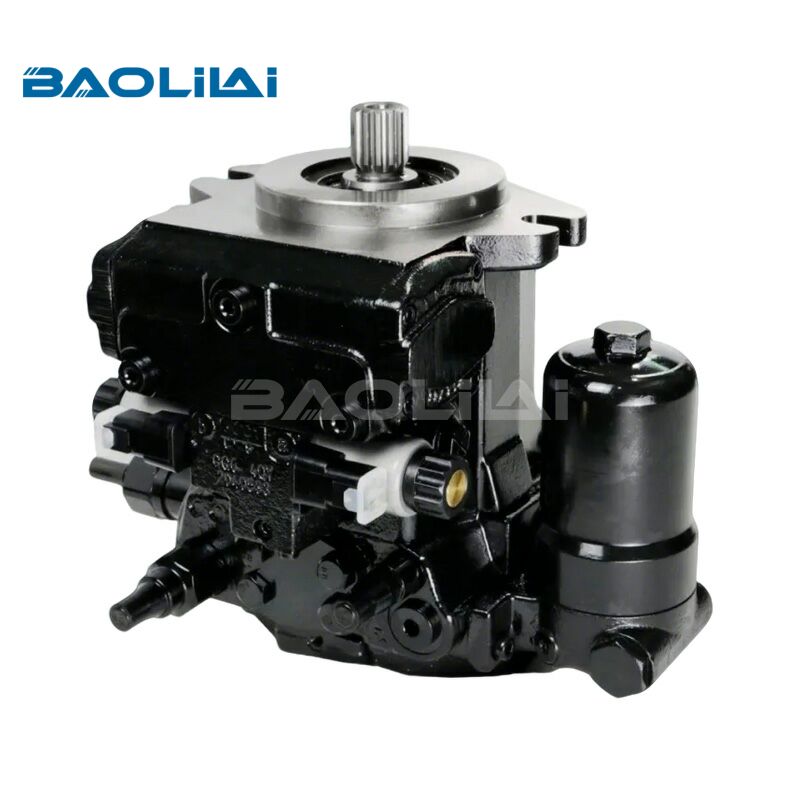
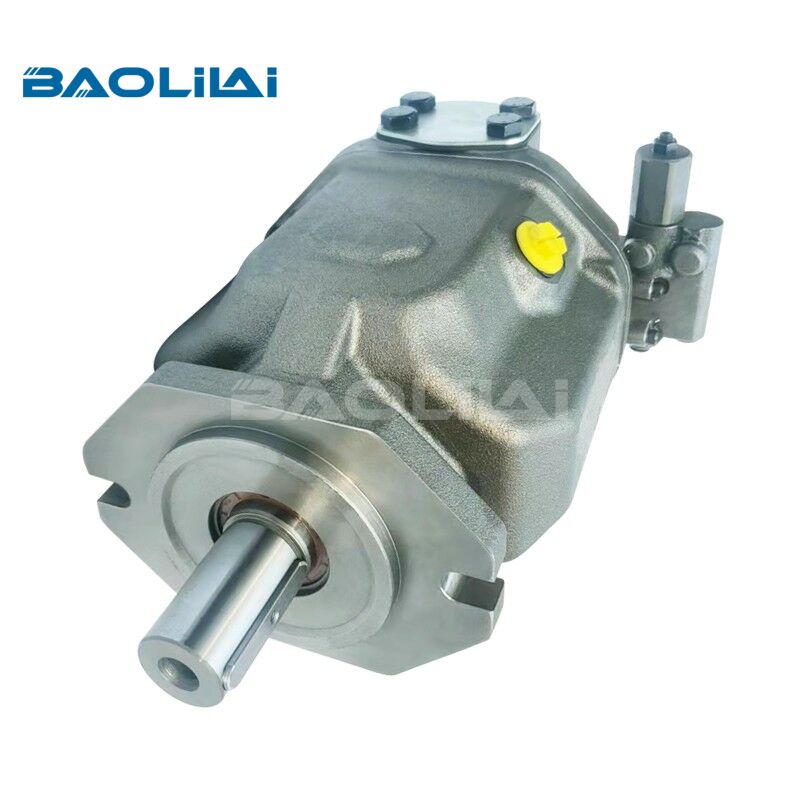
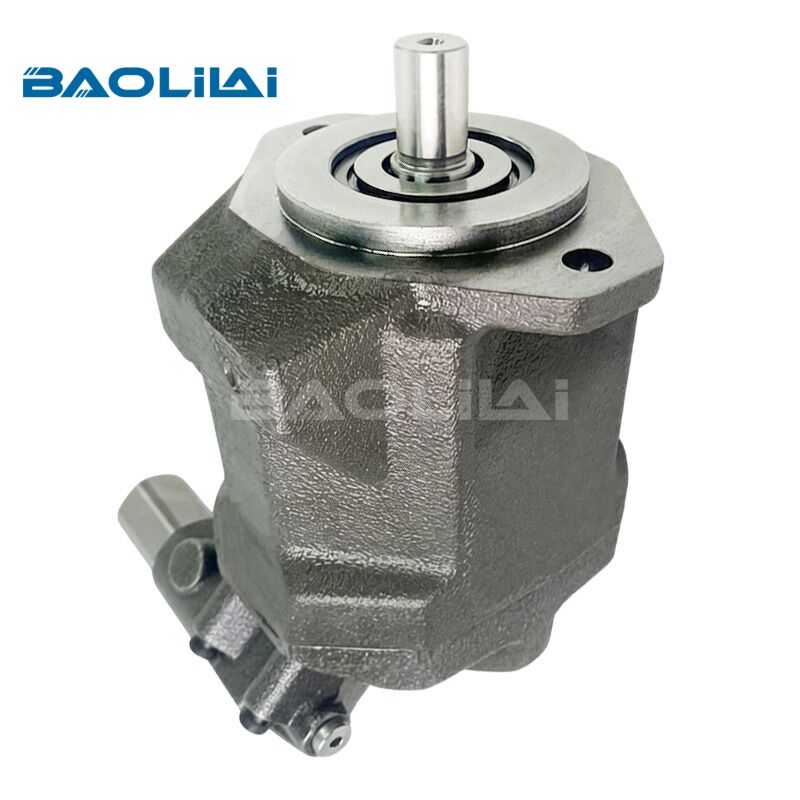
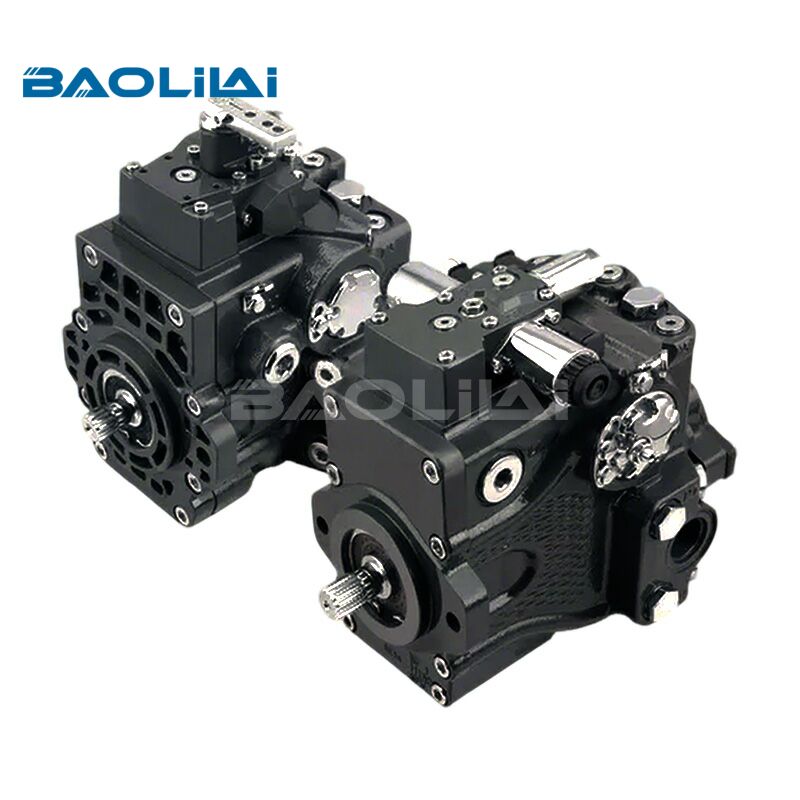
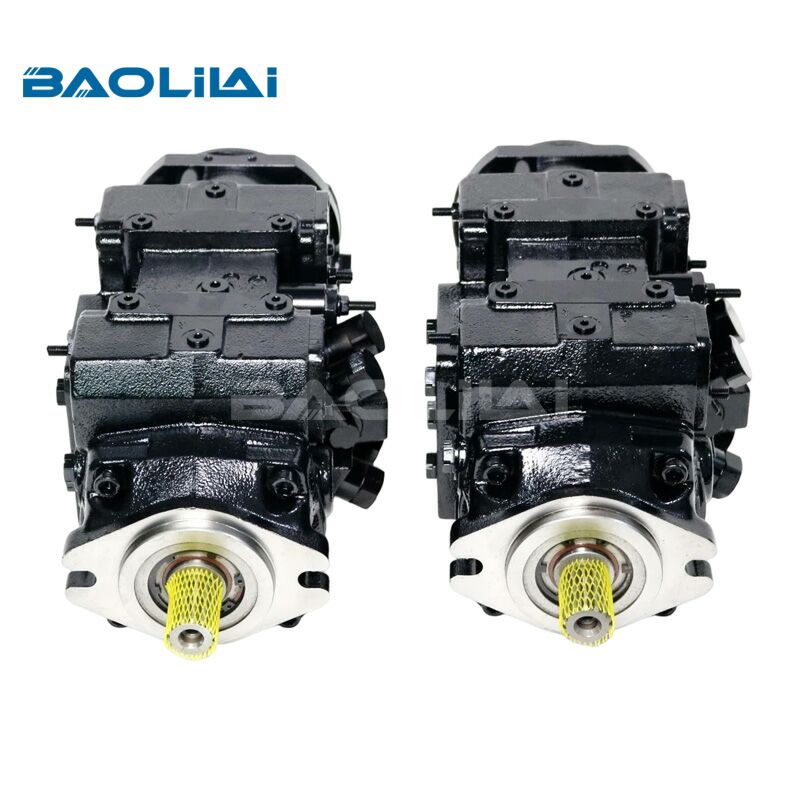
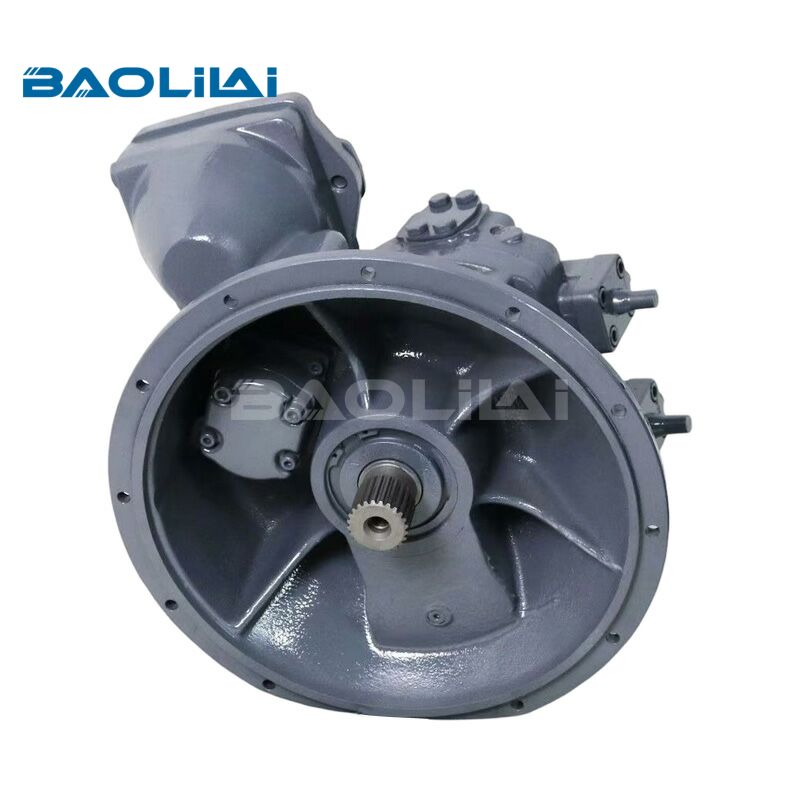
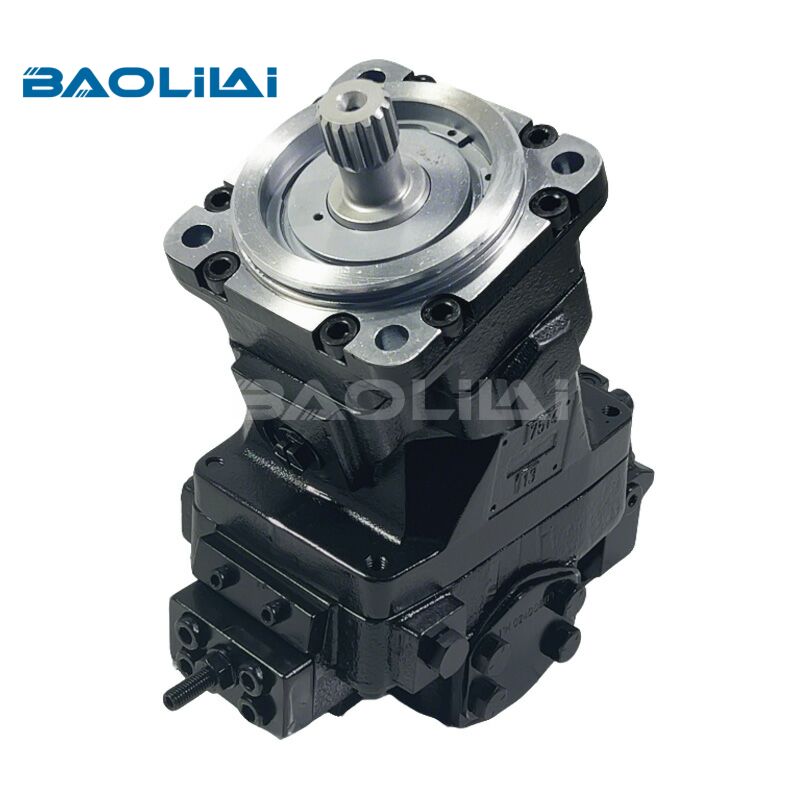
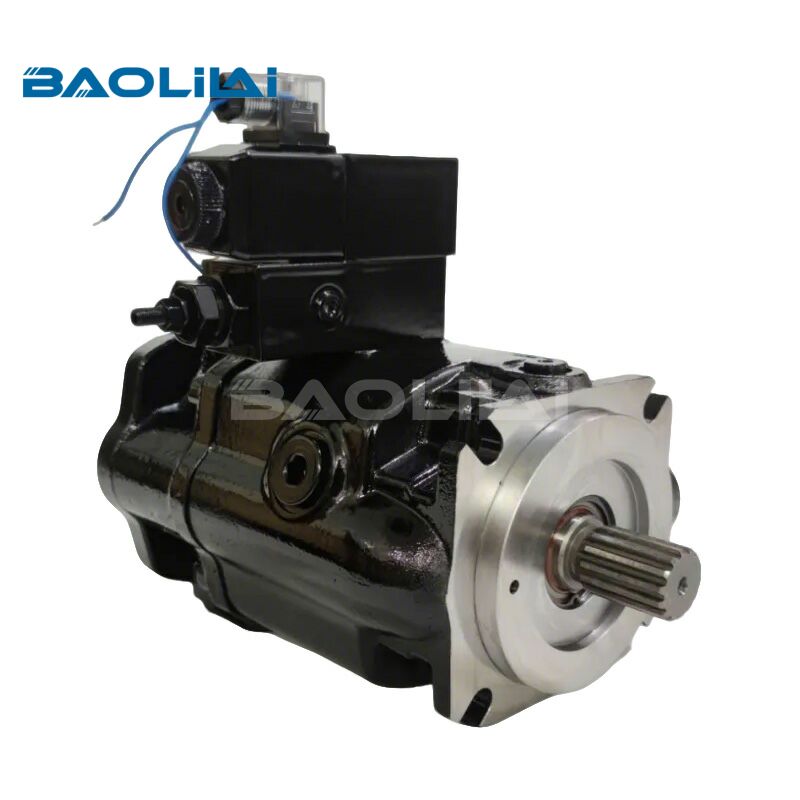
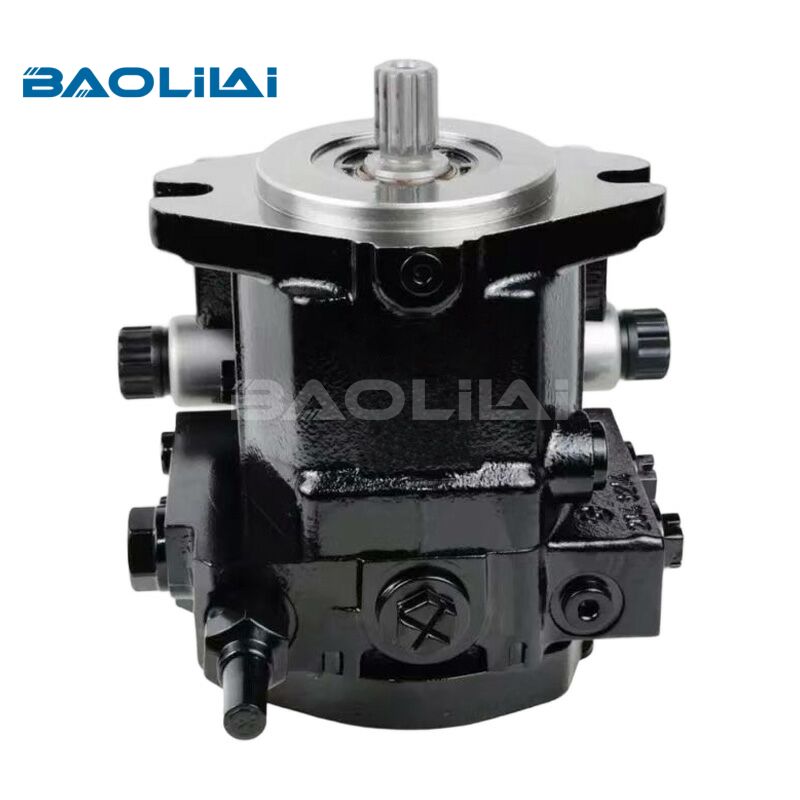
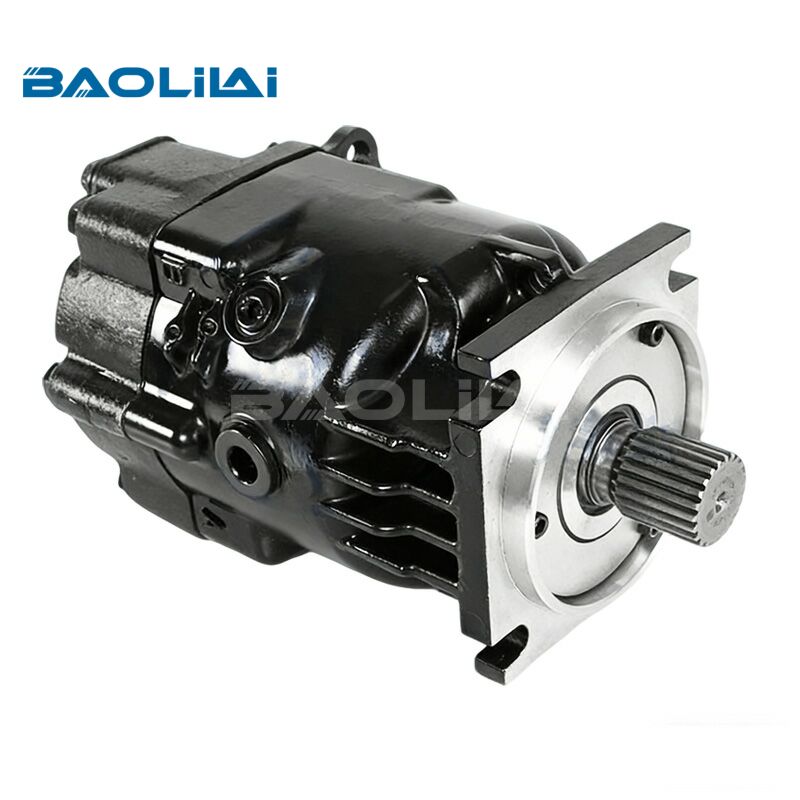
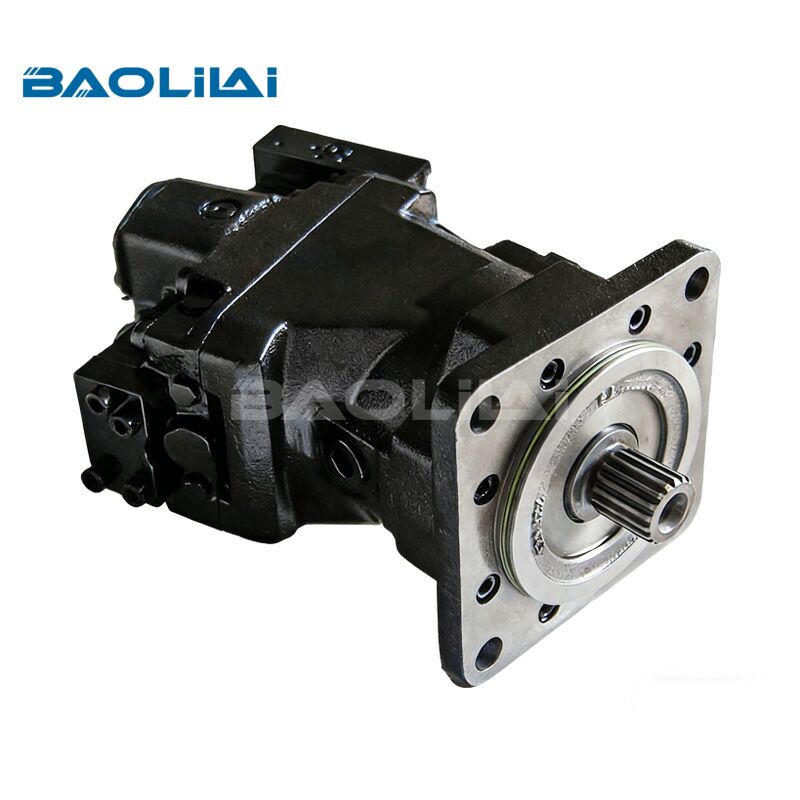
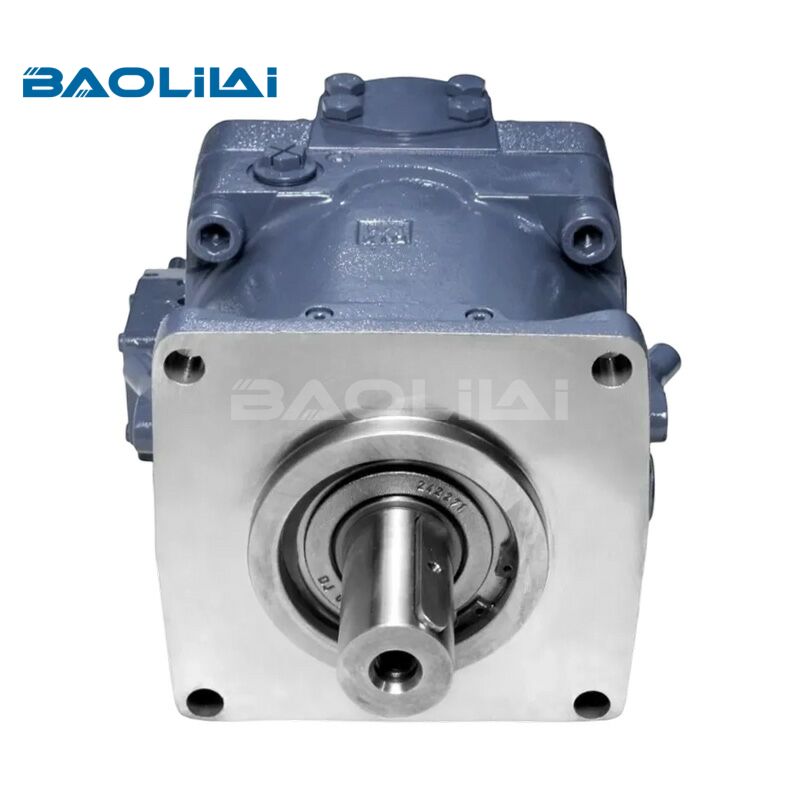
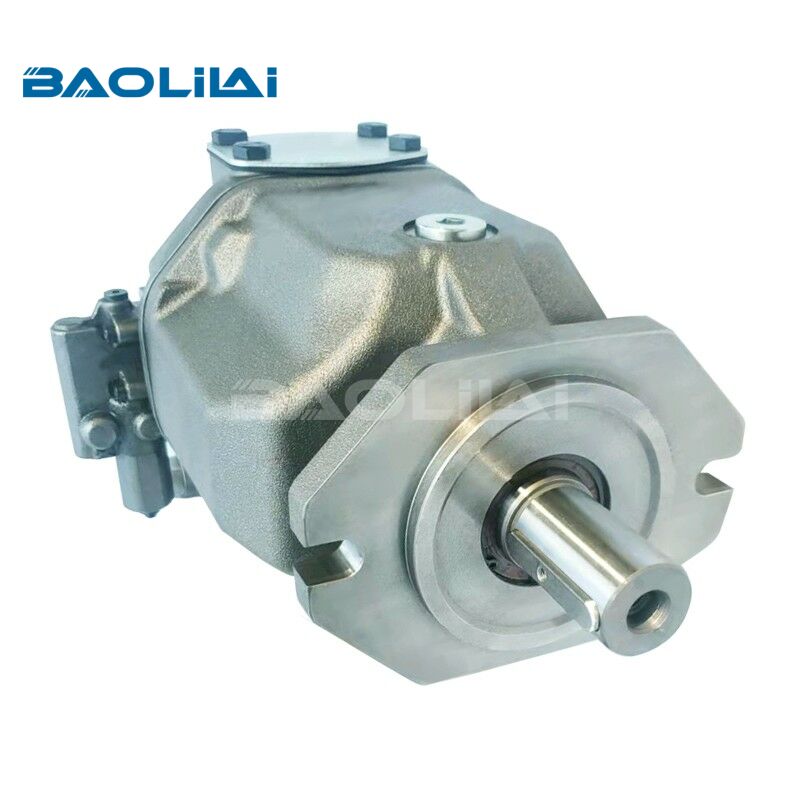
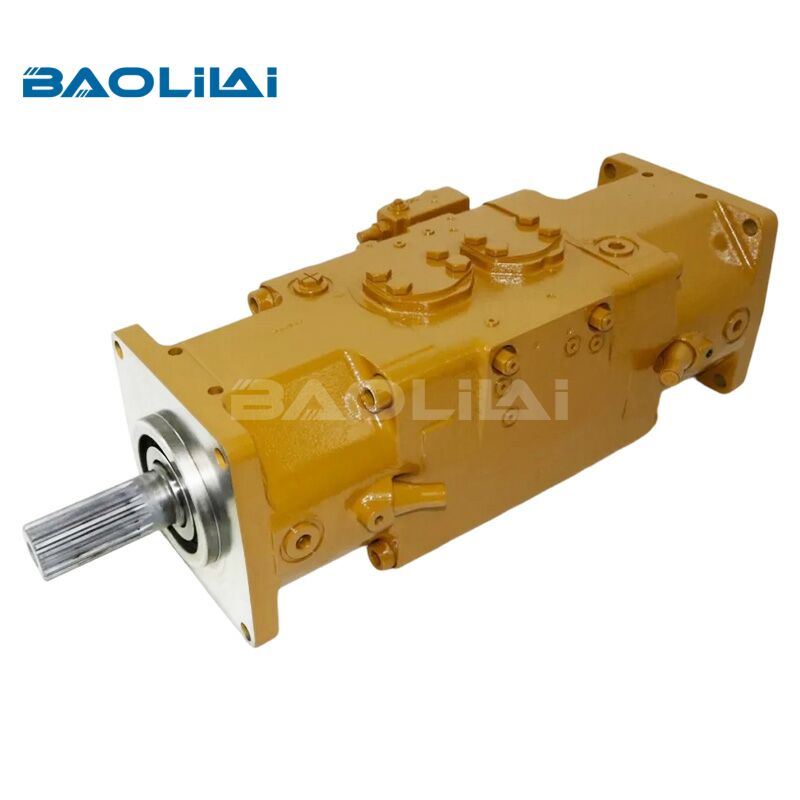
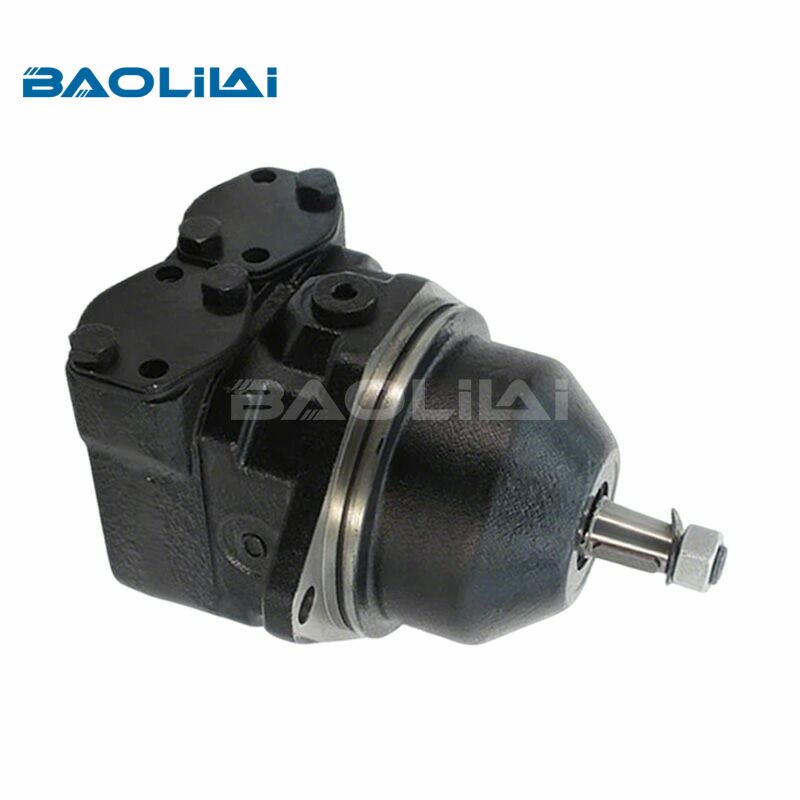
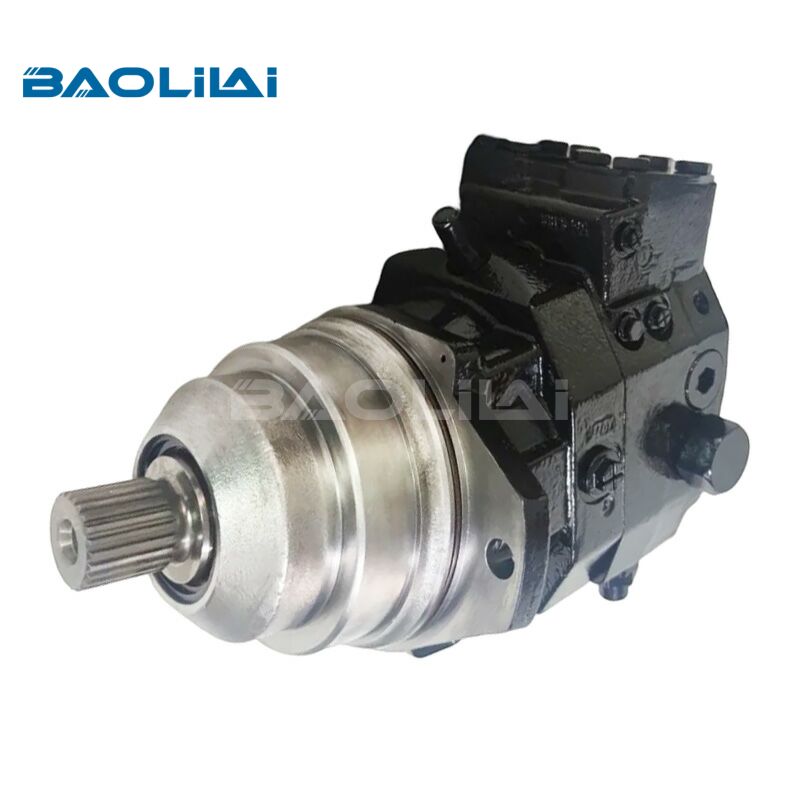
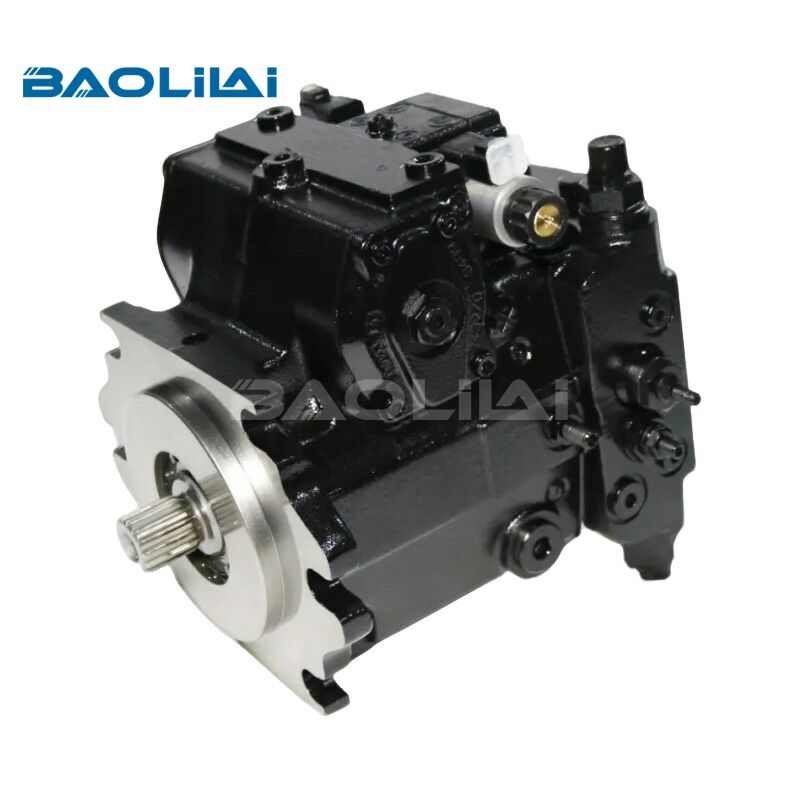
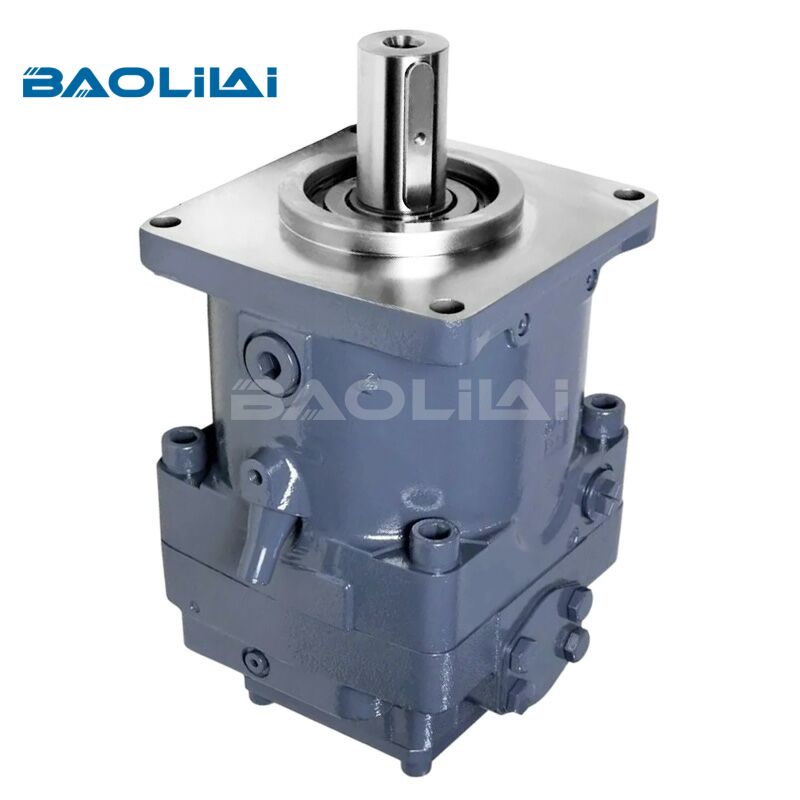
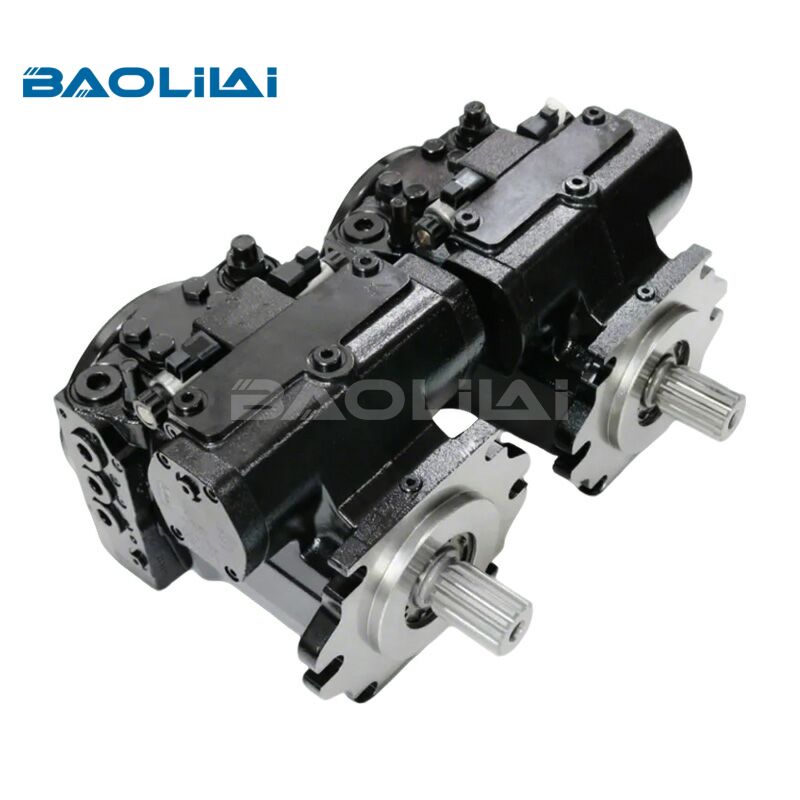
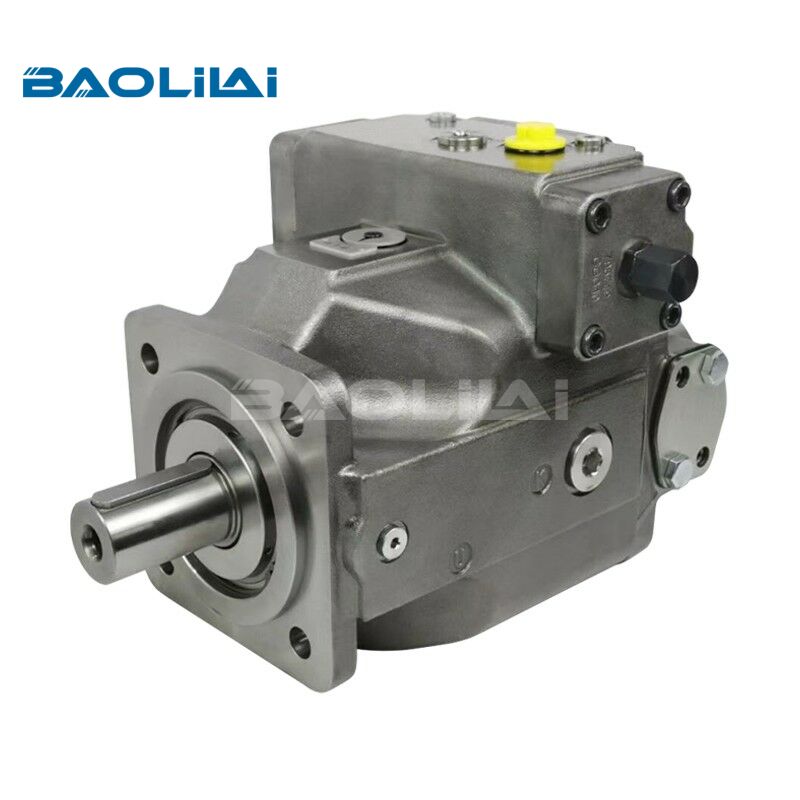
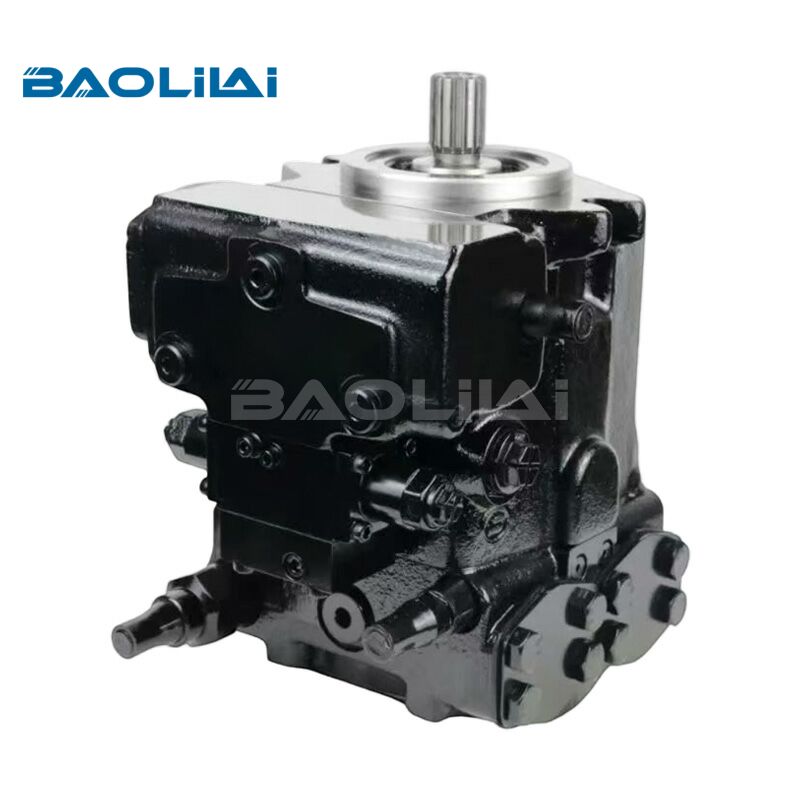
Rexroth axial piston hydraulic oil pump for Atlas Copco Drilling rig 5112287817 5112287942 5112315100 5112287783 5740182010 3725002029

- Product Details
- Product Model
- FAQ
Axial piston pumps are precision components. Internal clearances are measured in microns. A contamination event that would barely affect a gear pump can destroy an axial piston unit within hours.
Hydraulic Fluid Cleanliness: The Non-Negotiable
Rexroth specifies a minimum cleanliness level of ISO 4406 class 18/16/13 for most drill rig applications, with 16/14/11 recommended for extended service life. In practice, this means:
Return line filtration at 10 micron (Beta 10 ≥ 200)
Offline (kidney loop) filtration during extended idle periods
Flushing new hoses and cylinders before connecting to the main circuit
Breathers on reservoir tanks rated for fine particle exclusion
Fluid Viscosity and Temperature
Rexroth axial piston pumps are typically specified for HVI 46 or HVI 68 hydraulic oil (ISO VG 46 or 68, high viscosity index). Operating outside the recommended viscosity range — particularly cold starts below 10°C fluid temperature — causes cavitation and metal fatigue.
Cold-climate protocol: On rigs operating in sub-zero conditions, implement a warm-up cycle: run the engine at low RPM with all actuators in neutral for 10–15 minutes before applying load. Some Atlas Copco rigs include an automatic warm-up interlock for this purpose.
Case Drain Monitoring
One of the most reliable early warning indicators of axial piston pump wear is the case drain flow rate. A Rexroth A10VO in good condition may have a case drain flow of 1–3 L/min; a worn unit may exhibit a flow of 8–12 L/min or more, indicating bypass of worn piston-to-bore clearances.
Install a flow meter in the case drain line as part of a predictive maintenance program. Trend data is far more valuable than a single measurement.
Common Failure Modes and Diagnosis
Cavitation
Symptoms: Whining or screaming noise from the pump, fluctuating pressure, overheating fluid, pitting on piston faces, and barrel bore.
Causes: Restricted inlet (clogged suction strainer, kinked hose, collapsed filter), fluid too cold (high viscosity), pump speed too high for inlet conditions, aeration from low fluid level.
Fix: Check inlet vacuum — should be less than 0.3 bar absolute at the pump inlet port. Replace the suction strainer. Never run the pump with the inlet ball valve partially closed.
Internal Wear (Slipper Pad / Barrel Bore)
Symptoms: Gradual loss of pressure, reduced actuator speed, elevated case drain flow, metallic particles in fluid samples.
Causes: Contamination, incorrect fluid viscosity, and extended operation beyond overhaul intervals.
Fix: Send the pump to a Rexroth authorized repair center. Barrel, pistons, and valve plate often need replacement as matched sets.
Control System Failure (DFR / Electro-Proportional)
Symptoms: The pump stays at maximum displacement regardless of load (pressure rises uncontrolled), or the pump doesn't come off standby.
Causes: Contaminated servo piston, failed proportional solenoid, broken spring in pressure compensator.
Fix: Clean or replace the control assembly. For electro-proportional variants, check solenoid resistance (typically 13–16 Ω) and verify CAN bus or analog signal from the rig's control system.
Shaft Seal Failure
Symptoms: Oil weeping from the pump front face, external contamination ingress if the seal is lip-type.
Causes: Excessive case pressure (blocked case drain), shaft misalignment, age, and heat cycling.
Fix: Replace seal; always verify the case drain line is free-flowing before re-commissioning. Case back-pressure above 3 bar will re-fail even a new seal.
For more brand and equipment models, please visit https://www.baolilaihydraulic.com/brand/
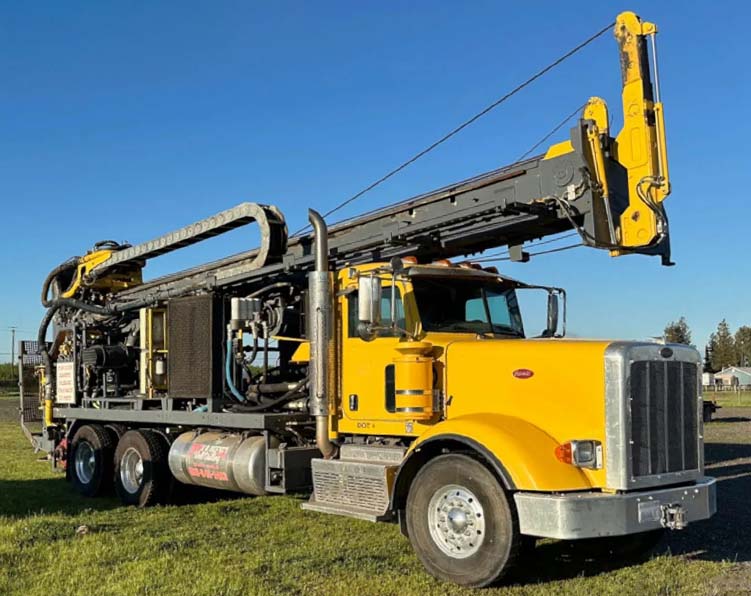
| Application equipment brands | Application equipment No. |
| Atlas Copco | 3217852420 |
| Atlas Copco | 3725002029 |
| Atlas Copco | 4700387936 LP2000 |
| Atlas Copco | 5112287817 drilling rig |
| Atlas Copco | 5112287942 Drilling rig SL1-LPÜBOOMER |
| Atlas Copco | 5112315100 drilling rig |
| Atlas Copco | 5112315100/+5112287783 |
| Atlas Copco | 5740182010 |
Q1: How long should a Rexroth axial piston pump last on an Atlas Copco drill rig?
A1: With proper fluid cleanliness, correct installation, and adherence to service intervals, 6,000–10,000 operating hours is achievable. In harsh, contaminated environments without rigorous filtration, failures at 2,000–3,000 hours are unfortunately common.
Q2: My pump is making a high-pitched whine on cold mornings but quiets down after warm-up. Is this serious?
A2: This is a classic cavitation symptom caused by high oil viscosity at low temperature, restricting inlet flow. While it may seem to resolve on its own, each cold-start cavitation event causes micro-damage to piston faces. Implement a warm-up protocol and consider switching to a lower-viscosity fluid grade (e.g., HVI 32 or multi-grade hydraulic oil) for cold-climate operation.
Q3:What is the price and delivery time of the Rexroth hydraulic pump for the Atlas Copco Drilling rig?
A3: The specific price and delivery time will depend on the equipment model or specific product model you provide.
Q4:How to purchase an Atlas Copco Drilling rig hydraulic pump?
A4:You can visit https://www.baolilaihydraulic.com/contact/ to contact us and purchase our products through various methods.