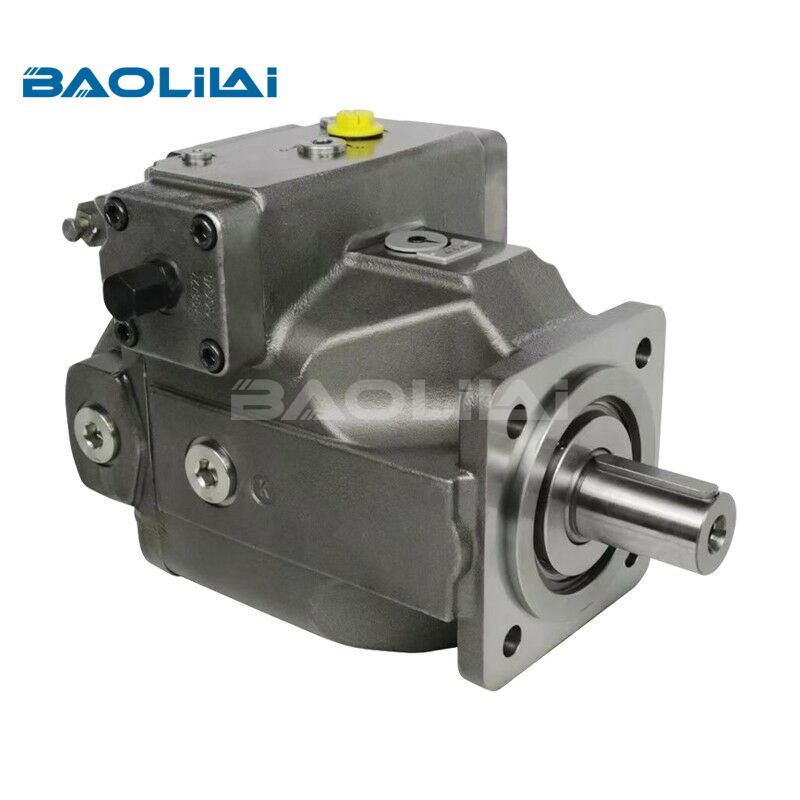
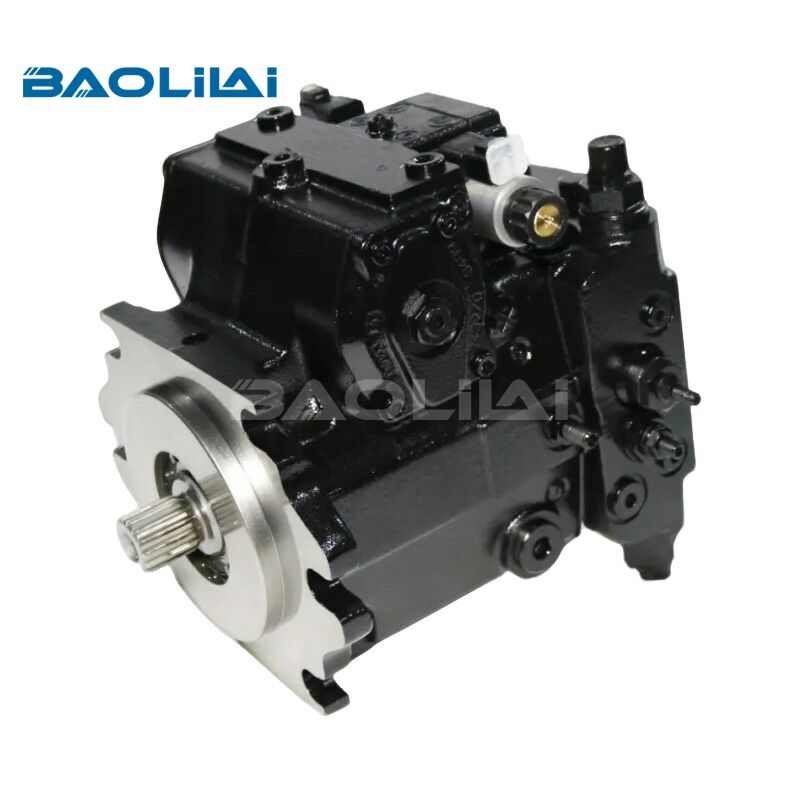
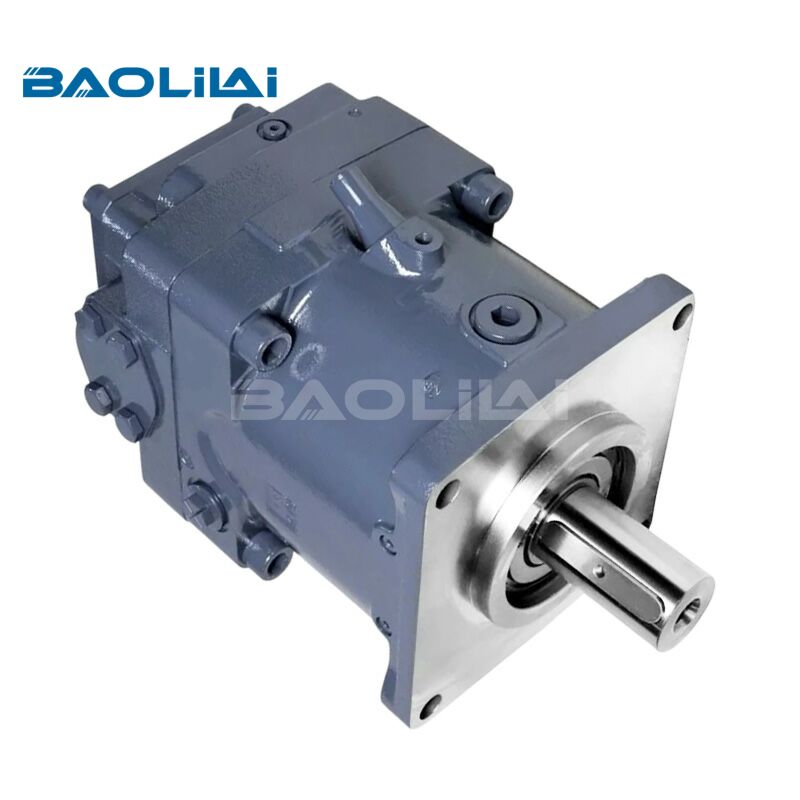
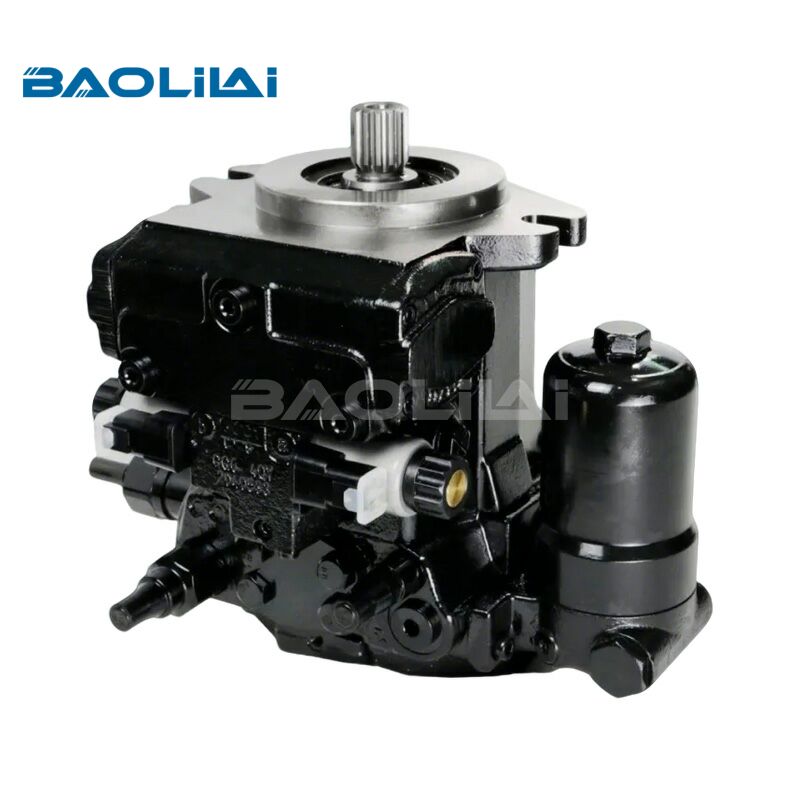
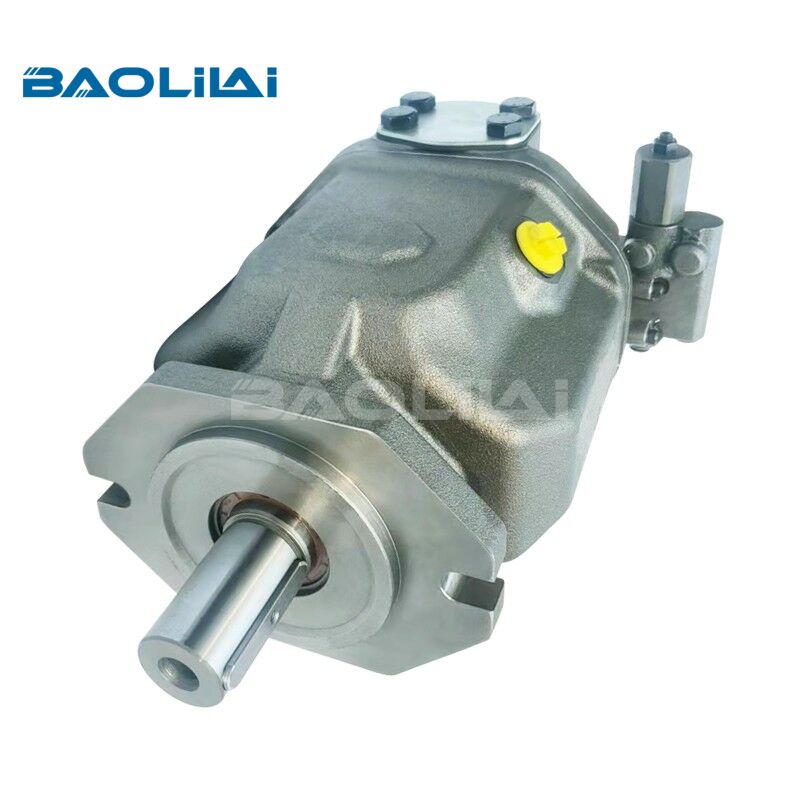
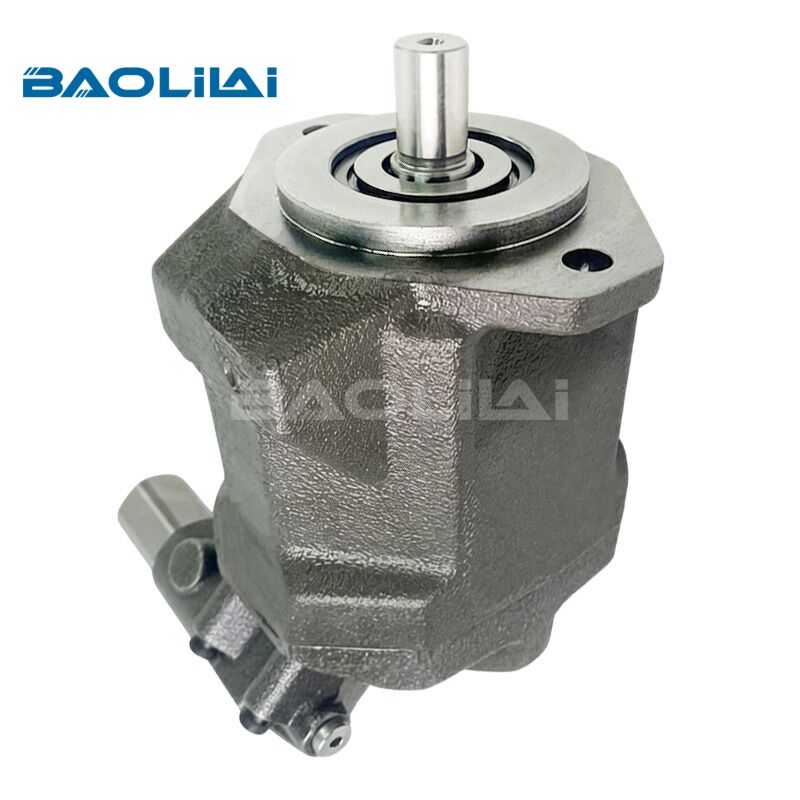
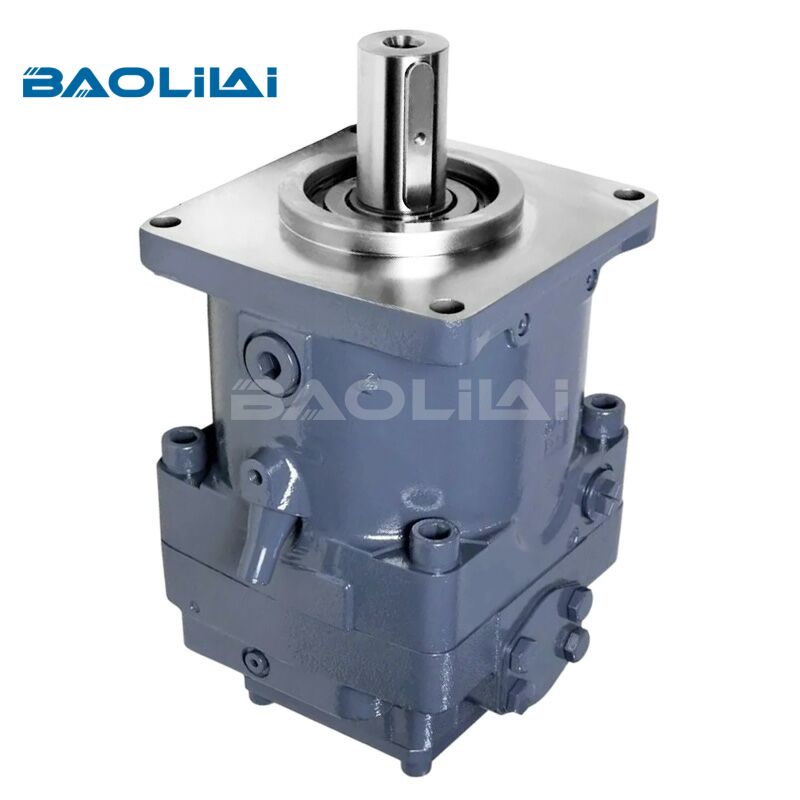
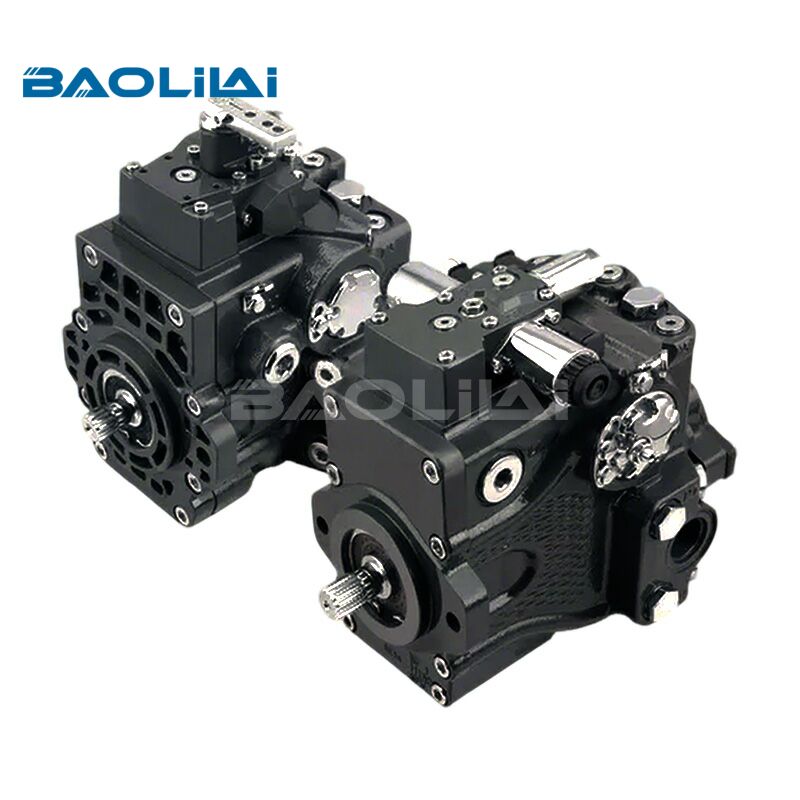
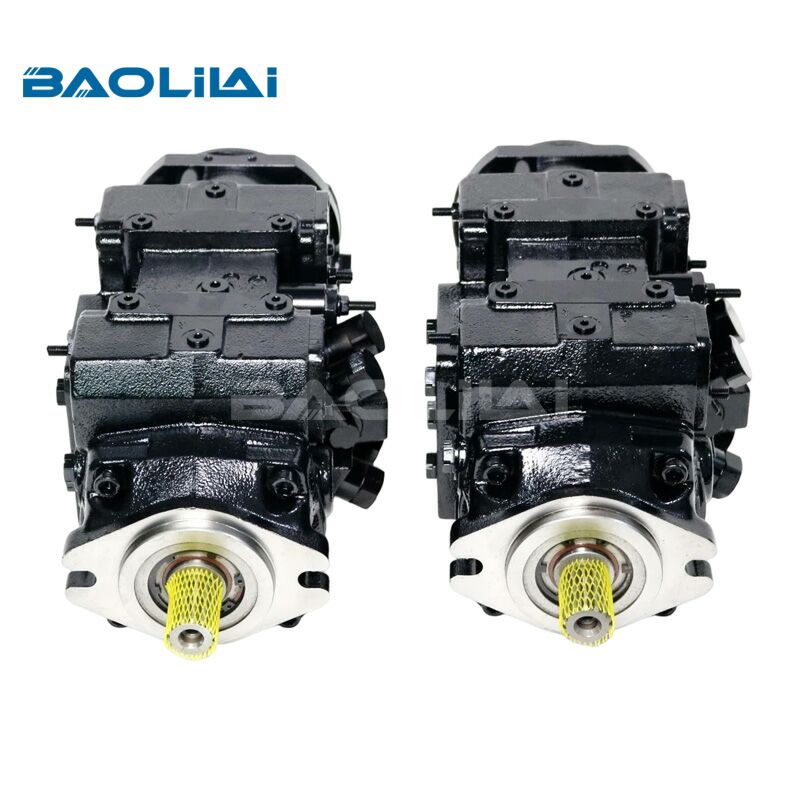
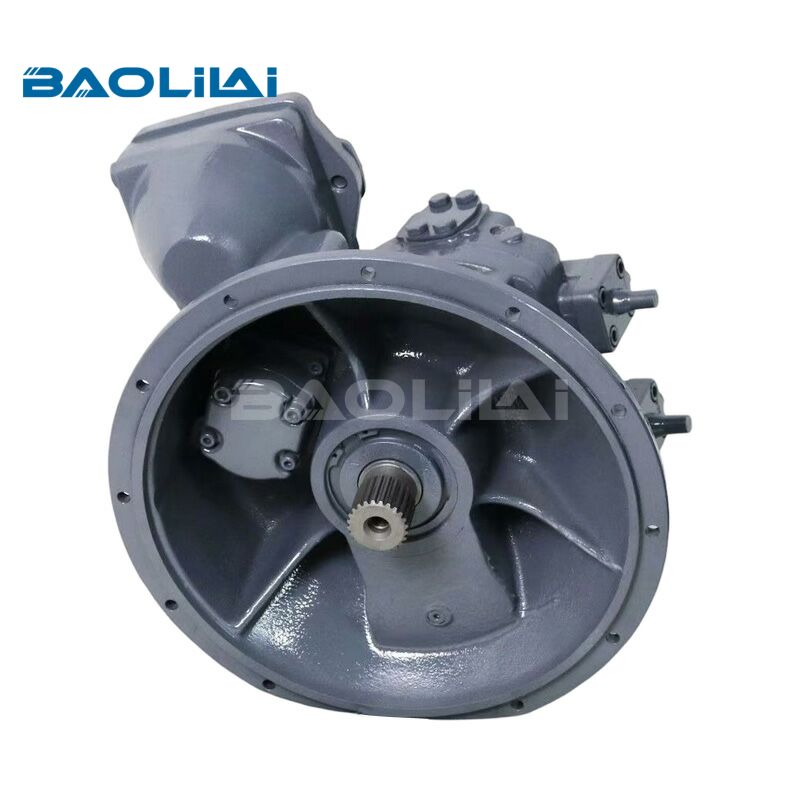
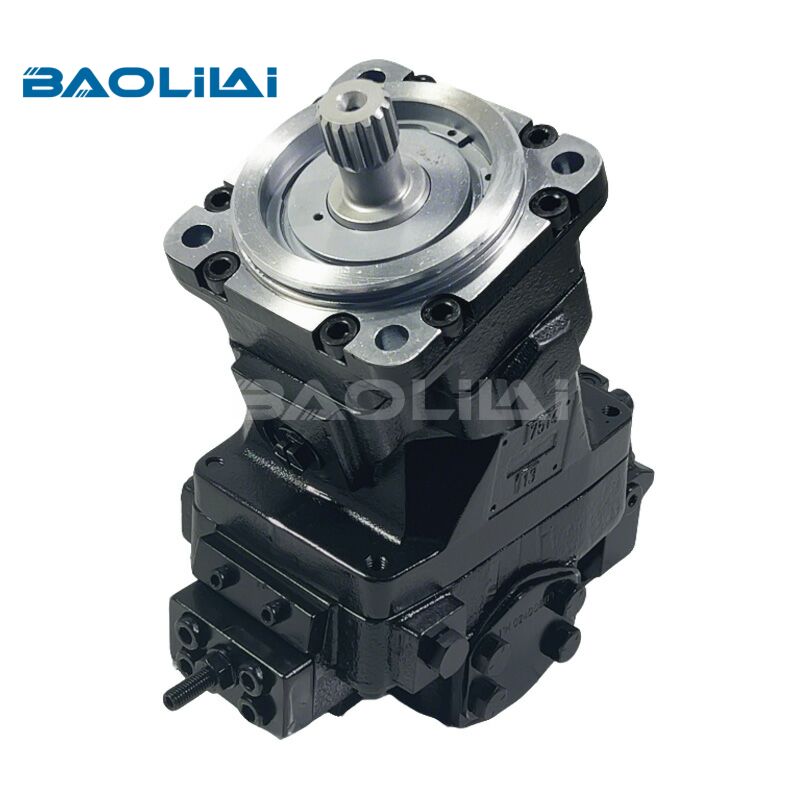
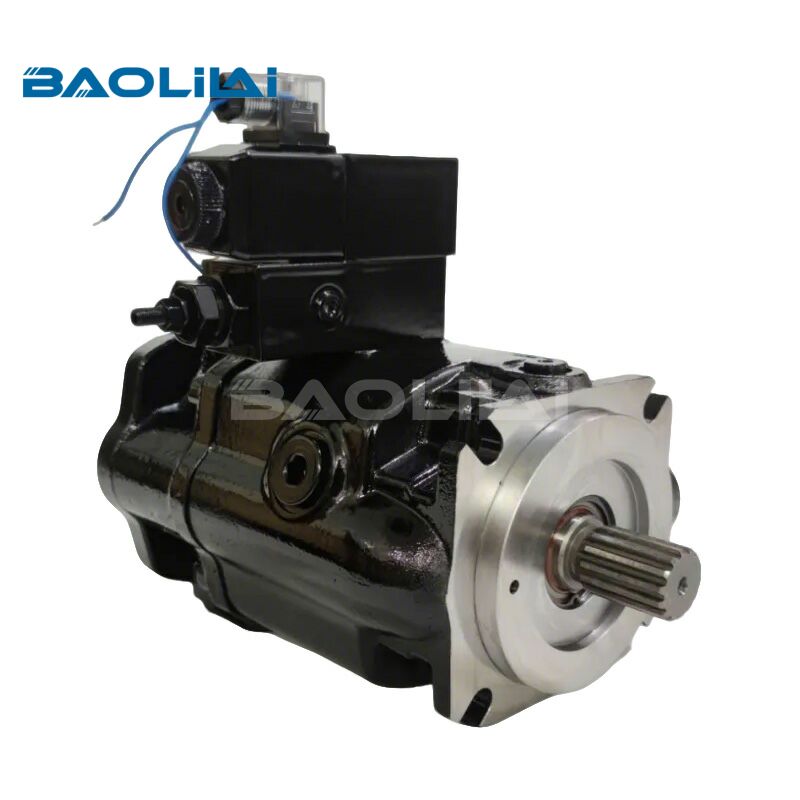
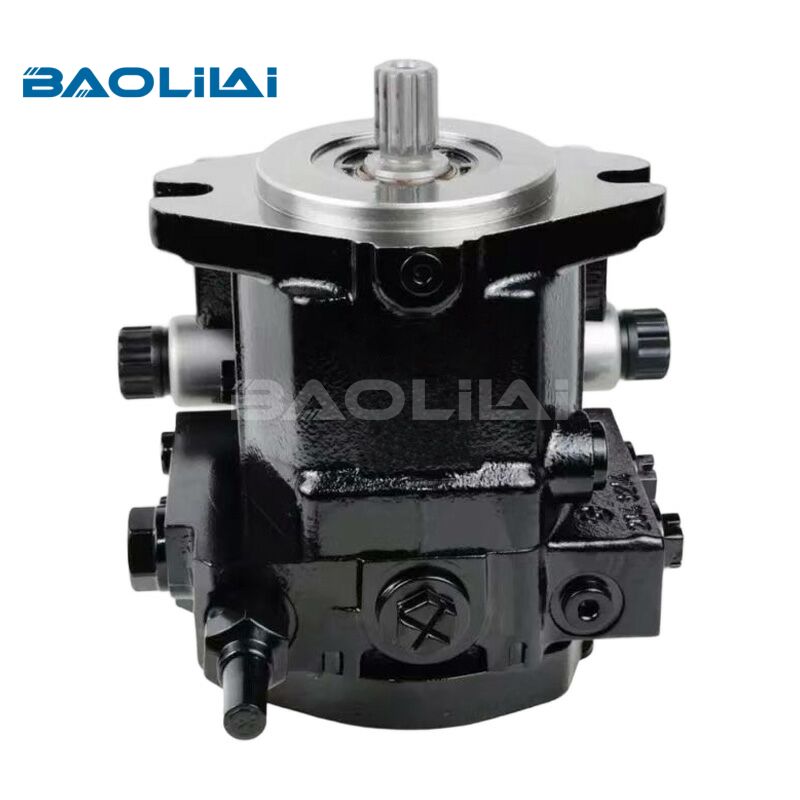
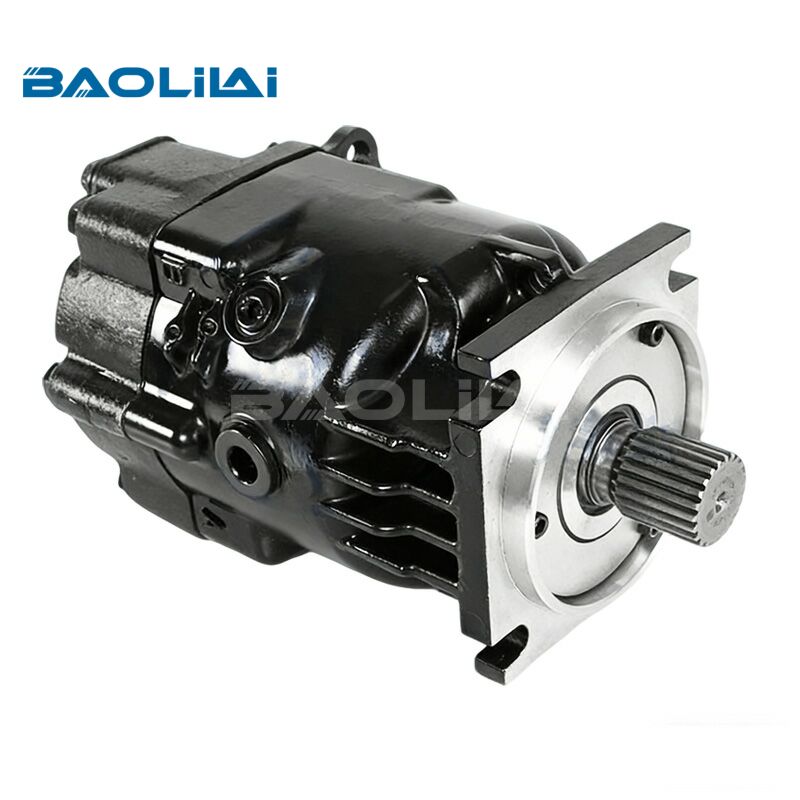
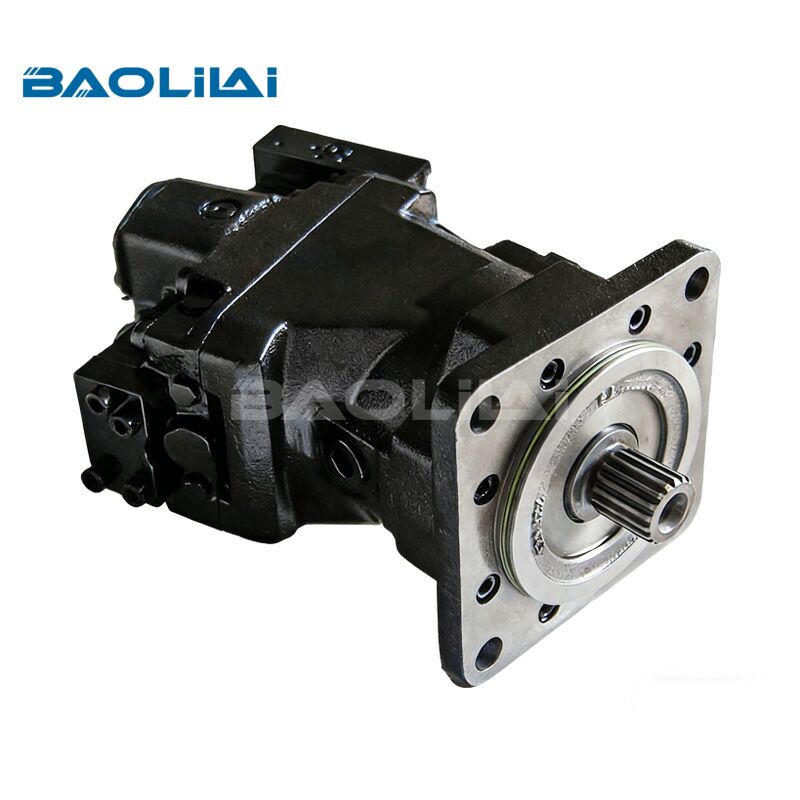
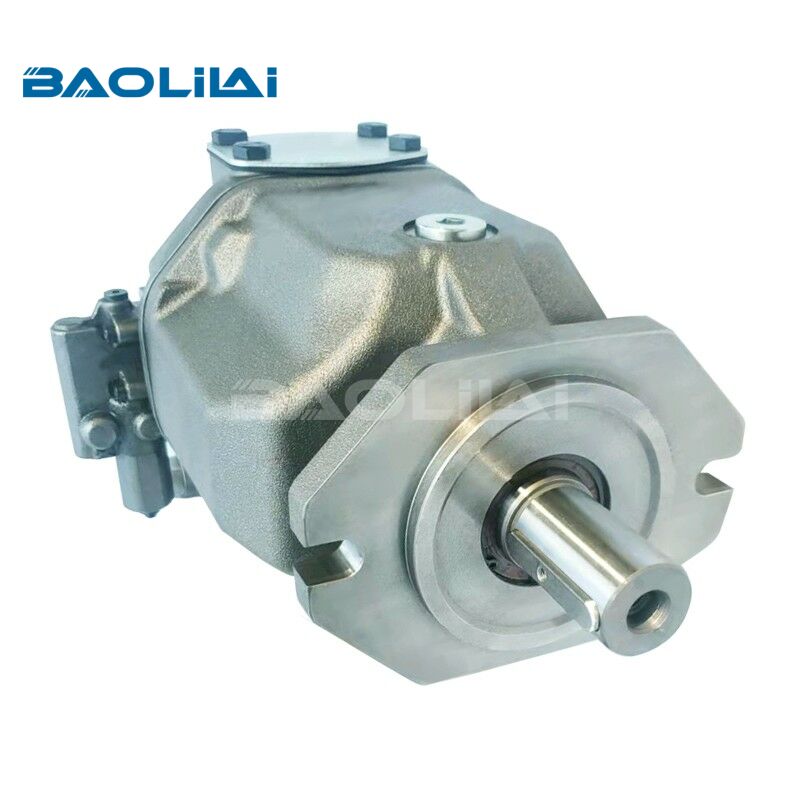
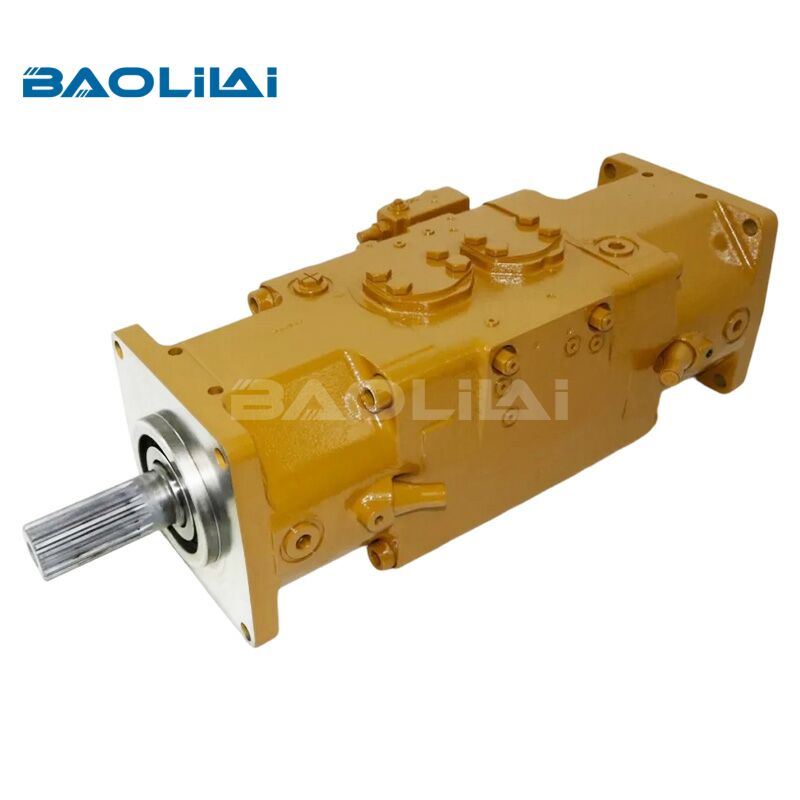
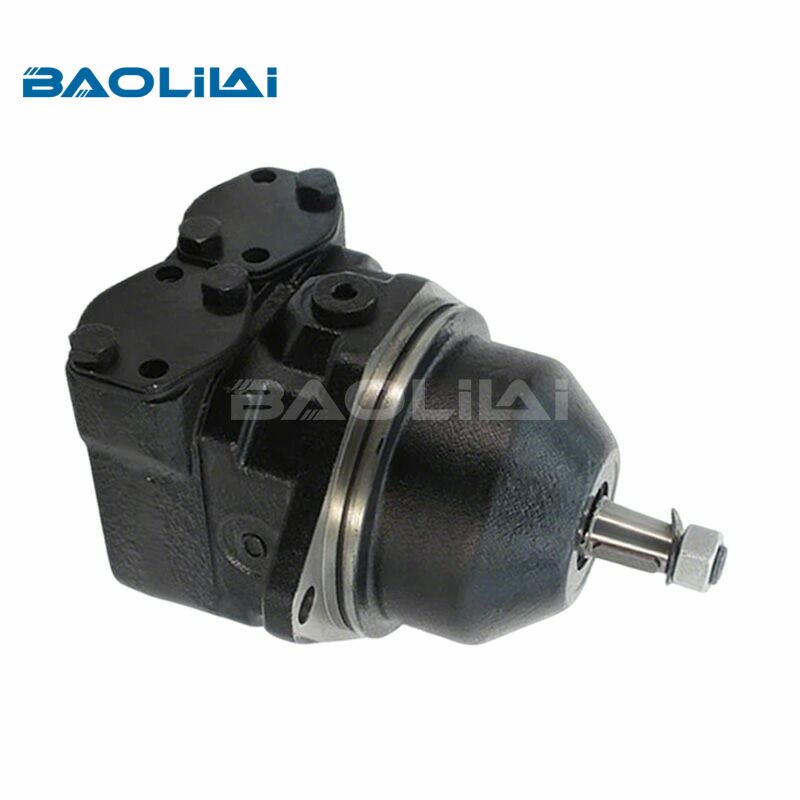
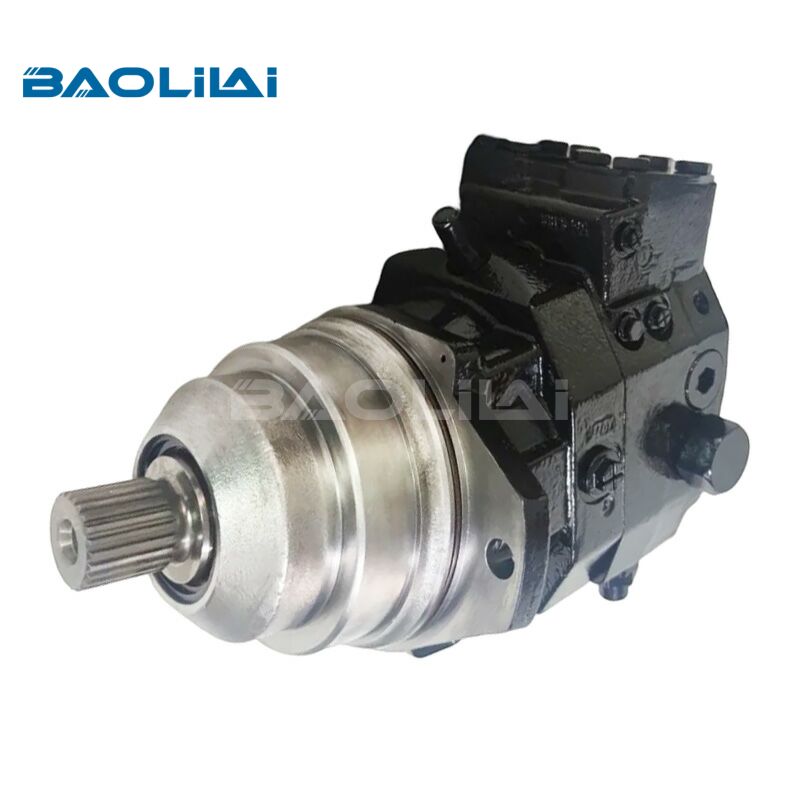
Rexroth open-circuit hydraulic piston pumps for Tadano Faun ATF220-G crane 99707006193 99707017295 99707811025 99707793875 99707007648 99707777792
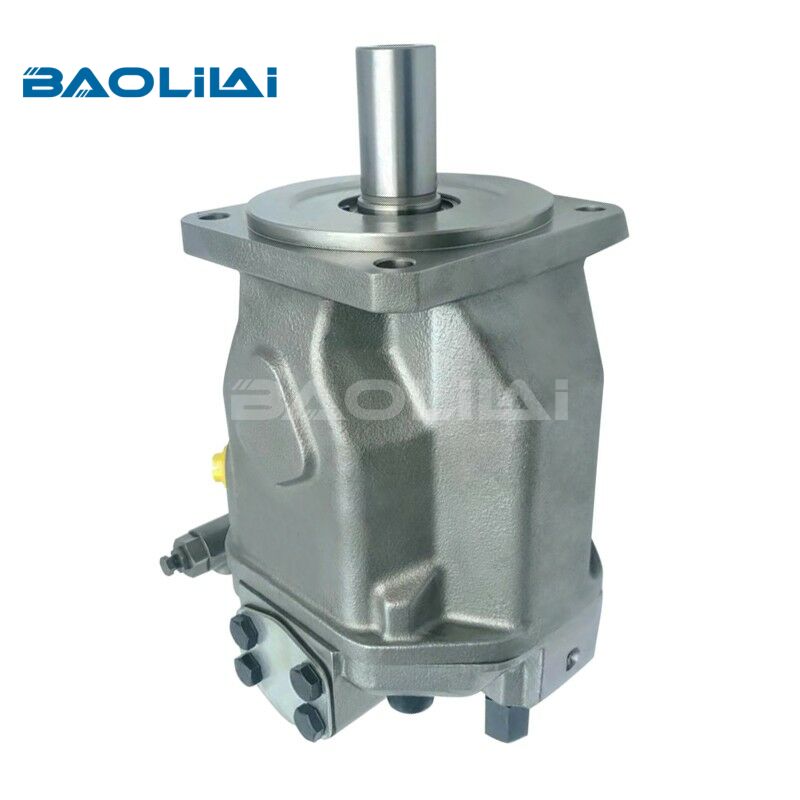
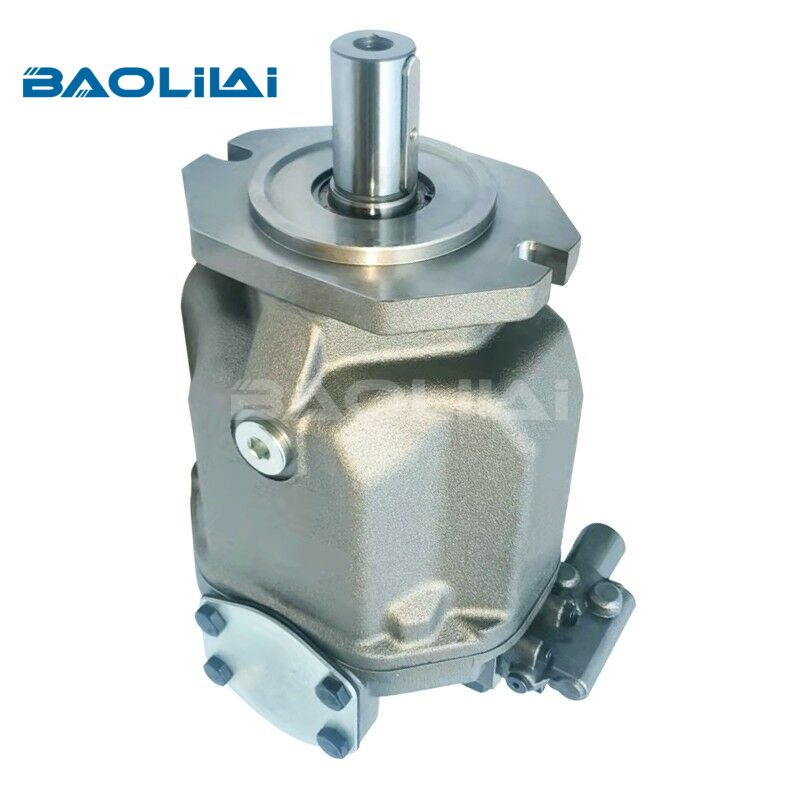
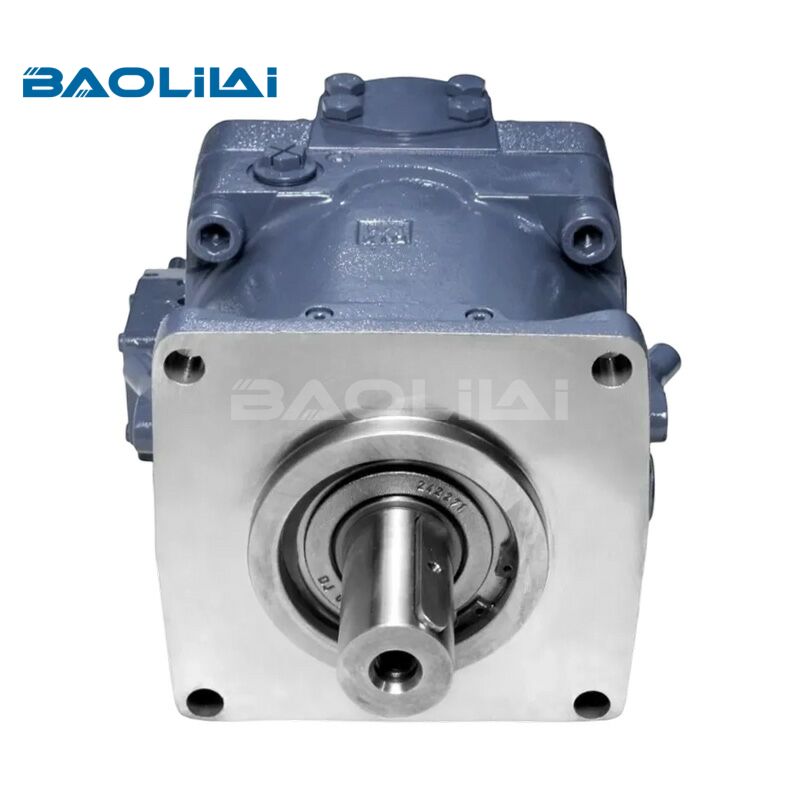
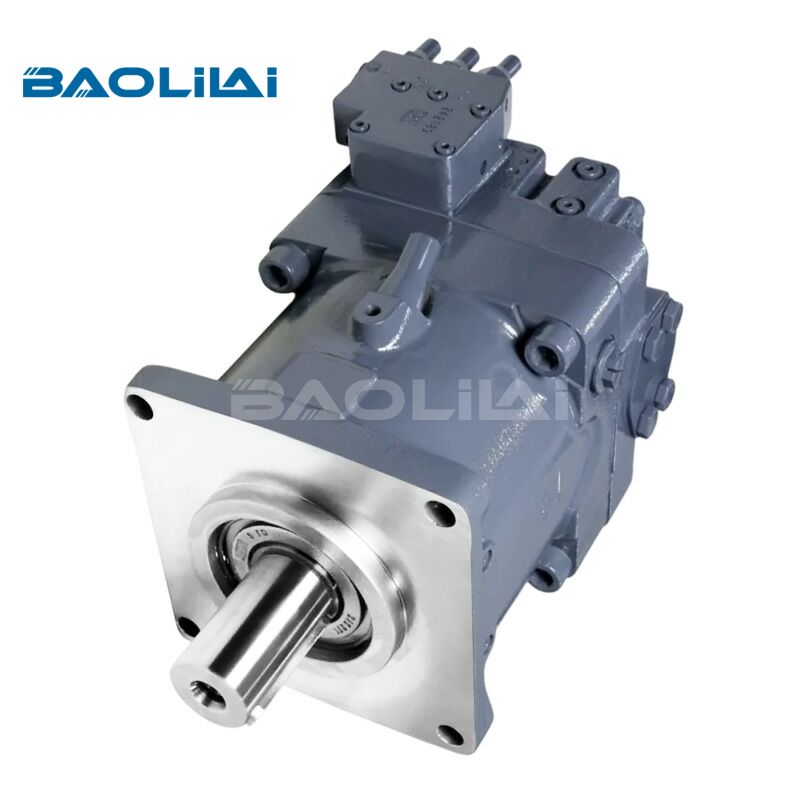
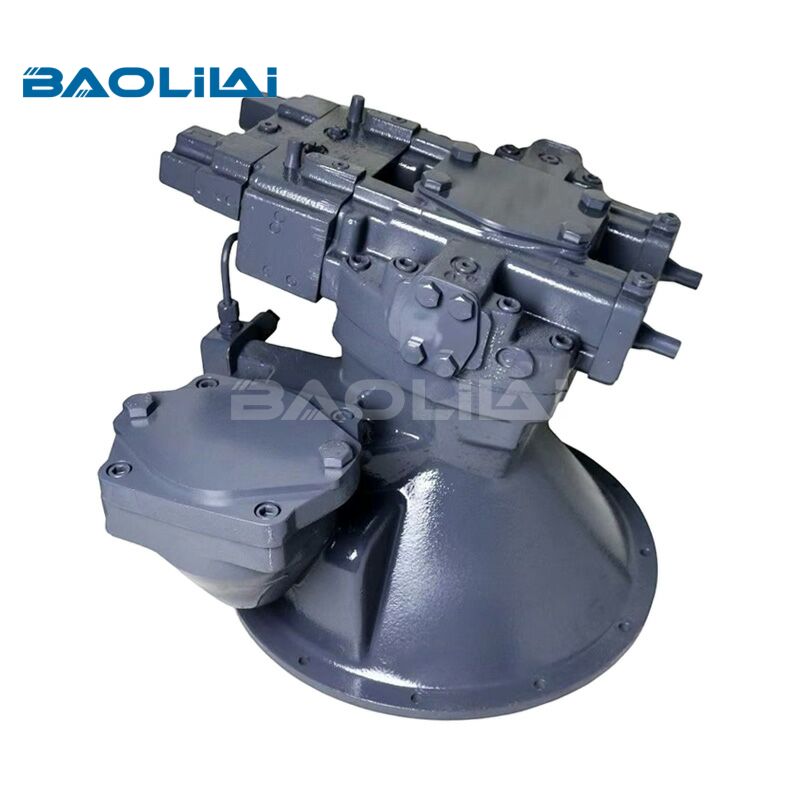

- Product Details
- Product Model
- FAQ
Why Open-Circuit Architecture Makes Sense for a Mobile Crane
Hydraulic systems on mobile cranes generally fall into one of two categories: closed-circuit, where fluid flows in a sealed loop between the pump and motor, and open-circuit, where the pump draws fluid from a reservoir and returns it after the work is done.
For crane functions — luffing, telescoping, slewing, outrigger extension, winch operation — open-circuit design is the practical choice for a few reasons:
Multiple simultaneous functions. A crane rarely runs one actuator at a time. Open-circuit systems, fed through load-sensing directional valves, let one pump (or a tandem pump set) supply several functions concurrently without the complexity of dedicated closed loops for each.
Reservoir-based cooling and filtration. Because fluid returns to a tank, it passes through coolers and filters on every cycle — critical when a crane sits idling in summer heat on a jobsite for hours between lifts.
Simpler integration with existing truck-chassis hydraulics. ATF-series cranes share design lineage with truck-mounted equipment, where open-circuit pumps are the industry default.
Closed-circuit systems still show up on cranes for specific functions — slewing gear and some winch drives, for example — but the primary work circuit on an ATF220-G is built around open-circuit, variable-displacement axial piston pumps.
The Rexroth Pump Family Behind the ATF220-G
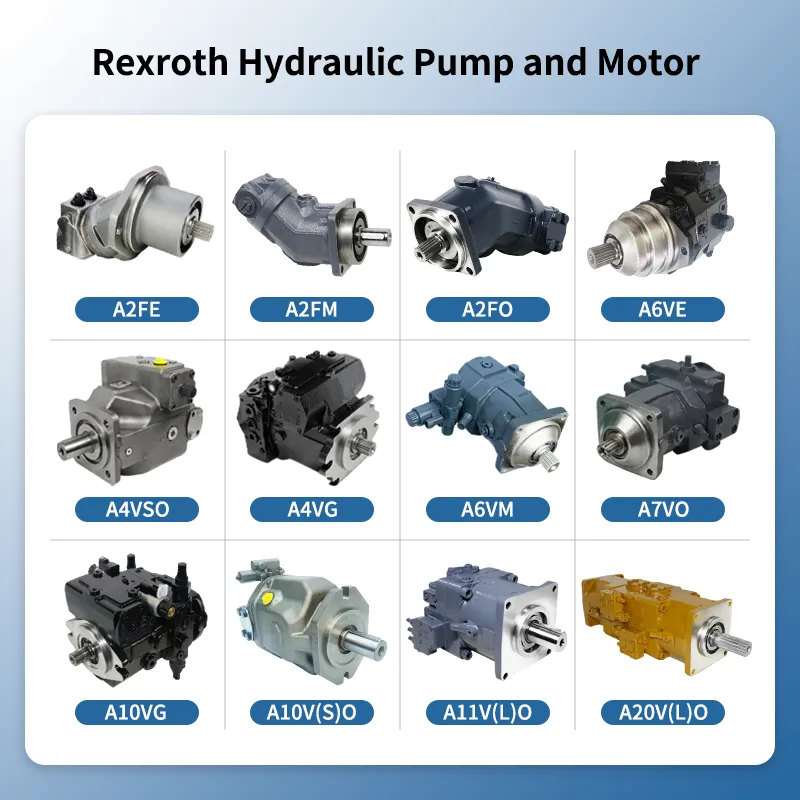
Bosch Rexroth supplies the majority of the world's mobile-crane hydraulics, and Tadano Faun's engineering in Lauf an der Pegnitz, Germany — where the ATF220-G is designed and built — has long specified Rexroth axial piston units for its main work circuits. The pumps typically found in this class of crane come from two related families:
A11VO / A10VO Series — Variable Displacement Pumps for Auxiliary and Drive Circuits
Used where a more compact footprint or a different control response is needed — often paired to auxiliary functions like the winch drive or cooling fan circuits.
Both series share Rexroth's signature swashplate variable-displacement architecture, featuring pistons arranged radially around a cylinder barrel, driven by a swashplate whose angle determines stroke length and, consequently, flow output. Change the swashplate angle, and you change displacement — and thus flow — without changing pump speed. This is what allows a single pump, running at a fixed engine-driven RPM, to deliver anywhere from near-zero flow to full rated flow depending on what the crane is doing.
How Load Sensing Ties the Pump to the Crane's Actual Needs
The defining feature of these Rexroth pumps in crane service isn't the piston arrangement — it's the control strategy layered on top of it: load-sensing (LS) control.
In a load-sensing system, the pump doesn't just push a fixed volume of oil regardless of demand. Instead, a control valve continuously compares the pressure needed by the active actuator (say, an outrigger cylinder mid-extension) against pump outlet pressure. The swashplate angle adjusts in real time to supply just enough flow at just enough pressure to do the job — no more.
Key Specifications to Understand When Selecting or Replacing a Pump
Anyone sourcing a replacement or rebuild for the ATF220-G's hydraulic system should be conversant in a handful of specification terms:
Displacement (cm³/rev): The maximum theoretical volume of fluid moved per shaft revolution at full swashplate angle. This, combined with drive speed, sets maximum flow.
Maximum operating pressure: Rexroth's mobile-class piston pumps in this segment are typically rated for continuous pressures in the 350–450 bar range, with peak ratings higher for transient loads.
Control type: Confirm whether the unit is DR (pressure control), DFR (pressure/flow control), or the full load-sensing LS variant — these are not interchangeable without also matching the valve bank's control logic.
Shaft and mounting interface: Pumps in tandem or triple arrangements (common on cranes running multiple independent circuits off one power takeoff) must match spline count, mounting flange (SAE or DIN), and rotation direction exactly.
Case drain and cooling requirements: Piston pumps generate internal leakage by design (it's part of how the pistons are lubricated); case drain lines must be sized and routed correctly or the pump will run hot and wear prematurely.
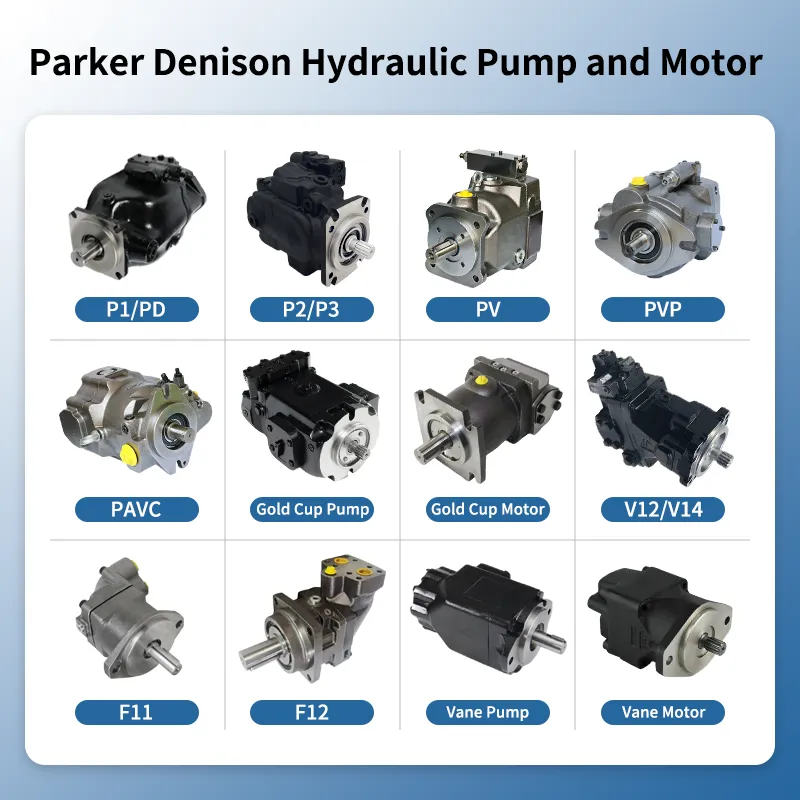
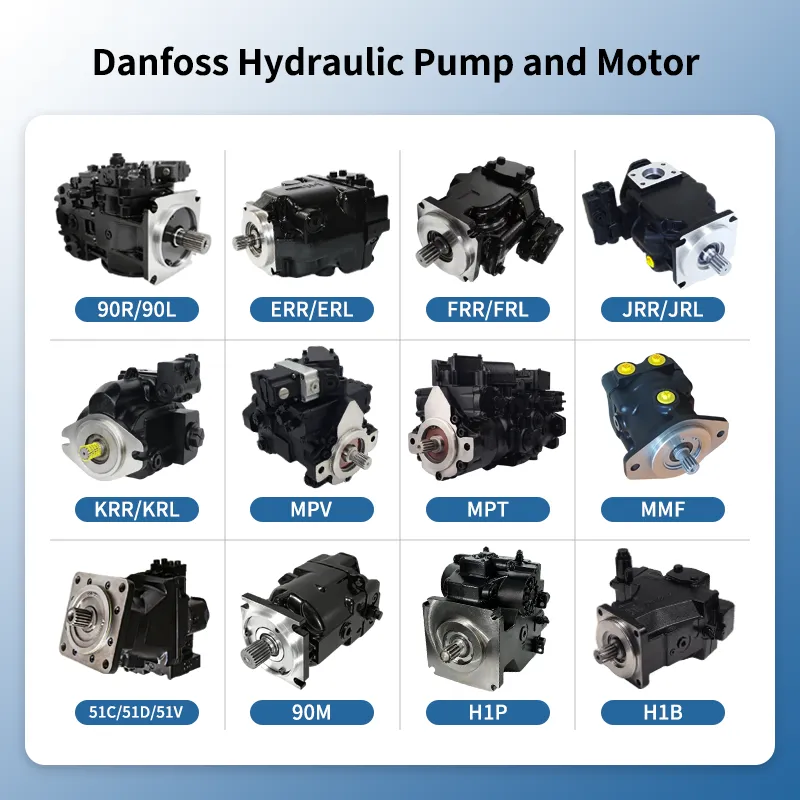
For more brand and equipment models, please visit https://www.baolilaihydraulic.com/brand/
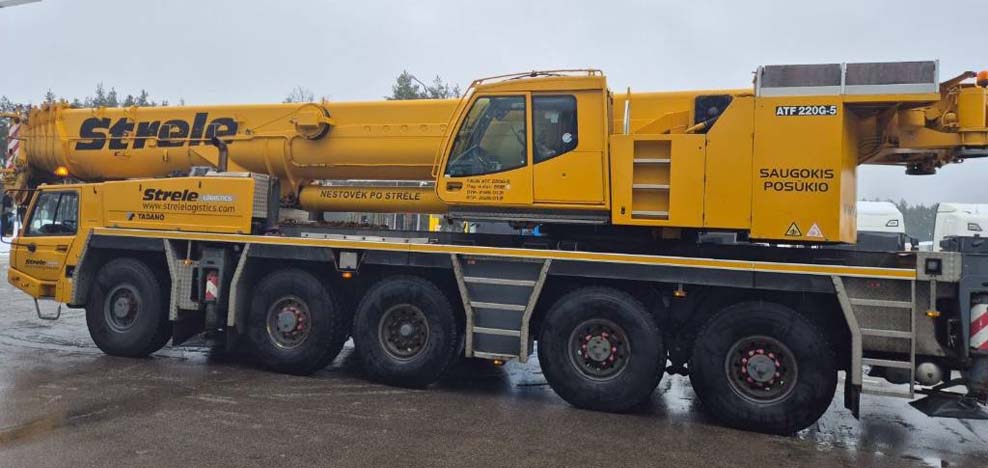
| Application equipment brands | Application equipment No. |
| Tadano | 99707006193 |
| Tadano Faun | 99707006279 |
| Tadano Faun | 99707007648 |
| Tadano Faun | 99707017295 ATF220-G crane |
| Tadano | 99707730899 |
| Tadano Faun | 99707777792 |
| Tadano Faun | 99707793875 ATF50G-3 |
| Tadano Faun | 99707811025 ATF220-G crane |
Q1: How long does a Rexroth piston pump typically last on a working crane?
A1: With clean fluid, proper case-drain temperatures, and regular filter maintenance, these pumps commonly run for many thousands of operating hours. Actual service life varies significantly with duty cycle, climate, and how rigorously contamination control is maintained.
Q2: What's the first thing to check if the crane's hydraulic functions all seem slow at once?
A2: Engine RPM at the point of operation and the suction side of the pump (strainer condition, reservoir fluid level) — a global slowdown across all function points upstream of the pump before the pump itself is suspected.
Q3:What is the price and delivery time of the A10VO/A11VO/A8VO hydraulic pump for the Tadano Faun ATF220-G crane?
A3: The specific price and delivery time will depend on the equipment model or specific product model you provide.
Q4:How to purchase an A10VO/A11VO/A8VO hydraulic pump for the Tadano Faun ATF220-G crane?
A4:You can visit https://www.baolilaihydraulic.com/contact/ to contact us and purchase our products through various methods.