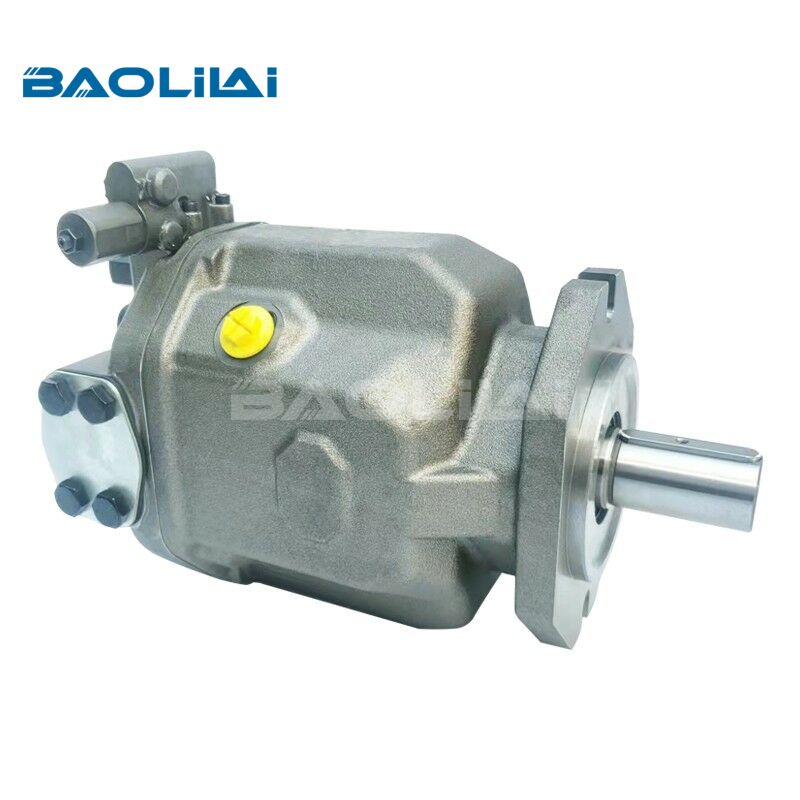
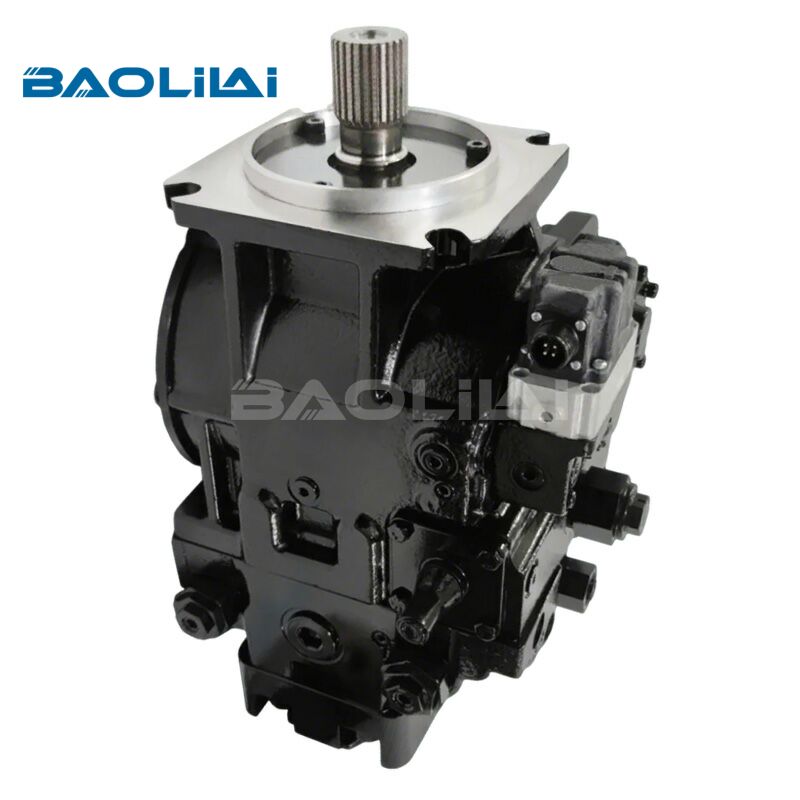
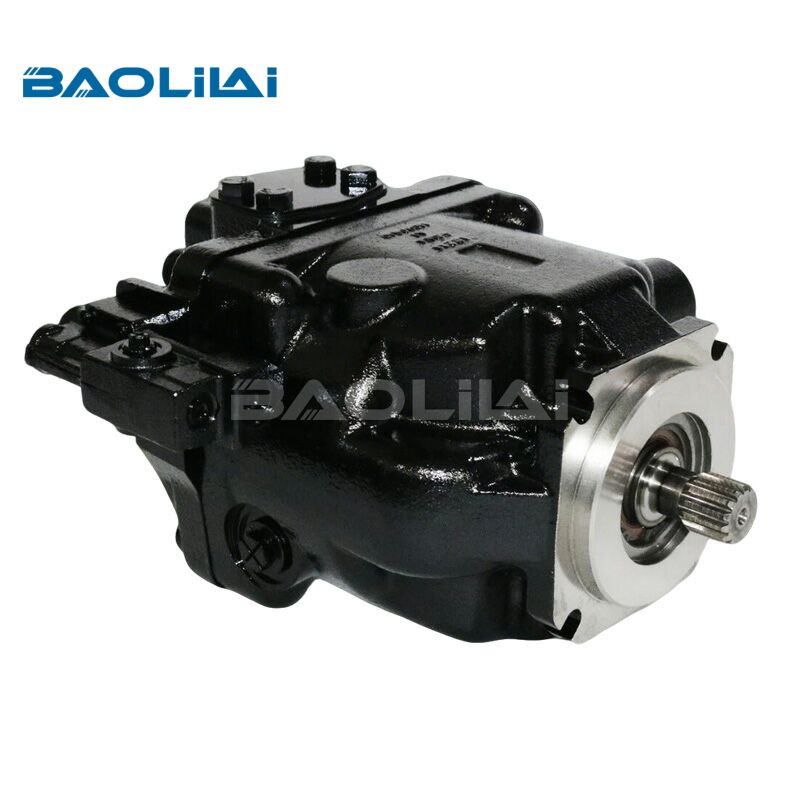
Common Rexroth Hydraulic Pump Problems and Effective Troubleshooting Tips
Why Rexroth Pumps Fail: The Four Root Causes
Before chasing symptoms, it helps to know that almost every failure sorts into one of four buckets.
Contamination. Particulate ingress is the single largest contributor to hydraulic component wear. Rexroth specifies a minimum cleanliness of ISO 4406 20/18/15 for most piston pumps, and 18/16/13 for high-pressure or servo applications. Miss that target, and you are grinding the valve plate, slipper faces, and swashplate bearings with every revolution.
Aeration and cavitation. Both put vapor or air in a place designed for liquid. Both destroy surfaces quickly. They have different causes and different sounds, which is covered in detail below.
Thermal stress. Fluid above 80°C degrades, loses viscosity, and forms varnish on control spools. Most Rexroth data sheets target a 50–60°C operating window for good reason.
Setup and control errors. A compensator set above system relief, a misadjusted DFR flow control, a pilot line with a blocked orifice, or an electro-proportional card commanding the wrong current. These produce dramatic symptoms and zero wear debris.
Problem 1: The Pump Is Noisy
Noise is the most reported complaint and the most misdiagnosed. The key is to identify which noise you have.
Cavitation
A sharp, high-frequency rattle, often described as gravel in the housing. It occurs when inlet pressure drops below the fluid's vapor pressure and vapor bubbles form, then collapse violently in the high-pressure zone. The implosions pit the valve plate and port plate surfaces.
Check these in order:
Suction strainer condition. A clogged strainer is the number one cause. Rexroth typically permits no more than 0.2 bar absolute vacuum at the inlet.
Fluid viscosity at startup. Cold oil above 800 mm²/s cannot fill the pistons fast enough. An A10VSO running HLP 46 at 5°C is cavitating whether you hear it or not.
Reservoir level and inlet line geometry. Long runs, undersized pipe, and sharp elbows all cost you inlet pressure.
Reservoir breather. A plugged breather pulls a vacuum on the tank as fluid leaves.
Field example: A packaging plant reported a rattling A10VSO 71 on a new install. The inlet line ran 2.4 meters horizontally with three elbows because the tank had been relocated. Reducing the run to 900 mm and going up one pipe size eliminated the noise without touching the pump.
Aeration
A lower-pitched, irregular growl, usually accompanied by foam on the reservoir surface and spongy, jerky actuator movement. Air is entering the circuit rather than forming in it.
Look for a loose suction flange or O-ring, a shaft seal drawing air, a return line terminating above the fluid level and splashing, or a reservoir baffle that no longer forces dwell time before fluid reaches the suction port.
Mechanical Noise
A constant whine or grinding that doesn't change with inlet condition suggests bearing wear or coupling misalignment. Check shaft runout and coupling alignment before condemning the pump. Rexroth generally specifies parallel misalignment under 0.1 mm for direct-drive installations.
Problem 2: Low or No Pressure
The machine runs, the motor draws current, and nothing moves with authority.
Start With the Compensator
On a variable displacement pump with a DR (pressure) or DFR (pressure and flow) control, the compensator is the first suspect and the easiest to test.
Back the pressure adjustment fully out, then bring it up slowly while watching a gauge at the pump outlet. If pressure never builds, the compensator spool may be stuck open from varnish or a contaminant particle. Remove, inspect, and clean the spool — it should fall through its bore under its own weight. Check the small orifice in the pilot passage, which blocks easily.
Check the Relief Valve
A system relief set below the pump compensator will dump flow to the tank and mask itself as a pump problem. Confirm the relief is set 10–15% above the compensator setting.
Measure Case Drain Flow
This is the single most useful diagnostic you can run on a piston pump, and it takes five minutes. Route the case drain into a graduated container and time the flow at operating temperature and pressure.
| Case drain flow | Interpretation |
| Under 3% of rated flow | Healthy |
| 3–6% of rated flow | Wear progressing, monitor |
| Over 6–10% of rated flow | Significant internal leakage, plan replacement |
Rising case drain flow means the slipper faces, valve plate, or cylinder barrel are worn and fluid is bypassing internally. No external adjustment will recover it.
Confirm Rotation and Drive
Reverse rotation on a unidirectional pump produces noise and no pressure, and destroys the unit within minutes. Verify against the arrow on the housing. On mobile units, confirm the through-drive coupling hasn't sheared.
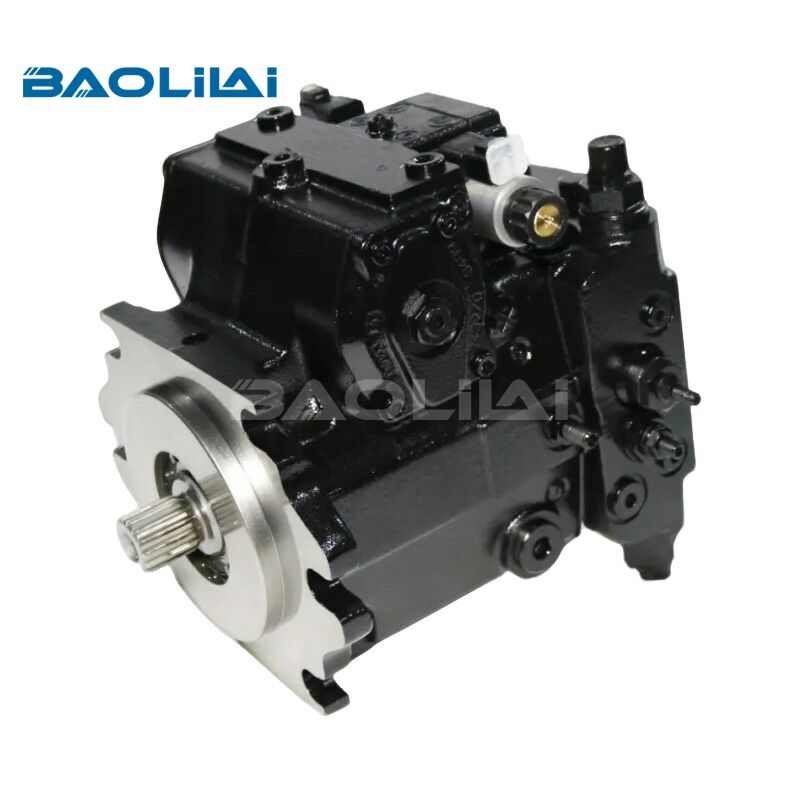
Problem 3: Overheating
Heat is wasted energy. Every bar of pressure drop across a restriction becomes thermal load.
Common sources on Rexroth circuits:
A relief valve partially open continuously, often because a compensator is set too high and the pump is deadheading against the relief.
Undersized or fouled heat exchanger, or a failed cooler fan.
Internal pump wear converting flow into case drain leakage, which is pure heat.
Incorrect fluid. Using HLP 32 where HLP 46 is specified drops film thickness and raises friction losses.
A load-sensing circuit with a plugged LS line, forcing the pump to full stroke against a closed center valve.
Field example: An A4VSO 125 on a hydraulic press ran at 85°C after a rebuild. The compensator had been set to 320 bar during commissioning while the relief remained at 300 bar. The pump was constantly at full displacement, dumping across the relief. Correcting the settings dropped steady-state temperature to 58°C.
Problem 4: External Leakage
Shaft Seal Failure
The shaft seal on a Rexroth piston pump sees case pressure, not system pressure. It is rated for roughly 2 bar continuous on most A10V and A4V series units. If the seal is weeping, measure case pressure before replacing the seal.
Excessive case pressure usually means a restricted case drain line, an undersized drain, or a drain line teed into a pressurized return header. The seal is reporting a plumbing problem.
Port and Flange Leaks
Check bolt torque against the Rexroth service manual rather than by feel. Confirm the O-ring or seal material matches the fluid — NBR seals in a phosphate ester (HFD) fluid will swell and fail, and that mismatch shows up months after a fluid conversion nobody documented.
Problem 5: Erratic Control or Slow Response
Symptoms include actuators that hunt, pressure that oscillates, or a pump that responds sluggishly to command changes.
Proportional and Servo Controls
On EP, EO, and electro-hydraulic controlled pumps, verify the command signal at the amplifier card before assuming a hydraulic fault. Confirm supply voltage, solenoid coil resistance, and that ramp and dither settings on the card match the commissioning record.
Pilot Pressure
Variable displacement pumps need adequate pilot pressure to stroke. On closed-circuit units like the A4VG, the integrated charge pump supplies both pilot and makeup flow. Low charge pressure — typically specified around 20–30 bar depending on frame size — produces slow response, cavitation in the loop, and eventual bearing damage. Measure charge pressure at the designated test port before anything else.
Contaminated Control Spools
Varnish from thermally degraded fluid is the usual cause of sticky, hysteretic control behavior. If a spool cleans up and the fault returns within weeks, the fluid itself needs attention, not the pump.
A Practical Troubleshooting Sequence
Work in this order, and you'll resolve most faults without removing the pump.
Look and listen. Note the noise character, check the sight glass for foam or cloudiness, feel the case drain line temperature.
Sample the fluid. Pull a sample from a live line, not the tank bottom. Send for ISO 4406 particle count and viscosity. This single step explains more failures than any other.
Check the inlet. Vacuum gauge at the suction port, strainer condition, breather condition, fluid level.
Measure case drain flow. At temperature, at pressure. Compare against rated flow.
Verify settings. Compensator, relief, load-sense differential, charge pressure. Compare against the machine's commissioning record.
Test the control signal. For electro-proportional units, meter the command current directly.
Only then, open the pump. And when you do, photograph the valve plate and slipper faces before cleaning anything. Wear patterns tell you the cause.
Preventive Practices That Actually Extend Pump Life
Maintain fluid cleanliness to ISO 4406 18/16/13 or better on servo and high-pressure circuits. Offline kidney-loop filtration is the most cost-effective upgrade on most systems.
Sample fluid quarterly and trend the results rather than reading each report in isolation.
Fit a case drain temperature sensor. A rising delta between case drain and reservoir temperature is an early wear indicator.
Keep a commissioning record of every compensator, relief, and card setting, taped inside the electrical cabinet.
Warm the system before applying full load in cold climates. Cold-start cavitation causes damage that shows up as a failure six months later.
Use genuine Rexroth seal kits and match the elastomer to the fluid type.
Frequently Asked Questions
Q1: How do I tell cavitation from aeration on a Rexroth pump?
A1: Cavitation is a sharp, high-pitched rattle and originates from low inlet pressure. Aeration is a deeper, irregular growl with visible foam in the reservoir and spongy actuator motion, and it originates from air entering through a leak. Cavitation damage appears as pitting on the valve plate; aeration damage shows as oxidized, darkened fluid.
Q2: Can I adjust the compensator while the machine is running?
A2: Yes, and you should, since the setting only means anything under load. Make small adjustments, allow the system to stabilize between each, and confirm the system relief remains set above the compensator.
Q3: Is a noisy pump always a failing pump?
A3: No. Inlet restriction, cold fluid, a plugged breather, and coupling misalignment all produce noise from a mechanically sound pump. Diagnose the circuit before condemning the unit.
Q4: How to purchase Rexroth hydraulic pumps
A4: Visit https://www.baolilaihydraulic.com/contact/ and send us the specific model numbers; we will promptly provide a price quote and estimated delivery time.