How to Choose the Right Danfoss Hydraulic Pump for Your Industrial System
Step 1: Understand Your System's Core Requirements
Before comparing pump models, nail down the operating parameters. This is the groundwork every other decision builds on.
Flow Rate and Displacement
Flow rate (measured in gallons per minute or liters per minute) determines actuator speed. Calculate it from the cylinder bore size and the speed you need the cylinder or motor to achieve — not from what "feels right" based on a similar machine. Danfoss pumps are typically specified by displacement (cm³/rev or in³/rev), and matching displacement to your target RPM and flow need is the starting math for any selection.
System Pressure Requirements
Pressure (measured in PSI or bar) is dictated by the load the system needs to move. Danfoss pump lines span a wide pressure range, so this is often the first filter that narrows your options — a pump rated for moderate-pressure ag equipment isn't the same animal as one built for high-pressure construction or mining applications.
Duty Cycle and Operating Environment
A pump running continuously in a demolition excavator faces completely different thermal and wear stresses than one cycling intermittently on a packaging line. Ask:
Is this continuous-duty or intermittent operation?
What's the ambient temperature range — indoor plant floor or outdoor equipment in variable climates?
Is the environment dusty, wet, or corrosive?
These conditions affect not just pump selection but seal material, filtration needs, and reservoir design.
Step 2: Match the Pump Type to the Application
Danfoss's hydraulic pump portfolio is generally organized around a few core technologies, each suited to different applications.
Axial Piston Pumps
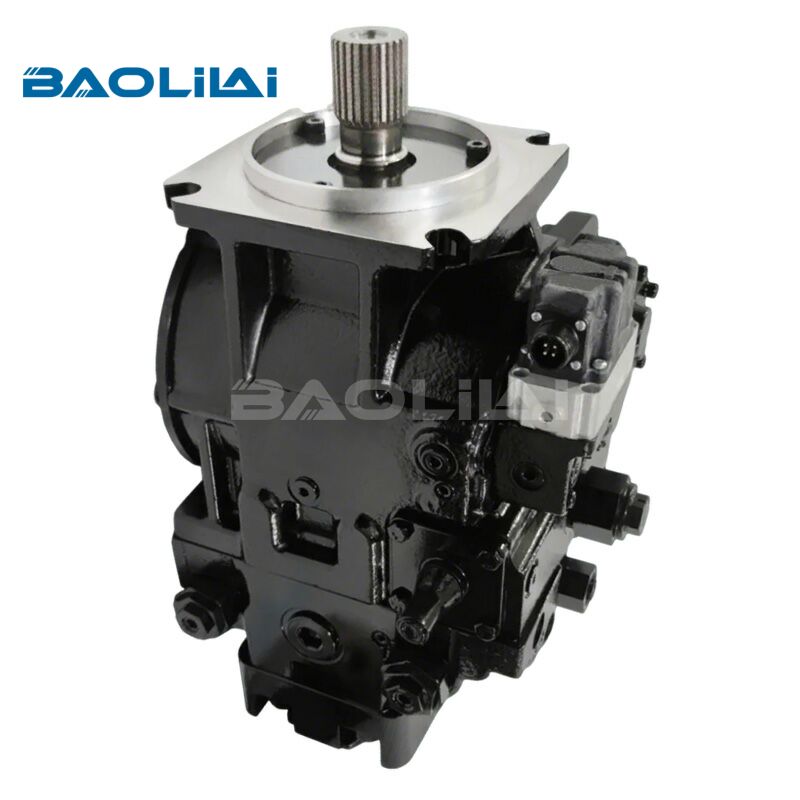
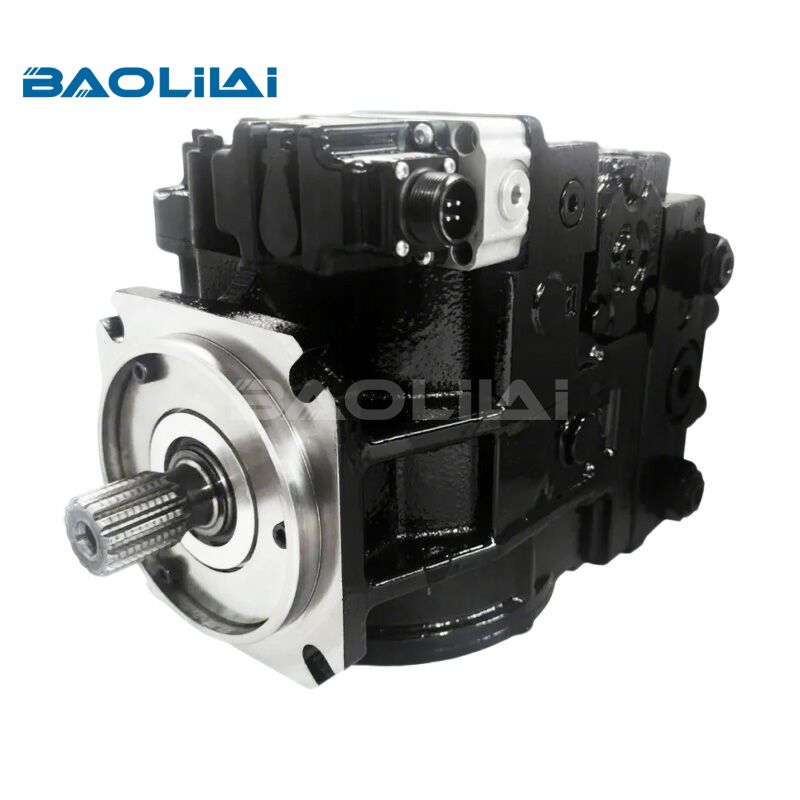
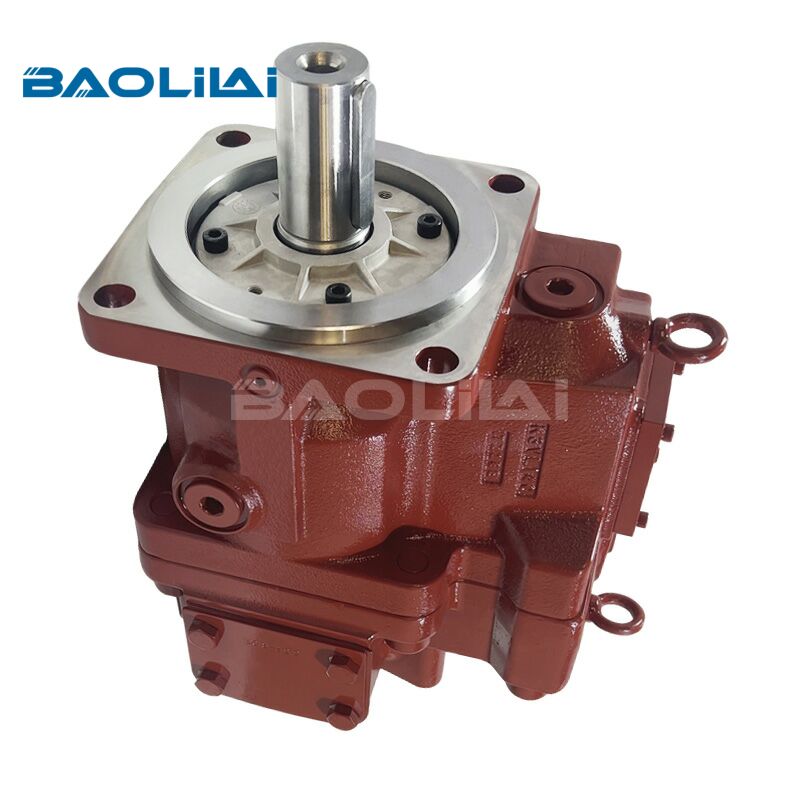
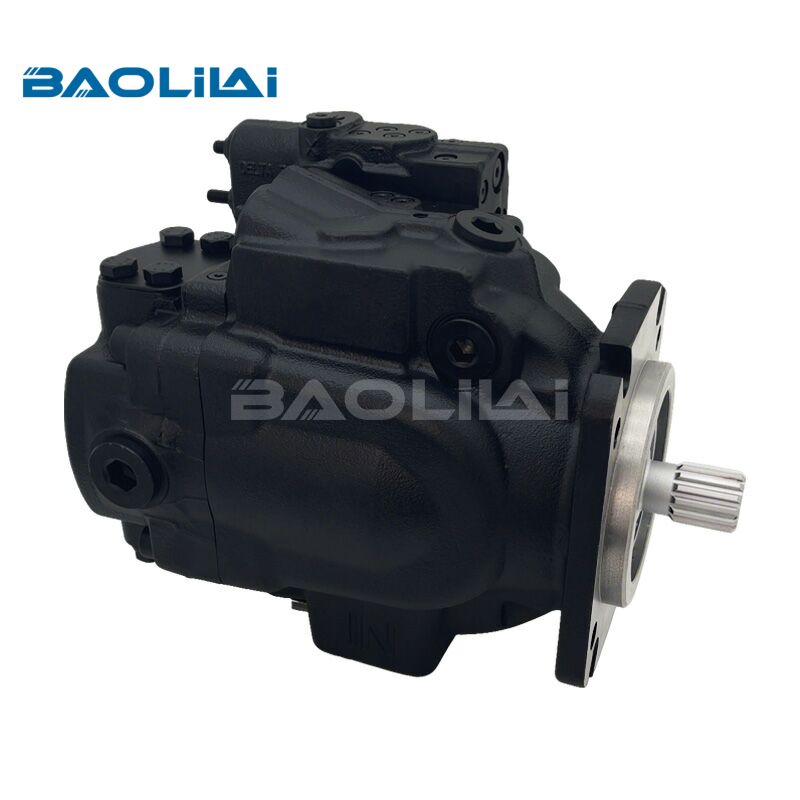
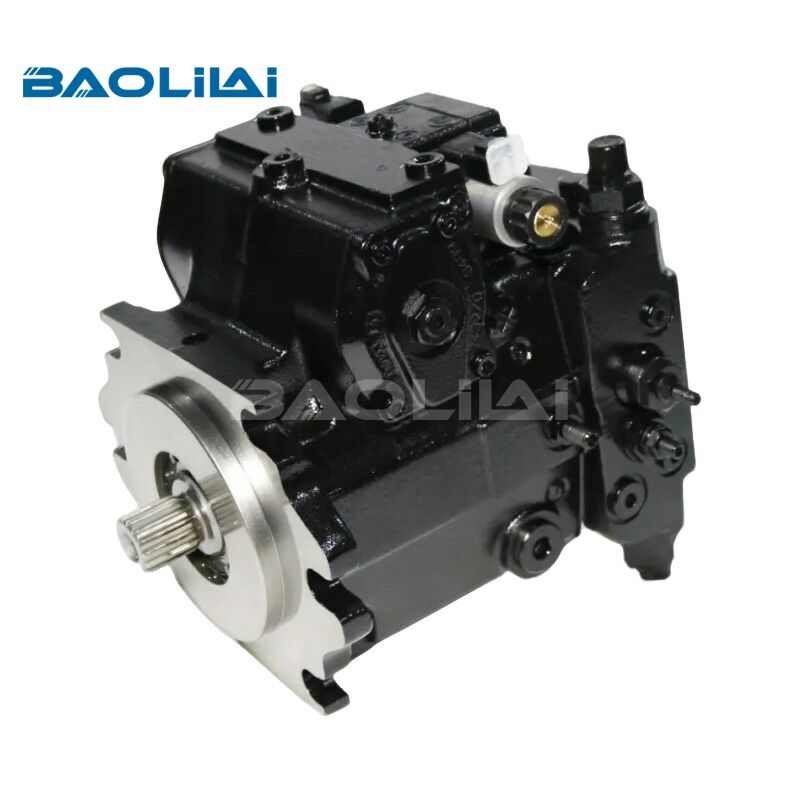
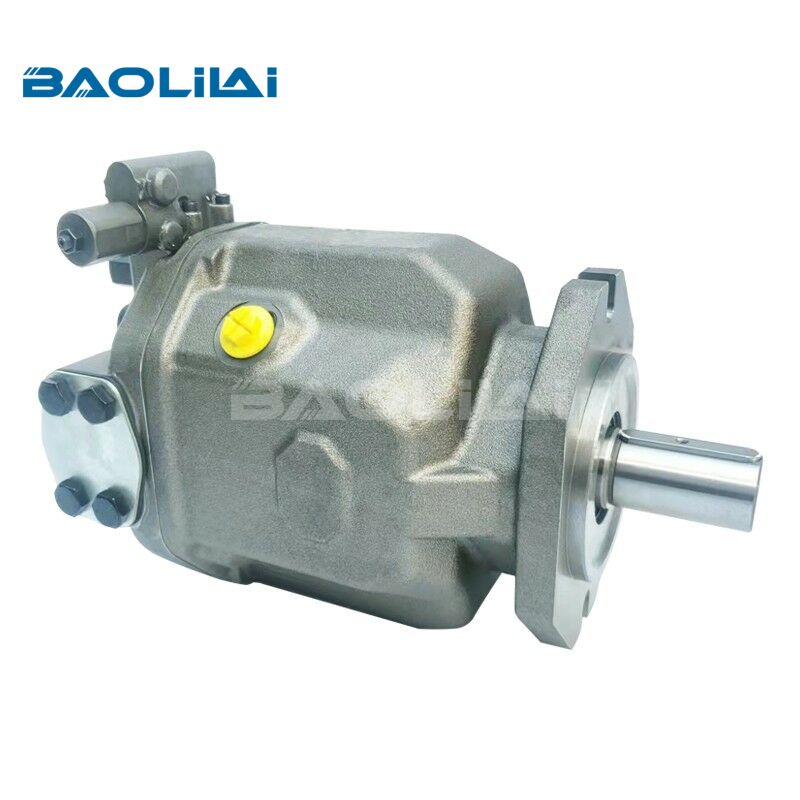
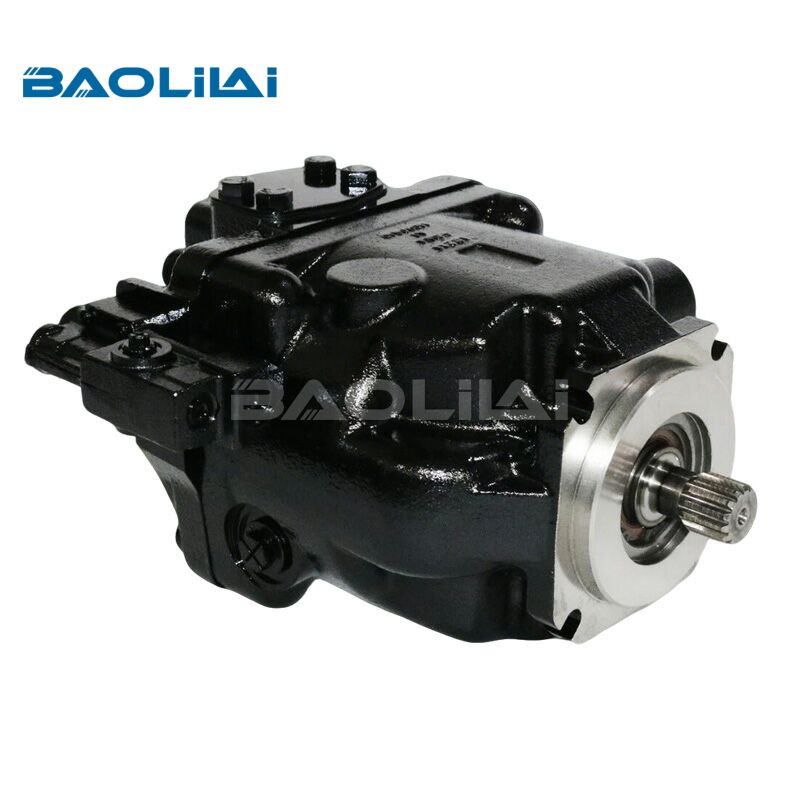
Axial piston pumps (like Danfoss's Series 90 line) are the workhorses of closed-loop and open-loop propulsion and work-function circuits. They offer high efficiency, variable displacement control, and strong performance under high pressure — making them a common choice for mobile equipment like wheel loaders, combines, and skid steers where both propel and implement functions need precise, efficient control.
Gear Pumps
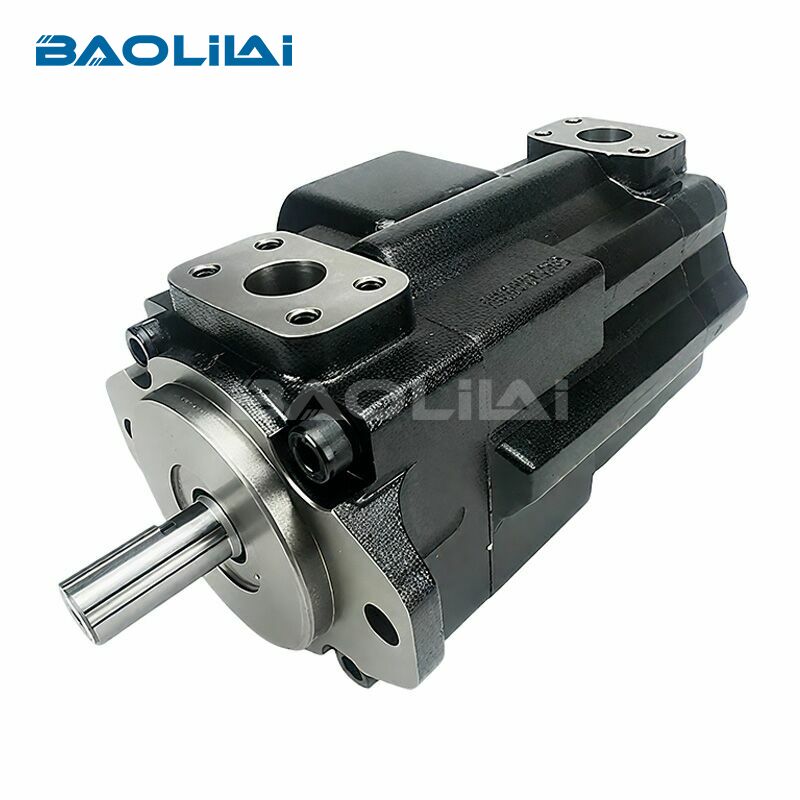
Gear pumps are simpler, more cost-effective, and easier to maintain than piston pumps, though they run at lower efficiency and are generally limited to lower-to-moderate pressure applications. They're a strong fit for auxiliary functions, steering circuits, or smaller machines where system cost matters more than peak efficiency.
Orbital Motors and PVG Proportional Valves (System-Level Fit)
Pump selection doesn't happen in isolation. If your system uses Danfoss orbital motors or PVG proportional valve blocks downstream, the pump's flow characteristics and control response need to be compatible with how those components meter and direct flow. A high-performance piston pump paired with a poorly matched valve block will still bottleneck system performance.
Step 3: Consider Control Type
Danfoss pumps come in fixed and variable displacement configurations, and the control method matters as much as the displacement number.
Fixed Displacement
Simple, robust, and cost-effective — but delivers a constant flow regardless of demand, which can waste energy in circuits with variable load requirements.
Variable Displacement (Pressure/Flow/Load-Sensing Control)
Adjusts output based on real-time system demand, improving efficiency and reducing heat generation. This is typically the right call for machines with multiple functions operating at different times, like excavators or agricultural sprayers, where matching flow to instantaneous demand meaningfully cuts fuel or energy consumption.
Step 4: Factor in Fluid Compatibility and Filtration
Even the right pump will fail early if fluid conditions are ignored.
Viscosity range: Confirm the pump's rated viscosity range matches your hydraulic fluid and expected operating temperature swings.
Contamination control: Piston pumps in particular are sensitive to particulate contamination. Match your filtration system's micron rating to the pump manufacturer's cleanliness specification — this single detail is responsible for a large share of premature pump failures in the field.
Fluid type: Mineral oil, biodegradable fluids, and fire-resistant fluids all interact differently with seal materials. Confirm compatibility before finalizing your choice.
Step 5: Plan for Serviceability and Total Cost of Ownership
The lowest sticker price isn't always the lowest lifetime cost. Weigh:
Parts availability and lead times for your region
Rebuild kit availability versus replace-on-failure economics
Energy efficiency over the equipment's service life — a more efficient variable-displacement pump can pay for its price premium in fuel or electricity savings on high-duty-cycle equipment
Warranty terms and OEM support
A Practical Selection Checklist
1. Calculate required flow rate from actuator size and target speed
2. Confirm maximum system pressure under peak load
3. Define duty cycle (continuous vs. intermittent) and ambient conditions
4. Choose pump type — piston for high-efficiency/high-pressure, gear for cost-sensitive/lower-pressure
5. Decide fixed vs. variable displacement based on load variability
6. Verify fluid type, viscosity range, and filtration compatibility
7. Check compatibility with downstream valves, motors, and controllers
8. Evaluate total cost of ownership, not just unit price