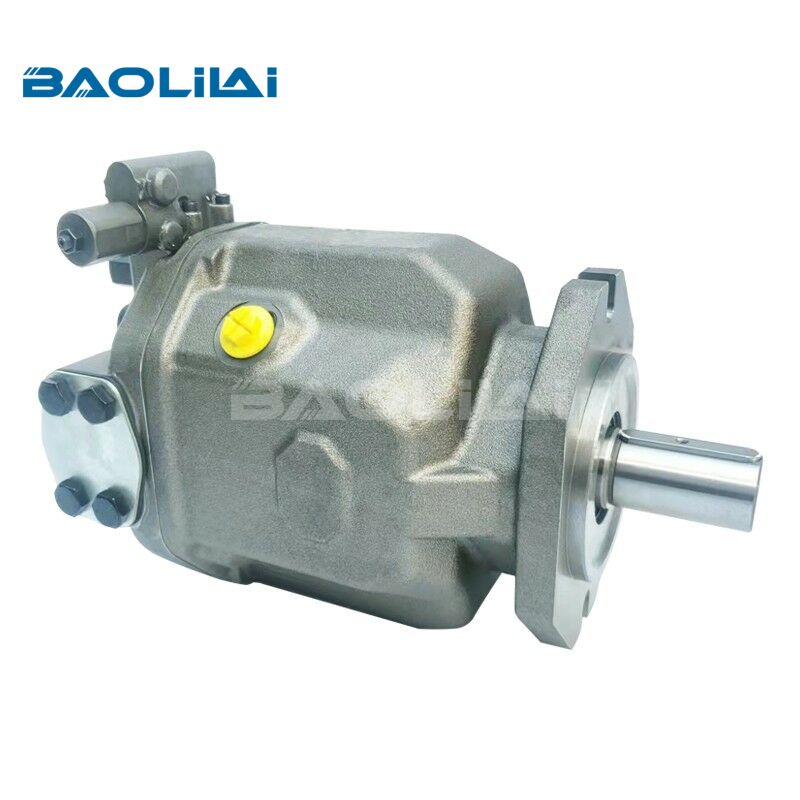
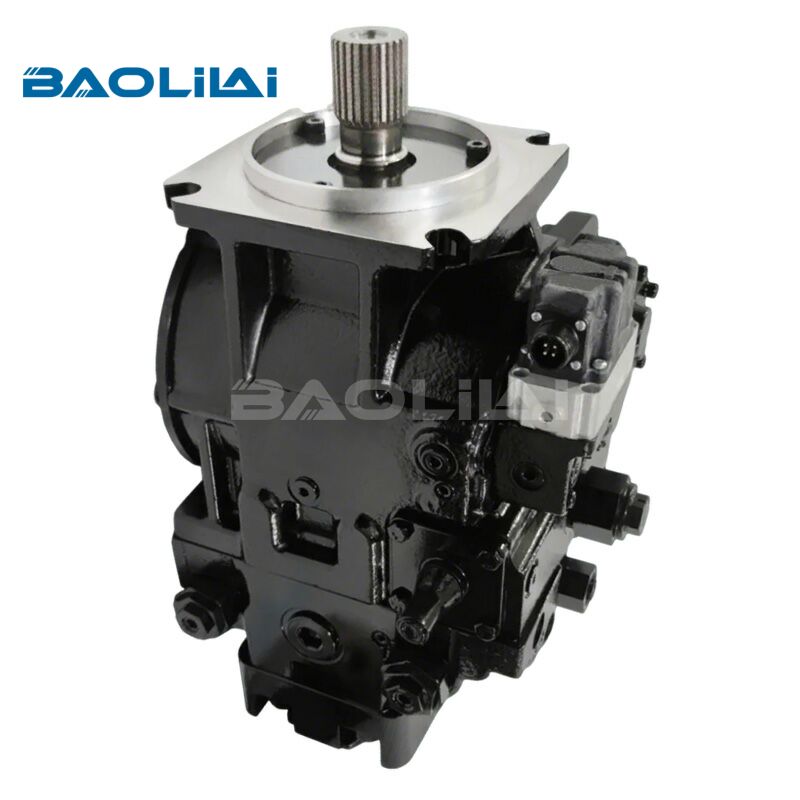
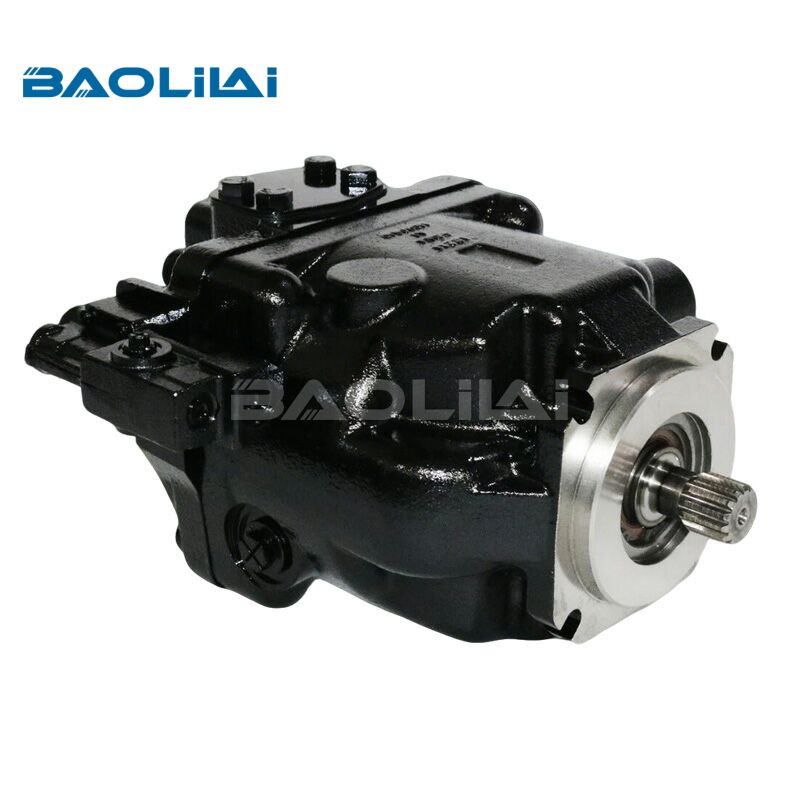
Kawasaki Hydraulic Pumps in Excavators: Powering Boom, Arm, and Bucket Operations
An excavator is, mechanically speaking, a hydraulic power distribution system with a digging tool bolted to the end of it. The diesel engine generates rotational power, but that power is useless to a cylinder or a swing motor unless something converts it into pressurized oil flow. That's the pump's entire job.
Everything downstream depends on it:
Boom lift and lower — raising and lowering the boom against gravity and load
Arm (stick) crowd and dump — the digging and reach motion
Bucket curl and dump — the fine control at the working end
Swing — rotating the upper structure
Travel — driving the tracks
If the pump can't deliver enough flow, every one of those motions turns sluggish. If it can't hold pressure, the machine loses breakout force exactly when it's needed — mid-cut, in hard clay or broken rock. Kawasaki's design philosophy centers on keeping flow and pressure matched to the operator's actual demand at every instant, rather than just running wide open all the time.
How Kawasaki Hydraulic Pumps Are Built
Axial Piston, Swash Plate Design
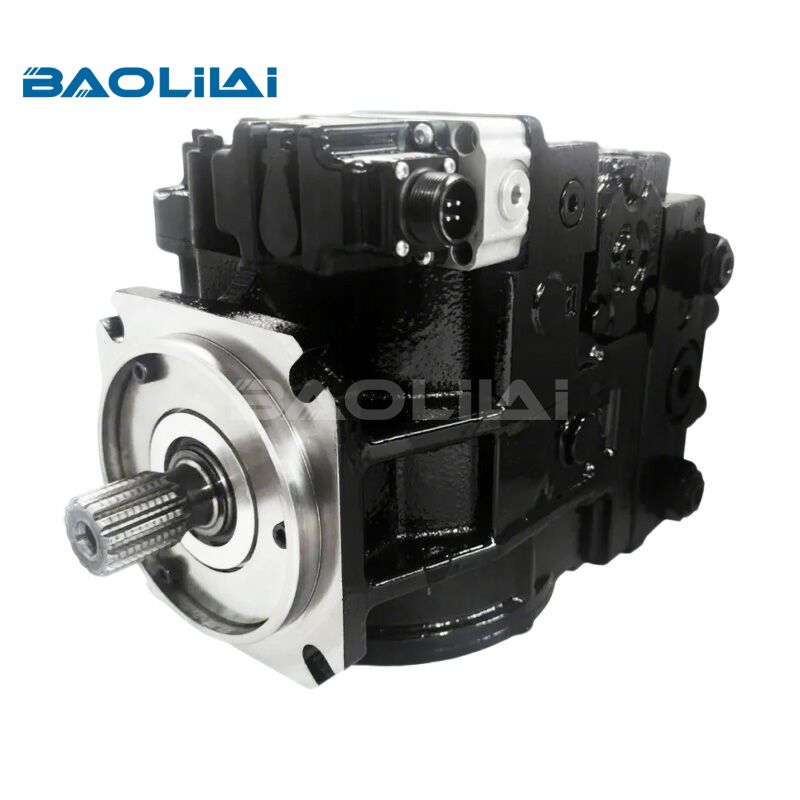
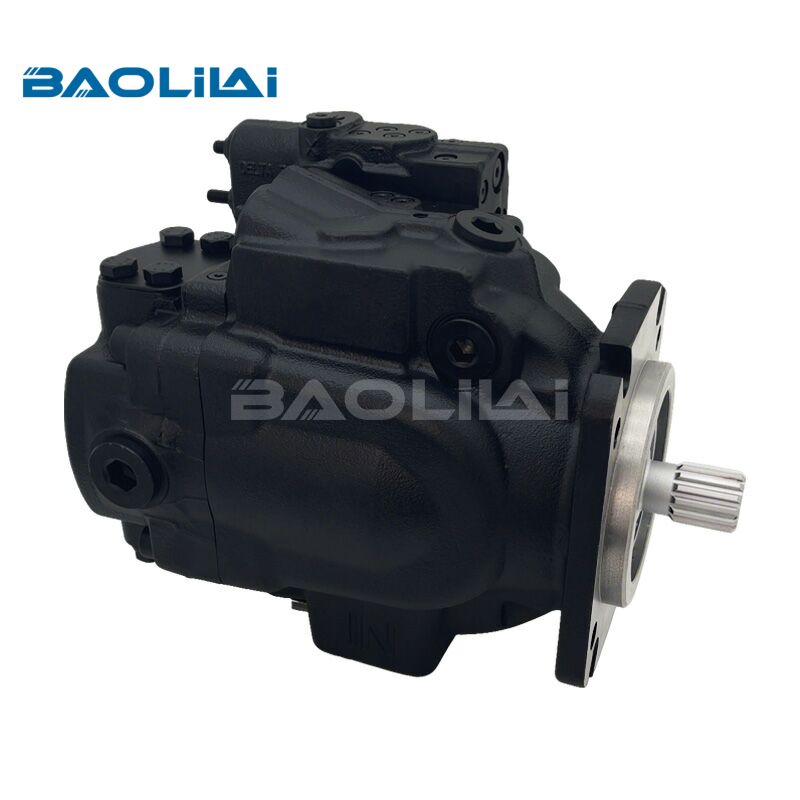
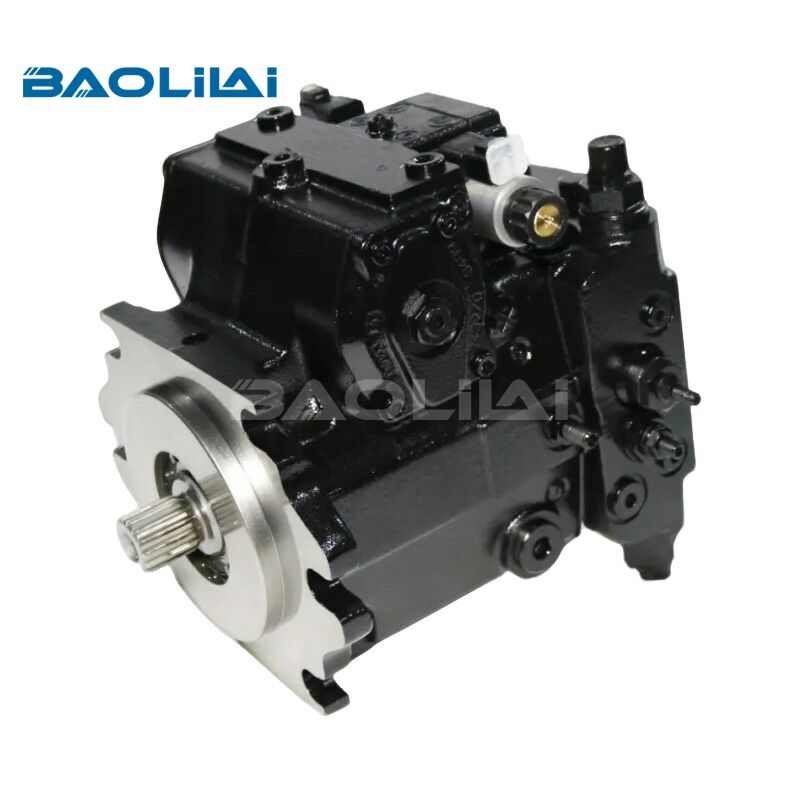
Kawasaki's excavator pumps are variable-displacement axial piston pumps with a swash plate. Inside the pump housing, a cylinder block full of pistons rotates against an angled swash plate. As the block spins, each piston is forced in and out of its bore, drawing in hydraulic fluid on one stroke and pushing it out under pressure on the next.
The key word is variable. The swash plate's angle isn't fixed — a servo-controlled mechanism tilts it in real time. A steeper angle means longer piston strokes and more flow per revolution; a shallower angle means less flow. This is what lets a single pump deliver a trickle of oil for a delicate bucket adjustment or a full flood of oil for a fast boom-up, without changing engine speed.
Tandem and Split-Flow Configurations
Most mid-to-large excavators don't run on a single pump — they use two main pumps (often called the front and rear pump, or P1 and P2) mounted in tandem on a shared drive shaft, sometimes with a smaller pilot/gear pump bolted on the back for pilot control and cooling fan circuits.
This split-flow arrangement exists so the machine can combine flows for fast, simultaneous movements — for example, boom-up and swing at the same time — while also isolating circuits so one function doesn't starve another. The K3V series (used widely in the 20–50 ton class) is the classic example of this tandem, double-pump layout.
Load Sensing and Electronic Control
Modern Kawasaki pumps, particularly in the K5V and later K3V generations, use load-sensing (LS) control combined with electronic displacement control. Load sensing means the pump constantly measures the pressure demand of whatever function the operator is commanding and adjusts its own output to match — no more, no less.
This has two big payoffs:
Fuel efficiency — the pump doesn't generate pressure or flow the machine isn't using, so less diesel is burned moving hydraulic oil in circles.
Multi-function control — when an operator runs boom, arm, and swing together (a common motion during truck loading), the electronic controller apportions flow between functions based on programmed priorities, so the arm doesn't stall out the swing or vice versa.
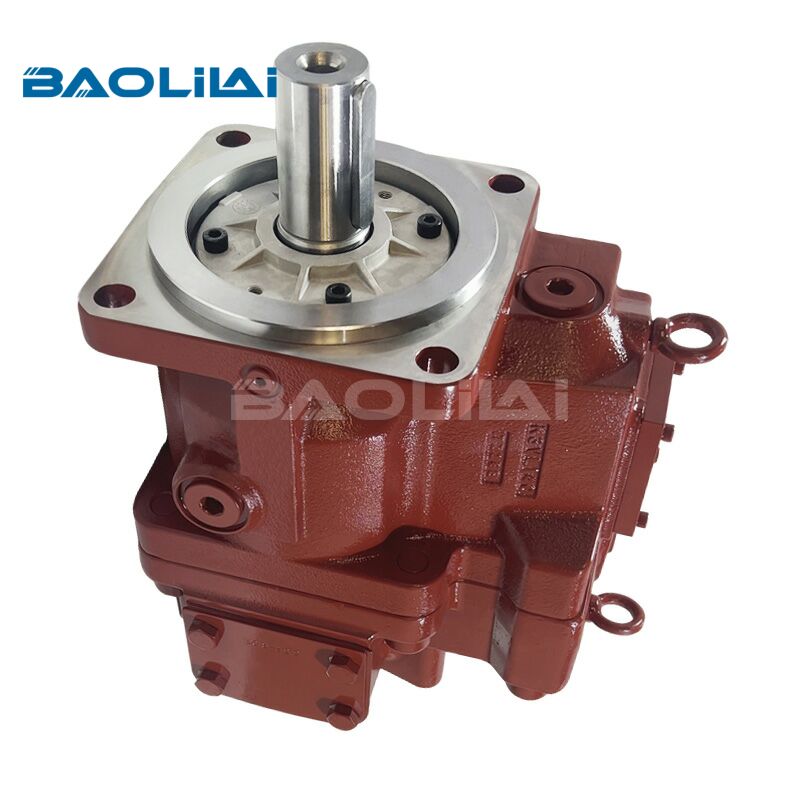
Common Kawasaki Pump Series in Excavators
| Series | Typical Application | Notable Feature |
| K3V | 13–50 ton excavators | Tandem piston pumps, widely used OEM standard |
| K5V | Large excavators (40–80+ ton) | Higher pressure/flow capacity, advanced electronic control |
| K7V | Very large mining/construction excavators | High-displacement, heavy-duty variants |
| M2X / MX series | Travel and swing motors (paired with main pumps) | Axial piston motors complementing pump output |
Note: exact model fitment (e.g., K3V112, K3V140, K5V200) varies by excavator make, model, and year — always cross-reference by machine serial number or OEM parts catalog rather than tonnage class alone.
Maintenance Best Practices
1. Follow OEM-specified hydraulic fluid viscosity and change intervals — contamination is the single largest cause of premature pump wear
2. Keep suction-side hoses and strainers clear to prevent cavitation, which pits piston bores and valve plates
3. Monitor case drain flow and temperature, since rising case drain flow is often the earliest sign of internal pump wear
4. Use OEM or OEM-equivalent seal kits and servo pistons when rebuilding, since displacement control tolerances are tight
5. Avoid running the machine with known low fluid levels, even briefly — piston pumps are especially sensitive to aeration
Frequently Asked Questions
Q1: Why does my excavator lose power only when running two functions at once?
A1: This is a classic sign of either a worn pump unable to sustain combined flow, a miscalibrated LS/pressure compensator valve, or a control valve spool that isn't shifting fully. It's rarely the pump's maximum displacement itself that's the issue — more often it's the control system governing how flow is shared.
Q2: How long do Kawasaki excavator pumps typically last?
A2: With clean fluid and proper maintenance, these pumps commonly run 8,000–12,000+ hours before needing a rebuild. Fluid contamination and cavitation, not simple time, are what shorten that lifespan.
Q3: Is a Kawasaki pump interchangeable between excavator brands?
A3: Physically, K3V and K5V pumps are used across multiple OEMs, but displacement, spline count, pressure settings, and control valve calibration are typically machine-specific. A pump pulled from one excavator model usually needs recalibration or a different control valve setup to work correctly on another.
Q4: How to purchase Kawasaki hydraulic pumps
A4: Visit https://www.baolilaihydraulic.com/contact/ and send us the specific model numbers; we will promptly provide a price quote and estimated delivery time.