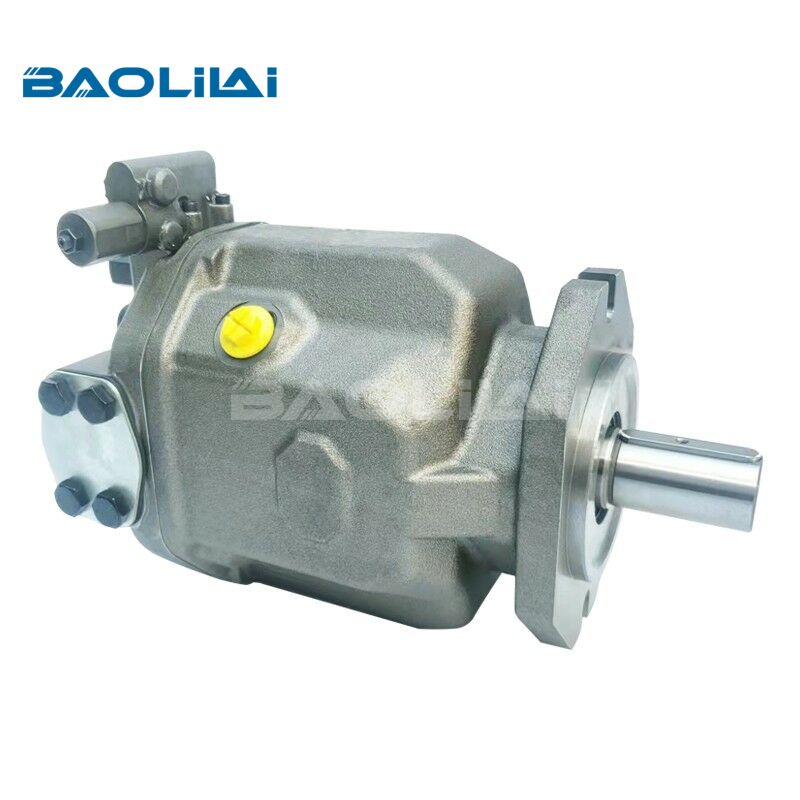
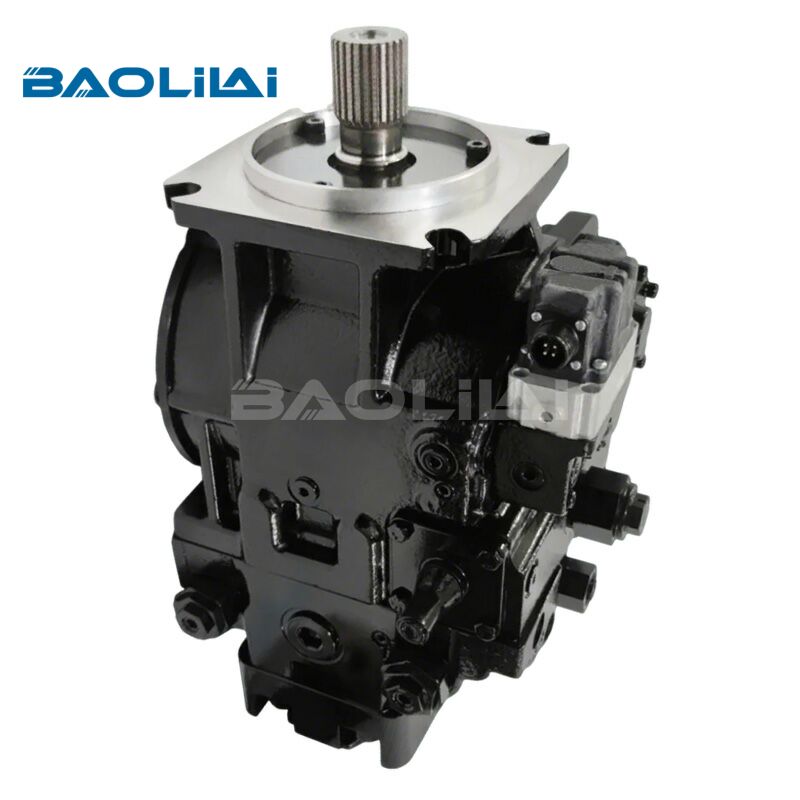
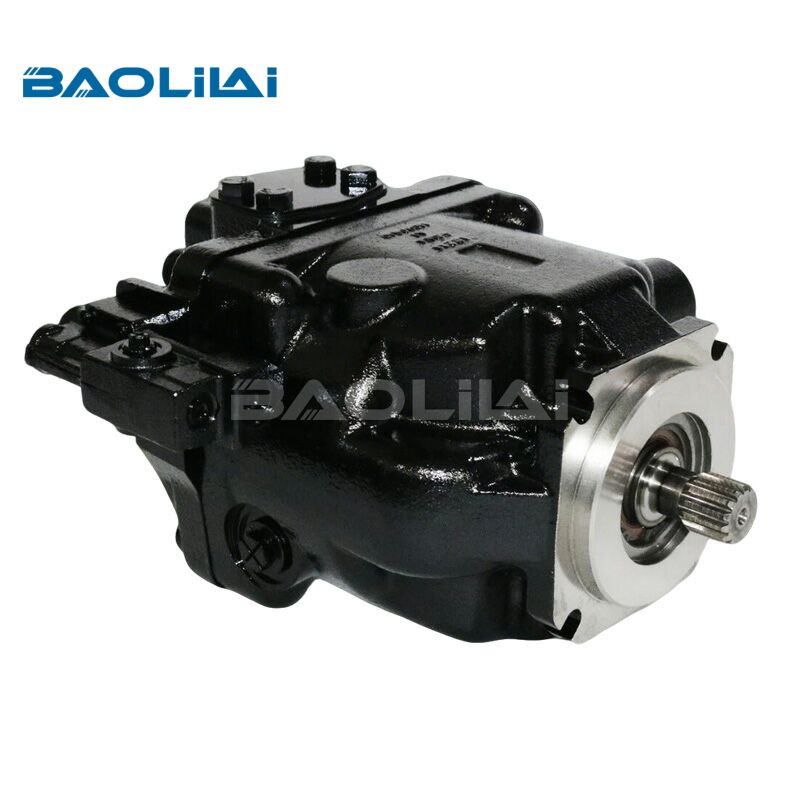
Why Danfoss Hydraulic Pumps Are Ideal for Construction and Agricultural Machinery
Danfoss is a Denmark-based industrial manufacturer that's been in operation since 1933. While the company is diversified across climate solutions, power electronics, and more, its Danfoss Power Solutions division (which absorbed the well-known Sauer-Danfoss brand) is specifically focused on mobile hydraulics — the kind of systems that power off-highway vehicles like excavators, tractors, wheel loaders, and sprayers.
Why Construction Equipment Relies on Danfoss Pumps
Handling Extreme Loads Without Breaking Down
Construction machinery — think excavators, backhoes, and compactors — routinely faces shock loading, vibration, dust, and temperature swings. Danfoss pumps are engineered with robust piston and swashplate designs that tolerate these conditions without rapid wear. The internal components are built to manage high-pressure cycles (often exceeding 400 bar) without a drop in performance.
Precision Control for Complex Movements
Modern construction equipment doesn't just need raw power; it needs finesse. Operators expect smooth bucket curls, precise boom articulation, and responsive steering. Danfoss's variable displacement pump technology allows flow output to match exactly what the task demands, reducing jerky movement and improving operator control — which also translates into less fatigue during long shifts.
Example in Practice
A mid-size excavator manufacturer switching from a fixed-displacement system to a Danfoss Series 90 variable pump setup can often report noticeably smoother multi-function operation — simultaneous digging and swinging, for instance — because the pump adjusts output on the fly rather than forcing the system to compromise between functions.
Why Agricultural Machinery Benefits Just as Much
Fuel Efficiency Where It Counts
Farmers operate on tight margins, and fuel costs eat into those margins fast. Danfoss hydraulic pumps are designed with efficiency in mind — better volumetric and mechanical efficiency means the engine works less to generate the same hydraulic output, which lowers fuel consumption during long planting or harvest days.
Durability in Dusty, Variable Environments
Agricultural equipment deals with a different kind of abuse than construction gear: dust, chaff, moisture, and long unattended run times in remote fields. Danfoss pumps are built with sealing and filtration compatibility that holds up to contaminated environments, reducing the risk of premature pump failure mid-season — a nightmare scenario when weather windows are tight.
Real-World Application
Think of a self-propelled sprayer running a Danfoss H1 pump to power its boom-leveling system. The pump needs to respond instantly to uneven terrain while maintaining consistent spray height. That kind of split-second hydraulic responsiveness is exactly where Danfoss engineering earns its reputation.
The Technology Behind the Reliability
Axial Piston Design
Most Danfoss mobile pumps use axial piston architecture, which allows for compact size, high power density, and variable displacement — all critical for mobile equipment where space and weight are constrained.
Electrohydraulic Integration
With the rise of PLUS+1 compliant systems, Danfoss pumps can now integrate directly with electronic control units (ECUs). This means machine builders can fine-tune pump behavior through software rather than purely mechanical adjustments, opening the door to features like load sensing, auto-idle, and precision flow sharing across multiple functions.
Load-Sensing Systems
Load-sensing hydraulics adjust pump output based on the actual demand of the connected actuator, rather than running at constant maximum flow. This reduces heat generation, cuts energy waste, and extends component life — a meaningful advantage for both construction contractors and farm operators watching operating costs.
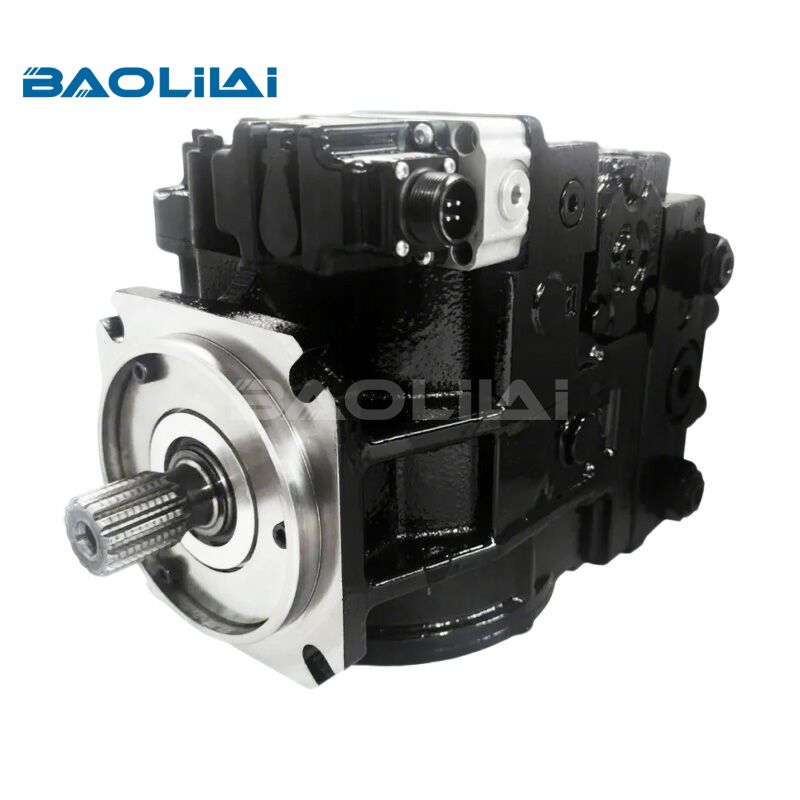
Frequently Asked Questions
Q1: What types of machinery commonly use Danfoss hydraulic pumps?
A1: Excavators, wheel loaders, skid steers, combine harvesters, self-propelled sprayers, tractors, and various forestry and material-handling equipment frequently use Danfoss pumps, particularly the Series 90, Series 45, and H1 lines.
Q2: How do Danfoss pumps improve fuel efficiency?
A2: Through variable displacement and load-sensing technology, the pump only generates the hydraulic flow actually needed for a given task, reducing wasted energy and lowering fuel consumption compared to fixed-displacement systems running at constant output.
Q3: Can Danfoss pumps be controlled electronically?
A3: Yes. Pumps compatible with the PLUS+1 platform can be integrated with electronic control units, enabling features like load sensing, auto-idle, and precise multi-function flow management.
Q4: How to purchase Kawasaki hydraulic pumps
A4: Visit https://www.baolilaihydraulic.com/contact/ and send us the specific model numbers; we will promptly provide a price quote and estimated delivery time.