Parker Hydraulic Pumps in Agriculture: Reliable Performance for Tractors and Harvesters
Parker Hannifin is a diversified motion and control technologies company, and its hydraulic pump divisions supply both original equipment manufacturers (OEMs) and the aftermarket. In agriculture, Parker pumps show up in two main contexts:
1. OEM integration — built directly into new tractors, combines, and self-propelled equipment by manufacturers like John Deere, Case IH, New Holland, and AGCO brands.
2. Aftermarket replacement — sourced by independent repair shops and farmers replacing a failed or worn pump on older equipment.
Parker's agricultural hydraulic offerings typically fall into a few core product families, each suited to different applications.
Gear Pumps
Gear pumps are the workhorses of simpler hydraulic circuits — steering systems, auxiliary functions, and lower-pressure implement controls. Parker's fixed-displacement gear pumps are valued for their simplicity, relatively low cost, and tolerance for the dusty, vibration-heavy environment of a working field.
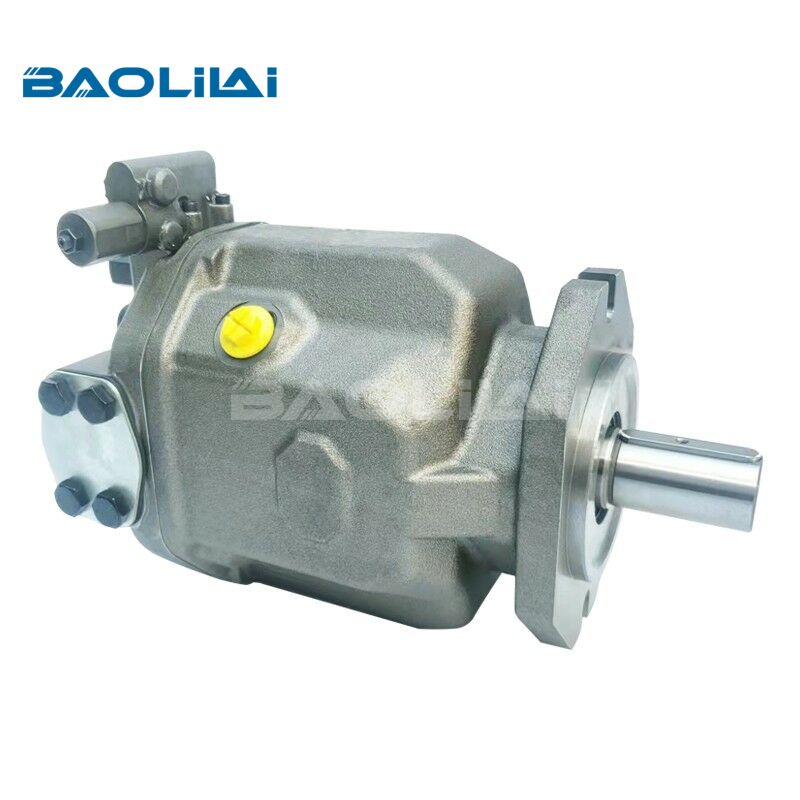
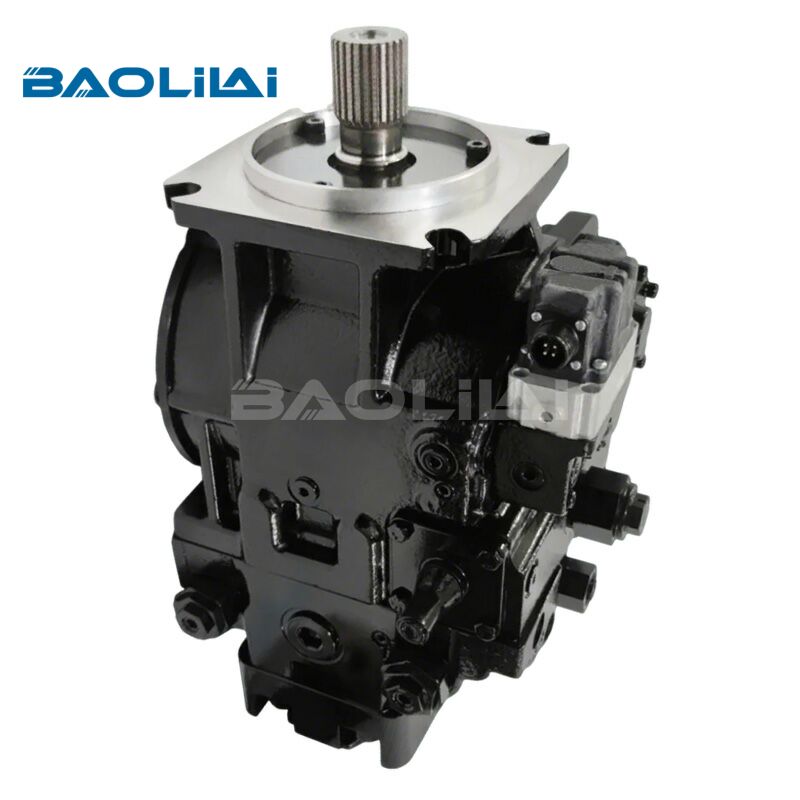
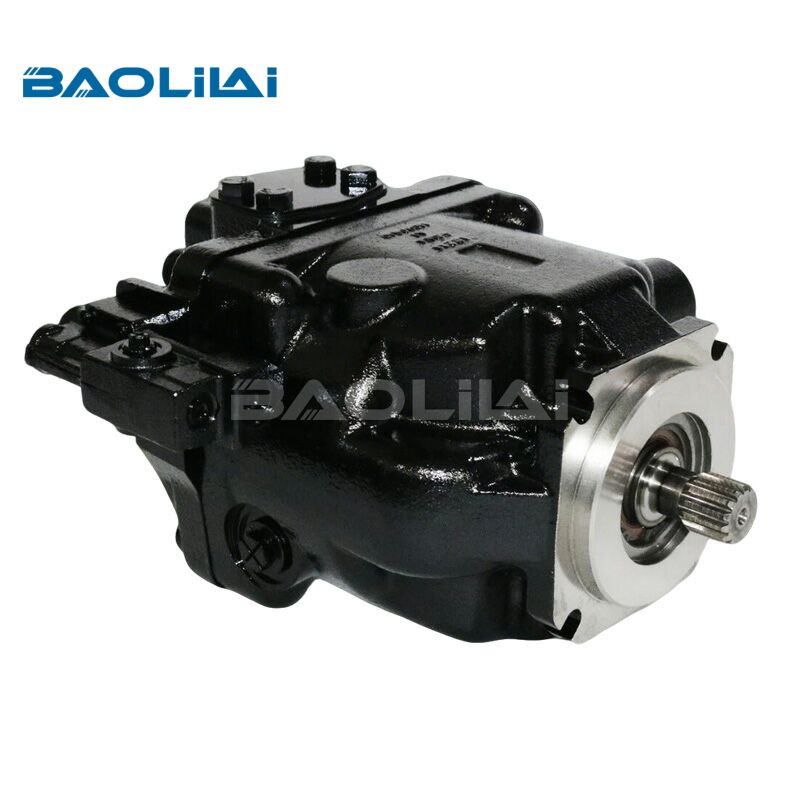
Piston Pumps
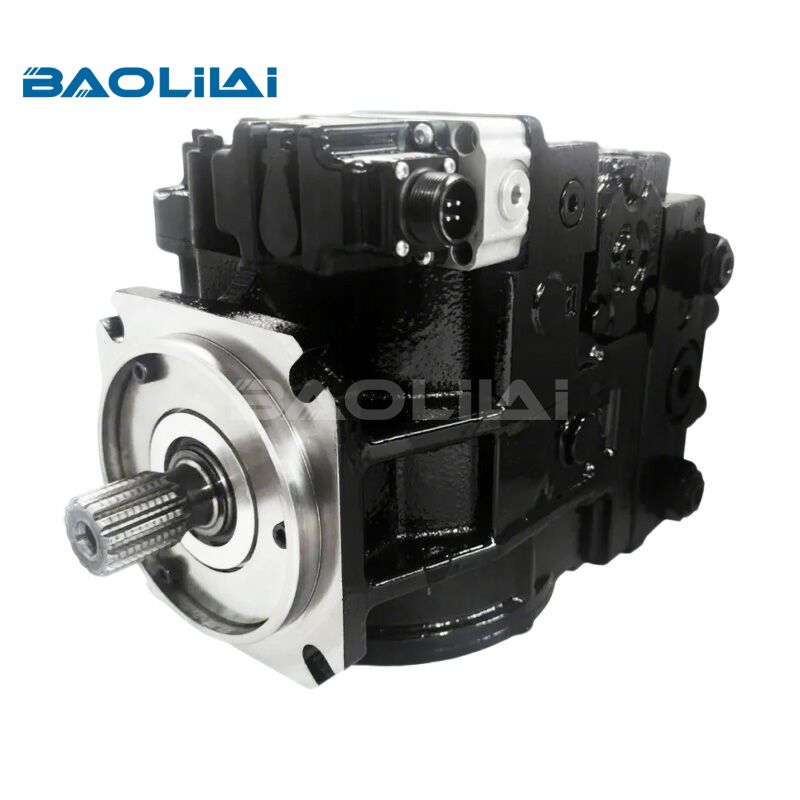
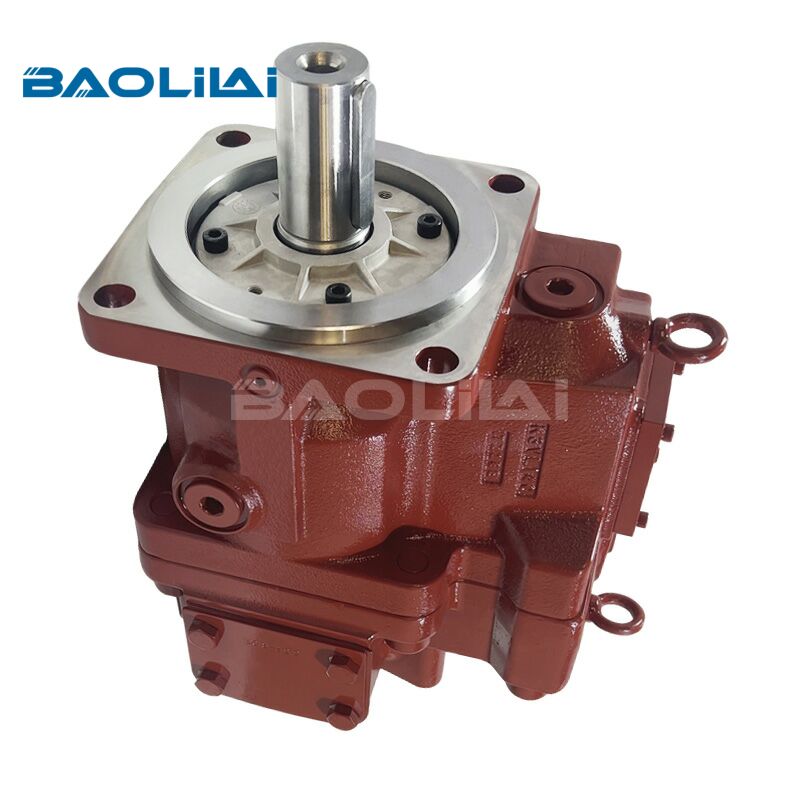
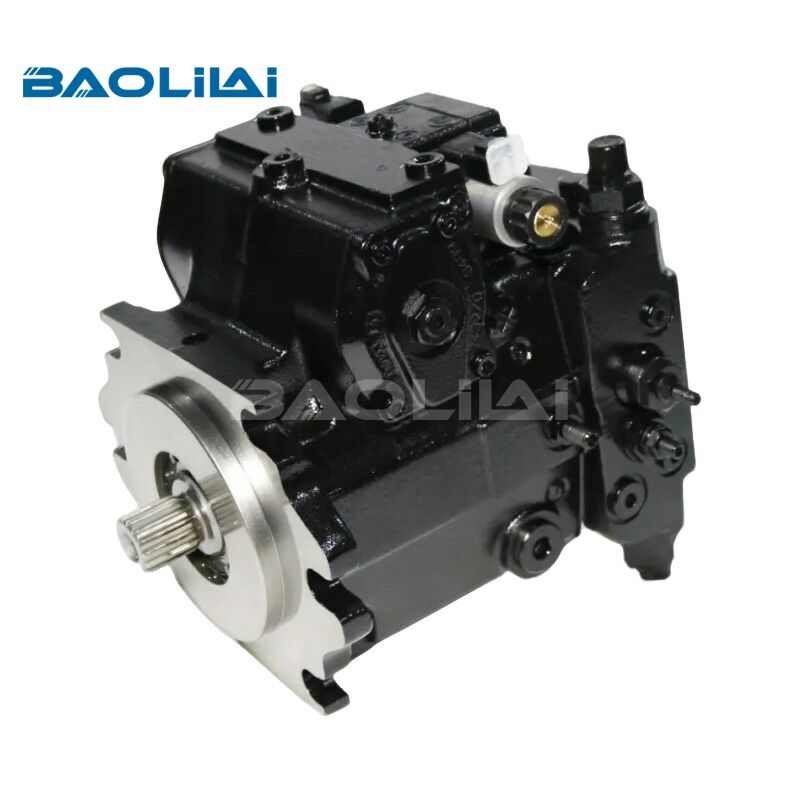
For higher-pressure, variable-flow applications — like the main hydraulic circuit on a large four-wheel-drive tractor or a combine's propulsion system — piston pumps take over. Parker's axial piston pump lines (including variable displacement models) allow the system to adjust flow output based on demand, which improves fuel efficiency and reduces heat buildup during long field operations.
Vane Pumps
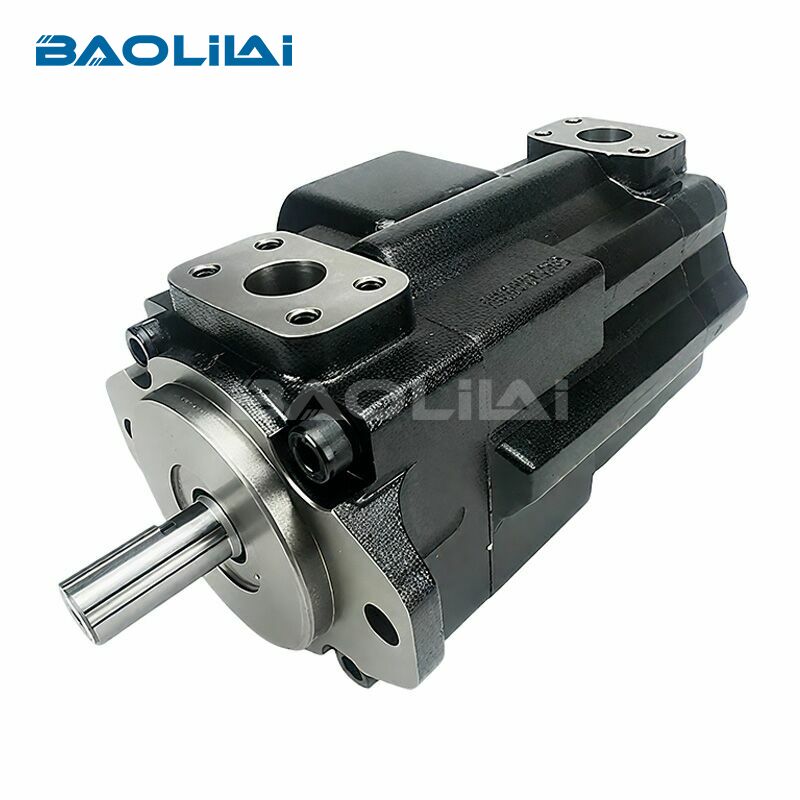
Vane pumps sit in between, often used in mid-range implements and certain steering assist circuits where moderate pressure and quiet operation are priorities.
How Parker Pumps Perform in Tractors
In a tractor, the hydraulic pump typically handles three overlapping jobs: powering the three-point hitch, running the power steering, and supplying auxiliary remote outlets for towed implements like plows, seeders, or balers.
Example: Load-Sensing Systems on Large Tractors
Many modern high-horsepower tractors use a load-sensing hydraulic architecture, where the pump only generates the flow and pressure actually demanded by the connected function at that moment. Parker's variable displacement piston pumps are commonly specified for these systems because they can respond quickly to changing loads — for example, when an operator simultaneously raises a loader arm and activates a remote hydraulic cylinder on a rear implement. Instead of wasting energy and generating excess heat, the pump modulates output on the fly.
Example: Front-End Loader Applications
A tractor fitted with a front-end loader places repetitive, high-cycle demands on its hydraulic pump — lifting, tilting, and curling loads throughout the day. Operators running loaders in livestock operations or on smaller acreage farms often report that pump durability, more than raw lifting power, determines how long the system lasts before requiring service. Parker's gear and piston pump options for this segment are built with reinforced bearings and wear plates specifically to handle this kind of duty cycle.
How Parker Pumps Perform in Harvesters
Combine harvesters place different demands on a hydraulic system than tractors do. Instead of towing implements, a combine has to manage a wide range of internal mechanical functions simultaneously — header height and tilt, reel speed, unloading auger operation, feeder house control, and in many models, hydrostatic or hydraulic-assist propulsion.
Example: Header Height and Float Control
Modern combine headers use hydraulic cylinders to automatically float and adjust to ground contours, particularly on row-crop or draper headers. This requires a pump capable of fast, precise pressure changes — too slow, and the header won't track the ground properly, leading to crop loss; too aggressive, and it can damage the cutting mechanism on uneven terrain. Parker piston pumps are frequently selected here for their responsiveness under rapidly changing load conditions.
Example: Hydrostatic Drive Systems
Some combines and self-propelled sprayers use hydrostatic transmissions, where a hydraulic pump and motor combination replaces a traditional mechanical gearbox entirely. In these systems, pump performance directly determines the vehicle's ground speed control, smoothness of operation, and fuel economy. Parker's closed-loop piston pumps are a common choice in this category because of their ability to handle continuous, high-duty-cycle operation across long harvest days.
Maintenance Considerations for Parker Hydraulic Pumps
Even a well-built pump will fail prematurely if the surrounding hydraulic system isn't maintained properly. A few practical points worth keeping in mind:
Fluid cleanliness is non-negotiable. Most premature pump wear traces back to fluid contamination — dirt, metal particles, or water ingress — rather than a manufacturing defect. Regular filter changes and periodic fluid sampling go a long way toward extending pump life.
Watch for cavitation symptoms. A whining or growling noise from the pump, especially on startup in cold weather, often signals air entering the suction line or fluid that's too viscous to flow properly. Left unaddressed, cavitation erodes internal pump components quickly.
Monitor case drain temperatures. On piston pumps in particular, an unusually hot case drain line can indicate internal wear or excessive slip, which reduces efficiency even before a full failure occurs.
Don't ignore seal replacement intervals. Shaft seals are a common wear item, and a failing seal often shows up as an external leak long before internal components are affected — replacing it early is far cheaper than a full pump rebuild.
Frequently Asked Questions
Q1: What's the difference between a gear pump and a piston pump in agricultural use?
A1: Gear pumps are fixed-displacement, simpler, and generally lower cost, making them suitable for steering circuits and lighter-duty implement functions. Piston pumps, particularly variable-displacement models, can adjust output to match demand, making them better suited to high-horsepower tractors, combines, and hydrostatic drive systems where efficiency and responsiveness matter more.
Q2: How long do Parker hydraulic pumps typically last on farm equipment?
A2: Service life varies enormously based on duty cycle, fluid cleanliness, and maintenance practices, so manufacturers generally avoid quoting a fixed lifespan. Well-maintained pumps in properly filtered systems can run for many thousands of operating hours, while pumps in contaminated or poorly maintained systems can fail in a fraction of that time.
Q3: What causes most hydraulic pump failures in agricultural equipment?
A3: Contaminated fluid is the most common root cause, followed by cavitation from air ingress or overly viscous fluid in cold conditions, and simple wear from extended operating hours without adequate maintenance. Manufacturing defects are comparatively rare compared to these operational factors.
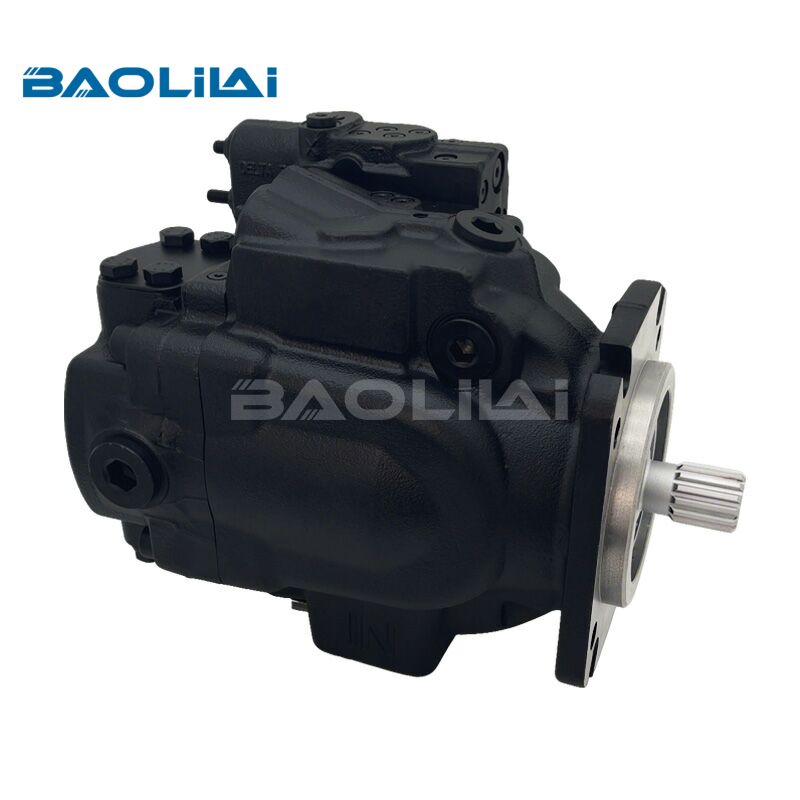
Q4: How to purchase Parker hydraulic pumps
A4: Visit https://www.baolilaihydraulic.com/contact/ and send us the specific model numbers; we will promptly provide a price quote and estimated delivery time.