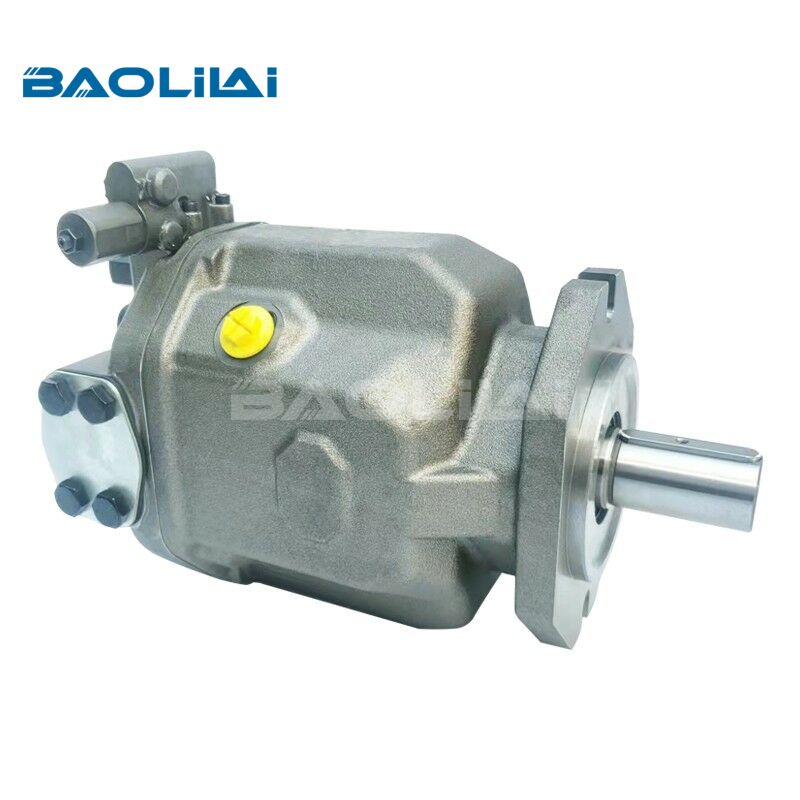
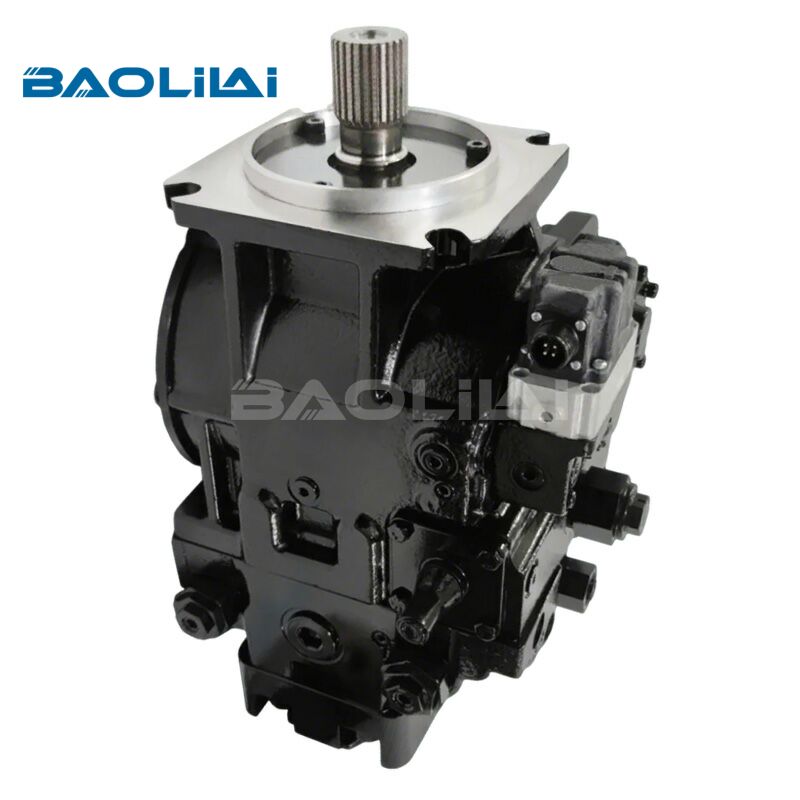
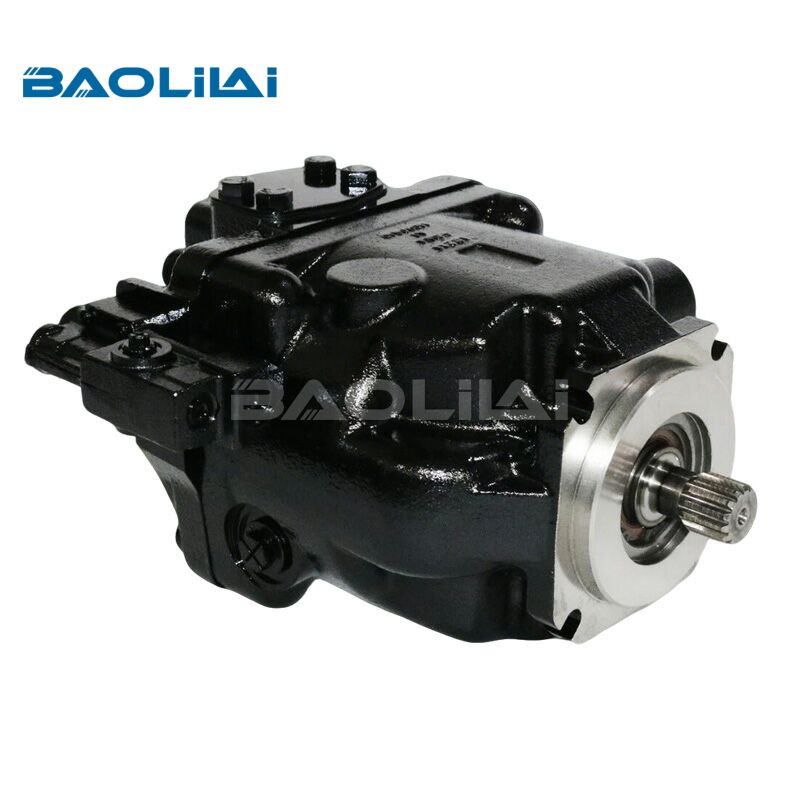
Understanding Denison Vane Pump : Selection and Installation Guide
A Denison vane pump is a positive displacement hydraulic pump built around a rotating cam ring and a set of sliding vanes housed in a rotor. As the rotor spins, centrifugal force (and in balanced designs, hydraulic pressure) pushes the vanes outward against the cam ring, creating expanding and contracting chambers that draw in fluid on one side and force it out under pressure on the other.
How Vane Pumps Work: The Core Mechanism
Before you can select the right pump, it helps to understand the moving parts you're actually buying.
The Cartridge Assembly
Denison's defining engineering choice is the cartridge concept: the rotor, vanes, cam ring, port plate, and pressure plate are packaged as a single field-replaceable unit, independent of the shaft and housing. This means the cartridge can be swapped for a different flow capacity, or serviced in the field, without pulling the entire pump off its mounting. If you've ever had to change displacement on a machine without redesigning the whole hydraulic circuit, you'll appreciate why this detail matters more than it sounds.
Balanced Pin-Vane Design
In the balanced design used across the T6C, T6D, T6E, and T7E series, outlet pressure acts only on the pin, which applies a light, steady force against the vane. Both the top and bottom of each vane see the same pressure — inlet or outlet, depending on where it sits in the rotation — which is what keeps noise down and volumetric efficiency up. This is the mechanical reason Denison pumps run quieter than a comparable gear pump at similar pressure.
Single, Double, and Triple Configurations
Single vane pumps (T6C, T6D, T6E) — one cartridge, one flow output. Used where a single hydraulic circuit needs a steady supply.
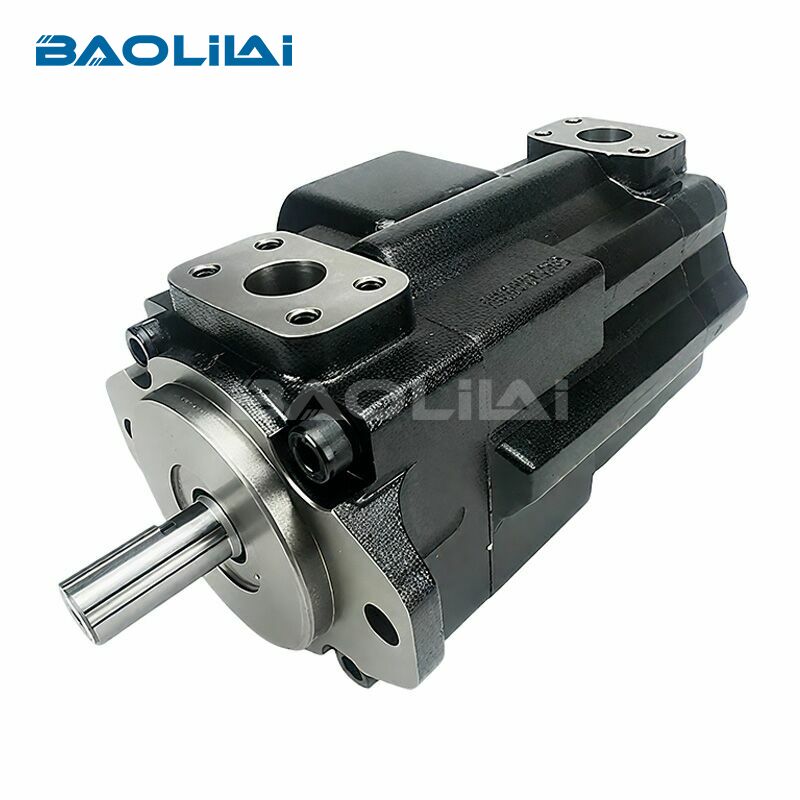
Double vane pumps (T6CC, T6DC) — two cartridges in one housing, often combining a high-flow/low-pressure section with a low-flow/high-pressure section for clamp-and-work cycles, like injection molding.
Triple vane pumps (T6DCC) — three cartridges, used where a machine needs three independently sized flows from one shaft — common in large presses and complex mobile hydraulics.
Types of Denison Vane Pumps by Application
Industrial Series (T6C / T6D / T6E / T7E)
Built for stationary industrial equipment: injection molding machines, die-casting rigs, presses, and heavy-duty bending equipment. Rated for high pressure capability up to 275 bar in a relatively compact operating envelope, with a speed range from 600 RPM to 2800 RPM, which gives designers flexibility in matching pump speed to the prime mover.
Mobile Series (T6*M)
Designed specifically for mobile equipment, the T6*M series reduces the size and cost of actuators, valves, and lines while extending working life, supported by pressure ratings up to 275 bar. Combining different cartridges in double and triple configurations allows low flow at high pressure alongside high flow at lower pressure — letting engineers fine-tune a circuit instead of over-sizing it. If you're spec'ing a pump for a truck-mounted crane, an agricultural implement, or a mobile crusher, this is the family to start with.
Cartridge Kits for Rebuilds
Because the cartridge is a self-contained wear assembly, many buyers don't purchase a whole new pump — they purchase a replacement cartridge kit, seal kit, or shaft-and-bearing assembly and rebuild the housing they already have. This is usually the cheaper and faster path when the housing and mounting are still sound.
Key Selection Criteria
Choosing the wrong vane pump usually isn't about picking the wrong brand — it's about mismatching one of the variables below.
1. Flow Rate and Displacement (Vi)
Displacement is measured in ml/rev, and actual flow depends on both displacement and shaft speed. As a working example: a T6ED-042 cartridge delivers roughly 198.5 l/min at zero pressure and 1500 RPM, dropping to around 181.3 l/min at 240 bar — a reminder that catalog flow numbers always assume a specific pressure and speed, not just displacement alone. Always size against your actual operating pressure, not the zero-pressure catalog figure.
2. Pressure Rating
Match the pump's continuous and intermittent pressure ratings to your circuit's actual working pressure plus a safety margin — not to the relief valve setting alone. Running a pump at its intermittent peak continuously is one of the fastest ways to shorten cartridge life.
3. Fluid Compatibility and Viscosity
Denison's maximum catalog ratings assume operation with petroleum-based antiwear R&O fluids meeting the HF-0 and HF-2 specifications; using other fluid types requires derating the pump's maximum ratings. Viscosity needs to stay within roughly 9240 SUS at cold start/low speed and low pressure, down to about 500 SUS at full speed and pressure. If your plant runs fire-resistant or biodegradable fluids, confirm compatibility before ordering — this is one of the most common causes of premature vane wear.
4. Mounting and Shaft Configuration
Check spline or keyed shaft type, mounting flange (SAE two-bolt vs. four-bolt), rotation direction (CW/CCW as viewed from the shaft end), and port orientation. Where two coupled members are rigidly supported, shaft alignment needs to stay within roughly 0.006" total indicator runout, with angular misalignment held under about 0.002" per inch, to avoid fretting at the spline.
5. Single vs. Multi-Vane Configuration
If your machine has two distinct hydraulic demands — say, fast clamp-close followed by slow, high-pressure holding — a double vane pump sized with mismatched cartridges (one high-flow, one high-pressure) will usually outperform and outlast a single large pump throttled down with a proportional valve.
Frequently Asked Questions
Q1: How do I know if I need a single, double, or triple vane pump?
A1: Count the distinct flow/pressure demands in your circuit. One demand → single. Two distinct phases (like fast-approach and high-pressure hold) → double. Three independent circuits off one shaft → triple.
Q2: What causes most vane pump failures?
A2: Cavitation from restricted or undersized suction lines, followed by fluid contamination and coupling misalignment. True internal mechanical failure without one of these root causes is comparatively rare.
Q3: Can I rebuild a Denison vane pump instead of replacing it?
A3: In most cases, yes. If the housing, shaft, and bearing assembly are still within spec, a replacement cartridge kit and seal kit will restore the pump to near-original performance at a fraction of the cost of a new unit.
Q4: How to purchase Denison vane pumps
A4: Visit https://www.baolilaihydraulic.com/contact/ and send us the specific model numbers; we will promptly provide a price quote and estimated delivery time.